Share
An unfolding archive of food, culture, and craft.

Part II — The True Cost of the System
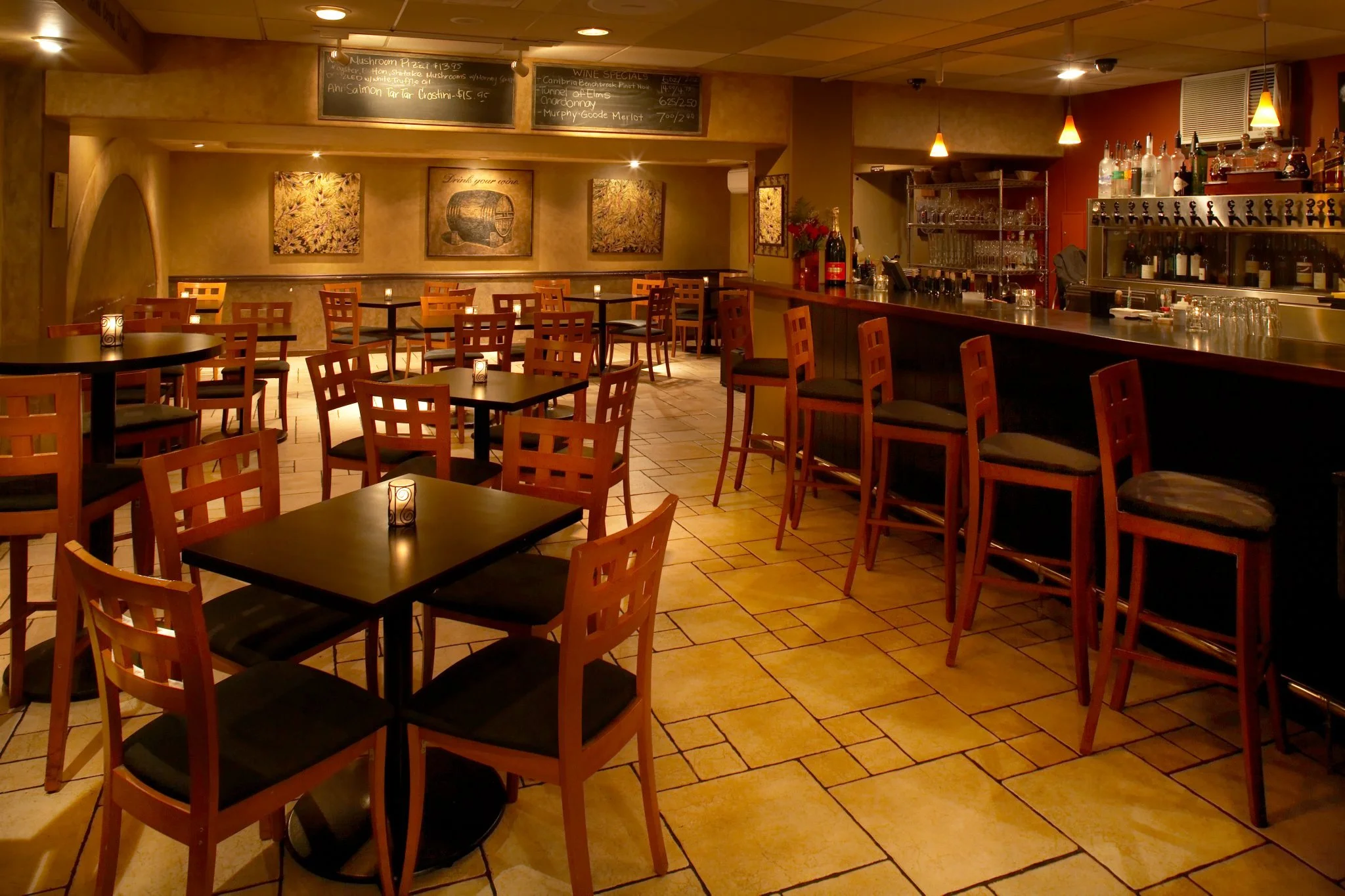
Restaurants are often judged by what they produce, but far less attention is given to the system that makes those outcomes possible. Behind every kitchen hood, grease trap, and ventilation line is a chain of costs that continues long after opening. Understanding those costs changes how a restaurant is built—and how it survives.

What Is Terroir in Wine?
Terroir describes how climate, soil, and vineyard conditions shape the structure of wine. It is not the taste of soil, but the result of how grapes grow and develop over time.

What Is the Difference Between Old World and New World Wine?
Old World and New World wines are often separated by geography, but the real distinction lies in how they are shaped. From climate and tradition to structure and fruit expression, each approach reflects a different philosophy of wine.

Part III: The Equipment That Changes the Build
Once the hood is removed from the center of the project, equipment begins to mean something different. In a constrained kitchen, tools are no longer chosen to expand possibility, but to align the menu, labor, and space into a system that can hold. The result is not less capability, but more control.

Toast POS & xtraChef
I tried to bring Toast into Mugen Waikiki at ESPACIO. I worked with it at several operations as a task force manager. And I have spent forty years contrasting systems that held under pressure with systems that did not. That contrast is the basis for this recommendation.

Part IV: The Menu Becomes the Constraint
A kitchen designed through constraint does not fail at the equipment level. It fails at the menu. When dishes ignore the realities of the system behind them, timing breaks, labor strains, and consistency fades. The menu must align with the kitchen—or the kitchen begins to resist it.

Part V: Where the System Holds—and Where It Breaks
A restaurant reveals itself in service. When systems align, the room feels composed. When they don’t, the strain appears immediately. This is where operational discipline is tested—and where most restaurants quietly break.

Part II — What the Room Demands
A POS system does not sit behind the service. It moves through it—shaping pacing, interaction, and the guest’s perception of control in ways that are rarely acknowledged, but always felt.

Three Carbon Steel Pans Serious Cooks Should Know
Carbon steel frying pans occupy a quiet but essential place in professional kitchens. Lighter than cast iron yet capable of intense heat, they reward cooks who value responsiveness and control. Here are three carbon steel pans serious cooks should know.

Microplane Classic Zester: The Small Tool Chefs Swear By
The Microplane Classic Zester has become one of the most trusted tools in professional kitchens. Learn why chefs rely on it to create delicate citrus zest, finely grated Parmesan, and aromatic garlic with precision.

Shaken or Stirred?
Shaking and stirring are not stylistic choices—they are structural decisions. Each method controls how temperature, dilution, and texture shape the drink, determining whether it holds its form or transforms in the glass.

Part III — The Kitchen and the Pass
What appears on the ticket is not information. It is instruction—and the kitchen executes exactly what it sees. Clarity at the terminal becomes precision at the pass.

Time: The Invisible Ingredient in Cooking
Time is one of the most powerful forces in cooking, yet it is rarely discussed as an ingredient. From heat penetration and moisture evaporation to flavor diffusion and resting, time determines how completely culinary transformations unfold. Understanding how time interacts with heat, fat, acid, seasoning, and knife work reveals the hidden mechanics behind many of the kitchen’s most important processes.

Knife Craft:How Cutting Changes the Way Food Cooks
Knife work does more than prepare ingredients. The way food is cut determines how heat penetrates, how moisture escapes, and how seasoning interacts with the ingredient. Understanding the mechanics of cutting reveals why geometry plays a decisive role in the way food cooks.

Knife Craft: How Blade Geometry Controls the Way Food Is Cut
A chef’s knife is more than a cutting tool. Its geometry determines how force moves through food and how ingredients separate under the blade. From blade design to the classical cuts used in professional kitchens, knife craft reveals the structural mechanics behind precision in cooking.

Seasoning
Seasoning is often misunderstood as simply adding salt. In reality, seasoning is the mechanism that allows flavor to become visible. Salt alters taste perception, influences protein structure, and distributes flavor through diffusion. Understanding how seasoning works reveals why restaurant food tastes more vivid and why properly seasoned ingredients feel complete long before the final garnish reaches the plate.

The Triangle of Flavor
Great cooking depends on balance. Heat transforms ingredients, fat carries aroma, and acid restores clarity. Together they form the triangle of flavor, a structural system that explains why certain dishes feel complete while others feel heavy or dull.

Acid: The Structural Balance of Food
Acid is the structural counterbalance to richness in cooking. Citrus, vinegar, and fermentation restore clarity when flavors become dense, sharpen perception of aroma, and keep dishes vibrant from the first bite to the last.

Fat: The Carrier of Flavor
Fat does far more than add richness. It carries aromatic compounds, improves heat transfer, and stabilizes sauces. Understanding how fat behaves explains why restaurant food often tastes fuller and more integrated than food cooked without it.

The Rhythm of Appetite
A lifetime around restaurants reveals that appetite changes with experience. What begins as youthful indulgence gradually evolves into balance, moderation, and a deeper rhythm at the table.