
Source
Where food begins — shaped by place, time, and care.
Food doesn’t begin on the plate.
It begins in land, water, weather, and time.
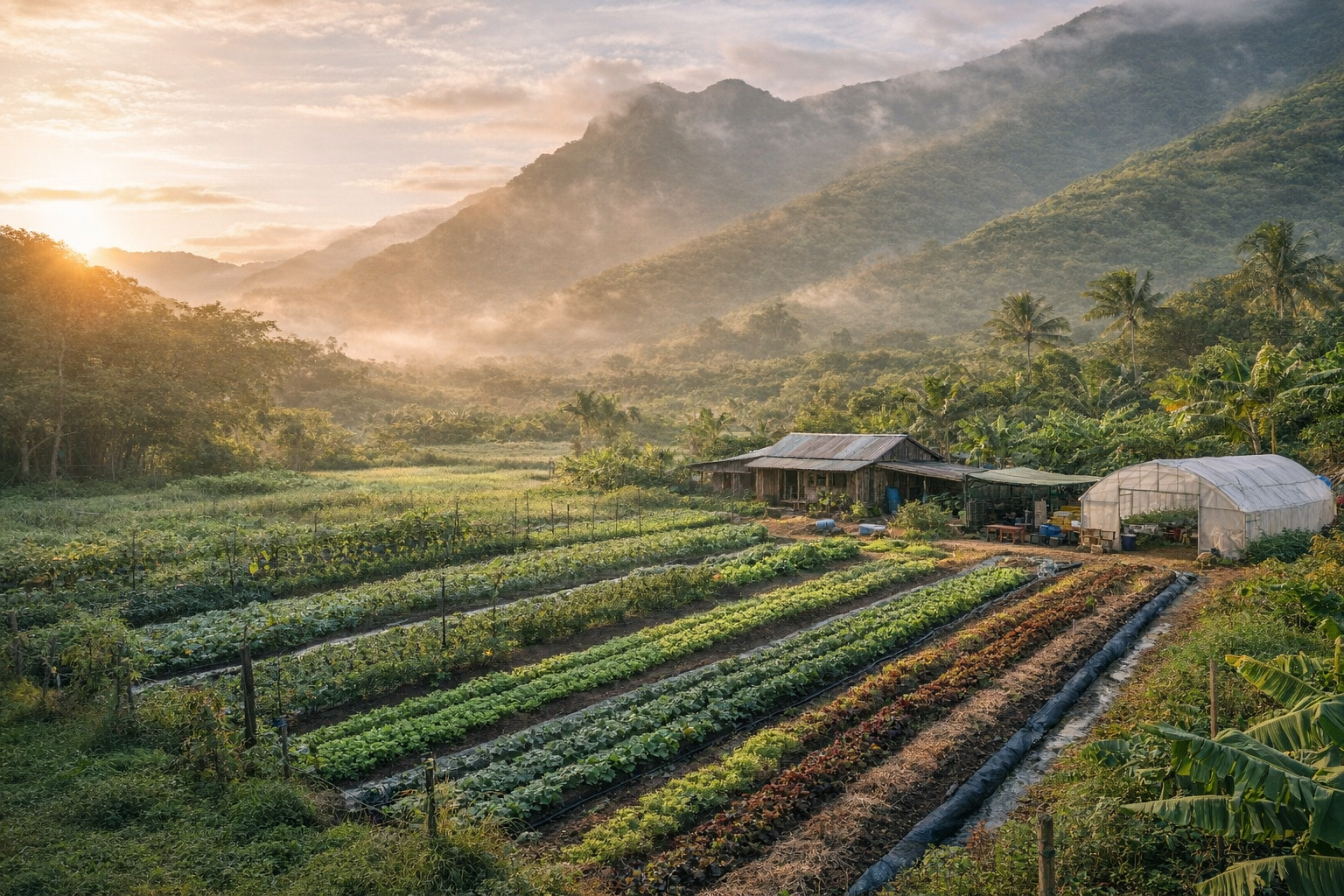
SOURCE explores where what we eat comes from — not just geographically, but culturally and ecologically. It’s a place to examine the systems, traditions, and decisions that shape food long before it reaches the kitchen. From ancient practices to modern realities, SOURCE is about origin, responsibility, and the quiet truth that every ingredient carries a sense of place.
#Source · #LifeTastesBetterTogether
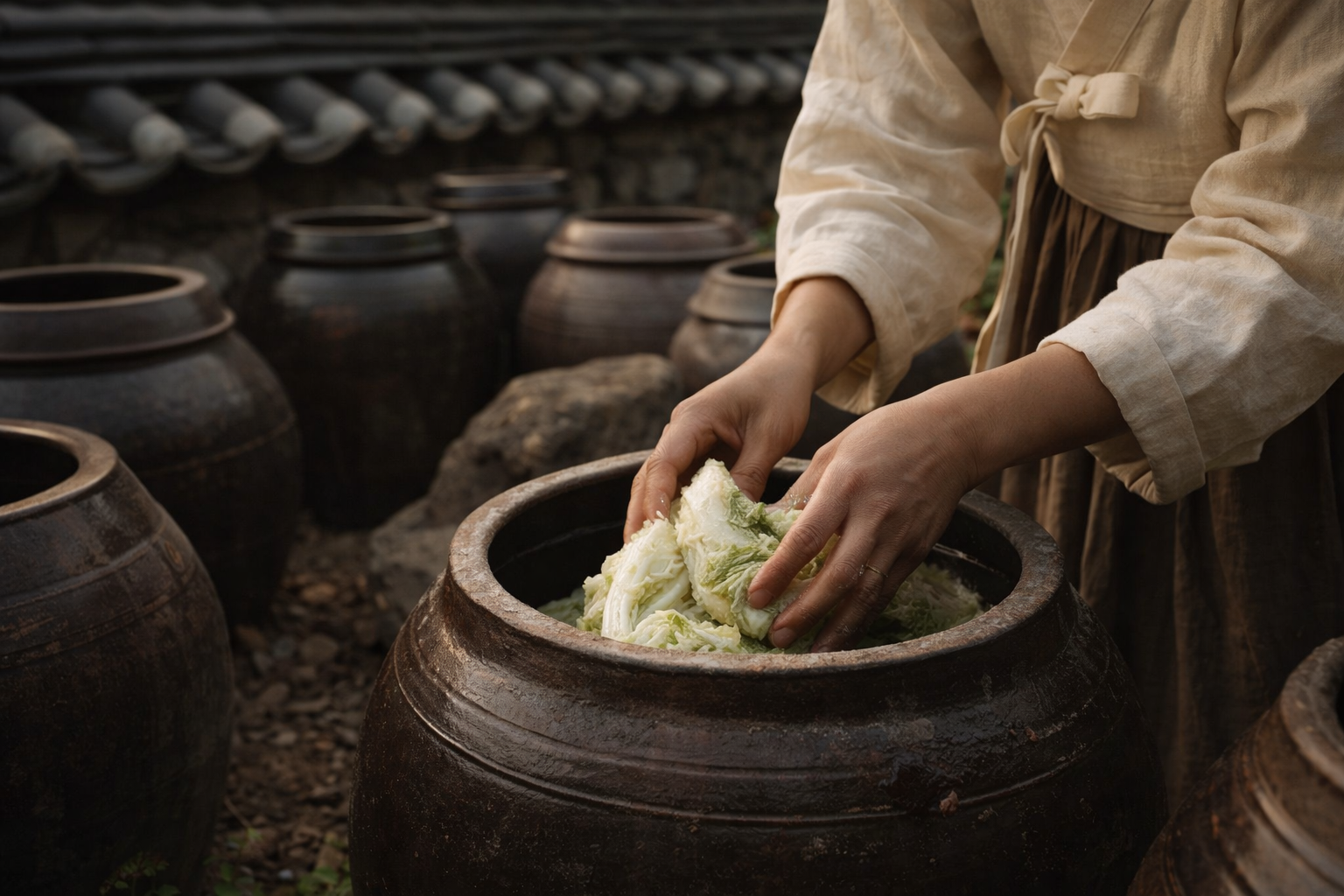
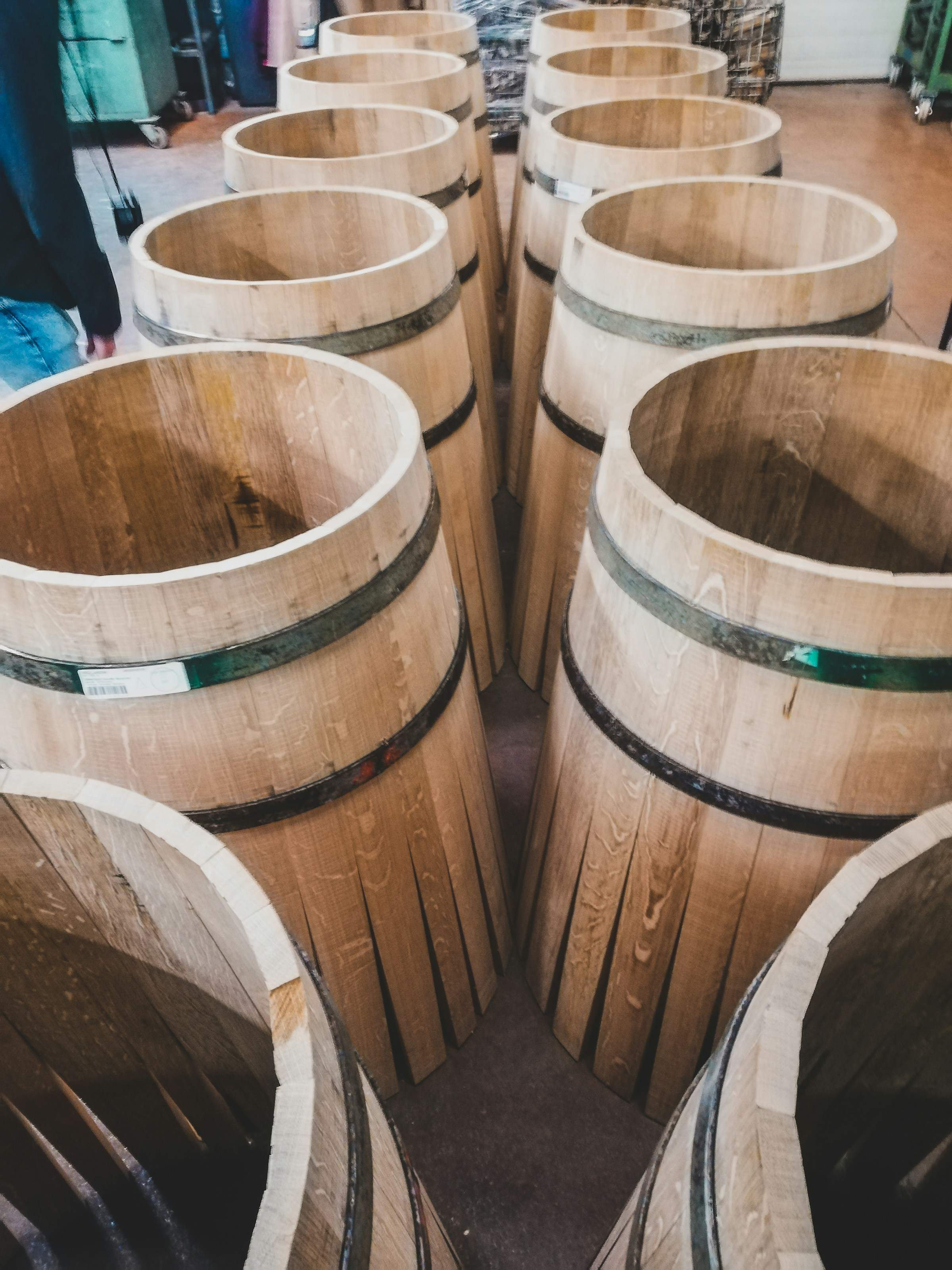
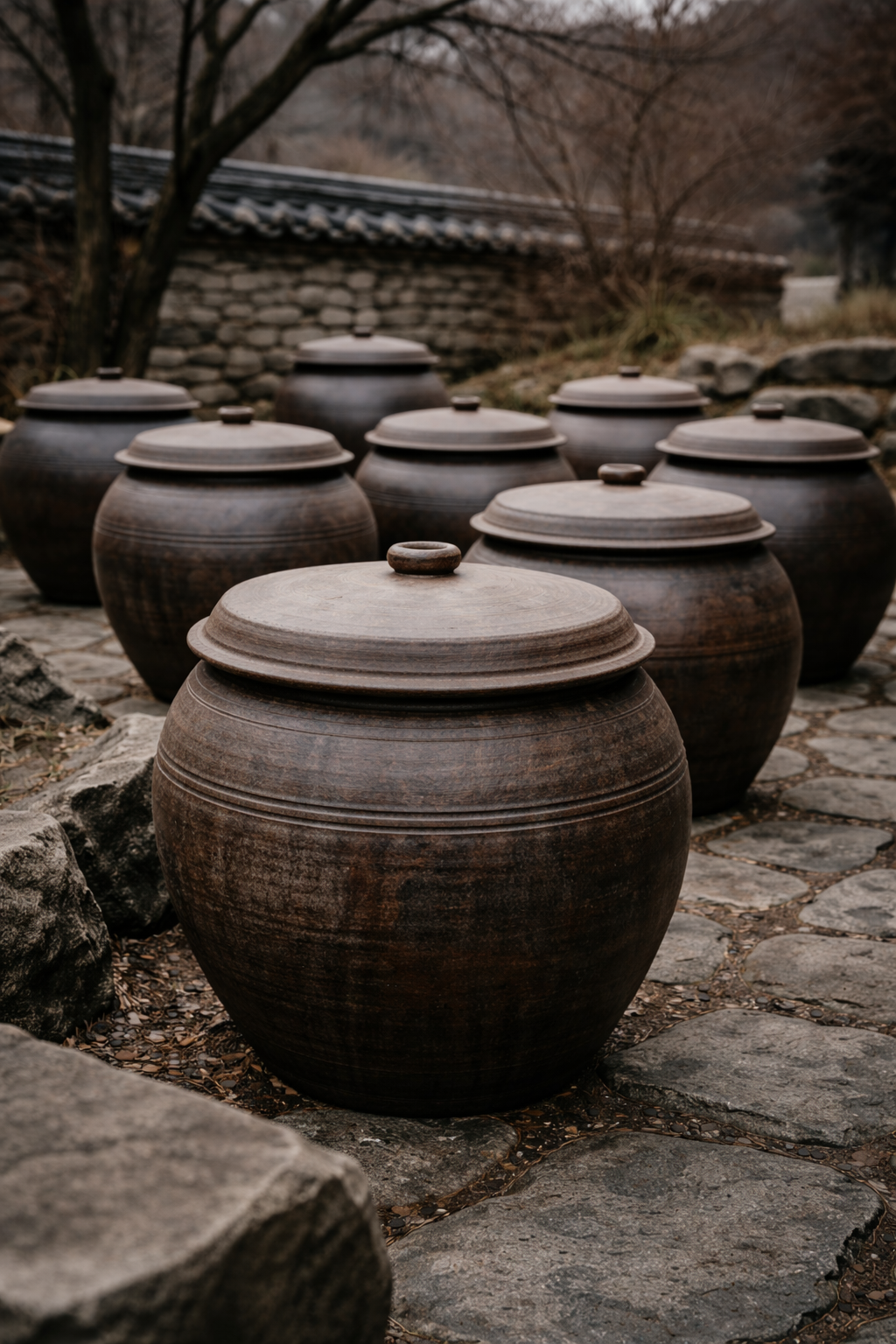
Fermentation is often treated as novelty, wellness, or aesthetic. In truth, it is a discipline governed by time, environment, and restraint — one we have long understood through wine, and too often forgotten everywhere else.
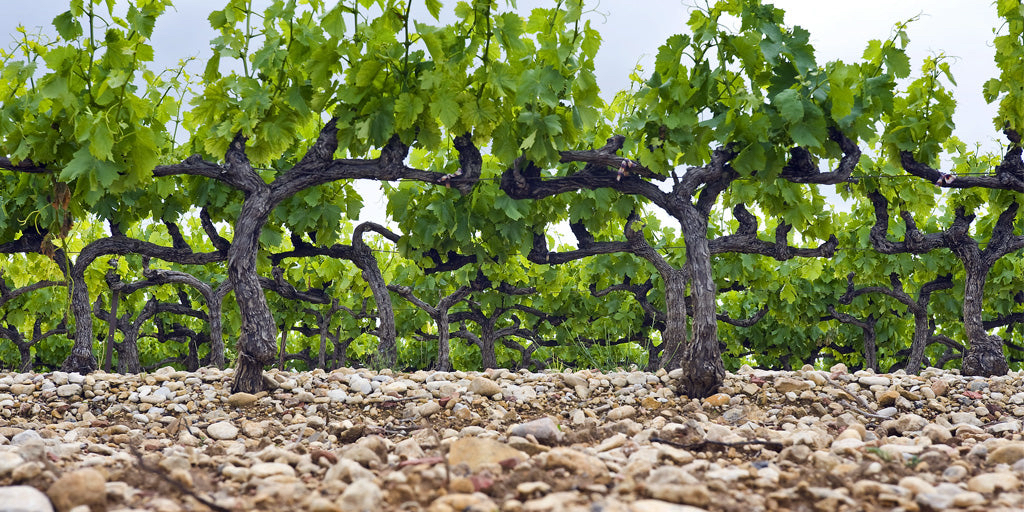
Before the Judgment of Paris could matter, the land had to make comparison possible. This archival deep dive examines Bordeaux, Burgundy, Napa Valley, and the Stags Leap District through soil, climate, sun exposure, and growing season—revealing why these wines could stand together in 1976, long before reputation entered the room.
Coffee expresses place through discipline, not accident.
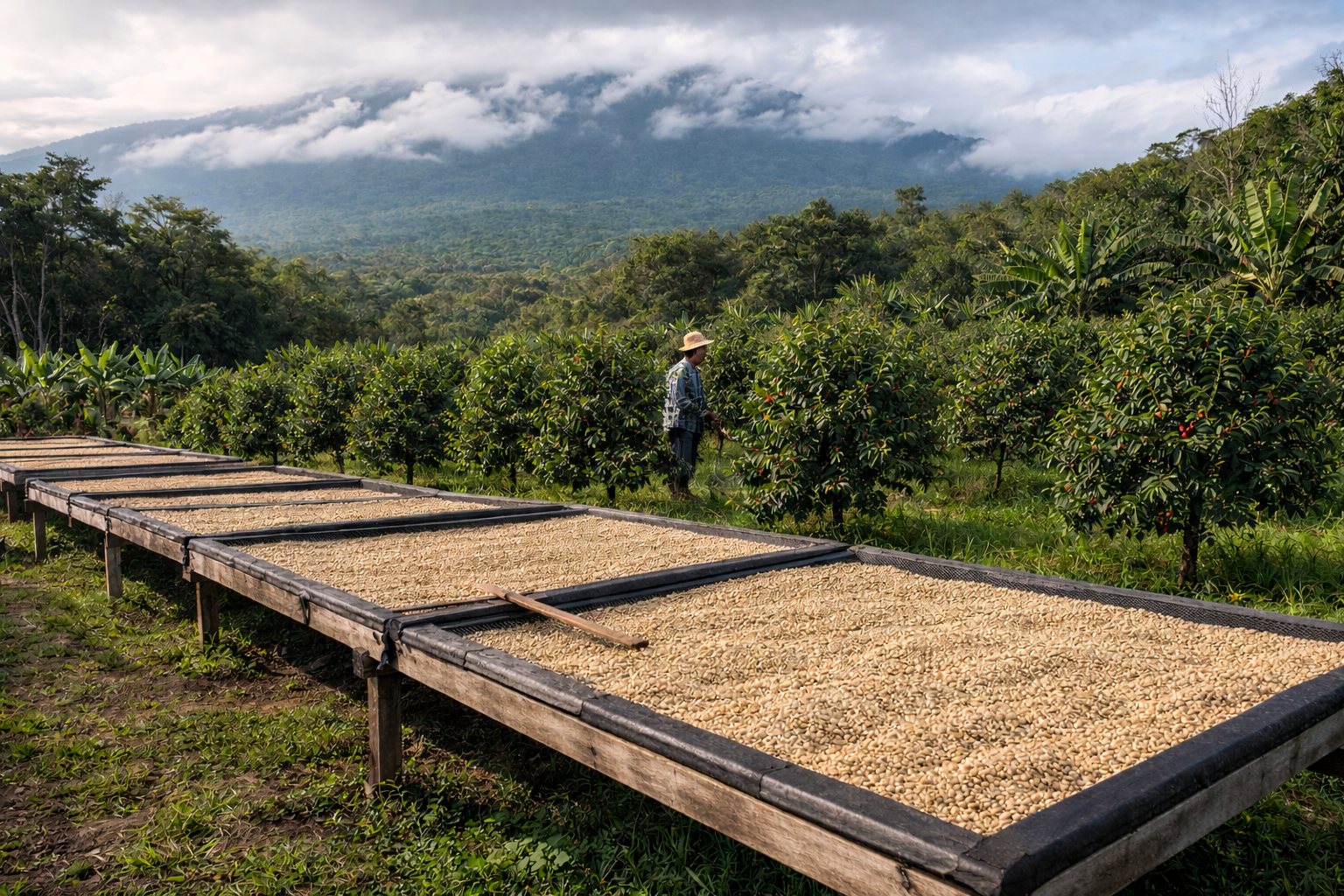
This essay explores how Kaʻū’s elevation, volcanic soil, farming practices, processing, and restrained roasting produce coffees defined by balance, structure, and origin.
Food does not begin with a recipe. It begins with land, people, and restraint. This essay examines how three Hawaiʻi chefs moved the line—turning sourcing from a story into a standard, and redefining what seriousness looks like long before the table is set.
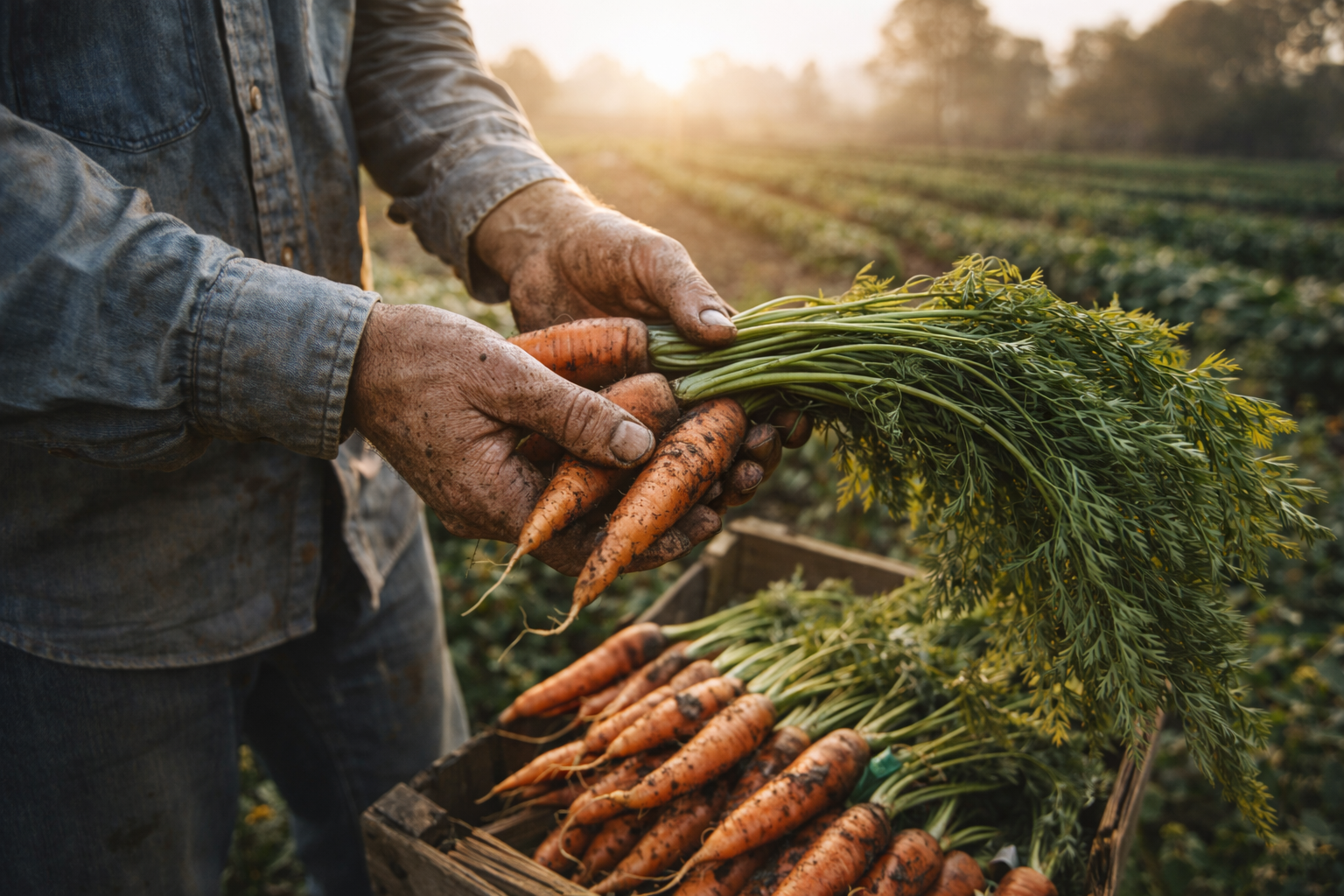
Small farms endure by restraint, not scale. A clear-eyed look at land, labor, and the quiet cost of doing things right — where judgment, not output, determines whether a food system lasts.
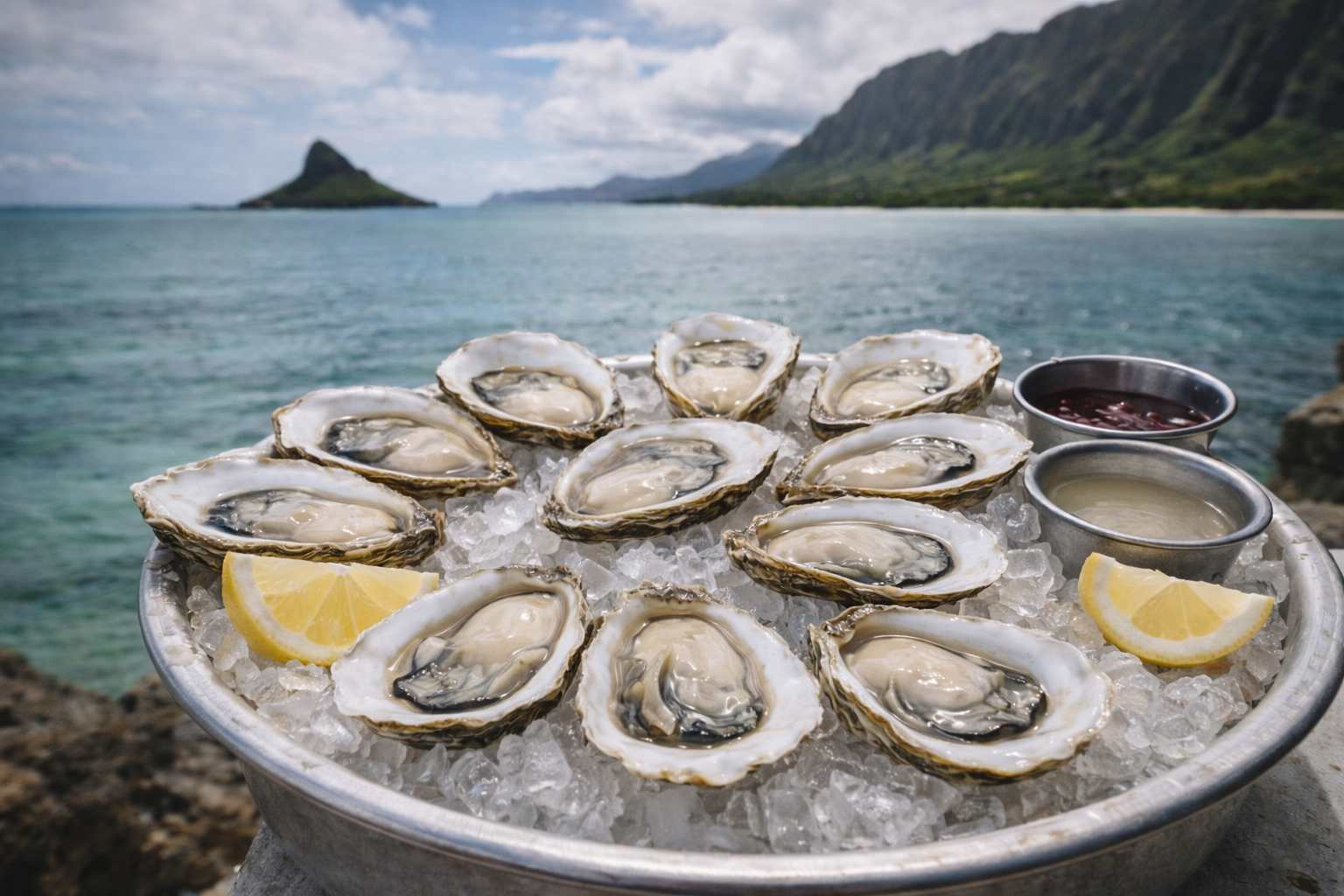
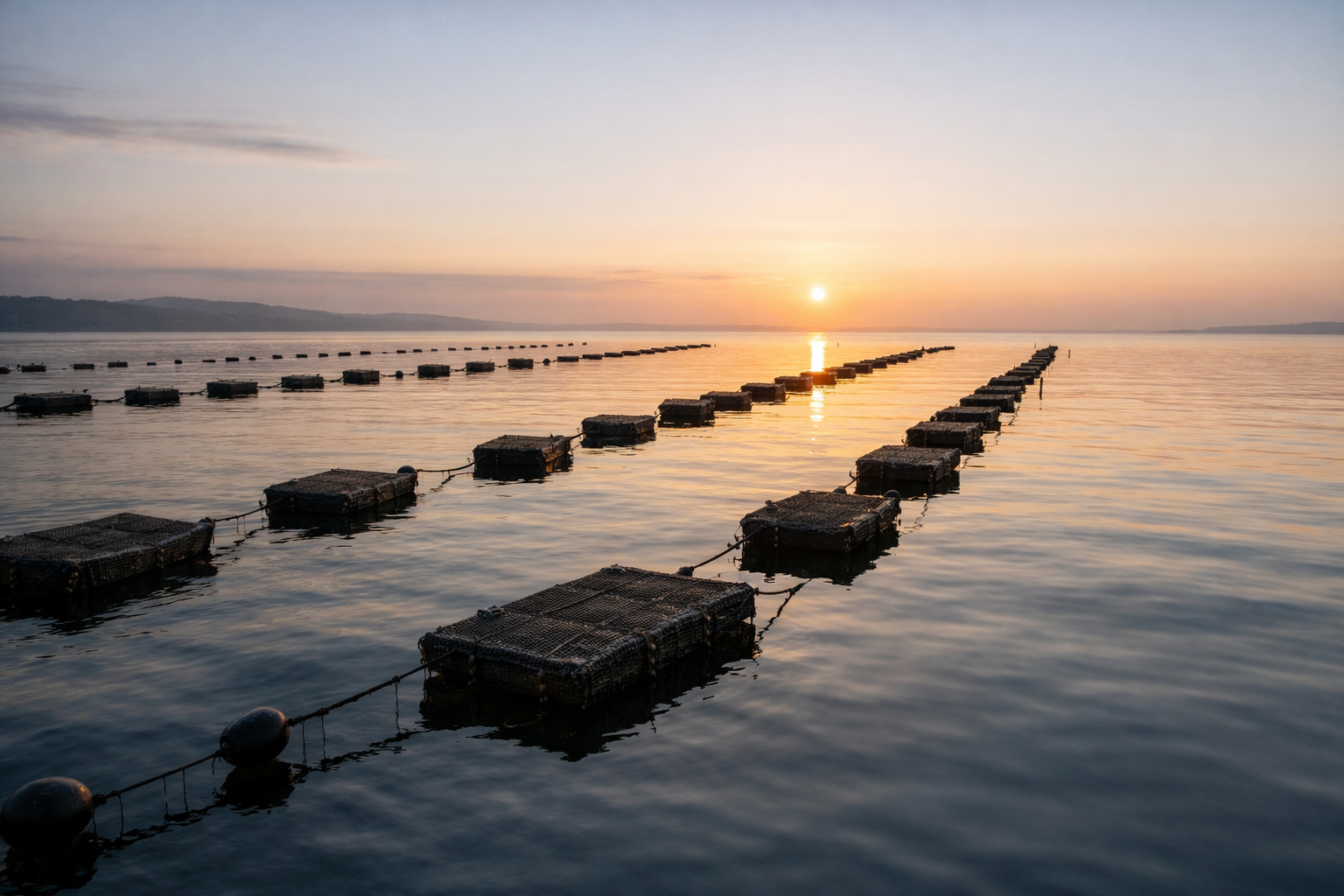
Ocean farming succeeds or fails on restraint. A grounded examination of shellfish and seaweed cultivation — where working with the ocean strengthens food systems, and where scale and language begin to fracture them.
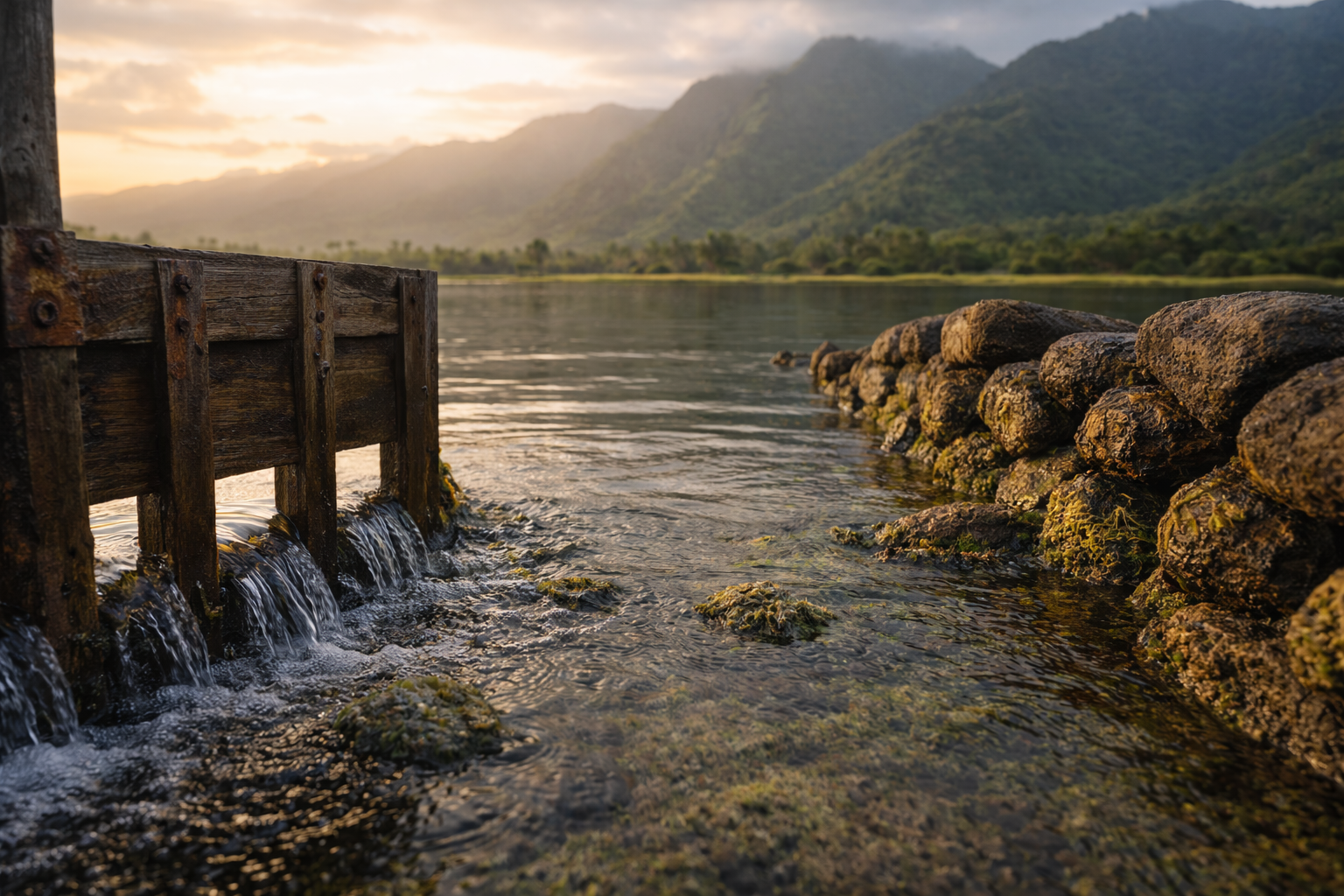
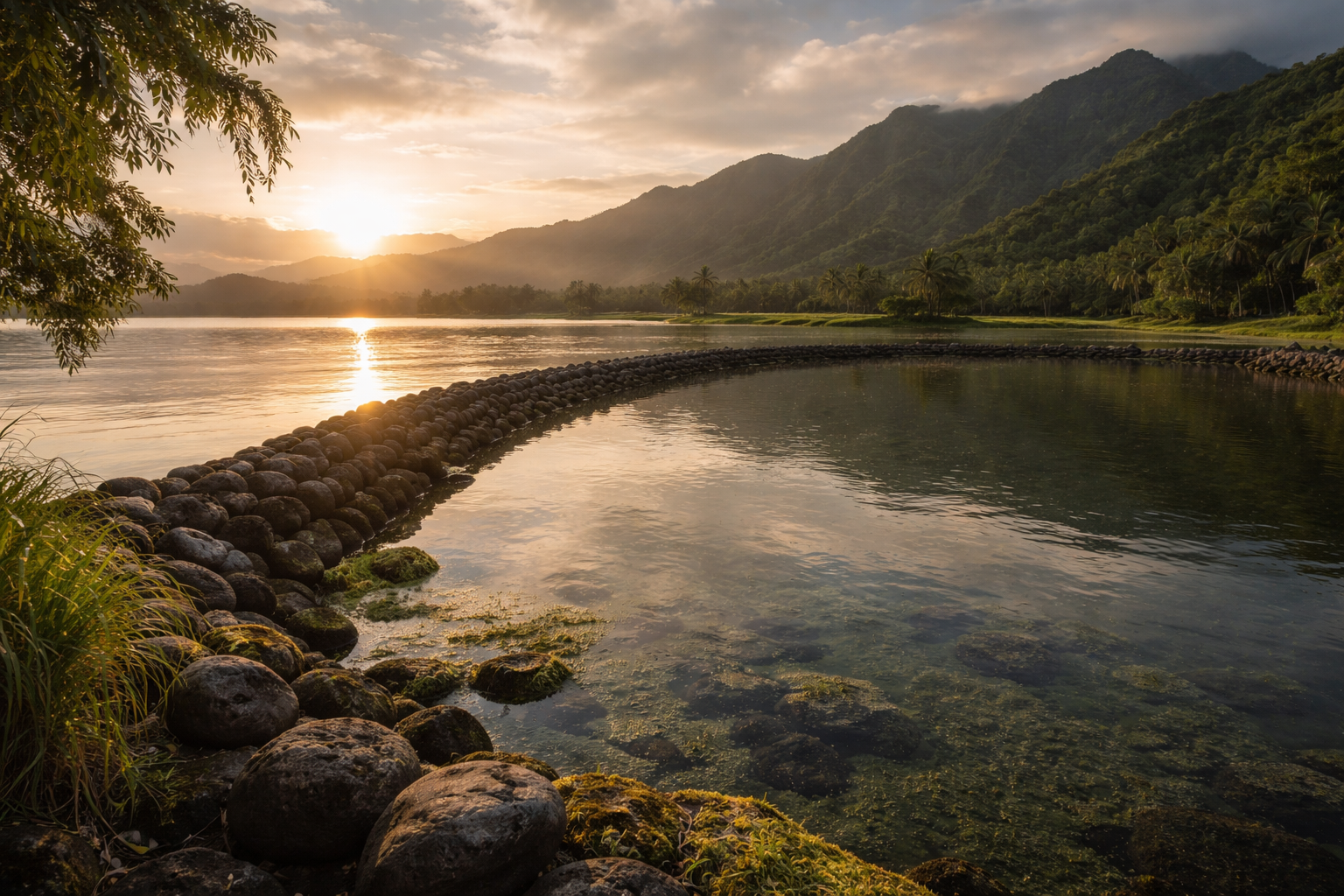
Ancient Hawaiian fishponds weren’t symbols — they were solutions. Loko iʻa were engineered to feed villages by working with tide, freshwater, and place-based knowledge, proving that true sustainability is older than the word itself.
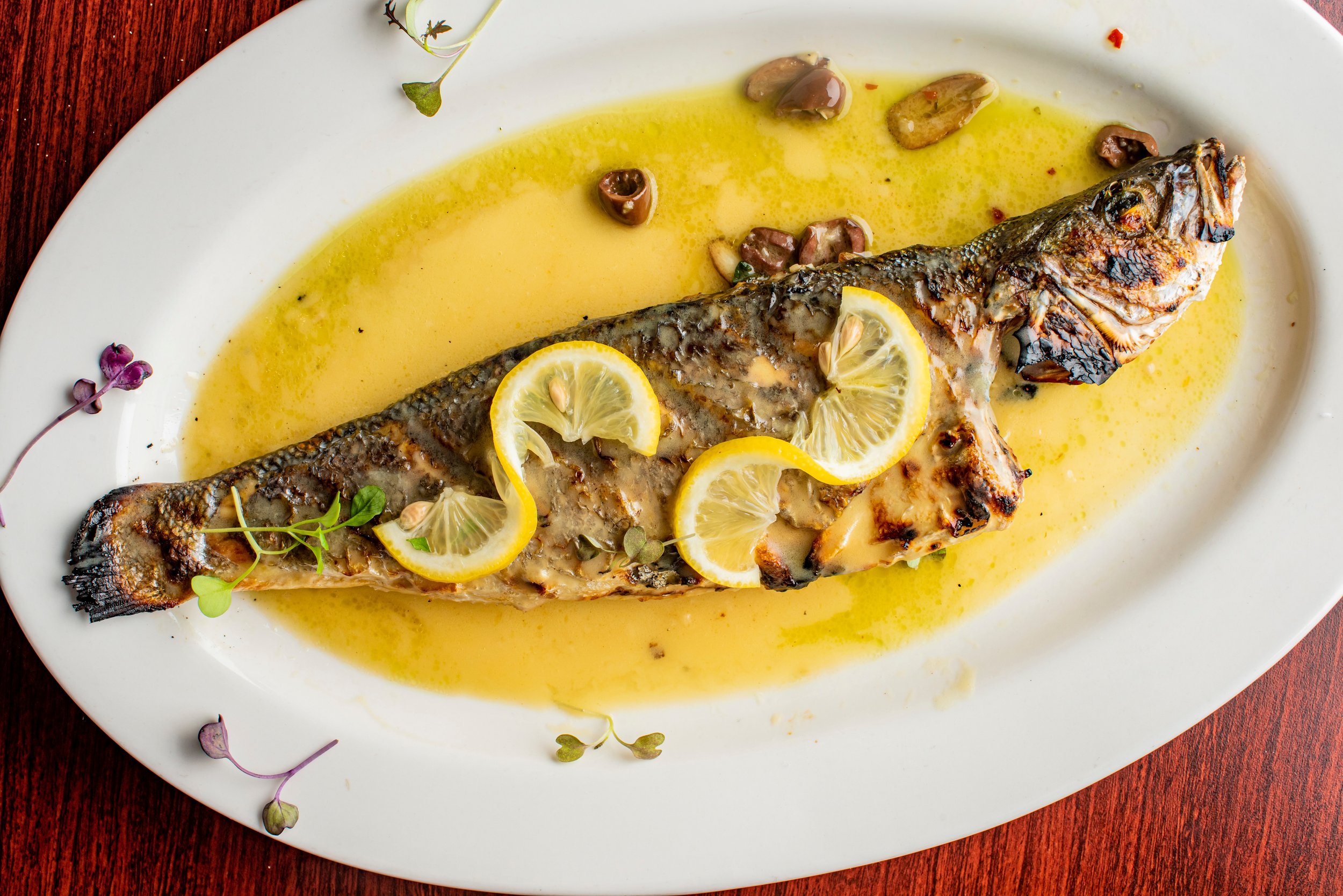
Outside Japan, the East Coast, and the Mediterranean lies a broader seafood table — shaped by climate, necessity, and tradition. These overlooked regions reveal how the world truly eats from the sea.
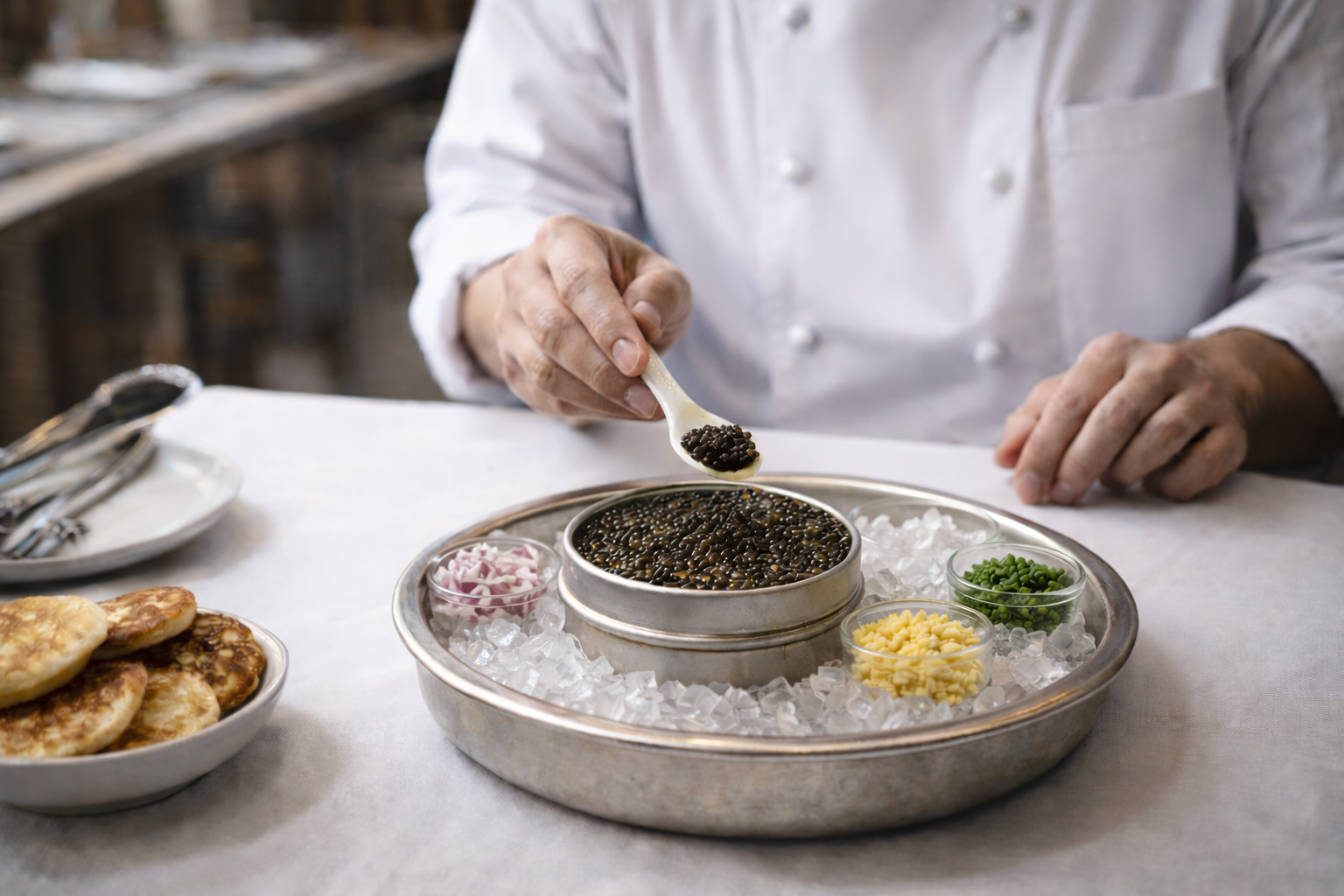
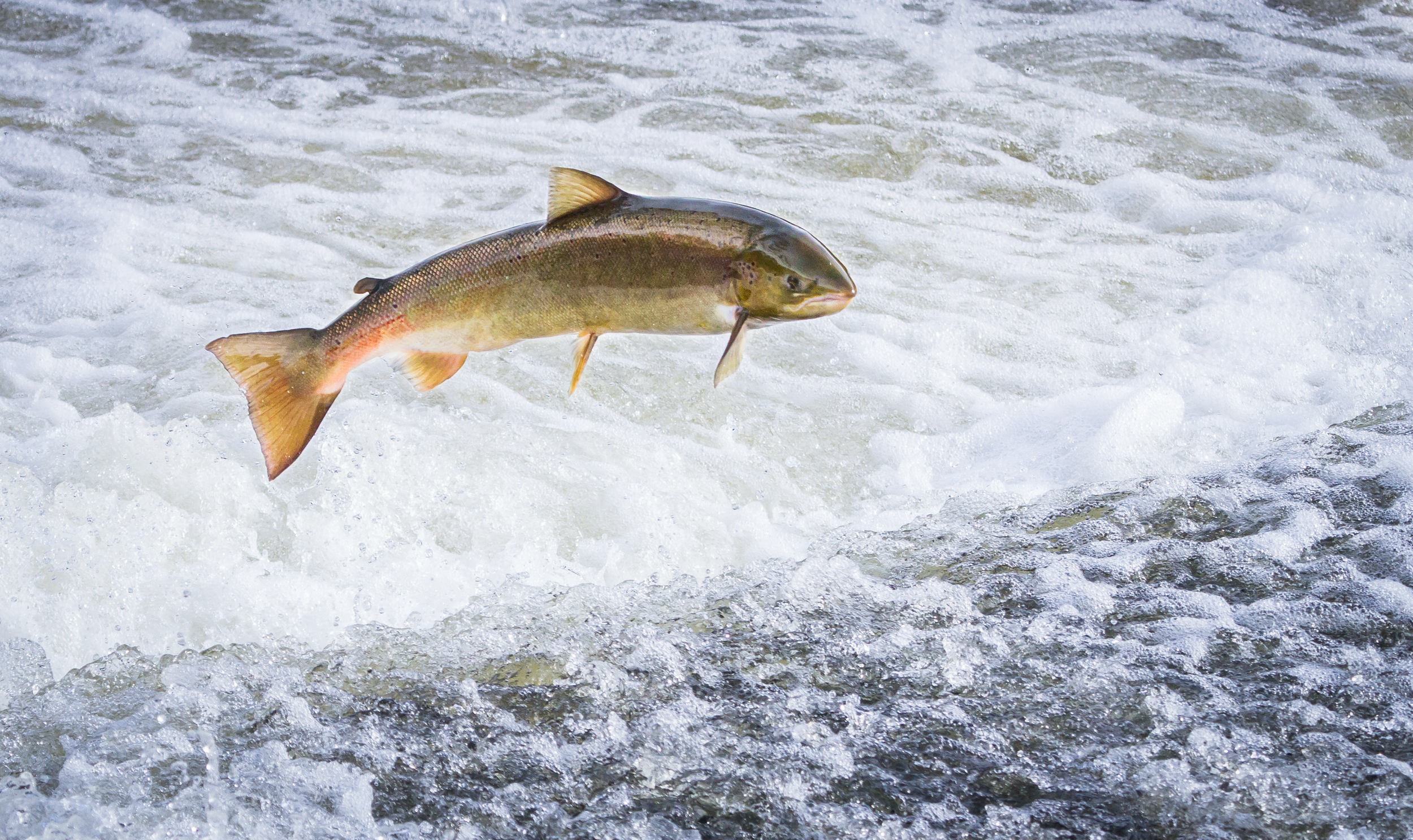
Japan does not approach seafood as something to be conquered. Surrounded by shifting currents and fragile species, its cuisine evolved around restraint, judgment, and timing. This essay explores how freshness became responsibility, knife work became translation, and precision — not abundance — became the highest form of hospitality.
The Mediterranean does not rush seafood.
Warm water changes fish, species stay close to shore, and cooking evolves through repetition rather than urgency. This essay explores how fire, broth, and endemic seafood shaped one of the world’s most enduring coastal cuisines — where restraint comes not from fear, but from familiarity.
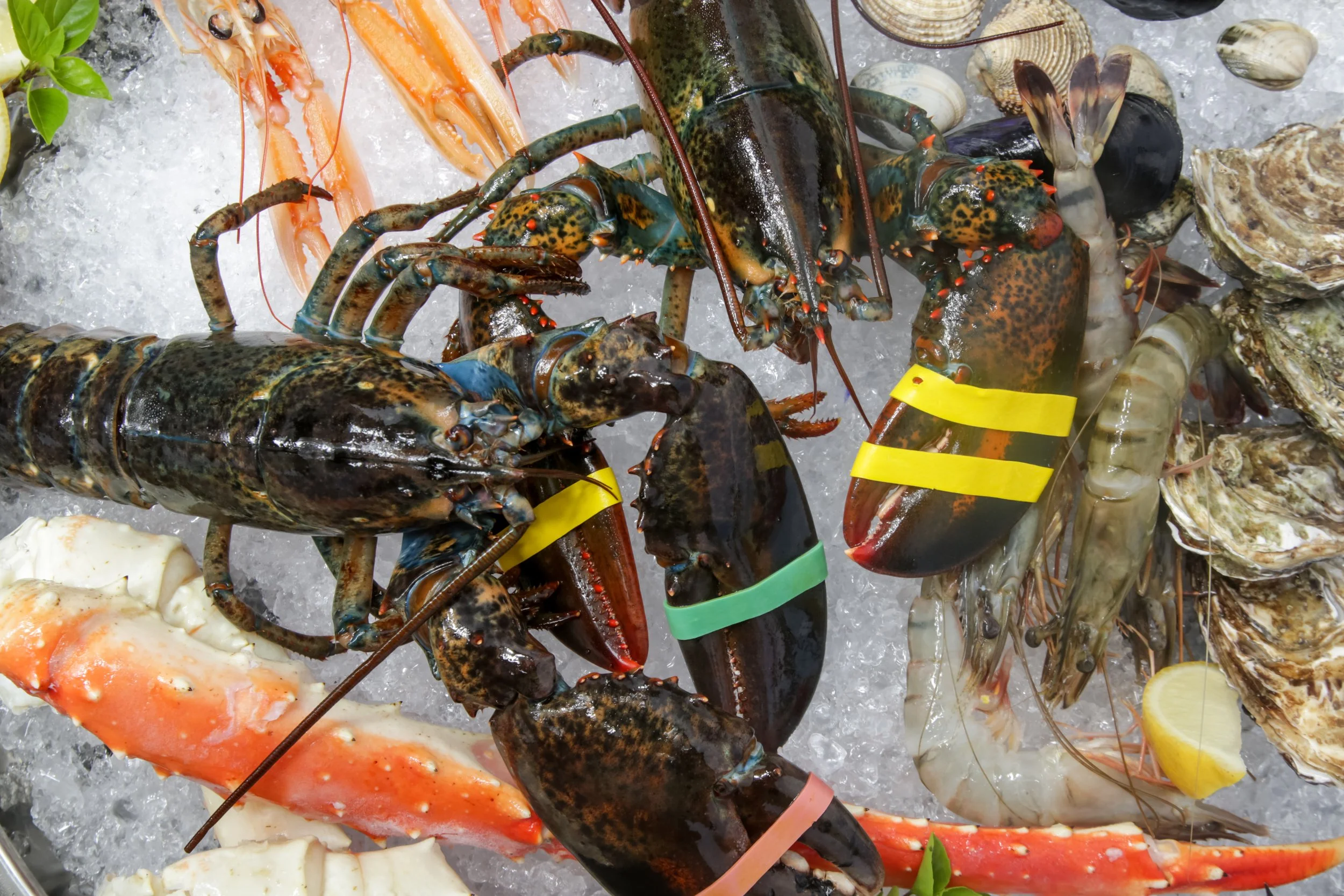
Cold water leaves no room for illusion.
On the U.S. East Coast, seafood arrives already resolved — shaped by temperature, time, and consequence. This long-form essay explores how cold Atlantic waters define species, discipline kitchens, shorten menus, and reward restraint, revealing why clarity — not complexity — became the region’s quiet authority.
A Foodie in Paradise™ Blue Zone Series — Part VI: The Finale - We Can Do This!
Blue Zones were once rare pockets of exceptional longevity—but they’re changing. As younger generations move to cities, the qualities that made these communities extraordinary are fading. The real opportunity now is not to discover new Blue Zones, but to design them. We explore the architecture of a long life and how modern communities—and individuals—can build the Blue Zones of tomorrow.
A Foodie in Paradise™ Blue Zone Series — Part V
In Loma Linda, longevity is shaped not by wine or indulgence but by quiet routines—plant-rich meals, Sabbath rest, an alcohol-free lifestyle, and a shared belief in purposeful living. This final chapter in our Blue Zone series brings the journey full circle, revealing what connects Okinawa, Sardinia, Ikaria, Nicoya, and Loma Linda—and what their lessons can bring to our own kitchens, tables, and communities.
A Foodie in Paradise™ Blue Zone Series — Part IV
Costa Rica’s Nicoya Peninsula, longevity isn’t a mystery — it’s a way of living. From corn-rich ancestral diets to volcanic water, sunrise walks, and the quiet strength of pura vida, Nicoya offers a blueprint for a life lived longer and lighter.
A Foodie in Paradise™ Blue Zone Series — Part III
Winter in Icaria slows the world down to a human pace. On this Greek island of long life, herbal teas simmer on wood stoves, mountain paths become quiet pilgrimages, and meals stretch into lingering conversations that nourish far more than hunger. This chapter of the Blue Zone series uncovers the rituals, foods, and daily rhythms that shape Ikarian longevity — a portrait of a place where time moves gently, and people move with it.
A Foodie in Paradise™ Blue Zone Series — Part II
Winter in Sardinia reveals a quiet blueprint for longevity — from Barbagia’s daily minestrone to Cannonau wine, mountain rituals, and the humble foods that help shape one of the world’s longest-living cultures.
A Foodie in Paradise™ Blue Zone Series — Part I
Winter in Okinawa isn’t cold — it’s contemplative. Explore the foods, teas, rituals, markets, and cultural rhythms that make this Japanese island one of the world’s Blue Zones of extraordinary longevity.