
Savor
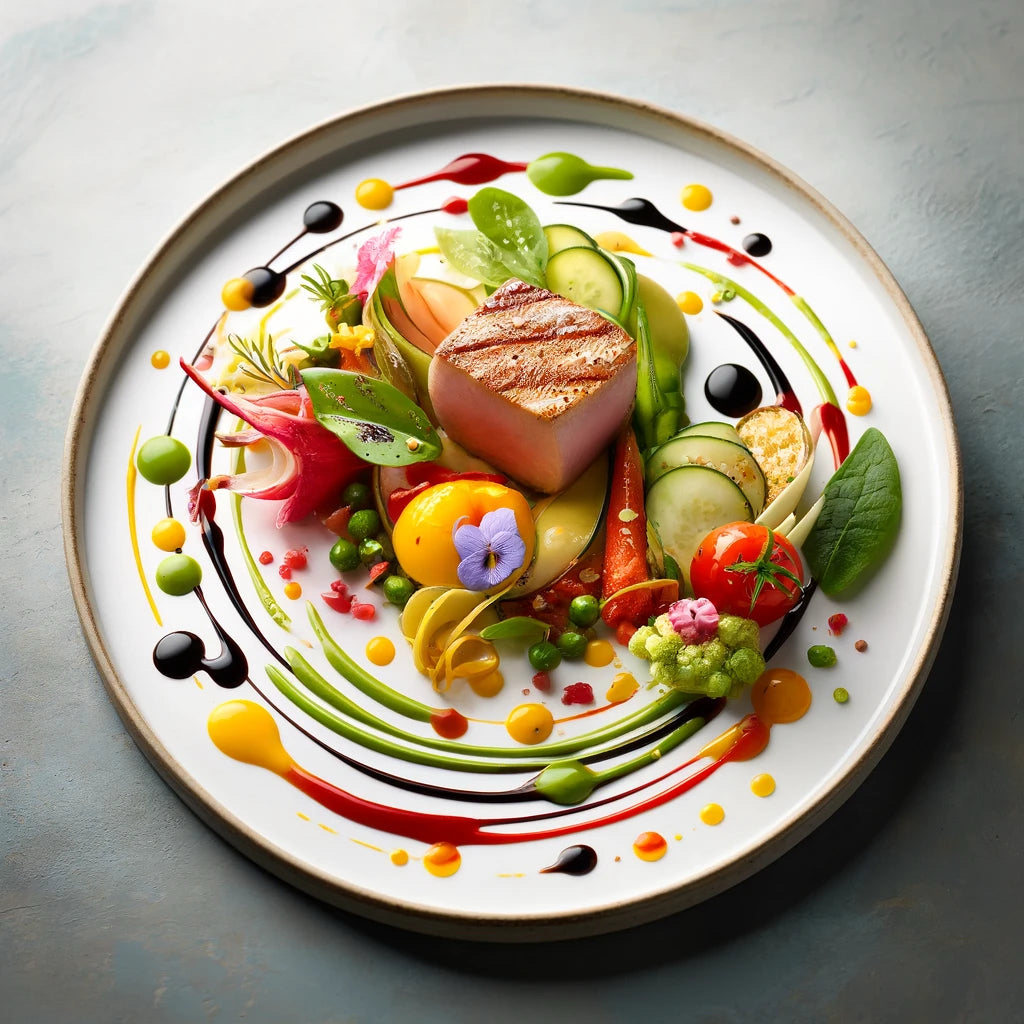
To savor is to appreciate the layers of complexity within a dish, whether simple or grand. Food reflects place, technique, and the decisions behind it. Flavor, texture, and composition unfold over time, shaping the experience of each bite. Here, we explore what makes a dish memorable—from everyday meals to the refined.
Savor Every Moment™
Time is one of the most powerful forces in cooking, yet it is rarely discussed as an ingredient. From heat penetration and moisture evaporation to flavor diffusion and resting, time determines how completely culinary transformations unfold. Understanding how time interacts with heat, fat, acid, seasoning, and knife work reveals the hidden mechanics behind many of the kitchen’s most important processes.
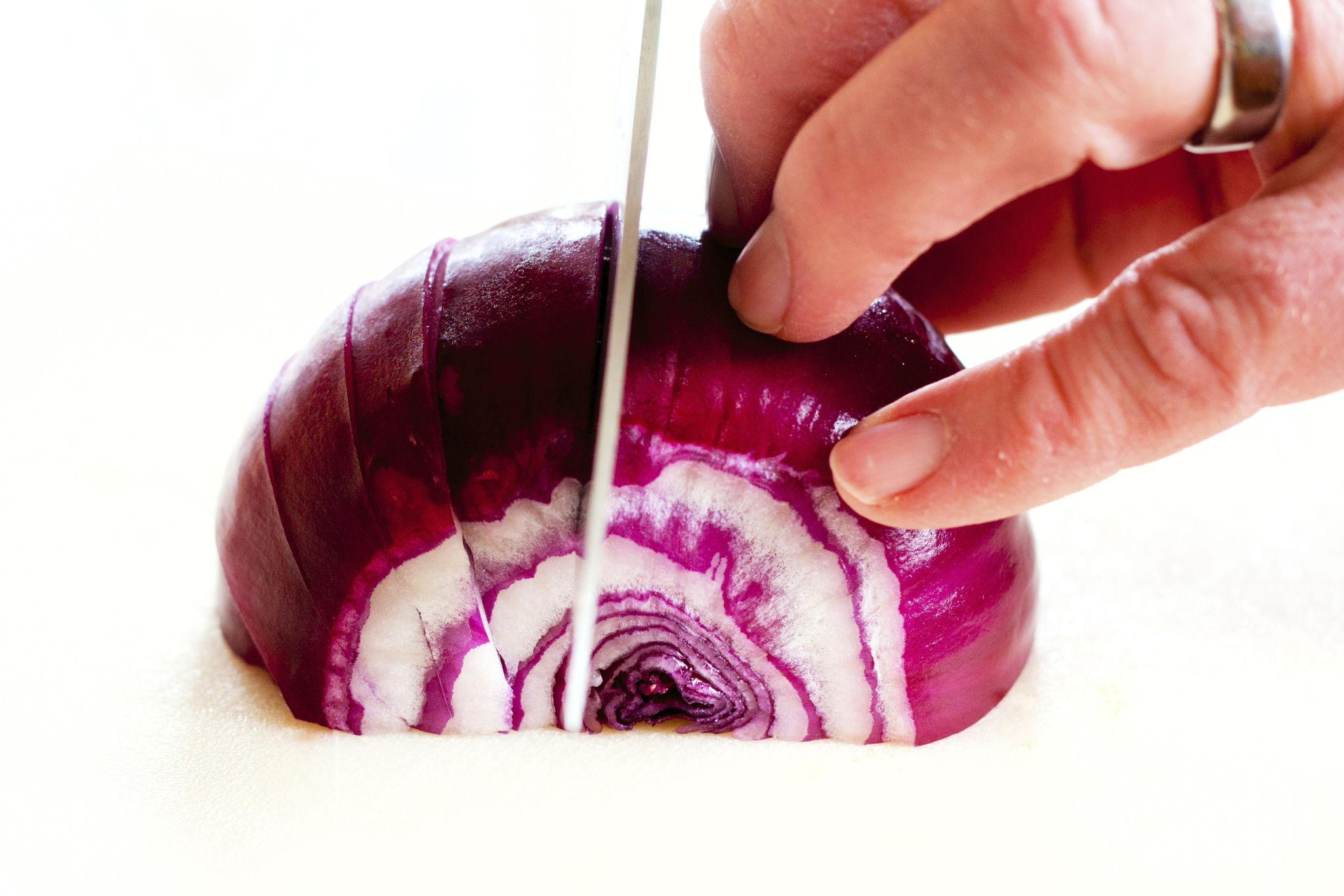
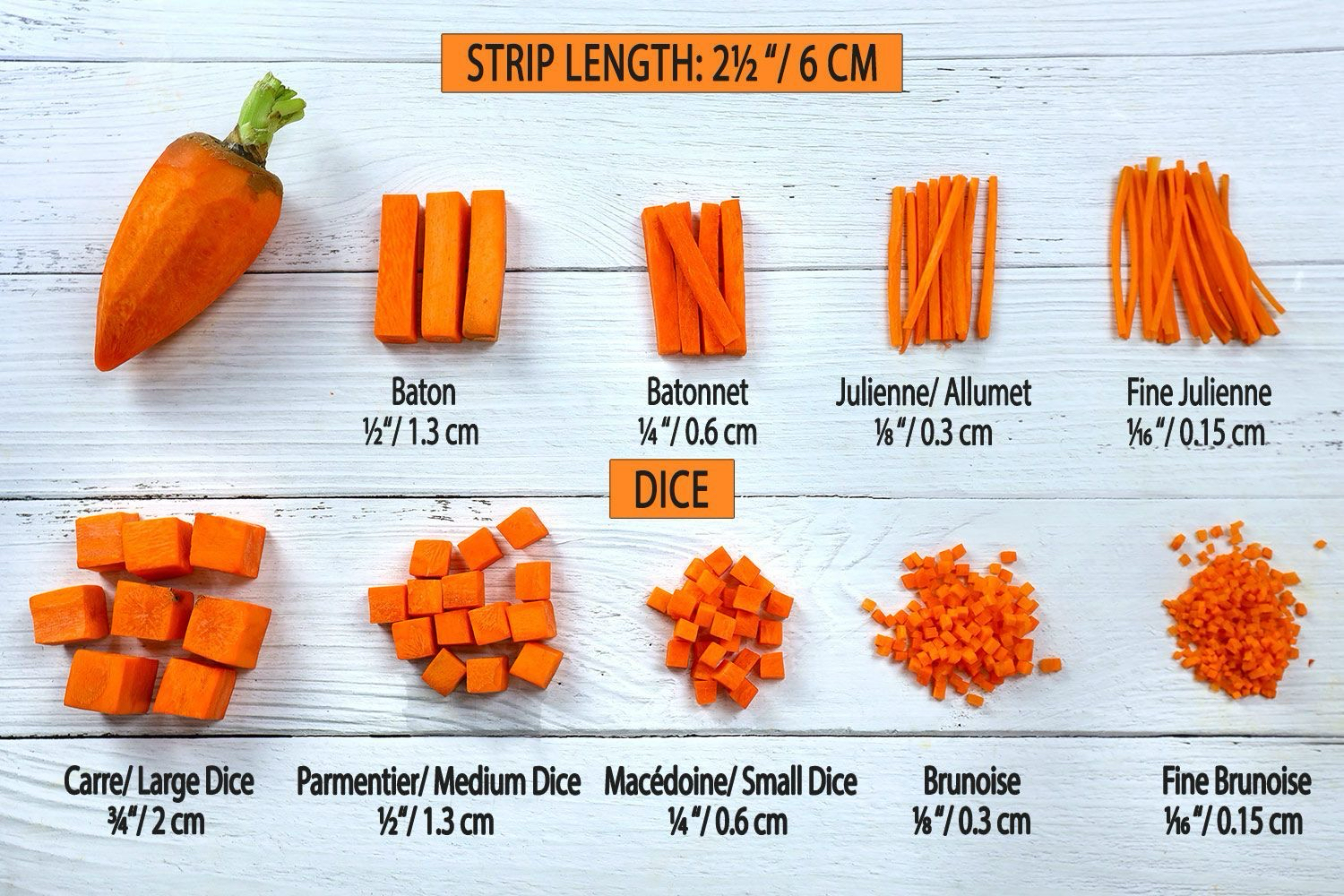
Knife work does more than prepare ingredients. The way food is cut determines how heat penetrates, how moisture escapes, and how seasoning interacts with the ingredient. Understanding the mechanics of cutting reveals why geometry plays a decisive role in the way food cooks.
A chef’s knife is more than a cutting tool. Its geometry determines how force moves through food and how ingredients separate under the blade. From blade design to the classical cuts used in professional kitchens, knife craft reveals the structural mechanics behind precision in cooking.
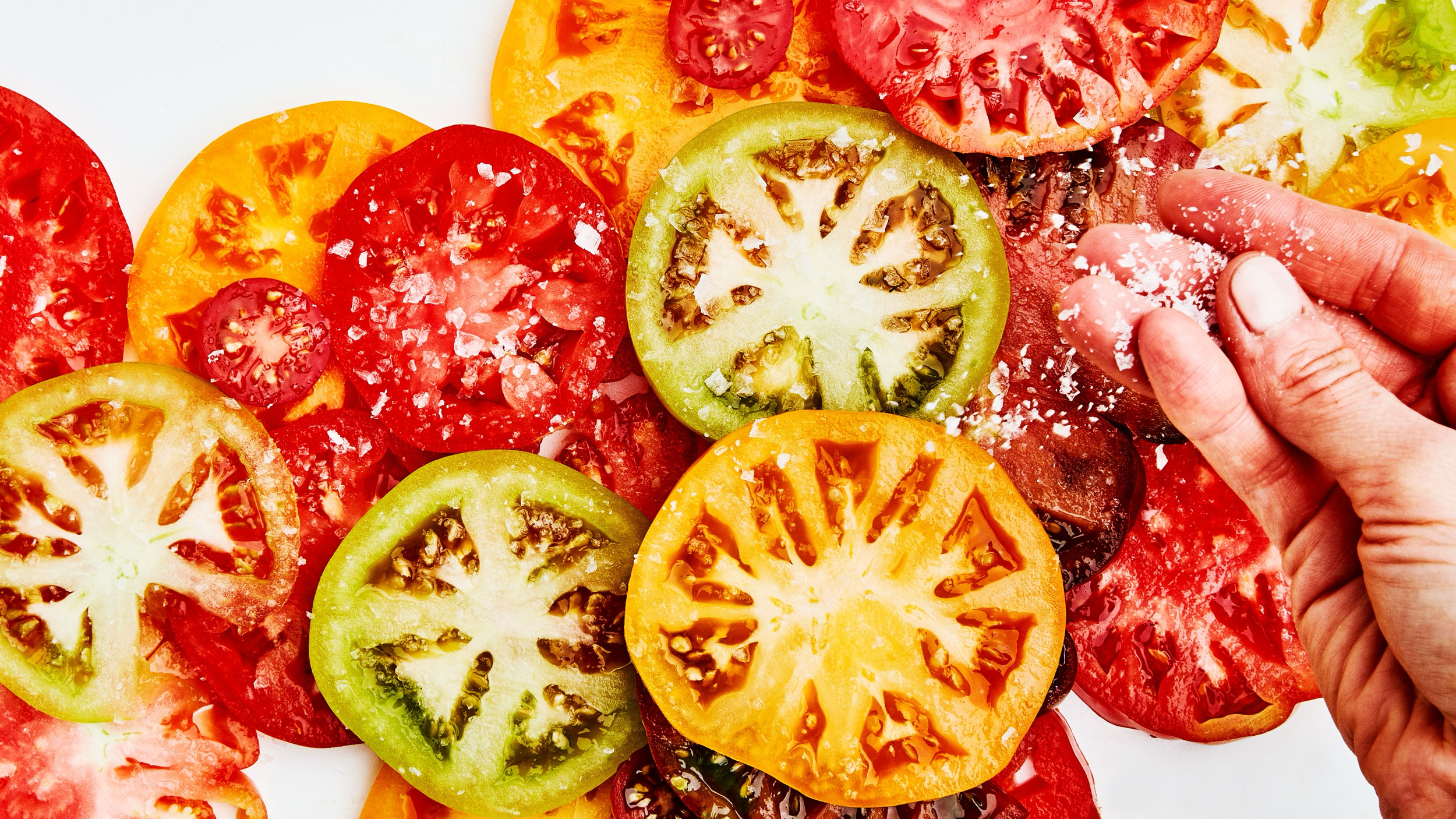
Seasoning is often misunderstood as simply adding salt. In reality, seasoning is the mechanism that allows flavor to become visible. Salt alters taste perception, influences protein structure, and distributes flavor through diffusion. Understanding how seasoning works reveals why restaurant food tastes more vivid and why properly seasoned ingredients feel complete long before the final garnish reaches the plate.
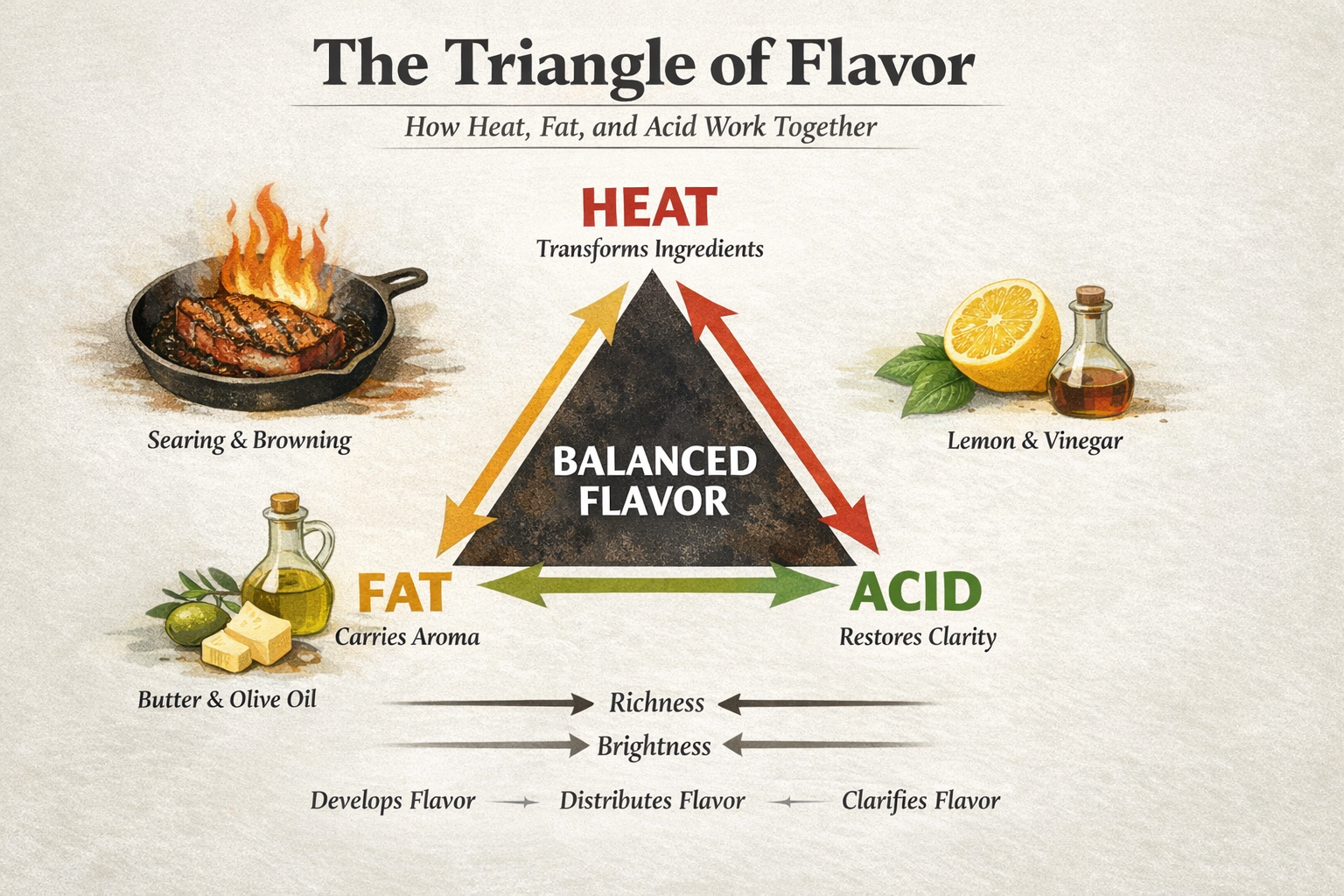
Great cooking depends on balance. Heat transforms ingredients, fat carries aroma, and acid restores clarity. Together they form the triangle of flavor, a structural system that explains why certain dishes feel complete while others feel heavy or dull.
Acid is the structural counterbalance to richness in cooking. Citrus, vinegar, and fermentation restore clarity when flavors become dense, sharpen perception of aroma, and keep dishes vibrant from the first bite to the last.
Fat does far more than add richness. It carries aromatic compounds, improves heat transfer, and stabilizes sauces. Understanding how fat behaves explains why restaurant food often tastes fuller and more integrated than food cooked without it.
Heat is the fundamental force behind cooking. Understanding how temperature transforms proteins, sugars, moisture, and connective tissue reveals why food browns, tenderizes, and develops flavor.
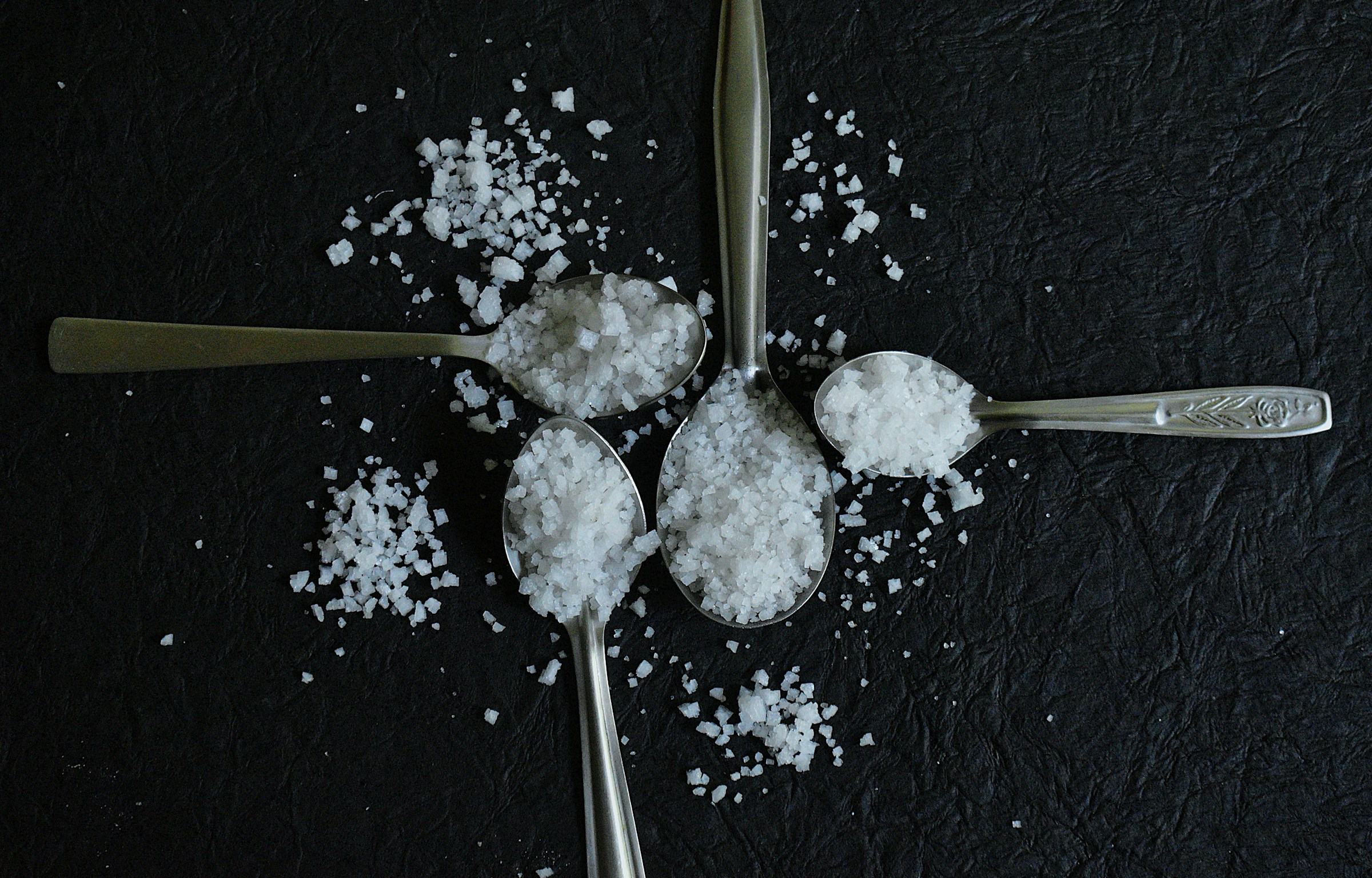
Salt is the most important ingredient in cooking, yet few cooks fully understand how it works. This guide explores the chemistry of salt, the behavior of different salts, and how professional kitchens use seasoning to build flavor with precision.
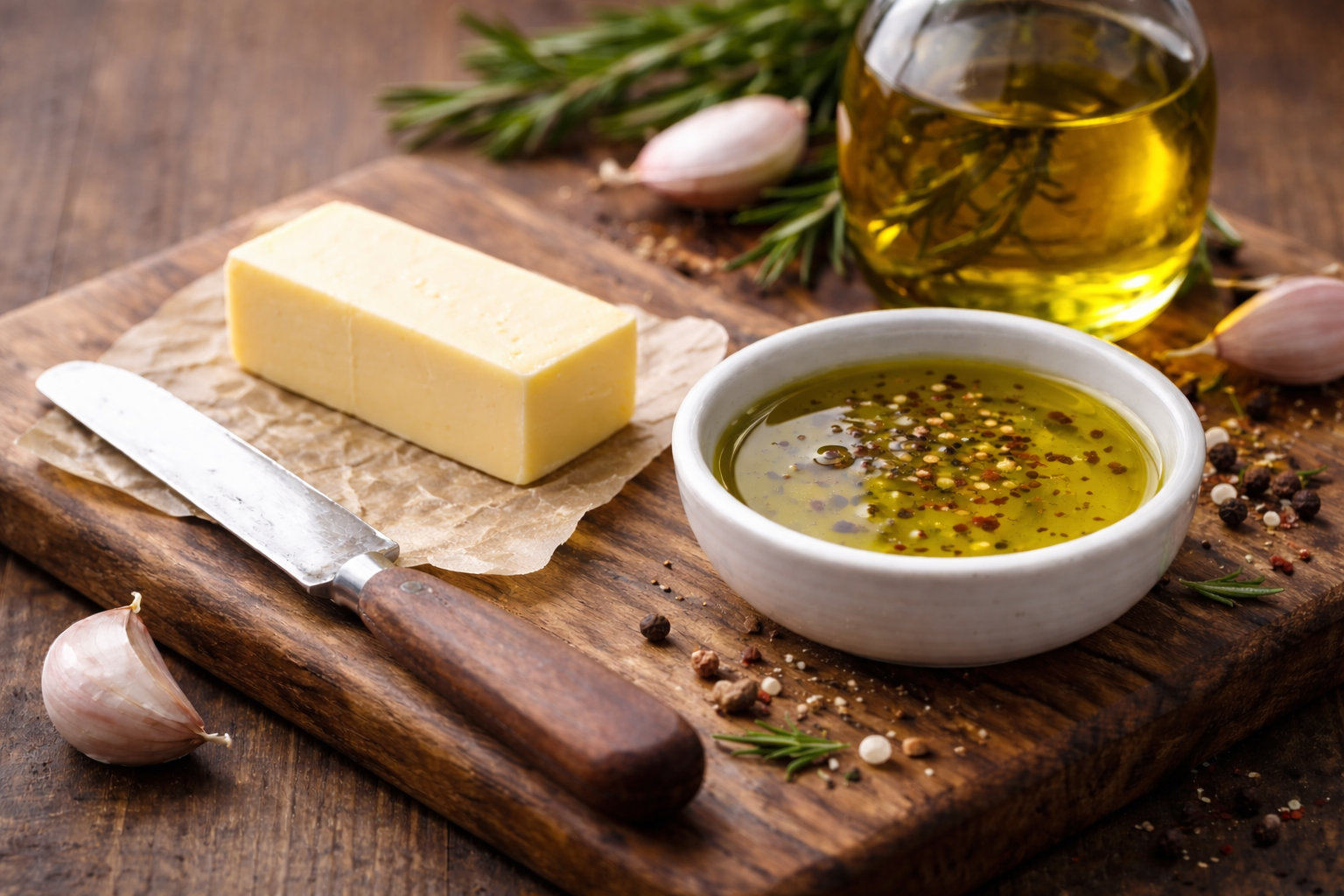
Butter and olive oil both enrich food, but they behave differently in cooking. Understanding how their composition affects flavor, texture, and heat explains when olive oil can successfully replace butter.
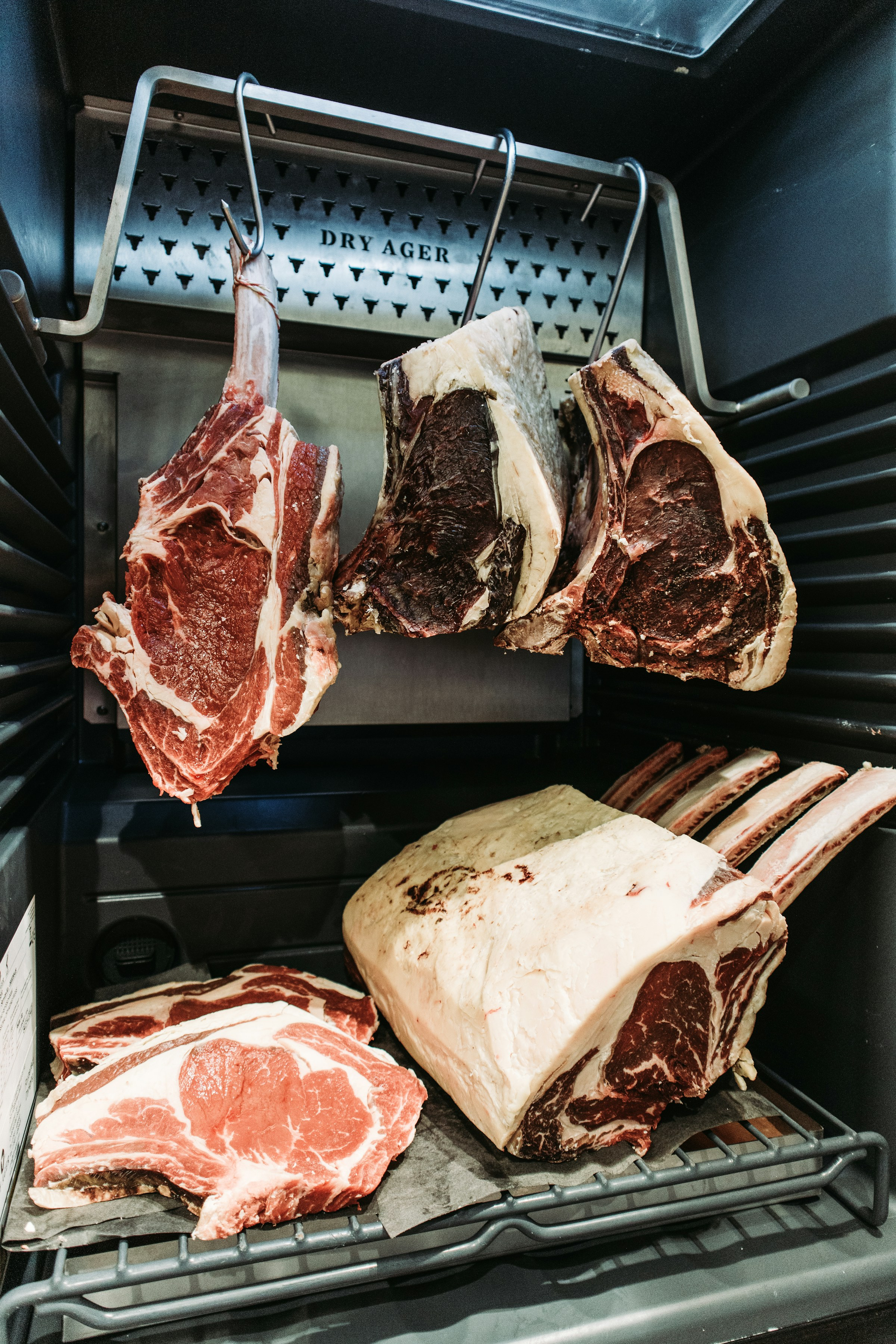
Beef becomes more tender and flavorful as it ages. Wet aging and dry aging achieve this in different ways, shaping the texture and flavor of steaks served at home and in steakhouses.
Balance is not about adding more—it is about alignment. In the kitchen, flavor becomes complete when salt, acid, fat, sweetness, and umami move together in proportion, shaping dishes that feel coherent rather than competing.
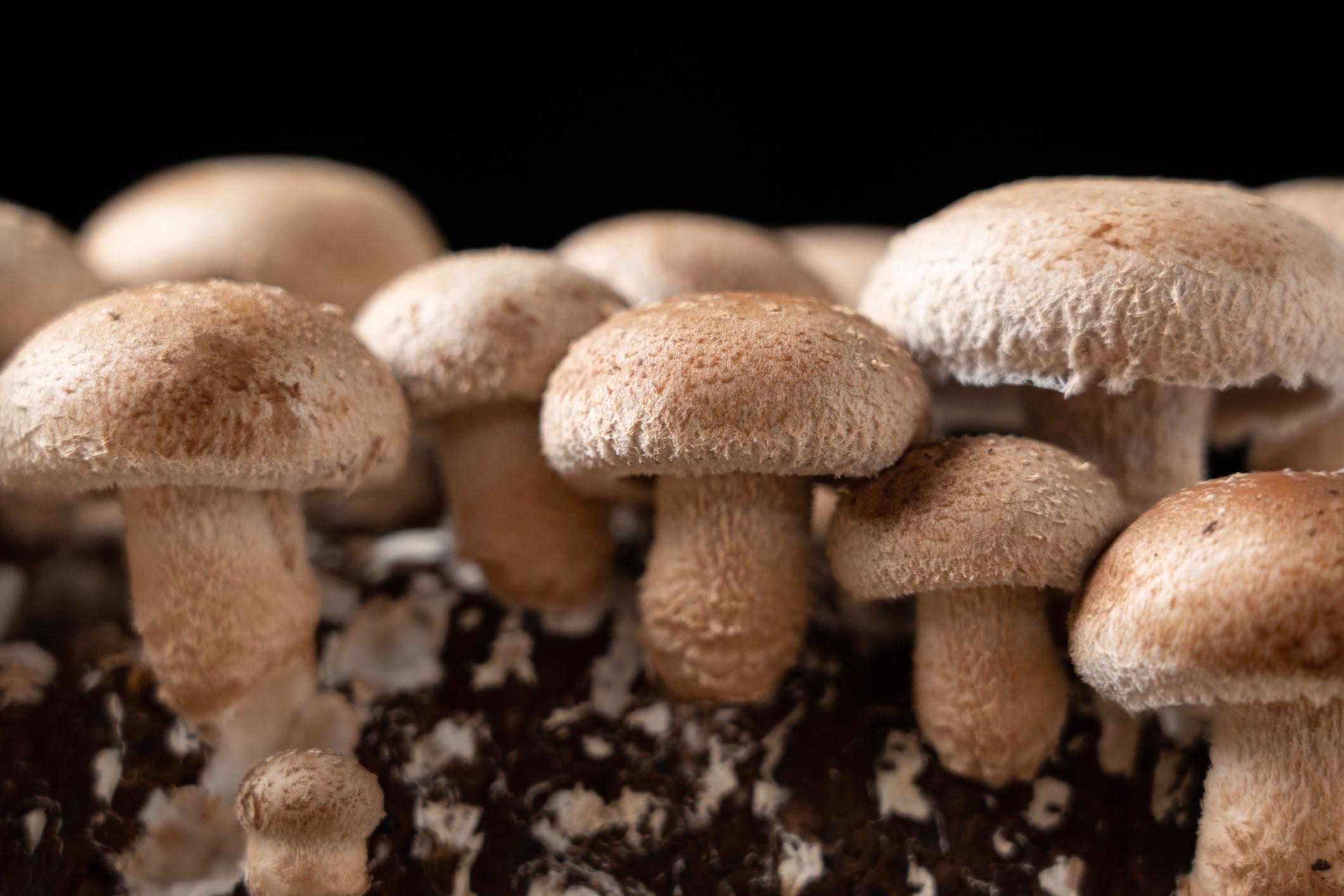
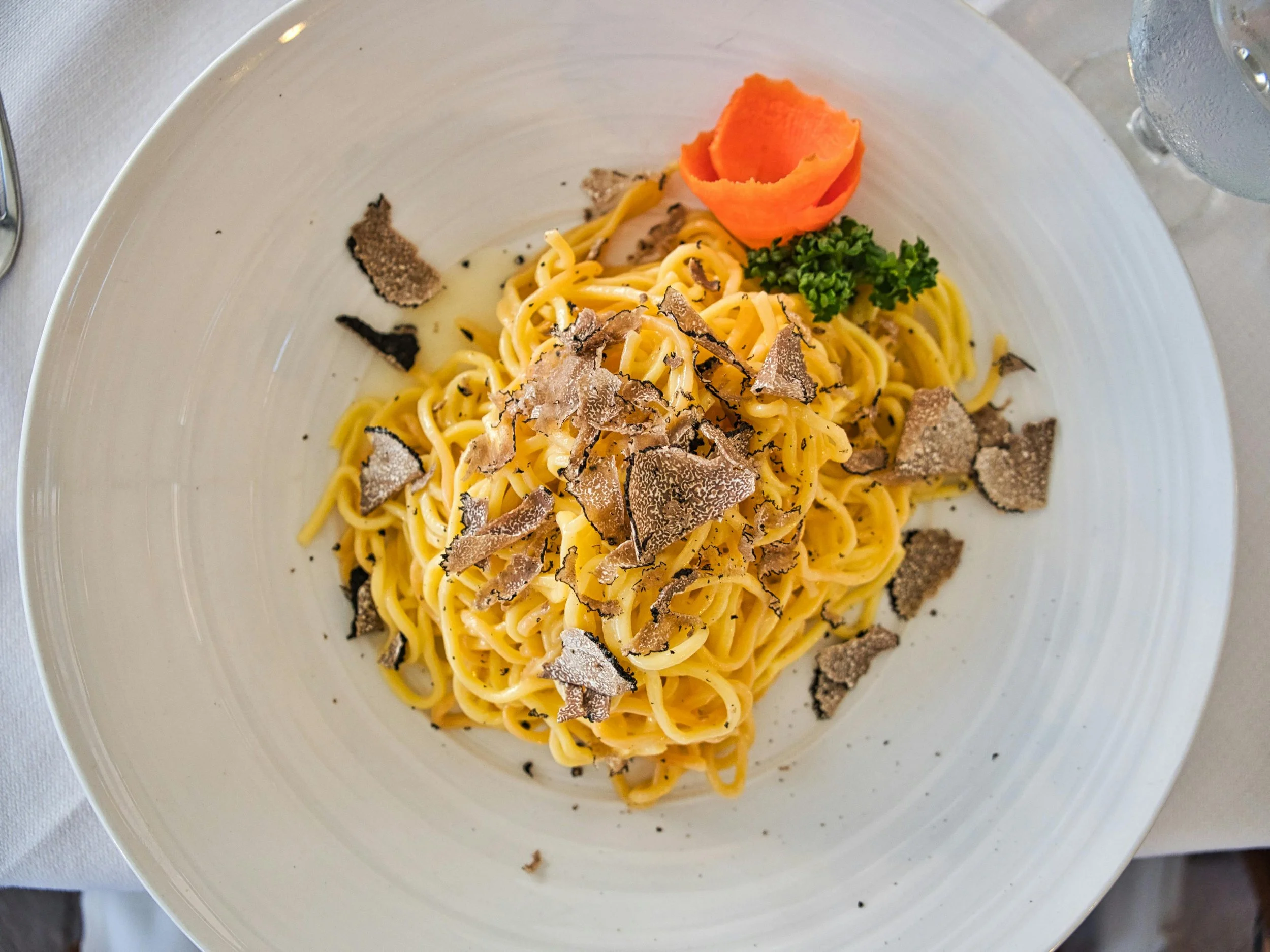
Umami is the fifth basic taste, responsible for the savory depth found in foods like mushrooms, aged cheese, and roasted meat. It enhances flavor by making dishes taste fuller, rounder, and more satisfying. Understanding umami reveals how great cooking builds depth beyond salt, acid, and heat.
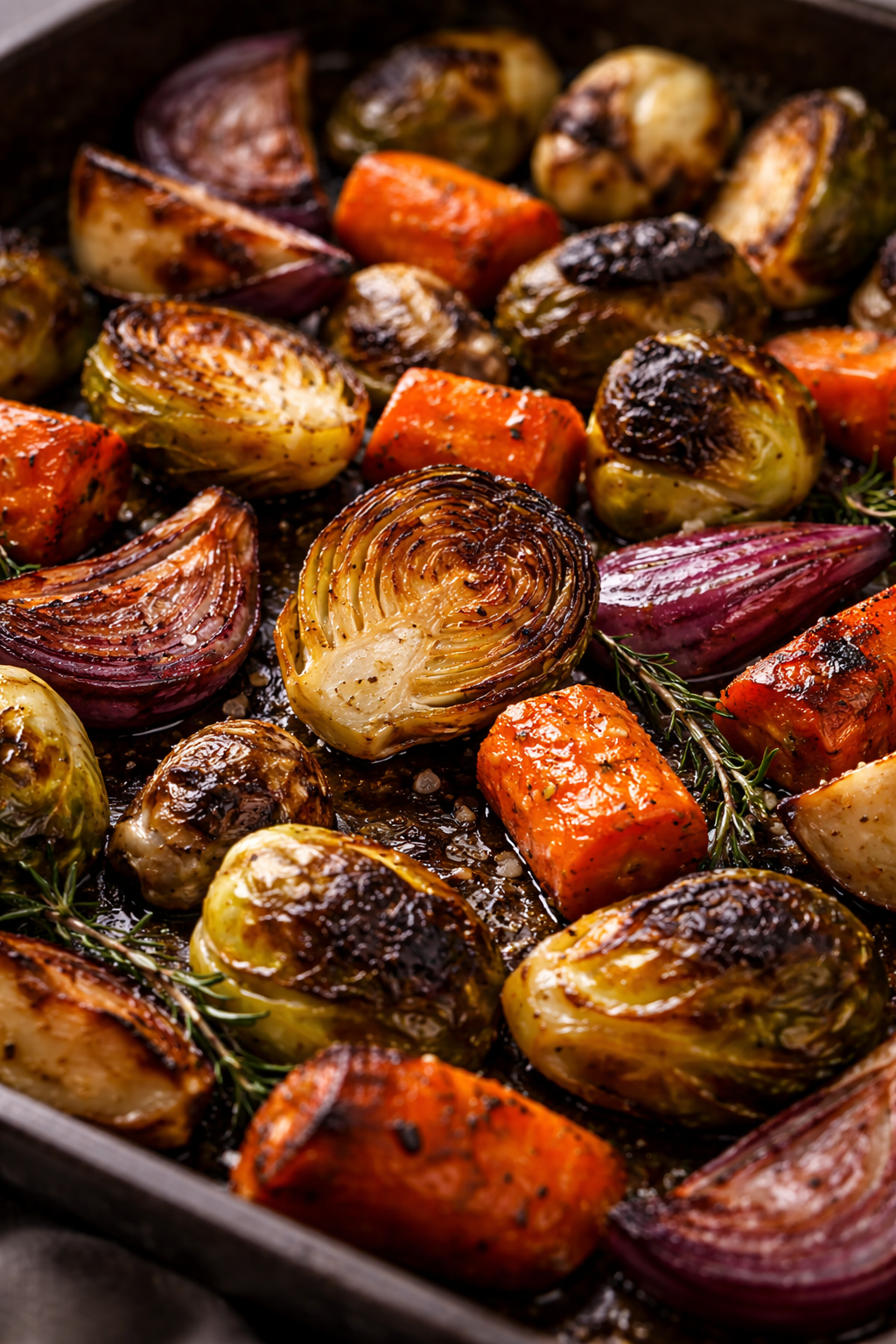
The Maillard reaction is the chemical process responsible for the rich browning and complex aromas that develop when foods are seared, roasted, or toasted.
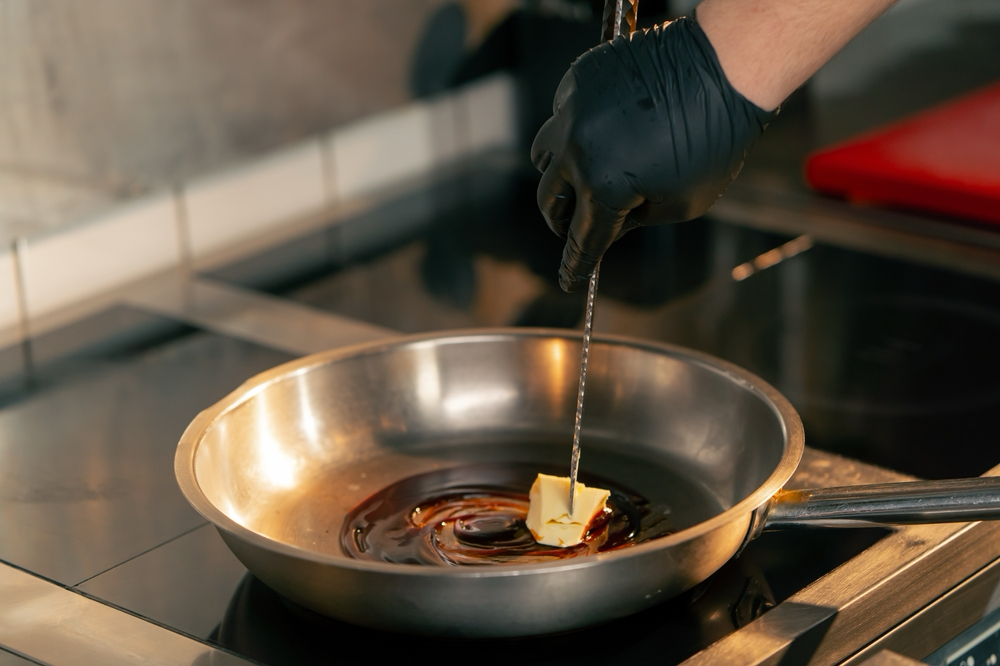
Why professional kitchens often finish dishes with butter—and how it changes flavor, texture, and balance.
Kosher salt is the seasoning most professional kitchens rely on. Its larger crystal structure allows cooks to control how salt is distributed across food, improving consistency and flavor balance.
Some flavors fade. Others endure.
Jamoca Almond Fudge isn’t nostalgia — it’s architecture.
A closer look at bitterness, restraint, texture, and why certain compositions survive both childhood and experience.
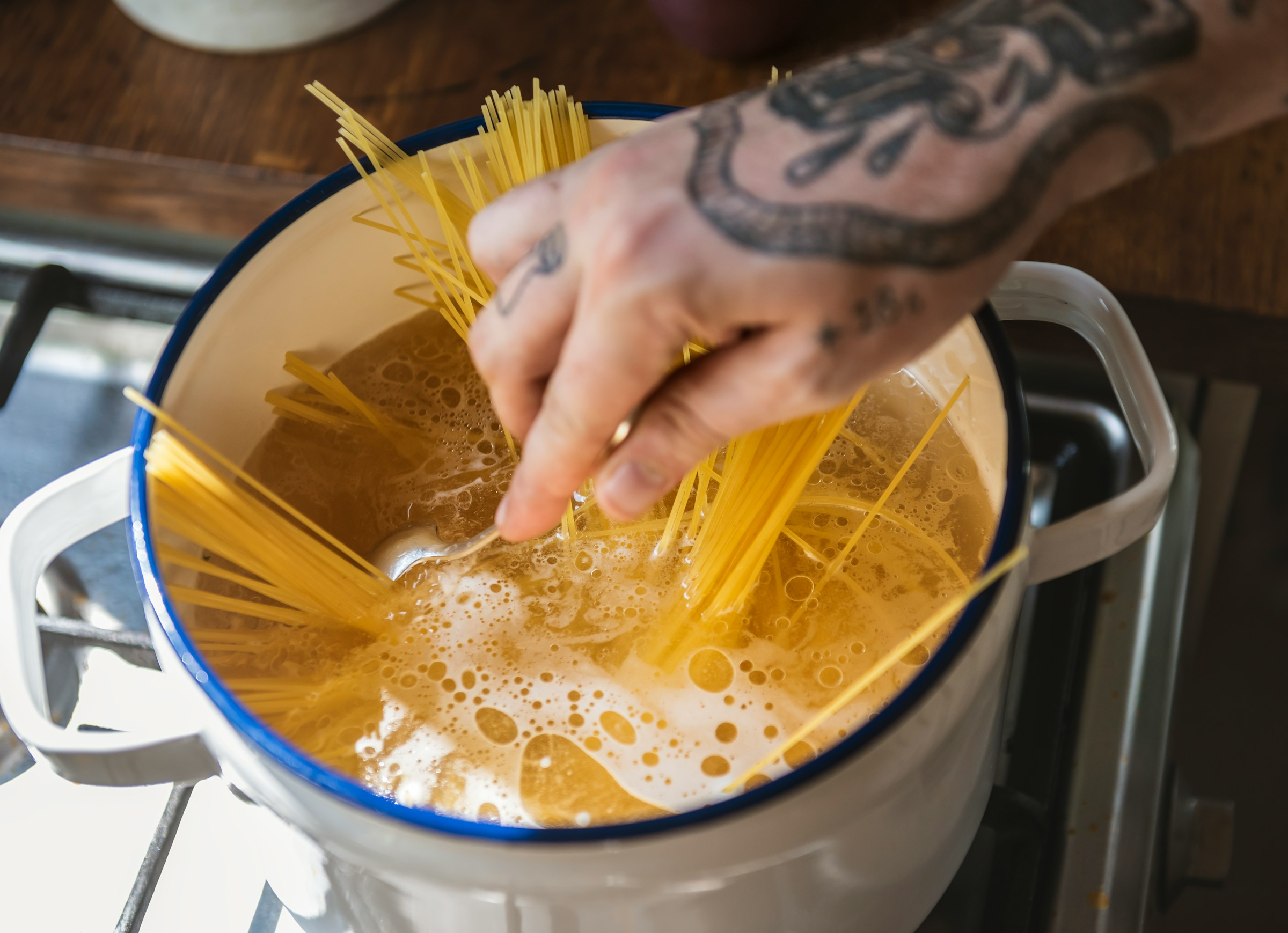
Salting pasta water seasons the pasta itself, while adding olive oil to the pot does little to change the cooking process. Understanding the difference improves both flavor and sauce integration.
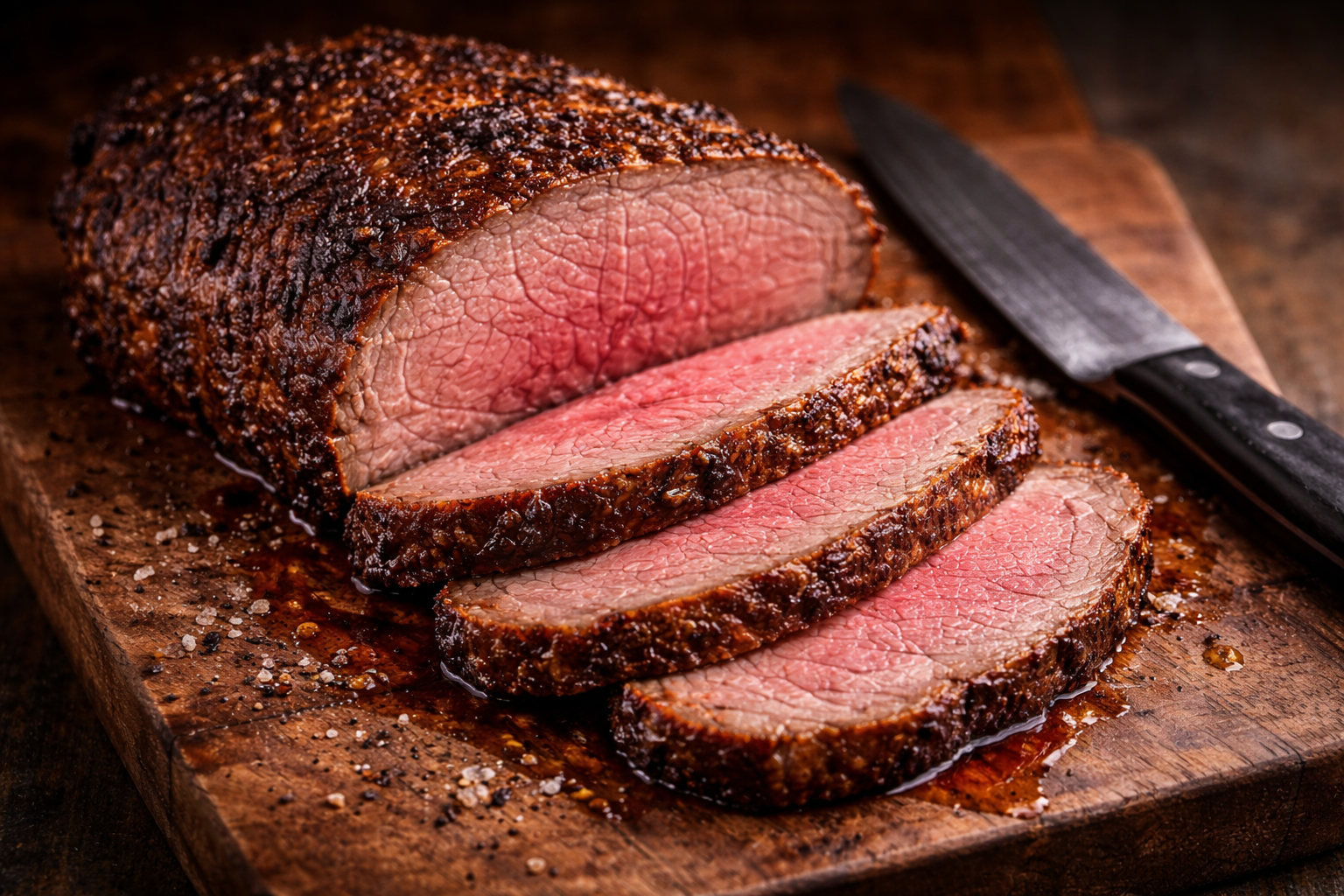
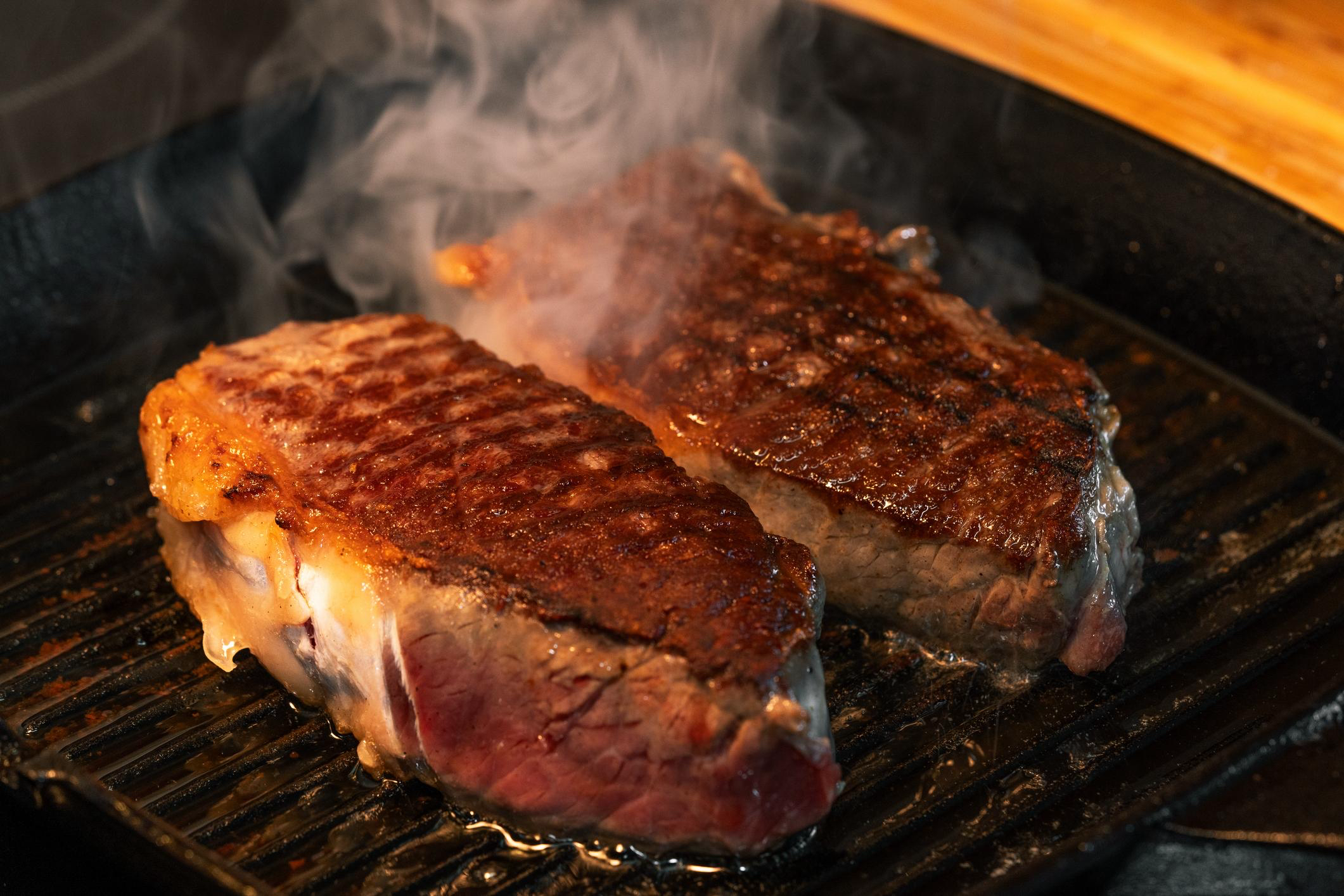
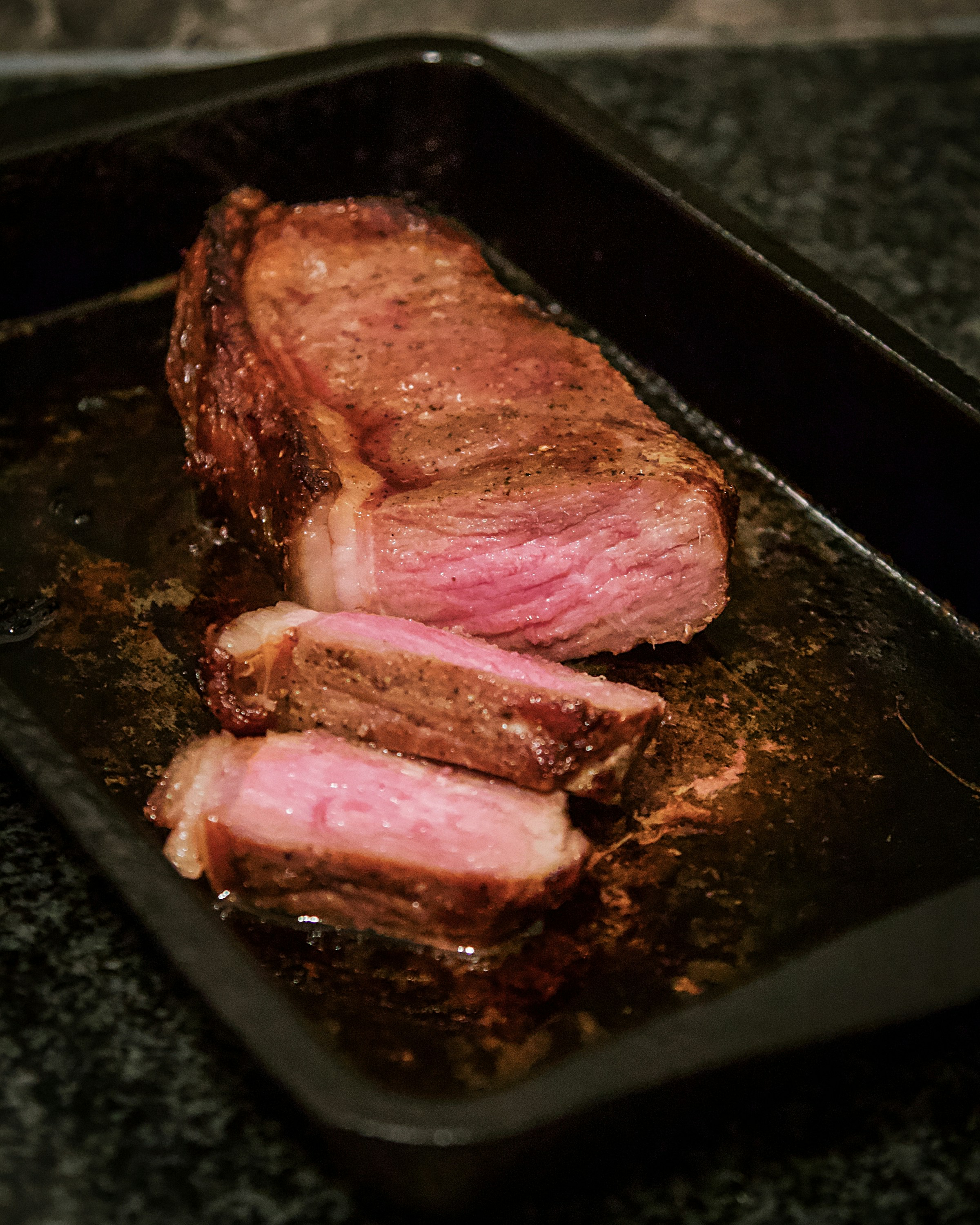
Why resting steak matters. Heat drives moisture toward the center of the meat during cooking, and resting allows that liquid to redistribute before slicing. The result is a steak that holds its juices, cuts cleanly, and finishes cooking with greater precision.
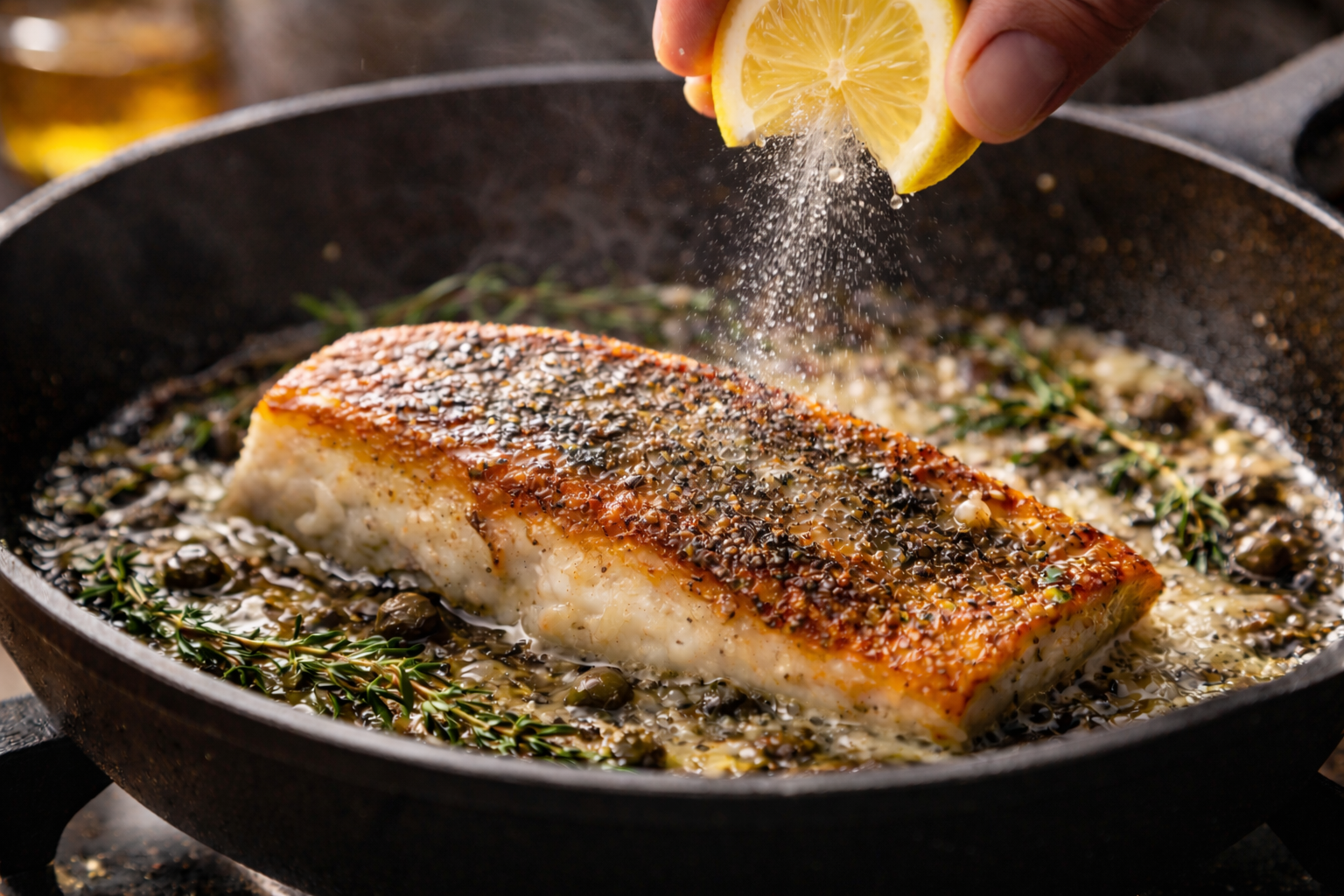
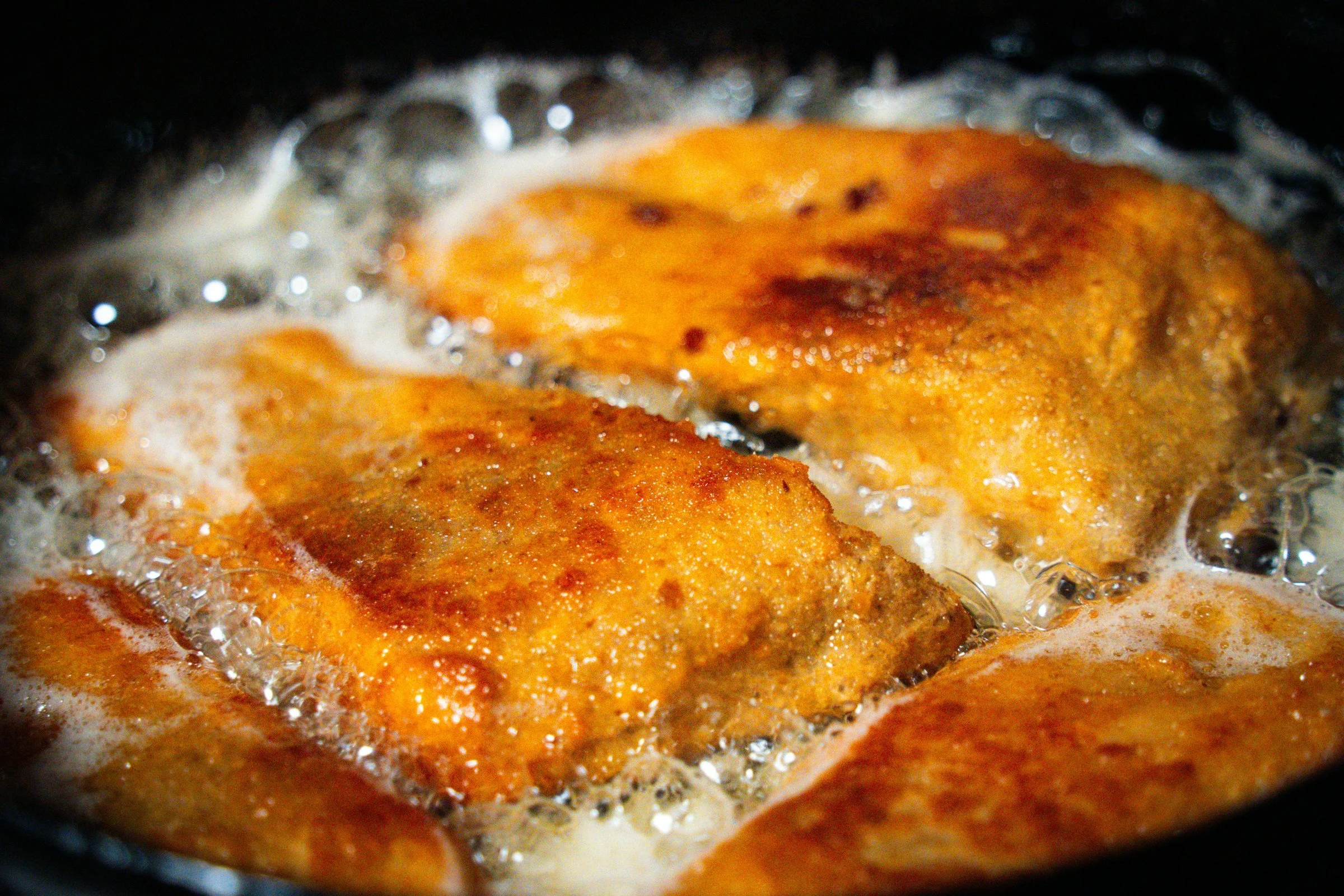
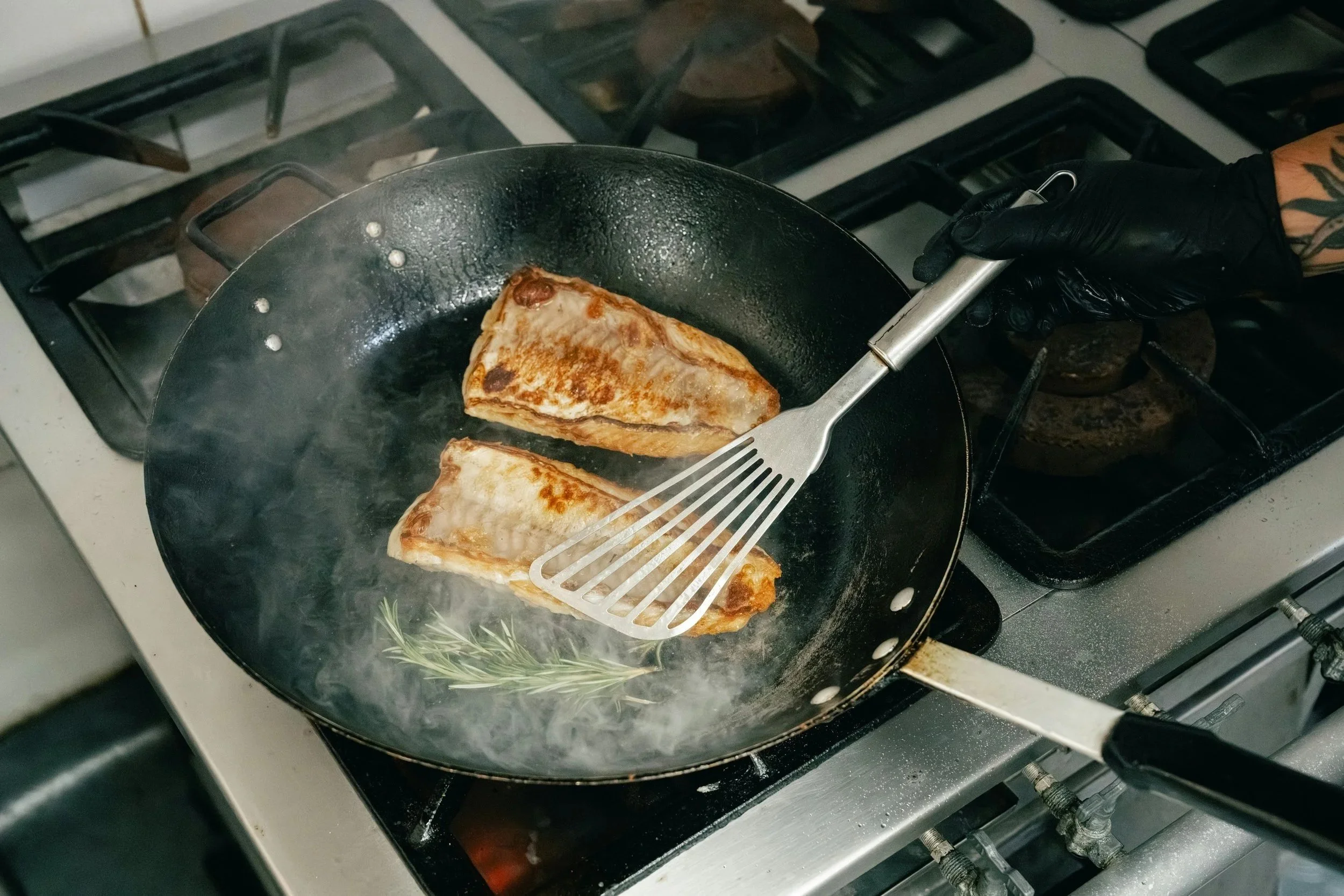
Fish sticking to the pan isn’t bad luck. It’s a predictable interaction between protein, moisture, oil, and heat. Understanding that interaction changes how seafood cooks.
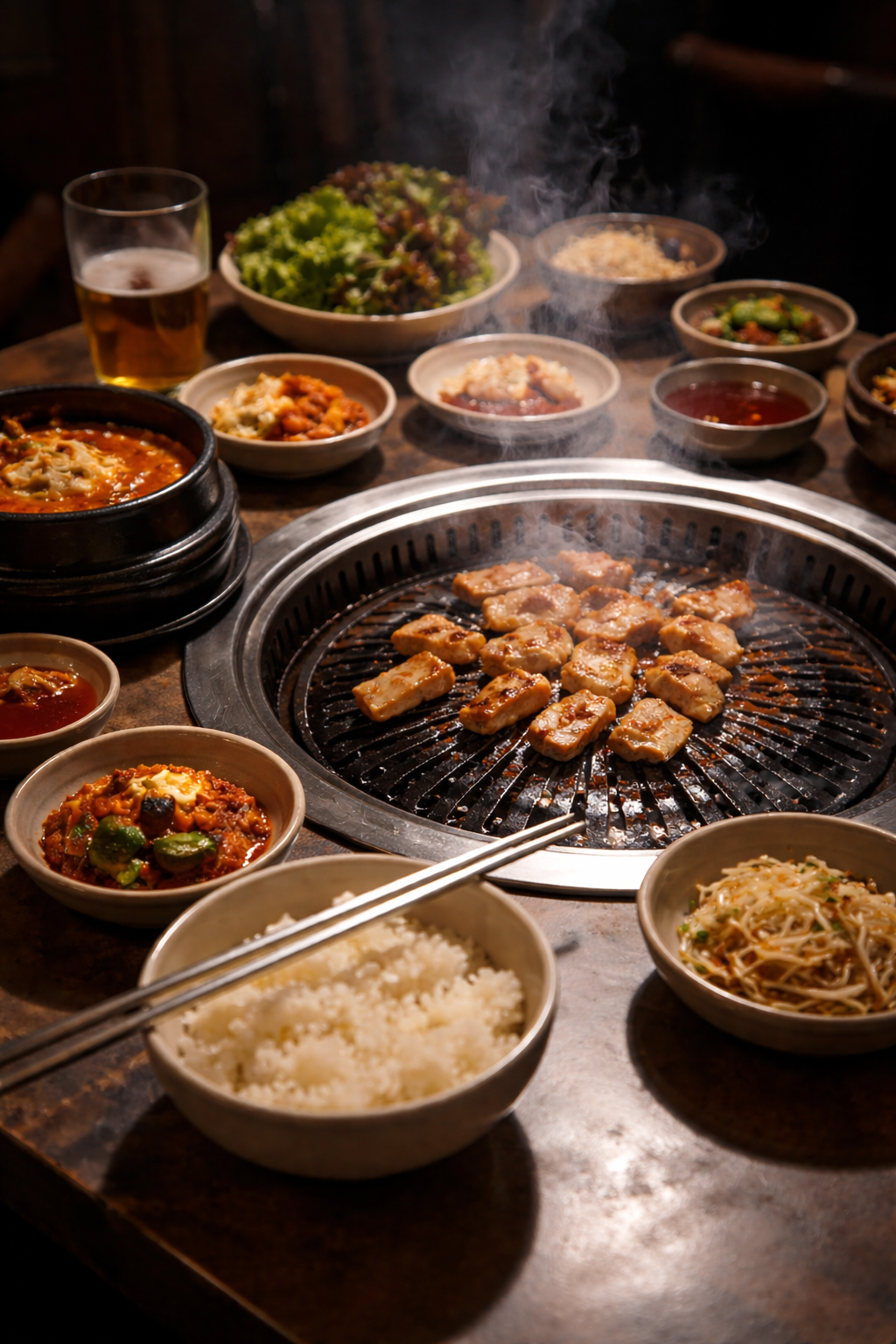
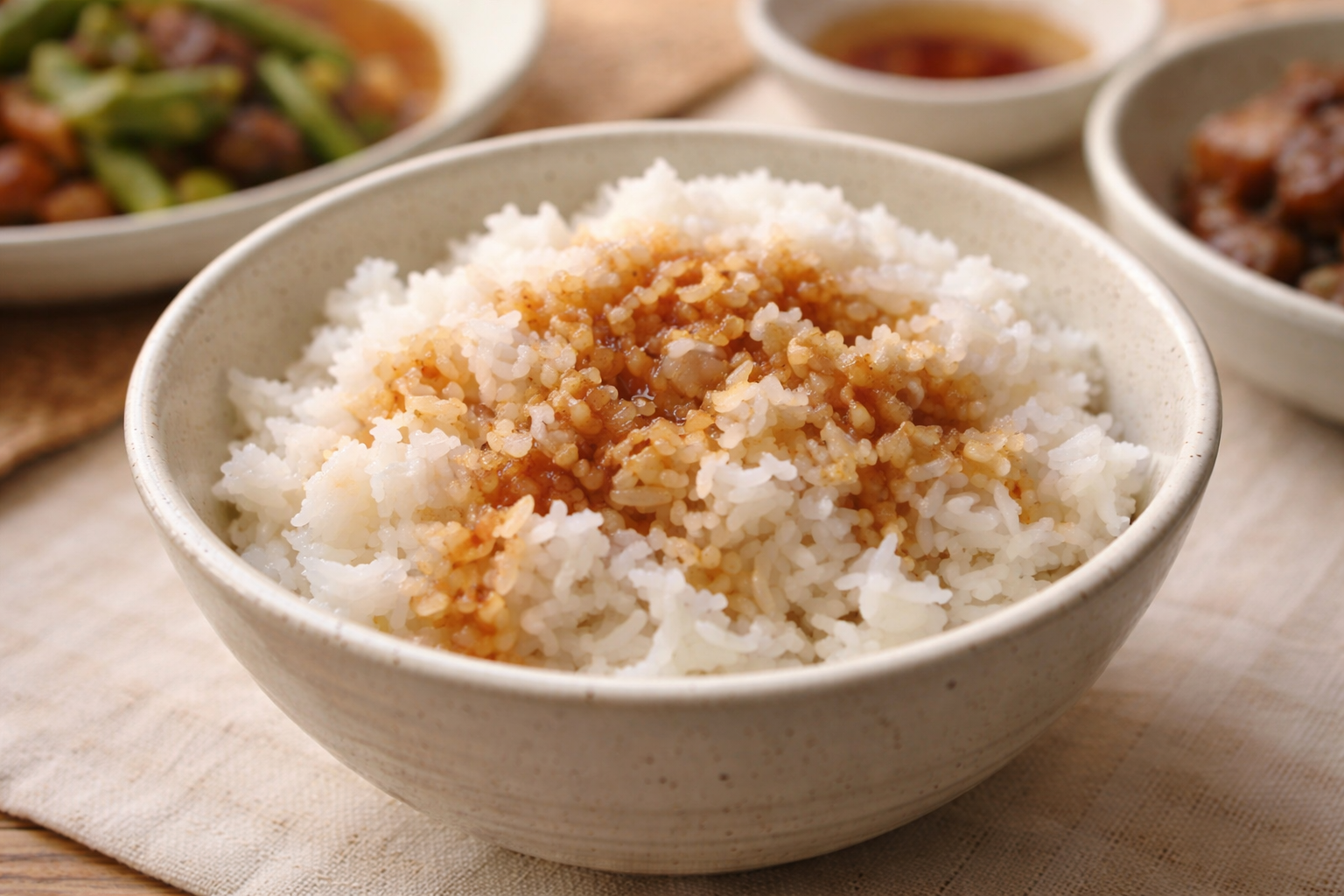
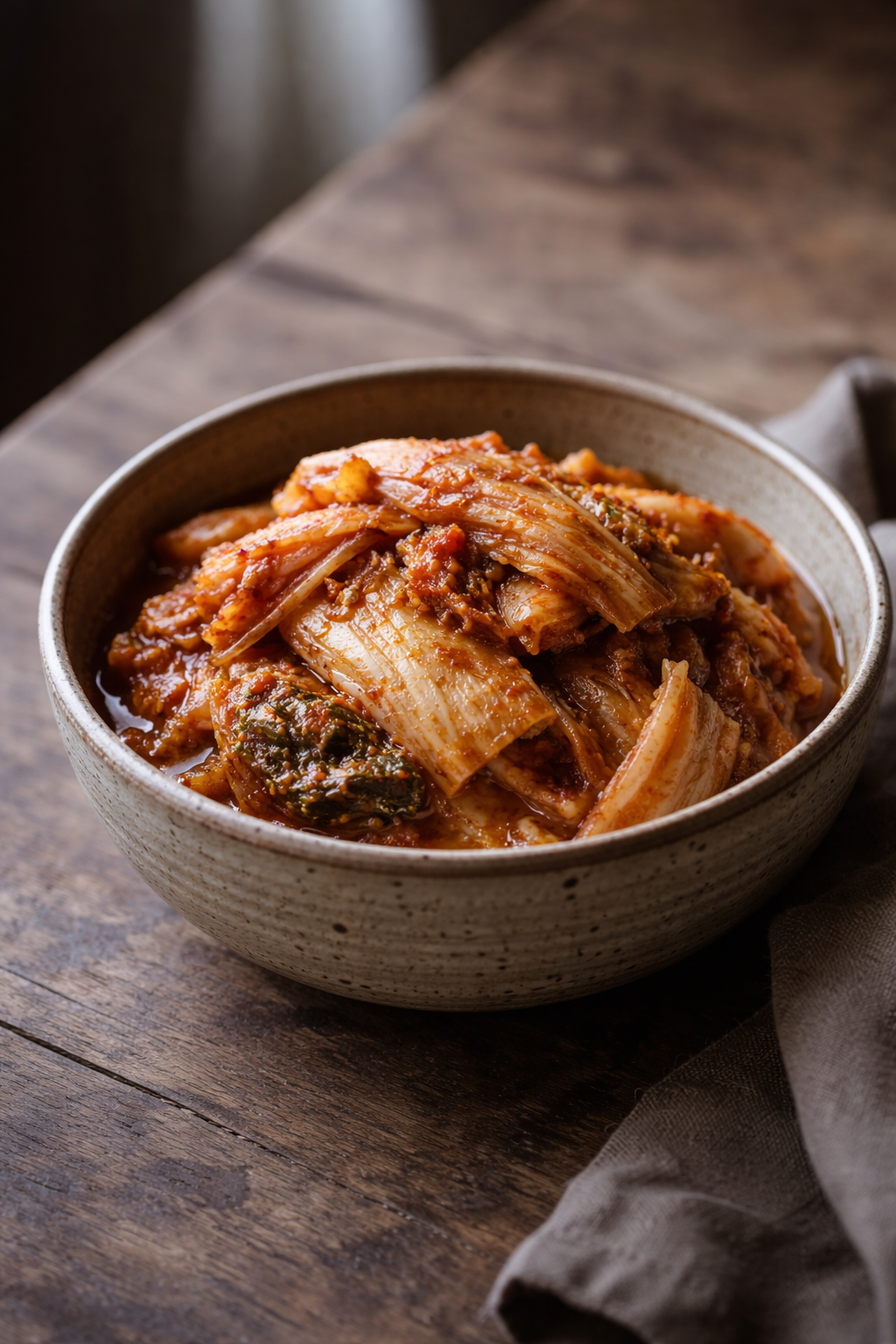
Korean food is not meant to bring the meal to a close. It is meant to keep it moving. From soup to grill to rice to banchan, each bite clears space for the next — allowing appetite to scale without fatigue. This is cuisine built for repetition, timing, and pleasure that holds.
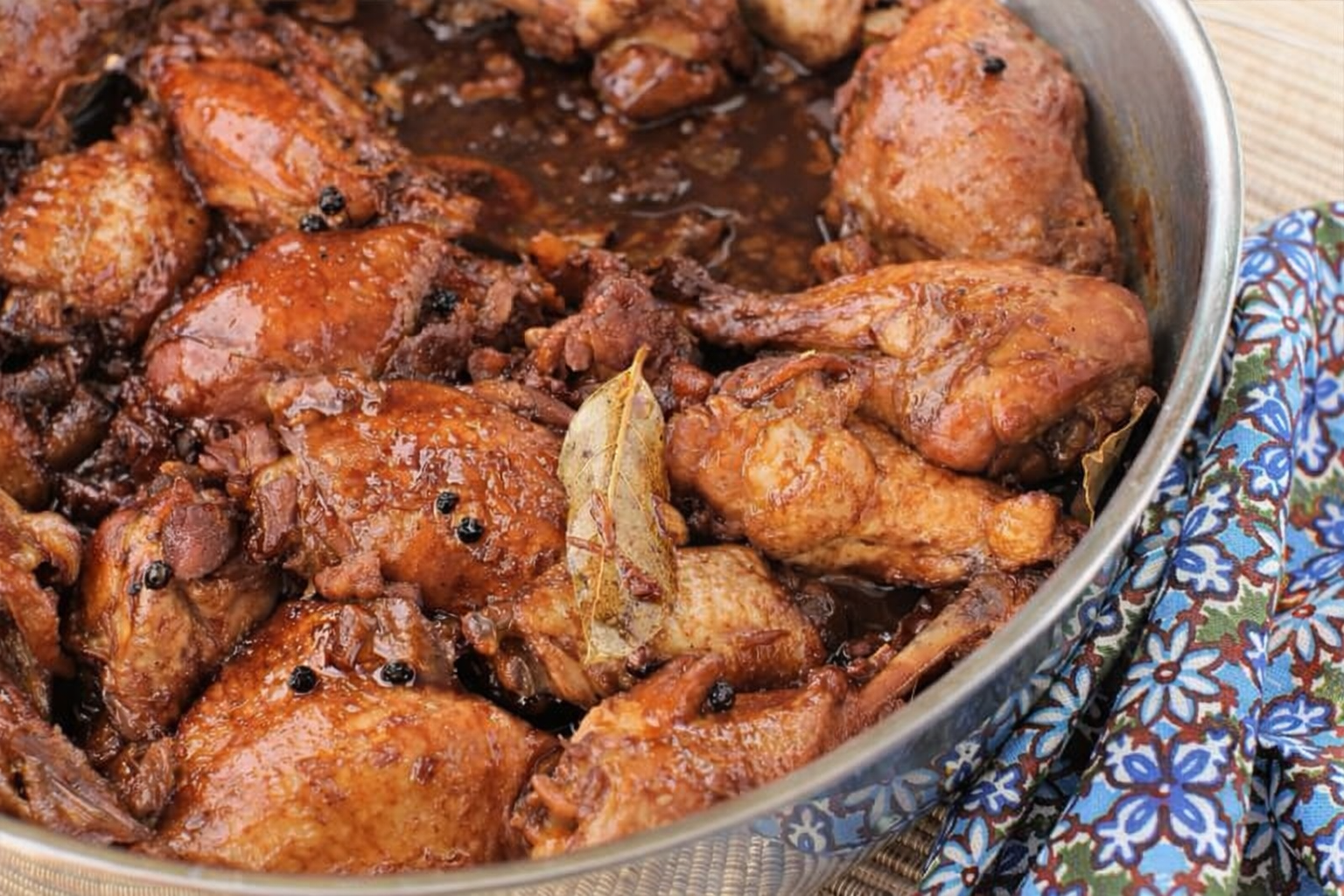
Filipino food is not built to impress at the first bite. It reveals its balance through reheating, rest, and repetition. This is the food you’ll enjoy again and again.
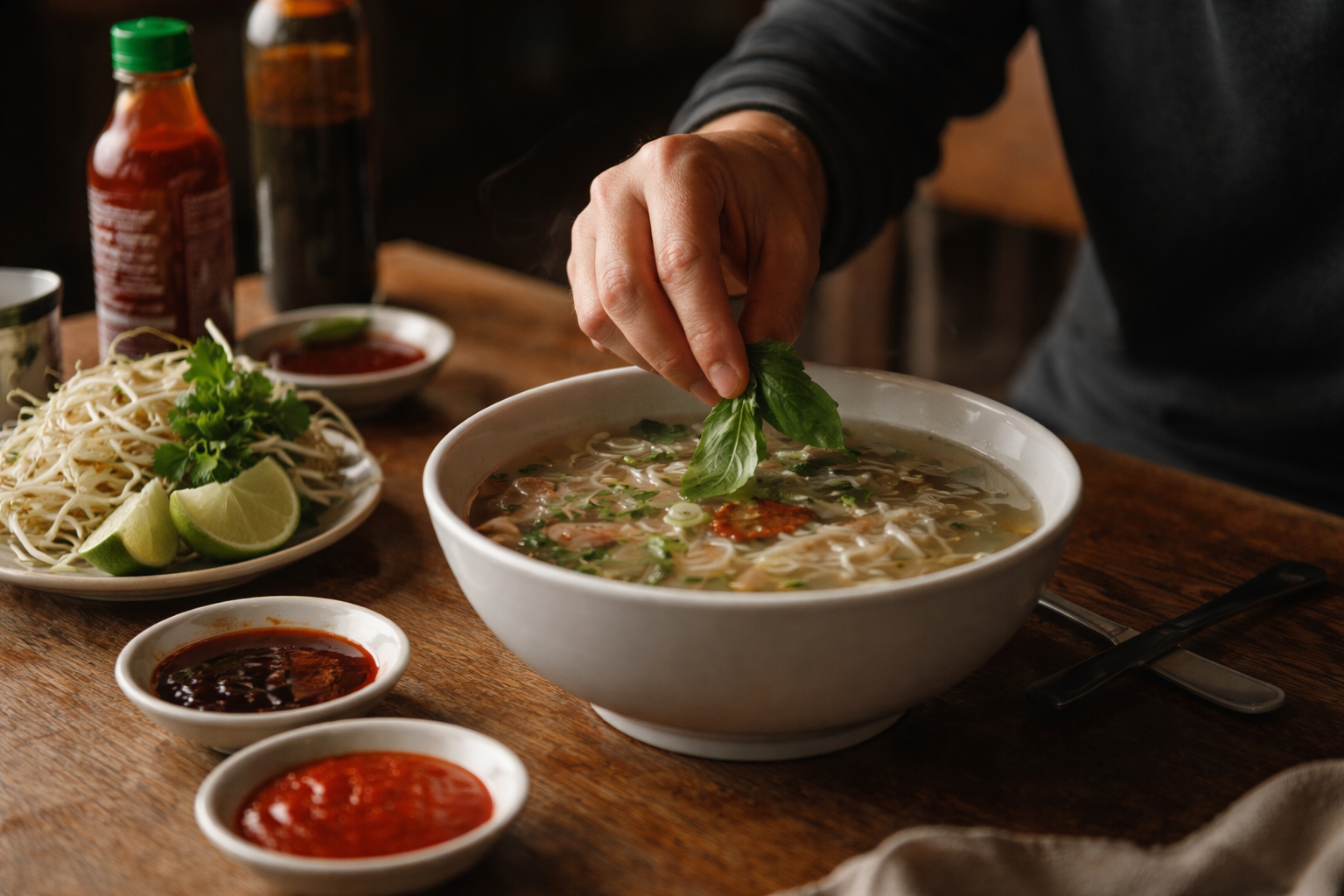
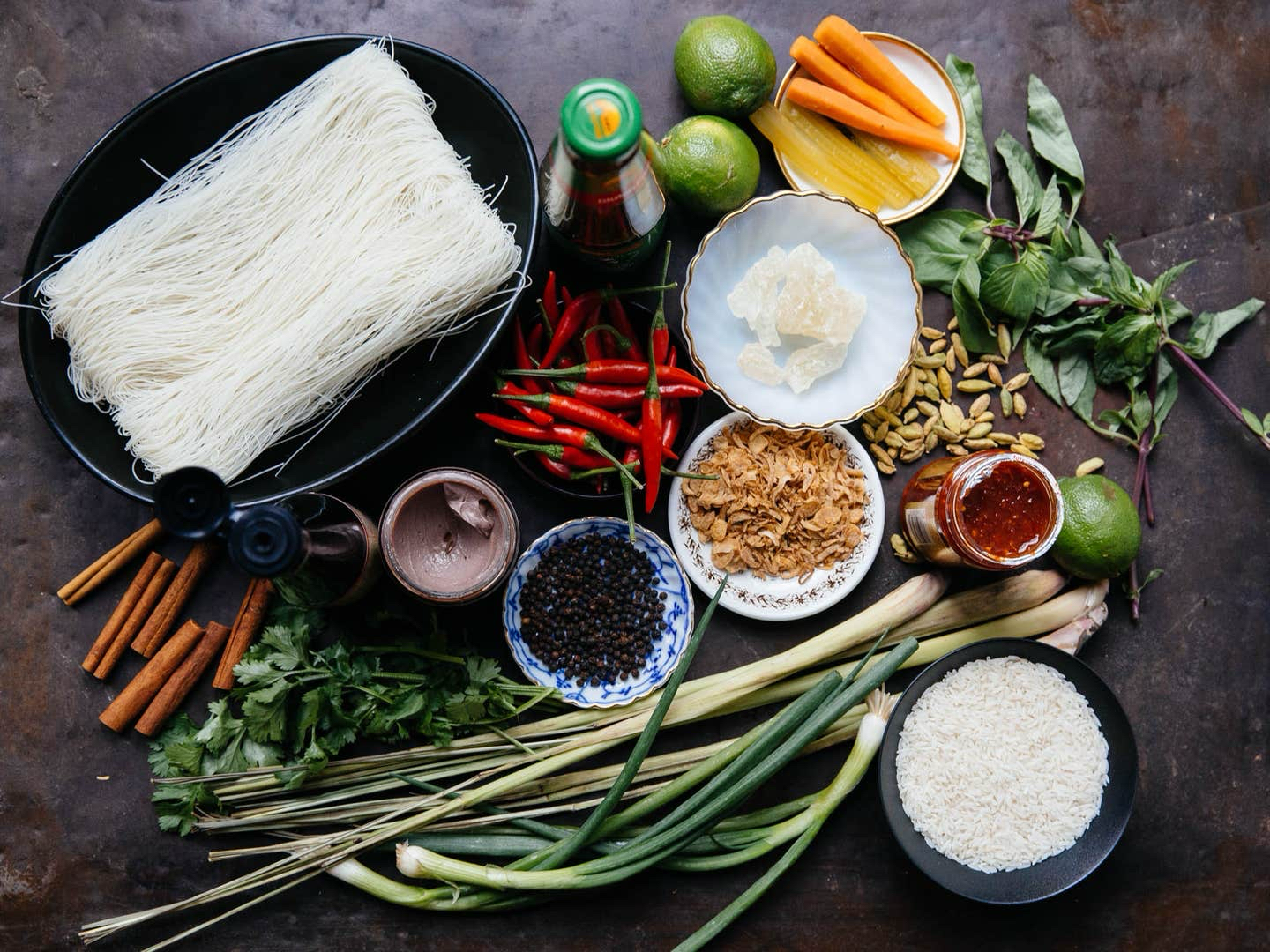
Vietnamese balance is not subtle—it is precise. Crisp gives way to tender, broth clears rather than coats, herbs reset the palate, and nothing lingers longer than it should.
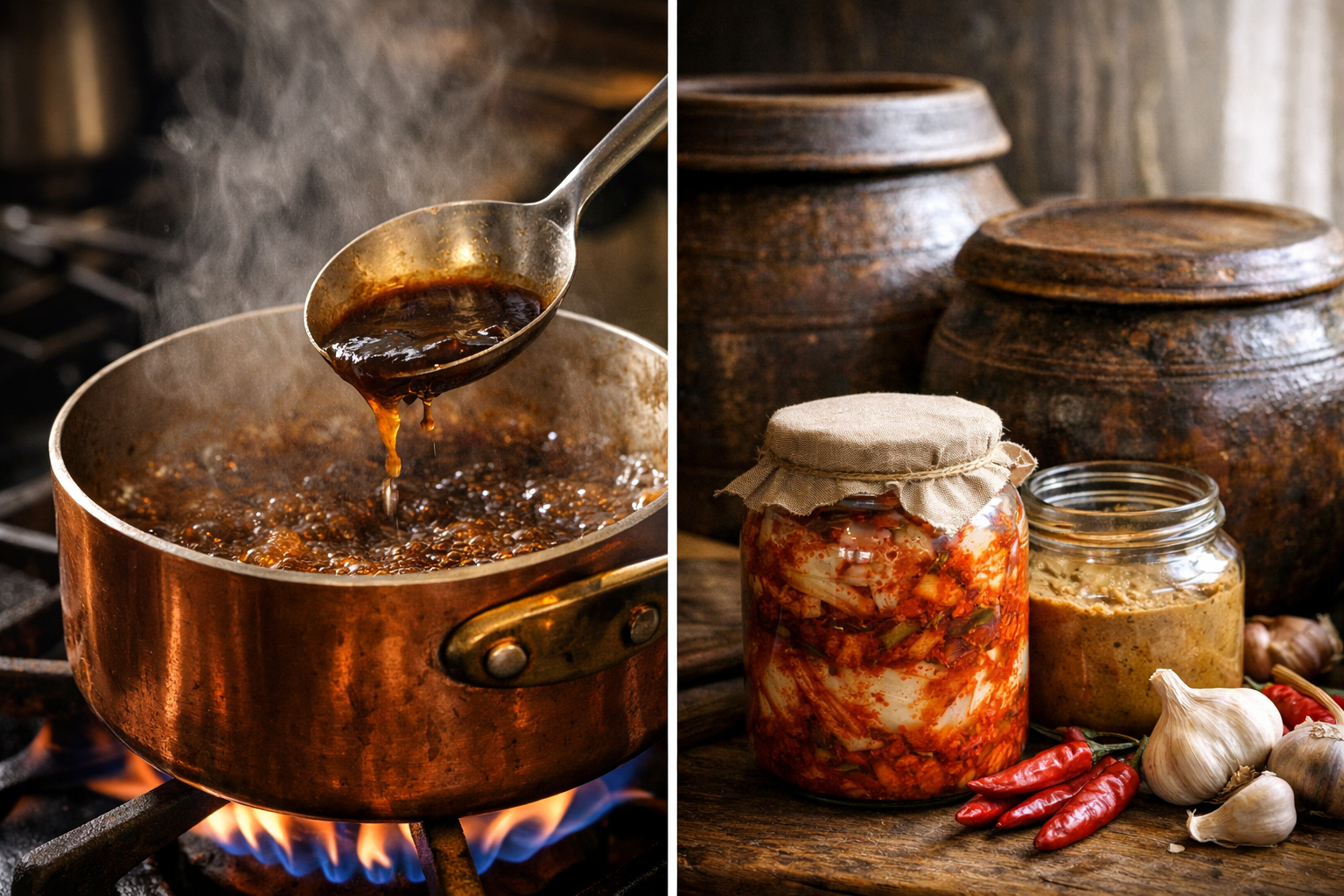
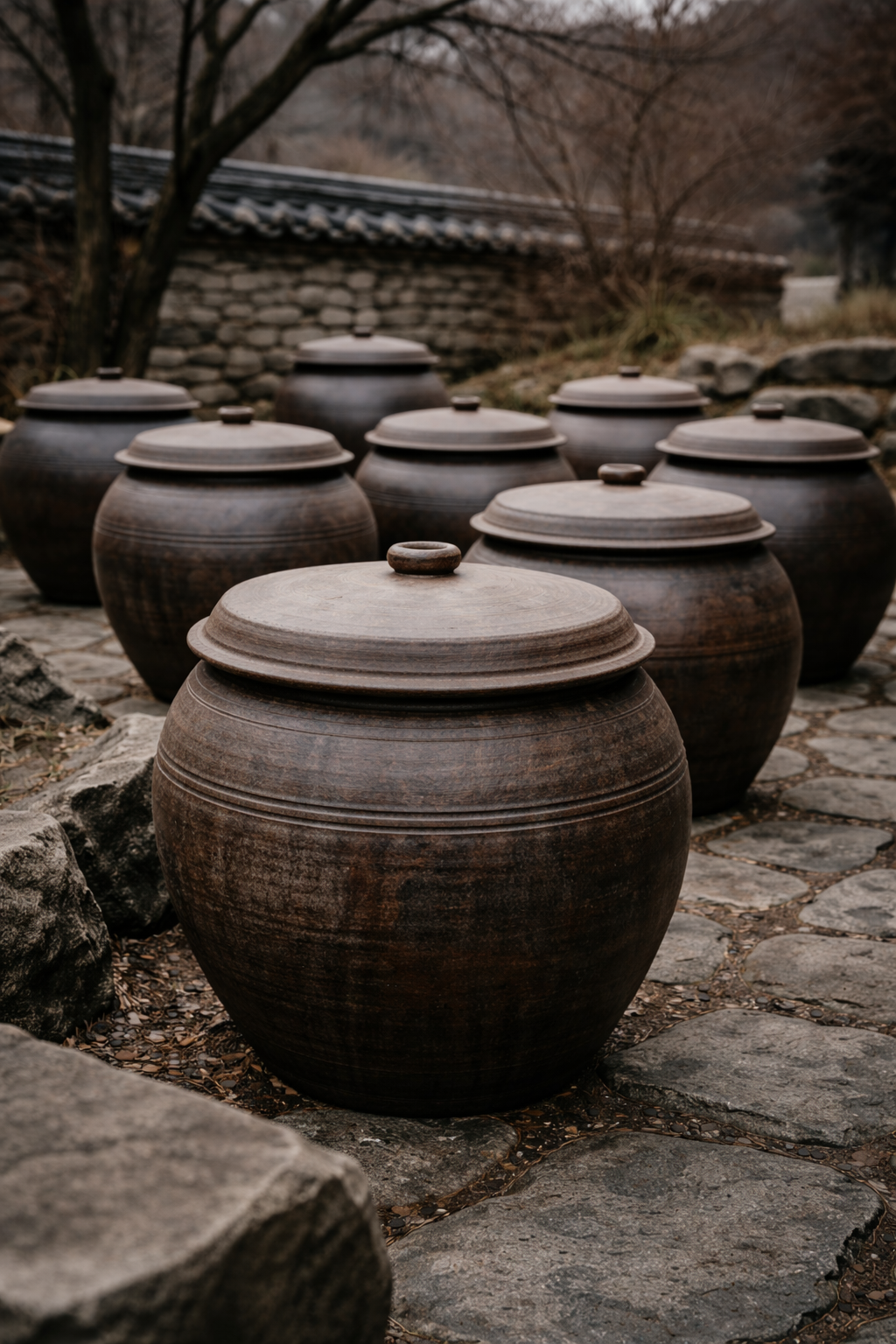
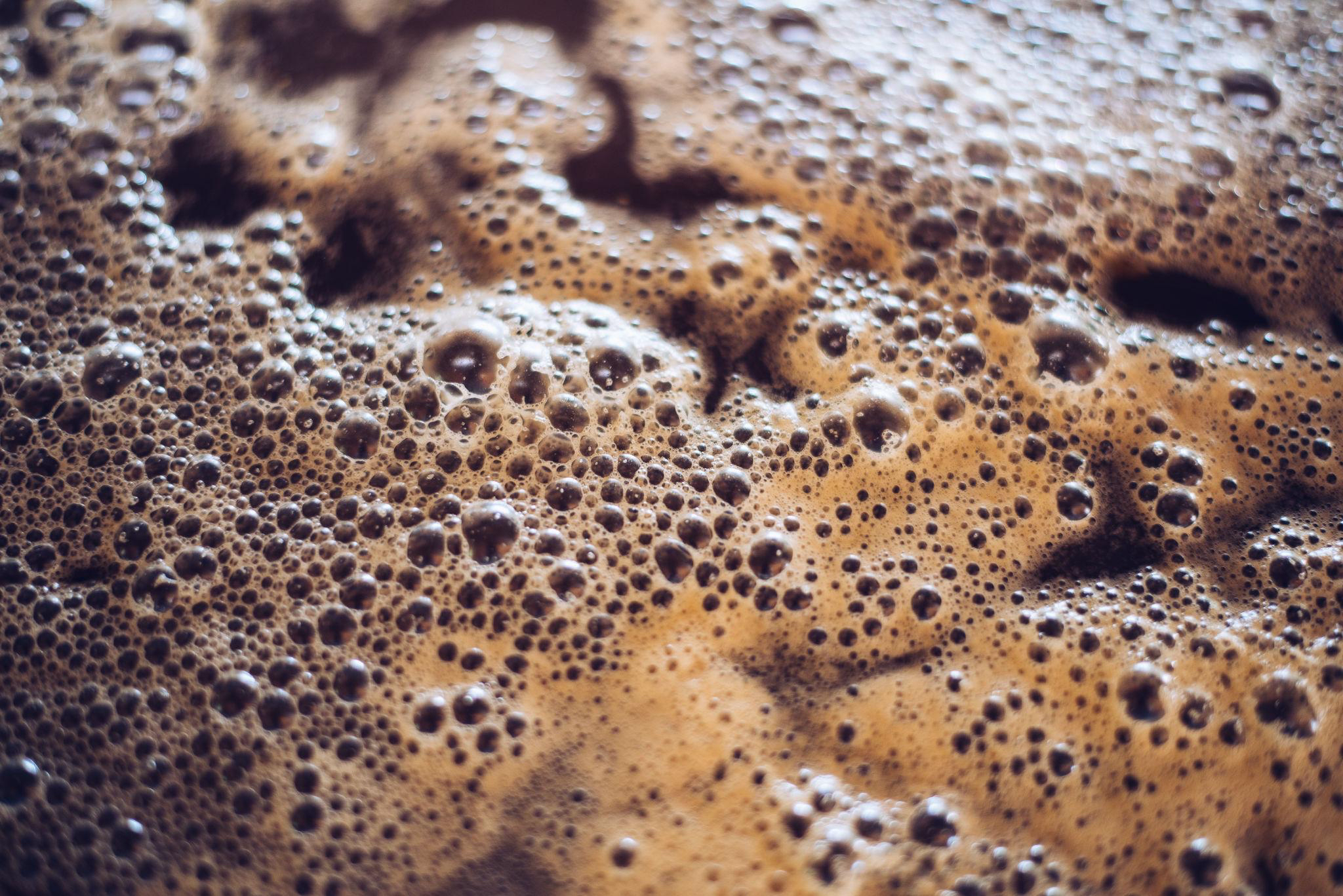
Time has a flavor. It arrives first in texture, then in balance, and finally in memory. This essay explores how fermentation tastes when it is allowed to finish speaking.
The Judgment of Paris changed wine history, but its truth lives in the glass. Tasting the flagship wines of Chateau Montelena and Stag’s Leap Wine Cellars today reveals how restraint, stewardship, and decision-making shape texture, structure, and pleasure—long after the applause fades.
Pleasure does not peak at fullness. It arrives just before. Drawing from Japanese philosophy, Chinese banquets, Korean banchan, and Old World traditions, this essay reflects on why balance, pacing, and restraint have always defined the most satisfying meals.
Sugar once defined indulgence. Today, curiosity does. From soup-flavored candy to umami-forward comfort snacks, savory pops reveal how the post-sugar palate is reshaping pleasure, nostalgia, and what we crave next.
Stock and broth are often used interchangeably, but they serve different purposes in the kitchen. The difference comes down to collagen, gelatin, and how chefs use each liquid to build flavor and structure.
A Foodie deep dive into the Caesar salad—its origins, tableside tradition, and why restraint and technique still define a truly great version.
Sous vide cooking uses a temperature-controlled water bath to cook food evenly and precisely. By sealing food and cooking it at a consistent temperature, chefs achieve consistent doneness and texture.
Additional Savor essays live in Share, where the archive continues beyond this selection.