
Service
Where people bring restaurants to life.
It’s the rhythm of prep, the pressure of the rush, and the quiet pride after the room goes dark. From kitchen to dining room, service is the shared effort that brings a restaurant to life — the people, tools, habits, and judgment that turn intention into experience. Here you’ll find stories of service and craft — the work behind the moments that matter.
A Japanese word spoken before meals. An invisible chain of labor that holds together long enough for one moment of simplicity to arrive intact at the table. What modern dining culture forgets — and what hospitality has always known.
Touching tables is often treated as courtesy. In practice, it is how strong operators read the room, detect problems early, and protect the guest experience before it breaks.
Decanting is not ritual. It is a service decision made under chemical constraint. A technical exploration of oxygen, sediment, temperature drift, and why older wines have only a brief window of peak expression.
Service does not end at payment. Continuity of attention defines how hospitality truly concludes — and whether care is withdrawn casually or intentionally.
The French phrase je ne sais quoi describes an elusive quality that makes certain restaurants feel quietly special. Often what diners perceive as mystery is simply the presence of genuine hospitality rather than transactional service.
A vegan guest enters a fine-dining room not designed for vegan cuisine. What follows isn’t conflict, but a test of listening, clarity, and pride of execution — where service reveals itself most clearly.
A food-first exploration of caviar — how it’s sourced, served, and understood in serious dining rooms. Less about luxury, more about judgment, restraint, and getting it right.
For 38 years, Coffee Gallery quietly anchored mornings in Haleʻiwa. This Dine essay reflects on routine, community, and the kind of places we only fully understand once they’re gone.
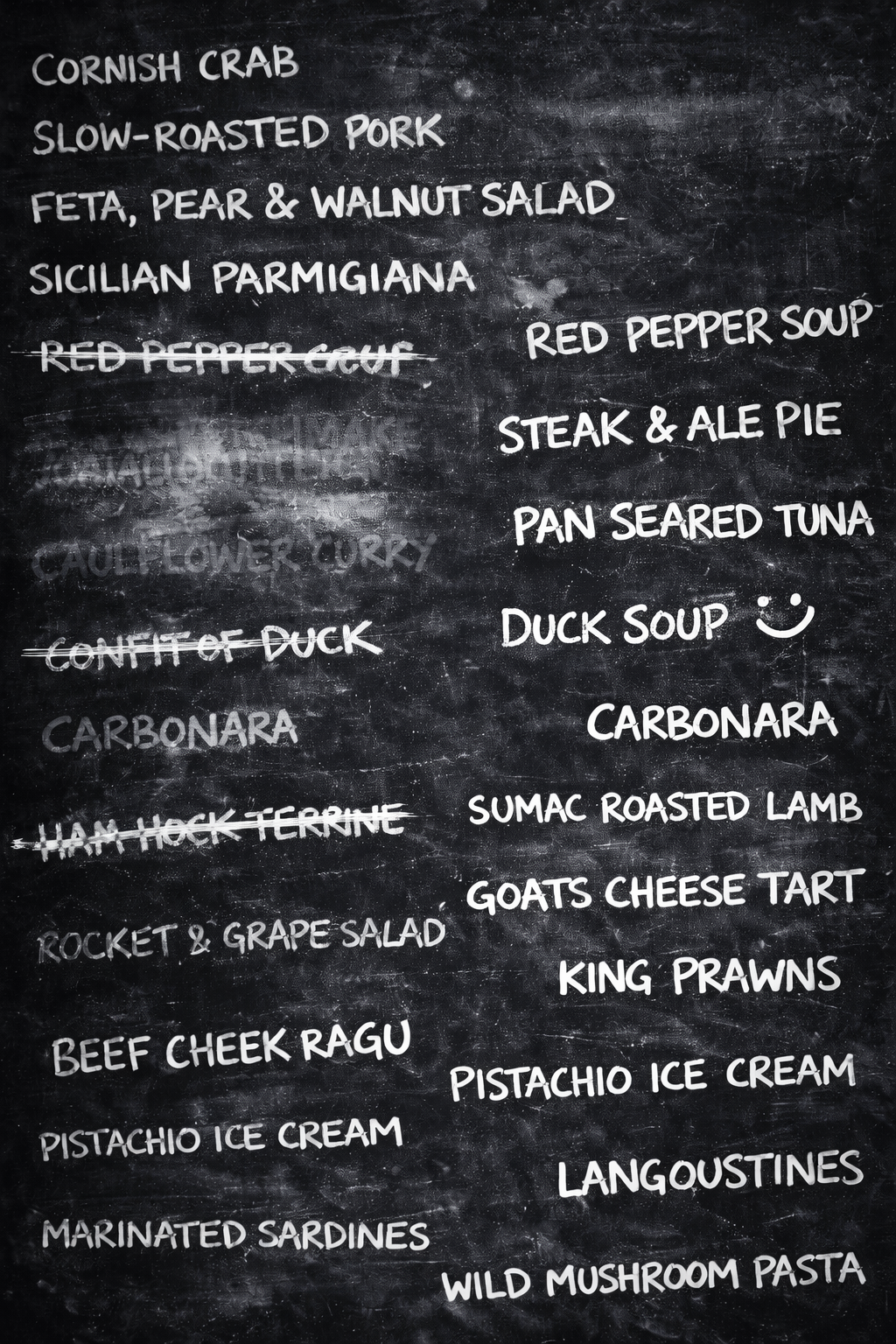
Menus are getting smaller — not as a trend, but as a correction. As labor tightens and complexity becomes risk, restaurants are quietly removing the middle of the menu in favor of clarity, consistency, and control. A Dine essay on why less has become essential.
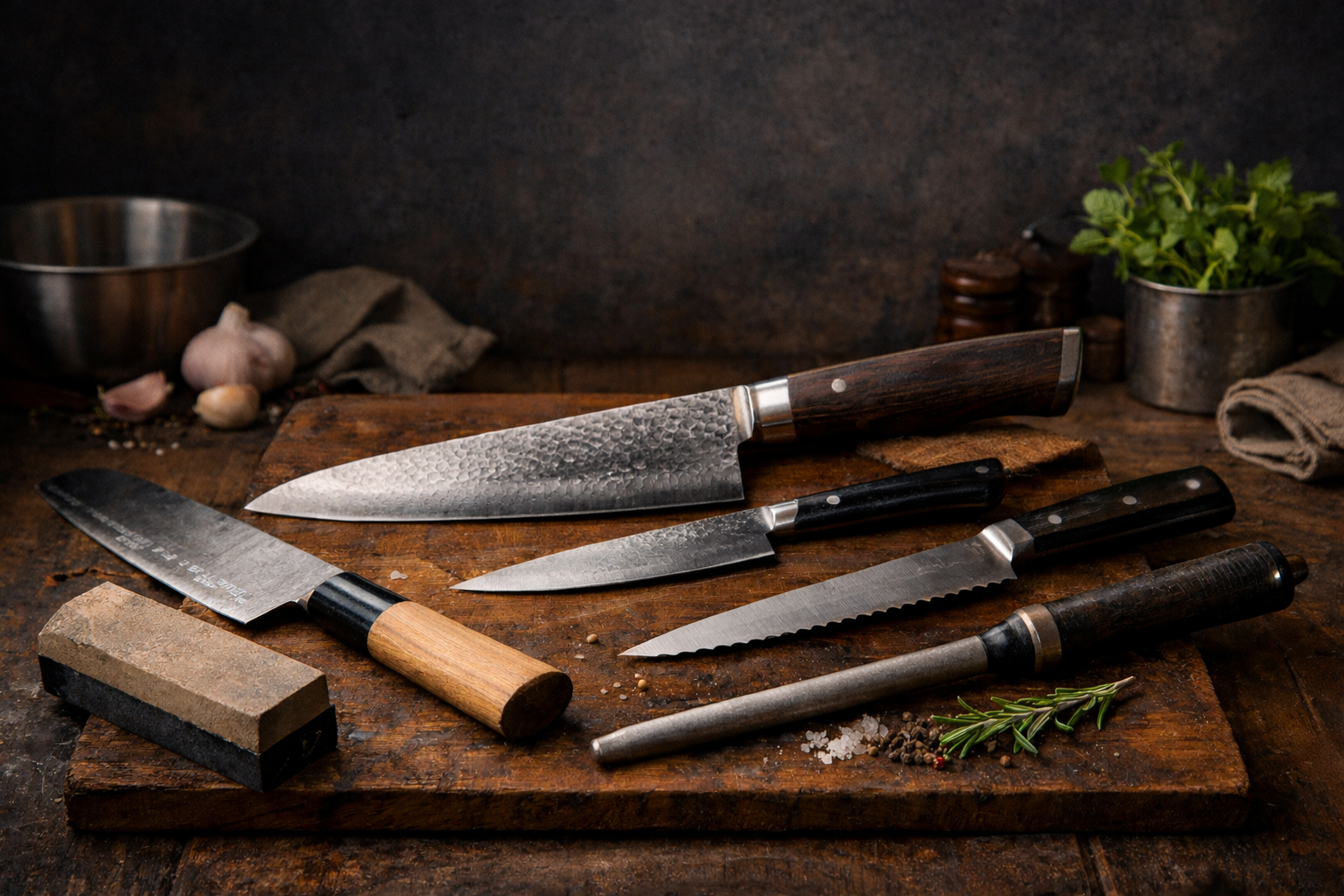
Professional cooks don’t collect knives — they arrive at them.
A grounded look at how balance, steel, geometry, and use shape the knives that last in real kitchens.
In service, the right knife doesn’t demand attention — it earns trust. This essay explores why steel choice, heat treatment, and geometry matter in a working kitchen, and how the knives that last are shaped by consequence, not reputation.
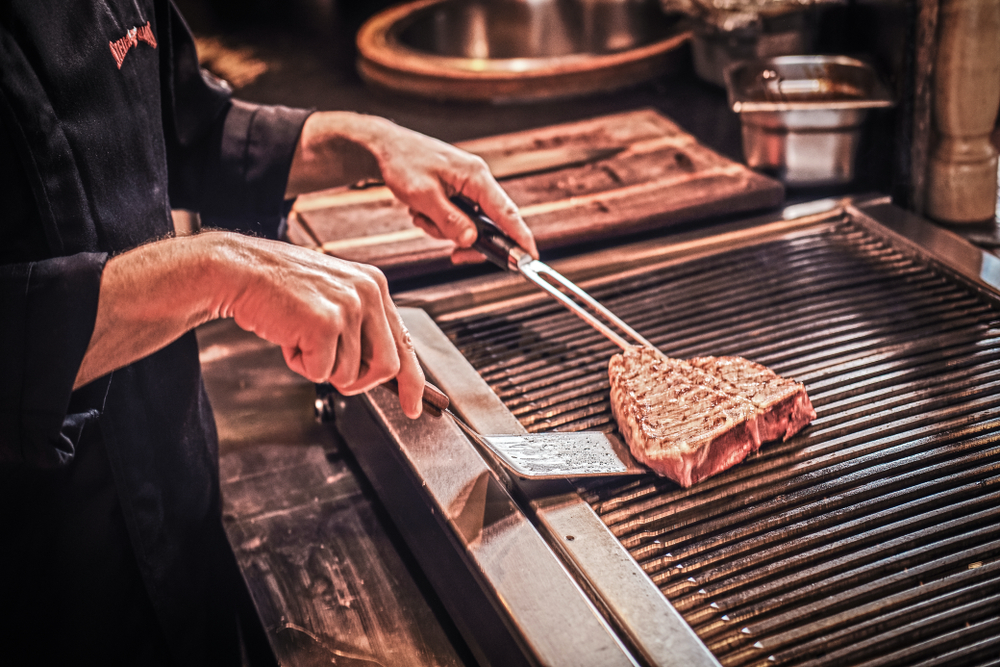
How do chefs know when a steak is medium-rare just by touching it? The answer lies in resistance, experience, and the quiet role temperature plays in achieving perfect doneness.
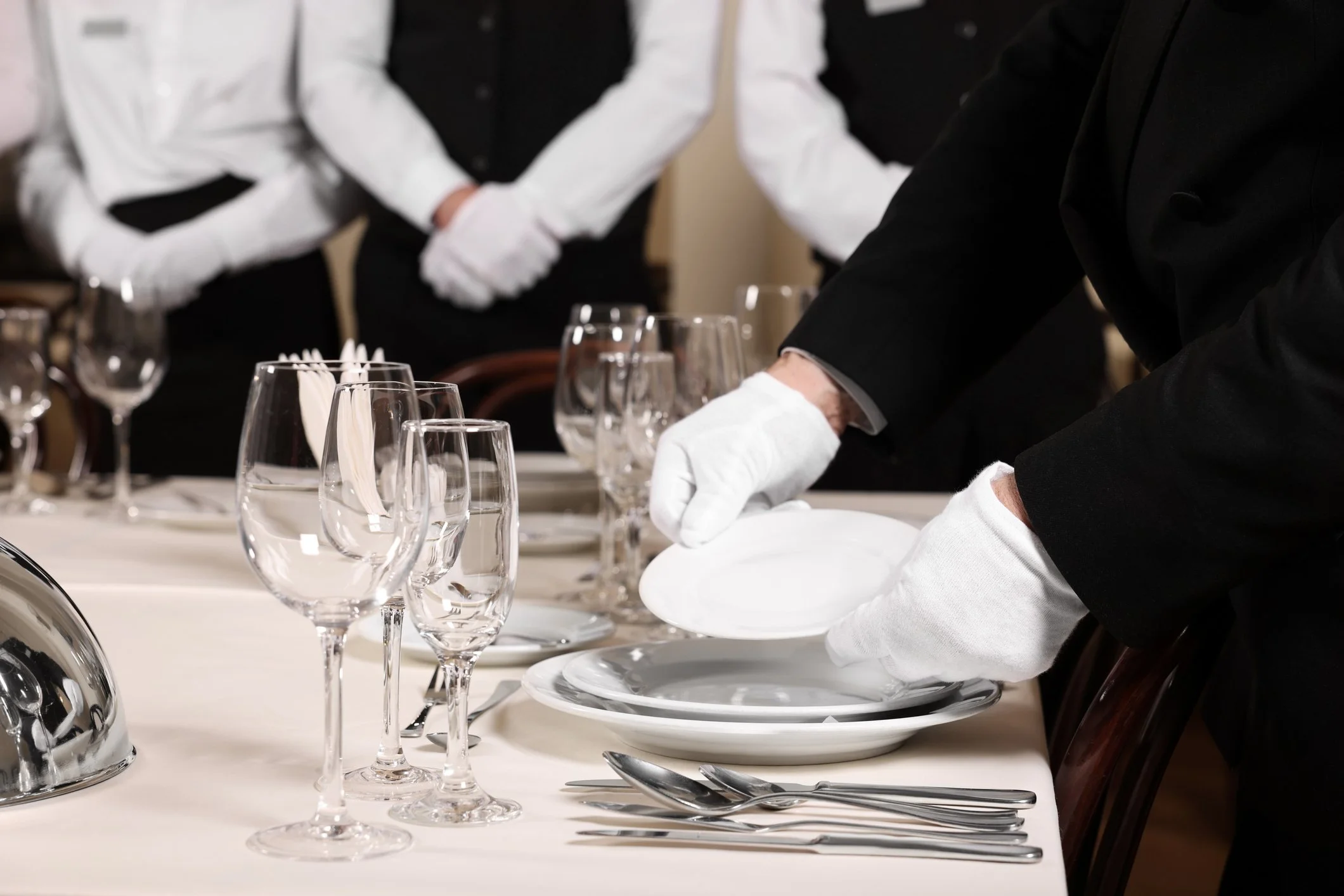
Luxury isn’t in chandeliers — it’s in the choreography of grace. Inside the kitchen and across the dining room, precision and empathy become something timeless.
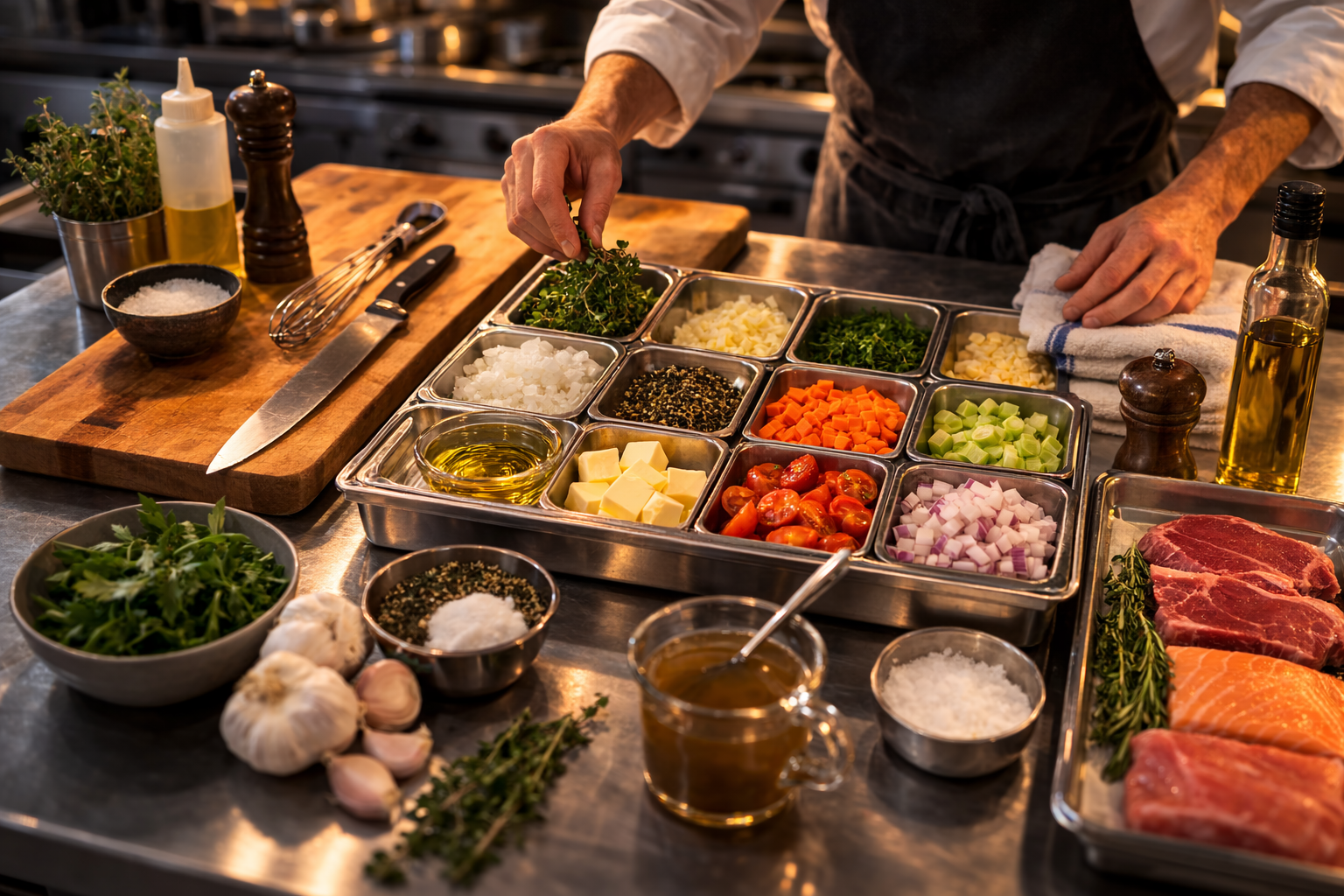
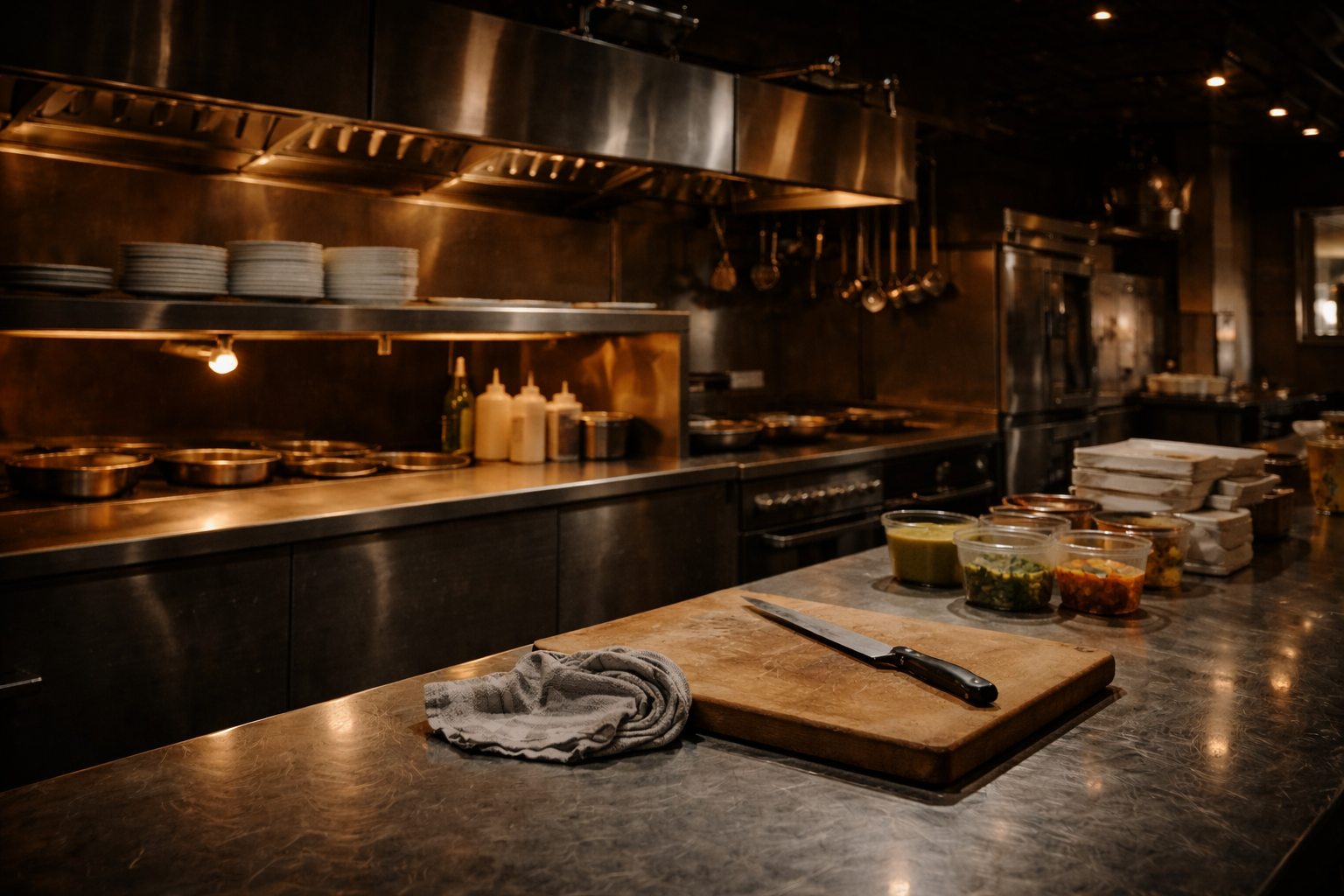
Mise en place—French for “everything in its place”—is the foundation of professional cooking. This essential kitchen discipline organizes ingredients, tools, and preparation before service begins, allowing chefs to cook with precision, speed, and consistency.
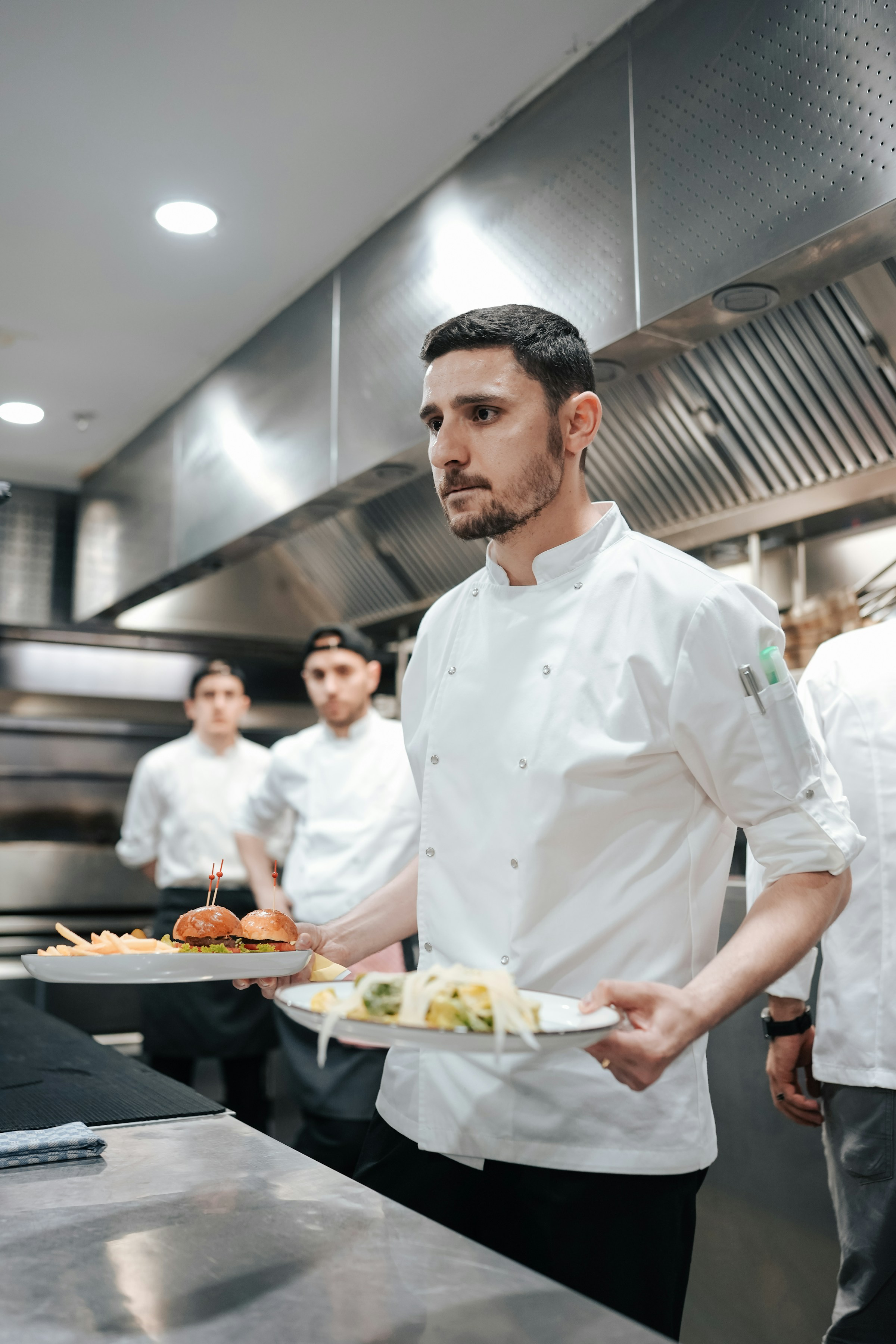
Professional kitchens operate inside systems of discipline, timing, and leadership. This essay examines how kitchen culture formed, why it is changing, and what the next generation of chefs must decide about standards and authority.
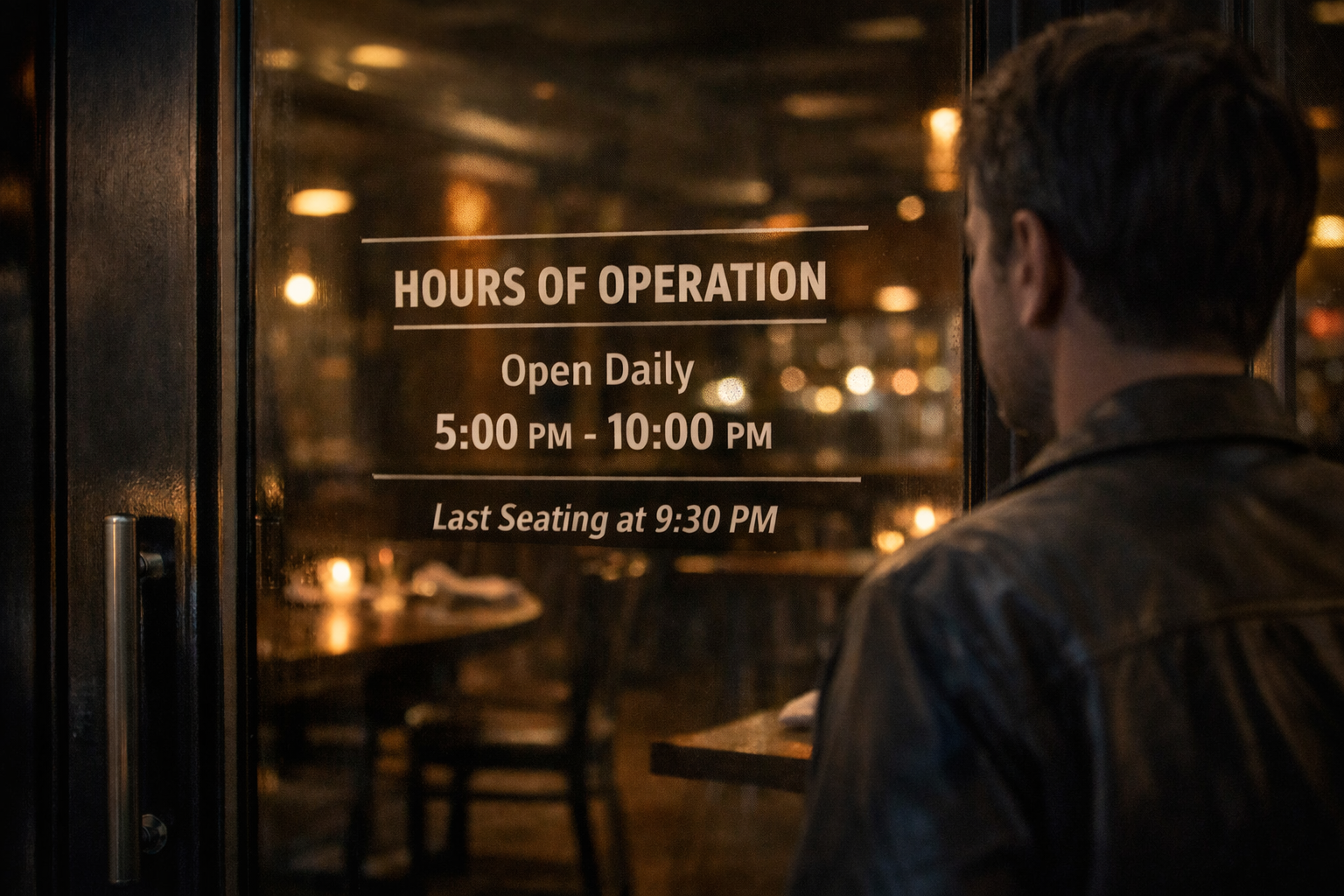
A posted closing time is a promise. When restaurants publish hours they don't honor, the breakdown isn't operational — it's structural. This essay examines how a cascading end-of-service timeline transforms last seating from a single boundary into a complete system that holds under pressure.