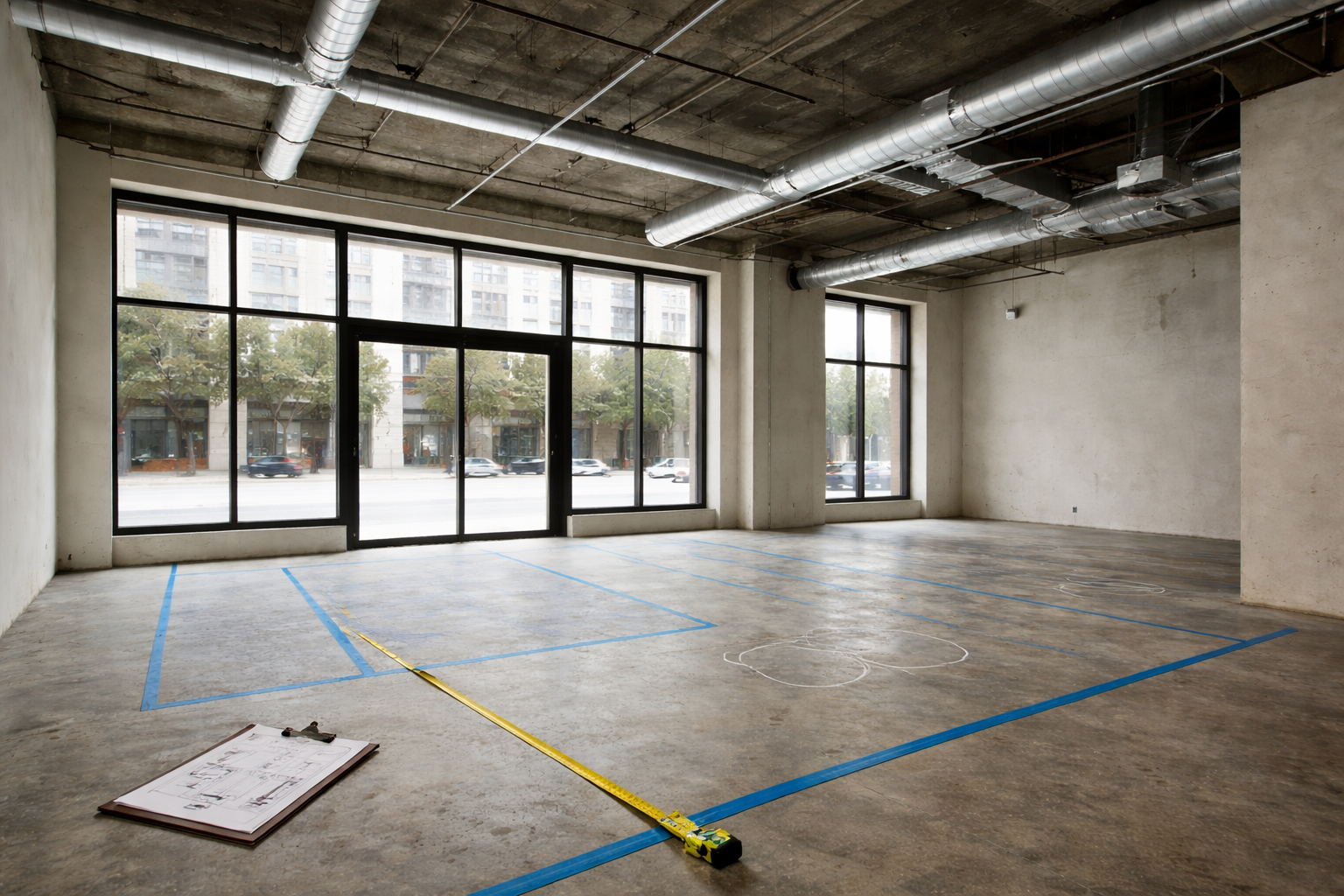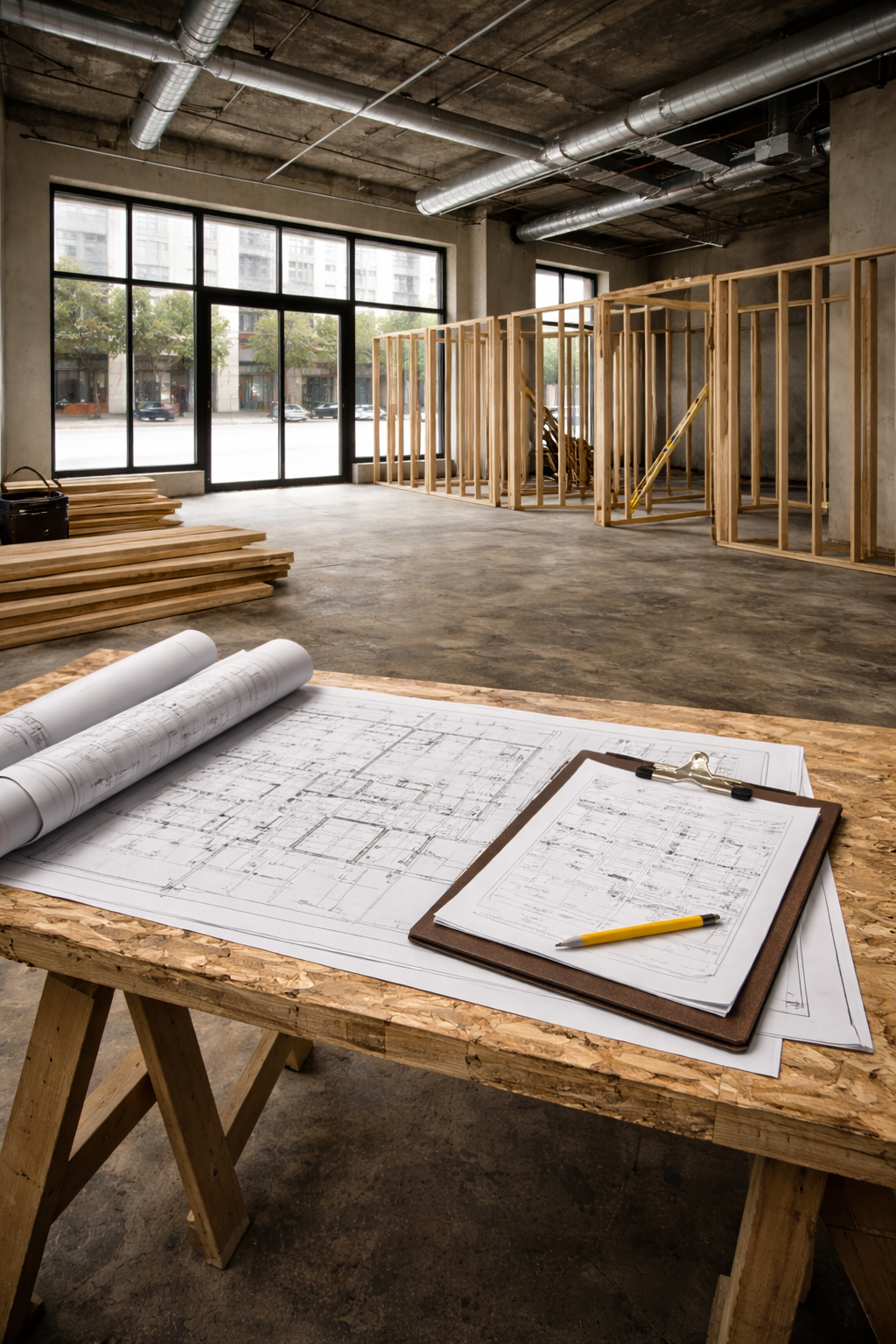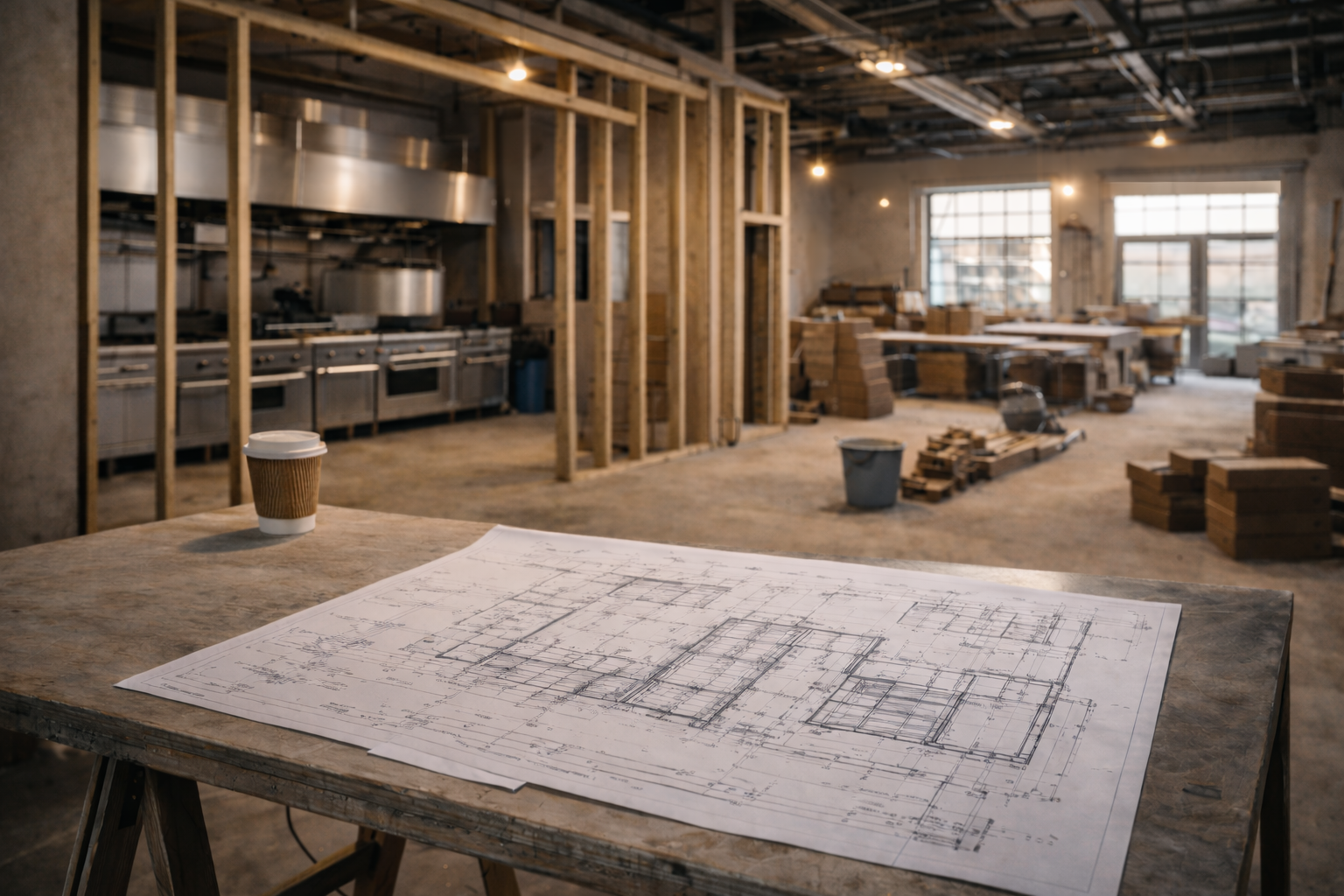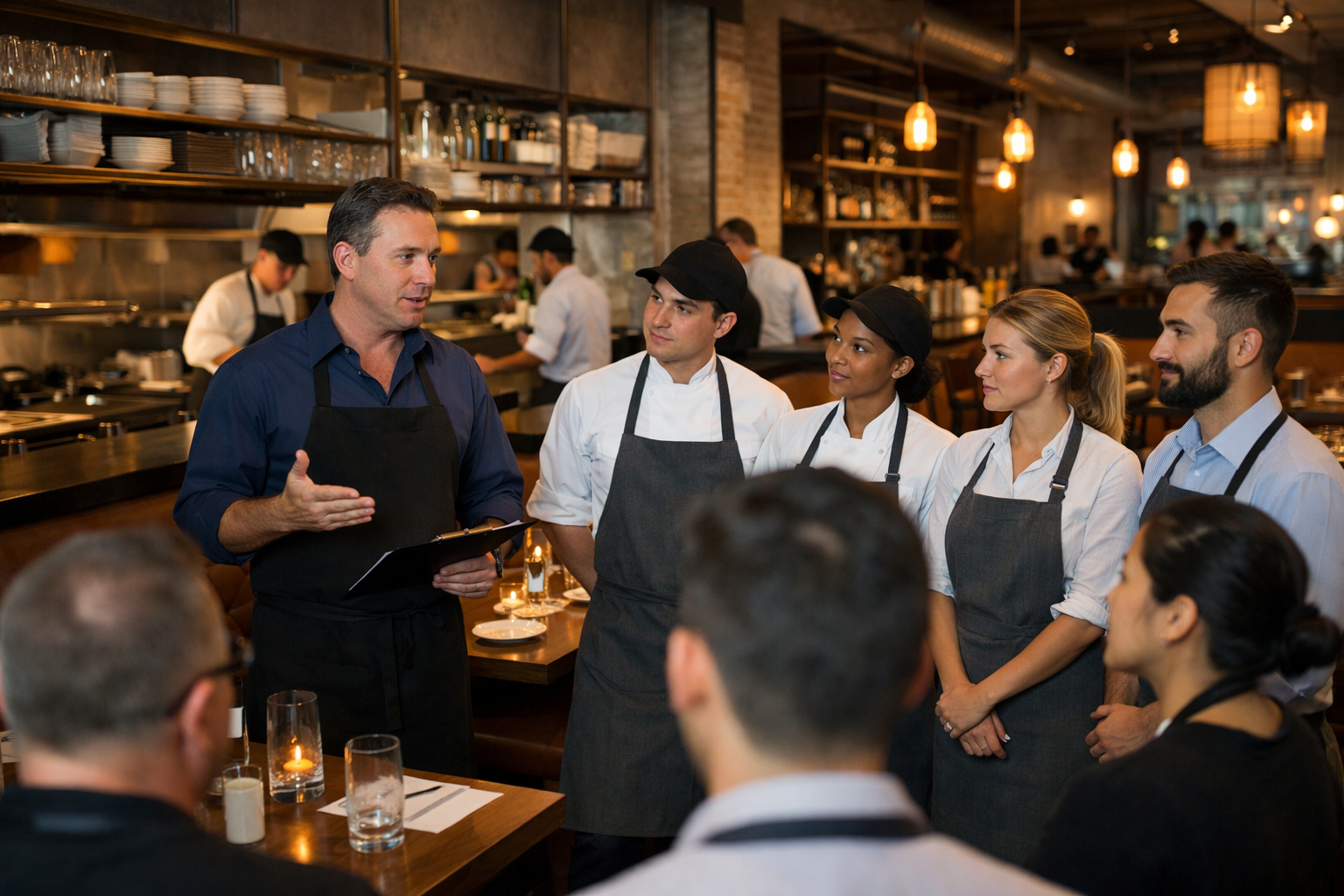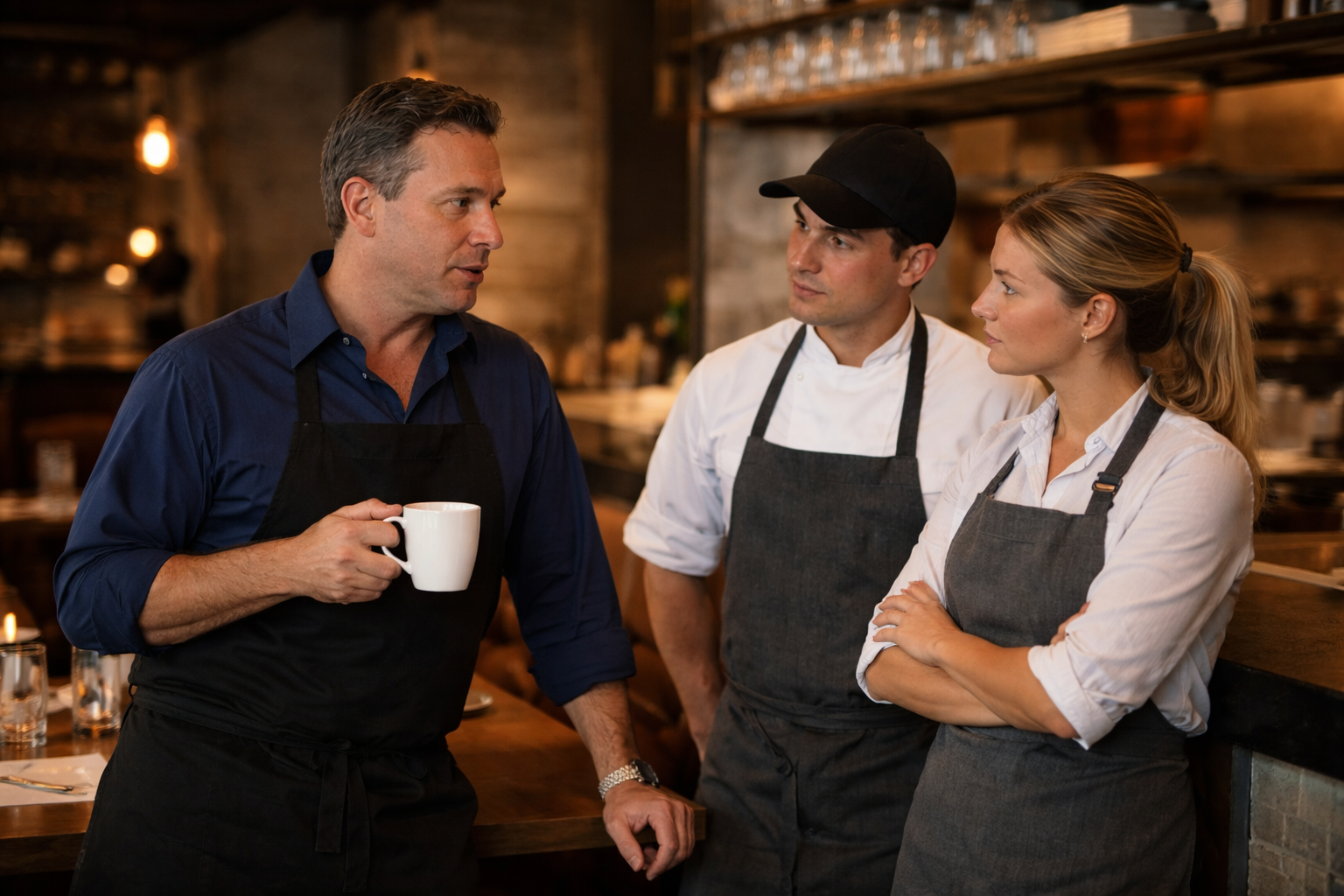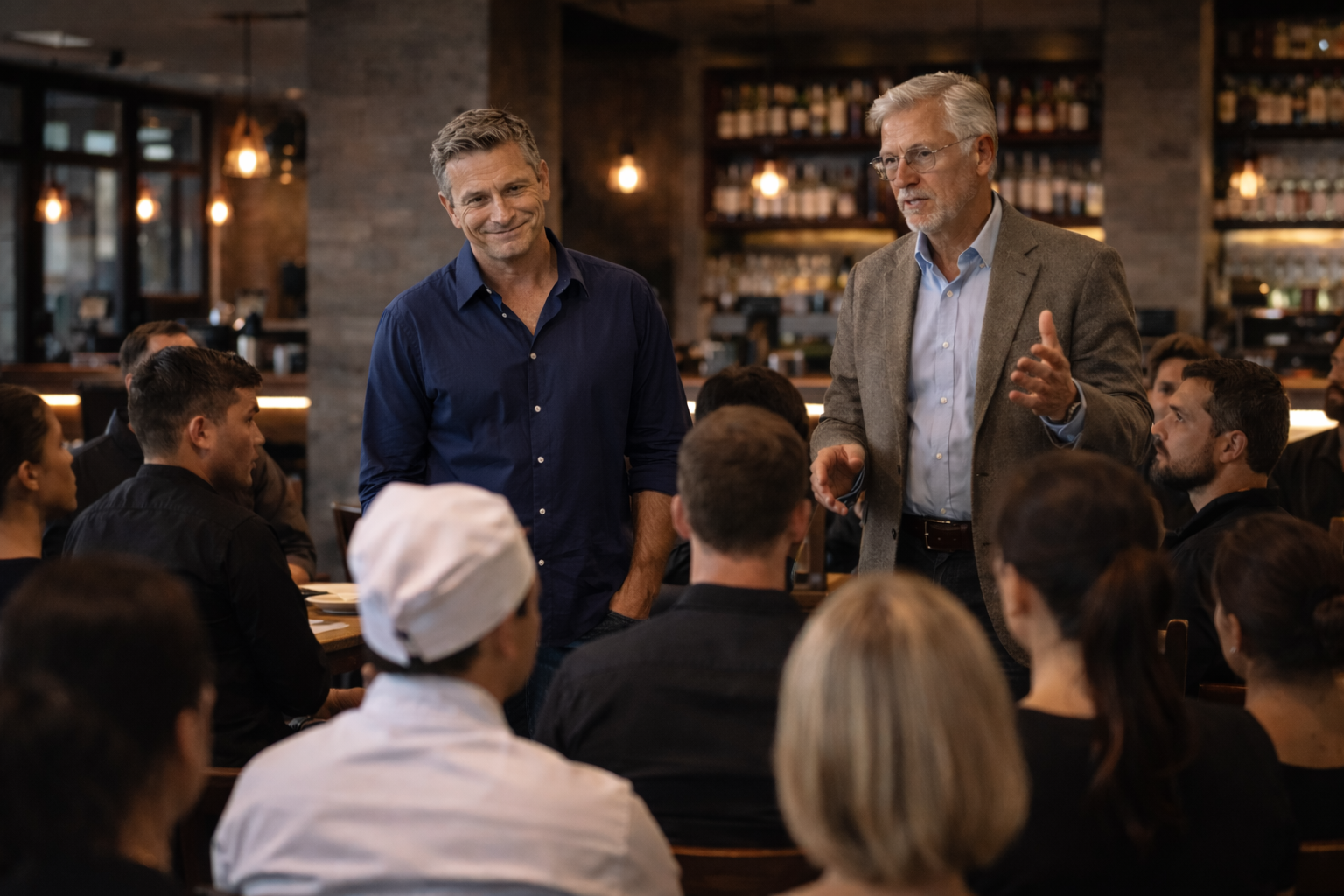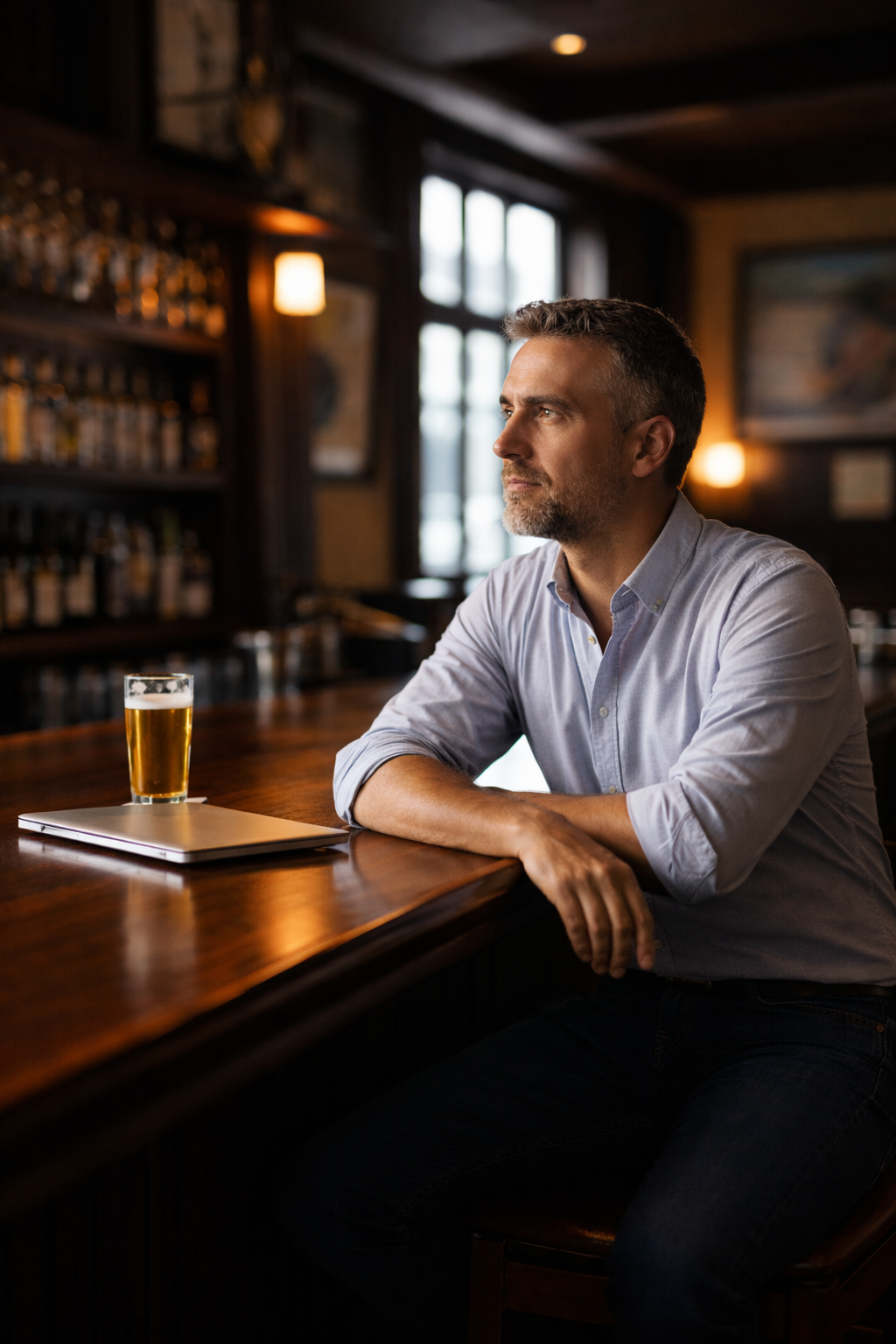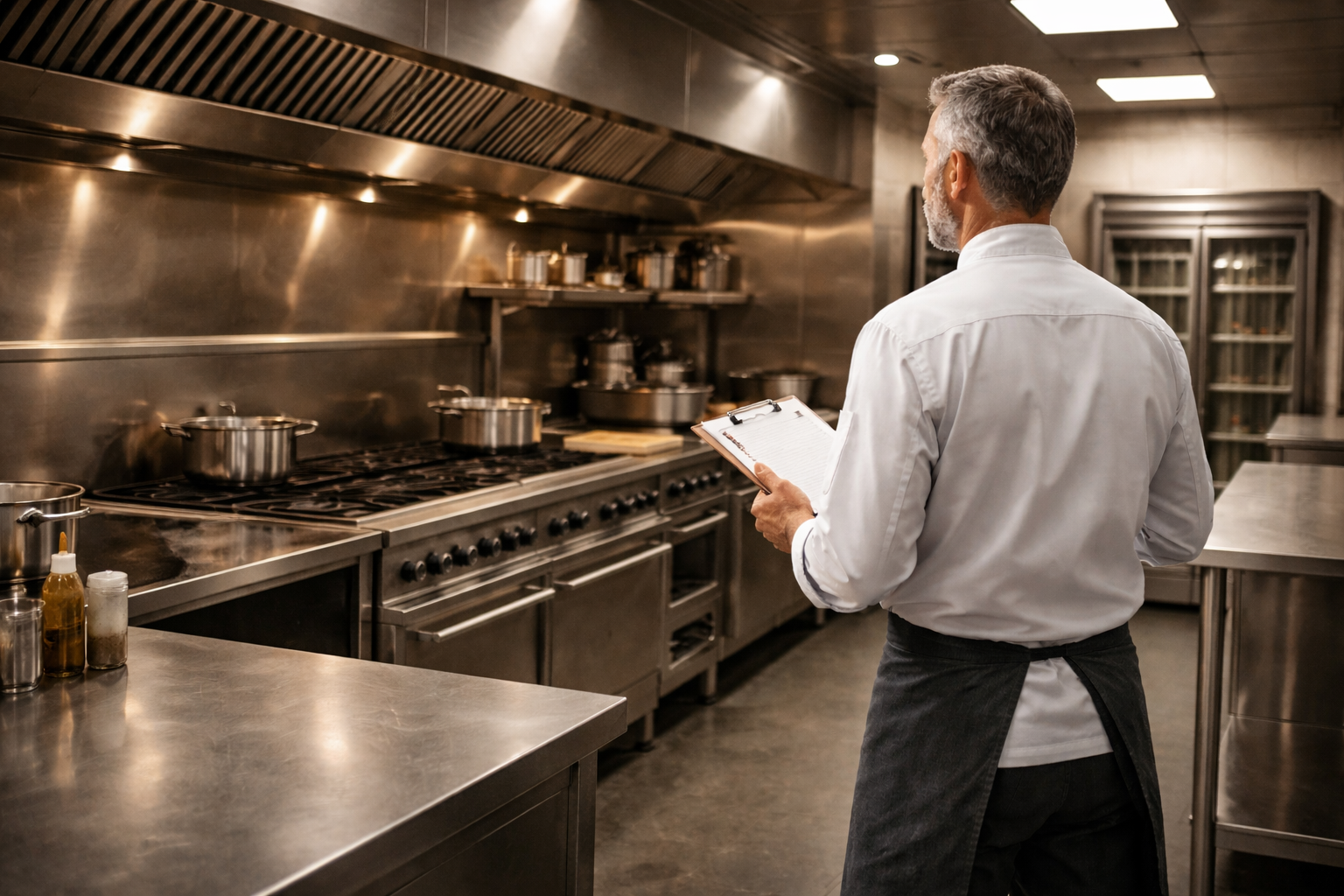
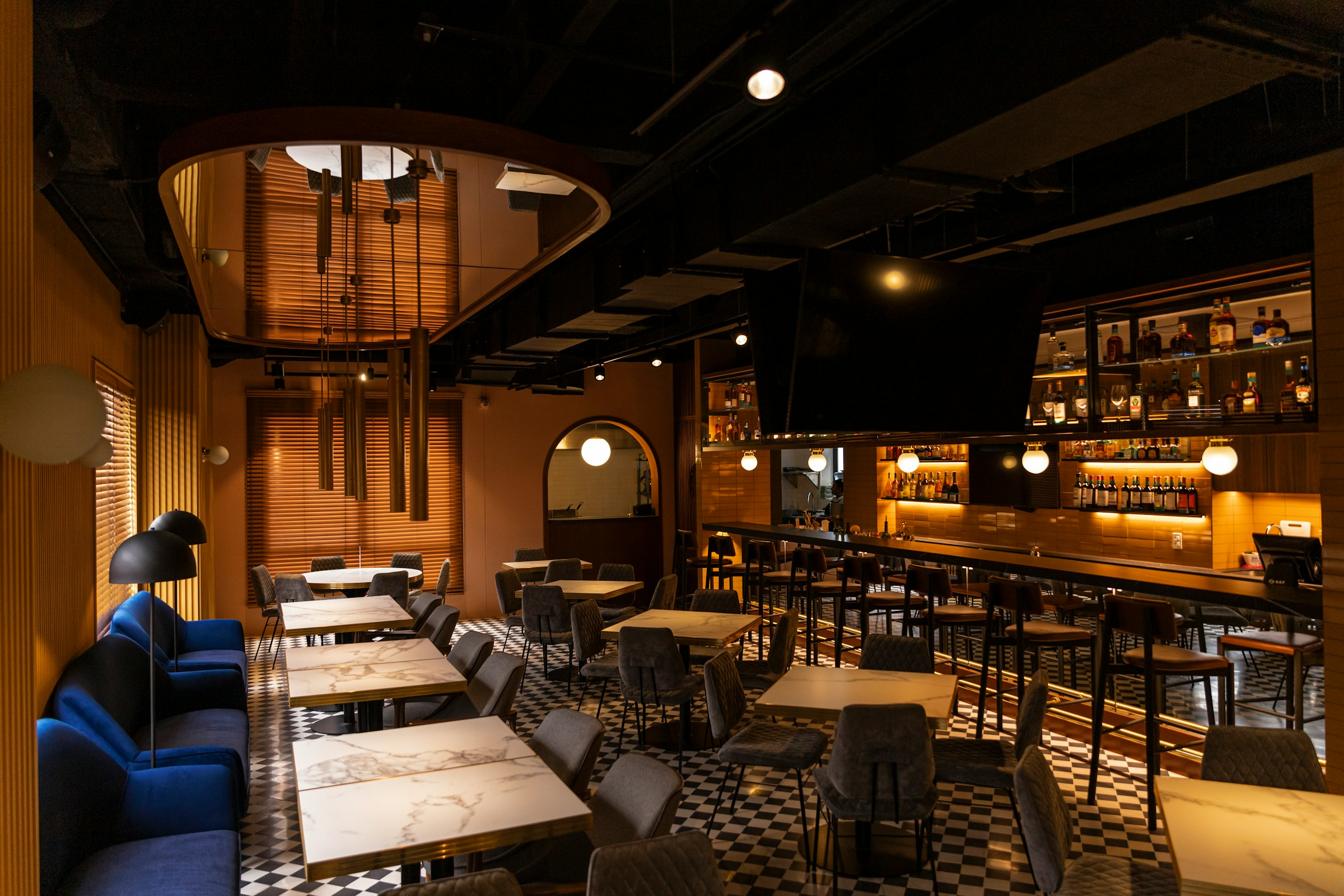
Photo by Pablo Merchán Montes on unsplash
The Foodie Project is the applied laboratory inside Foodie in Paradise™. It exists to move beyond commentary and into construction — to model how hospitality is actually built, financed, structured, and sustained.
Each project undertakes a specific real-world scenario: opening an independent restaurant, developing a beverage program, restructuring operations, or testing a service model under modern constraints. The assumptions are realistic. The financial frameworks are disciplined. Labor, rent, pricing, capital, and leadership are examined together — not in isolation.
If a concept cannot withstand contact with numbers, it does not survive here.
But spreadsheets alone do not build restaurants. Judgment does. The Foodie Project integrates operational rigor with the philosophy that shapes decisions behind the scenes — the restraint, clarity, and leadership that determine whether a concept holds under pressure.
Hospitality Between the Lines is examined not as a slogan, but as practice.
Each project stands on its own, yet together they form a growing body of applied work — a record of how modern hospitality can be built with both discipline and depth.
New projects will emerge under different assumptions, markets, and constraints. The laboratory evolves. The standard does not.
Project I
Opening an Independent Full-Service Restaurant
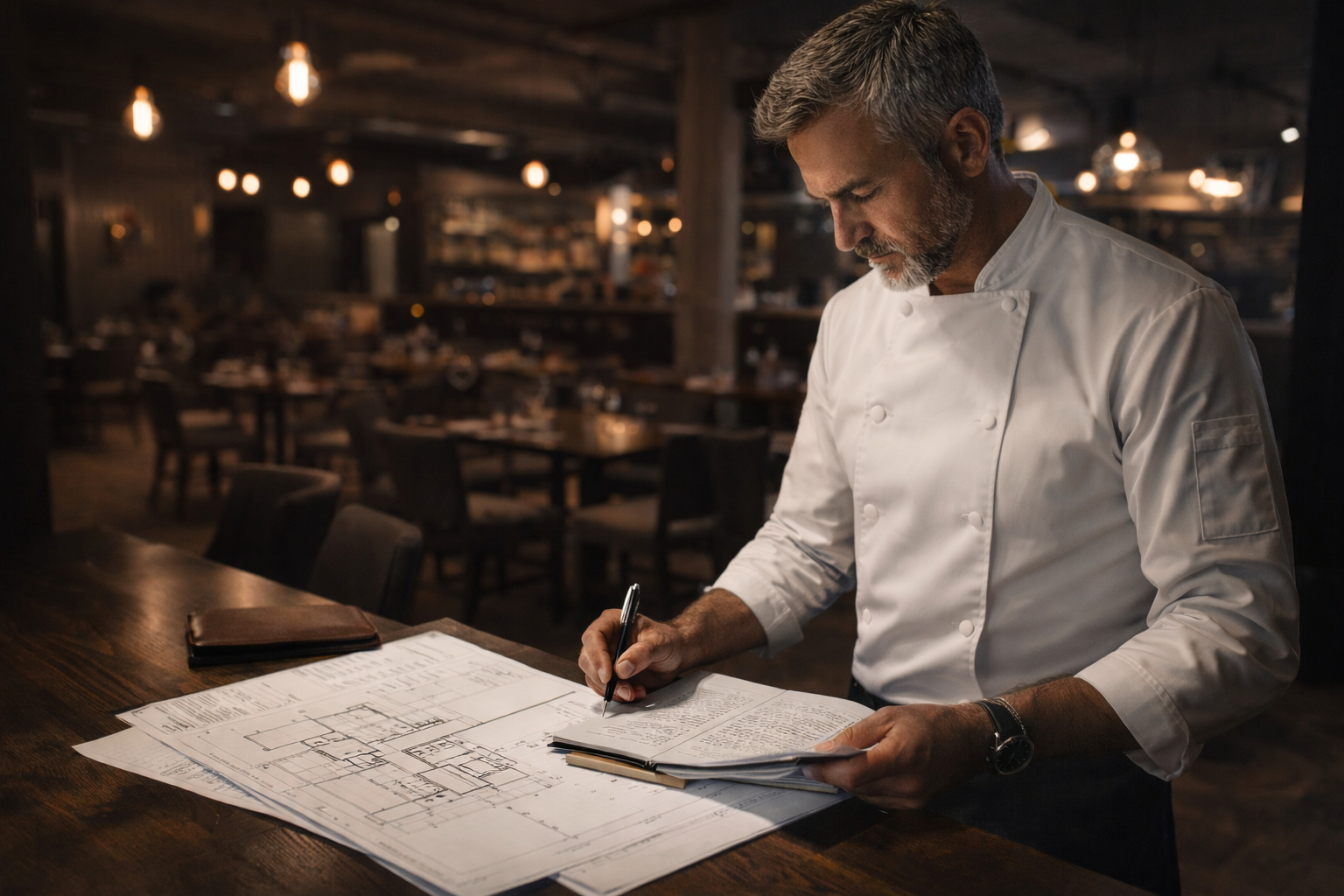
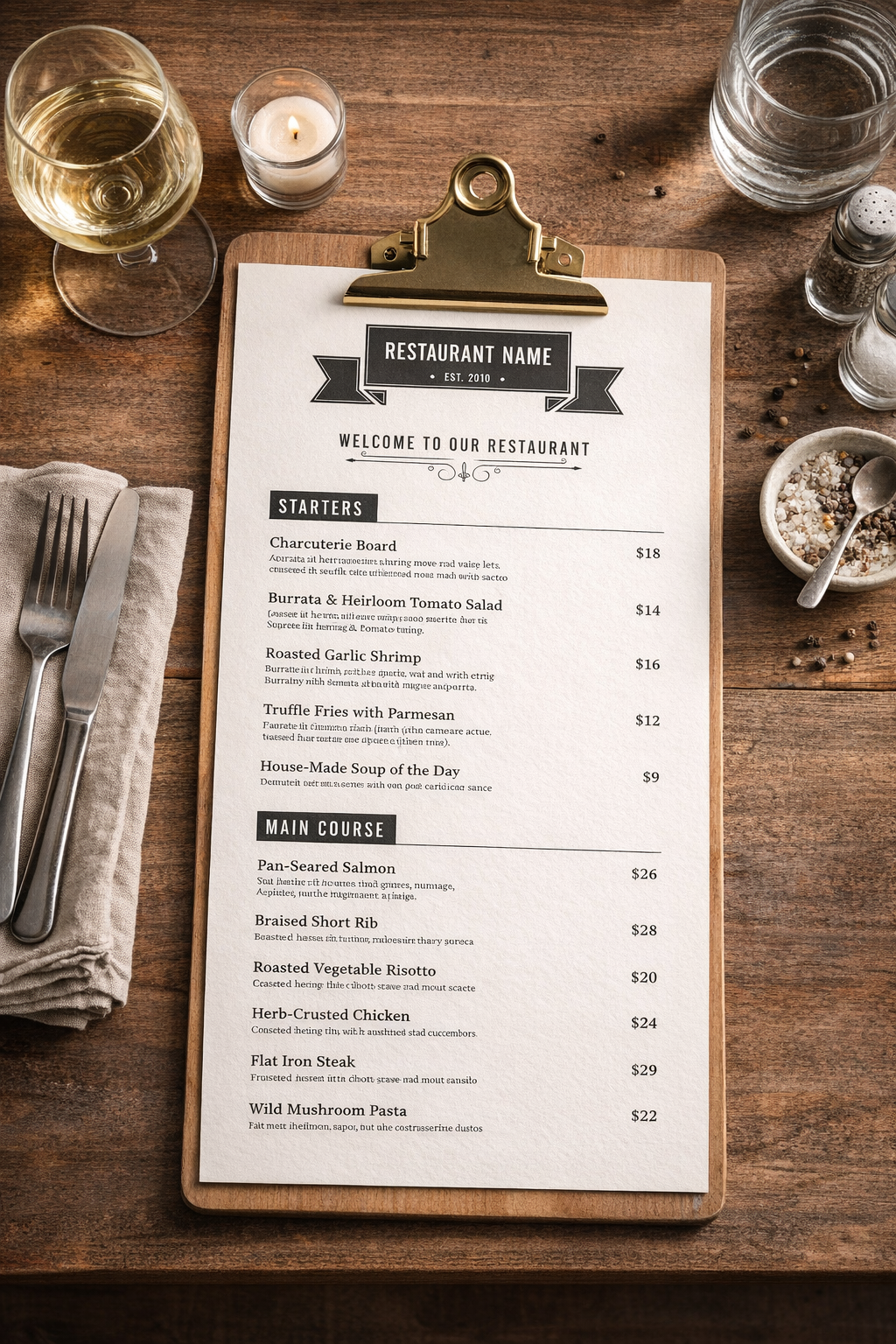
This project models the launch of an independent full-service restaurant from the ground up. It examines capital structure, operational systems, menu discipline, labor realities, and leadership judgment within the financial pressures of a modern market.
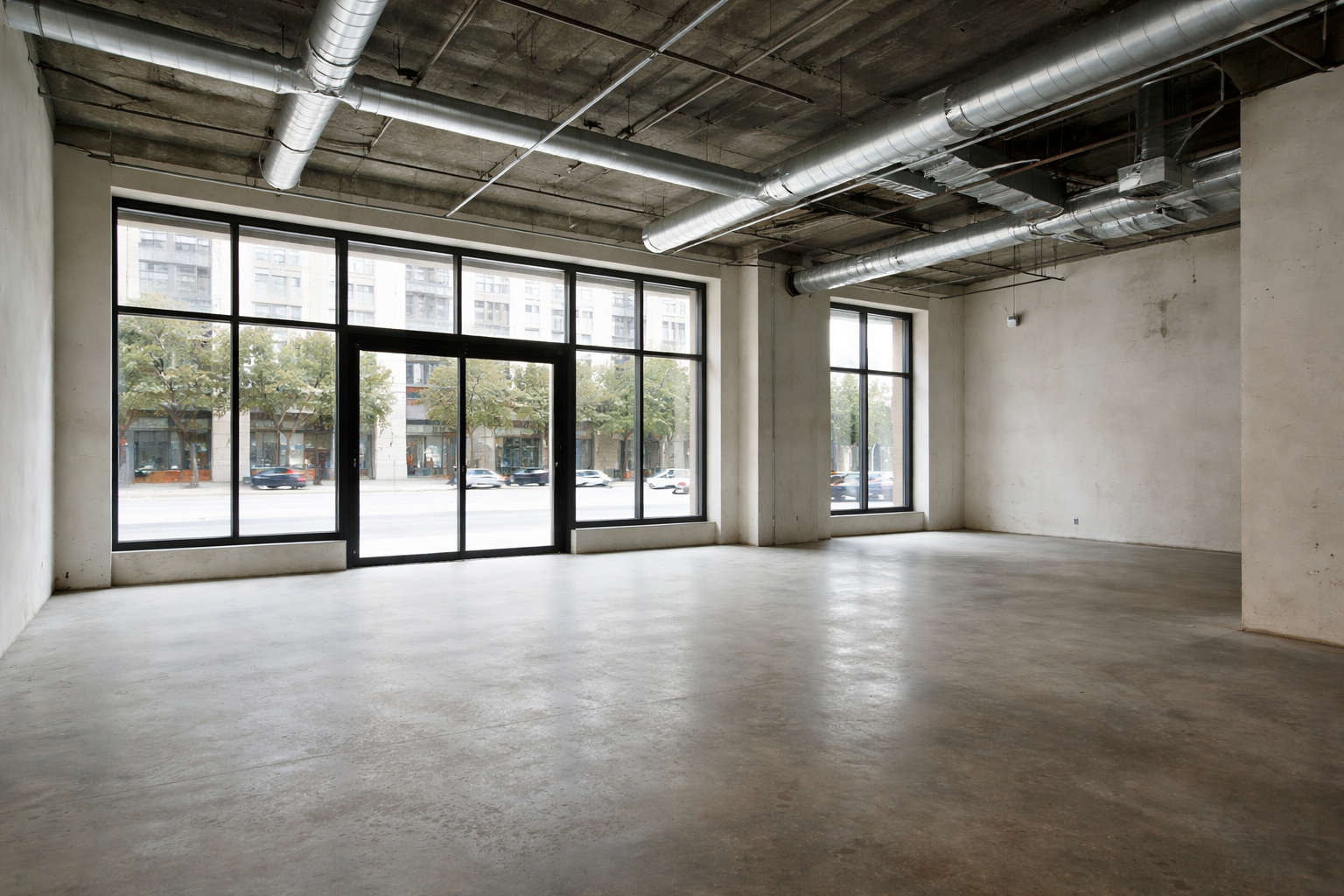
If I were to open a restaurant today, I would not begin with cuisine. I would begin with capital, motive, and the questions most operators avoid: how long can we breathe before the room must perform — and why are we opening at all?
Before cuisine or concept comes constraint. examines restaurant startup costs, revenue per square foot, lease realities, build-out exposure, and what an independent restaurant must actually earn to survive.
If $400,000 cannot build the room we want, the next decision is not culinary. It is structural. Debt preserves control but compresses timing. Equity softens pressure but redistributes authority. Before opening the doors, we must decide who governs the future of the restaurant — and which version of ourselves is signing the agreement.
Restaurant menu planning is never theoretical. Kitchen size, square footage, and startup capital determine what an independent full-service restaurant can realistically execute — and survive.
Restaurant staffing is not about filling shifts. It is about designing a labor structure that can survive outside ideal conditions. This chapter examines fully burdened labor costs, staffing models for full-service restaurants, owner compensation realities, and the difference between being busy and being sustainable. Stability is engineered long before opening night.
Revenue can soften without warning. Labor cannot. When payroll outpaces deposits, the structure you designed is tested in real time. Staffing decisions become moral decisions, oversight grows heavier, and leadership is measured not by optimism but by restraint. Under pressure, a labor model does not collapse — it reveals whether it was ever stable.
When revenue softens, the dining room can still feel busy. Cash flow tells a different story. Runway is not what sits in the account — it is what survives subtraction. This essay examines burn rate, seasonality, vendor pressure, and the financial discipline required to lead without illusion.
Governance determines who decides when revenue misses projection, when capital tightens, and when partners disagree. In opening a restaurant, ownership structure is not paperwork — it is power, risk, and consequence under pressure.
How much is your restaurant actually worth? This guide to restaurant exit strategy explores valuation methods, EBITDA multiples, governance design, and the structural difference between a profitable lifestyle restaurant and a sellable enterprise.
Restaurant ownership reshapes more than balance sheets. It affects sleep, identity, marriage, leadership judgment, and long-term resilience. This final chapter examines the psychological cost of building, running, and ultimately leaving a restaurant.
Project II
Project II begins where many restaurants eventually arrive: decline. Instead of designing a restaurant from the ground up, this series examines what happens when a restaurant already exists but the system behind it has begun to fail.
Buying a Failing Restaurant
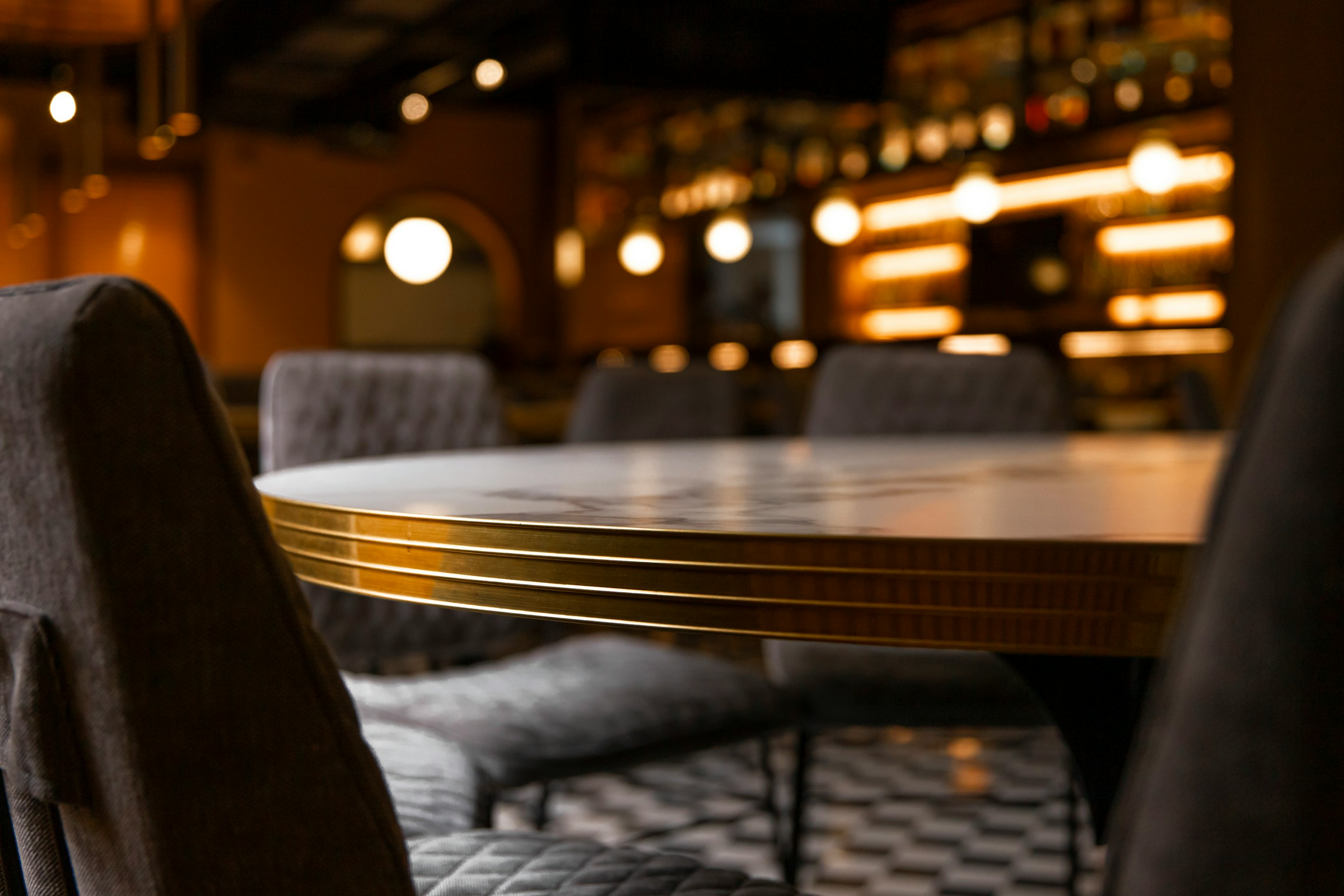
Buying a struggling restaurant begins long before financial modeling or negotiations. Experienced operators first diagnose the hidden signals inside the dining room, kitchen, and staff to determine whether the system behind the restaurant can still be rebuilt.
Restaurants rarely fail overnight. Long before a dining room empties, small signals begin appearing inside the system — menu drift, uneven service rhythm, labor instability, and the quiet loss of operational memory. Experienced operators learn to recognize these patterns before attempting to rebuild a struggling restaurant.
Before rebuilding a struggling restaurant, experienced operators examine the physical system beneath the business. The lease, kitchen workflow, equipment, ventilation, and storage infrastructure reveal whether the building can realistically support a successful operation.
Buying a failing restaurant is not simply a creative opportunity. It is an economic investigation. Before any concept can be rebuilt, the operator must determine whether the purchase price, renovation costs, infrastructure limits, and lease structure allow the restaurant to become profitable again.
A restaurant’s dining room and kitchen may reveal its past, but the lease determines its future. Understanding base rent, CAM, percentage rent, and lease structure often decides whether a failing restaurant can truly be rebuilt.
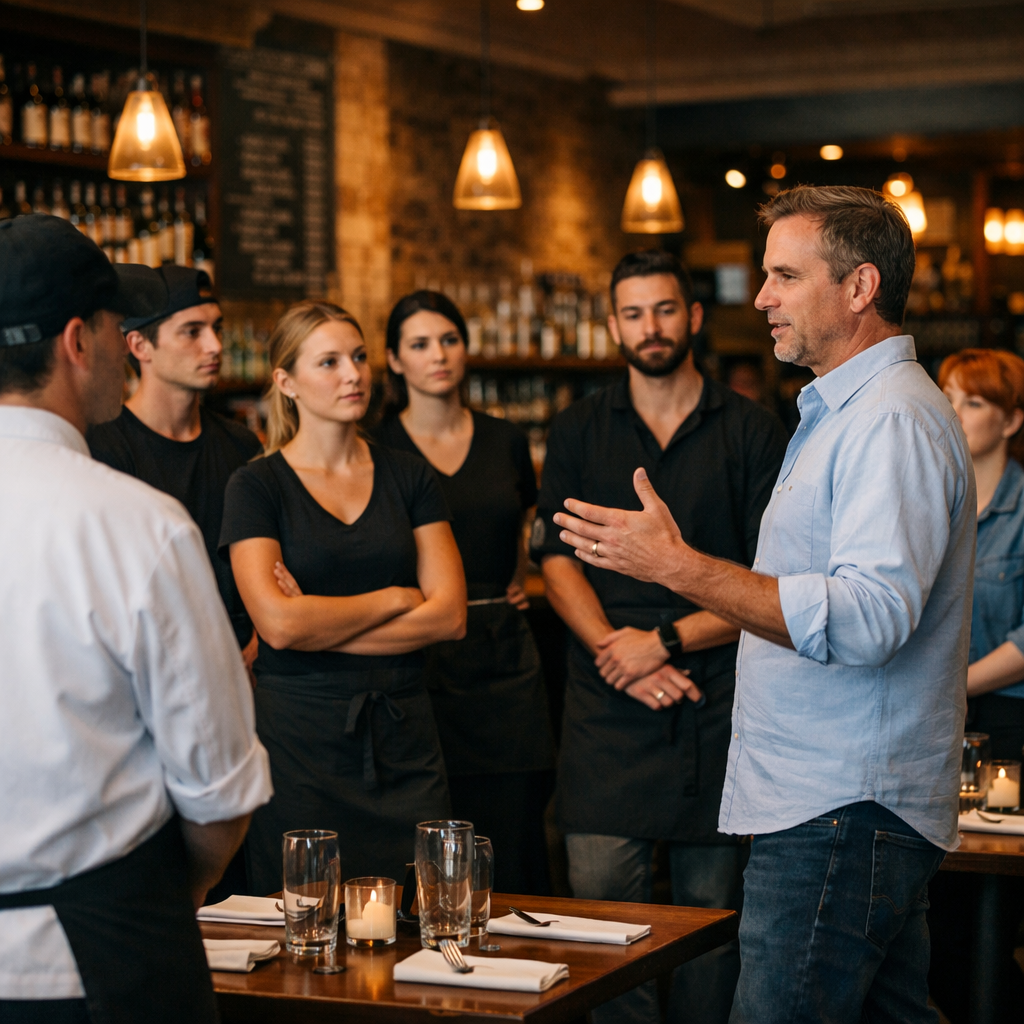
Taking over a restaurant rarely means starting with a new team. This chapter explores how experienced operators evaluate inherited staff, rebuild professional standards, and guide the first services that determine whether a restaurant truly begins again.
A restaurant renovation changes the room. Rebuilding trust changes the story guests tell about it. In this final chapter of Project II, we explore how restaurants earn trust again — through consistency, discipline, and the quiet return of repeat guests.
Project III
Designing Restaurants Through Constraint
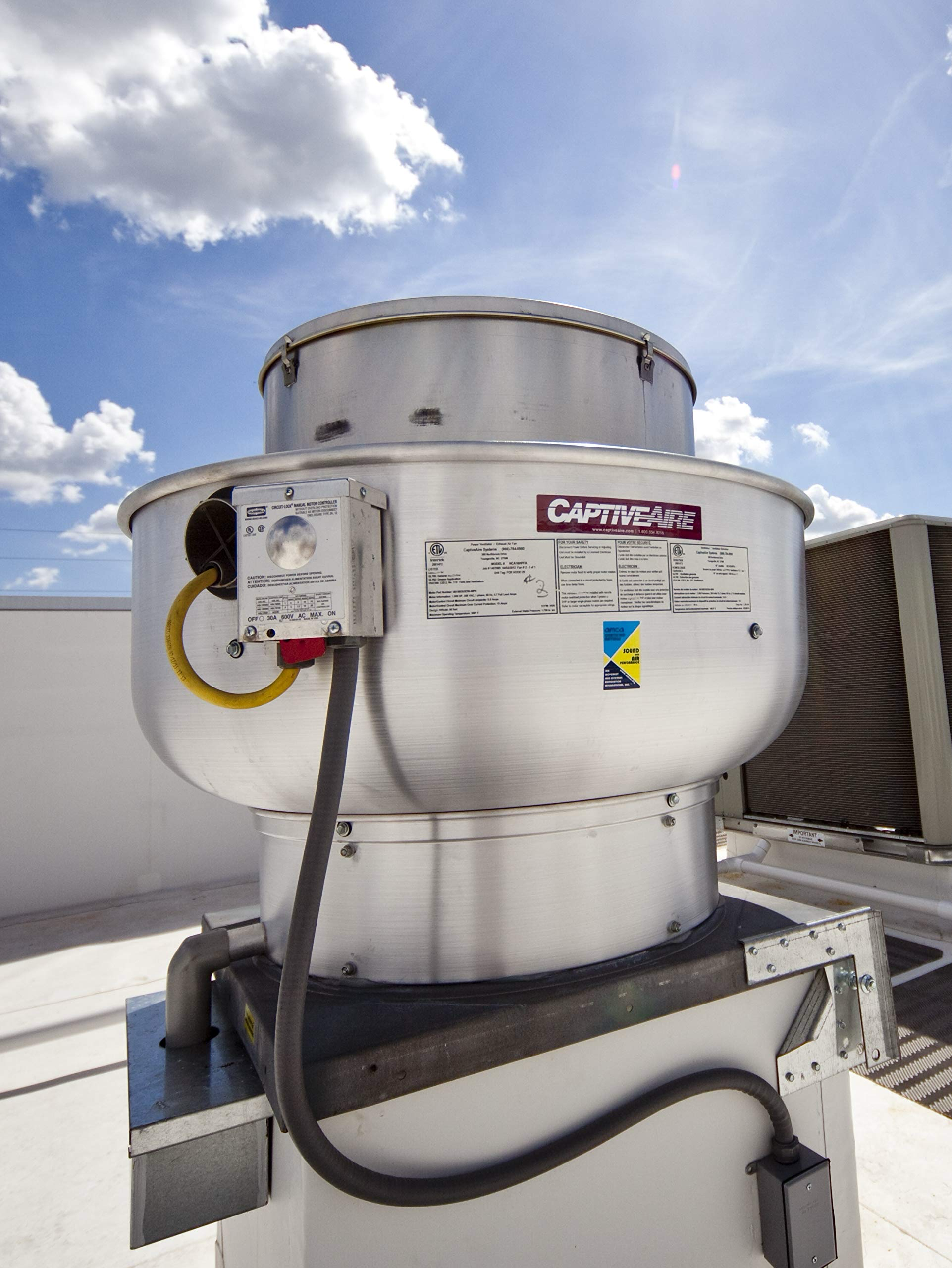
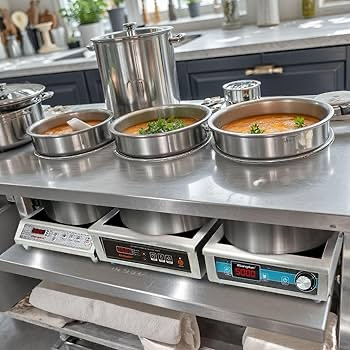
Project III begins with a different premise: constraint is not a limitation, but a design decision. Instead of building around full infrastructure—hood systems, deep-fat frying, and open flame—this series examines what happens when those elements are intentionally removed. What remains is a more deliberate kitchen, where equipment, menu, and space are aligned from the outset.
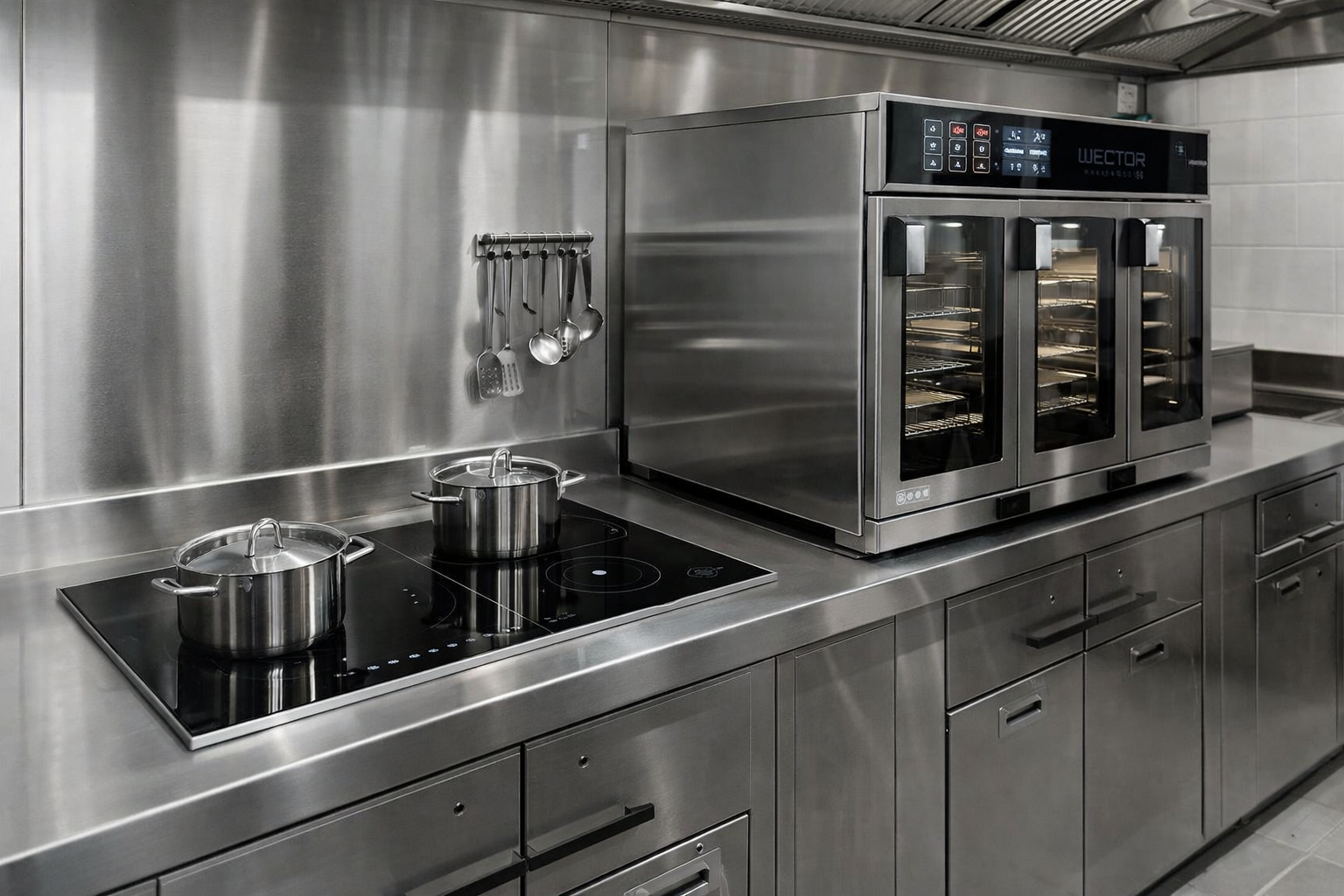
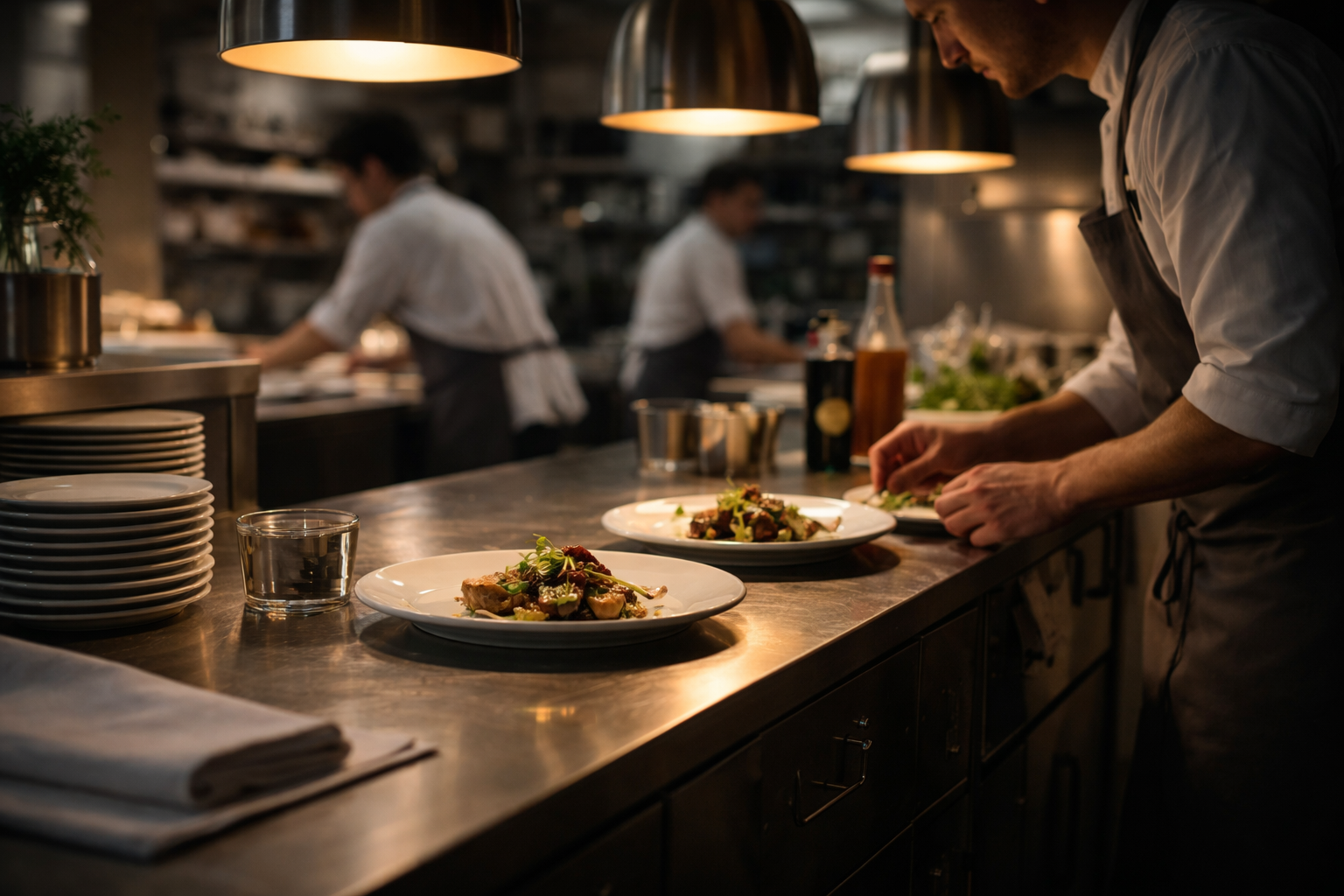
Most restaurant kitchens are designed to support a wide range of cooking techniques before the menu is fully defined. The hood becomes the starting point, and everything else follows. This essay examines what happens when that assumption is reversed—and how designing through constraint creates clarity across kitchen, menu, and service.
Restaurants are often judged by what they produce, but far less attention is given to the system that makes those outcomes possible. Behind every kitchen hood, grease trap, and ventilation line is a chain of costs that continues long after opening. Understanding those costs changes how a restaurant is built—and how it survives.
Once the hood is removed from the center of the project, equipment begins to mean something different. In a constrained kitchen, tools are no longer chosen to expand possibility, but to align the menu, labor, and space into a system that can hold. The result is not less capability, but more control.
A kitchen designed through constraint does not fail at the equipment level. It fails at the menu. When dishes ignore the realities of the system behind them, timing breaks, labor strains, and consistency fades. The menu must align with the kitchen—or the kitchen begins to resist it.
A restaurant reveals itself in service. When systems align, the room feels composed. When they don’t, the strain appears immediately. This is where operational discipline is tested—and where most restaurants quietly break.
Project IV
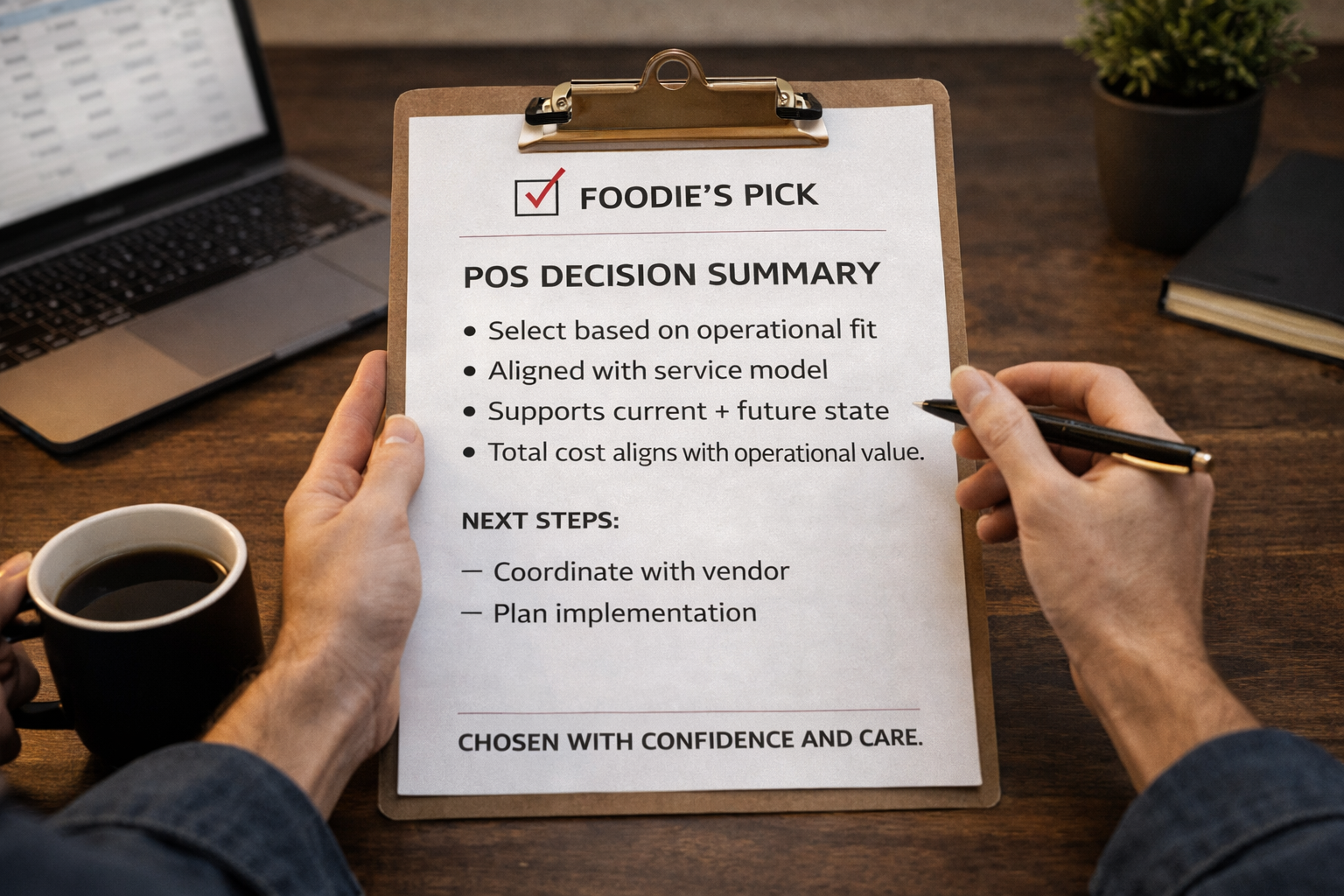
How to Select a POS System for a Full-Service Restaurant
A point-of-sale system is often described as a tool.
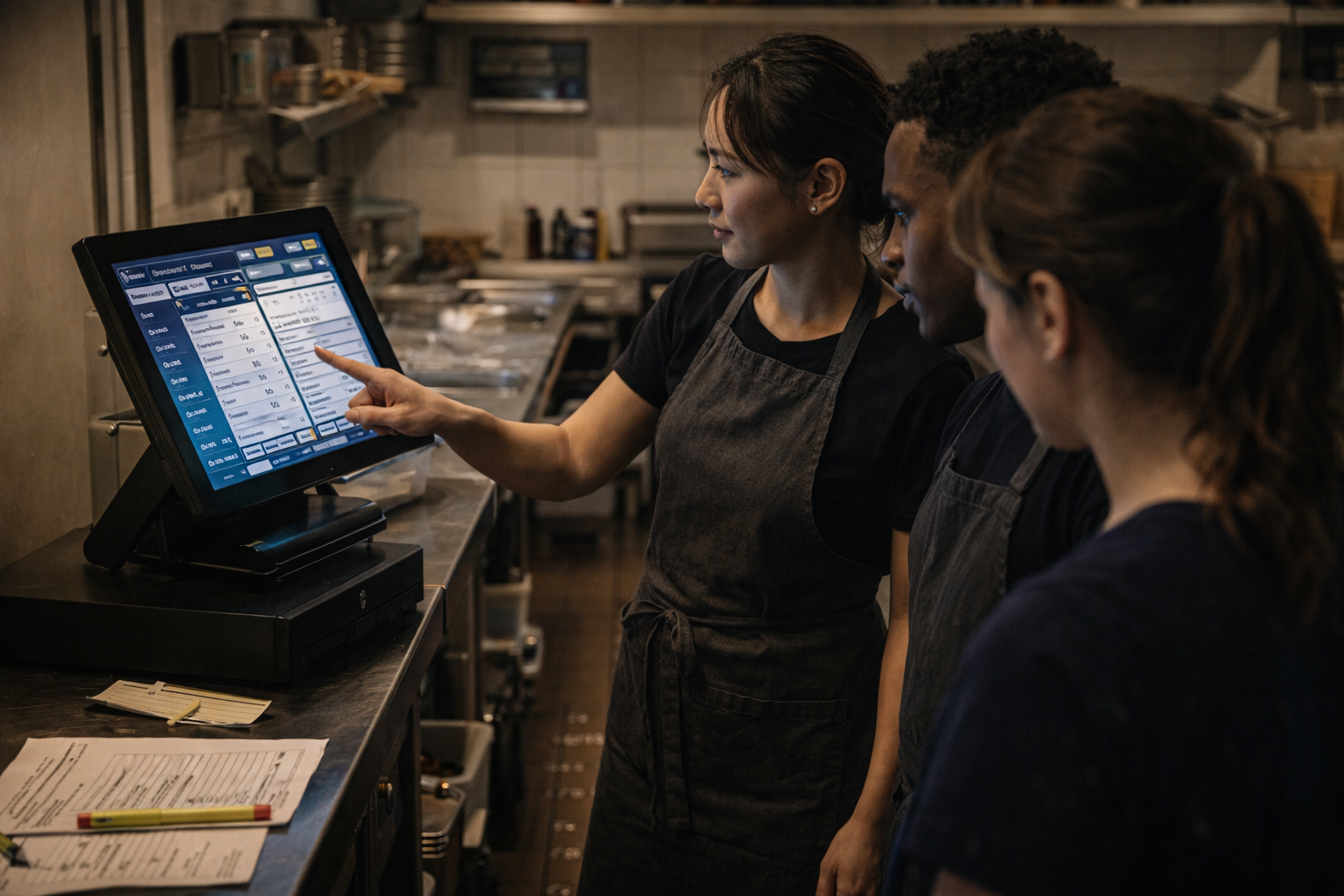
In practice, it determines how orders are entered, how the kitchen receives them, and how managers see the business.
It shapes service flow and decision-making—during service and after it. Selecting a system is not a comparison of features, but an evaluation of how it performs under real conditions and how well it aligns with the operation.

Most operators think they are buying a system. In reality, they are choosing how their restaurant will think, move, and make decisions. The difference is not technical—it is structural.
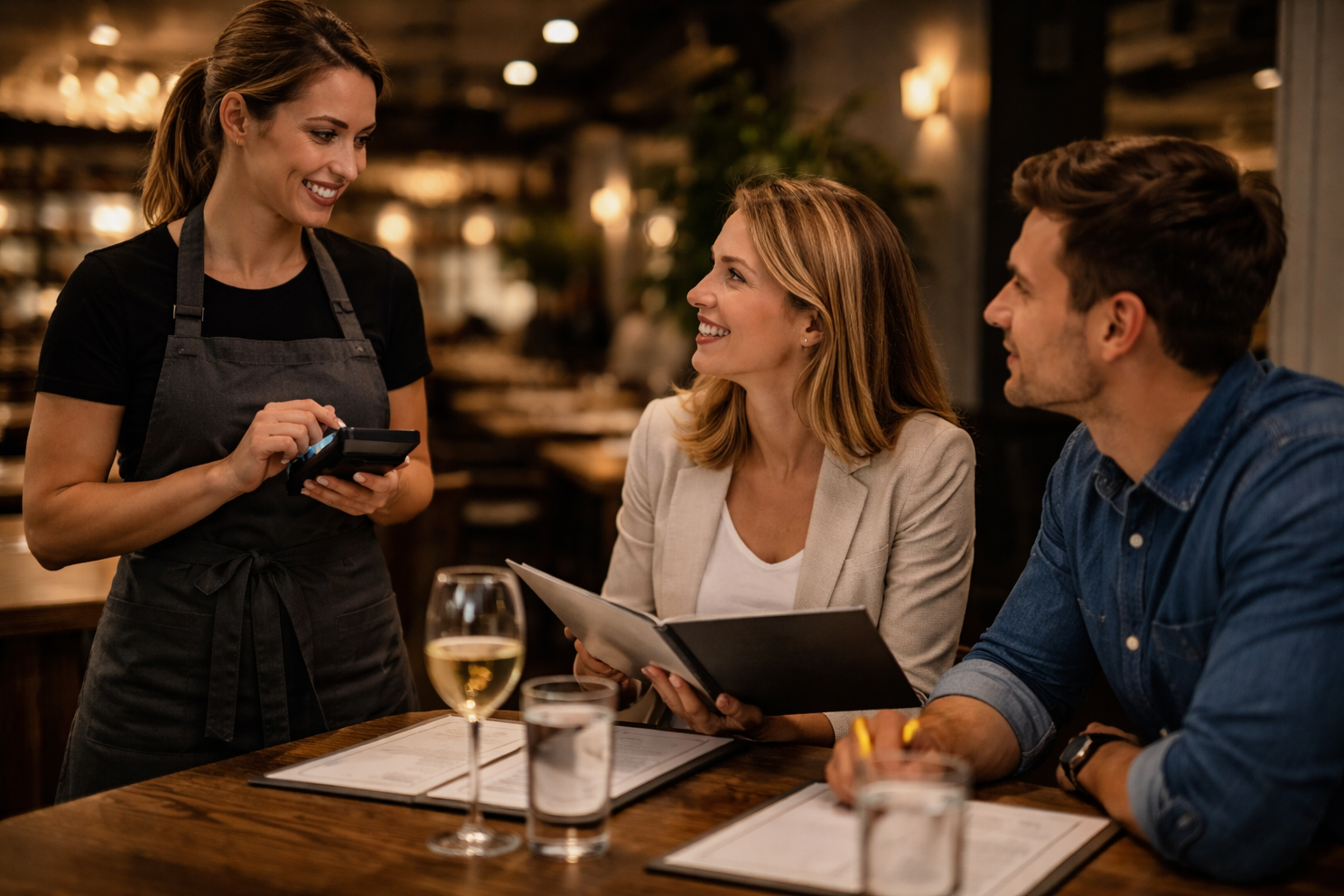
A POS system does not sit behind the service. It moves through it—shaping pacing, interaction, and the guest’s perception of control in ways that are rarely acknowledged, but always felt.
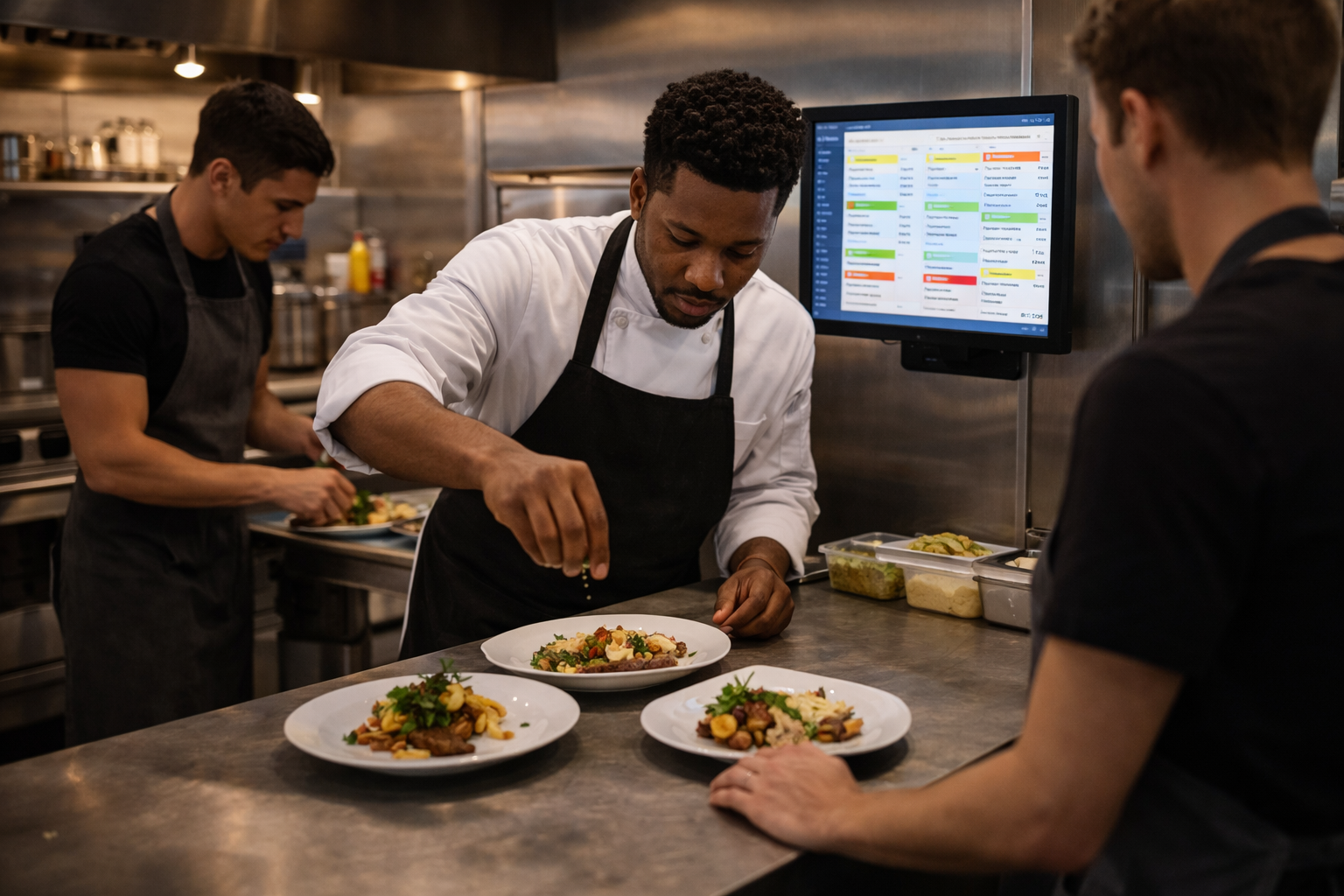
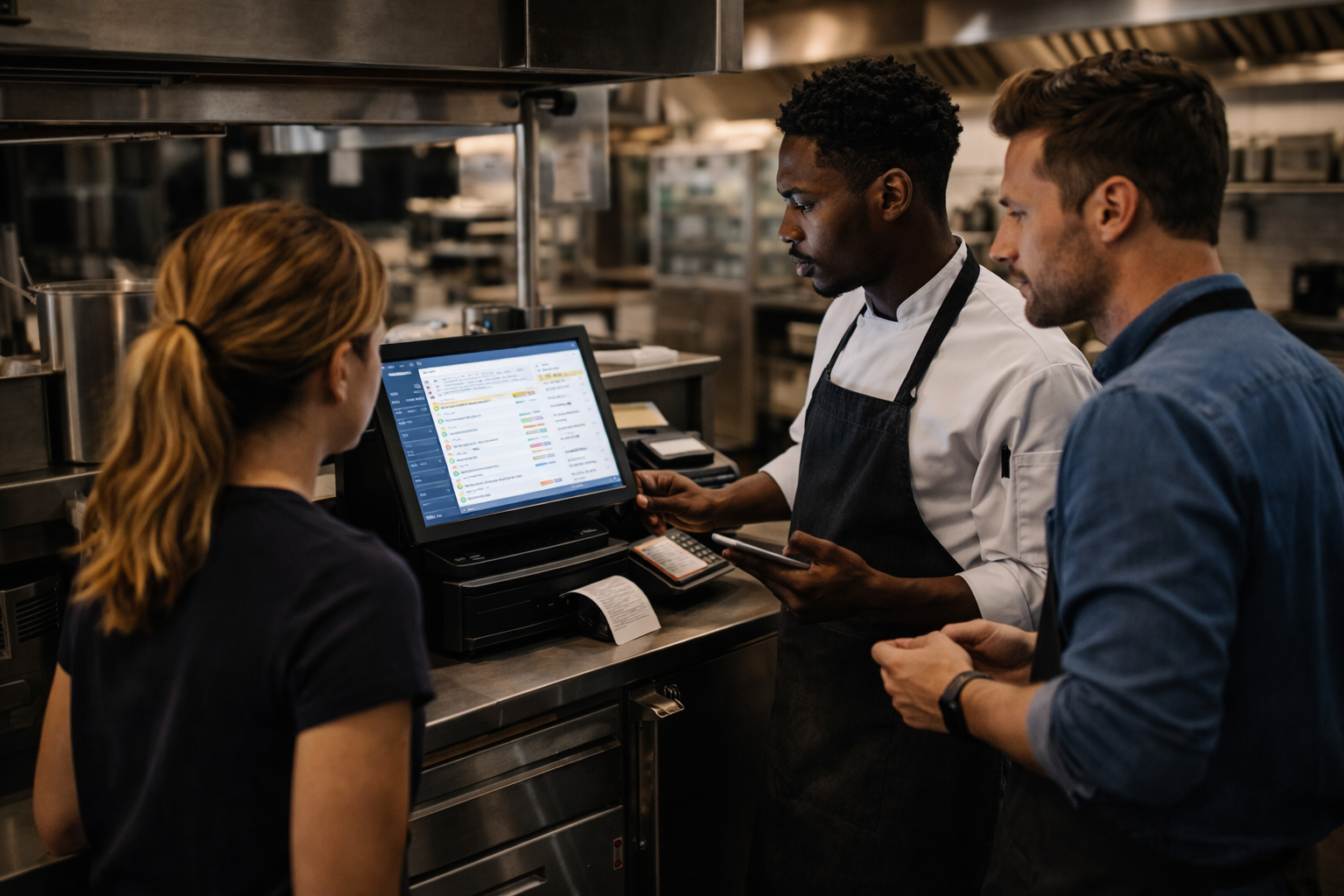
What appears on the ticket is not information. It is instruction—and the kitchen executes exactly what it sees. Clarity at the terminal becomes precision at the pass.
The system does not just record the business. It determines how clearly the business can be seen—and how quickly decisions can be made while they still matter.
A POS system does not fail in theory. It fails in the middle of service, when timing, communication, and revenue are all in motion at once.
The system that is purchased is not the system that is built. Structure, training, and discipline determine whether the system holds—or quietly begins to drift.
The system has not lost capability. It has lost attention. What remains is not what the system can do, but what the operation has chosen to use.
A system that works is not always a system that holds. As complexity increases, the difference between capability and alignment becomes visible.
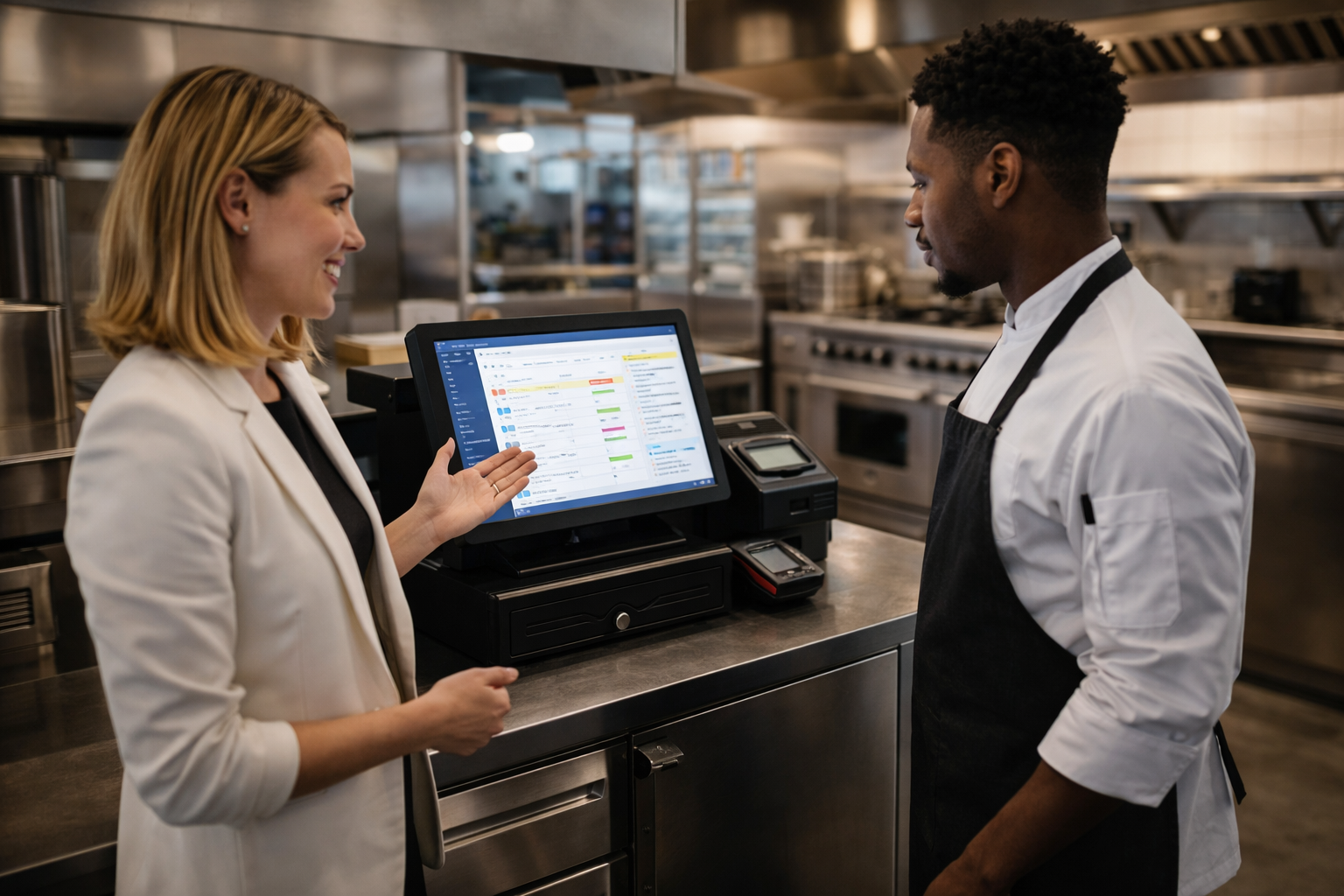
The demo shows the system at its best—clean, simplified, and controlled. The operator’s task is to imagine it under pressure, where those conditions no longer exist.
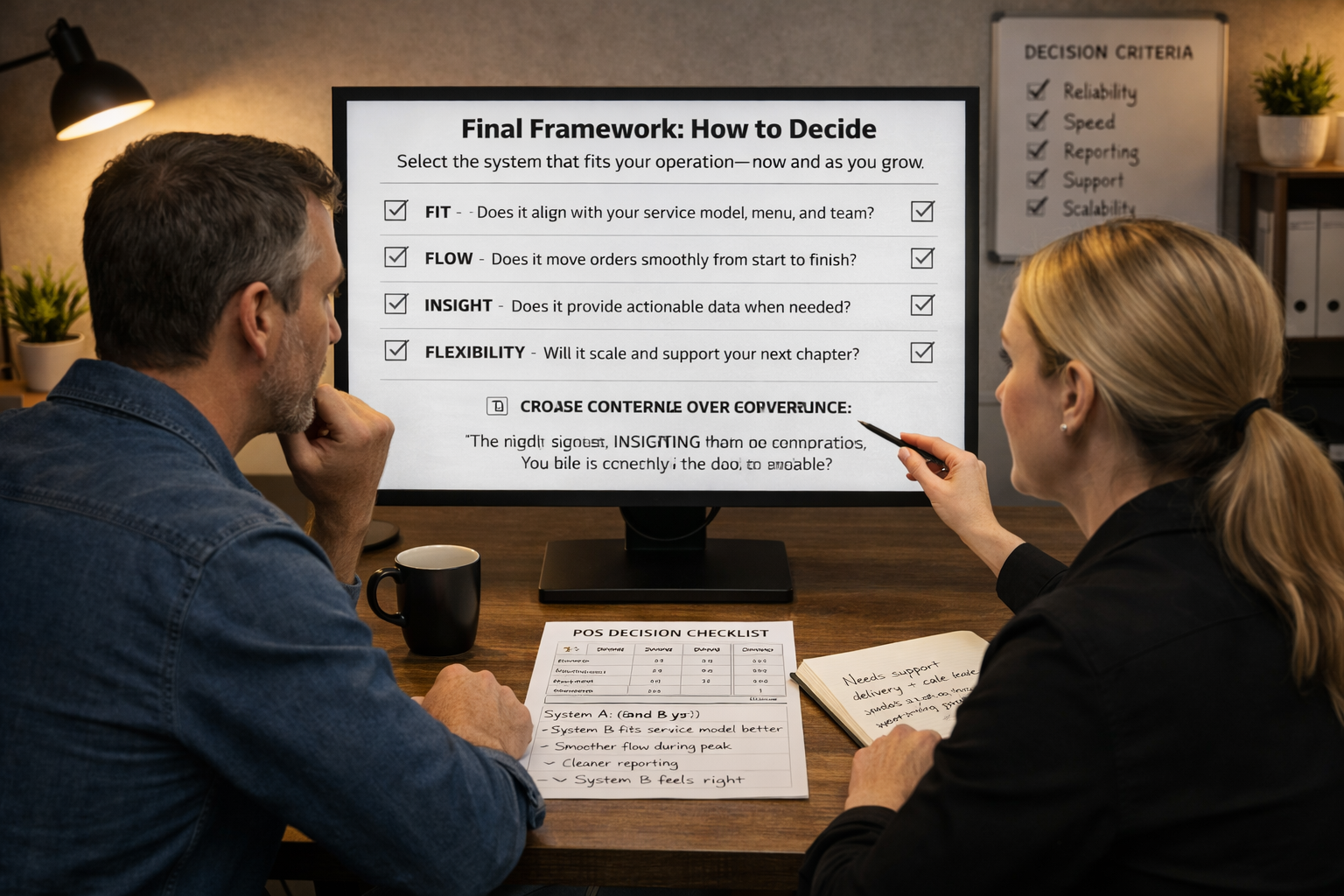
The decision is not between systems. It is between tradeoffs. What matters is not what the system offers, but what it demands from the operation in return.
The goal is not to choose the best system. It is to choose the system that holds within the specific conditions of the restaurant—and continues to hold as those conditions change.
What remains is not more information. It is interpretation. The right system is the one that aligns with how the restaurant actually operates, not how it is imagined.
The best system is not the one that promises the most. It is the one that holds when the room is full, the pressure is real, and decisions still need to be made with clarity.