
Lessons from Table 8
Photo by Mathias Reding on Unsplash
A series of essays examining hospitality between the lines — the decisions, discipline, and judgment that quietly shape restaurants and the people who lead them.
What happens when the most stabilizing person in the dining room refuses promotion? A fifty-year case study in mastery, institutional memory, and the hidden cost of forced advancement.
Culture doesn’t change because the walls change. It changes because behavior changes. A seasoned operator’s roadmap for raising standards, reducing noise, and leaving a restaurant better than it was found.
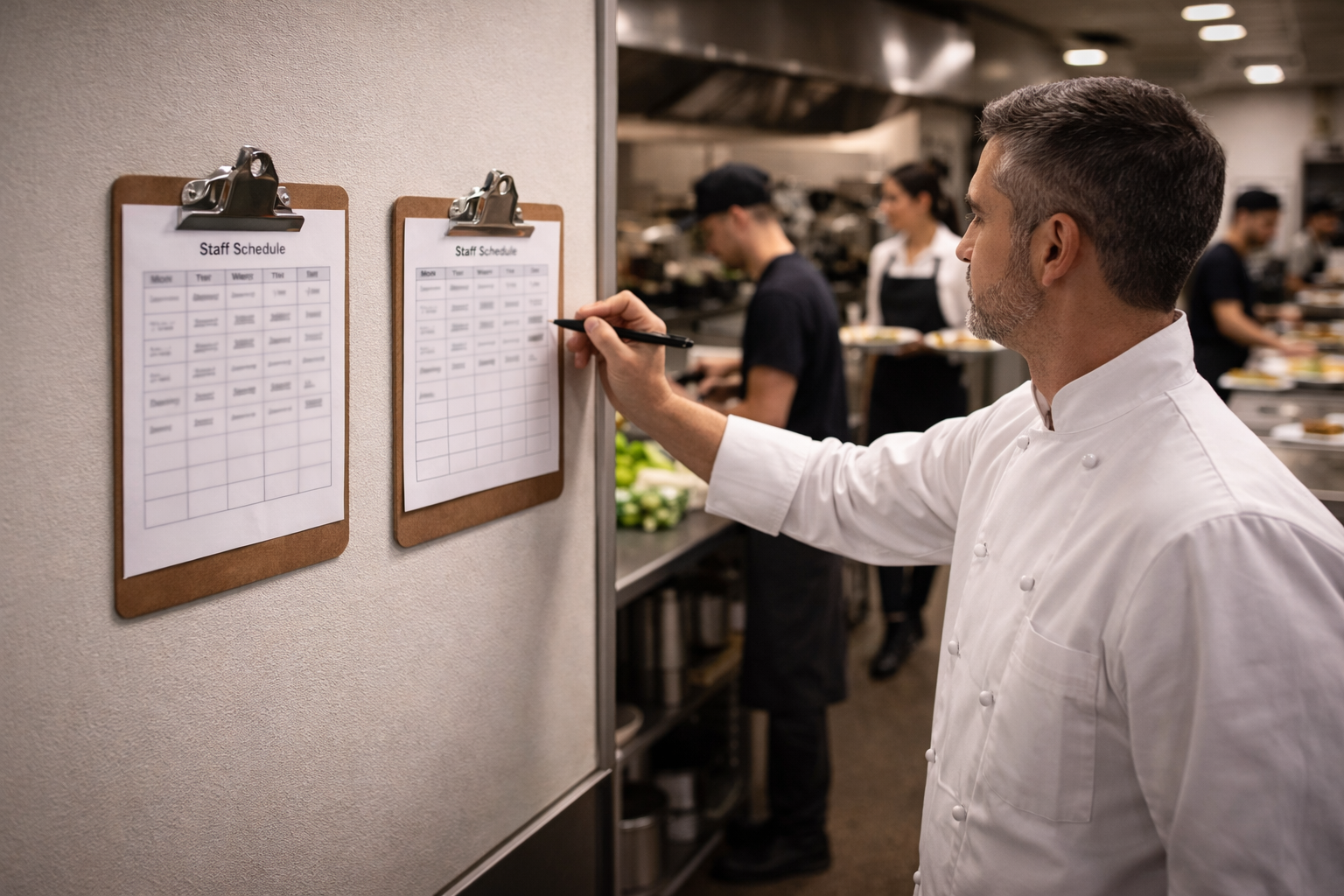
A Table 8 essay on why the strongest leaders don’t hunt for mistakes — they reinforce pride, care, and good judgment by catching excellence before it disappears.
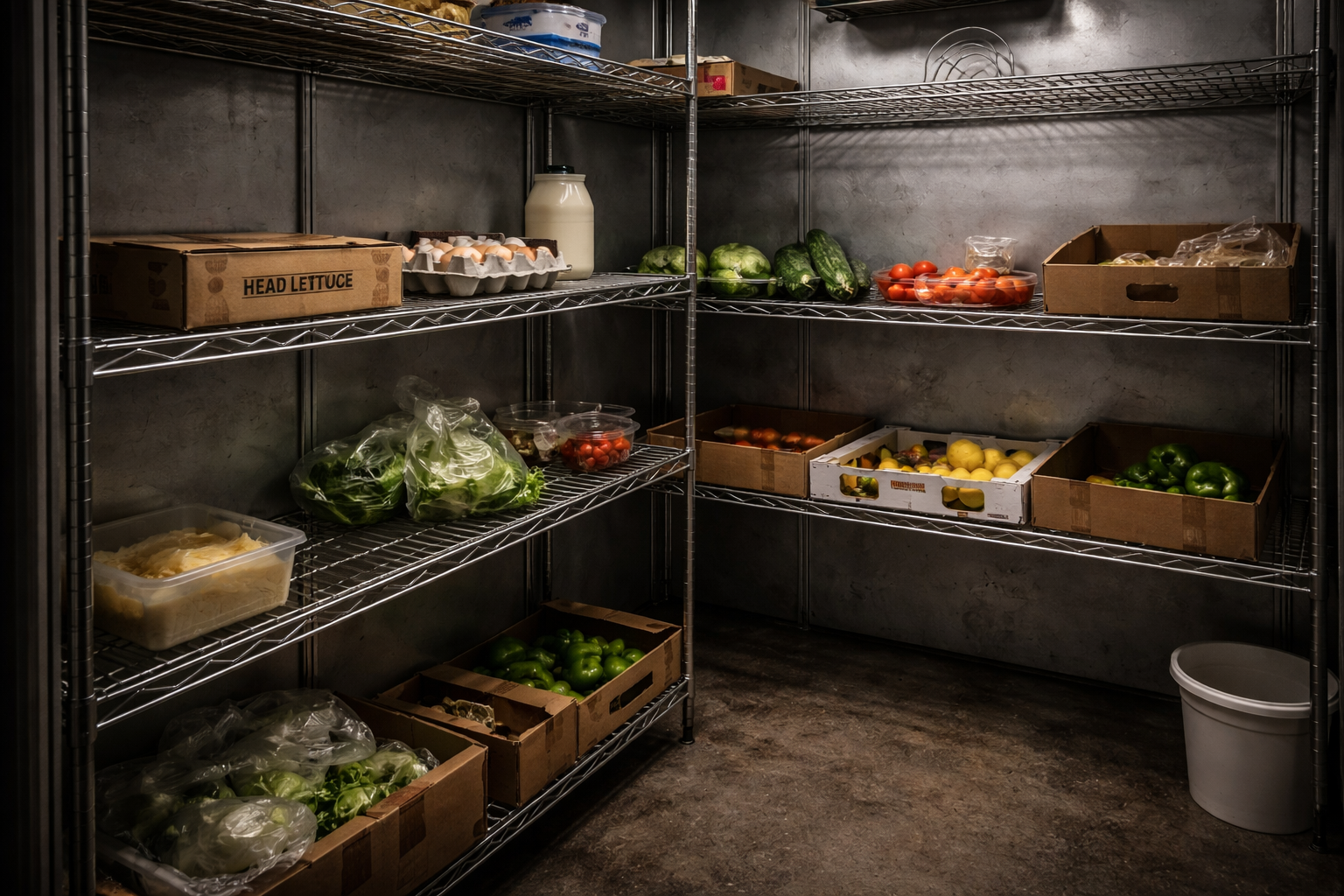
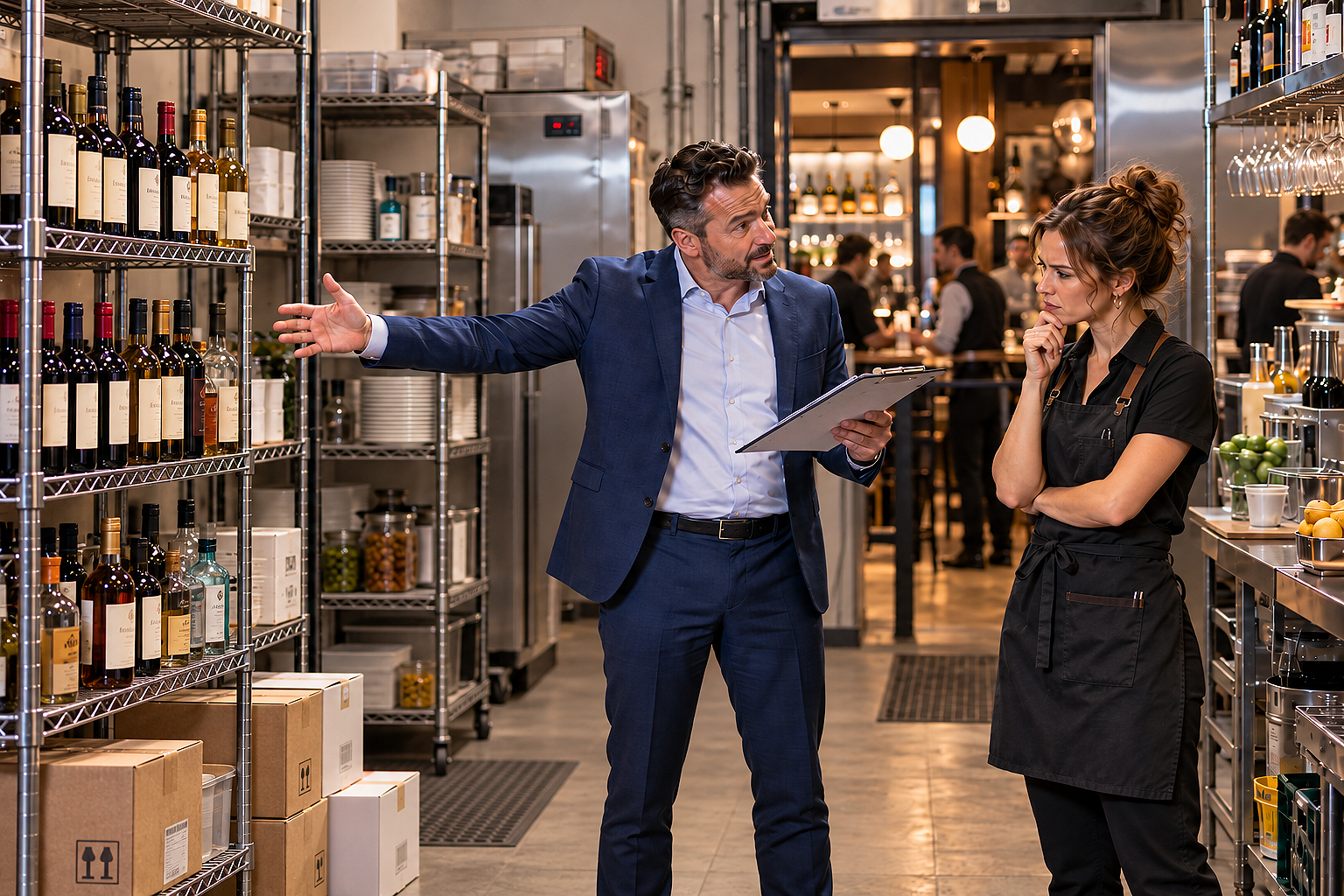
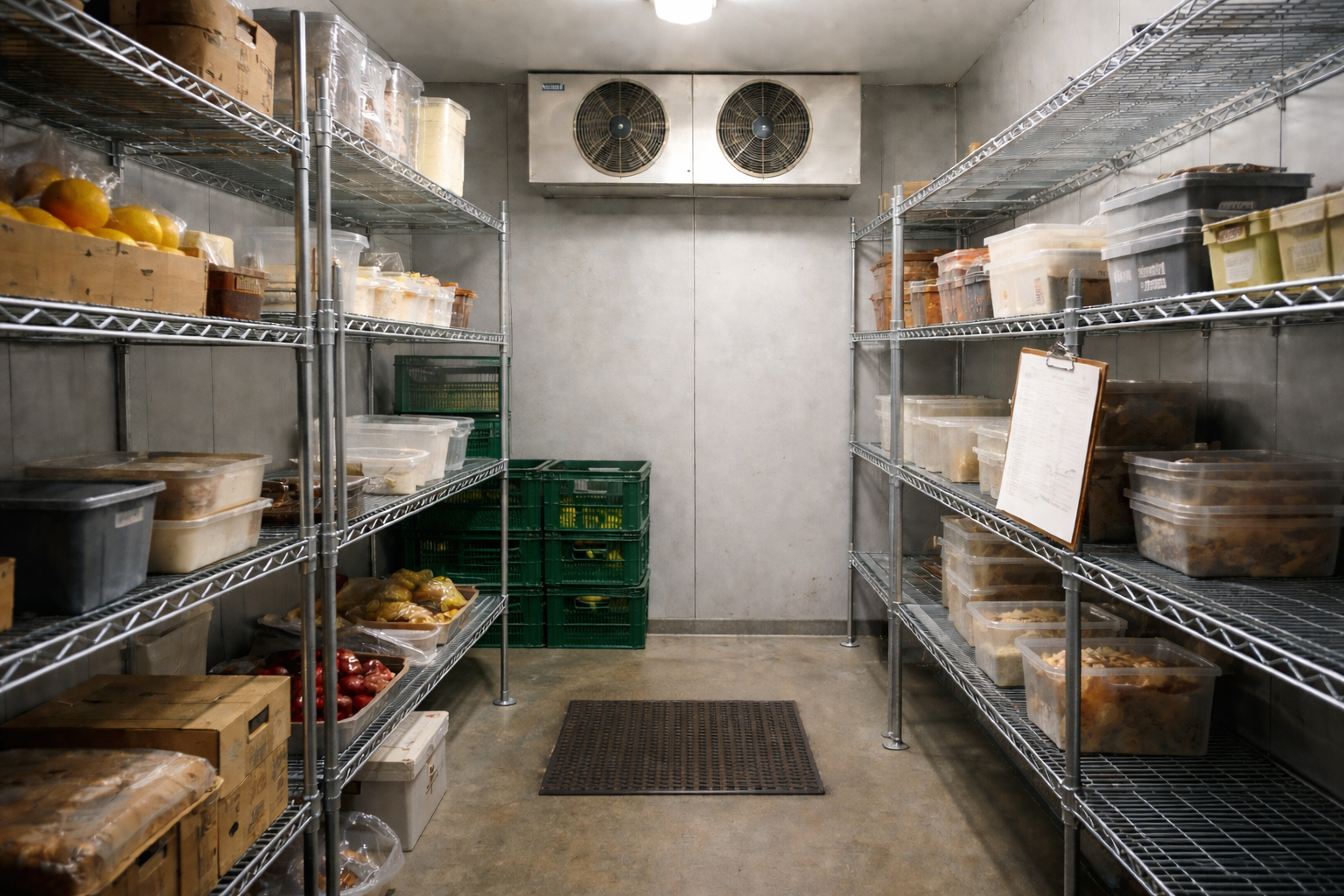
In restaurants, the fear of running out often shapes purchasing decisions long before service begins. This Table 8 essay explores why running out at the right moment isn’t failure—and why ordering out of fear is the far greater cost.
A reflective closing on Aloha as both welcome and goodbye — and what remains when care is carried forward into a world shaped by technology, speed, and change.
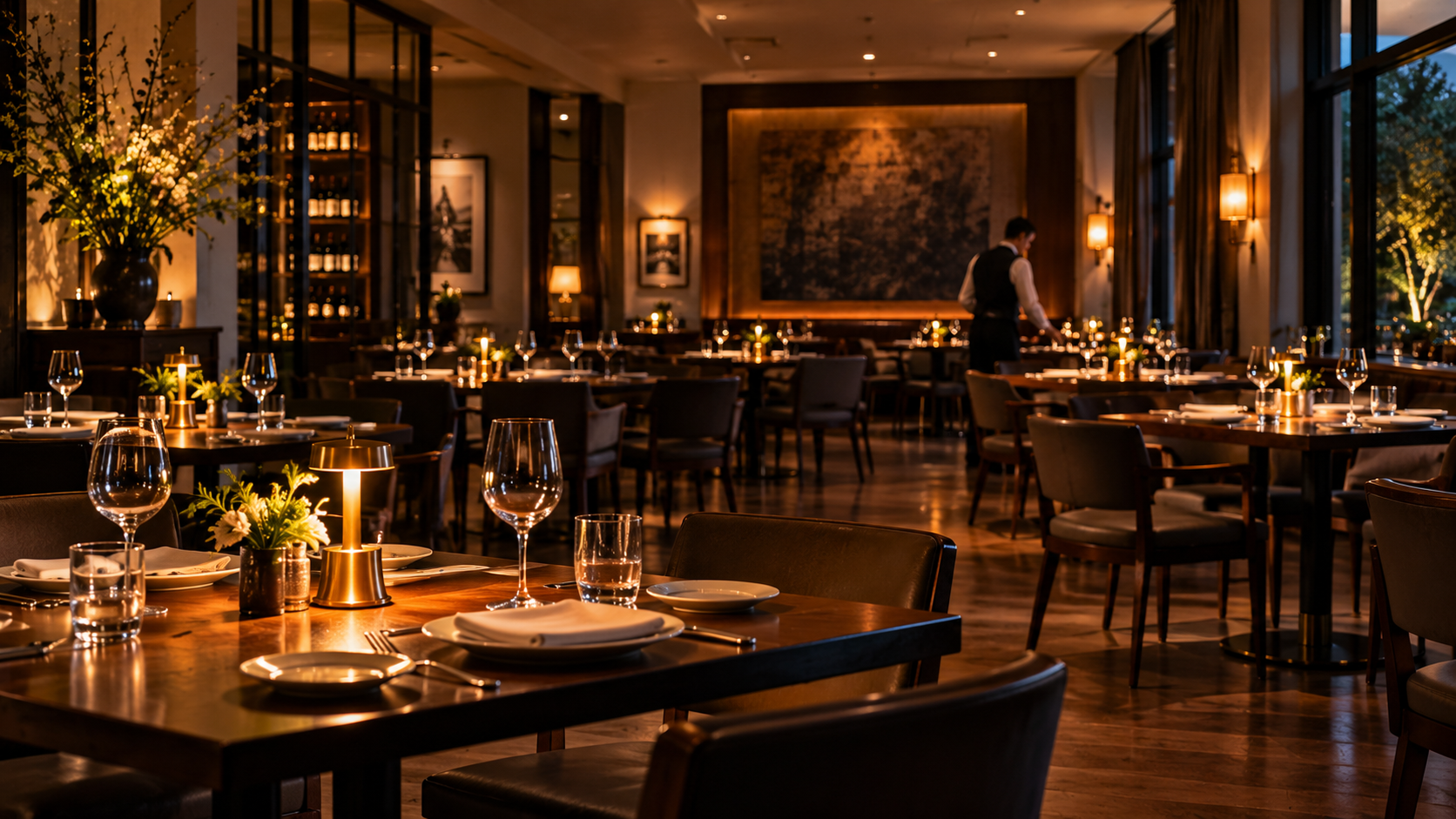
Luxury isn’t defined by marble or chandeliers—it’s defined by trust. A reflective look at where luxury actually lives, and how empowered teams quietly shape the moments guests remember most.
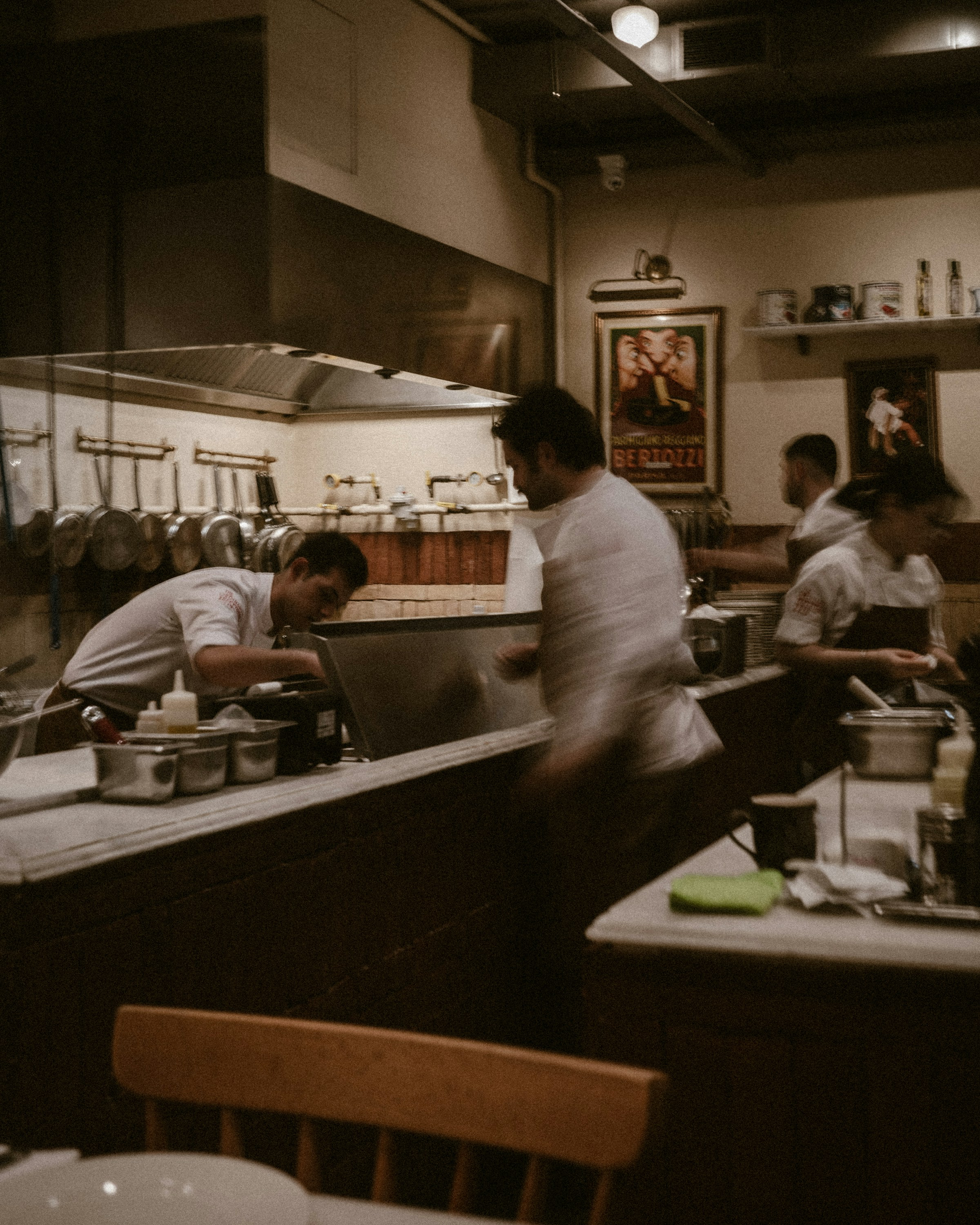
When managers are held accountable without the authority to act, leadership quietly breaks down. A reflection on the hidden cost of misaligned responsibility—and what changes when trust, judgment, and decision-making finally meet at the same table.
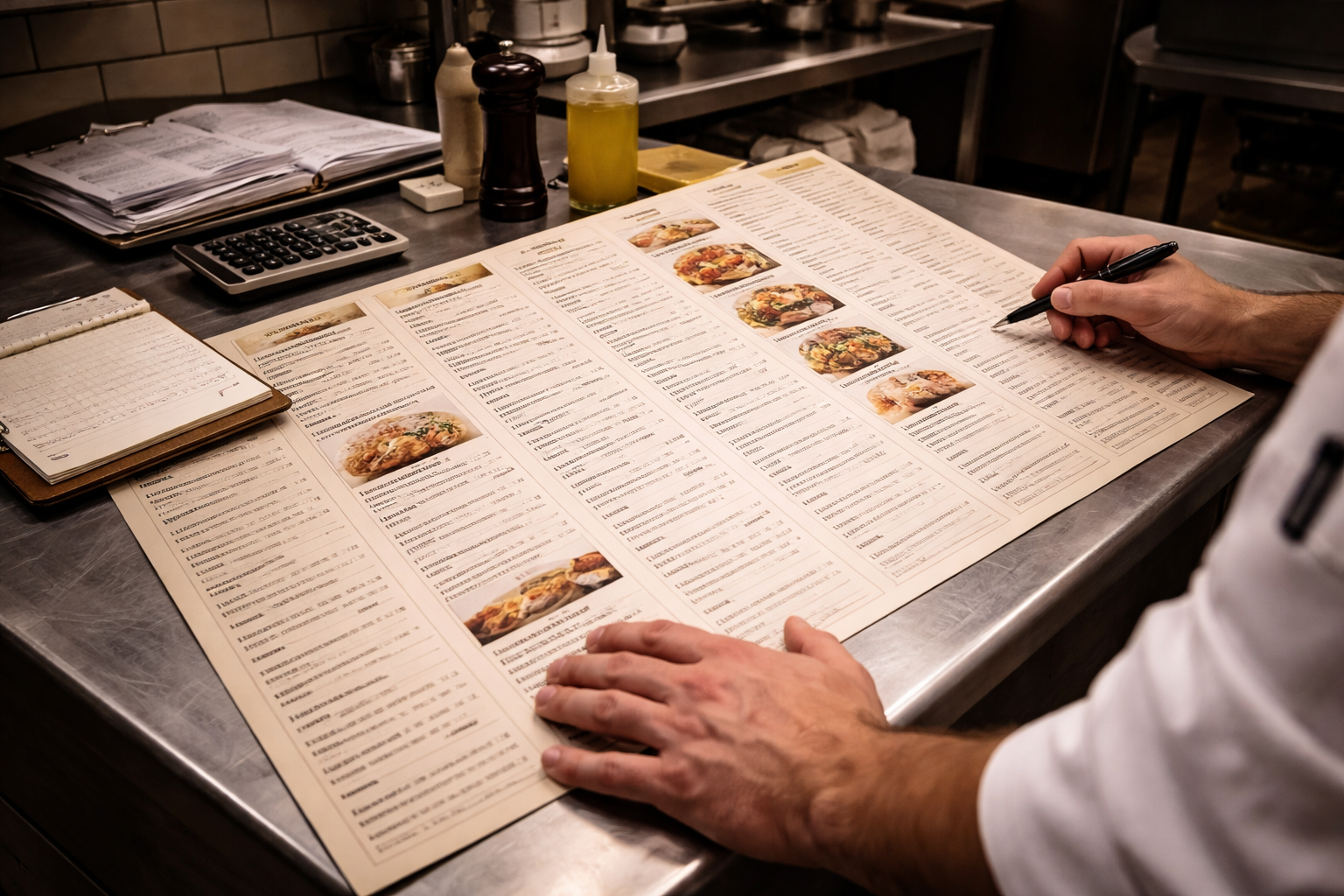
A practical deep dive into menu engineering—why contribution margin and gross profit dollars often matter more than food or liquor cost percentages, how to use the Stars/Plowhorses/Puzzles/Dogs framework responsibly, and how to optimize a menu for profitability without losing what guests love.
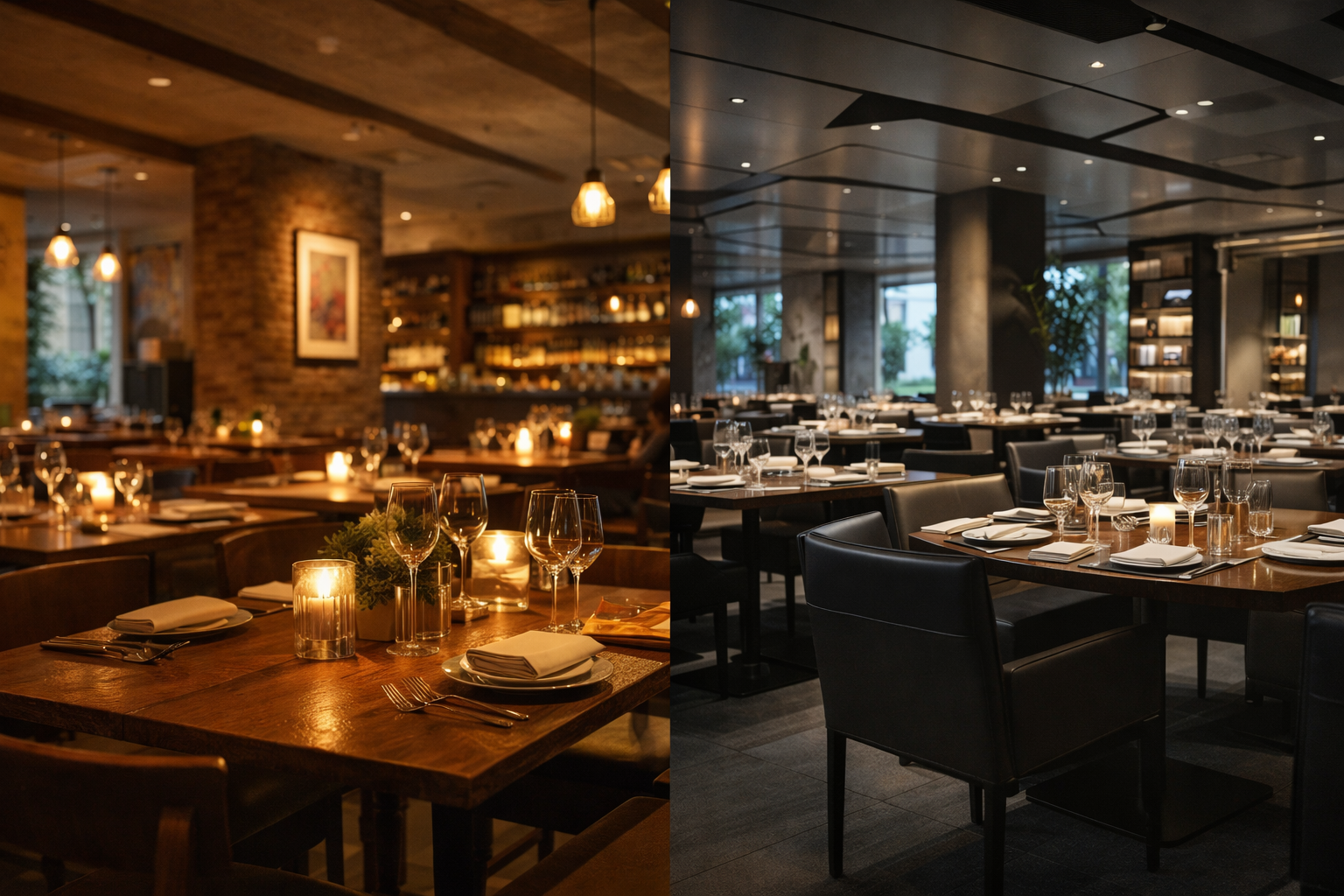
A thoughtful comparison of independent and corporate restaurants—how each approaches risk, culture, and decision-making, and what truly determines which ones endure.
An exploration of transactional versus relational hospitality—and why restaurants that last treat diners as guests, not numbers, earning loyalty through feeling rather than efficiency.
Why restaurants that last choose restraint, clarity, and leadership over expansion—and why knowing when to say no defines enduring hospitality.
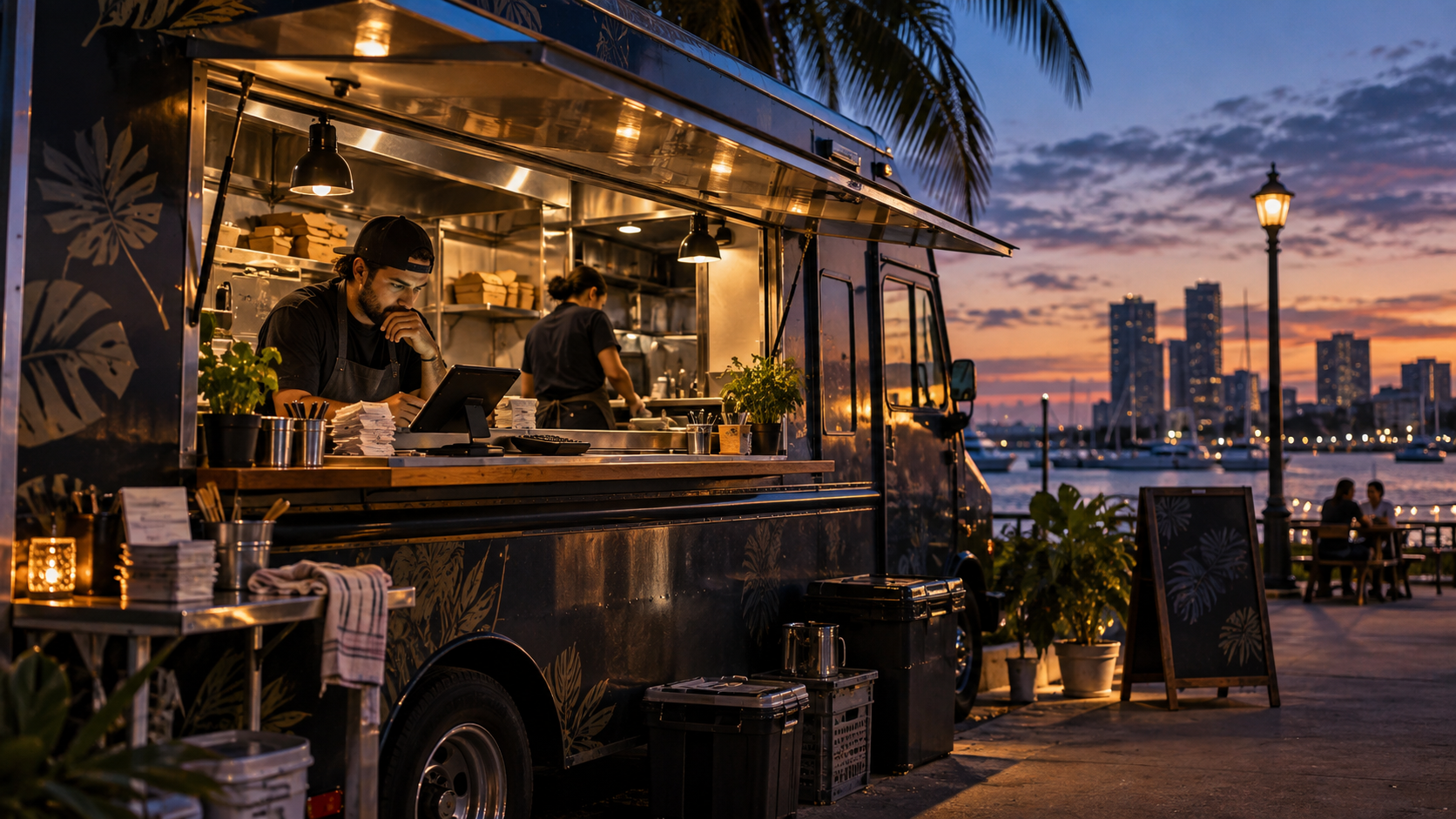
Famous last words in hospitality rarely sound dramatic. They arrive quietly, long after the damage is done. In a year that stripped away illusions of “waiting it out,” this essay explores why inaction is never neutral—and why the most expensive decision is often the one we delay.
A candid reflection on overconfidence, partnership, cash flow, and the moment you realize “good enough” was never enough. For operators who have been there — and those who don’t want to learn it the hard way.