
Ask Foodie
Ask Foodie explores the questions that surface naturally around food, wine, and hospitality — the small curiosities that appear at the bar, in the kitchen, or at the table when someone asks how or why.
Have a question about food, wine, or hospitality? Send it to hello@foodieinparadise.com
Color shapes appetite by influencing mood, time perception, and behavior. Warm tones stimulate urgency, while cool tones slow the dining experience.
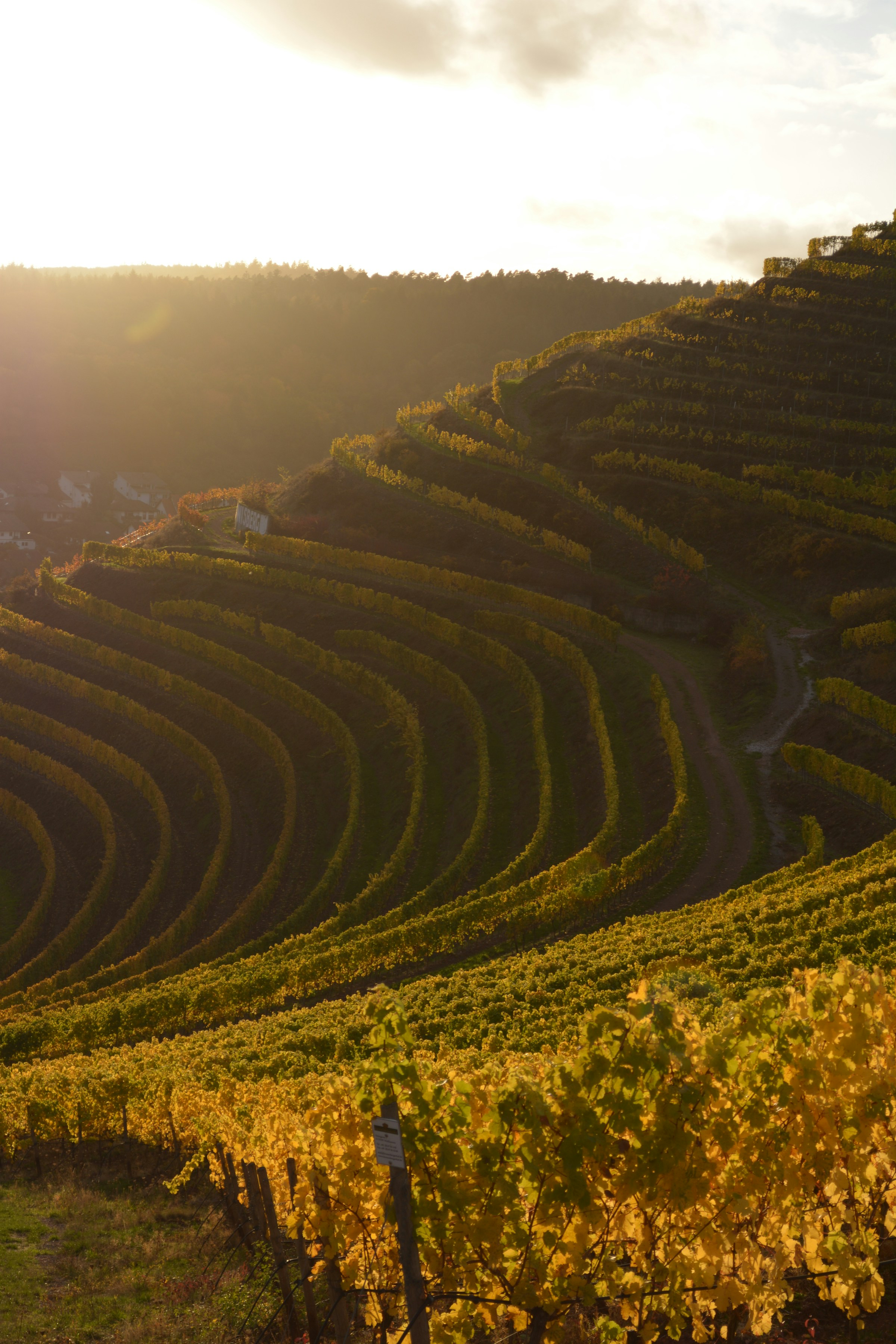
Terroir describes how climate, soil, and vineyard conditions shape the structure of wine. It is not the taste of soil, but the result of how grapes grow and develop over time.
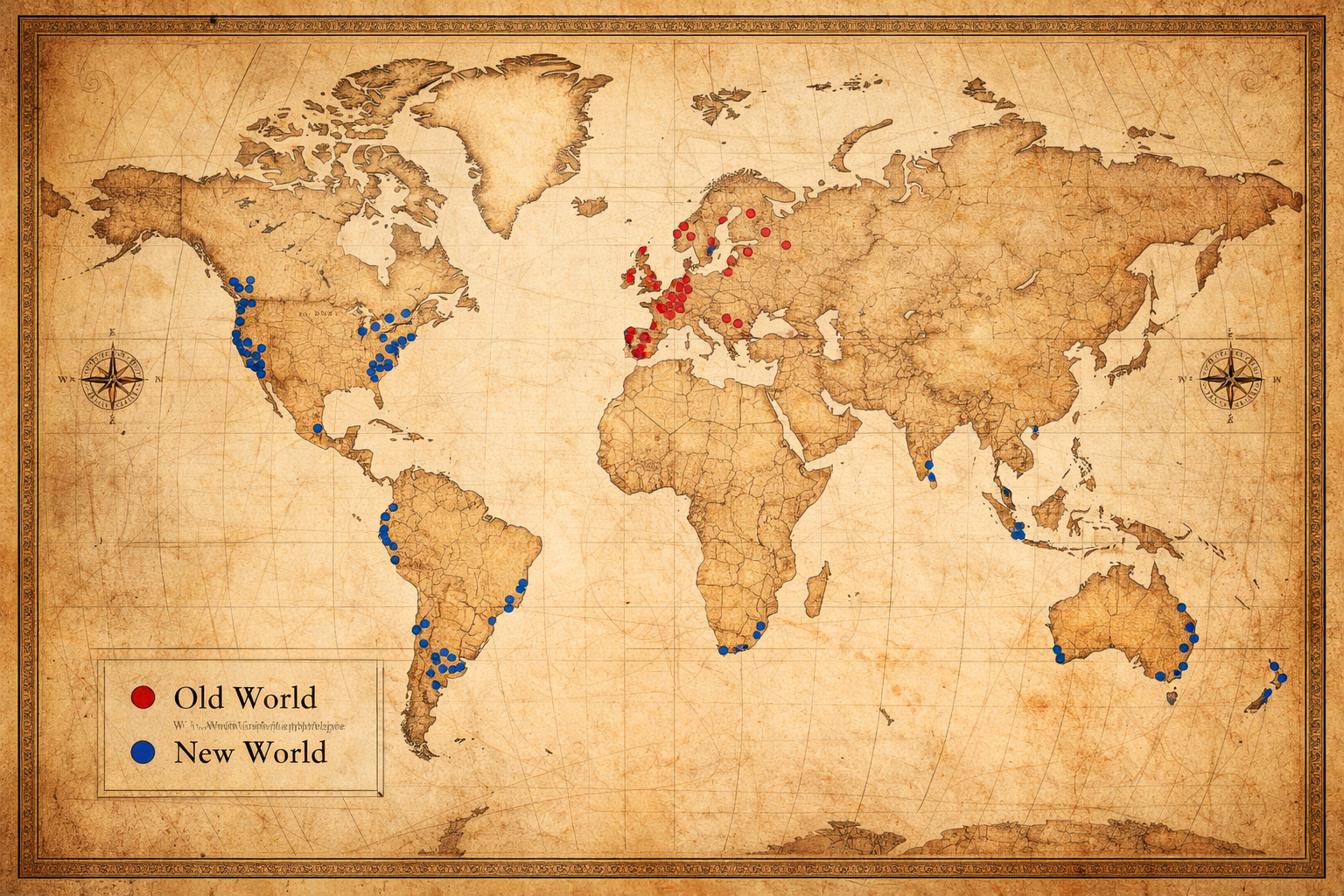
Old World and New World wines are often separated by geography, but the real distinction lies in how they are shaped. From climate and tradition to structure and fruit expression, each approach reflects a different philosophy of wine.
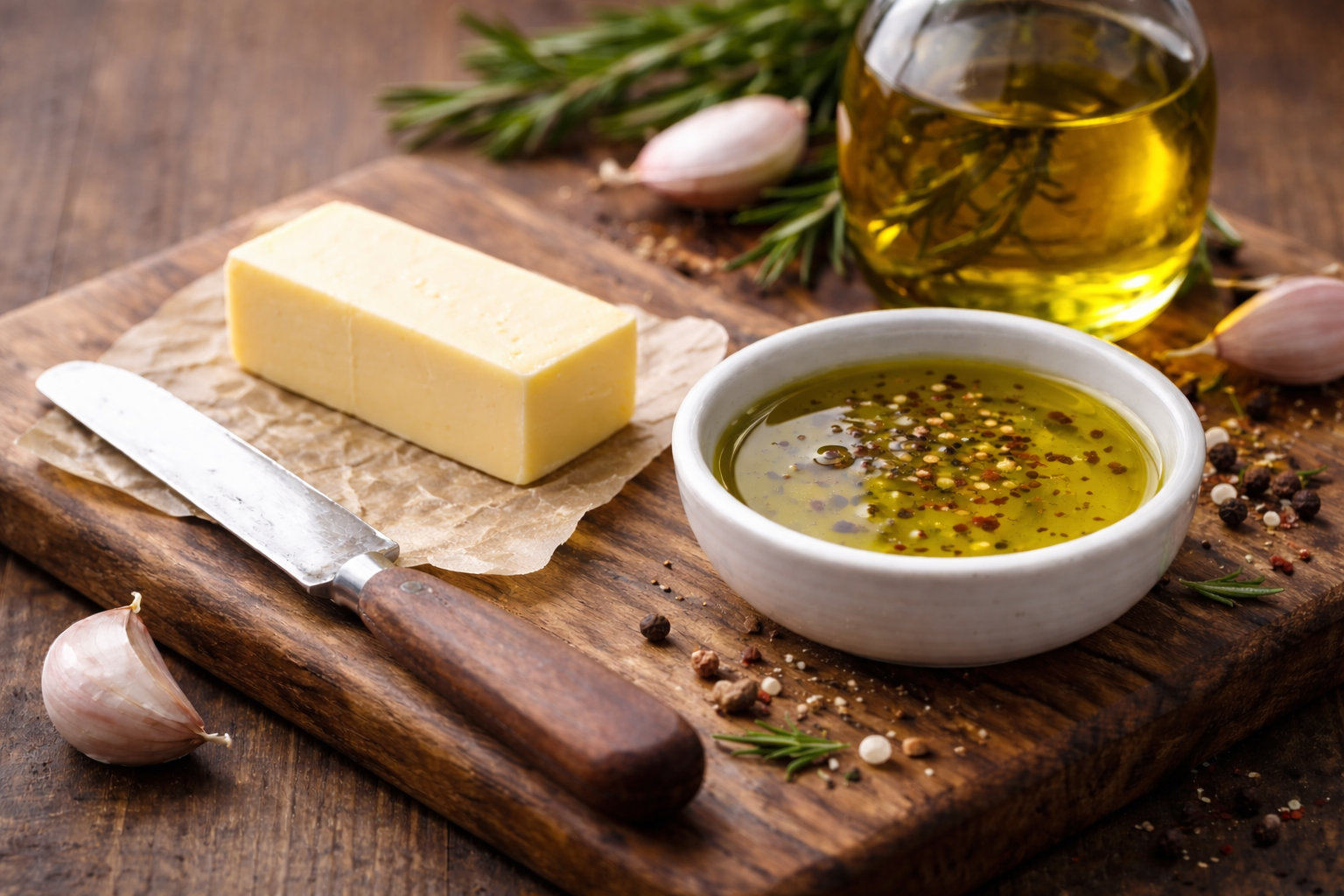
Butter and olive oil both enrich food, but they behave differently in cooking. Understanding how their composition affects flavor, texture, and heat explains when olive oil can successfully replace butter.
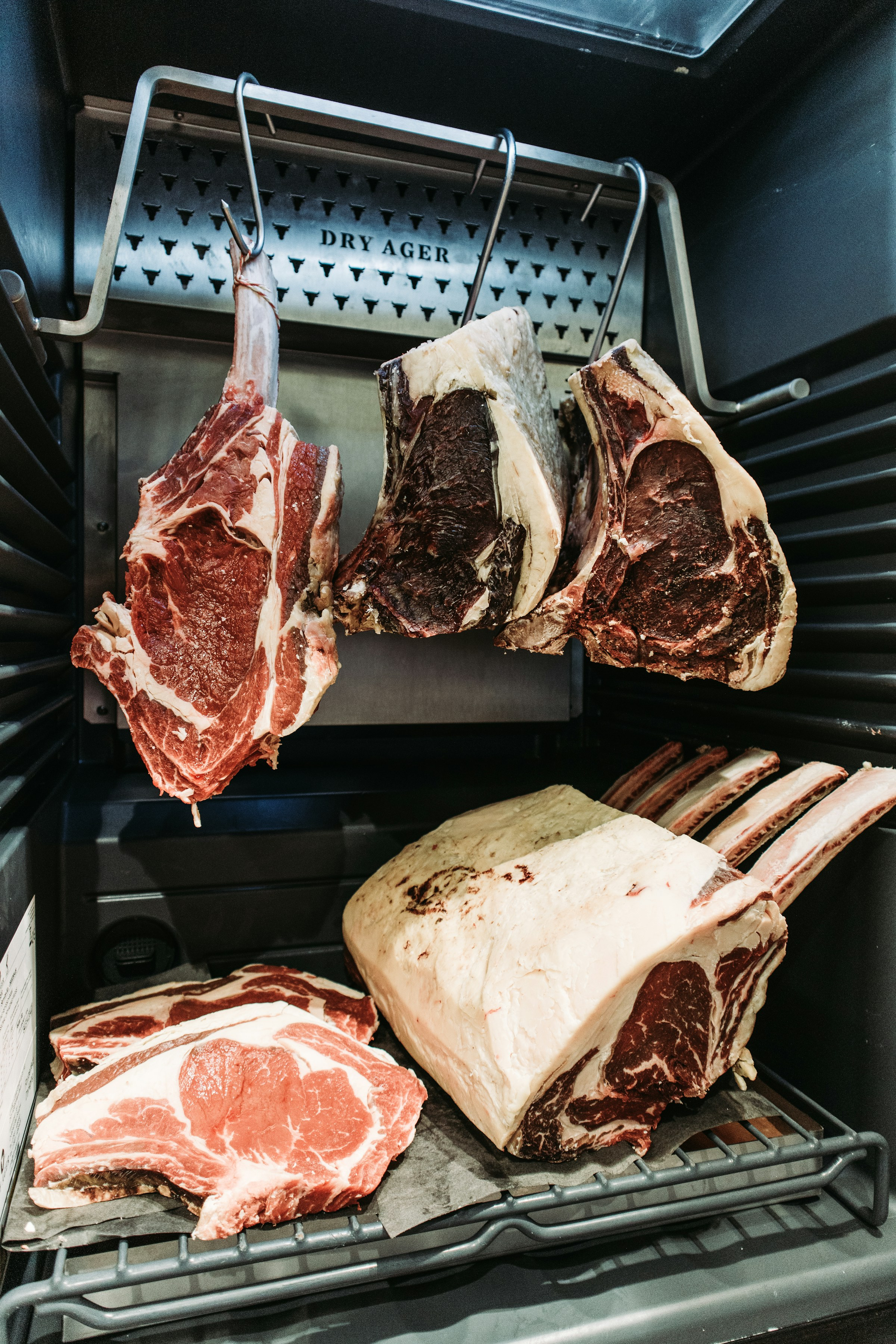
Beef becomes more tender and flavorful as it ages. Wet aging and dry aging achieve this in different ways, shaping the texture and flavor of steaks served at home and in steakhouses.
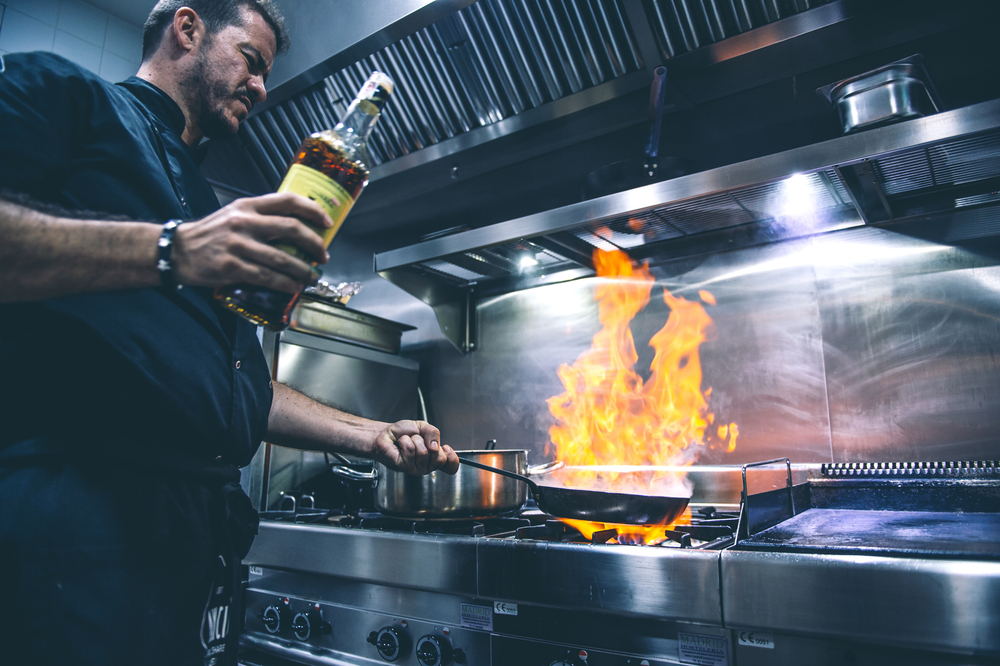
Restaurant food often tastes more flavorful than home cooking. The reason lies in professional control of seasoning, heat, fat, preparation, and repetition — the systems that allow restaurants to deliver consistent flavor and texture.
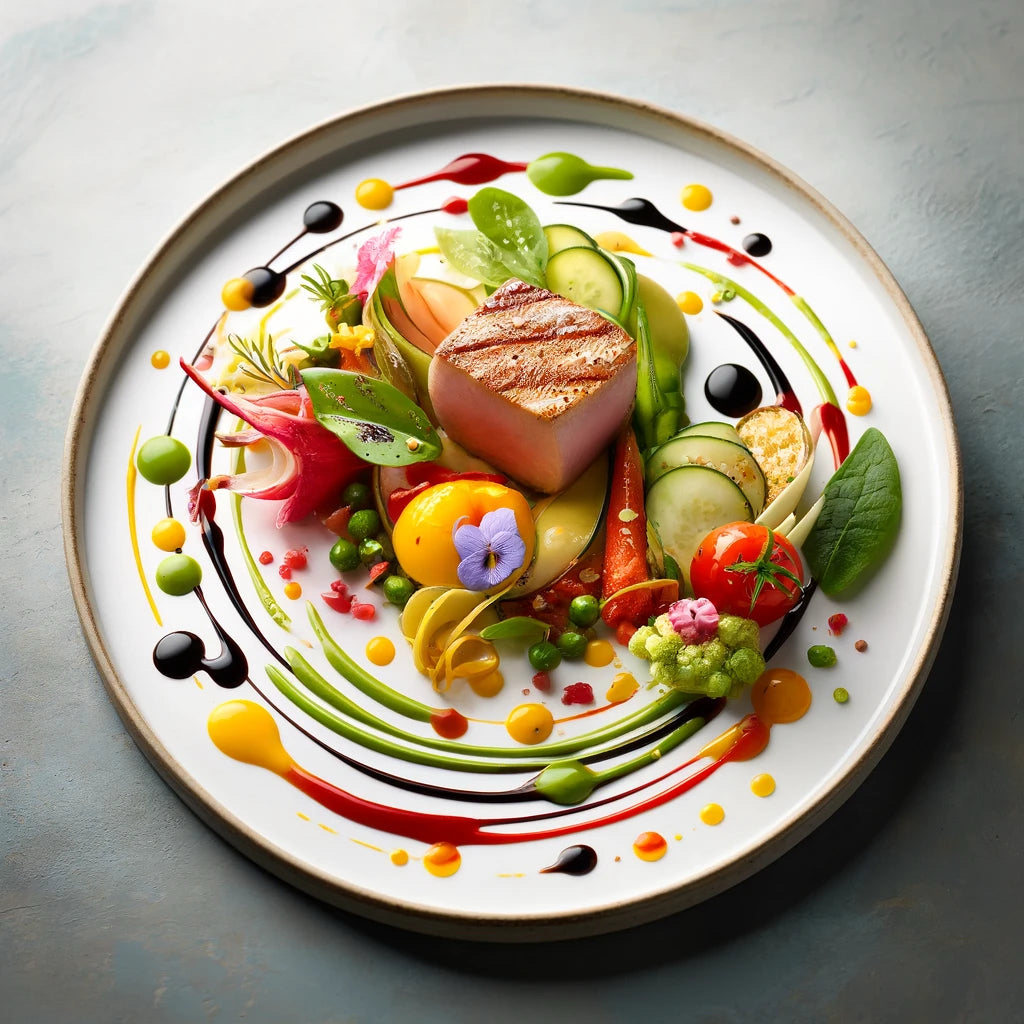
Menu design shapes how guests see, process, and choose dishes. Layout, placement, and pricing subtly guide decisions before the first order is placed.
Menu pricing is not just about cost—it frames value. From anchoring to price endings and design, perception shapes what guests choose before they decide.
People do not read menus in a straight line. They scan for visual hierarchy, and design choices such as layout, spacing, boxes, and page structure influence what they notice first and what they are most likely to order.
Balance is not about adding more—it is about alignment. In the kitchen, flavor becomes complete when salt, acid, fat, sweetness, and umami move together in proportion, shaping dishes that feel coherent rather than competing.
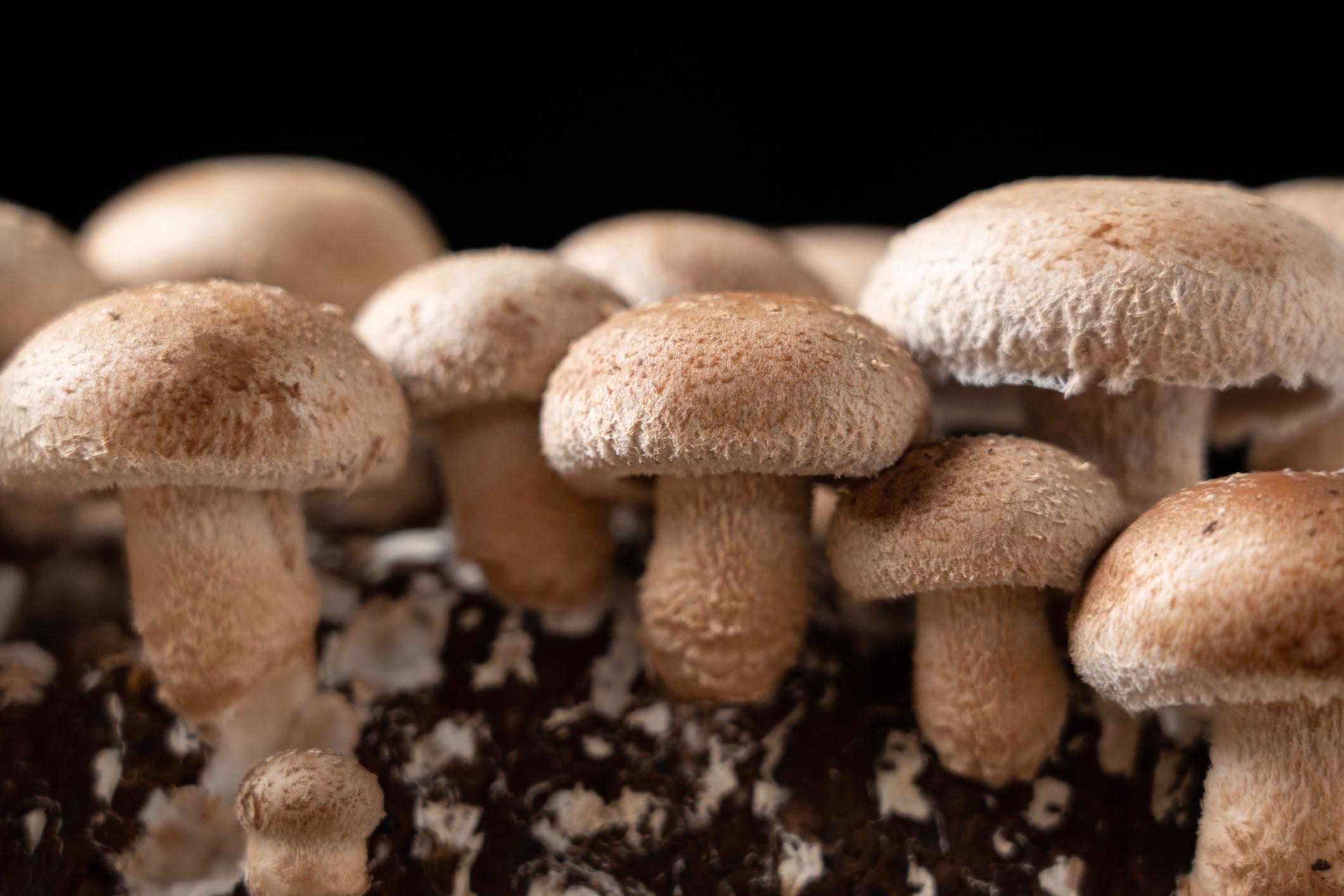
Umami is the fifth basic taste, responsible for the savory depth found in foods like mushrooms, aged cheese, and roasted meat. It enhances flavor by making dishes taste fuller, rounder, and more satisfying. Understanding umami reveals how great cooking builds depth beyond salt, acid, and heat.
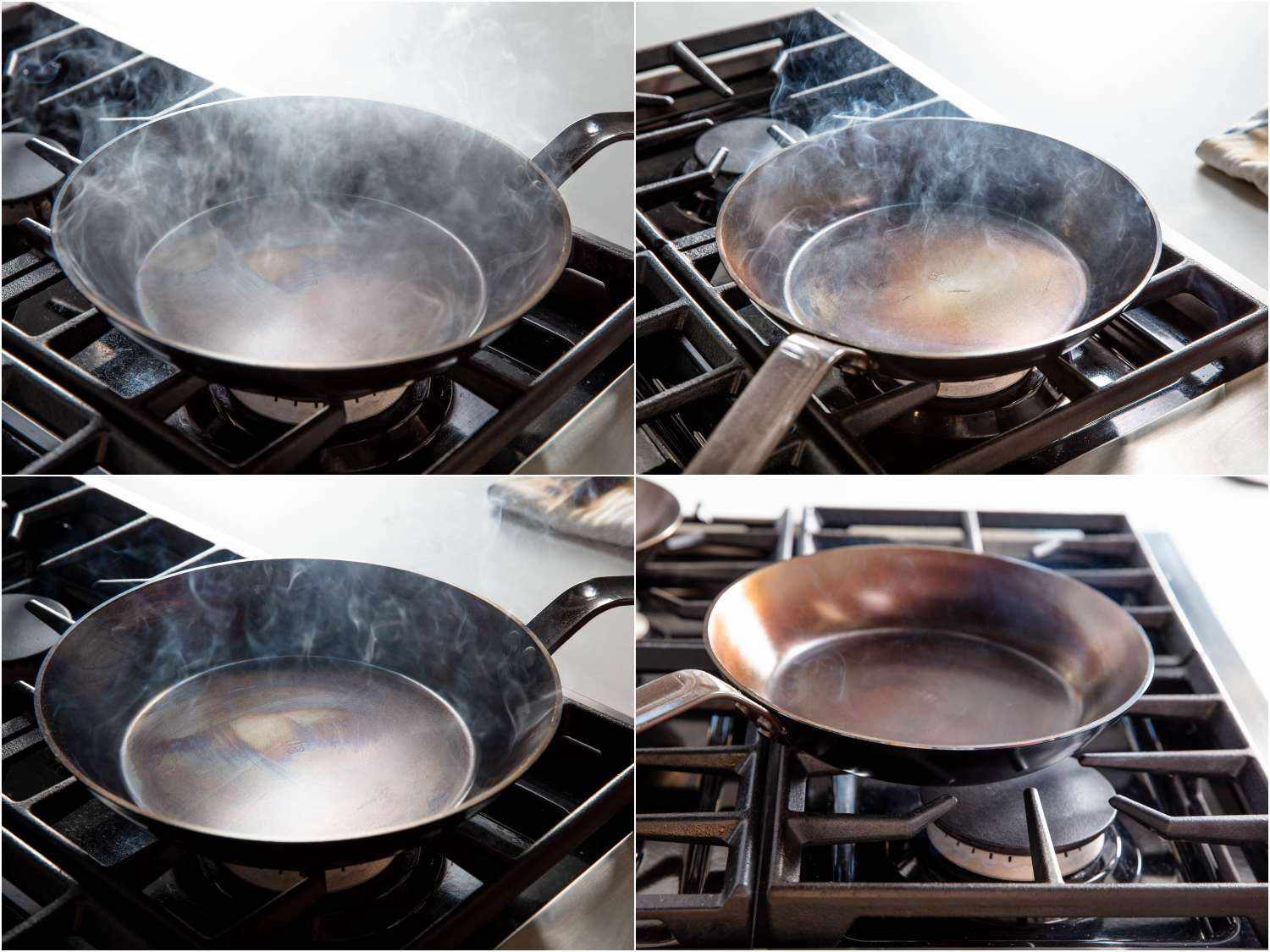
Carbon steel pans require seasoning to develop their naturally slick cooking surface. Learn how chefs build seasoning with heat and oil—and why stainless steel pans do not require the same process.
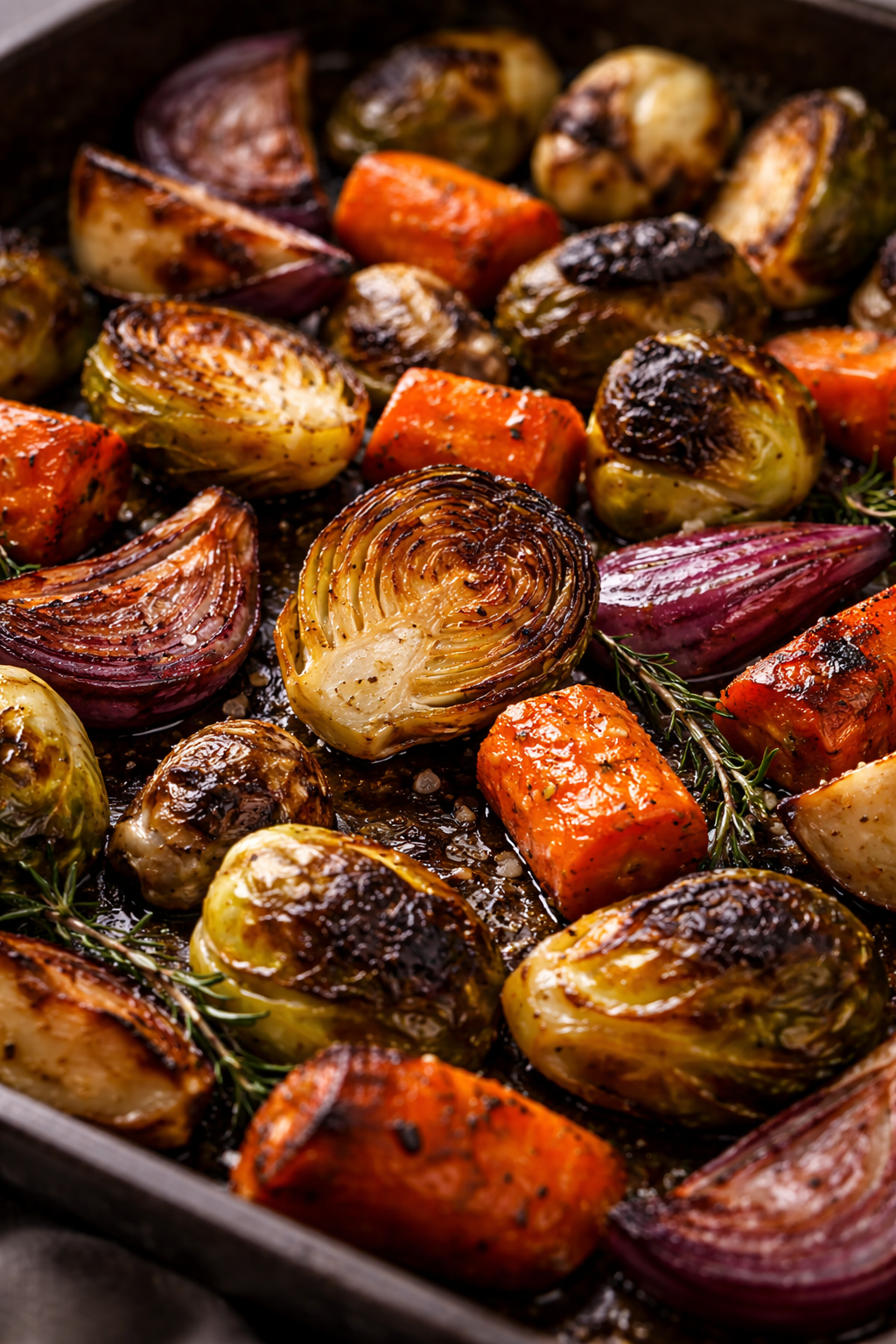
The Maillard reaction is the chemical process responsible for the rich browning and complex aromas that develop when foods are seared, roasted, or toasted.
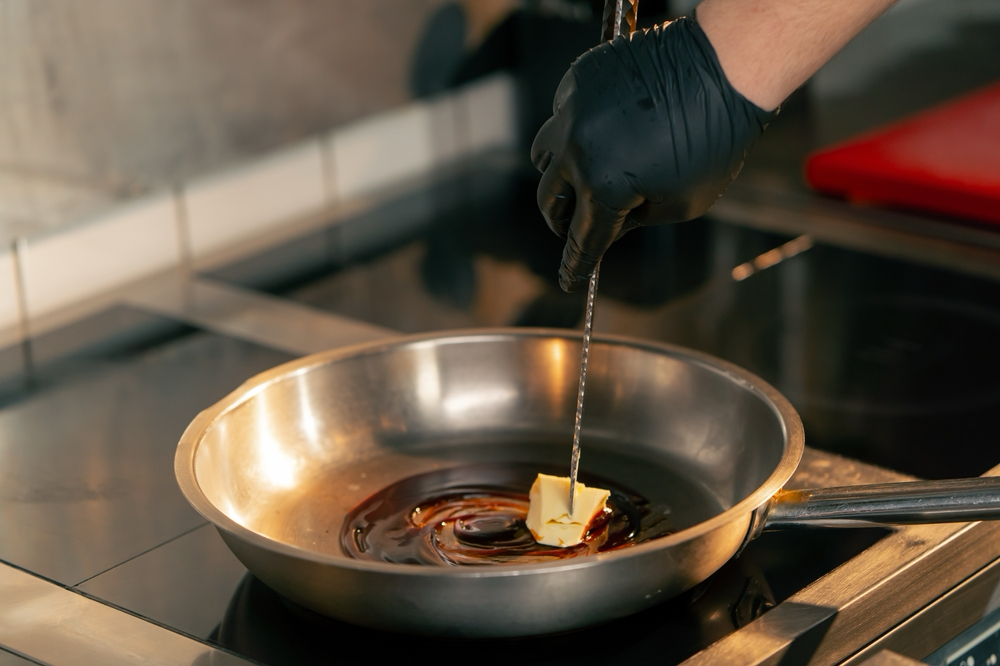
Why professional kitchens often finish dishes with butter—and how it changes flavor, texture, and balance.
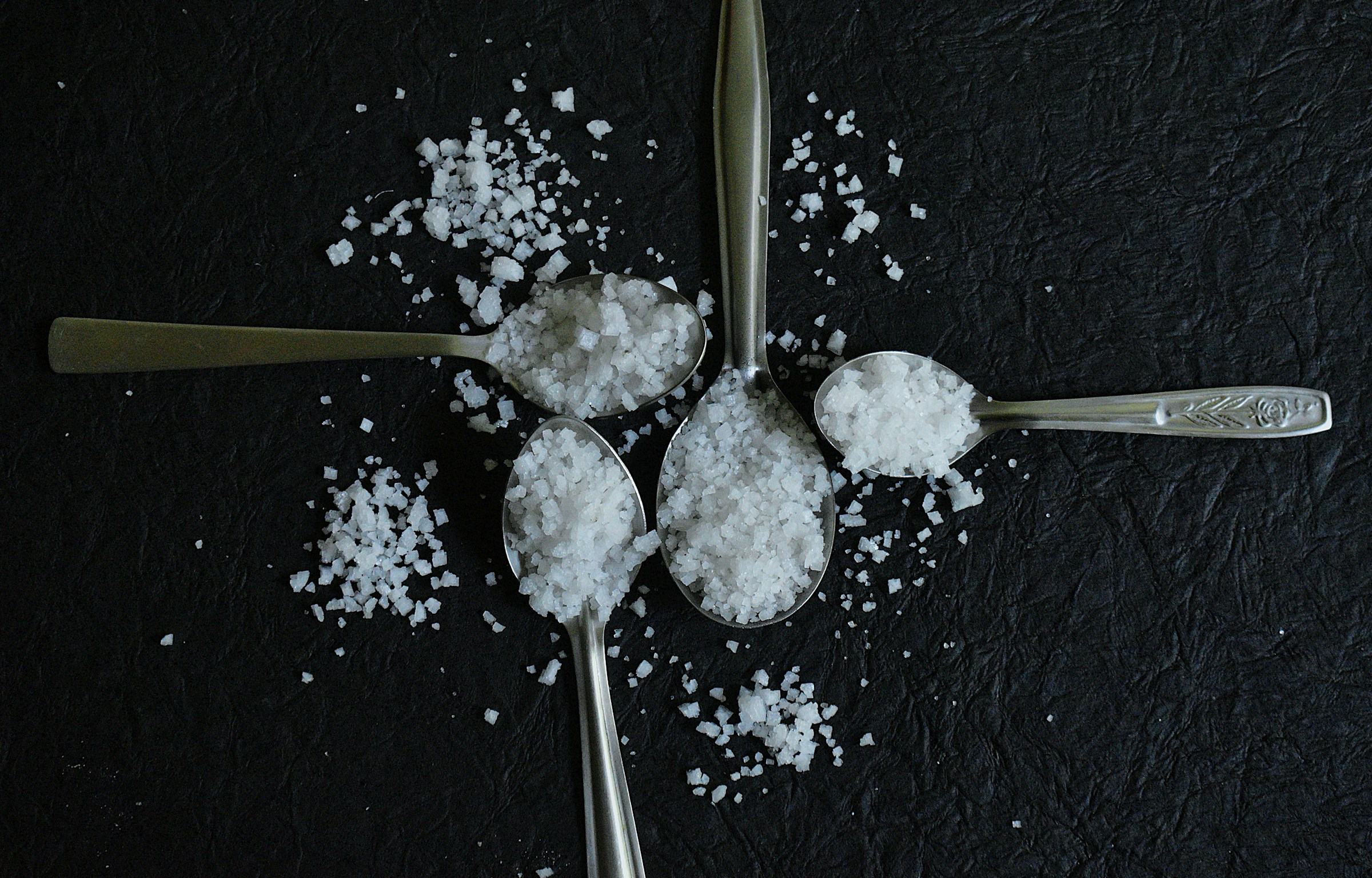
Kosher salt is the seasoning most professional kitchens rely on. Its larger crystal structure allows cooks to control how salt is distributed across food, improving consistency and flavor balance.
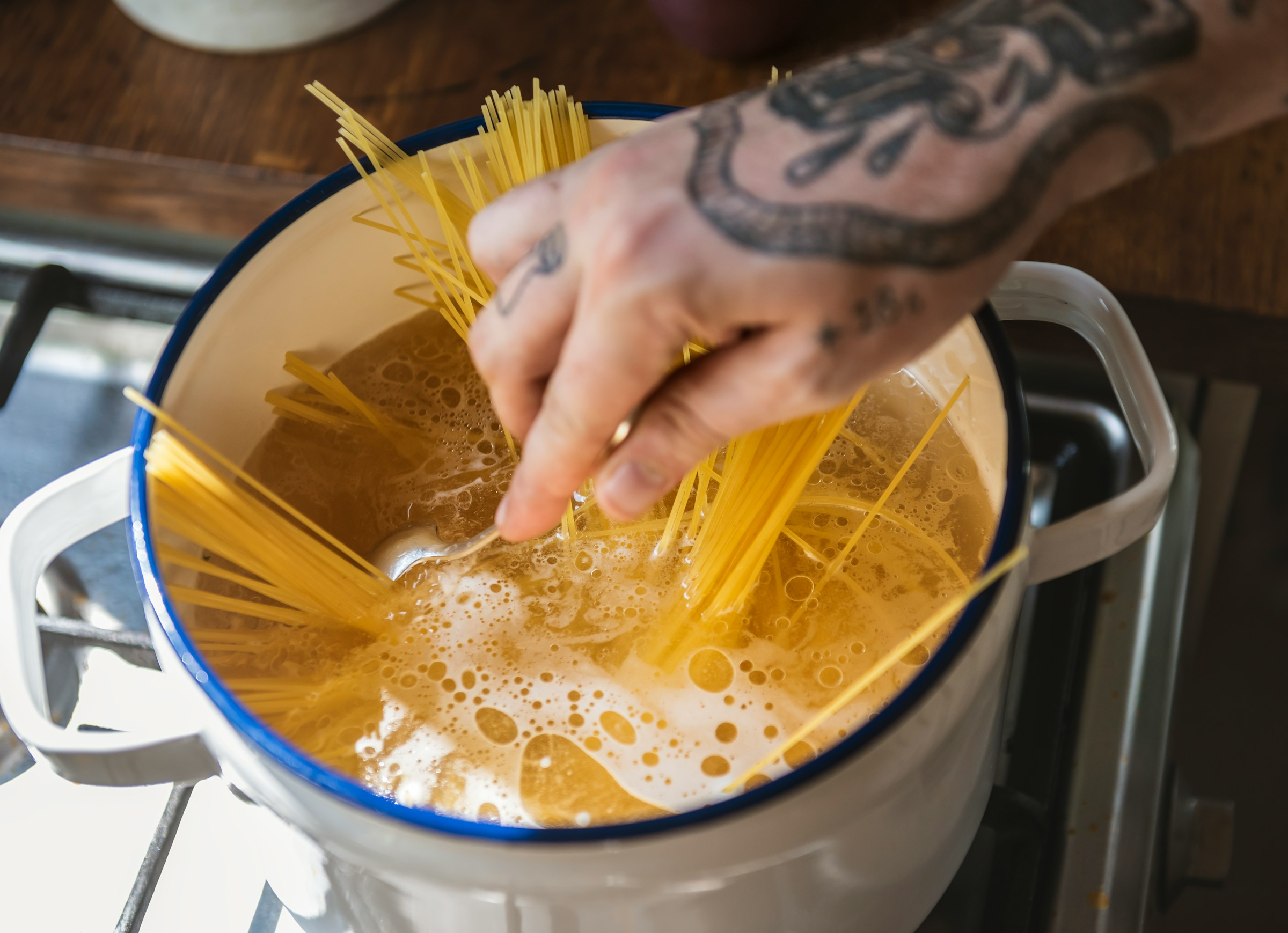
Salting pasta water seasons the pasta itself, while adding olive oil to the pot does little to change the cooking process. Understanding the difference improves both flavor and sauce integration.
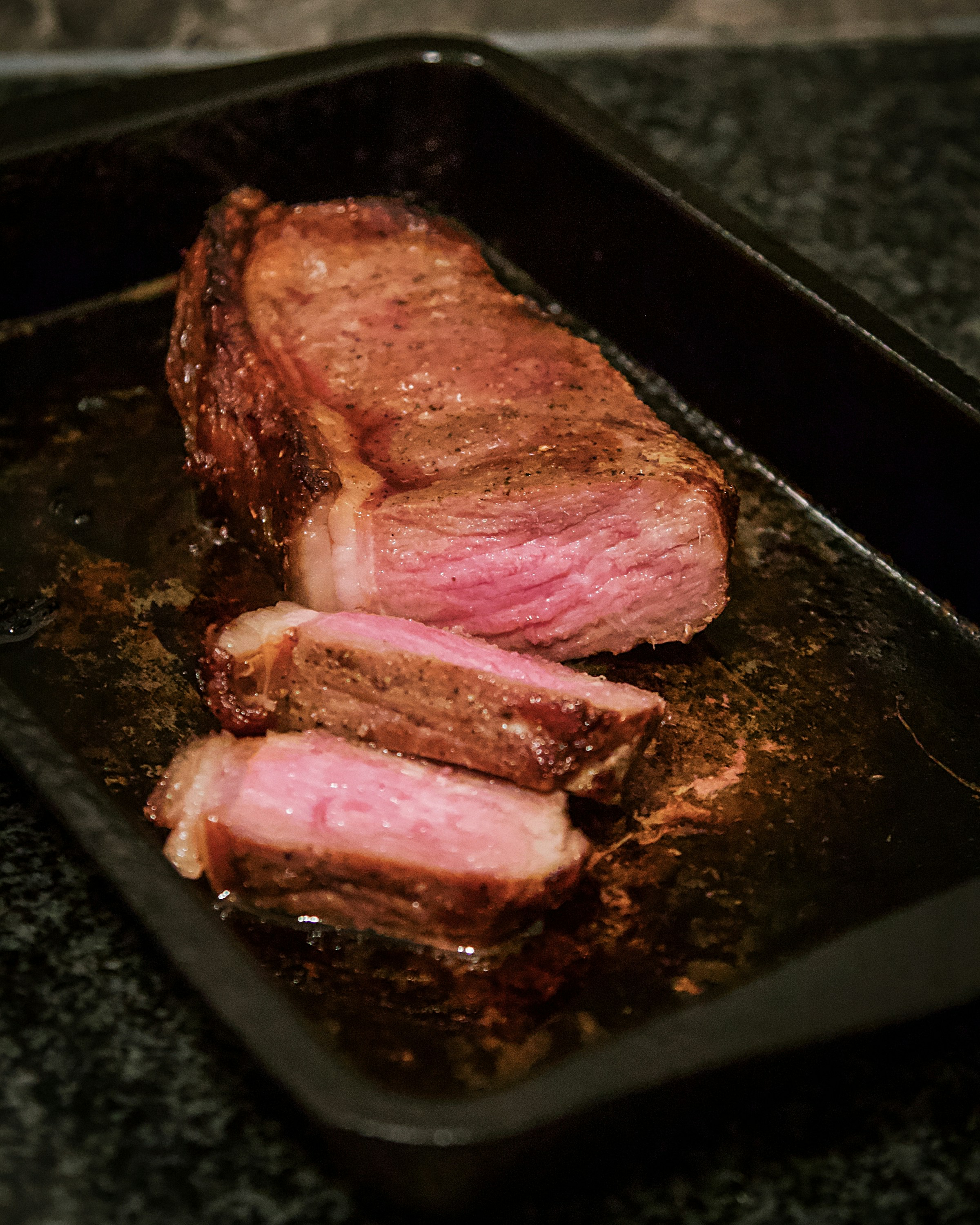
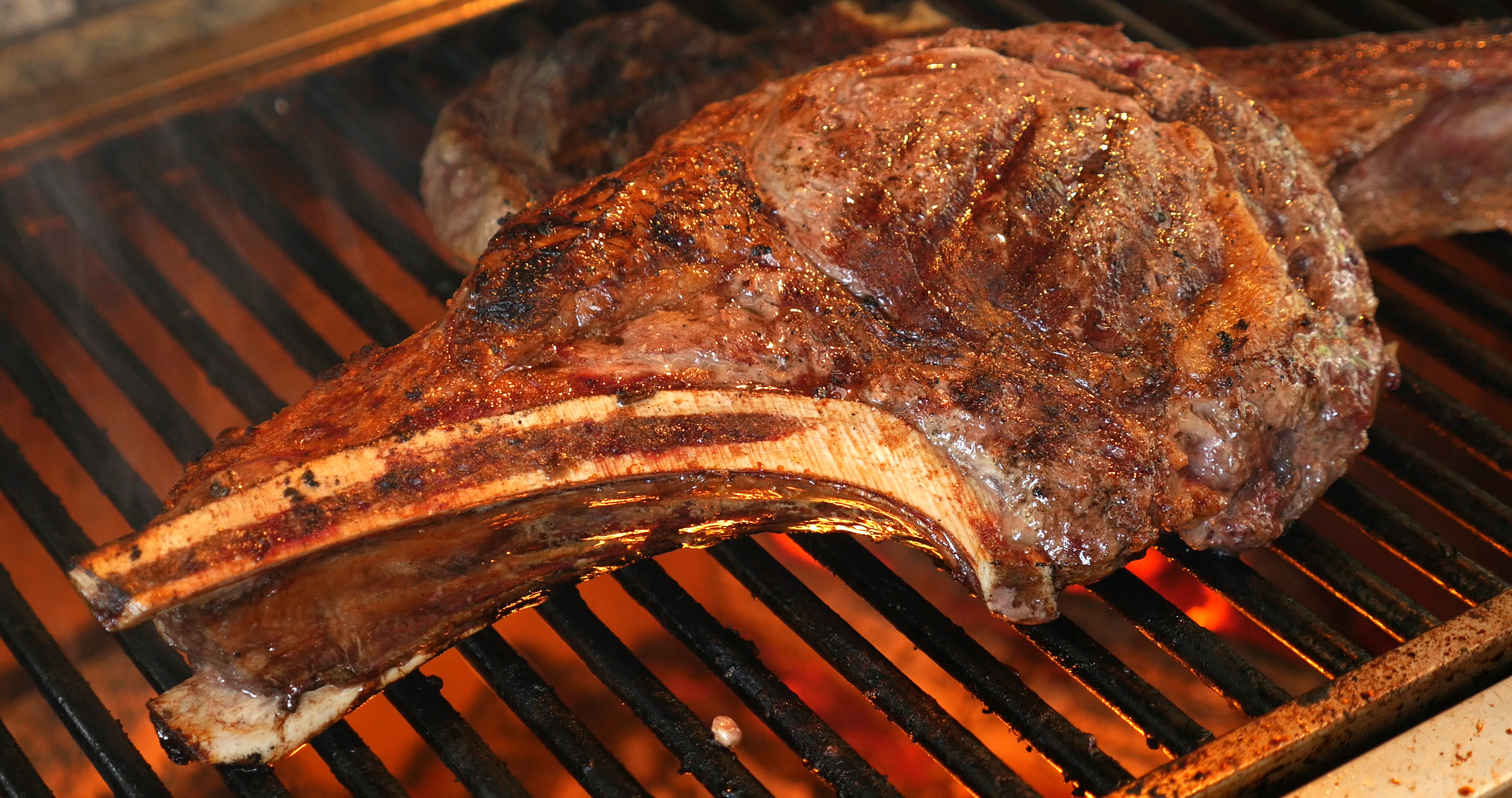
Why resting steak matters. Heat drives moisture toward the center of the meat during cooking, and resting allows that liquid to redistribute before slicing. The result is a steak that holds its juices, cuts cleanly, and finishes cooking with greater precision.
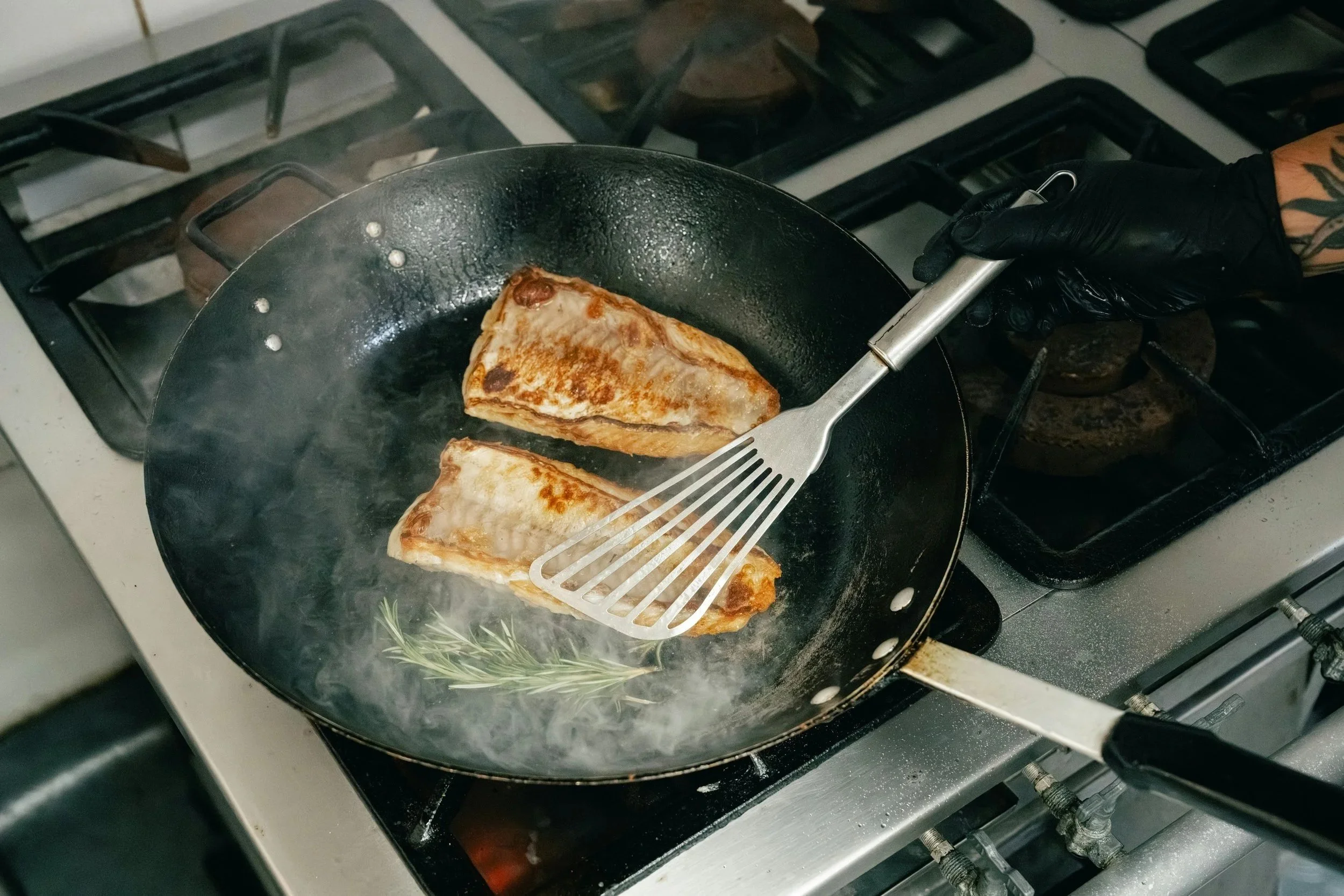
Fish sticking to the pan isn’t bad luck. It’s a predictable interaction between protein, moisture, oil, and heat. Understanding that interaction changes how seafood cooks.
Carbon steel pans are a staple in professional kitchens thanks to their fast heat response, natural seasoning, and excellent searing ability. Discover why chefs often prefer them over stainless steel and cast iron.
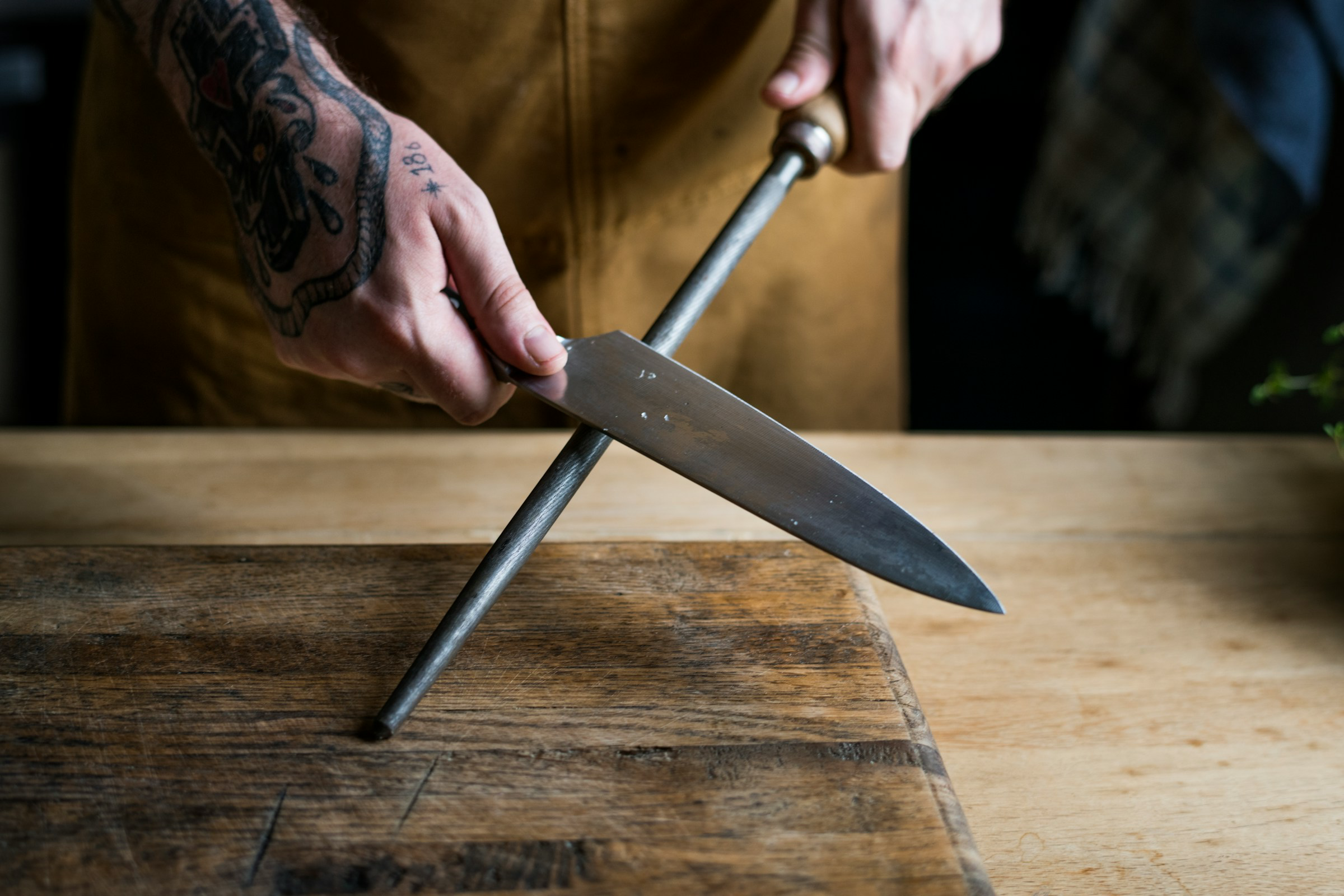
Honing and sharpening serve different purposes in knife maintenance. Honing realigns the blade’s edge while sharpening removes metal to recreate a new cutting surface.
Why some wines benefit from air—and how oxygen changes aroma, tannin structure, and balance.
Wine ages because its chemistry continues to evolve after bottling. Oxygen, tannin, acidity, and aroma gradually reshape the wine over time, but aging is not always improvement—only transformation.
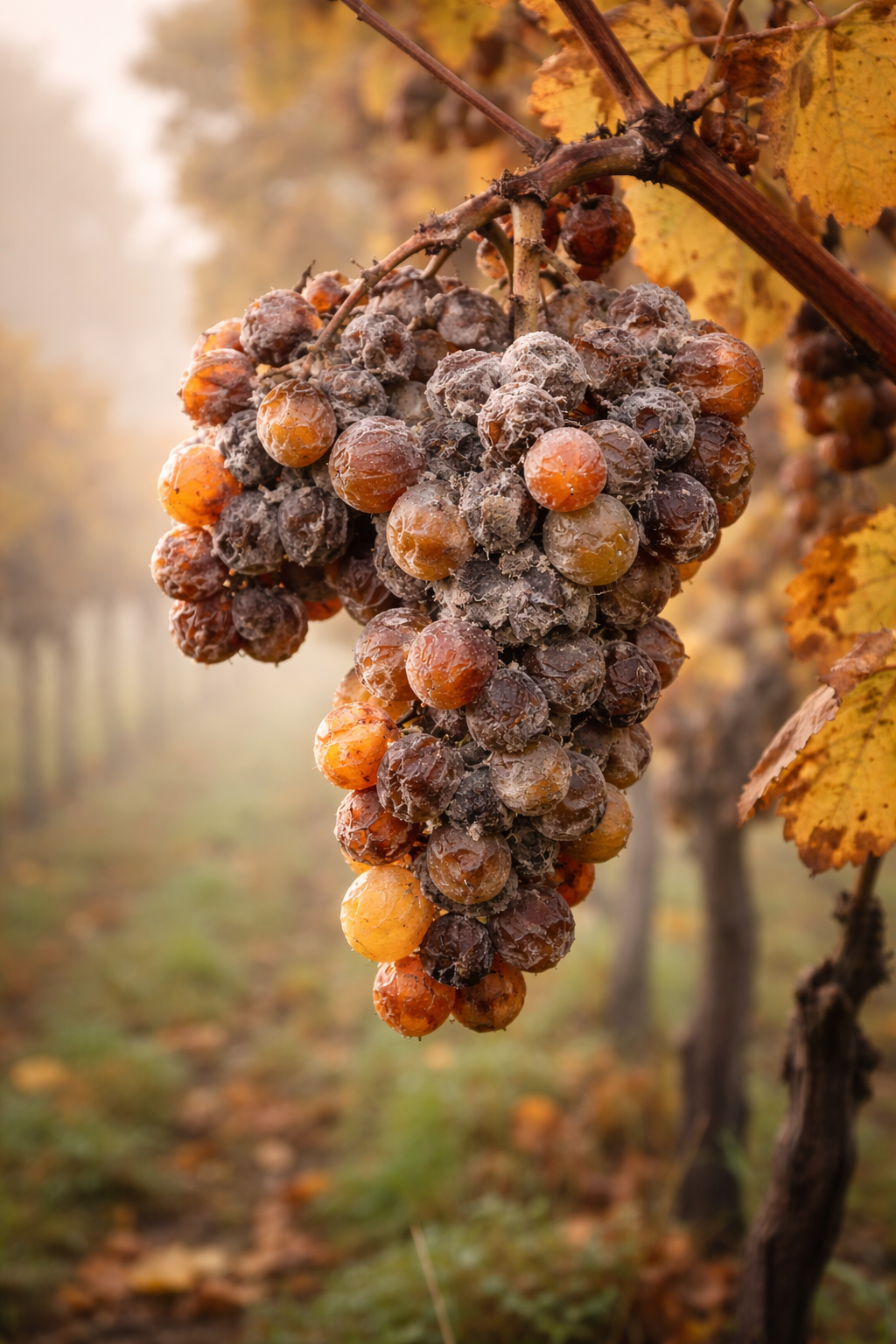
Noble rot is caused by the fungus Botrytis cinerea, which dehydrates grapes and concentrates sugar, acidity, and aroma to produce some of the world’s most celebrated sweet wines.
The French phrase je ne sais quoi describes an elusive quality that makes certain restaurants feel quietly special. Often what diners perceive as mystery is simply the presence of genuine hospitality rather than transactional service.
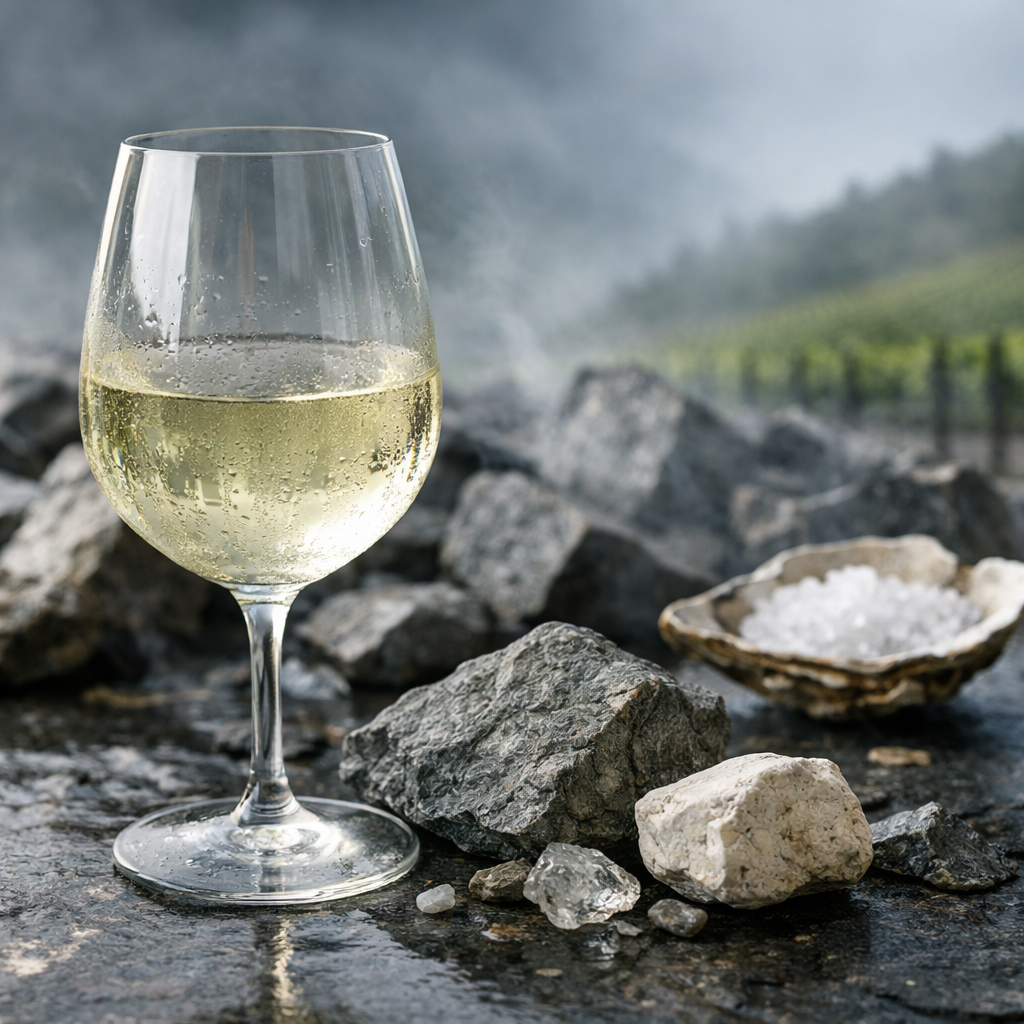
Minerality in wine refers to stony, saline, or flinty sensations shaped by acidity and structure rather than actual minerals. It’s a perception created by how a wine is balanced and experienced.
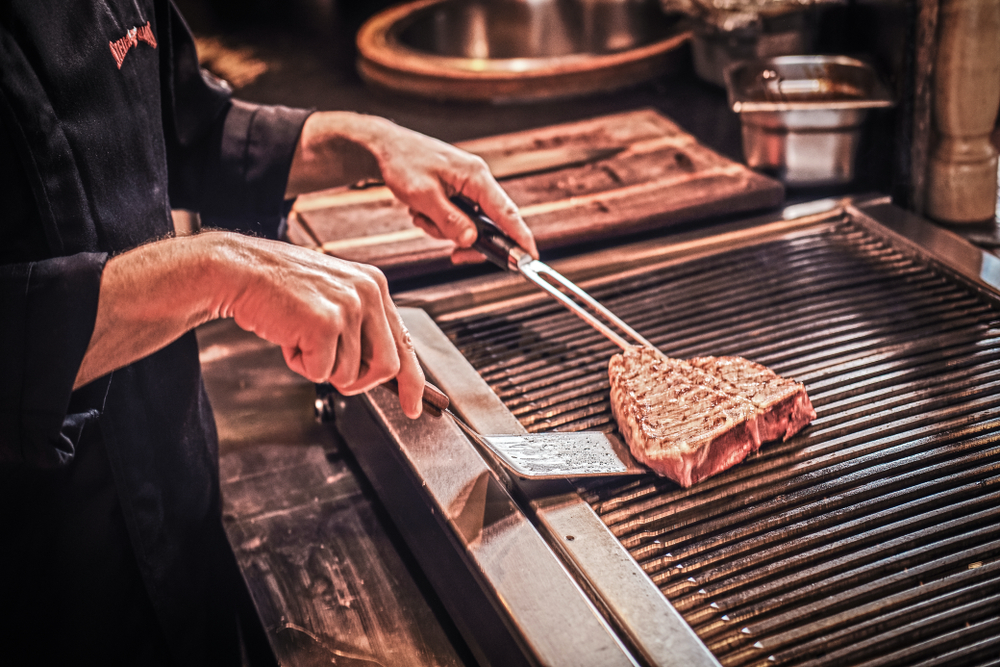
How do chefs know when a steak is medium-rare just by touching it? The answer lies in resistance, experience, and the quiet role temperature plays in achieving perfect doneness.
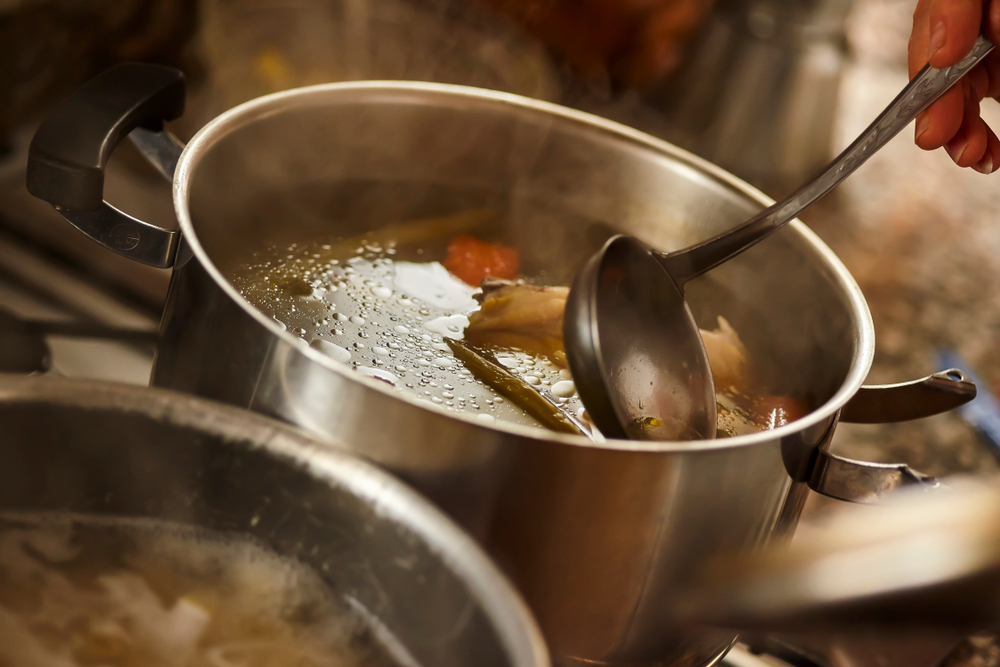
Stock and broth are often used interchangeably, but they serve different purposes in the kitchen. The difference comes down to collagen, gelatin, and how chefs use each liquid to build flavor and structure.
Choosing a POS system isn’t about features—it’s about how the system behaves in real service. This guide breaks down what actually matters for full-service restaurants, from order flow and kitchen communication to real-time decision-making, so operators can choose with clarity.
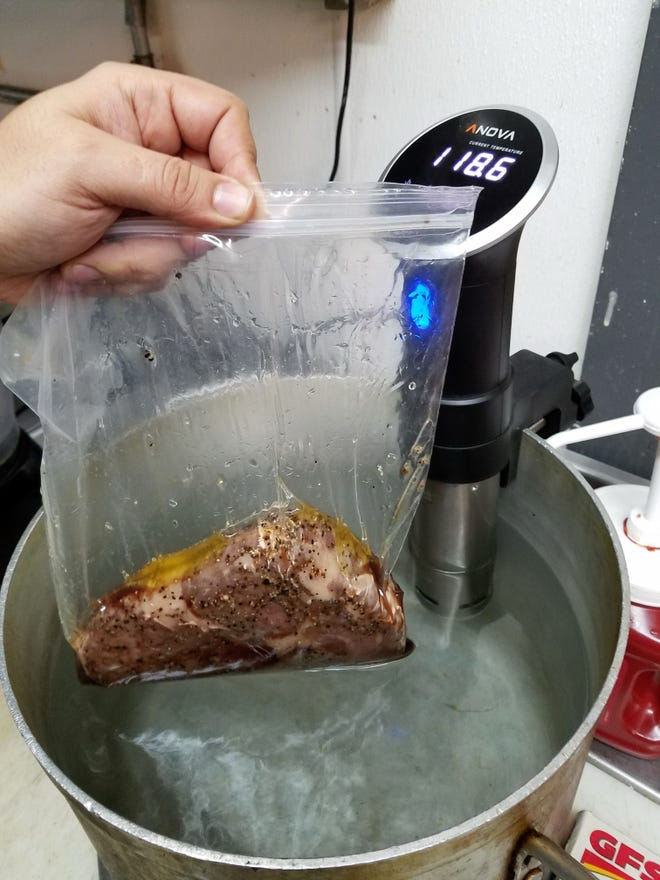
Sous vide cooking uses a temperature-controlled water bath to cook food evenly and precisely. By sealing food and cooking it at a consistent temperature, chefs achieve consistent doneness and texture.
Confit is a method of slow cooking food in fat at low temperatures, traditionally used for preservation. Today, it’s valued for producing tender textures and deeply developed flavor.
Earlier and archived Ask Foodie essays can be found within Share.
Each piece begins with a simple question and moves toward the structure behind it — from flavor and technique to wine, service, and the systems that shape how food and hospitality function.
Not all questions surface at once.