
Share
An unfolding archive of food, culture, and craft.
The Discipline of Attention
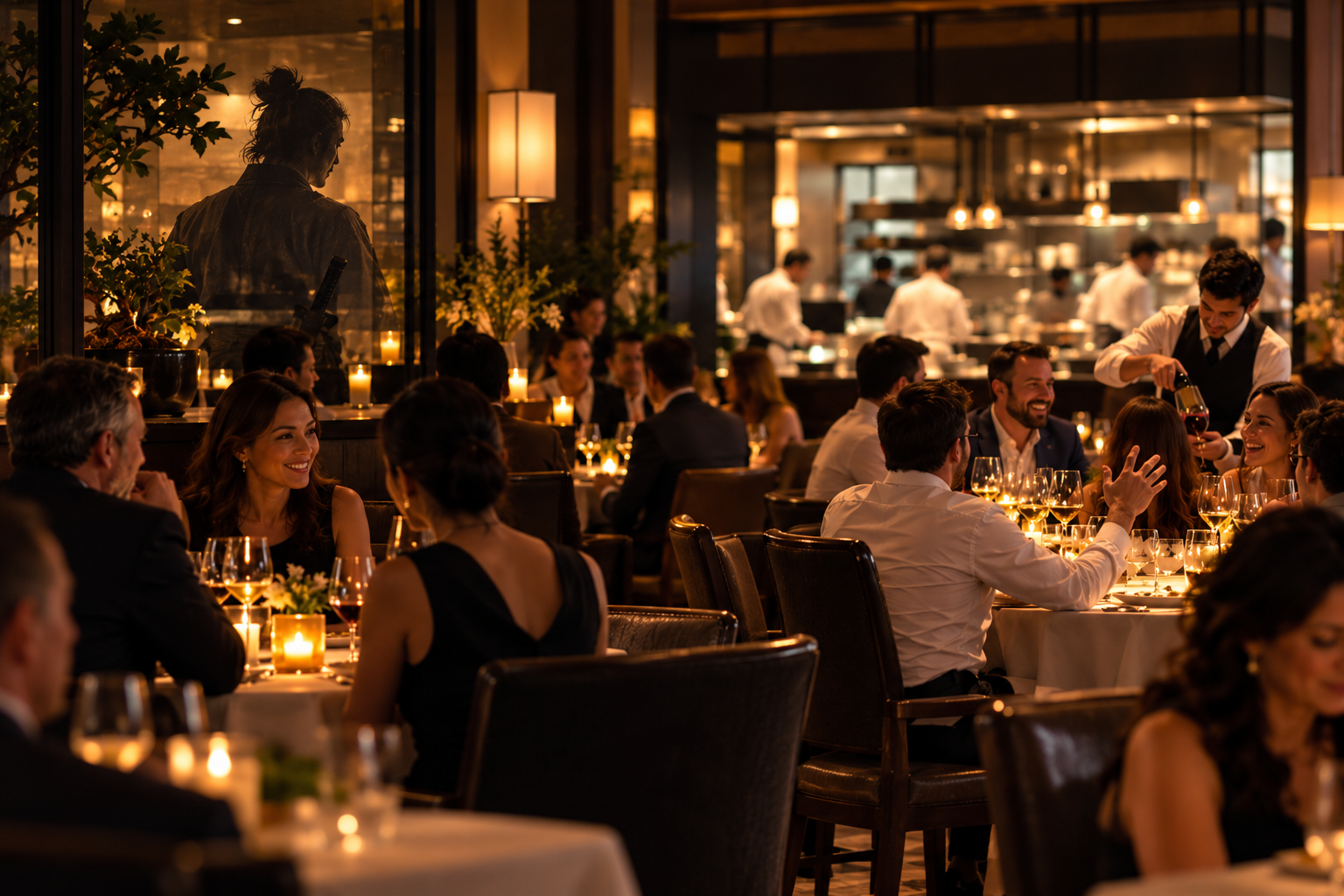
In a busy dining room, the table demanding the most attention can quietly change the experience for everyone else. Drawing on Miyamoto Musashi’s distinction between observation and perception, The Discipline of Attention explores the judgment, awareness, and restraint required to keep the whole room in view.
The Hardest Shift is the Quiet One
A quiet dining room should make service easier. Yet slow nights are often when complacency takes hold, attention drifts, and small mistakes become impossible to excuse. A reflection on vigilance, leadership, and maintaining hospitality standards when business slows.
One Year in Paradise
One year after launching Foodie in Paradise, the publication looks very different from where it began. A reflection on how food, wine, restaurants, and lived hospitality gradually shaped what Foodie became.
Consistency Without Sameness
Consistency does not require every restaurant to look, sound, or communicate in exactly the same way. The strongest hospitality brands protect what should remain consistent while leaving enough room for each operation to respond to the people, place, and moment in front of it.
So You Want to Open a Food Truck?
Part V: Does the Truck Actually Make Money?
The service window may be open for only a few hours, but the business has to pay for the entire operating day. The final installment brings labor, food cost, maintenance, owner compensation and break-even together to answer the question that matters most: after paying for everything — including yourself — is there actually a business left?
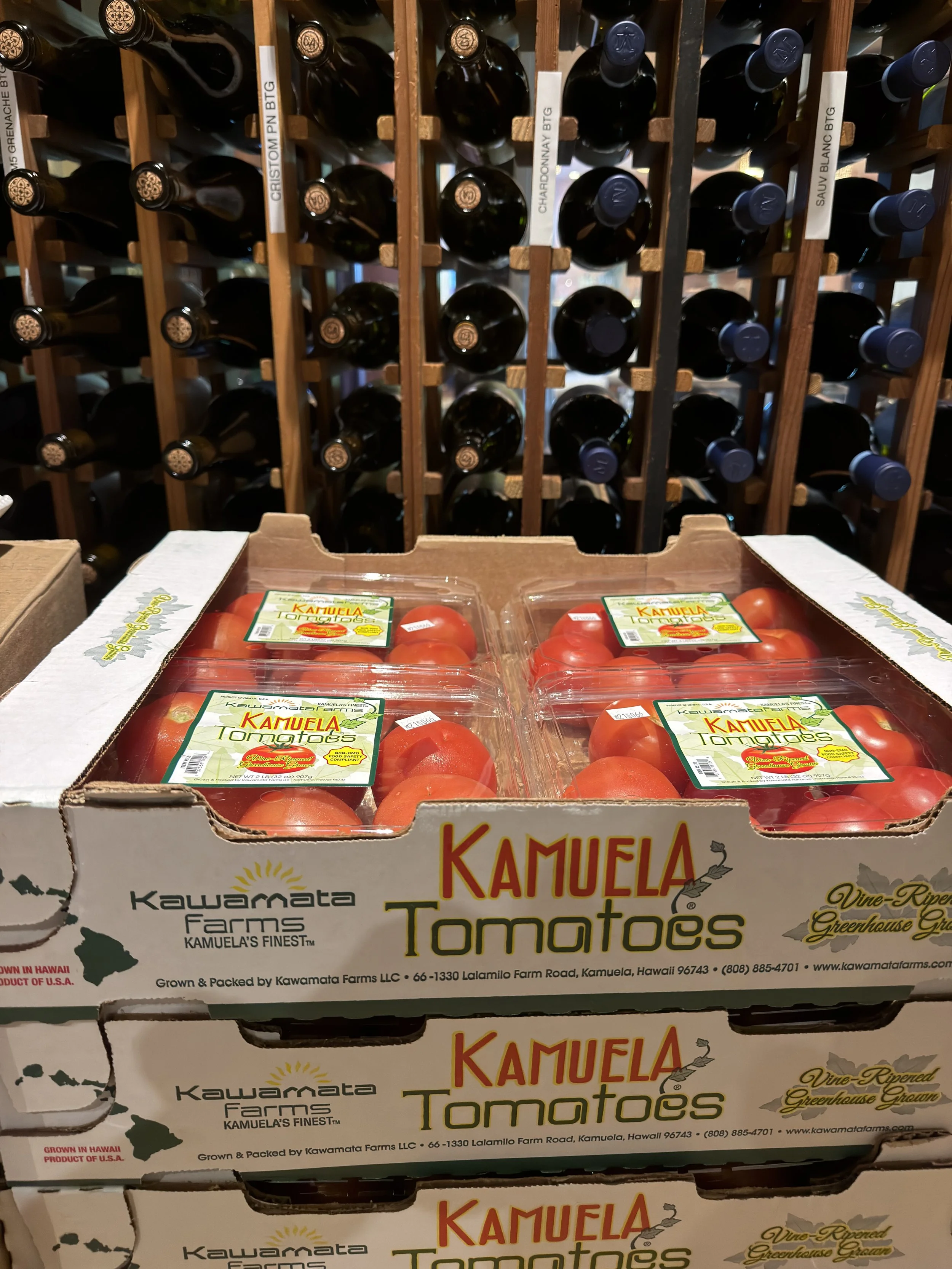
Should You Ripen Tomatoes in a Wine Cellar?
At my restaurant, tomatoes are kept in the wine cellar — cool, but not cold. Does that actually help them ripen? A closer look at temperature, flavor, chilling injury, and why restaurant storage is really about controlling the clock.

The Blindfold
A guest couldn't tell whether the wine in his glass was red or white. Others discovered they loved foods they'd avoided for years. During a series of Dining in the Dark dinners at Formaggio Grill, I learned that our palates are shaped as much by expectation as by flavor. The lesson reached far beyond the dinner table.
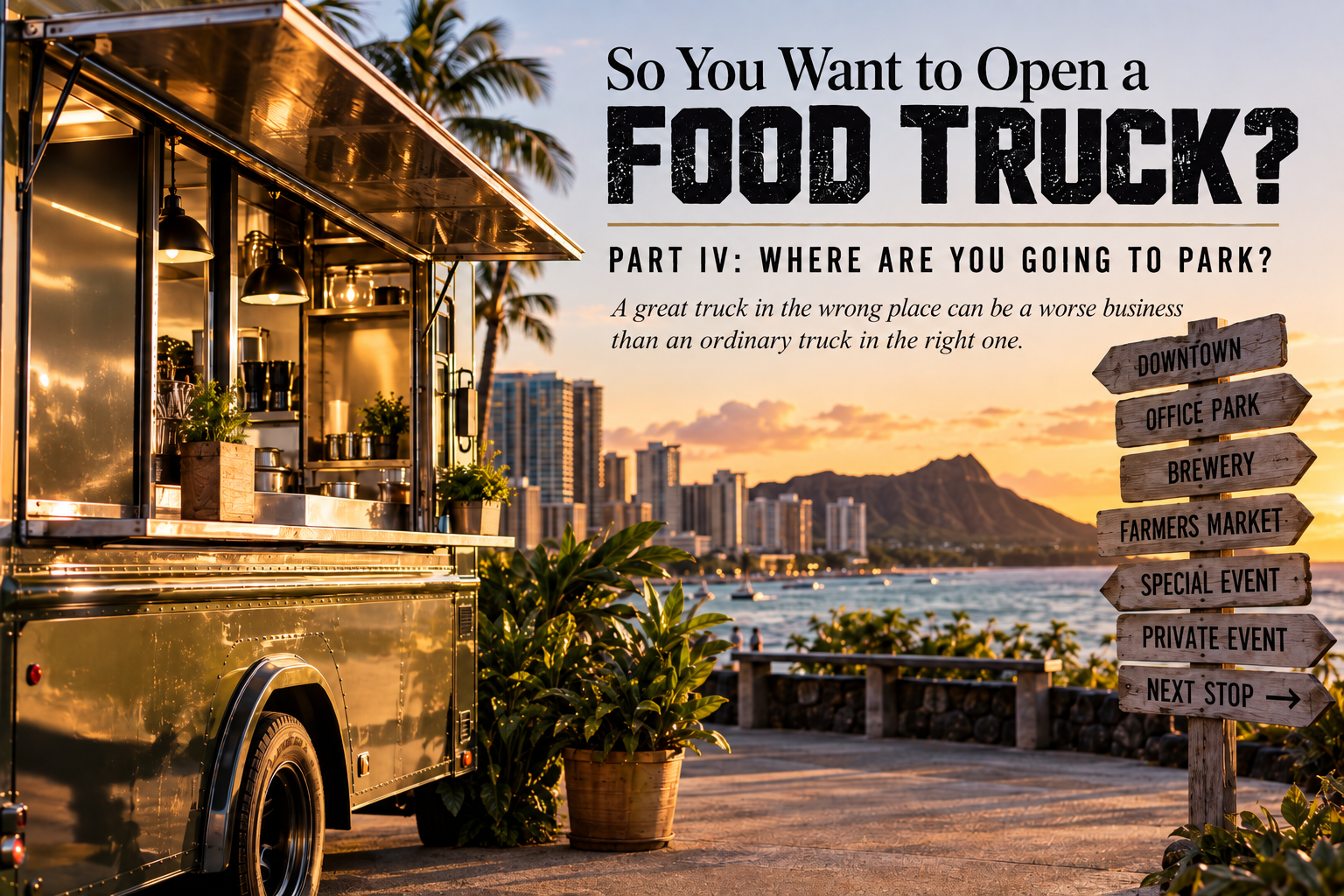
So You Want to Open a Food Truck?
Part IV: Where Are You Going to Park?
A food truck has wheels, but mobility does not make location less important. This installment looks at recurring stops, events, customer capture, weather, legal constraints and why the best location is the one that repeatedly produces enough profitable demand to make showing up worthwhile.
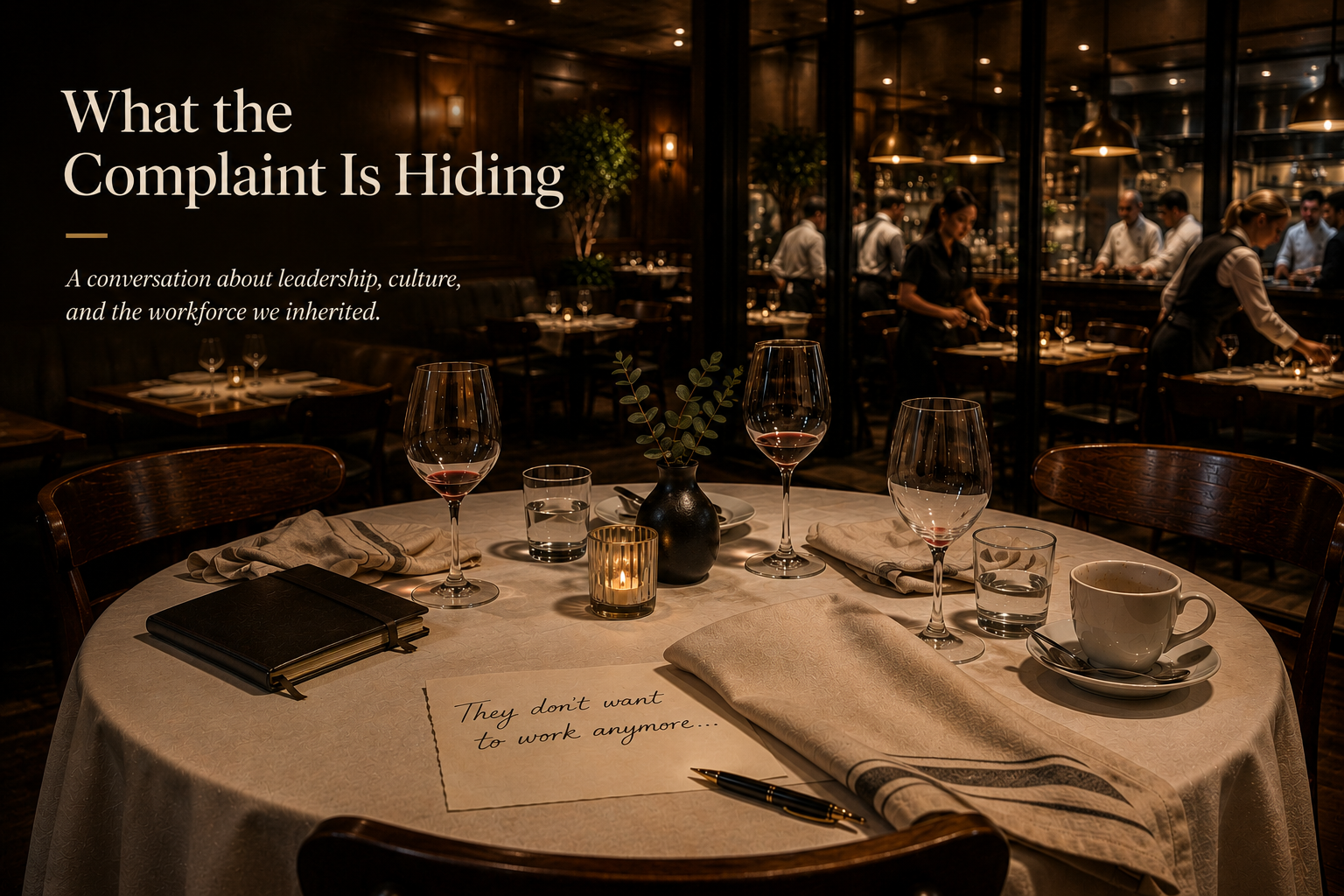
The Cost of Blaming a Generation
Every generation believes the next one doesn't want to work. Hospitality has been having the same conversation for centuries. But what if the complaint is pointing us in the wrong direction? This essay explores why blaming a generation explains very little, and why the operators who thrive are the ones willing to lead the workforce they have—not the one they wish they had.
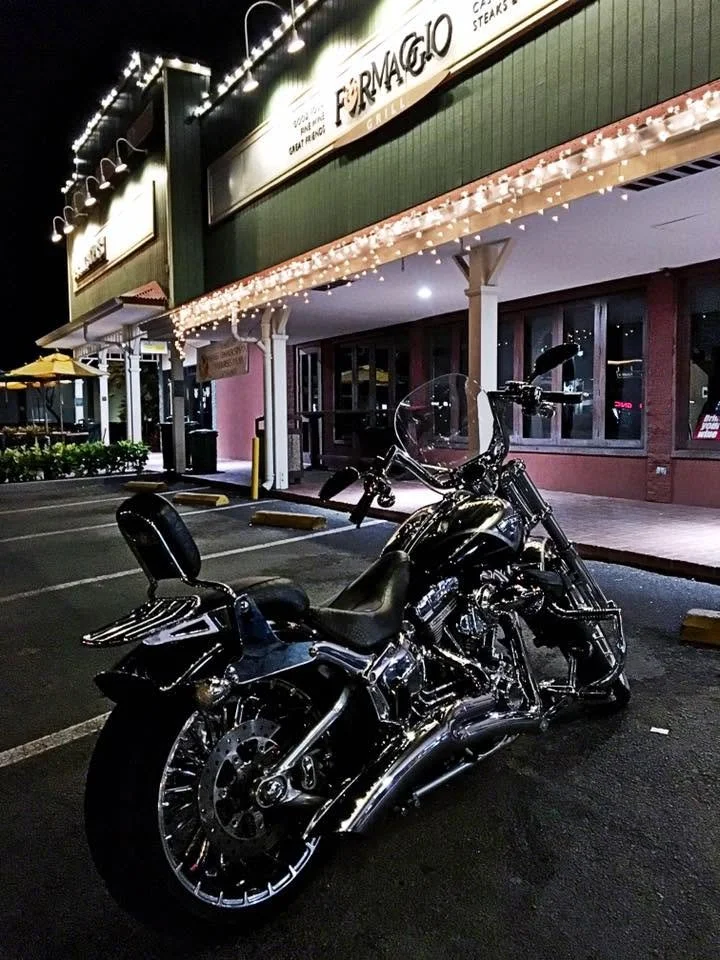
The Restaurant Next Door
Every neighborhood has one. The restaurant next door—the familiar little place that quietly becomes part of your life. It rarely makes headlines, yet it may be one of the most important places in the neighborhood.
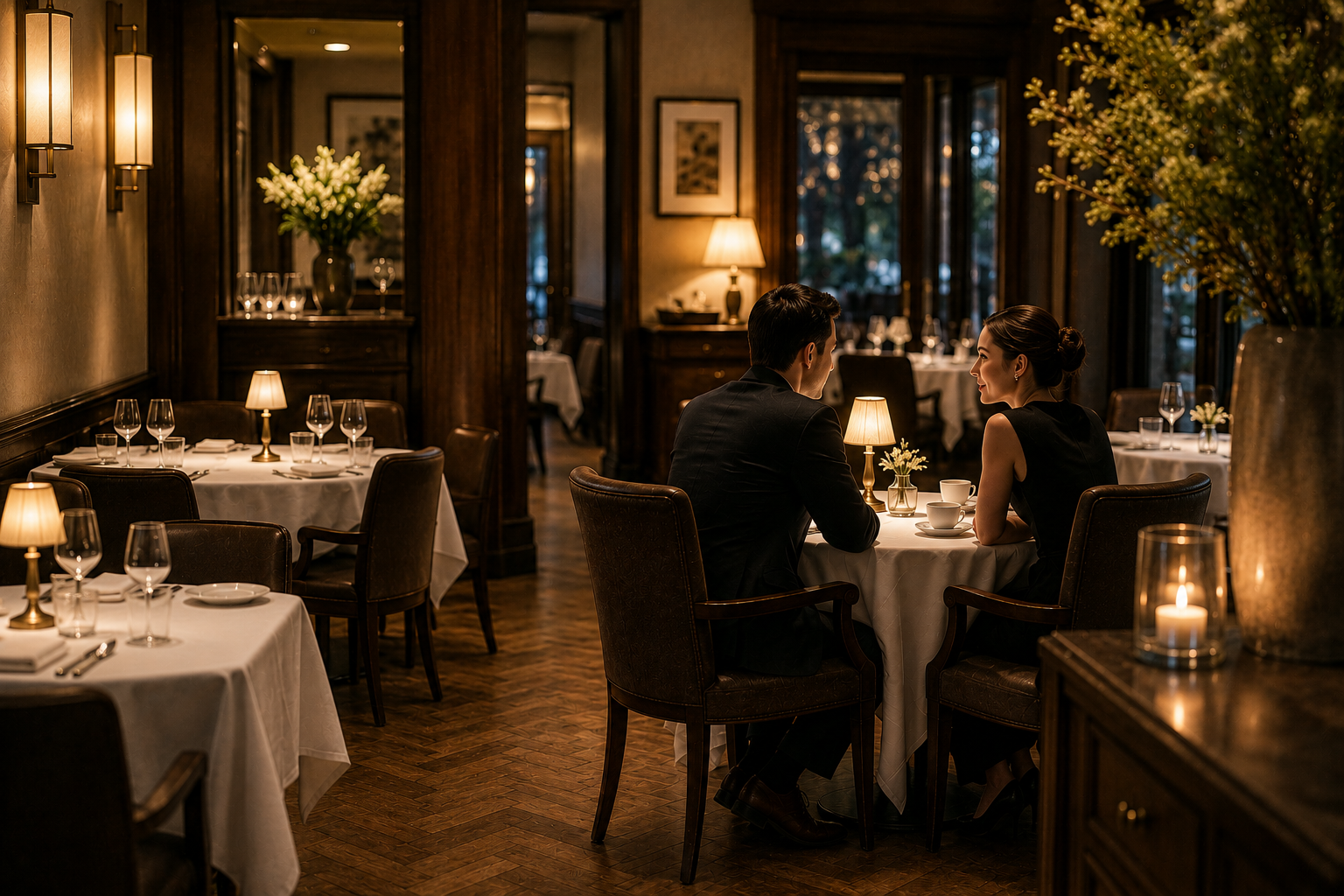
The Last Table
The end of the night is the part of restaurant service most often handled with the least care. Long after a guest has forgotten what they ordered, what they drank, what they paid — they will remember whether they felt welcome until the very end. The check is not where hospitality ends. It is where hospitality is finally tested.
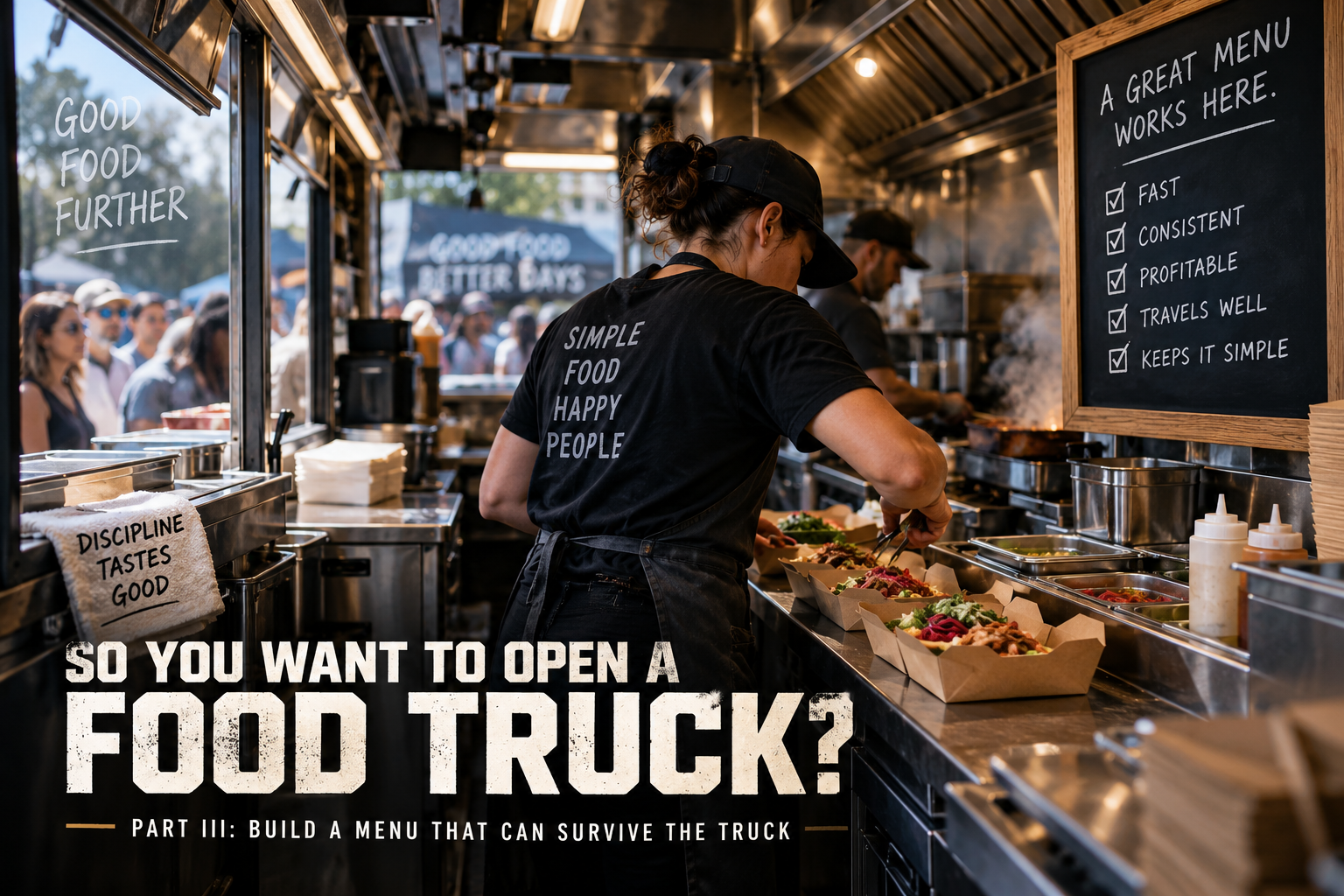
So You Want to Open a Food Truck?
Part III: Build a Menu That Can Survive the Truck.
A strong food-truck menu is not simply a collection of good dishes. It has to move quickly, use ingredients intelligently, control prep and waste, travel well, and remain profitable when orders arrive all at once. This installment looks at why simplicity, throughput and disciplined menu design matter as much as flavor.
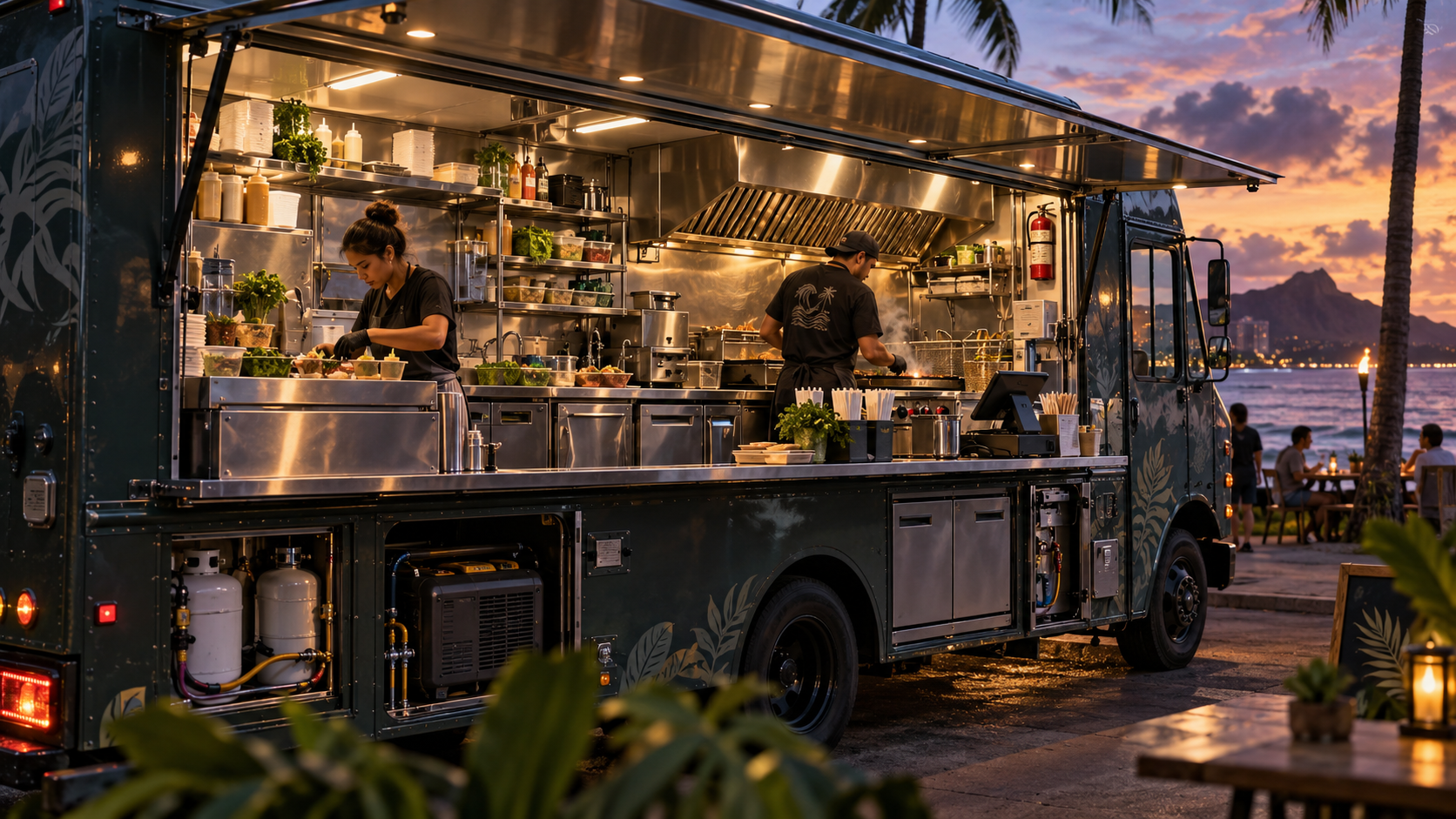
So You Want to Open a Food Truck?
Part II: The Truck Is the Kitchen
A food truck kitchen has to do far more than fit the opening menu. Every appliance, gallon of water, cubic foot of refrigeration and inch of workspace competes for limited weight, power and space. Part II looks at how to build a truck that works efficiently today without making tomorrow’s menu changes unnecessarily expensive.
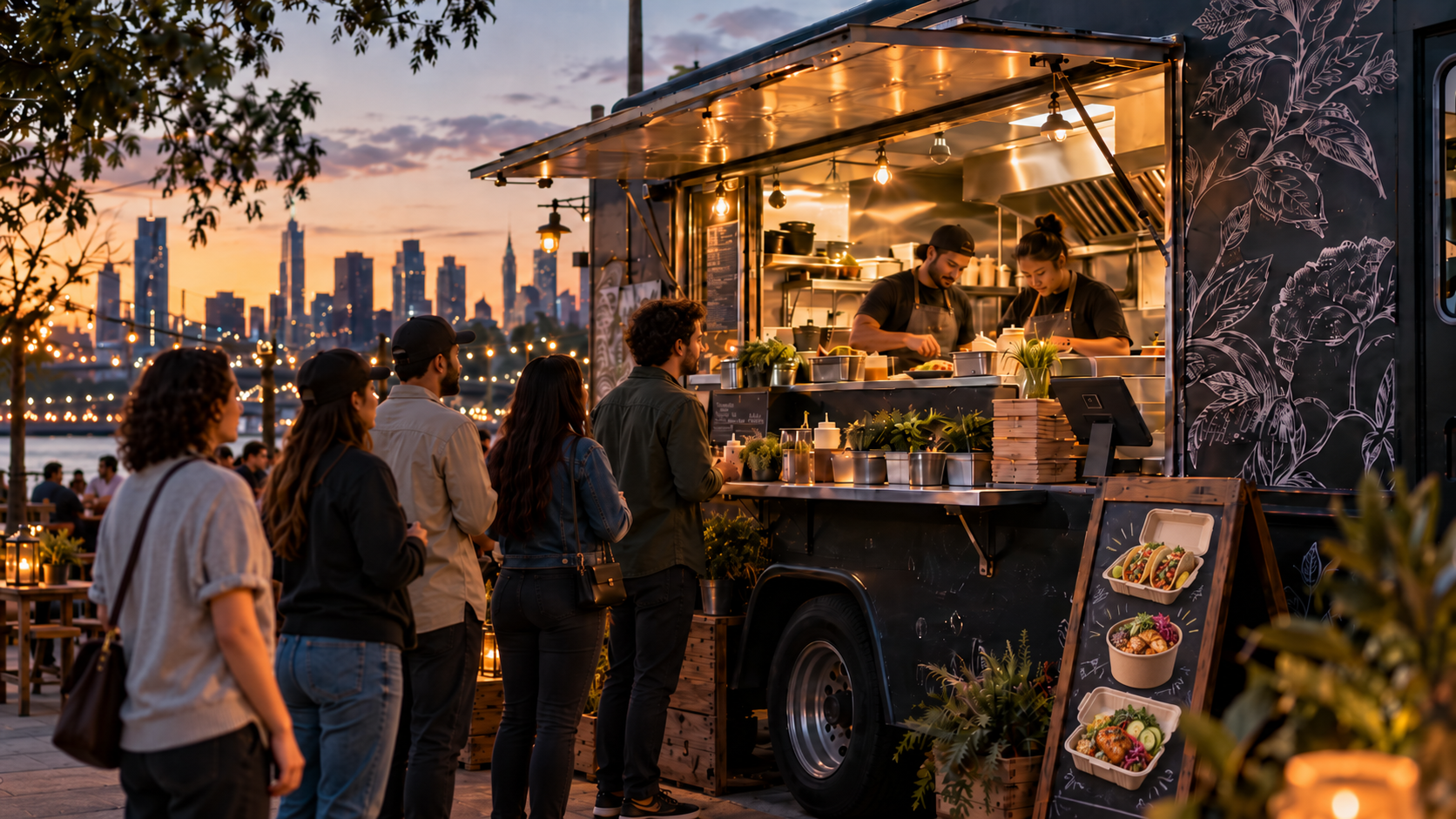
So You Want to Open a Food Truck?
Part I: Before You Buy the Truck
A food truck may look like a simpler restaurant, but the business is more complicated than the vehicle suggests. Before buying the truck, define the customer, location strategy, menu, regulatory requirements, startup capital and production limits — then prove on paper that the business can actually make money.

The Delayed Termination
The staff already knows. The room already feels it. The delayed termination is rarely a mystery — it is a decision that has already been made and not yet acted upon. What that gap costs, and why the room almost always exhales when it finally closes.
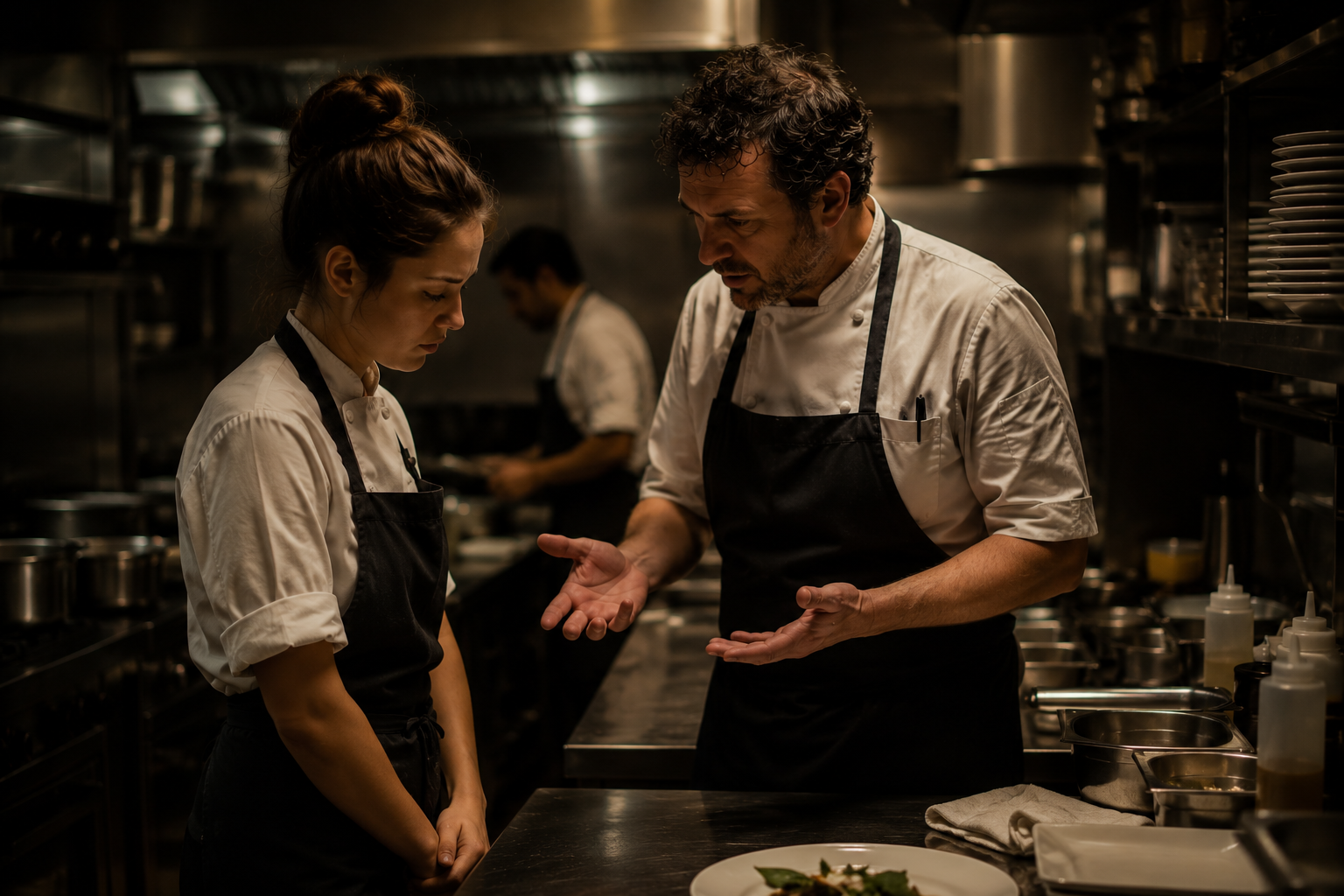
The Delayed Decision
The decision is usually made long before it is acted upon. Most consequential decisions in hospitality don't arrive suddenly — they arrive slowly, recognized early, acted upon late. This series examines what lives in that gap.
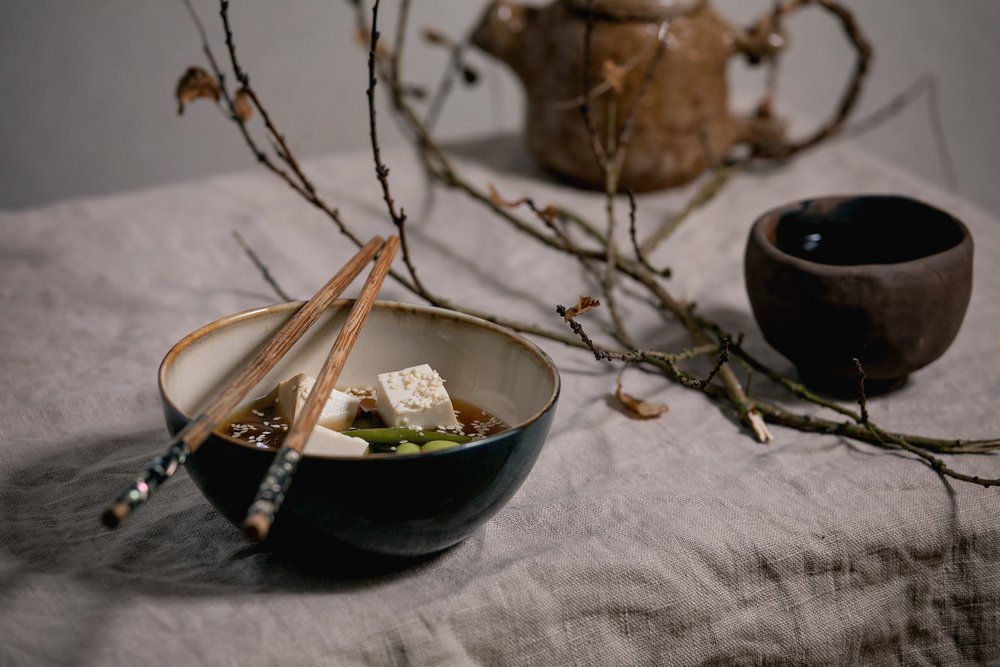
What We Owe the Table
A Japanese word spoken before meals. An invisible chain of labor that holds together long enough for one moment of simplicity to arrive intact at the table. What modern dining culture forgets — and what hospitality has always known.
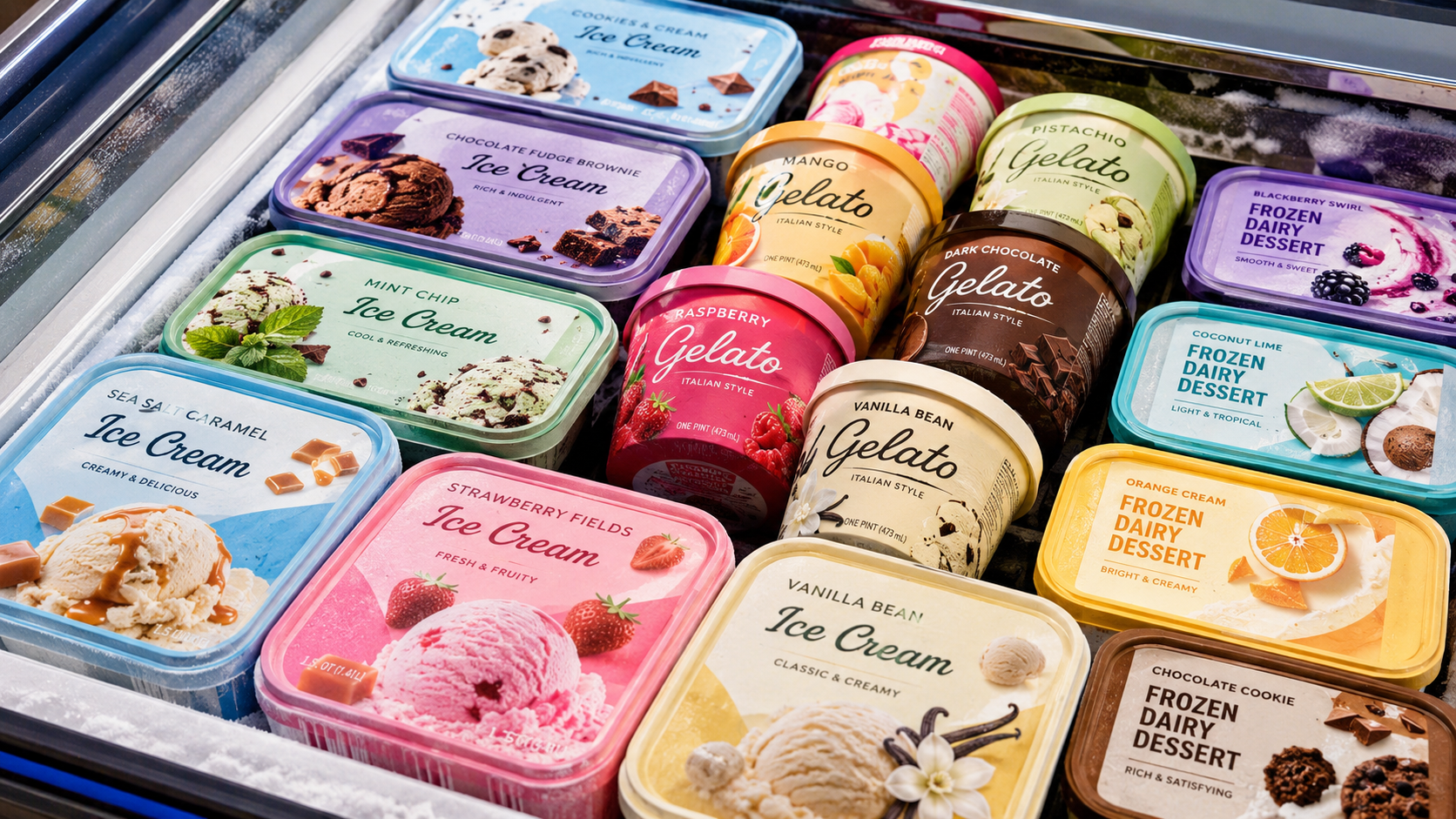
What’s the Difference Between Ice Cream and Gelato?
Ice cream and gelato may share the same freezer case, but they are built differently — and in the United States, only one of them has a federal legal definition. Add the growing number of familiar supermarket products now labeled “frozen dairy dessert,” and the distinctions get even more interesting.
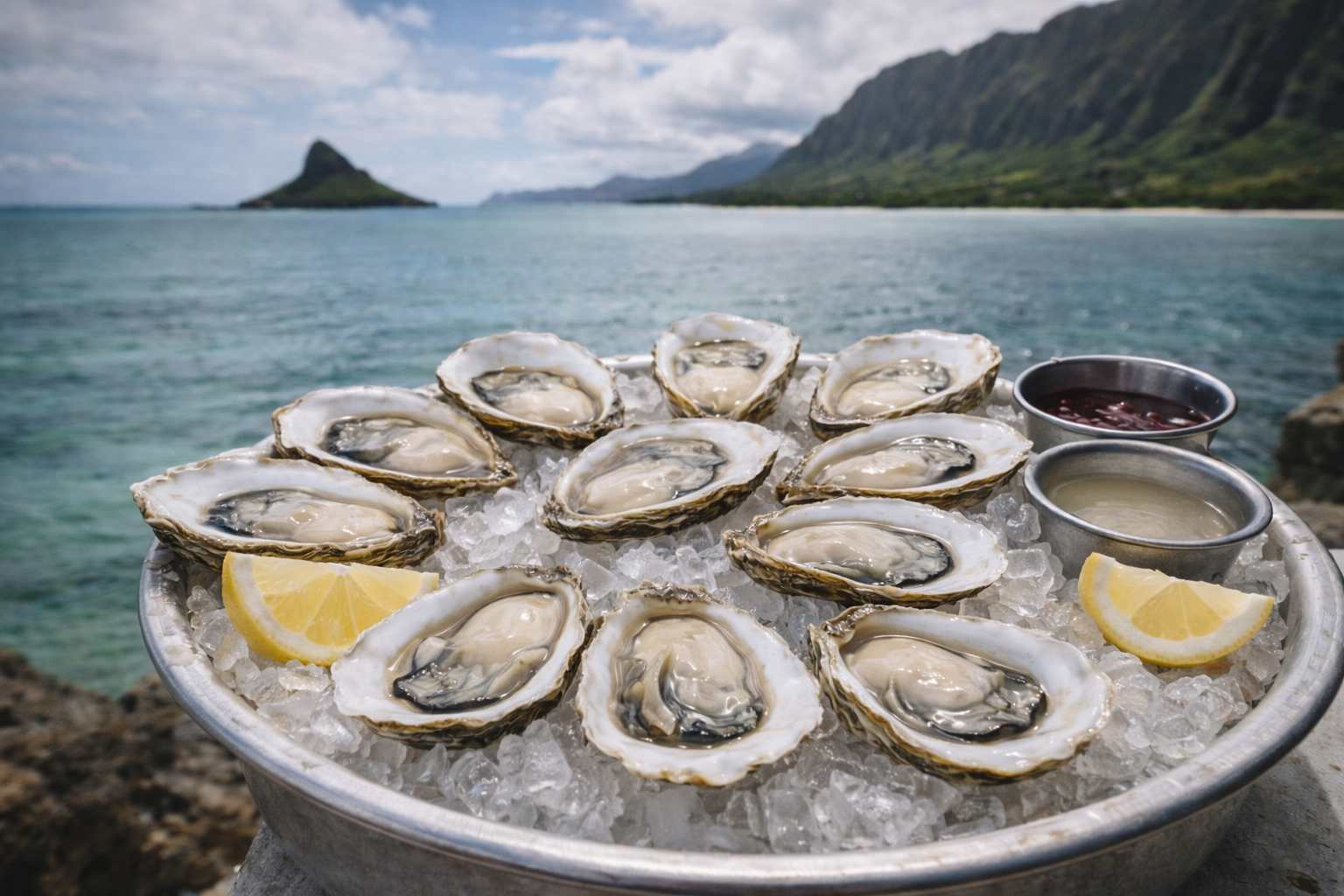
Merroir
The word arrived in wine country before it arrived at the oyster bar. Merroir — the marine equivalent of terroir — is the idea that an oyster tastes of the water it came from. The term is useful. It is also incomplete. An oyster does not simply absorb its environment. It filters it — actively, continuously, at a rate of approximately fifty gallons of water per day — and what it retains is determined by its biology as much as its geography.
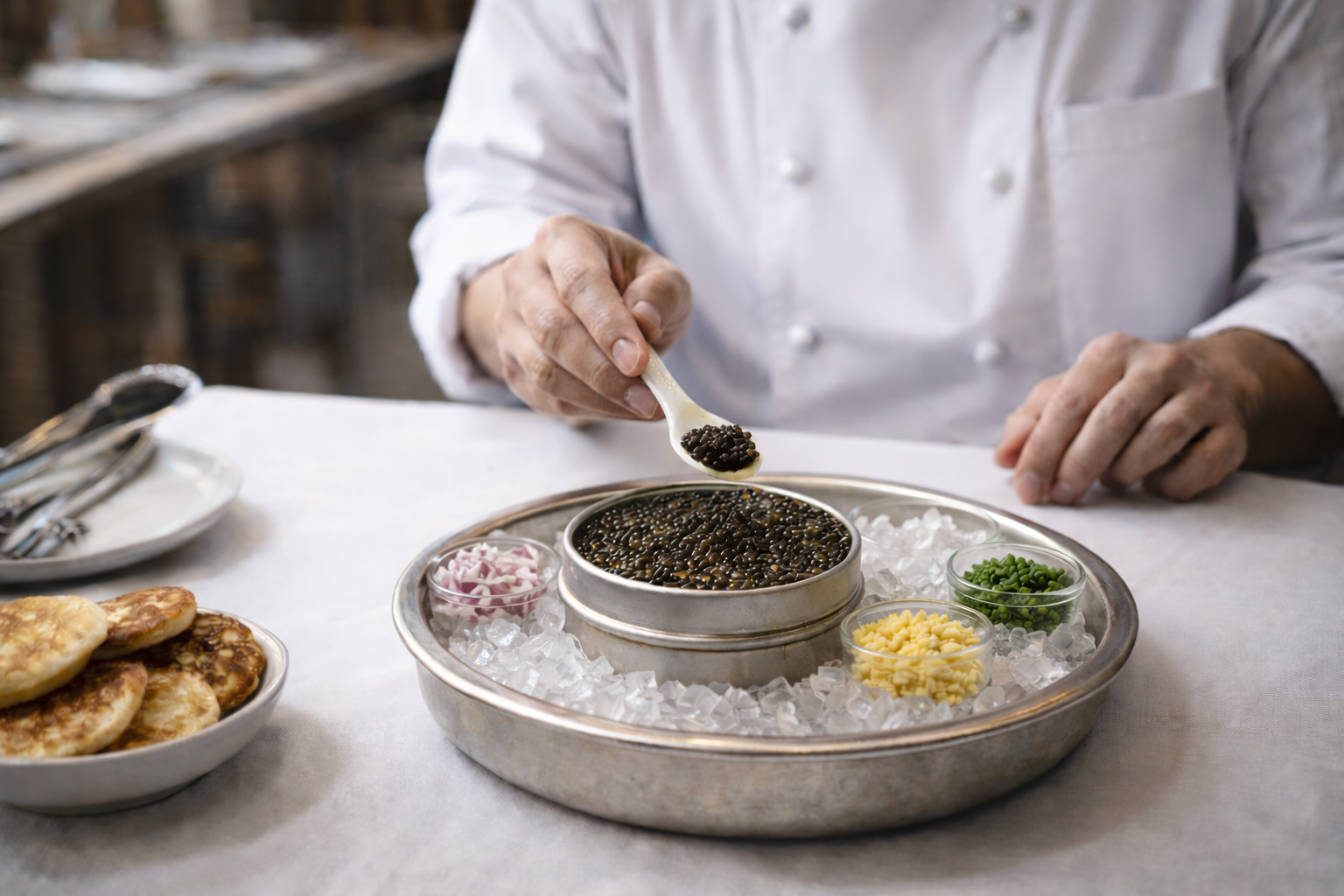
The Cold Chain
She had declared herself a vegan before the order was complete. It required a pause — the professional kind, brief and invisible to the table. Then she answered it herself. "But the fish aren't born yet." She was right that she loved caviar. She was wrong about the biology. And that gap — between loving caviar and understanding what it is — is the industry's standard operating condition.