
Share
An unfolding archive of food, culture, and craft.
Merroir
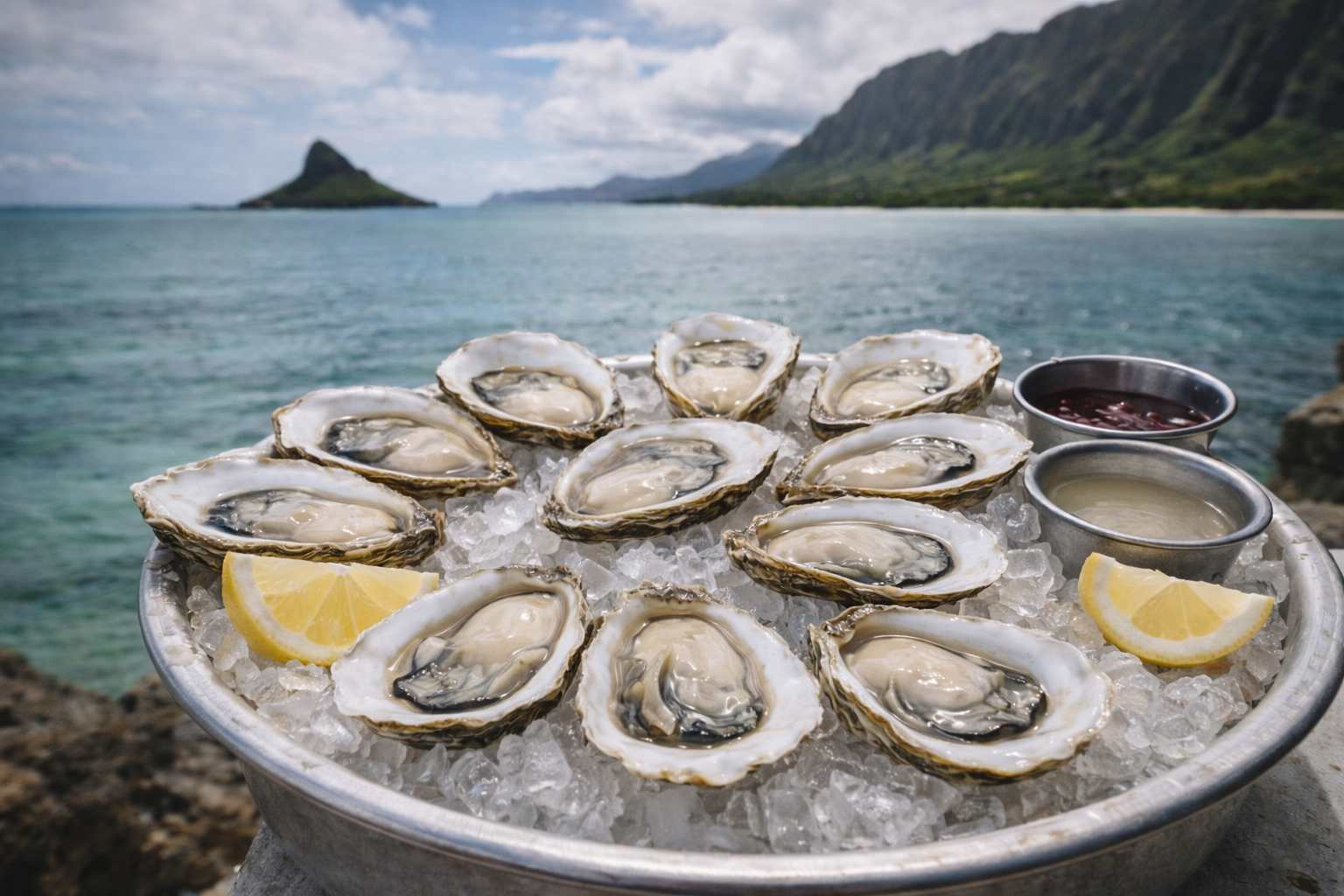
The word arrived in wine country before it arrived at the oyster bar. Merroir — the marine equivalent of terroir — is the idea that an oyster tastes of the water it came from. The term is useful. It is also incomplete. An oyster does not simply absorb its environment. It filters it — actively, continuously, at a rate of approximately fifty gallons of water per day — and what it retains is determined by its biology as much as its geography.
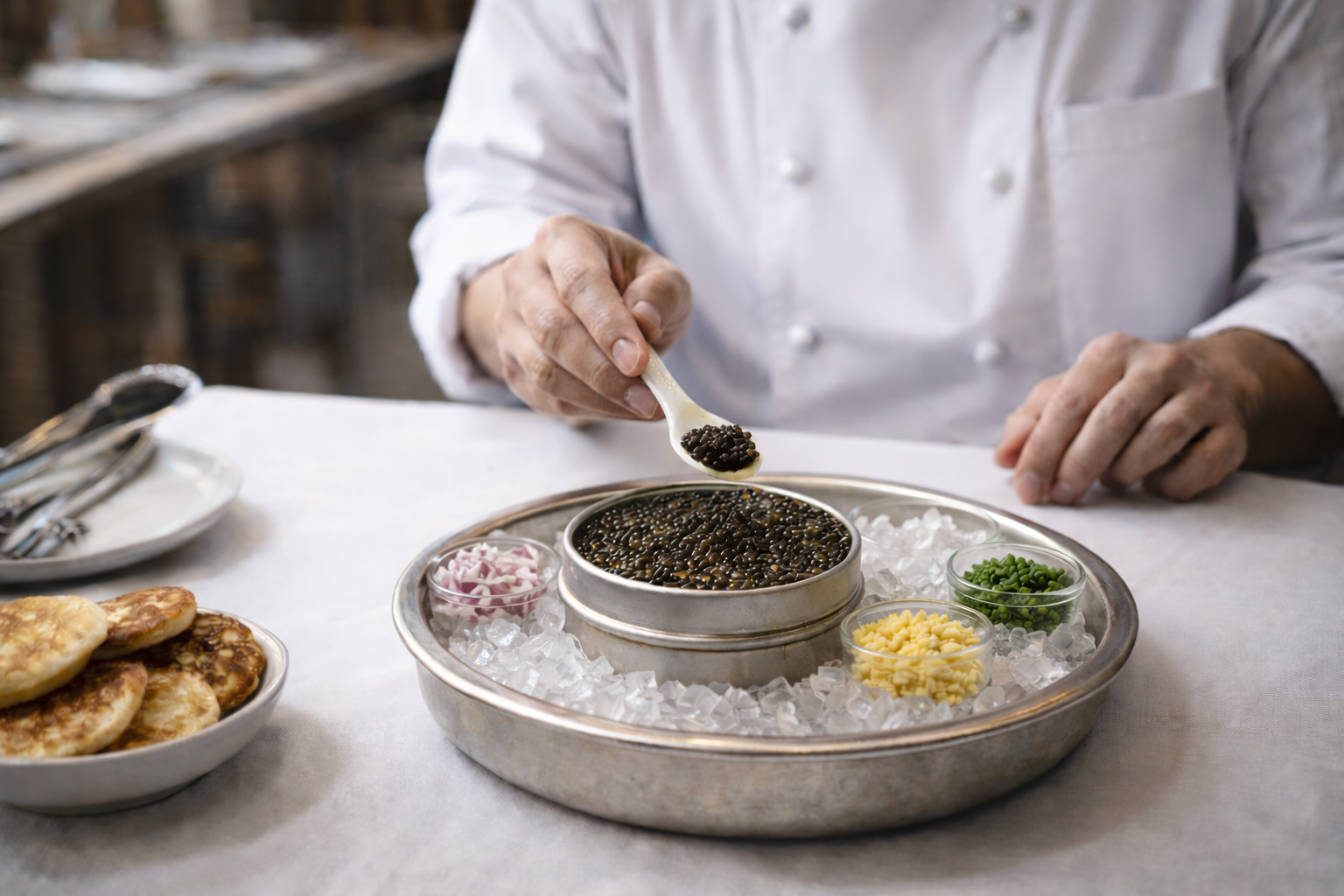
The Cold Chain
She had declared herself a vegan before the order was complete. It required a pause — the professional kind, brief and invisible to the table. Then she answered it herself. "But the fish aren't born yet." She was right that she loved caviar. She was wrong about the biology. And that gap — between loving caviar and understanding what it is — is the industry's standard operating condition.
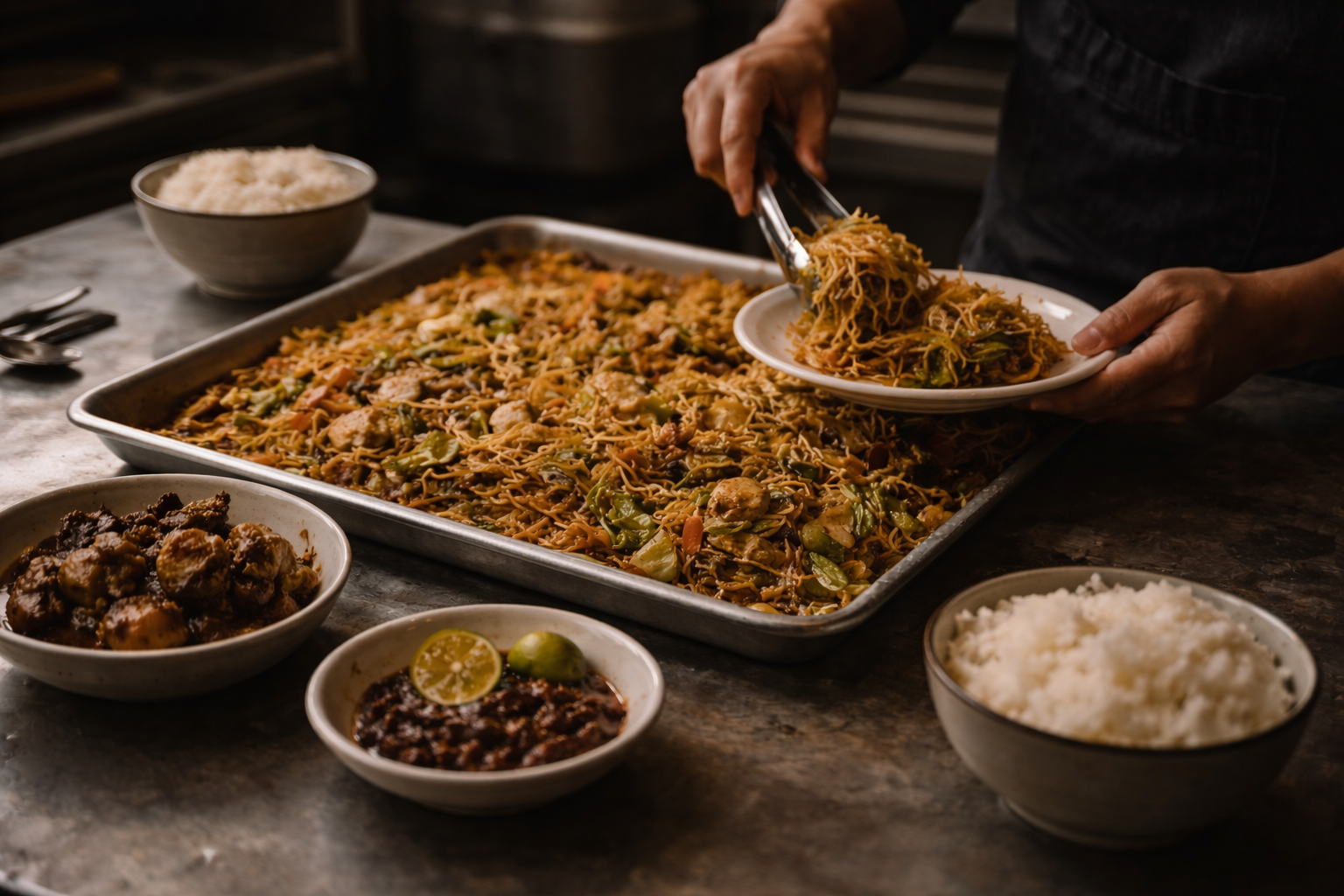
Before Adobo
The pancit was already on the table when the shift ended. It had been sitting for a while. It was still good — maybe better. One of the cooks caught me going back for a second plate and grinned. "You know what's in there?" He was already laughing. Billy goat, he said. Maybe black dog. I took a third plate. What I did not understand then was that the joke and the food were the same thing.
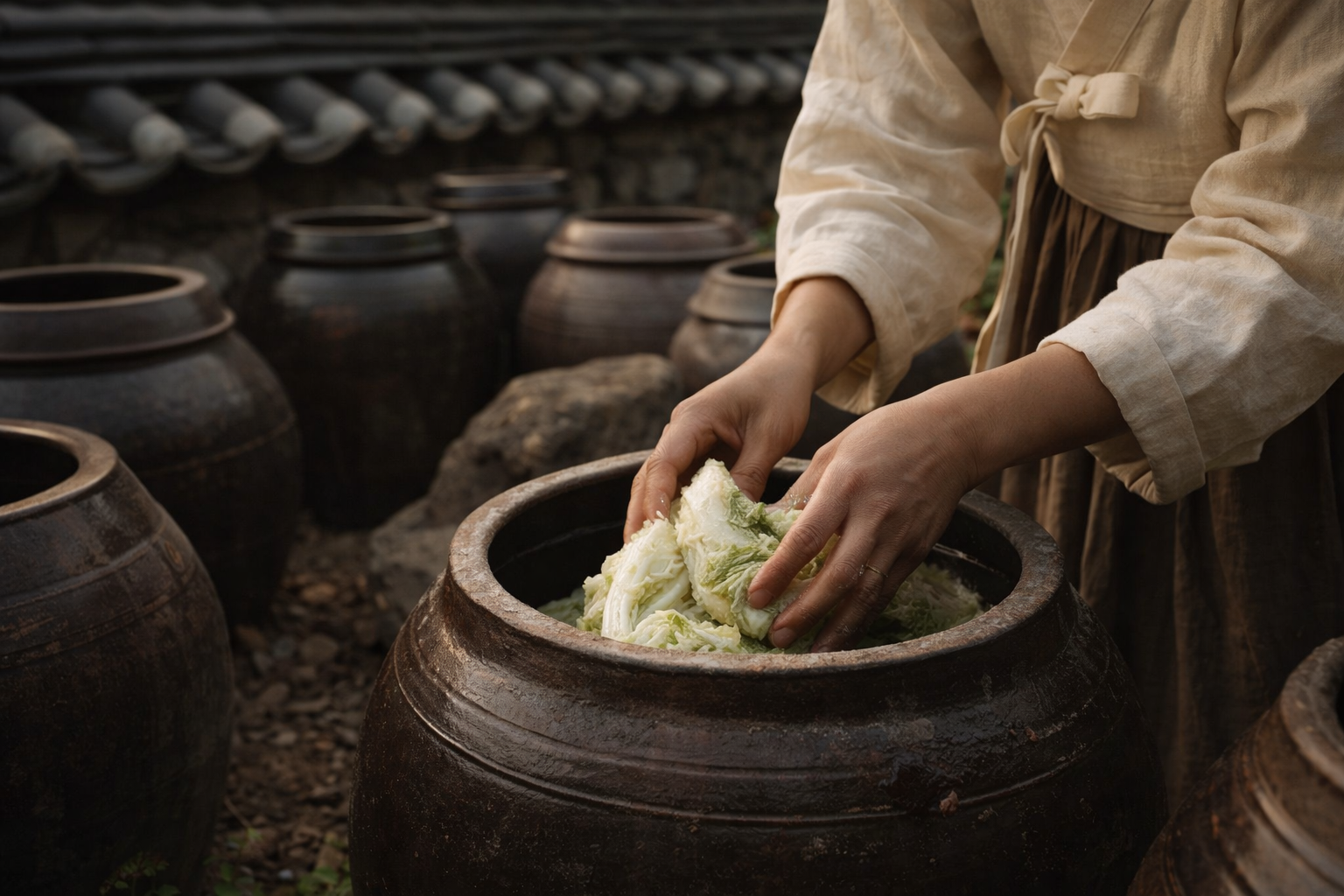
Korea Before the Grill
Korean barbecue has become the cuisine's global face. But the grill is celebration — it is the moment the system relaxes. To understand the system, you have to step away from the fire and consider what the Korean peninsula was building across centuries before the first tourist photographed a meat-laden grill.
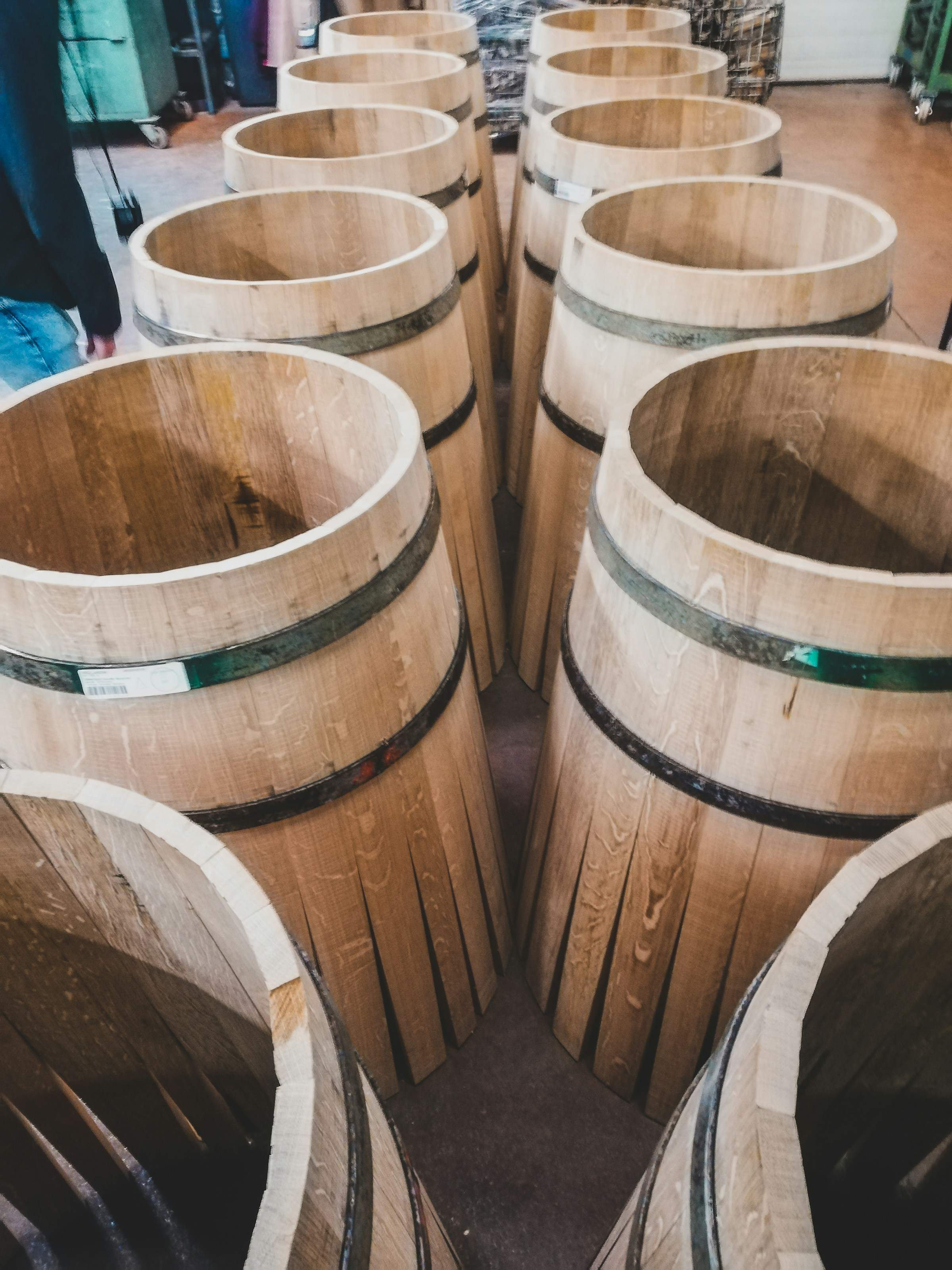
French Oak vs. American Oak
French oak and American oak do not decorate wine — they condition it. Shaped by different forests, growth rates, and structures, each influences how wine breathes, ages, and reveals itself over time. This is not a question of better or worse, but of intention.
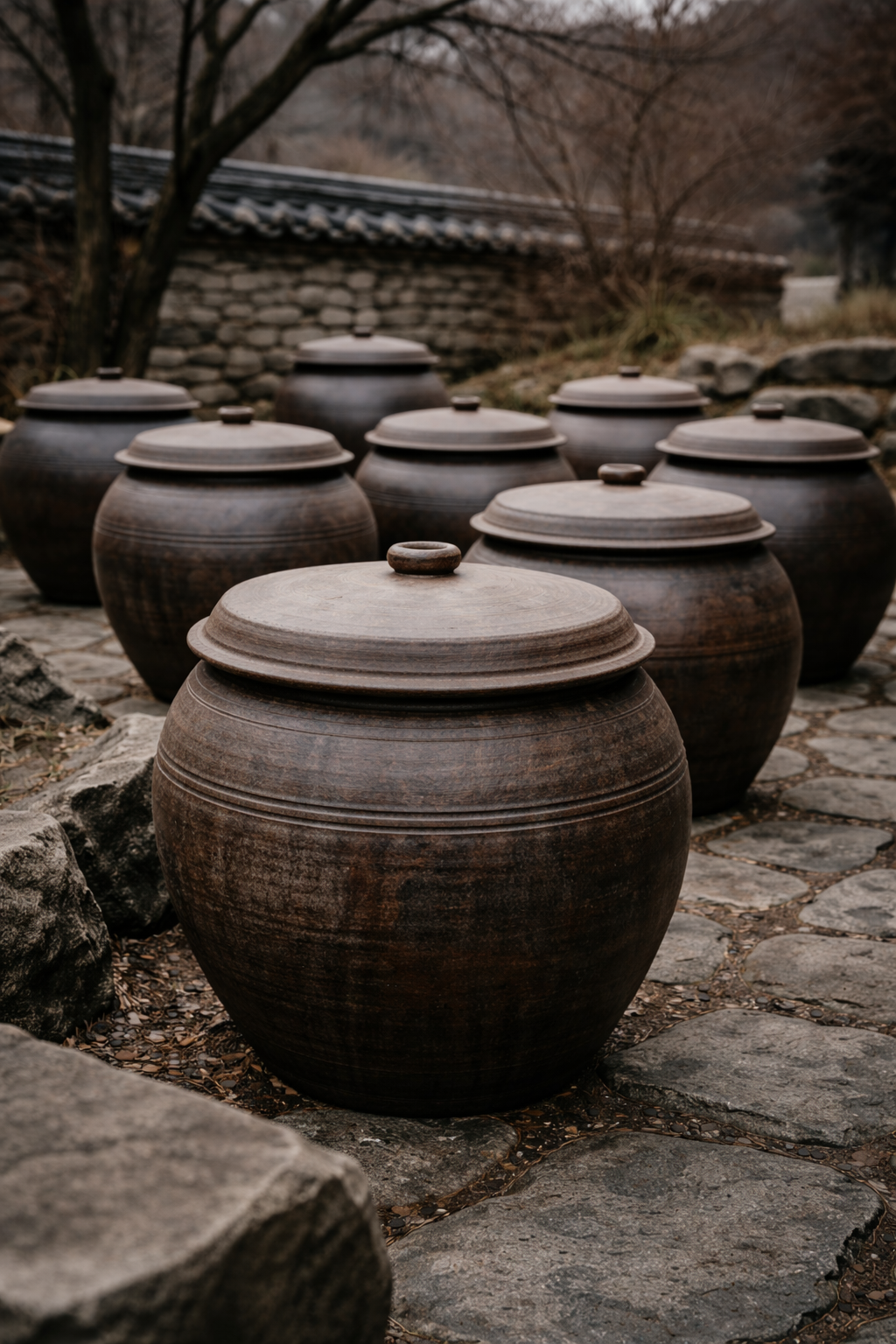
A Cuisine Built for Winter
The kimchi arrived before the grill was lit — fresh, crunchy, pulled early in its fermentation arc and calibrated for exactly this moment in the meal. The grill was the reason I had come. The kimchi was the reason the grill would keep working. To understand Korean food, you have to step away from the fire.
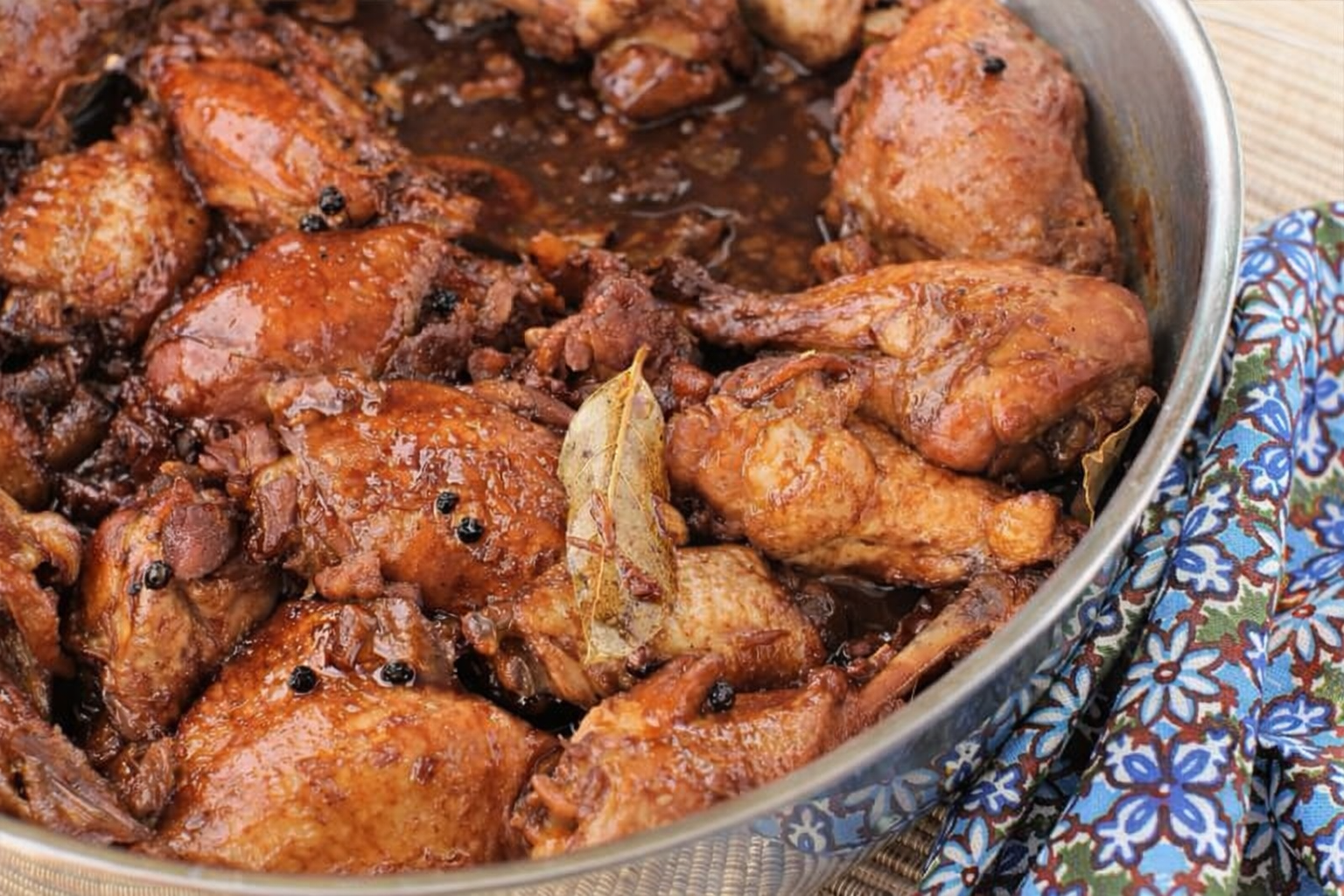
The Enduring Cuisine of the Philippines
Filipino cuisine begins with an assumption many modern kitchens no longer make: food will be interrupted. Built for heat, delay, and repetition, its intelligence lies in durability, not display.
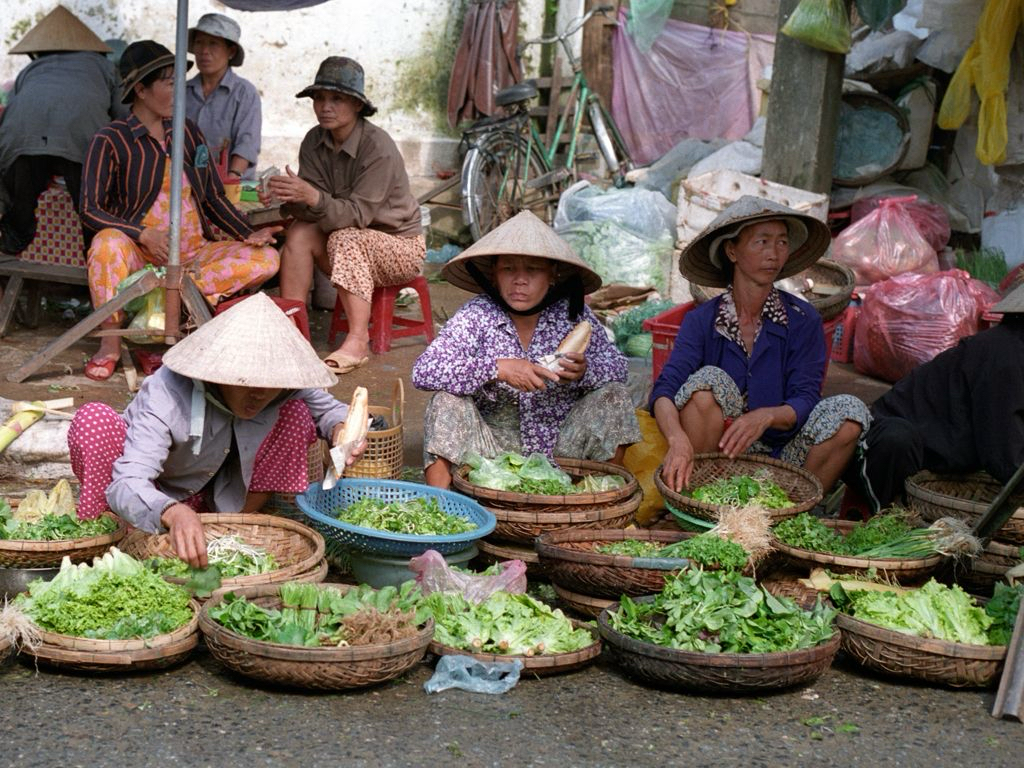
Vietnam, Beyond Pho
Pho has become Vietnam's global ambassador. For that reason it has come to represent a cuisine that is far more structurally complex than a single bowl suggests. Pho is real, but it is not foundational — and to understand the cuisine behind it, you have to follow its history through colonial contact, wartime scarcity, economic recovery, and diaspora preservation before you look at any individual dish.
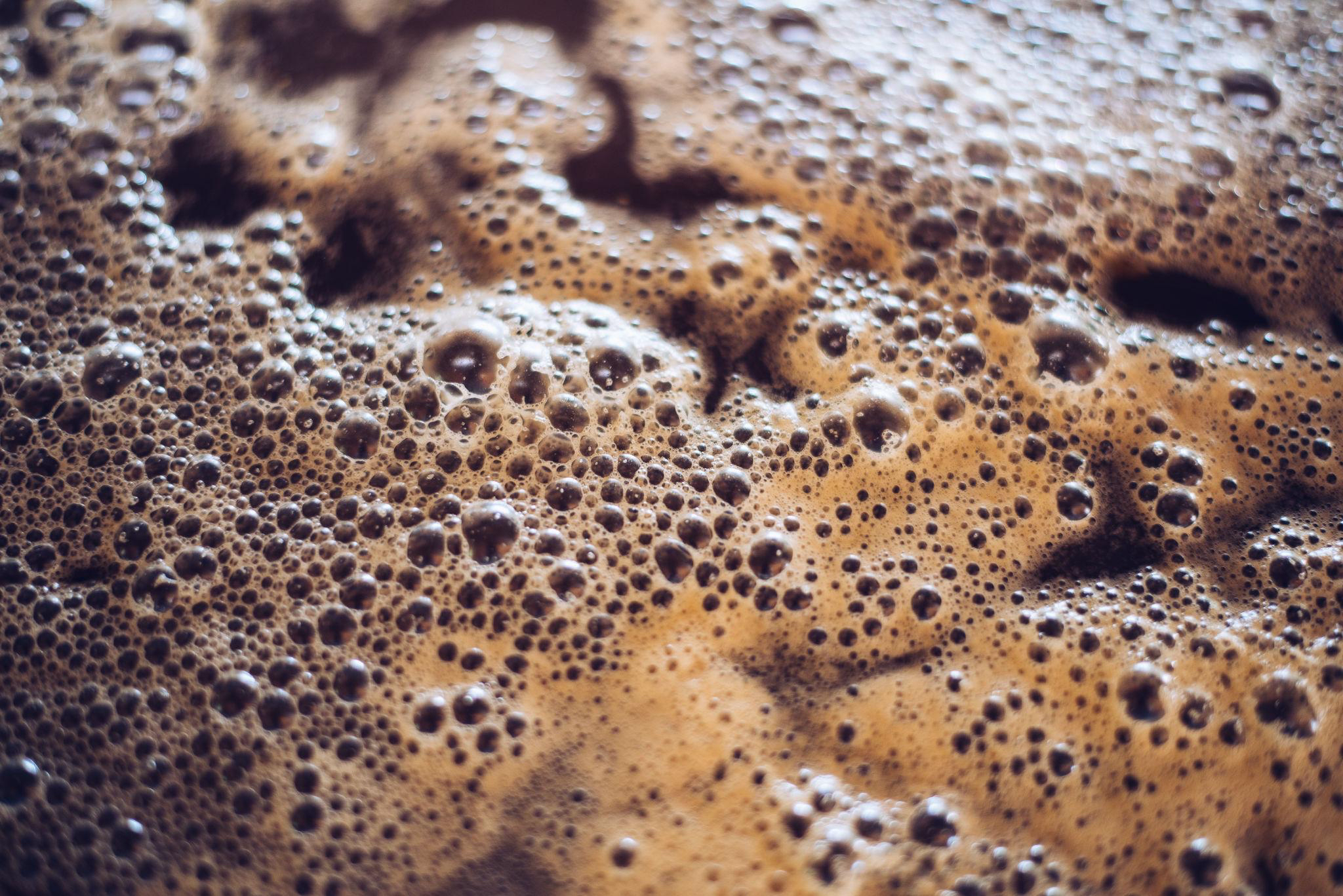
Fermentation, Reconsidered
Fermentation is often treated as novelty, wellness, or aesthetic. In truth, it is a discipline governed by time, environment, and restraint — one we have long understood through wine, and too often forgotten everywhere else.
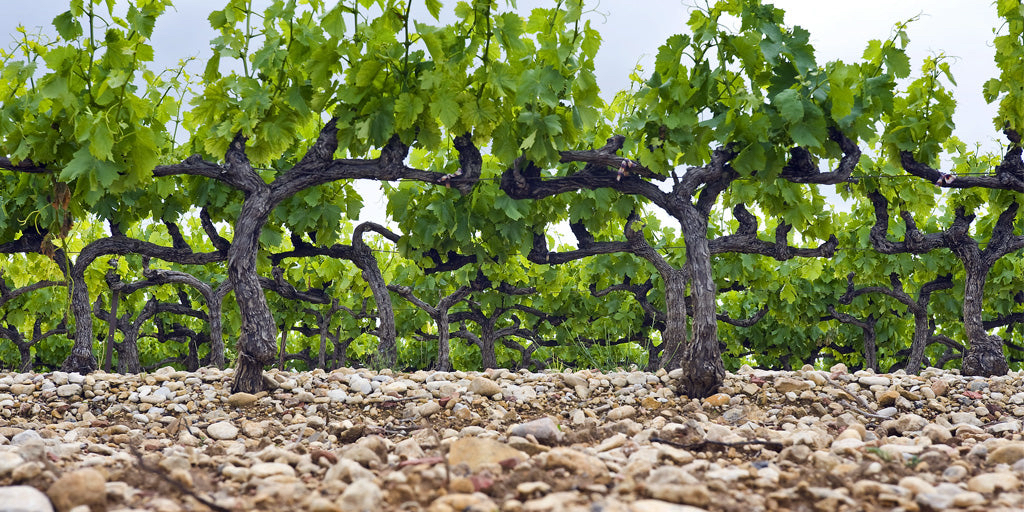
The Judgment of Paris in Context
Before the Judgment of Paris could matter, the land had to make comparison possible. This archival deep dive examines Bordeaux, Burgundy, Napa Valley, and the Stags Leap District through soil, climate, sun exposure, and growing season—revealing why these wines could stand together in 1976, long before reputation entered the room.
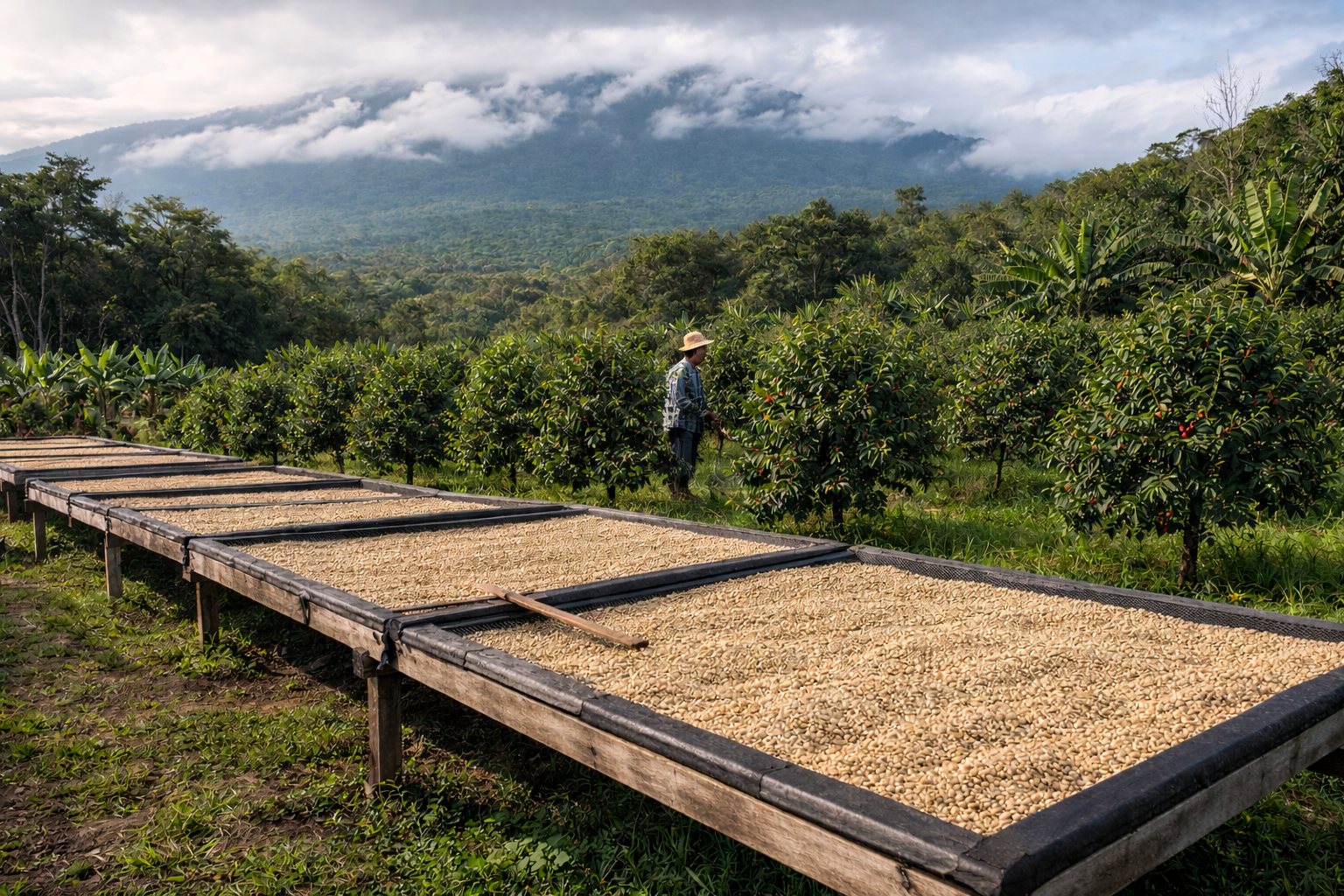
Kaʻū Coffee: Place, Process, and the Discipline of Origin
Coffee expresses place through discipline, not accident.
This essay explores how Kaʻū’s elevation, volcanic soil, farming practices, processing, and restrained roasting produce coffees defined by balance, structure, and origin.
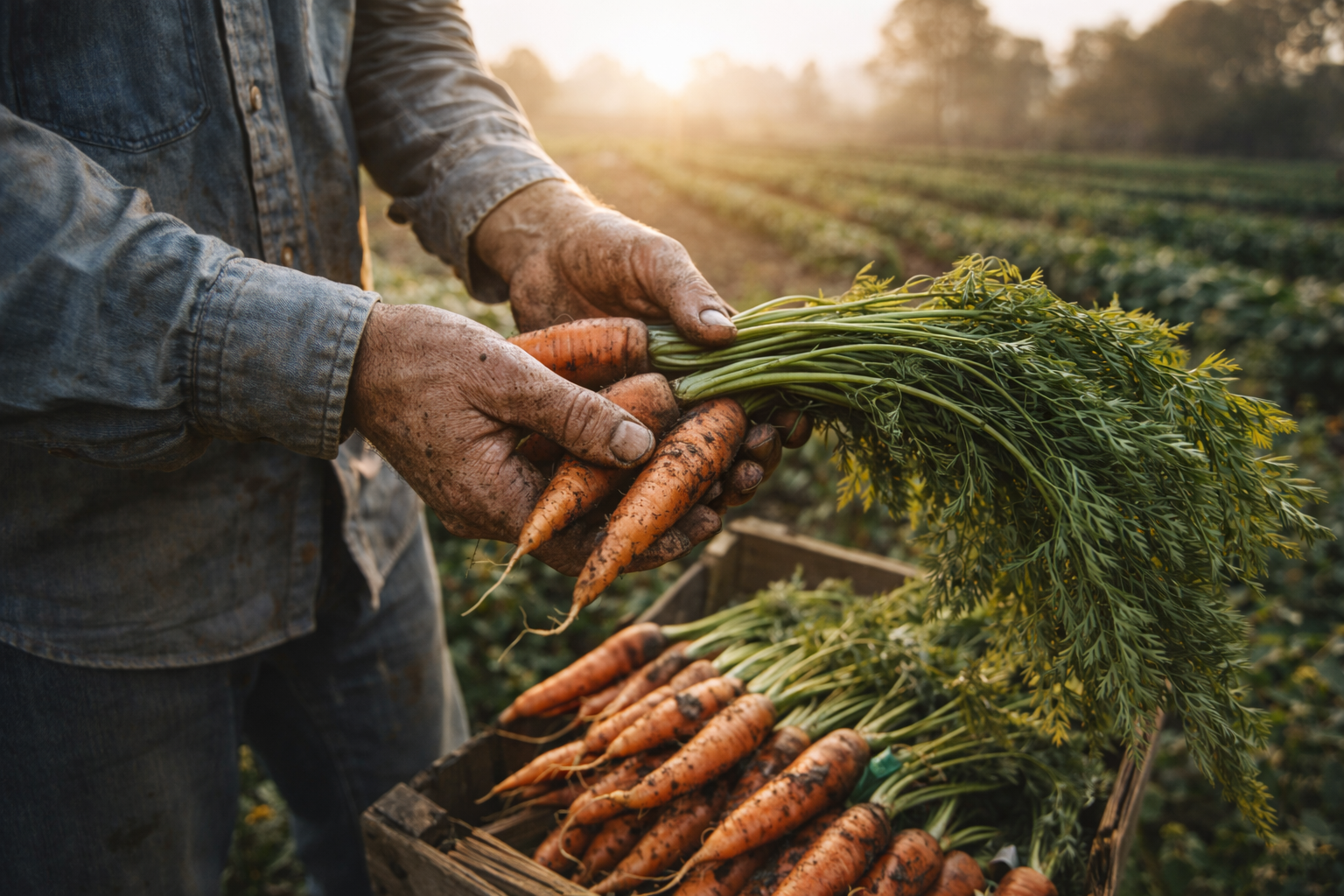
A Shift in Values
Food does not begin with a recipe. It begins with land, people, and restraint. This essay examines how three Hawaiʻi chefs moved the line—turning sourcing from a story into a standard, and redefining what seriousness looks like long before the table is set.
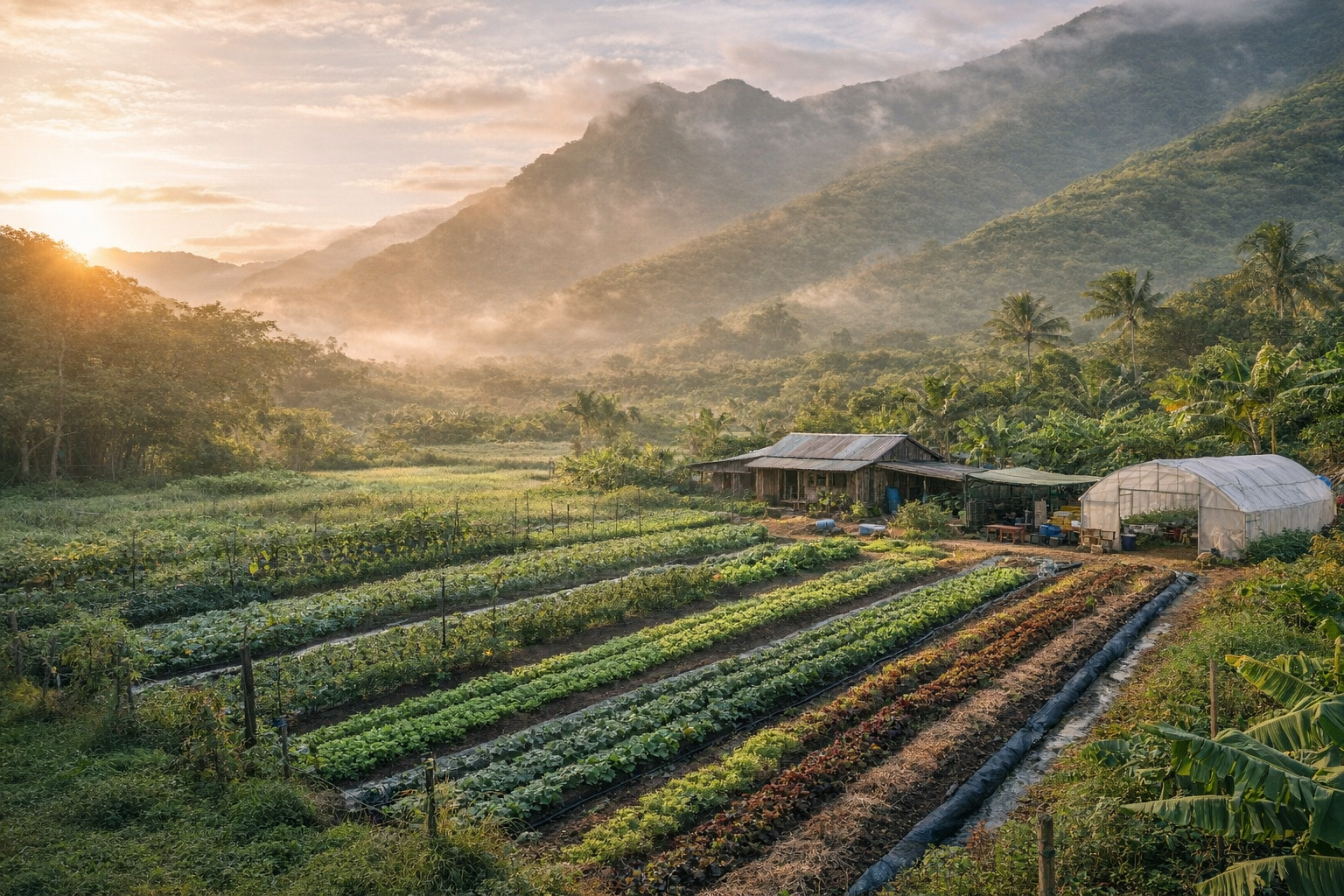
The Weight of the Land
Small farms endure by restraint, not scale. A clear-eyed look at land, labor, and the quiet cost of doing things right — where judgment, not output, determines whether a food system lasts.
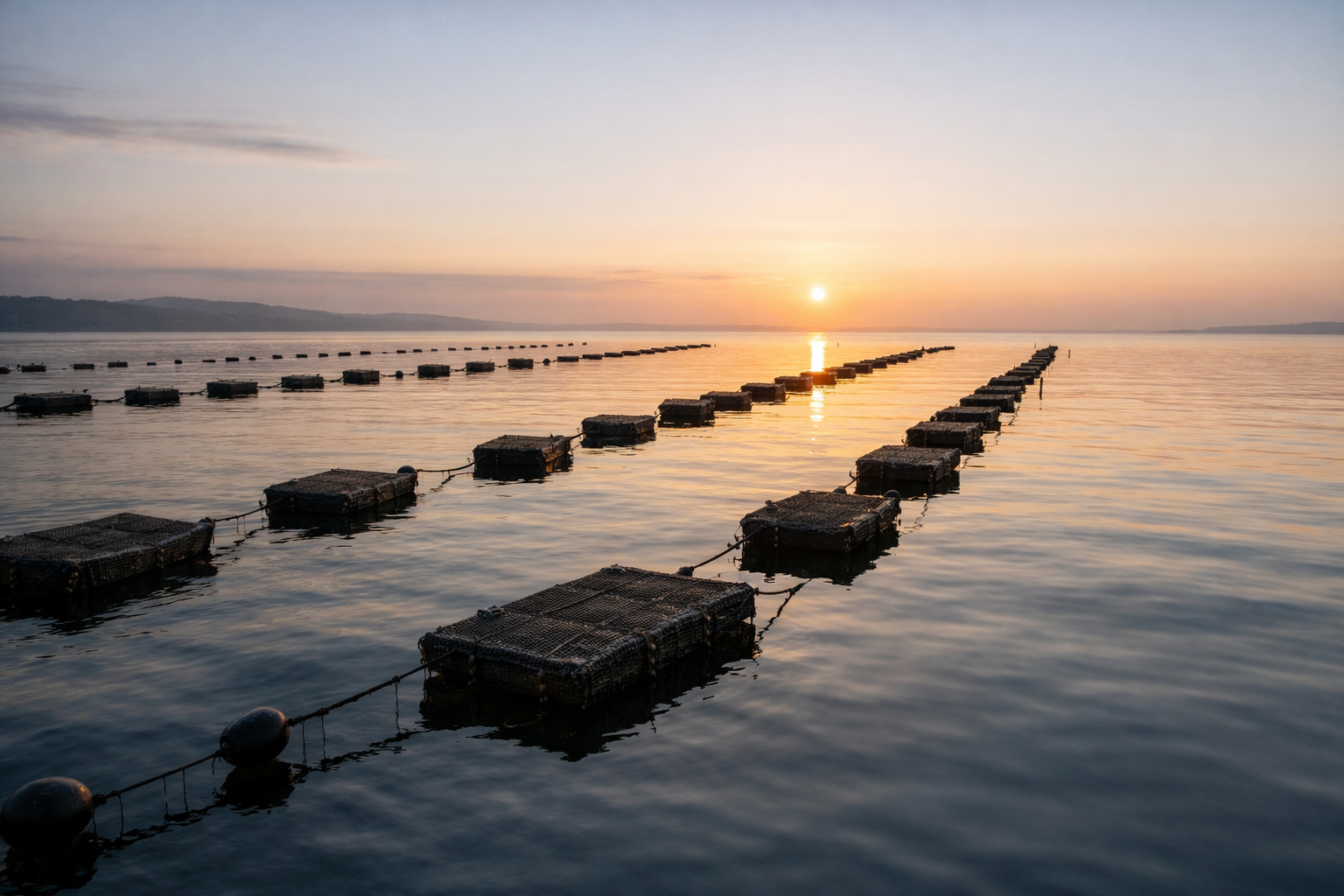
Farming the Water
Ocean farming succeeds or fails on restraint. A grounded examination of shellfish and seaweed cultivation — where working with the ocean strengthens food systems, and where scale and language begin to fracture them.
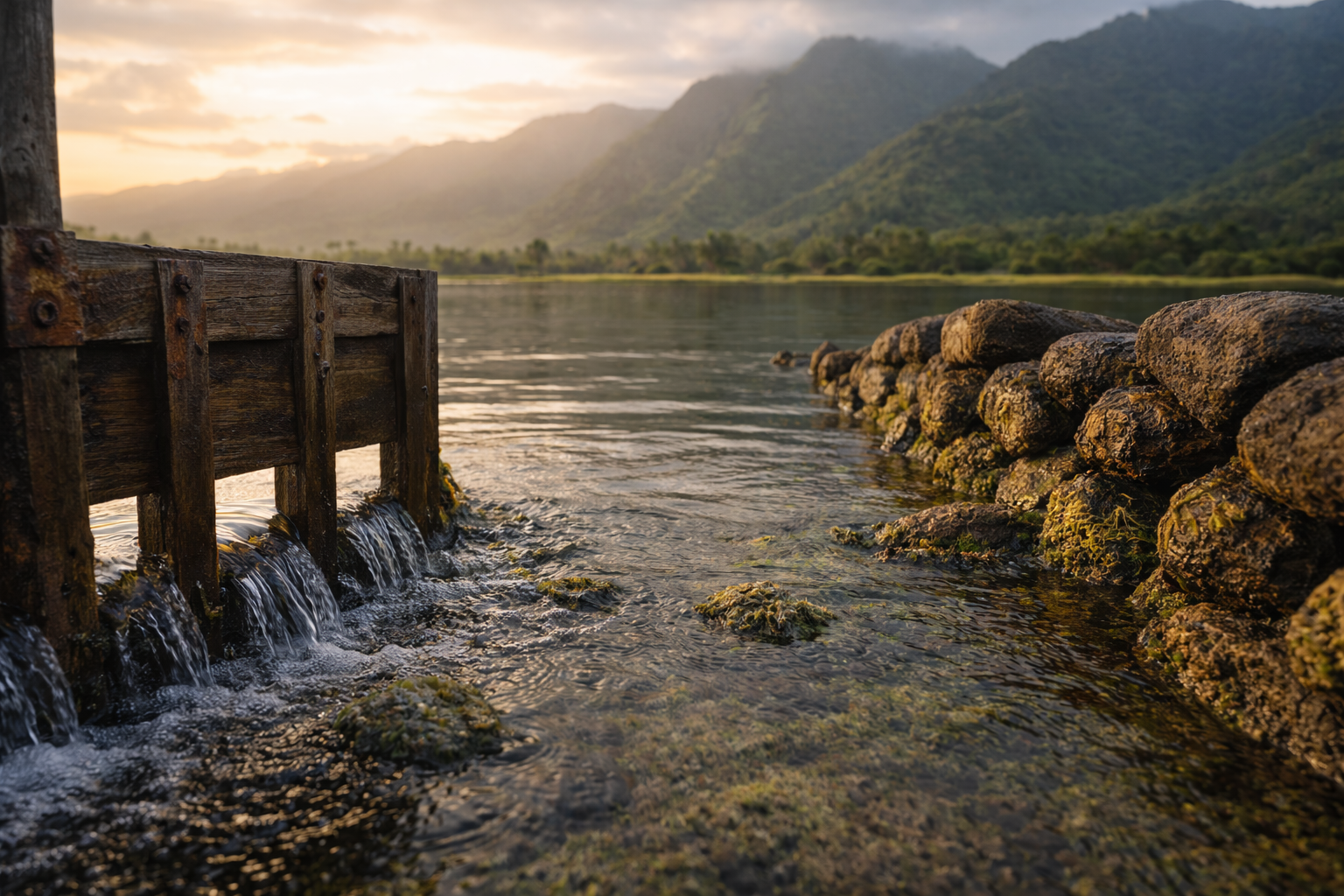
A Sense of Place
Ancient Hawaiian fishponds weren’t symbols — they were solutions. Loko iʻa were engineered to feed villages by working with tide, freshwater, and place-based knowledge, proving that true sustainability is older than the word itself.
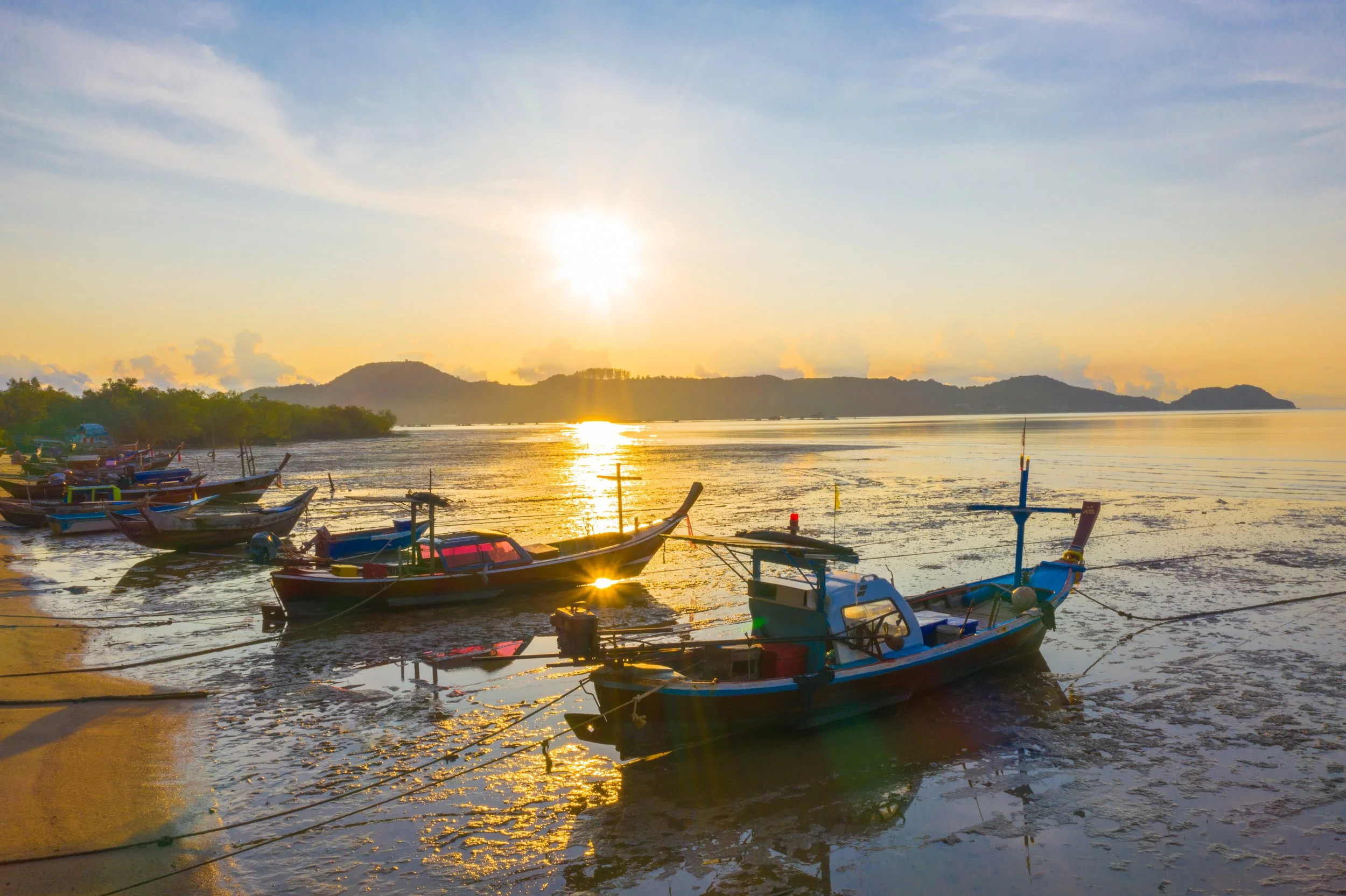
Beyond the Familiar Seas
Across Northern Europe, West Africa, Southeast Asia, and the Indian Ocean, seafood cultures evolved through adaptation. Preservation, fermentation, smoke, and spice transform fragile protein into durable cuisine, revealing how communities shape seafood traditions around climate, labor, and survival.
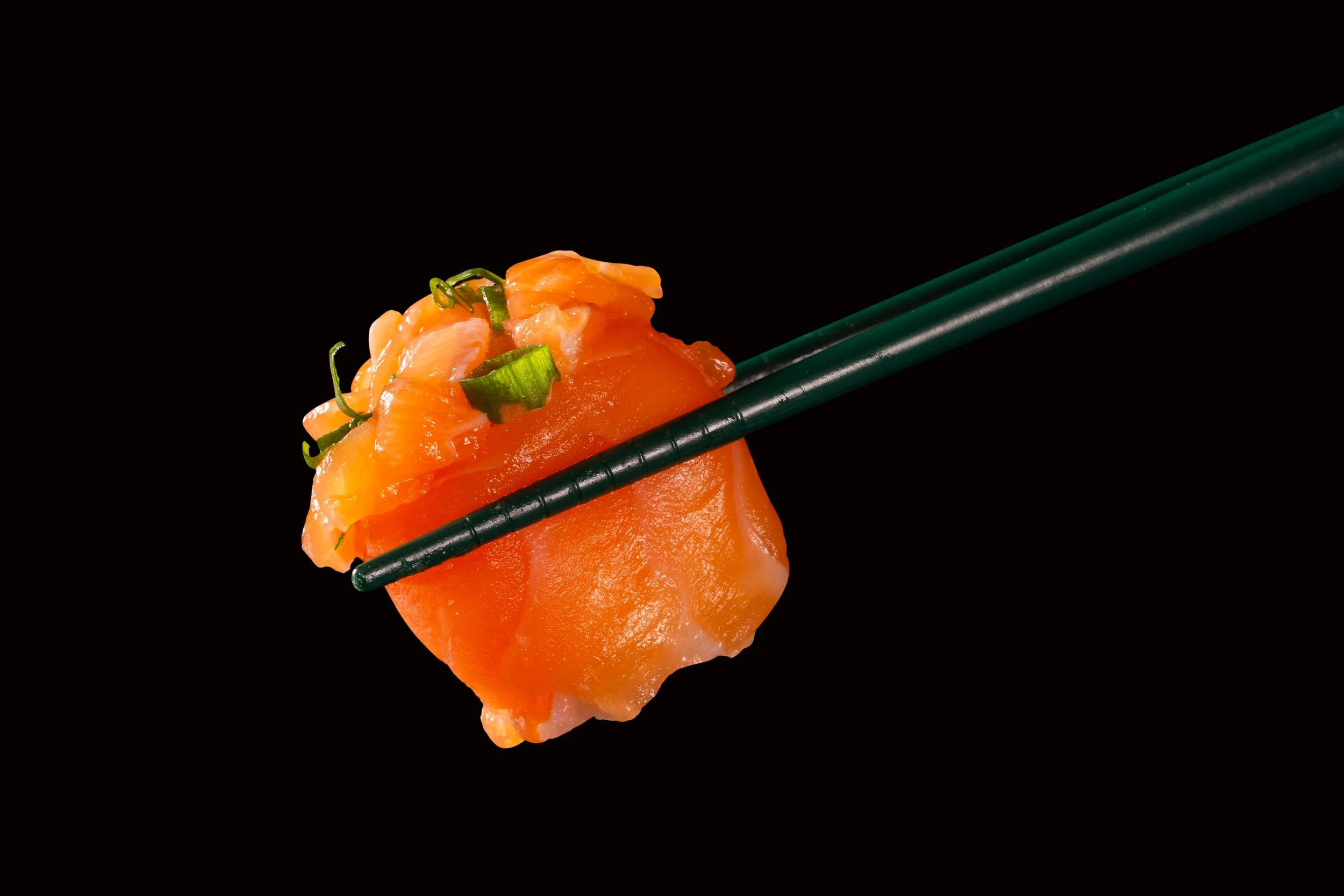
The Seafood Table: Japan
Japan’s seafood tradition is built on precision. Ocean currents shape the fish, markets determine timing, and knife work reveals structure without distortion. This essay explores how Japanese chefs interpret the ocean through technique, discipline, and a philosophy of accuracy.
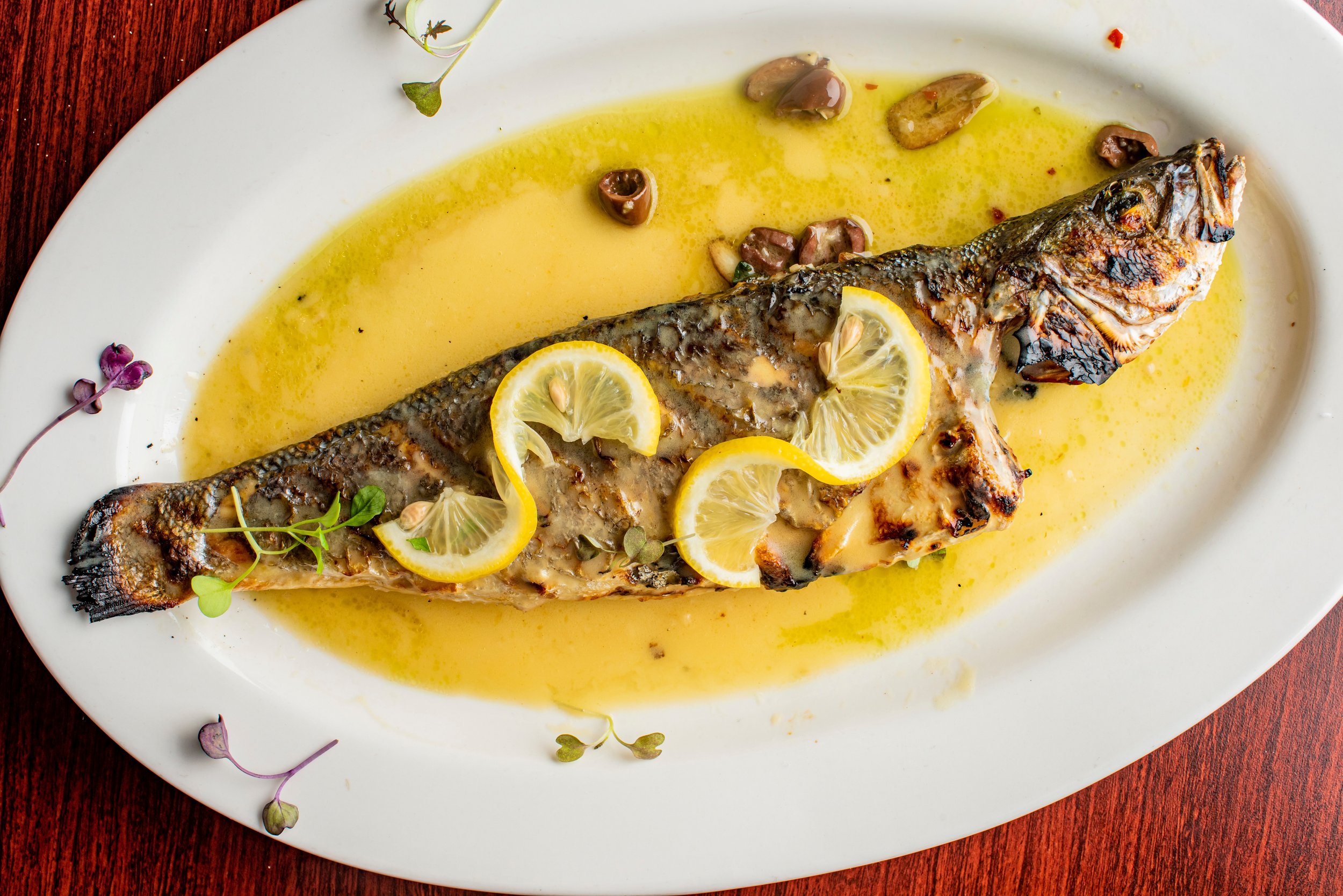
The Seafood Table — The Mediterranean
Mediterranean seafood cuisine evolved around proximity to the water and centuries of repetition. Warm seas produce softer fish, and coastal kitchens respond with fire, olive oil, broth, and restraint. The result is a cuisine shaped by familiarity, rhythm, and structural simplicity.
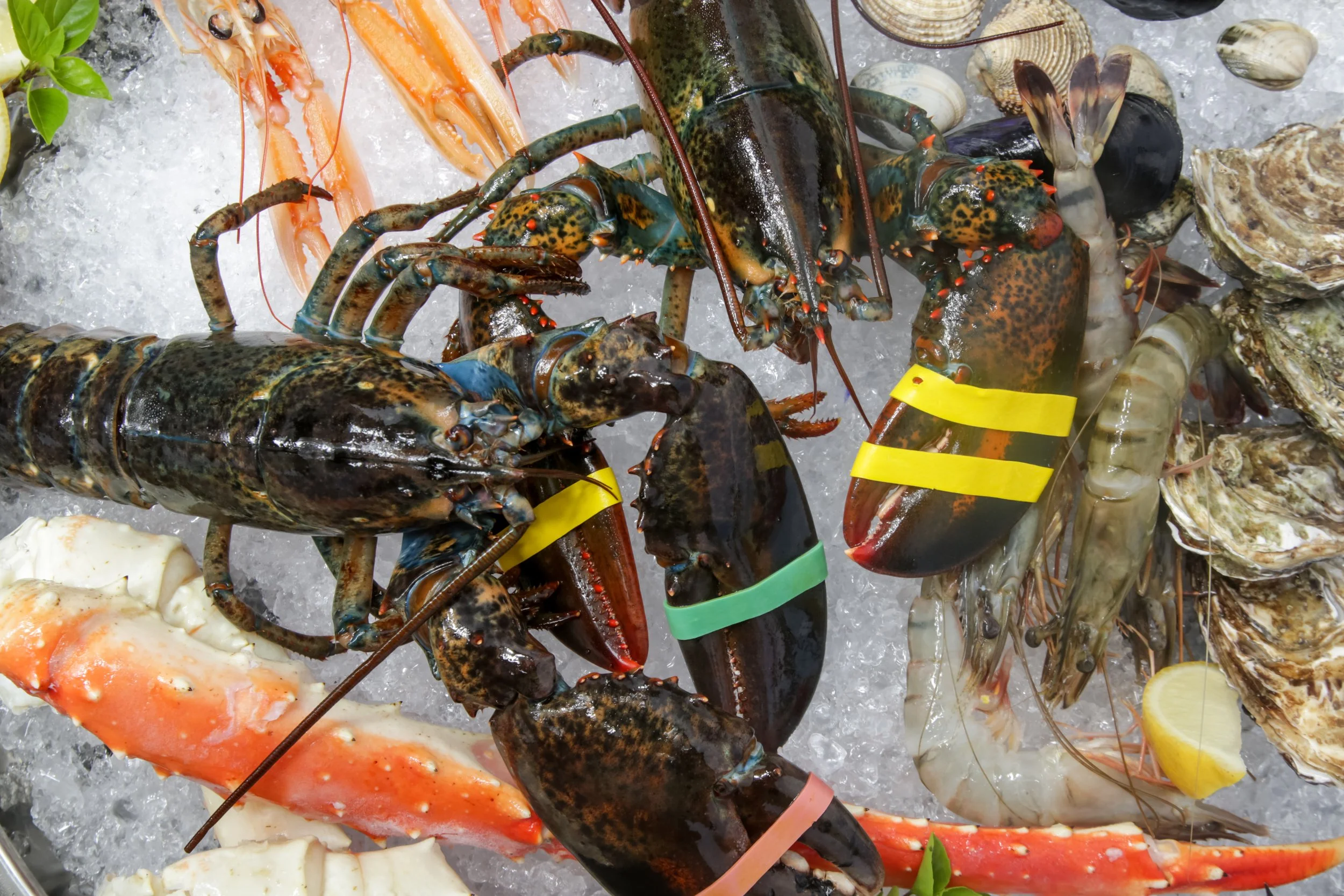
The Seafood Table — U.S. East Coast
Cold Atlantic waters produce seafood with tight muscle structure, clean flavor, and little margin for error. From scallops and cod to oysters and lobster, the U.S. East Coast seafood tradition teaches restraint, disciplined sourcing, and techniques that protect the ingredient rather than transform it.
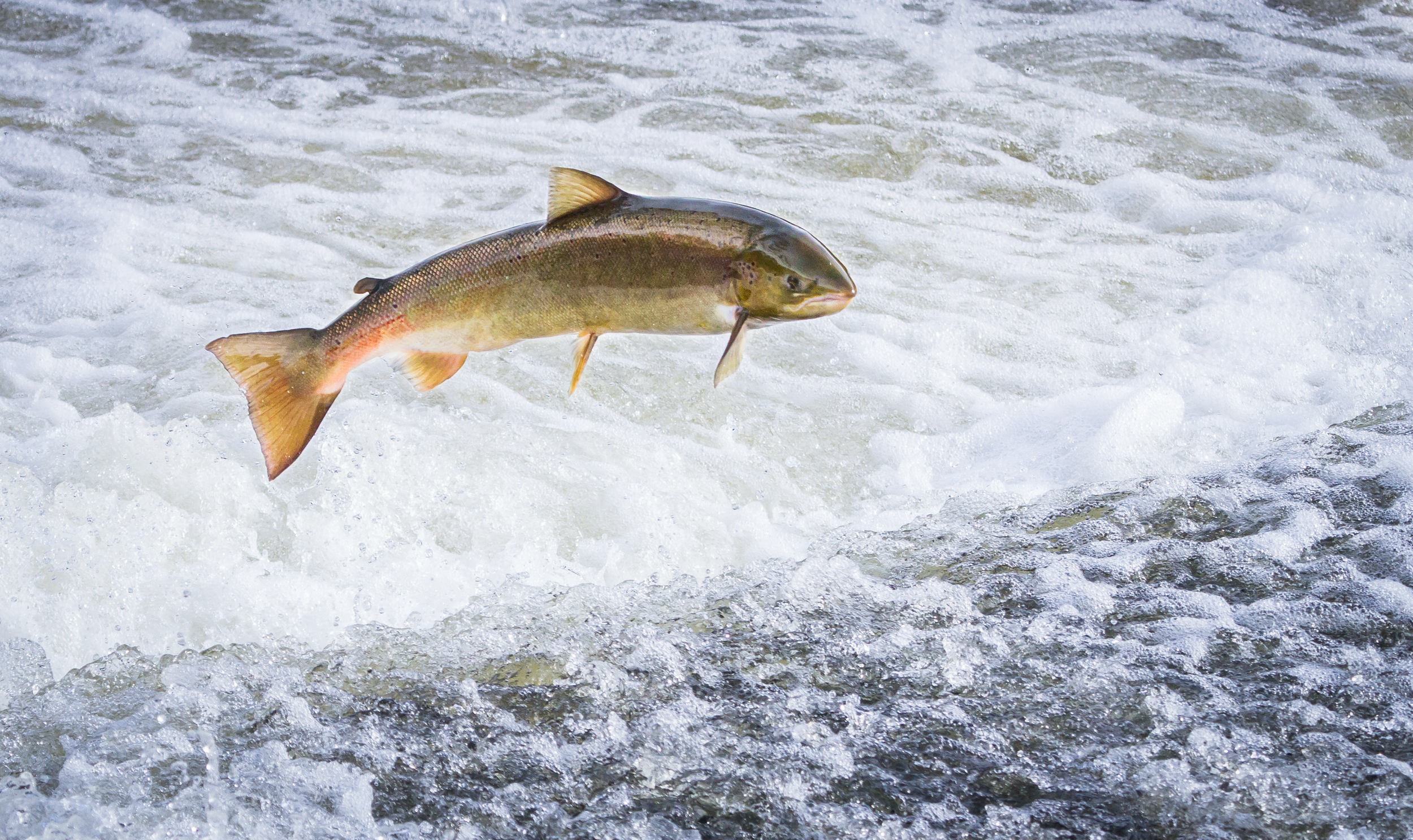
What Makes Wild Fish Taste Different From Farmed Fish?
Why wild fish often tastes different from farmed fish—and how diet, environment, and movement shape flavor and texture.