
Share
An unfolding archive of food, culture, and craft.
What Is Terroir in Wine?
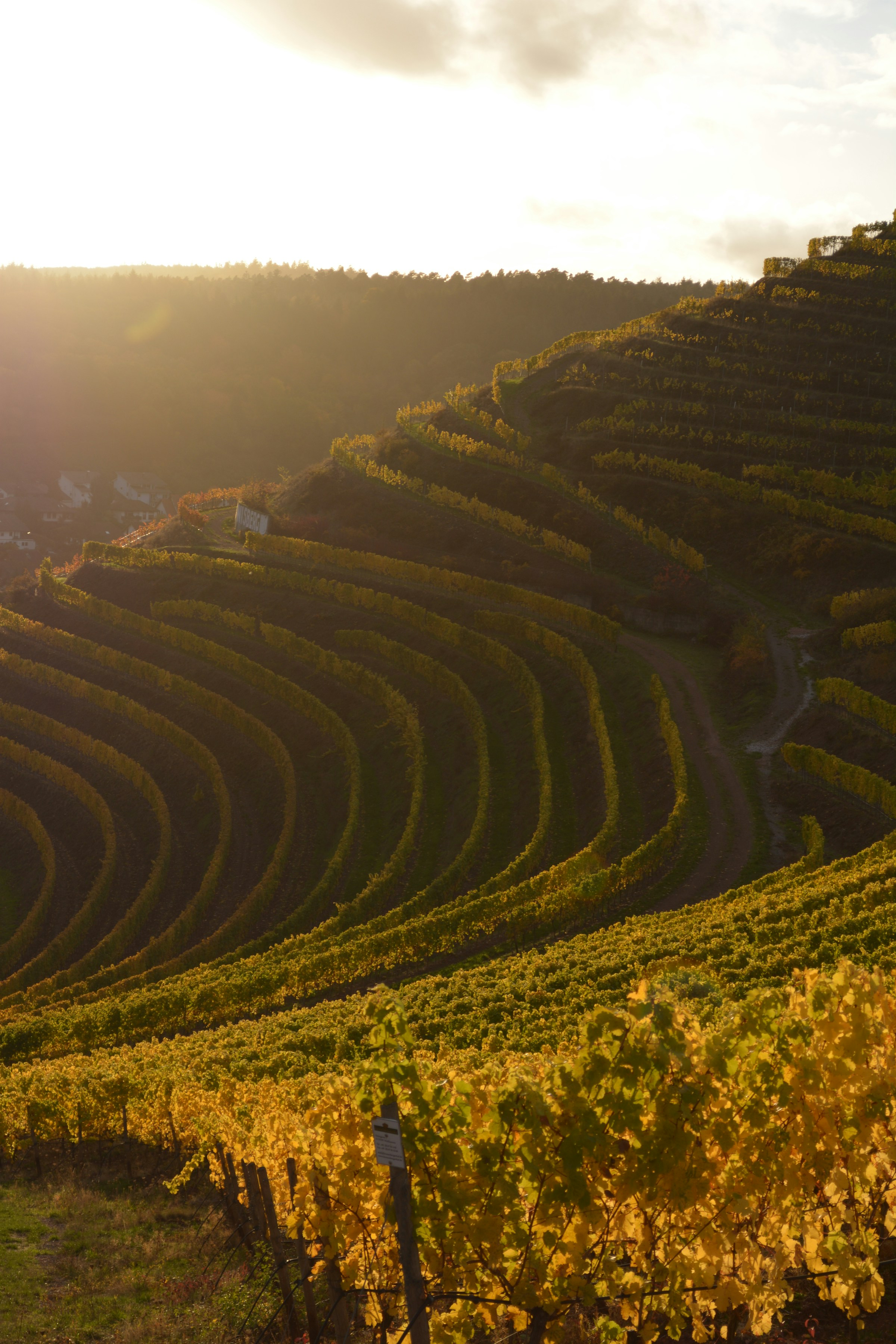
Terroir describes how climate, soil, and vineyard conditions shape the structure of wine. It is not the taste of soil, but the result of how grapes grow and develop over time.
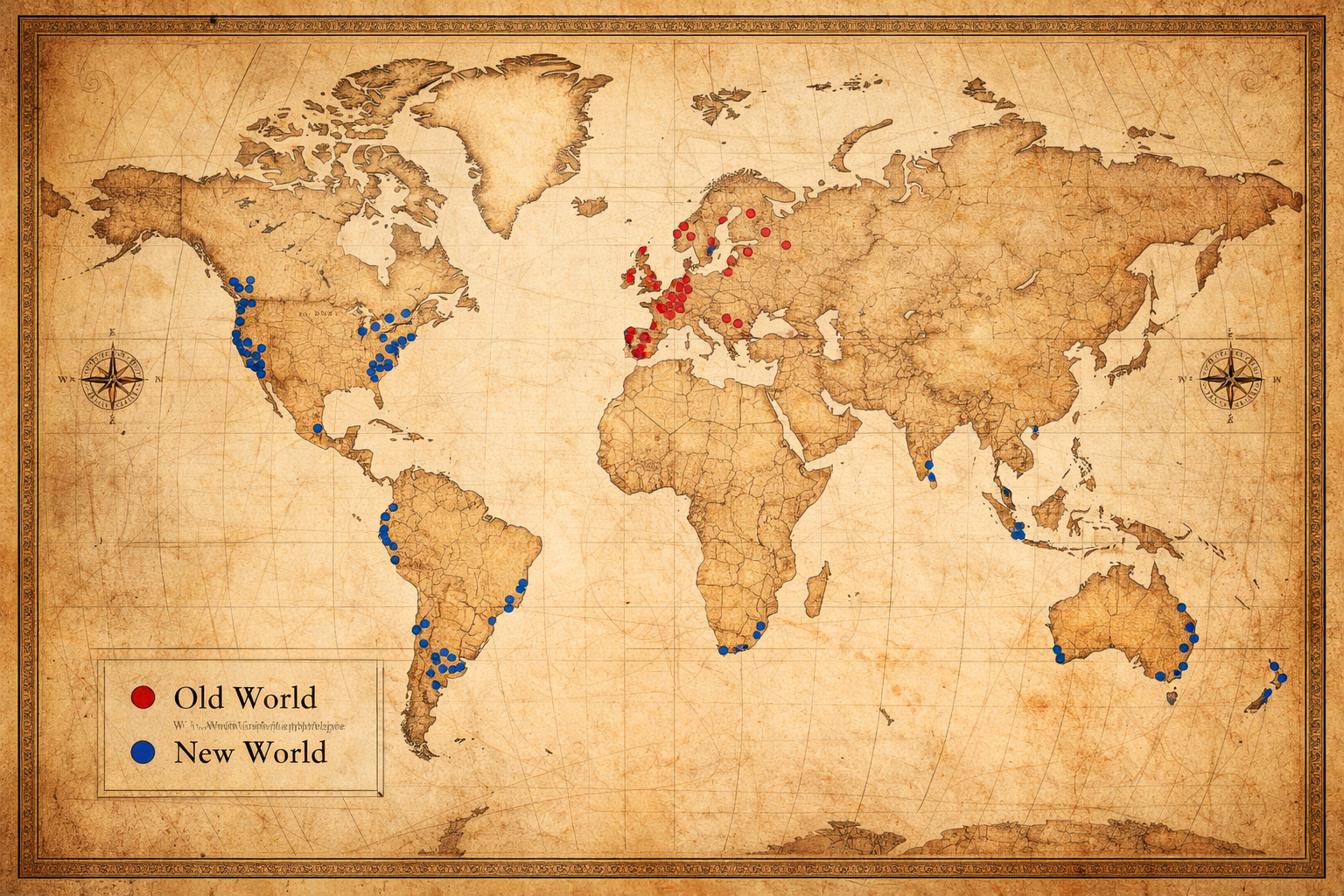
What Is the Difference Between Old World and New World Wine?
Old World and New World wines are often separated by geography, but the real distinction lies in how they are shaped. From climate and tradition to structure and fruit expression, each approach reflects a different philosophy of wine.
Sweetness in Wine
Wine sweetness is not simply a matter of taste. It is determined by how much sugar remains after fermentation and how that residual sugar interacts with acidity, alcohol, and structure. Understanding how wines move from dry to off-dry and fully sweet reveals the mechanisms that shape balance in the glass.
Why Do Some Wines Need to Breathe?
Why some wines benefit from air—and how oxygen changes aroma, tannin structure, and balance.
Why Do Wines Age?
Wine ages because its chemistry continues to evolve after bottling. Oxygen, tannin, acidity, and aroma gradually reshape the wine over time, but aging is not always improvement—only transformation.
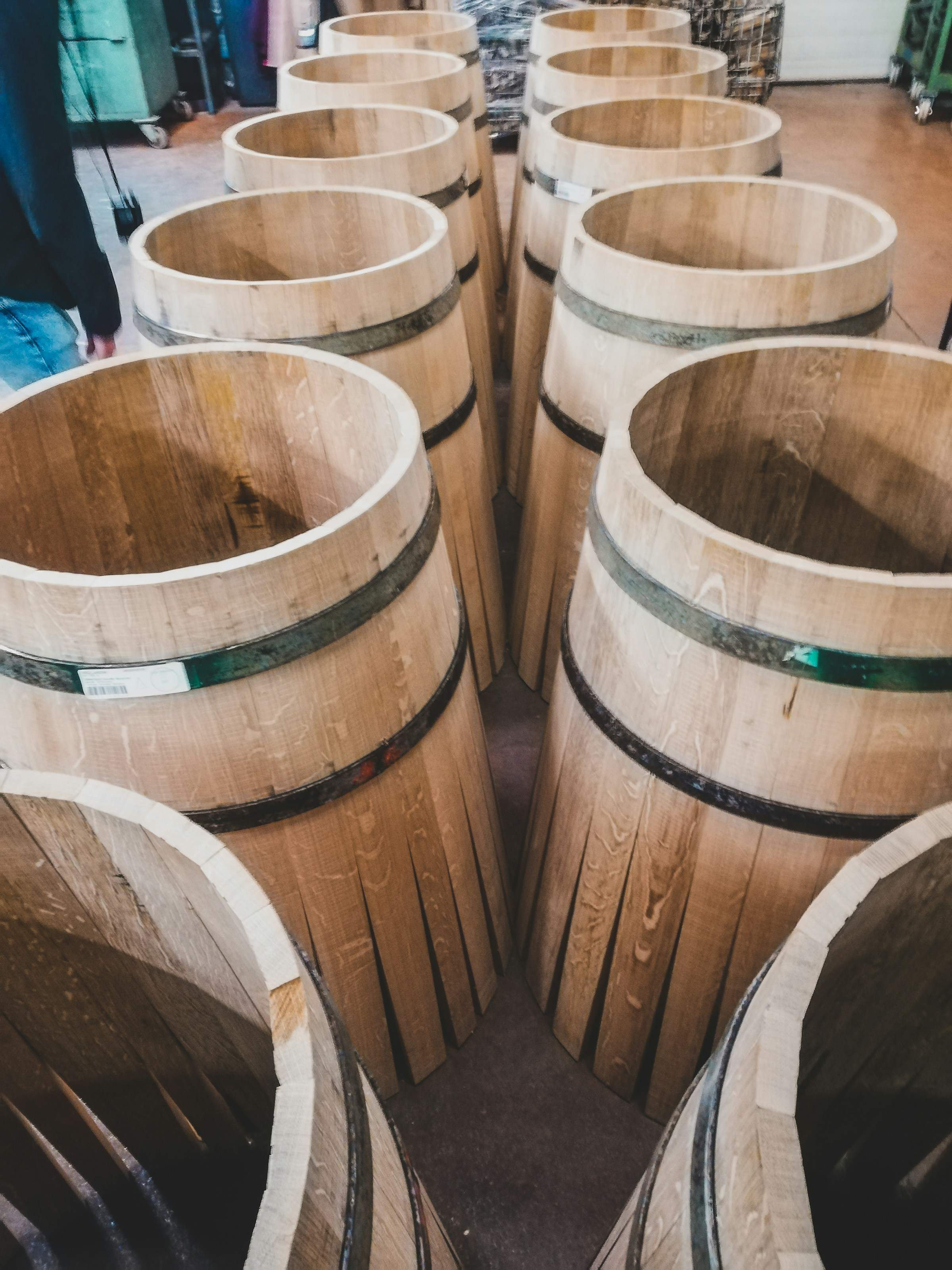
French Oak vs. American Oak
French oak and American oak do not decorate wine — they condition it. Shaped by different forests, growth rates, and structures, each influences how wine breathes, ages, and reveals itself over time. This is not a question of better or worse, but of intention.
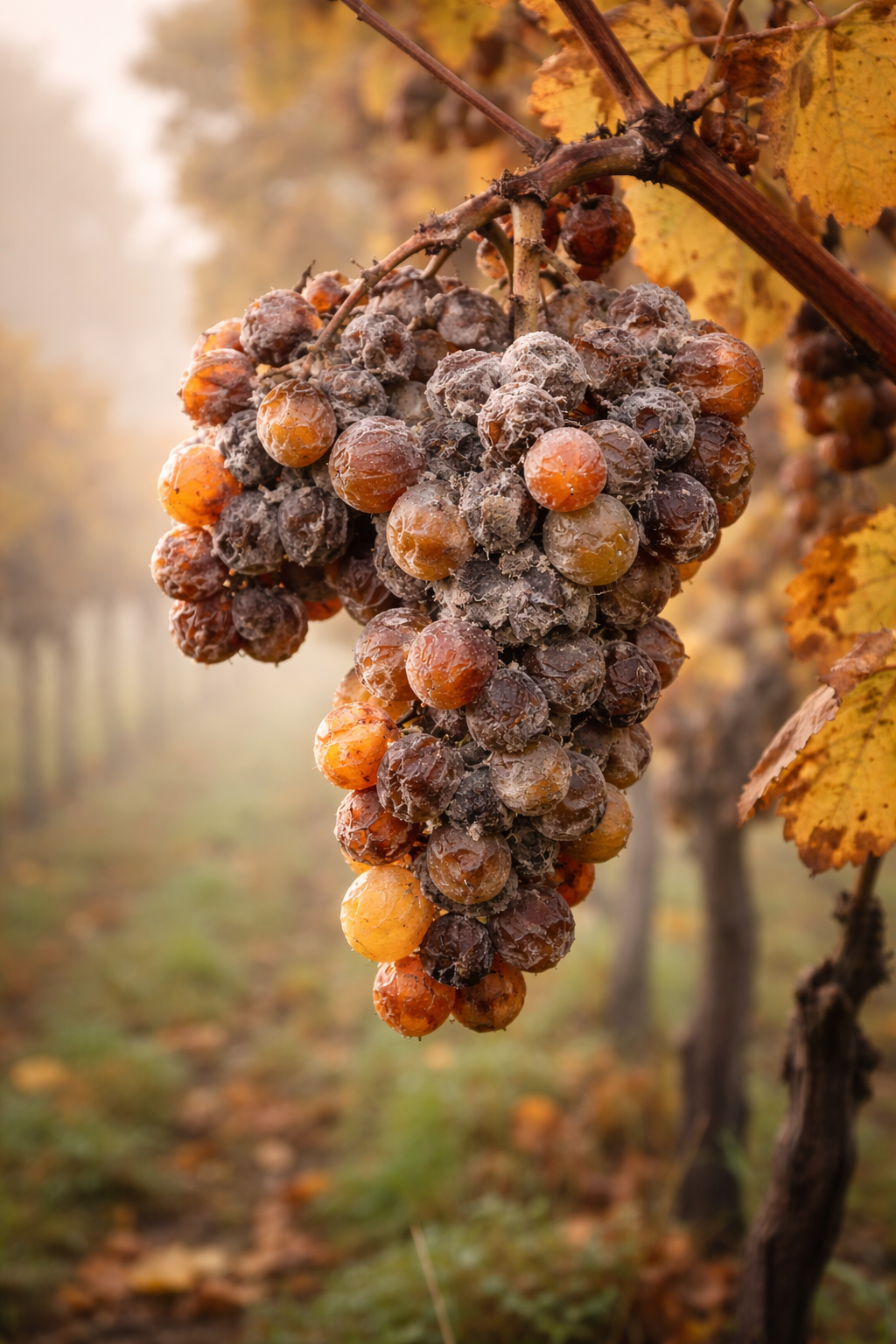
What Is Noble Rot?
Noble rot is caused by the fungus Botrytis cinerea, which dehydrates grapes and concentrates sugar, acidity, and aroma to produce some of the world’s most celebrated sweet wines.
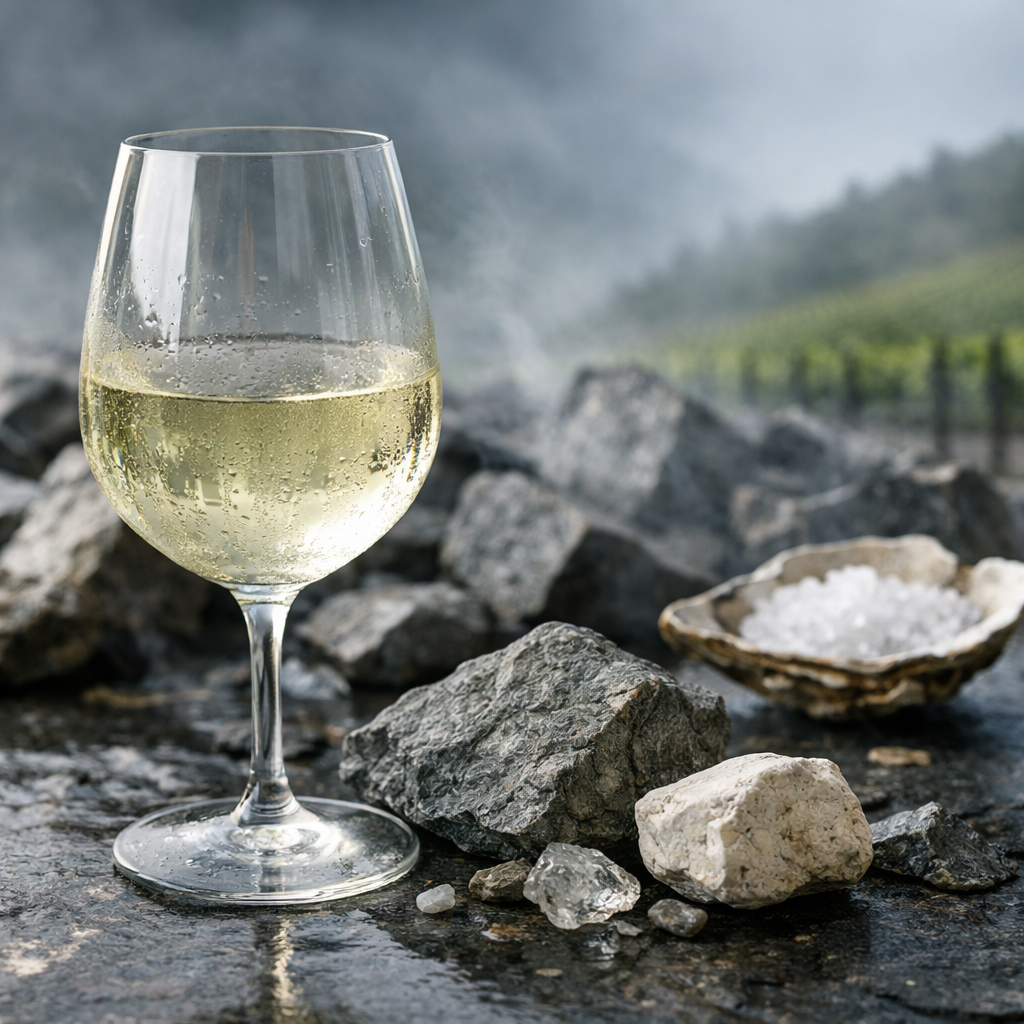
What Is Minerality in Wine?
Minerality in wine refers to stony, saline, or flinty sensations shaped by acidity and structure rather than actual minerals. It’s a perception created by how a wine is balanced and experienced.
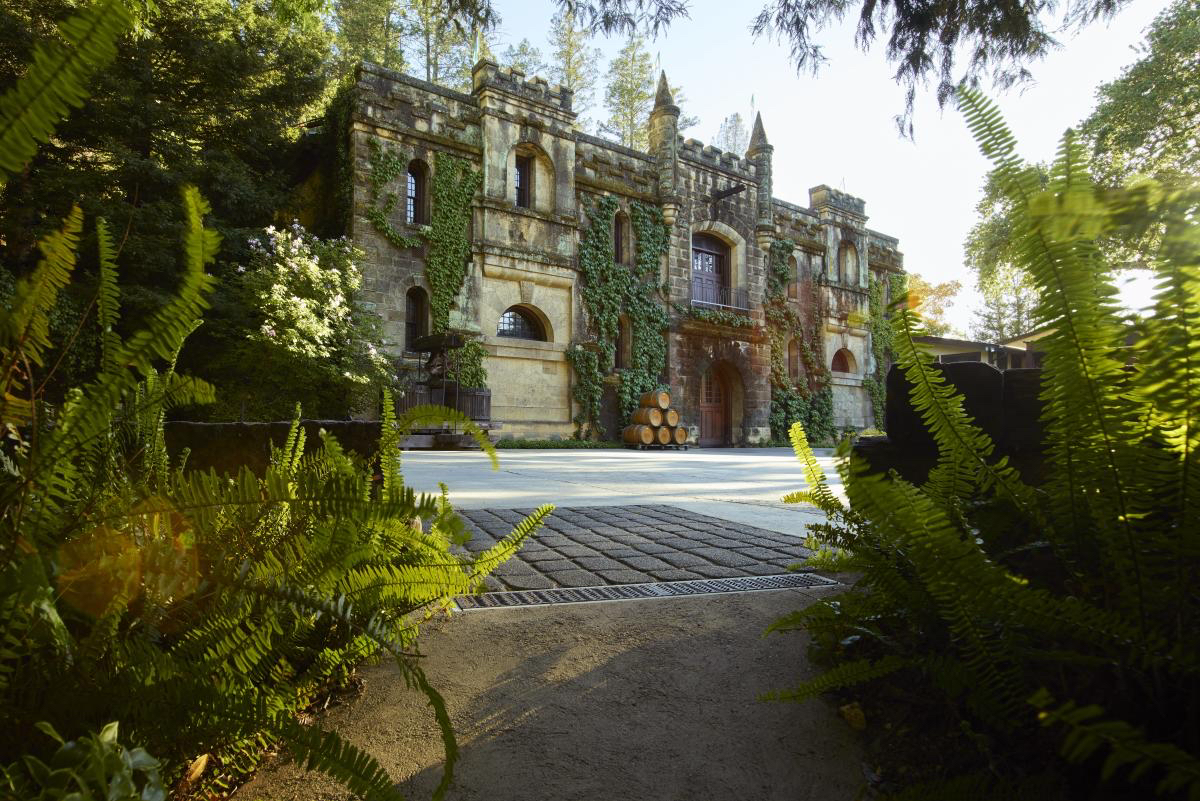
Judgement Before the Applause
On May 24, 1976, a blind wine tasting in Paris quietly altered the course of wine history. Judged by France’s most respected palates, California wines stood anonymously beside Burgundy and Bordeaux—and prevailed. This is the factual, human story of that day: who was there, what was poured, and why the result still matters before we consider what came after.
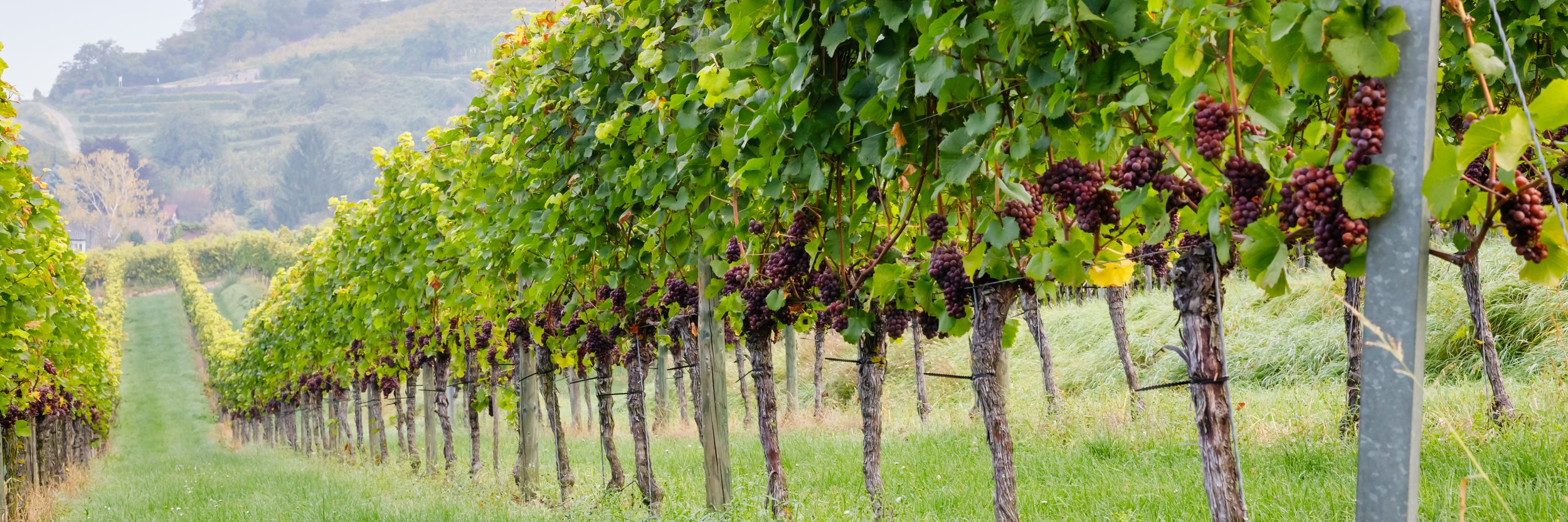
When the Vines Go Quiet
Wine is drinking less — and listening more. From Napa to Bordeaux, grapes are being left on the vine as culture, economics, and ritual shift. A quiet reckoning unfolds in the vineyard.
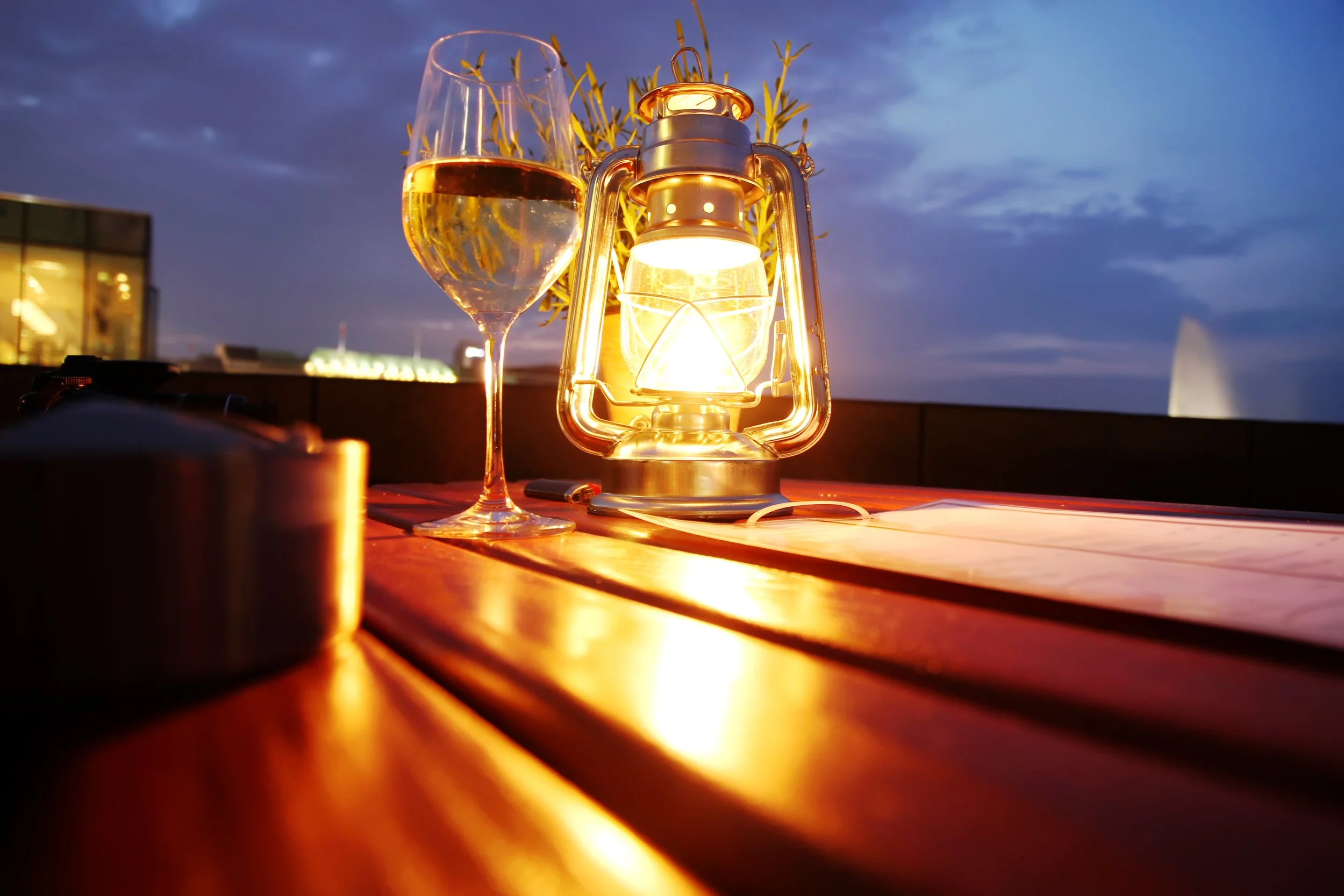
The Shape of Experience
Taste is not a fixed truth — it’s an interpretation. From the shape of a glass to the room we sit in and the moment we choose to pause, how we experience a drink is shaped by far more than what’s poured.
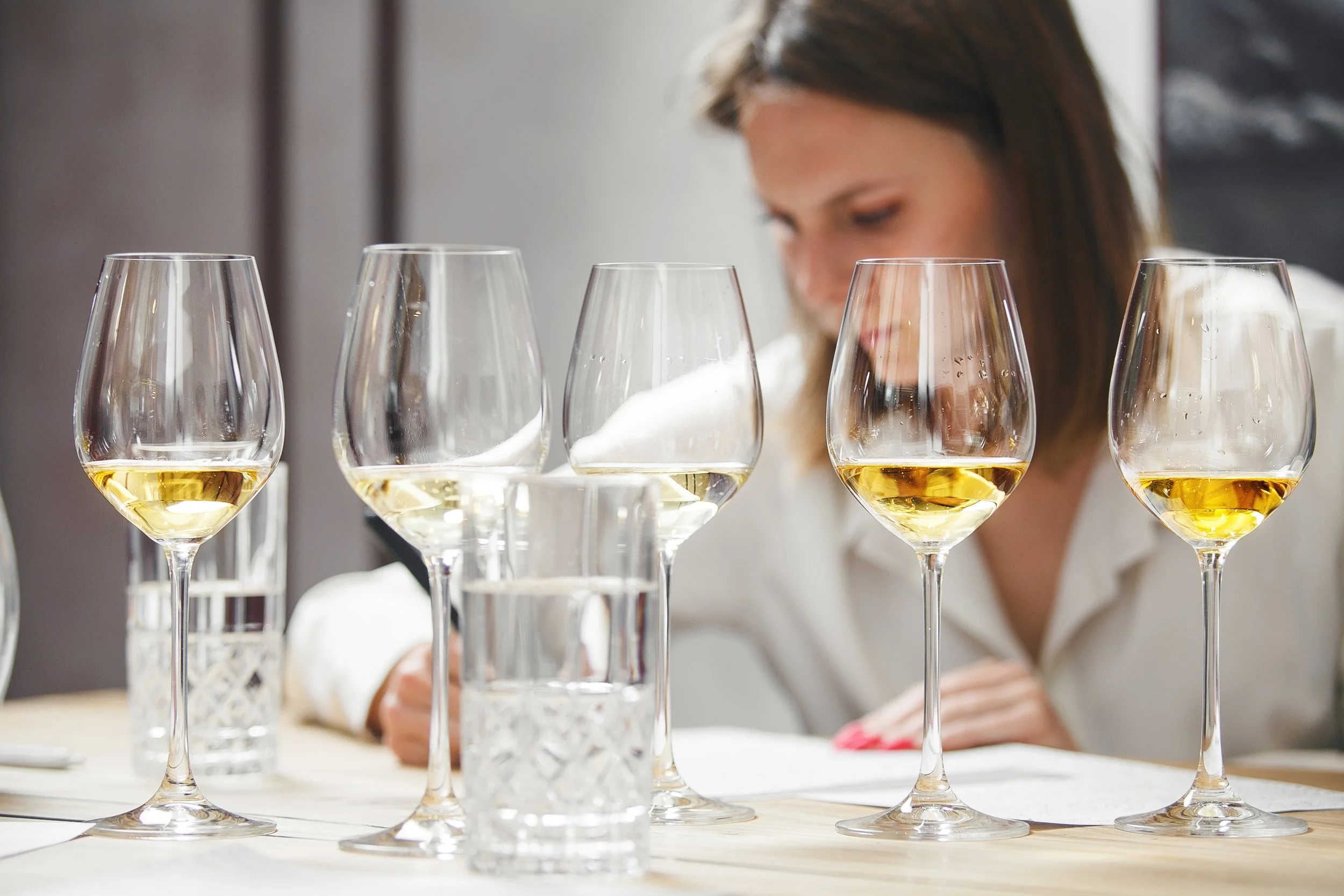
How a Master Somm Tastes Wine
How do master sommeliers decode a wine from sight to finish — even identifying vineyard and vintage? Discover the science, discipline, and poetry behind blind tasting, and one unforgettable night at Honolua Bay.
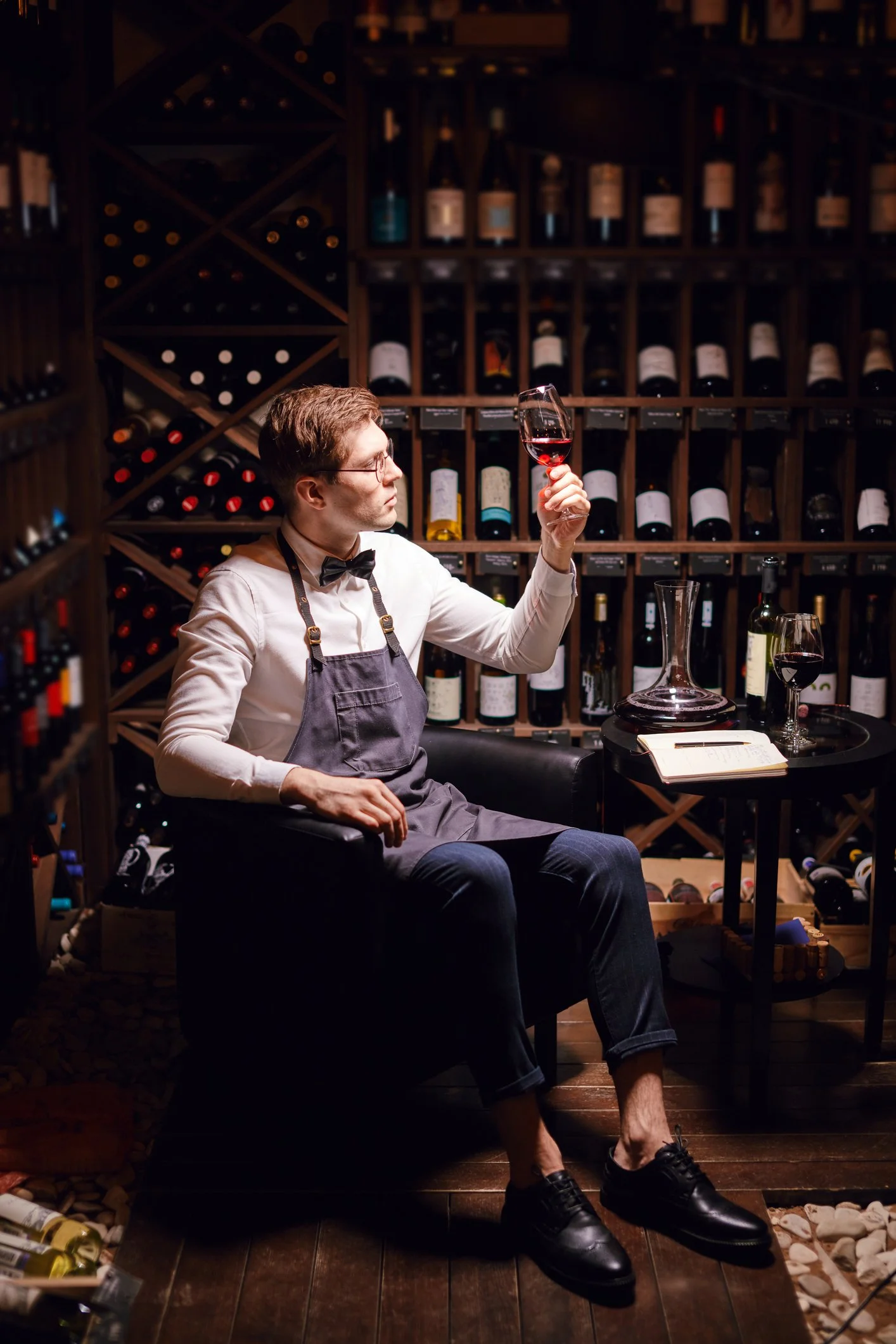
Does a Sommelier Need to be Certified to Earn Credibility?
Sommeliers are storytellers in a glass — curators of memory, tradition, and discovery. But do they need certification to earn respect?
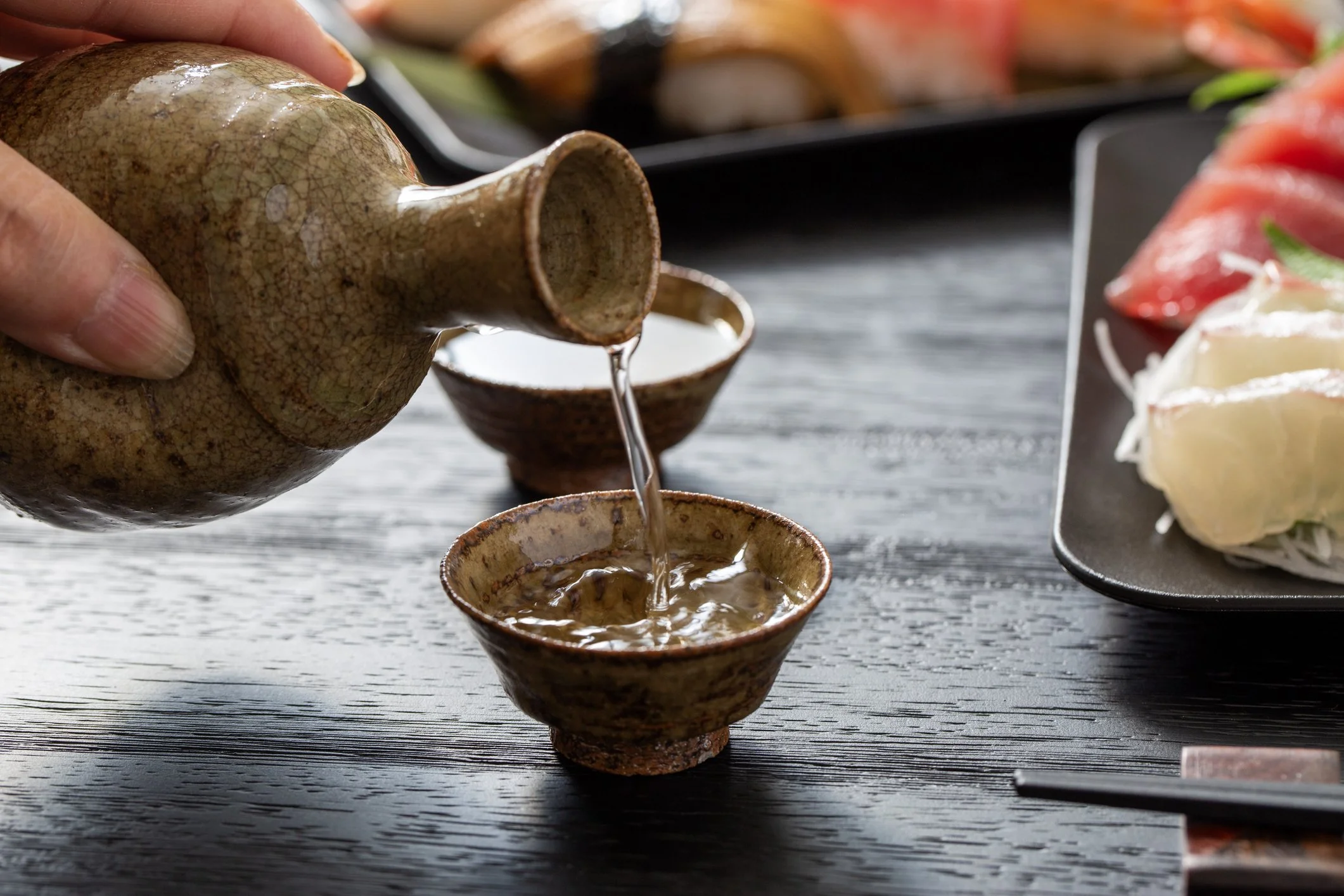
The Quiet Revolution of Sake — From Tradition to Transformation
Japan’s brewers are rewriting the rules — and the results are quietly extraordinary.
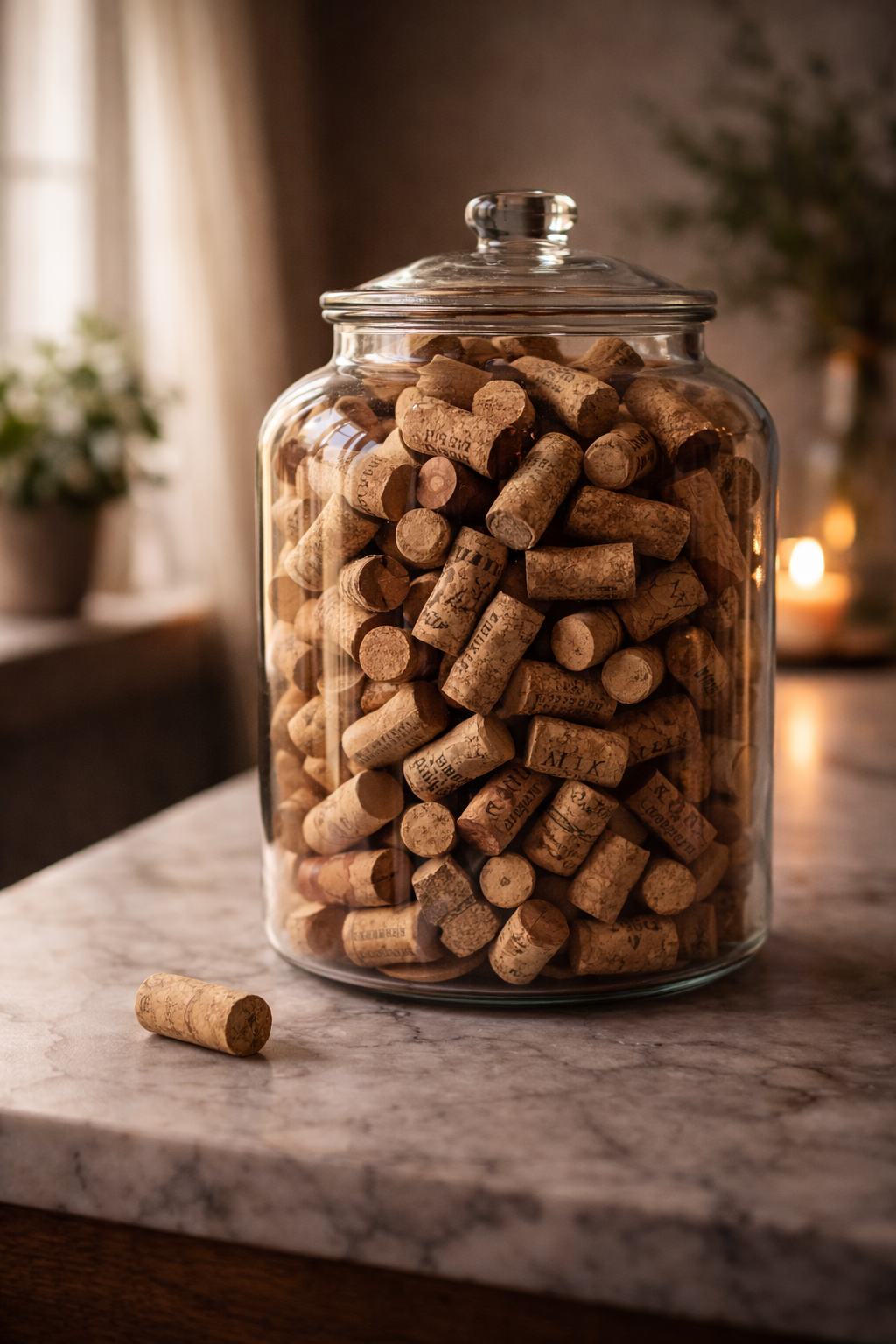
After the Cork
By the time a bottle is opened, most of its story is already decided. This essay explores how wine closures quietly shape what’s in the glass long before the first sip.
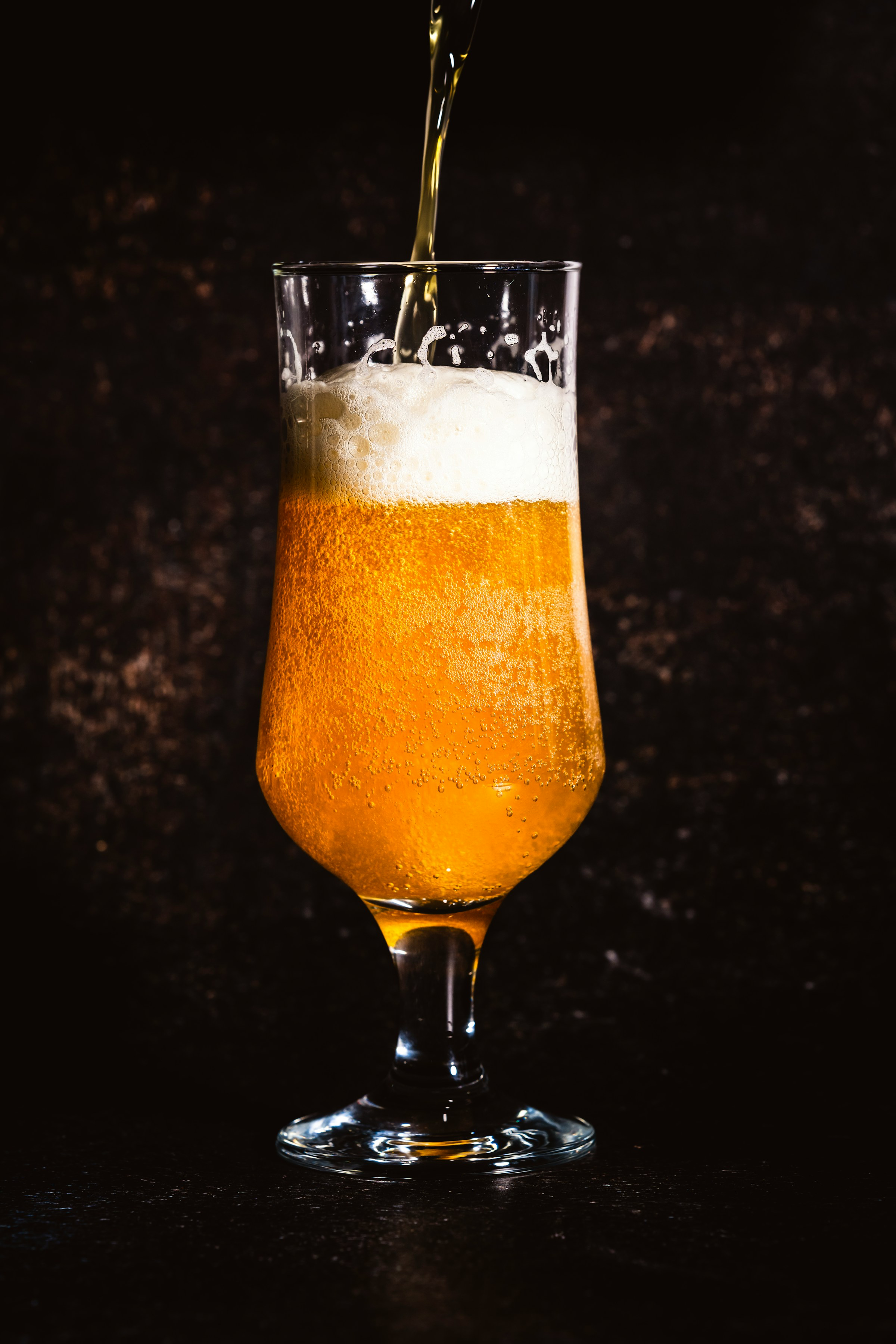
What Is an IPA?
India Pale Ale, or IPA, is one of the most recognizable styles of beer. The style traces its origins to British export brewing but has evolved into a hop-forward family of beers enjoyed around the world.
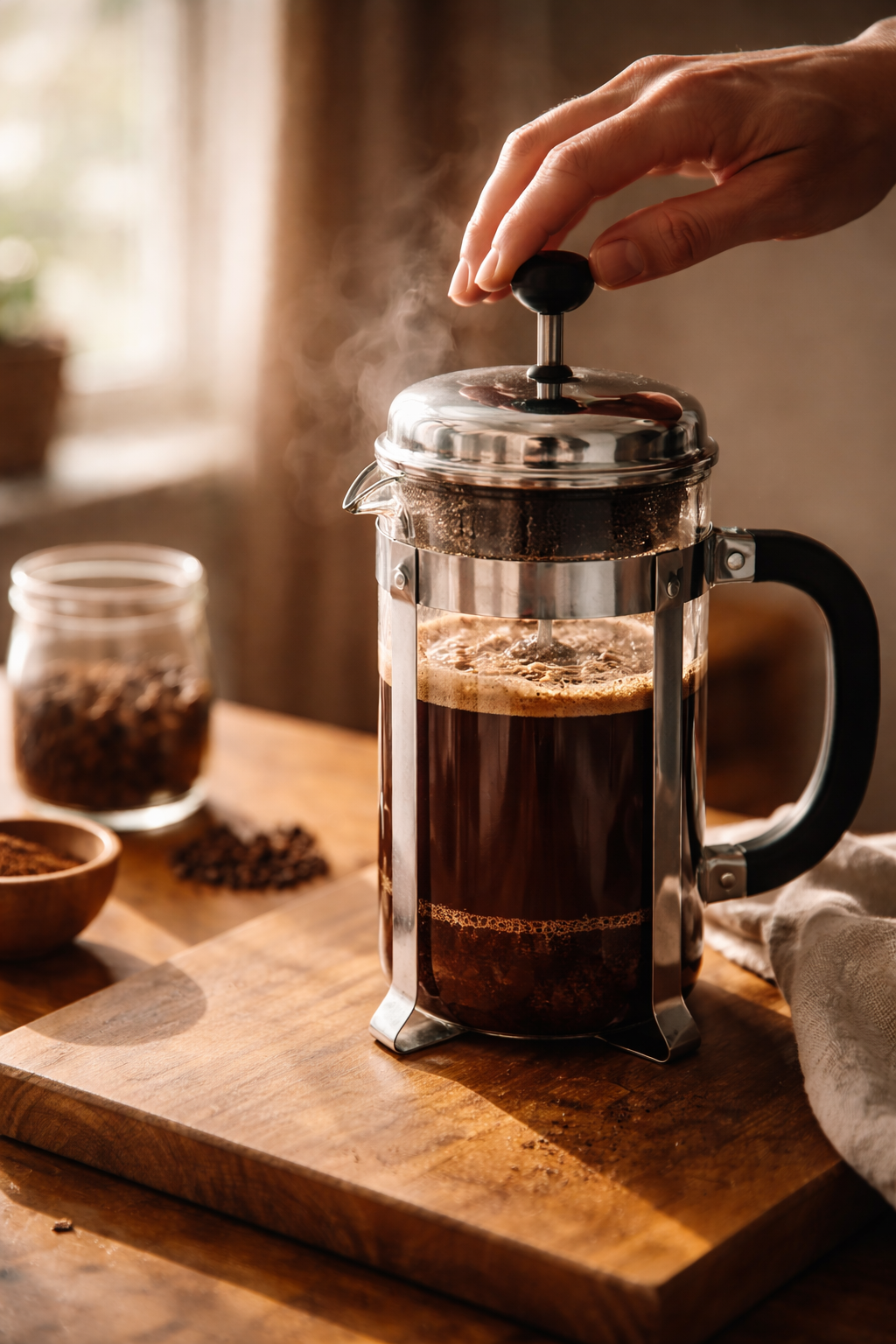
Coffee, Unrushed
Coffee rewards intention, not speed.
From roast development to brewing method, this essay explores how extraction, temperature, and timing shape flavor—and why the first sip should never be rushed.
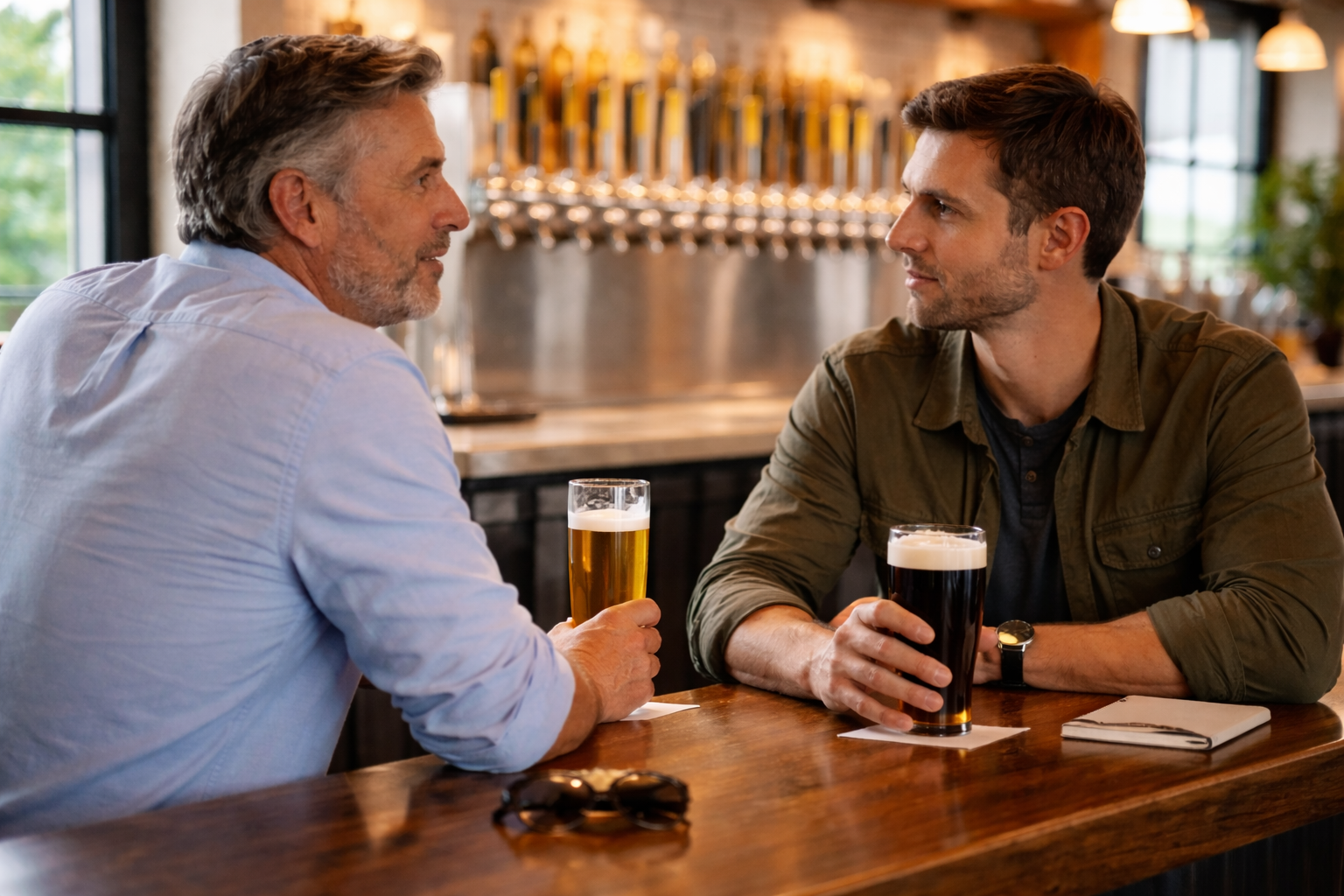
The Pour is the Final Test
A Conversation About Beer — Part III
The brewery can do everything right. A fifteen-second pour can undo it. What foam is actually doing, why nitrogen changes the beer rather than improving it, and what pub culture in Ireland and Scotland understands about draft that most American programs never consider.

Clean is Harder Than Loud
A Conversation About Beer — Part II
The more aromatic and complex a beer looks, the more it can hide. Strip that away — serve a clean lager from a clean line at the right temperature — and everything the brewer did or didn't do shows up in the glass with nowhere to go.
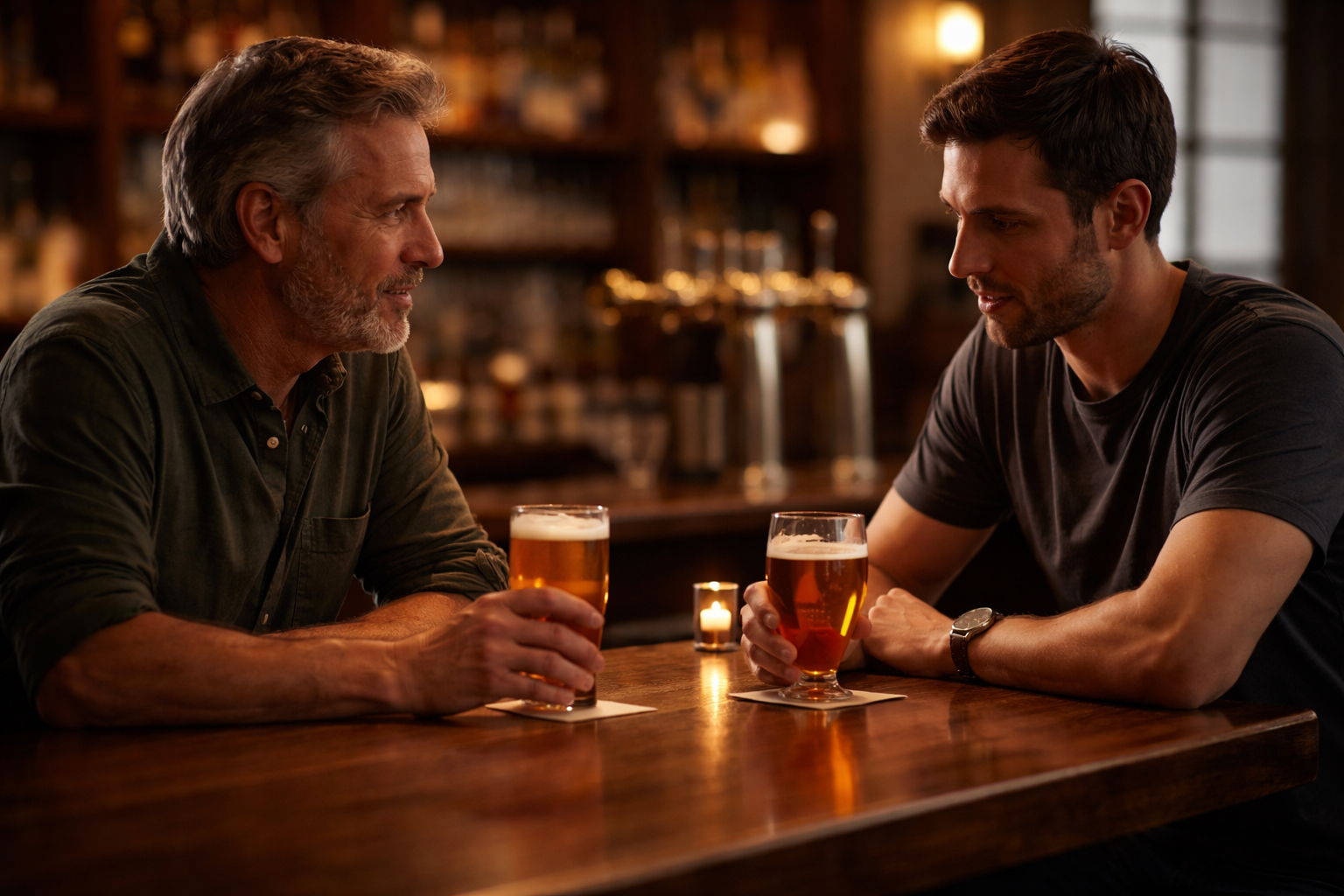
What the Glass Doesn't Show
A Conversation About Beer — Part I
Draft delivers a fresher product at a lower cost — when the system earns it. What the invoice doesn't show is the discipline required to actually get there: clean lines, variables that agree with each other, and staff who know why, not just how.