Share
An unfolding archive of food, culture, and craft.

Moderation, and Lots of It
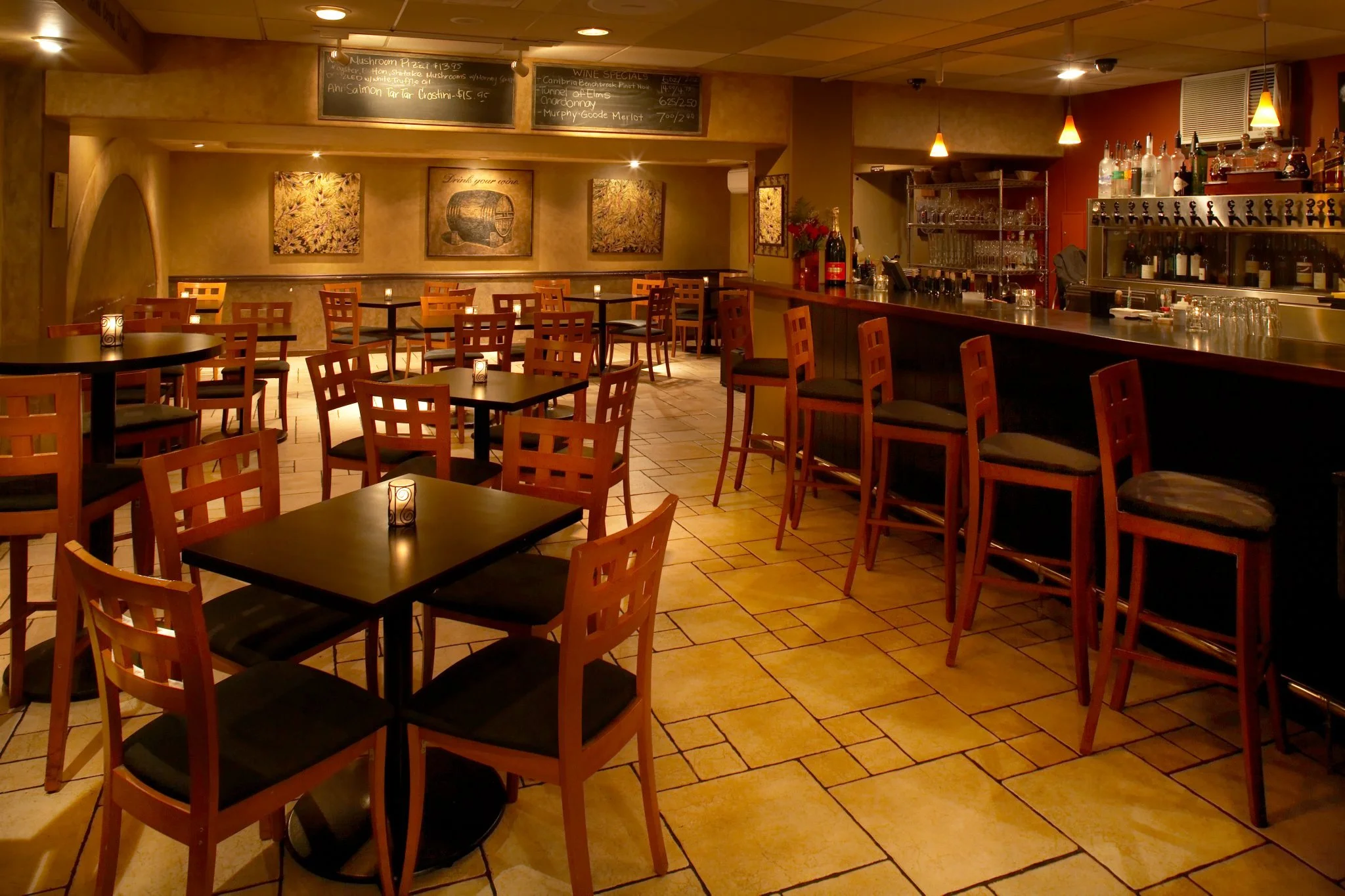
A life spent around restaurants teaches a quiet lesson: pleasure at the table cannot survive endless indulgence or permanent restraint. This essay reflects on moderation, hospitality culture, and the rhythm that allows food, wine, and celebration to remain meaningful over time.

The Discipline of Heat
Heat does more than cook food. It creates the crust on a steak, transforms the texture of fish, and turns tough cuts tender. Understanding how heat works is the key to controlling the results.

Salt
Salt is the most important ingredient in cooking, yet few cooks fully understand how it works. This guide explores the chemistry of salt, the behavior of different salts, and how professional kitchens use seasoning to build flavor with precision.

The Right Vessel
A Dutch oven is not just cookware—it’s a controlled environment. Understanding how heat retention and moisture stability work explains why braising, stews, and slow cooking improve dramatically with the right vessel.

Can You Substitute Olive Oil for Butter?
Butter and olive oil both enrich food, but they behave differently in cooking. Understanding how their composition affects flavor, texture, and heat explains when olive oil can successfully replace butter.

Must Have Menus
MustHaveMenus is not a menu strategy tool—it’s a production design tool. For operators who need to move quickly, update pricing, and keep menus aligned with the realities of the business, it provides something more valuable than perfection: control.

The Durand® — Vintage Cork Removal Tool
Opening an aged bottle is often where things go wrong. The Durand is designed to remove fragile corks intact, eliminating breakage, contamination, and disruption to the experience.

Riedel VINUM Cabernet Sauvignon/Merlot Glass
The Riedel VINUM Cabernet Sauvignon/Merlot glass isn’t designed to impress—it’s designed to perform. Balanced, durable, and consistent, it remains a standard in both restaurants and serious home wine service.

Zafferano Pina Pro Cordless Table Lamp
A cordless table lamp widely used in restaurants and homes, the Zafferano Pina Pro combines minimalist design with portable, adjustable lighting.

Part IV — The Back Office Truth
The system does not just record the business. It determines how clearly the business can be seen—and how quickly decisions can be made while they still matter.

What Is the Difference Between Wet Aging and Dry Aging?
Wet-aged beef is sealed in a vacuum bag. Dry-aged beef is exposed to air under controlled conditions. Both can become tender, but they differ in flavor, usable yield, and what the guest pays for.

Part I — The Opportunity Appears
Buying a struggling restaurant begins long before financial modeling or negotiations. Experienced operators first diagnose the hidden signals inside the dining room, kitchen, and staff to determine whether the system behind the restaurant can still be rebuilt.

Why Does Restaurant Food Taste Better?
Restaurant food often tastes more flavorful than home cooking. The reason lies in professional control of seasoning, heat, fat, preparation, and repetition — the systems that allow restaurants to deliver consistent flavor and texture.

Part II — Why Restaurants Actually Fail
Restaurants rarely fail overnight. Long before a dining room empties, small signals begin appearing inside the system — menu drift, uneven service rhythm, labor instability, and the quiet loss of operational memory. Experienced operators learn to recognize these patterns before attempting to rebuild a struggling restaurant.

Part III — Evaluating the Physical Restaurant
Before rebuilding a struggling restaurant, experienced operators examine the physical system beneath the business. The lease, kitchen workflow, equipment, ventilation, and storage infrastructure reveal whether the building can realistically support a successful operation.

Decanting: Service, Sediment, and the Short Window of Expression
Decanting is not ritual. It is a service decision made under chemical constraint. A technical exploration of oxygen, sediment, temperature drift, and why older wines have only a brief window of peak expression.

Part IV — The Acquisition Equation
Buying a failing restaurant is not simply a creative opportunity. It is an economic investigation. Before any concept can be rebuilt, the operator must determine whether the purchase price, renovation costs, infrastructure limits, and lease structure allow the restaurant to become profitable again.

Sweetness in Wine
Wine sweetness is not simply a matter of taste. It is determined by how much sugar remains after fermentation and how that residual sugar interacts with acidity, alcohol, and structure. Understanding how wines move from dry to off-dry and fully sweet reveals the mechanisms that shape balance in the glass.

What Does “Balance” Mean in Food?
Balance is not about adding more—it is about alignment. In the kitchen, flavor becomes complete when salt, acid, fat, sweetness, and umami move together in proportion, shaping dishes that feel coherent rather than competing.

Part V — The Lease: The Asset No One Sees
A restaurant’s dining room and kitchen may reveal its past, but the lease determines its future. Understanding base rent, CAM, percentage rent, and lease structure often decides whether a failing restaurant can truly be rebuilt.