
Share
An unfolding archive of food, culture, and craft.
The Blindfold
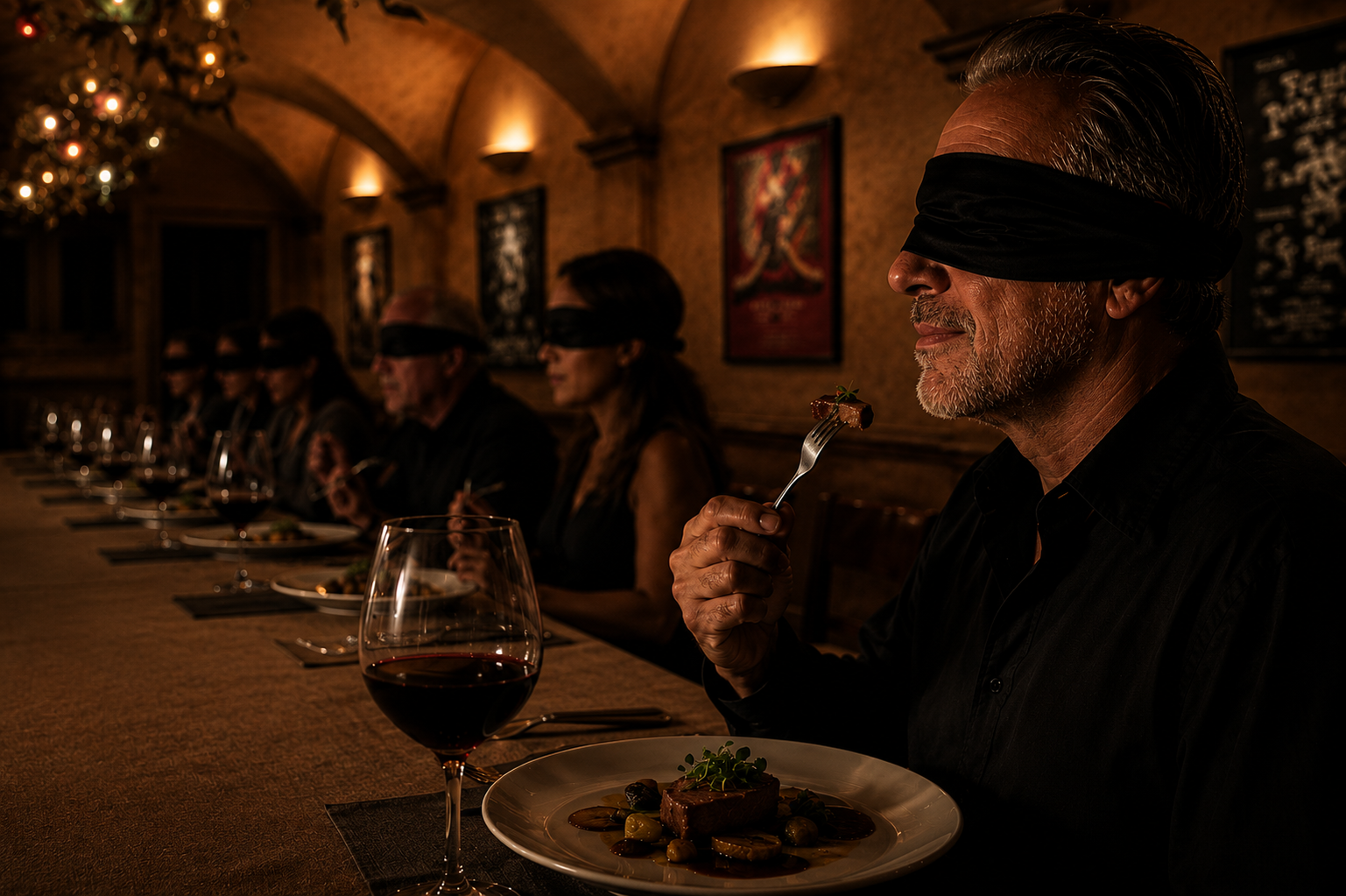
A guest couldn't tell whether the wine in his glass was red or white. Others discovered they loved foods they'd avoided for years. During a series of Dining in the Dark dinners at Formaggio Grill, I learned that our palates are shaped as much by expectation as by flavor. The lesson reached far beyond the dinner table.
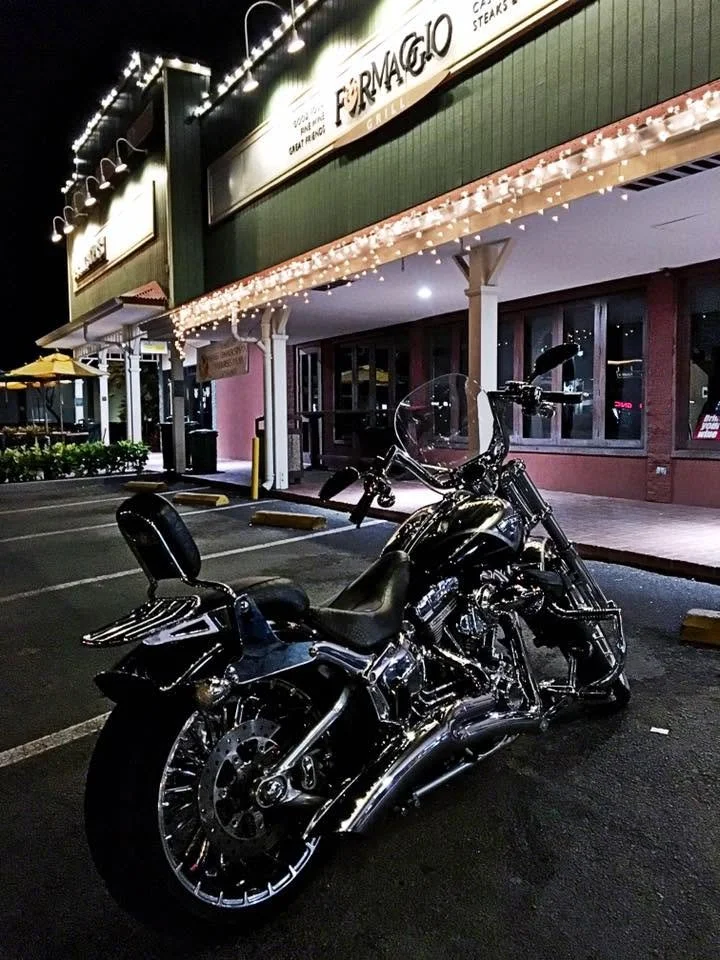
The Restaurant Next Door
Every neighborhood has one. The restaurant next door—the familiar little place that quietly becomes part of your life. It rarely makes headlines, yet it may be one of the most important places in the neighborhood.
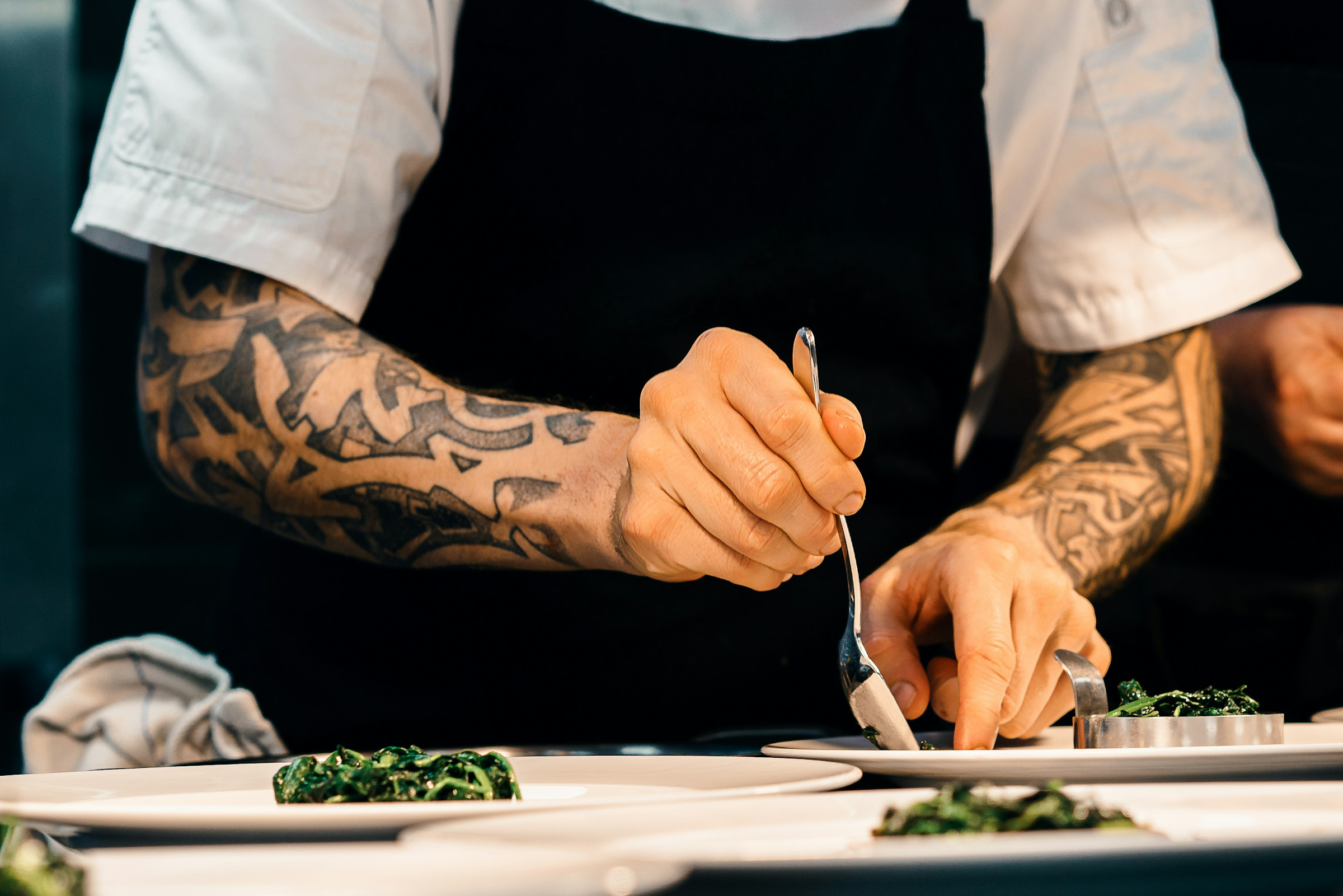
Why Does Restaurant Food Taste Better?
Restaurant food often tastes more flavorful than home cooking. The reason lies in professional control of seasoning, heat, fat, preparation, and repetition — the systems that allow restaurants to deliver consistent flavor and texture.
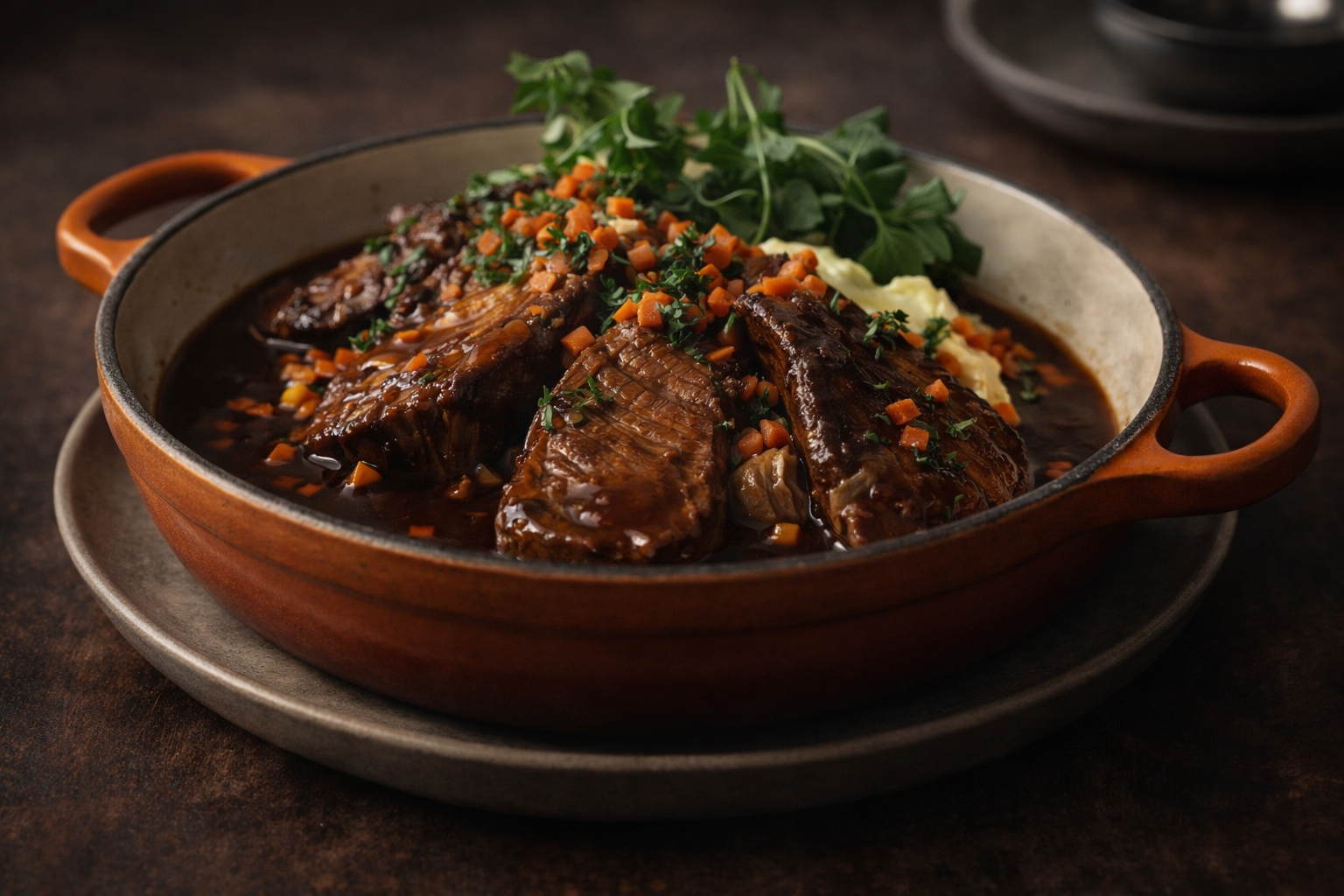
Dining in the Age of Restraint
Dining is entering an age of restraint.
Shrinking appetites. Thinner labor markets. Tighter margins.
The next decade of restaurants won’t reward excess — it will reward precision. This is not a decline. It’s a correction.
Here’s where dining is headed.
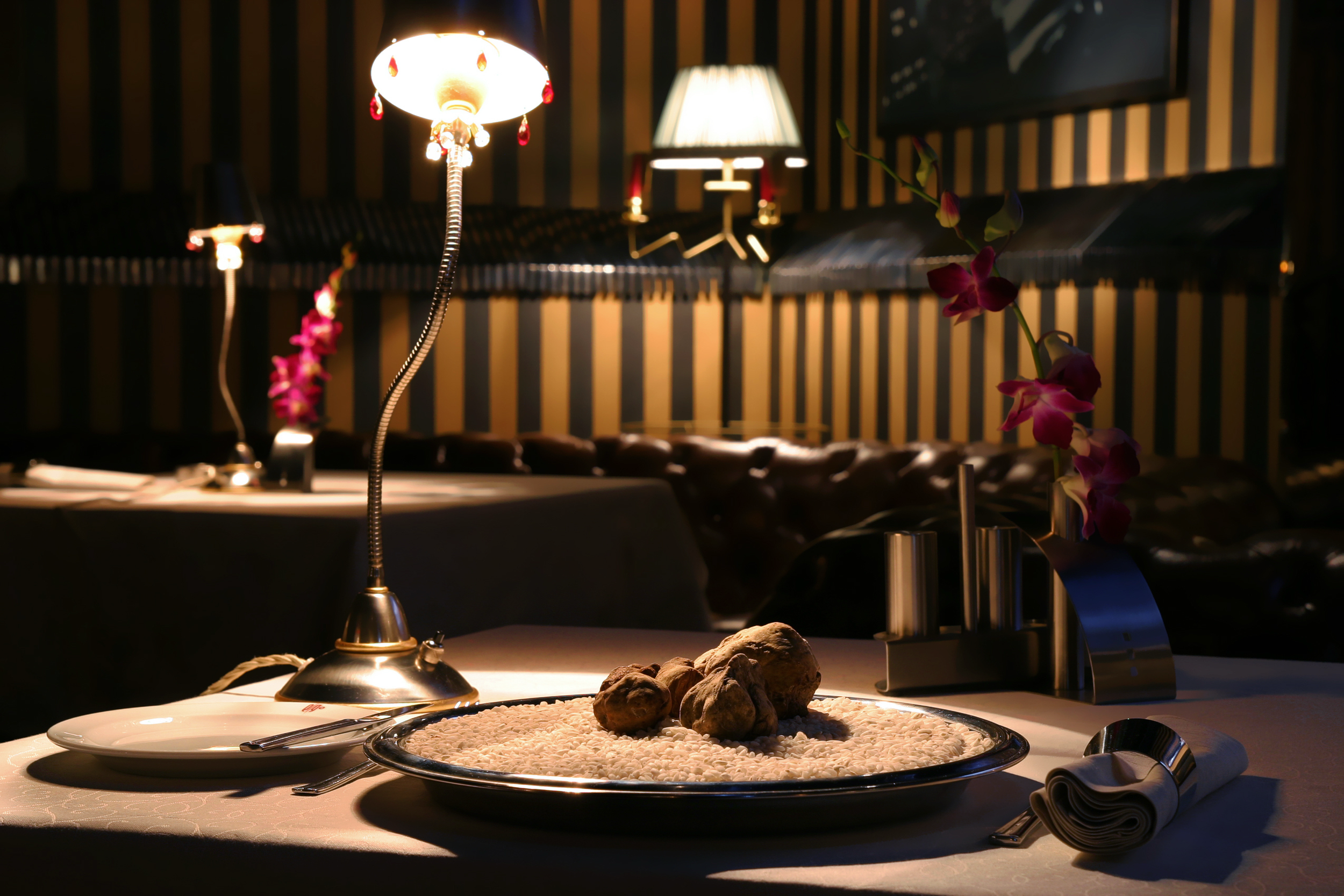
Why the Best Restaurants Light the Table, Not the Room
Restaurants carefully shape the atmosphere of a dining room, and lighting plays a quiet but powerful role. From candlelight traditions to modern cordless lamps, the table itself often becomes the center of the experience.
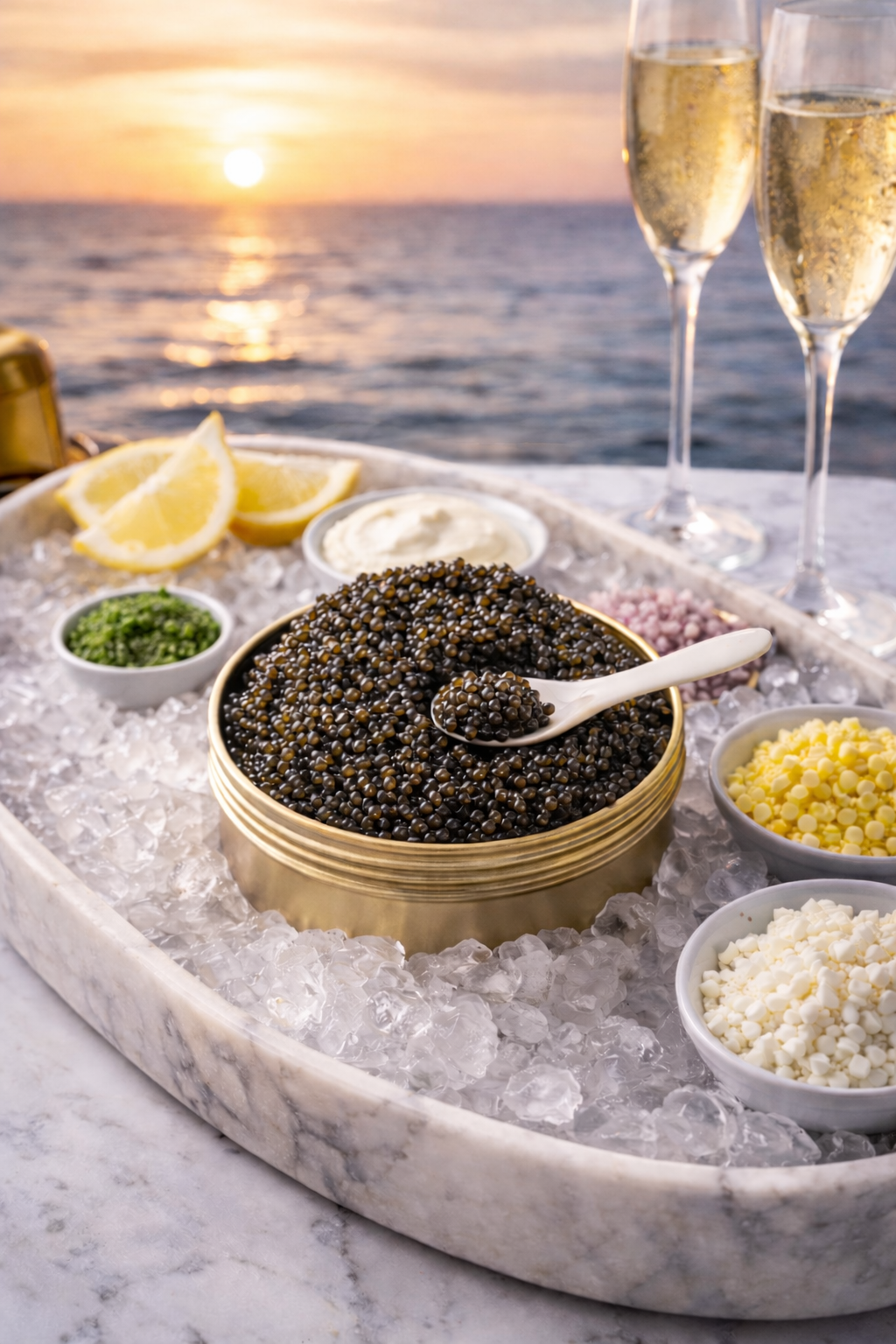
Caviar 101
A food-first exploration of caviar — how it’s sourced, served, and understood in serious dining rooms. Less about luxury, more about judgment, restraint, and getting it right.
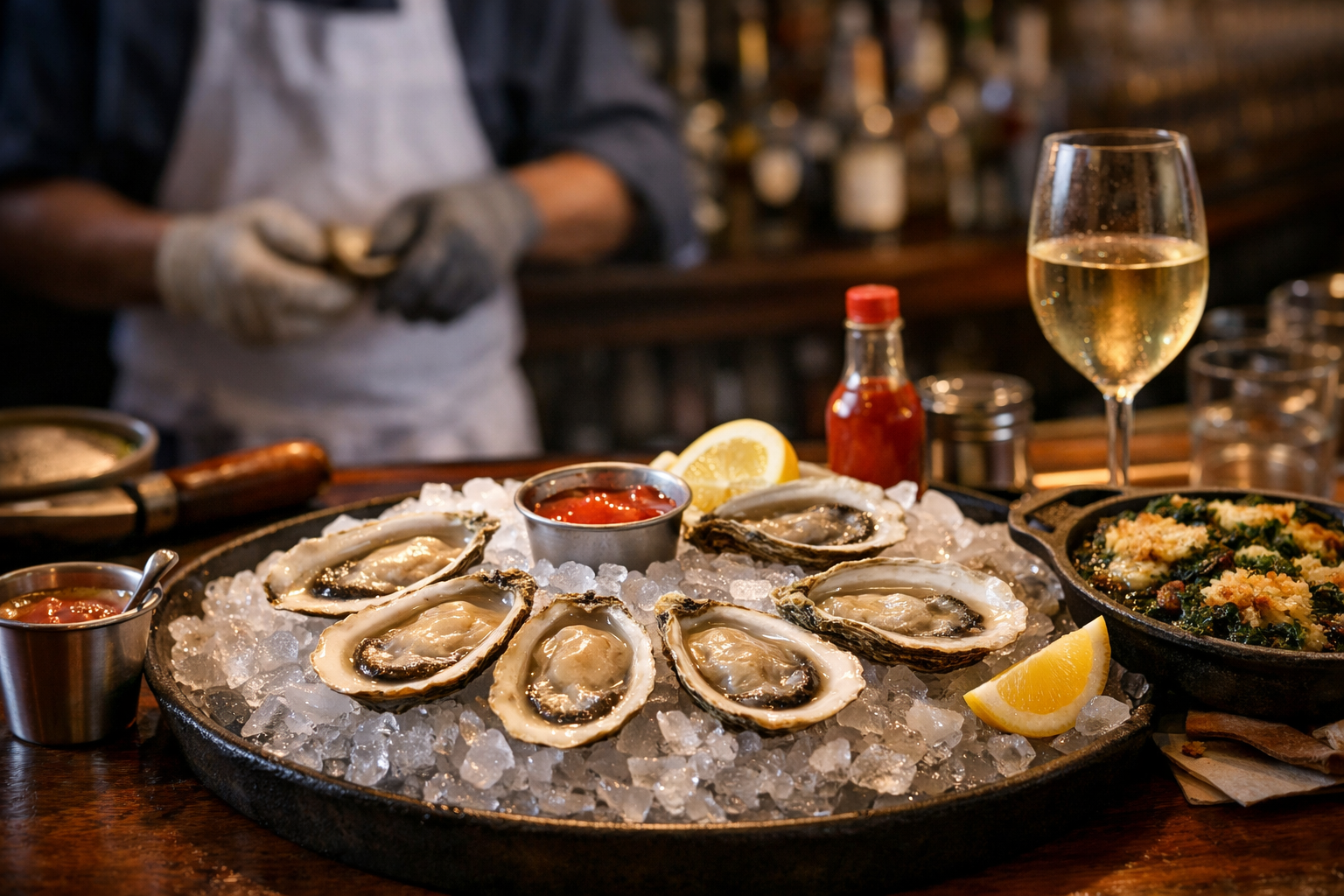
The Half Shell
A sensory exploration of oysters — raw and cooked — and the quiet rituals that surround them. From standing at the bar to classic steakhouse preparations, this essay looks at how trust, restraint, and attention shape the way we eat.
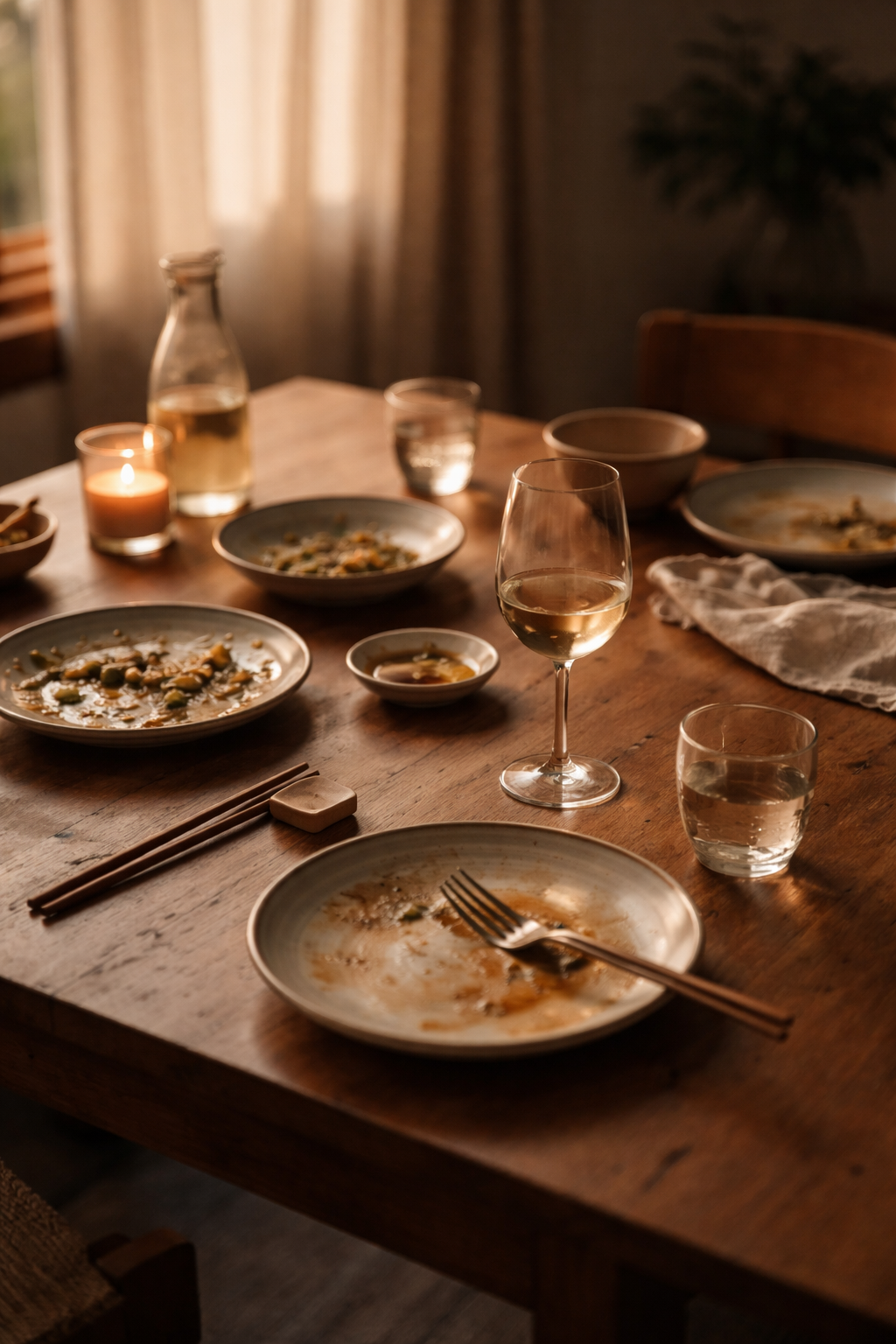
The Pleasure of Enough
Pleasure does not peak at fullness. It arrives just before. Drawing from Japanese philosophy, Chinese banquets, Korean banchan, and Old World traditions, this essay reflects on why balance, pacing, and restraint have always defined the most satisfying meals.
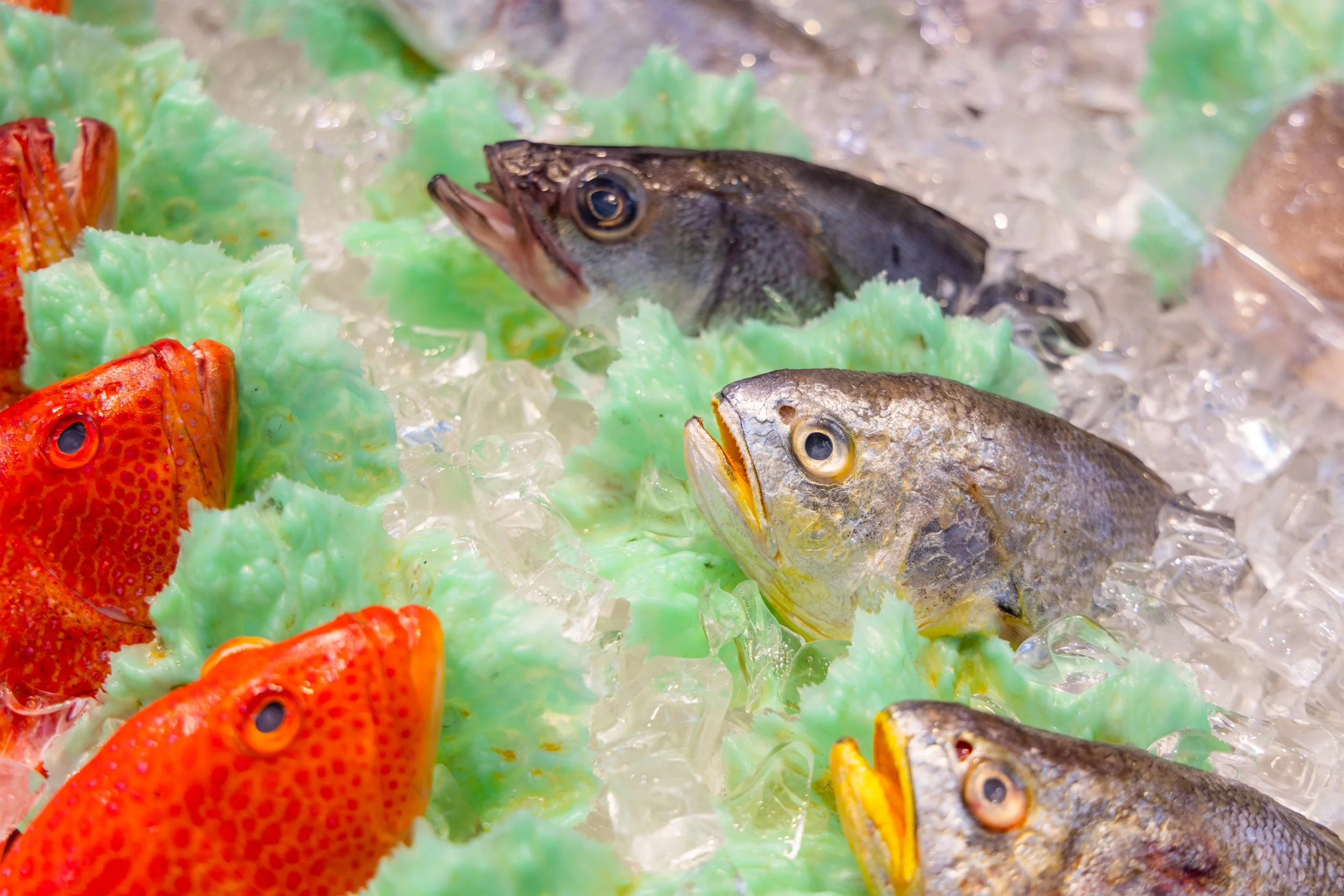
The Seafood Table
Cold Atlantic waters produce seafood with tight muscle structure, clean flavor, and little margin for error. From scallops and cod to oysters and lobster, the U.S. East Coast seafood tradition teaches restraint, disciplined sourcing, and techniques that protect the ingredient rather than transform it.
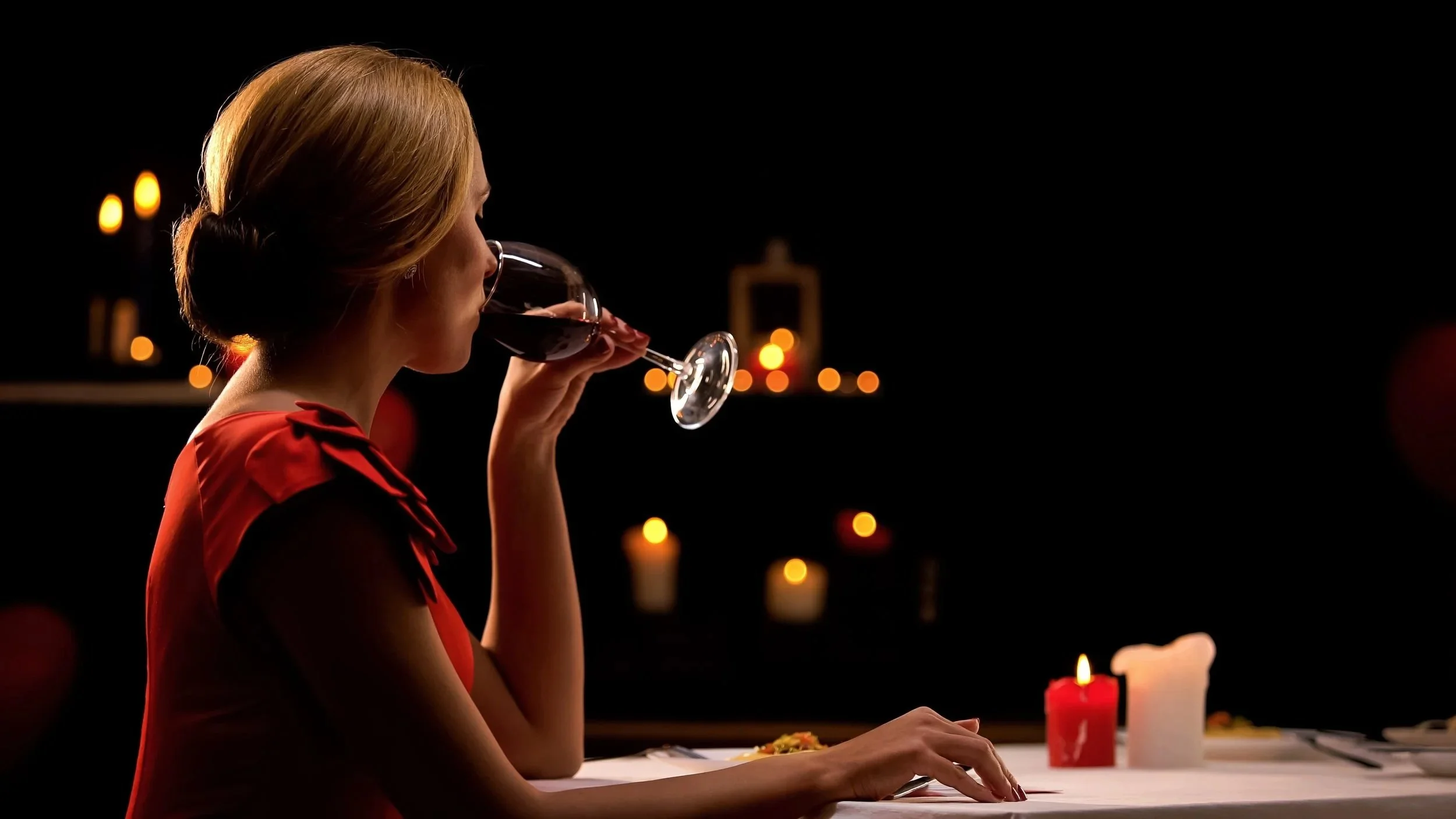
Dining Alone
Dining alone isn’t lonely — it’s liberating.
Some of life’s most meaningful meals are eaten without witnesses.
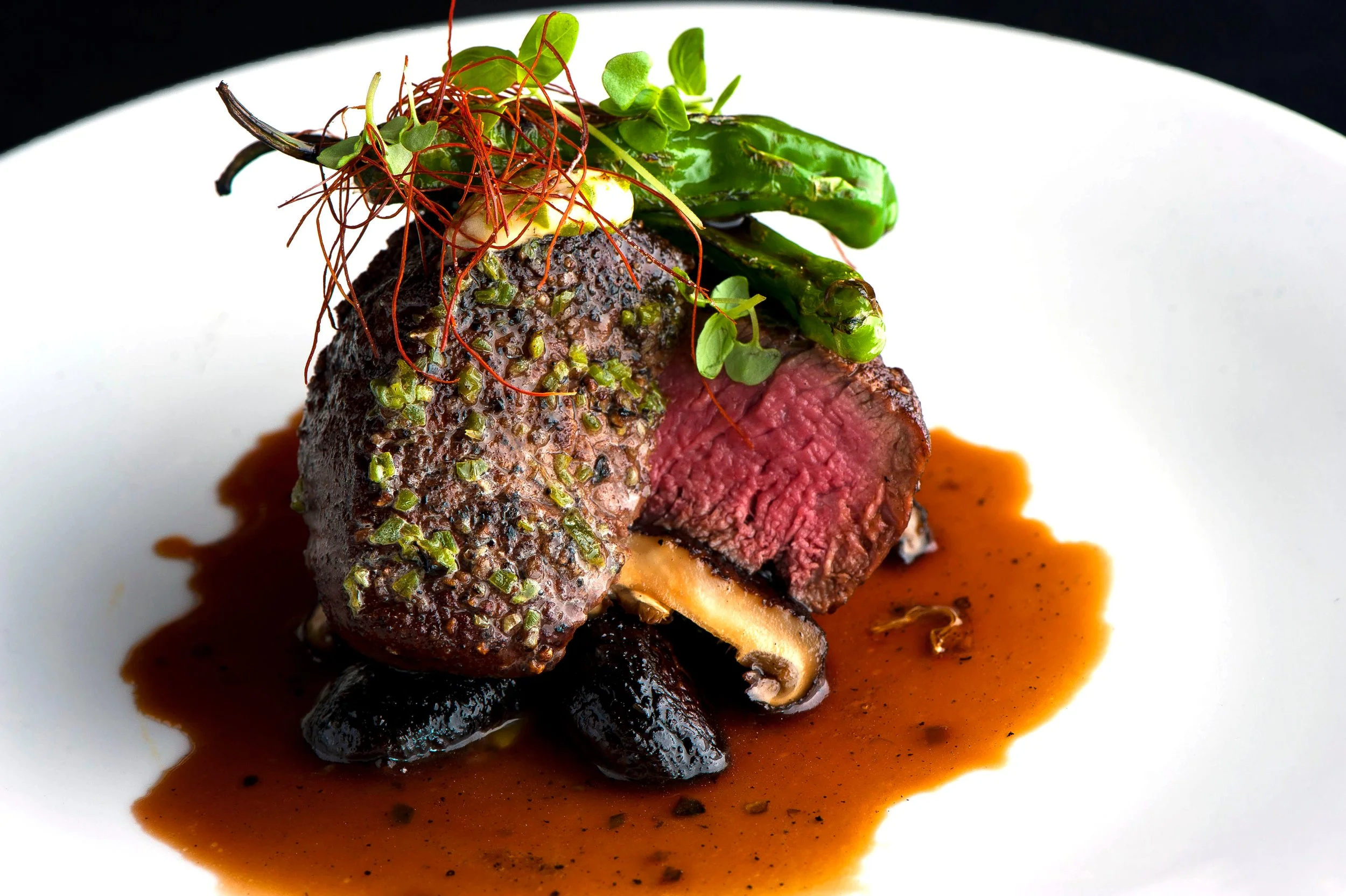
The Modern Steakhouse: The Fire, the Finish, and the Final Ten Feet
The Modern Steakhouse — Part III
A modern steakhouse is more than meat and fire—it’s rhythm, craft, and the last ten feet between the broiler and the table. We explore the sides, sauces, cuts, and wine pairings that define a great steakhouse, from creamed spinach and Béarnaise to porterhouses and Brunello. A deep, sensory dive into the flavors, myths, and rituals that complete the steakhouse experience.
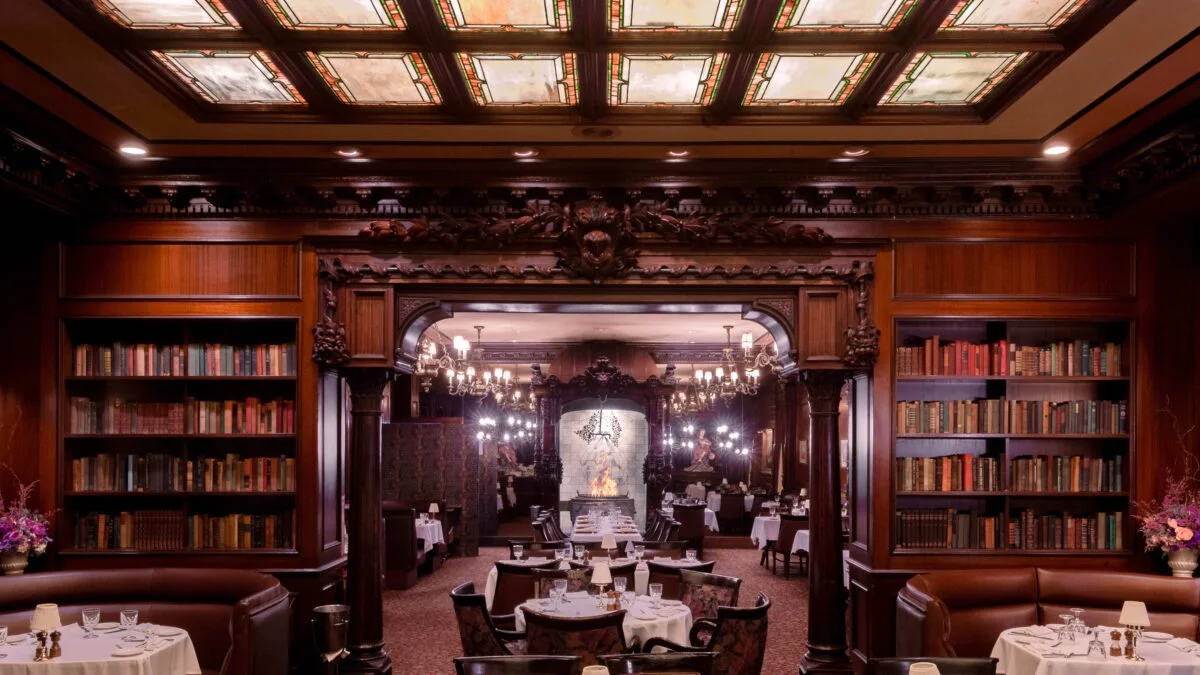
The Modern Steakhouse: The Room, The Ritual, and The Reinvention
The Modern Steakhouse — Part IV
The modern steakhouse is more than beef—it’s design, sound, service, wine, economics, culture, and the emotional architecture of hospitality. Part 4 explores the room, the ritual, and the evolution that has shaped today’s steakhouse—and the future it’s heading toward.
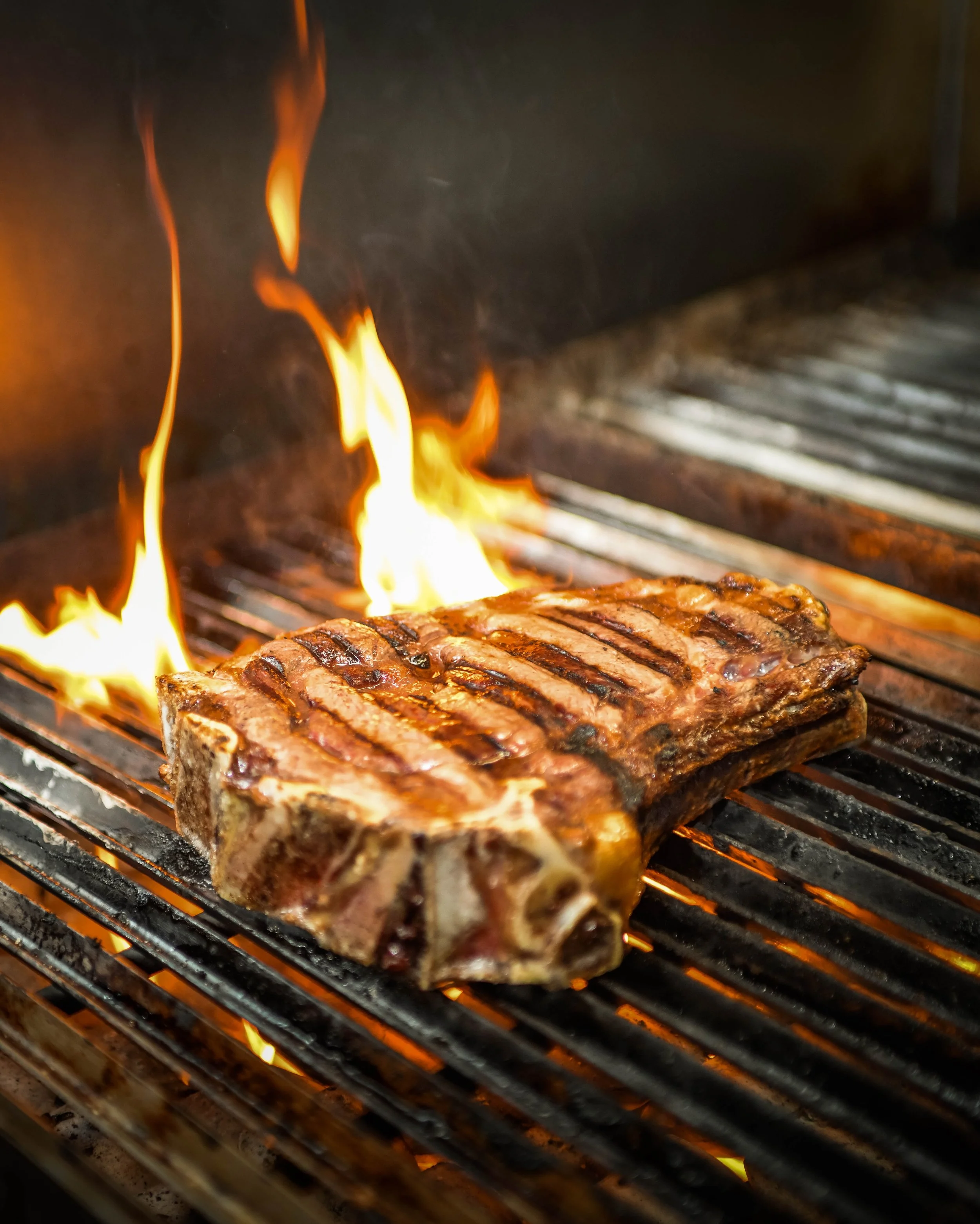
The Modern Steakhouse: Mastering the Cut
The Modern Steakhouse — Part II
Step into the heart of the steakhouse kitchen — where heat, instinct, and discipline turn raw cuts into unforgettable steaks. This is the craft behind the crust.
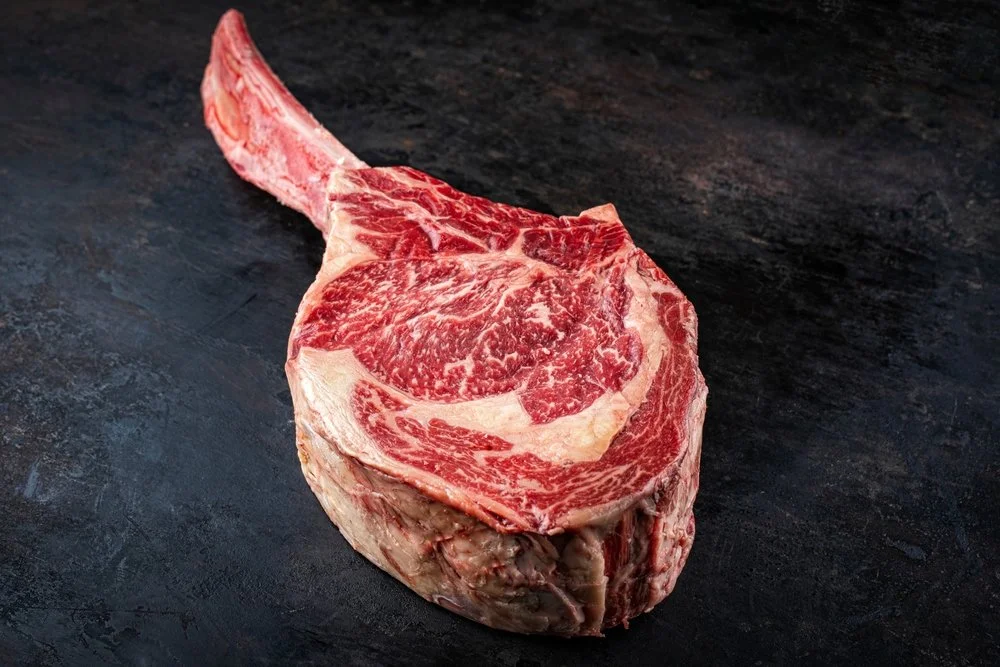
The Modern Steakhouse: Anatomy of Excellence
The Modern Steakhouse — Part I
An inside look at what makes a modern steakhouse exceptional — from breed genetics and marbling to aging, cuts, and the craft behind every great steak.
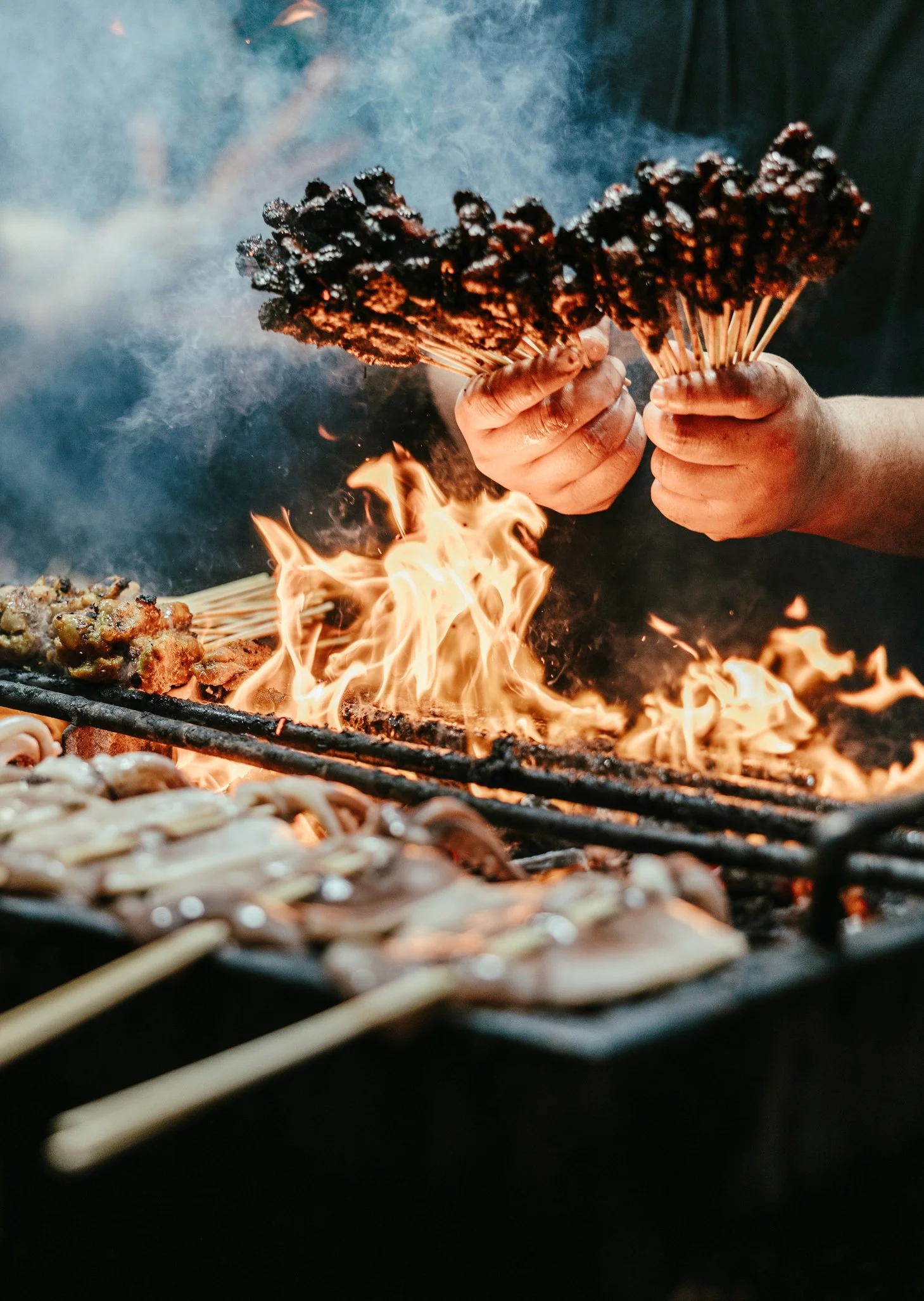
The Republic of Flavor: A Night Among Singapore’s Hawkers
A walk through Singapore’s hawker centers — from Maxwell’s morning steam to Lau Pa Sat’s midnight smoke — where food isn’t performance, it’s a promise kept.
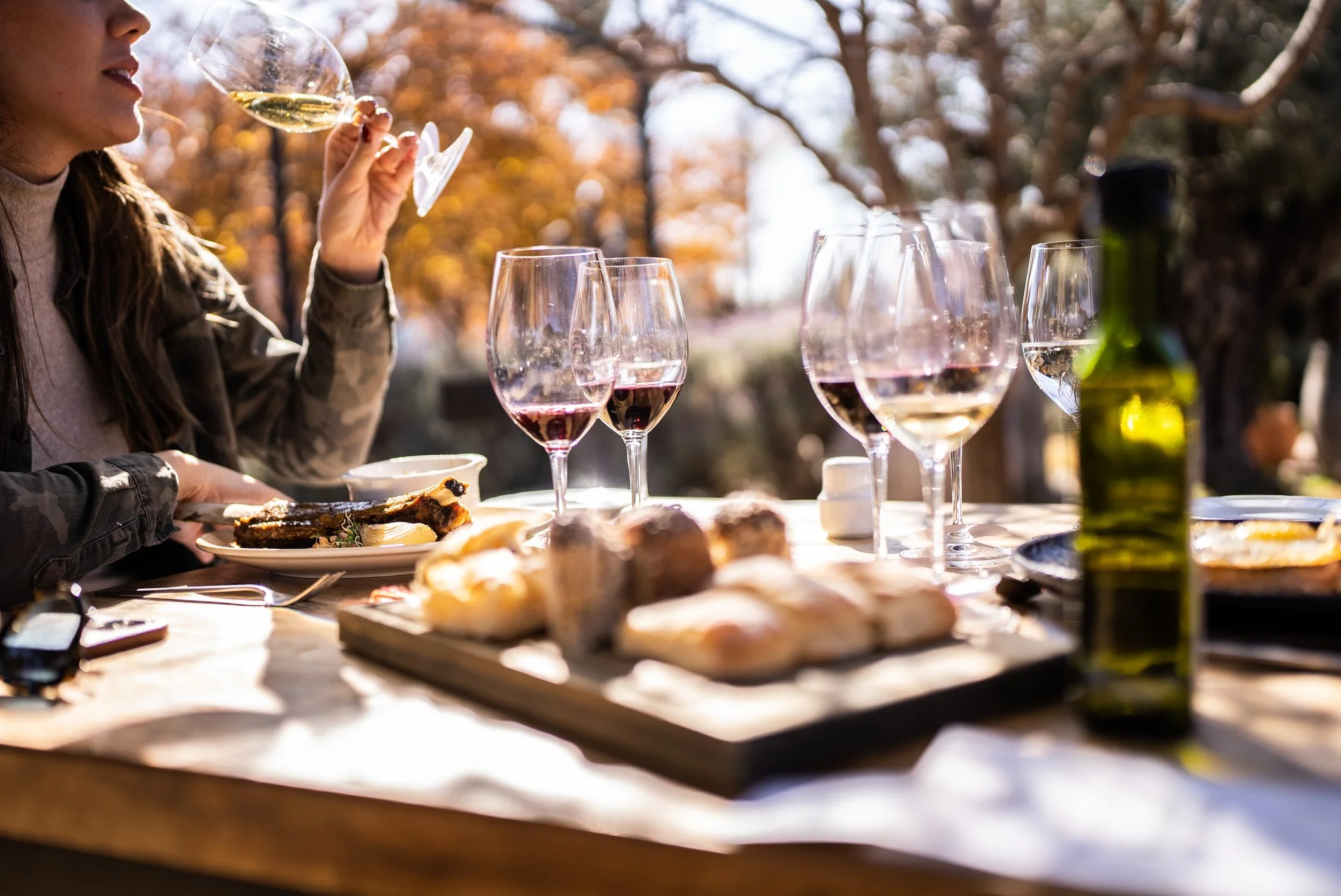
The Art of Pairing — How to Match Wine and Food Like a Somm
Forget the old rules of red for meat and white for fish. Explore the sensory science and culinary intuition behind pairing wine with food — and food with wine — like a sommelier.
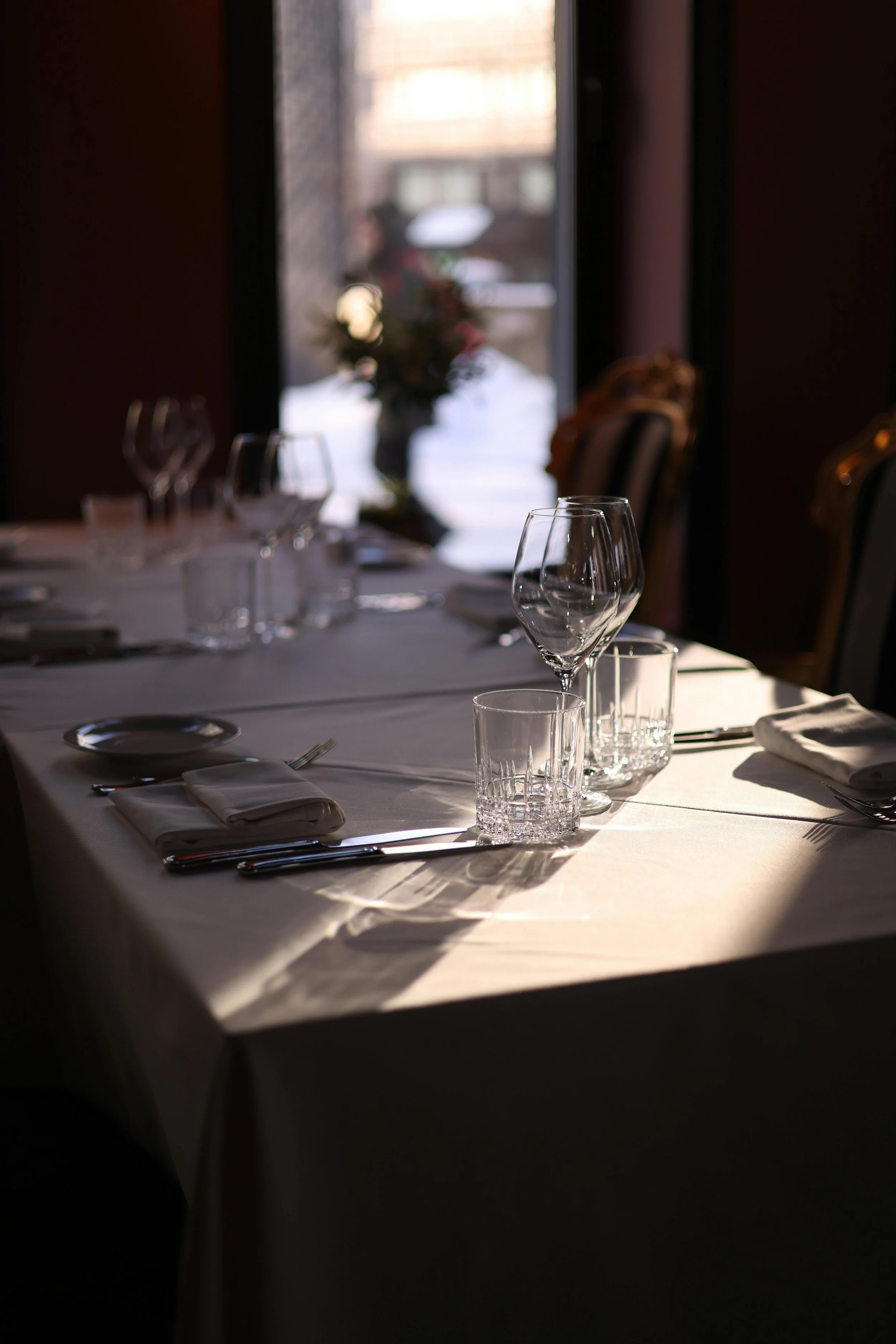
After the Silence — What We Lost, What We Can Save
Every city lost a piece of its soul when the pandemic dimmed its dining rooms. Some lights never came back on — others are slowly flickering to life. From Honolulu to Paris, we revisit the tables that shaped us, the chefs who carried on, and the quiet resilience that still fills the room.
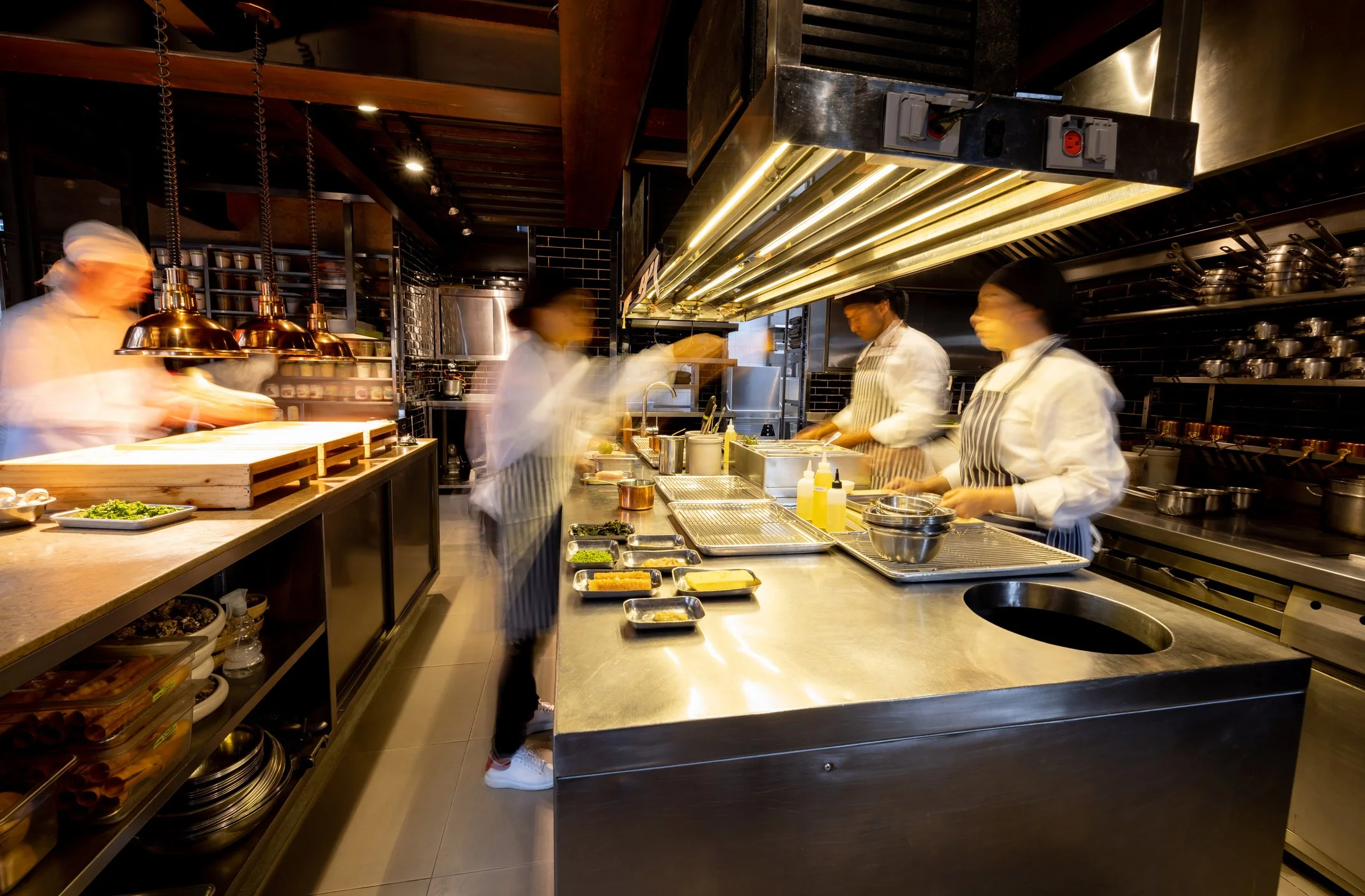
Beyond Fusion — When Cultures Cook Together
Across continents, ten chefs prove that “fusion” isn’t confusion — it’s craft. From Lima’s Maido to London’s Ikoyi and Tokyo’s Sazenka, discover how culinary borders blur beautifully when cultures cook together.
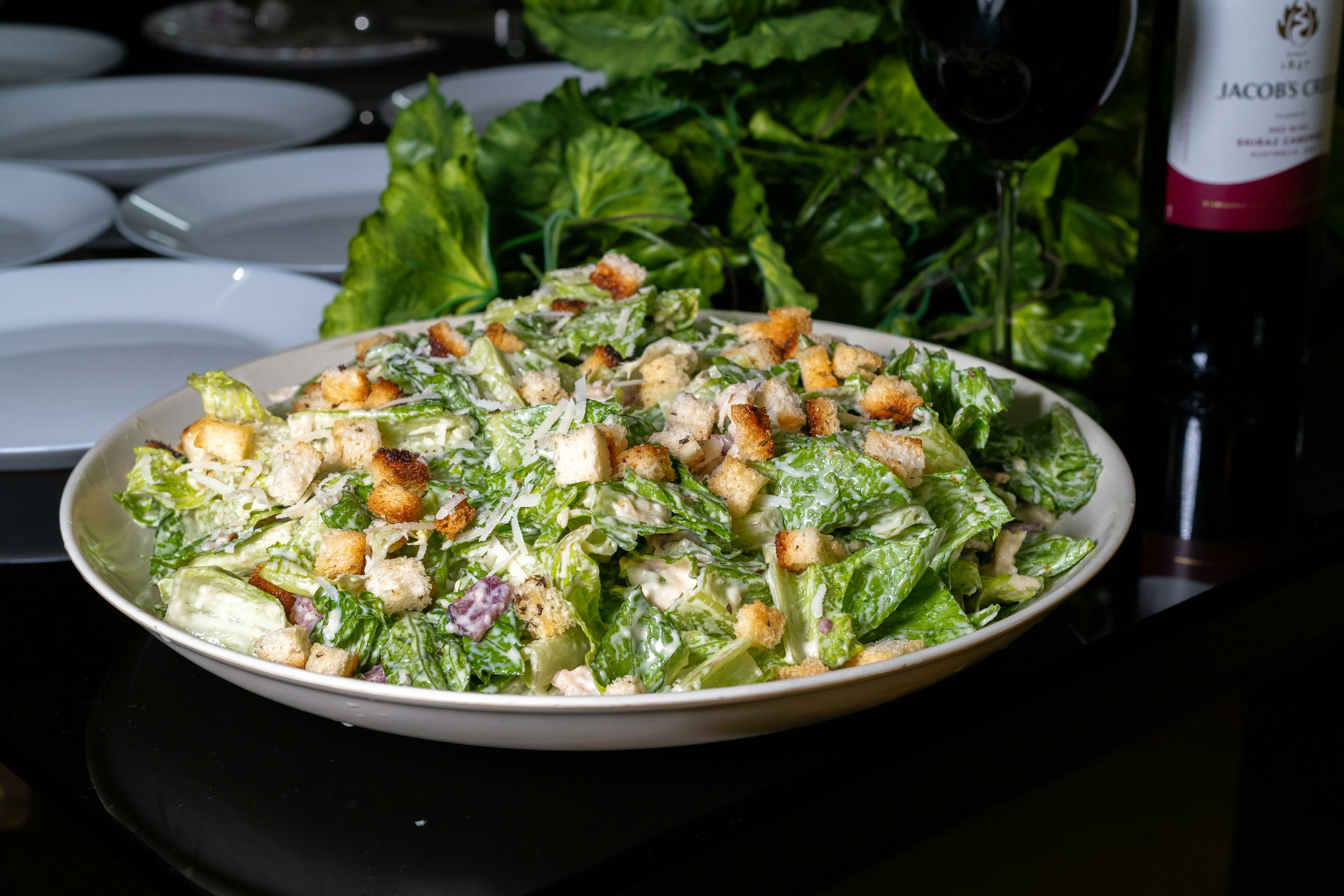
Why Is It Called a Caesar Salad?
Caesar salad is not named after the Roman emperor but after restaurateur Caesar Cardini, who created the dish in Tijuana in 1924. The story reveals how a simple improvisation became a global classic.
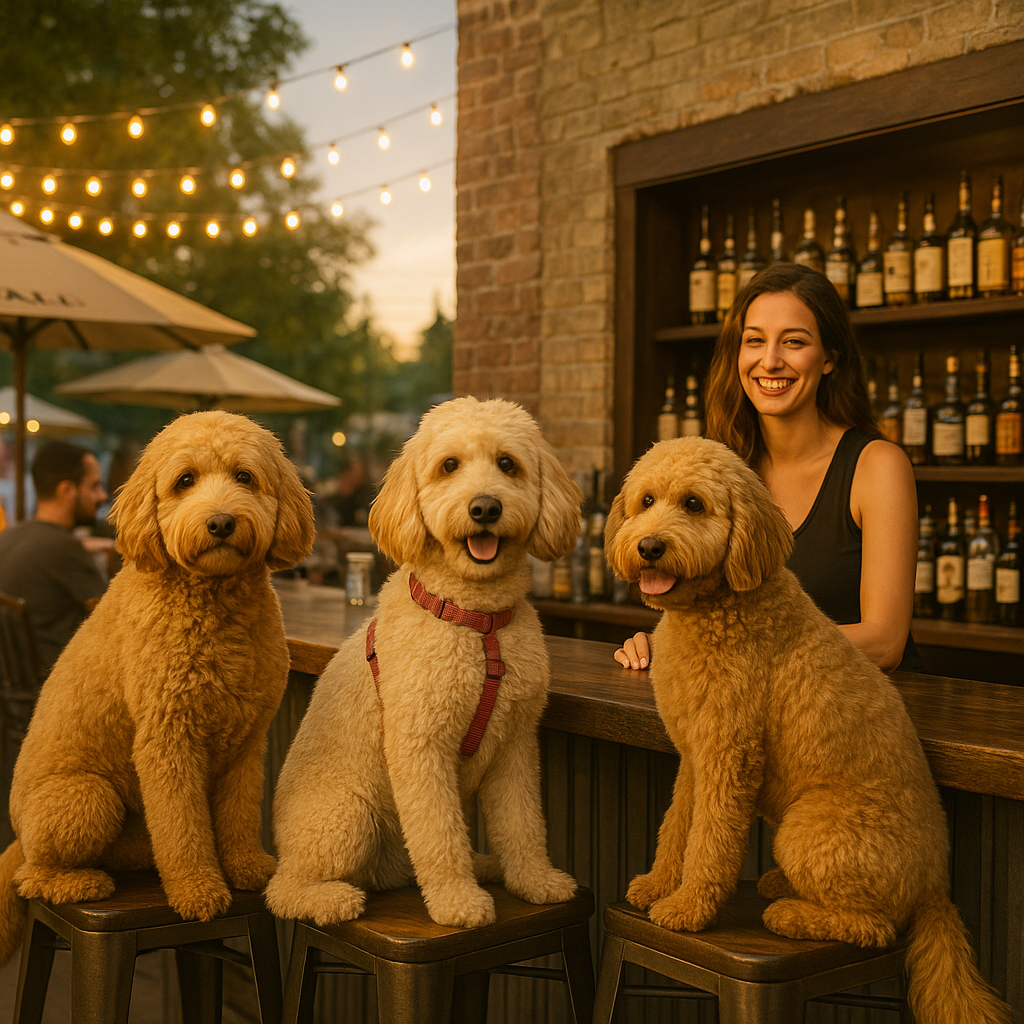
Fine Dining & Dog Friendly!
From New York to Tokyo, discover thirteen exquisite restaurants where fine dining and dog love share the same table. Meet visionary chefs, savor their creations, and see how hospitality extends from plate to paw.