Share
An unfolding archive of food, culture, and craft.

Continuity of Attention
Service does not end at payment. Continuity of attention defines how hospitality truly concludes — and whether care is withdrawn casually or intentionally.

What is Umami?
Umami is the fifth basic taste, responsible for the savory depth found in foods like mushrooms, aged cheese, and roasted meat. It enhances flavor by making dishes taste fuller, rounder, and more satisfying. Understanding umami reveals how great cooking builds depth beyond salt, acid, and heat.

How Do You Season a Carbon Steel Pan?
Carbon steel pans require seasoning to develop their naturally slick cooking surface. Learn how chefs build seasoning with heat and oil—and why stainless steel pans do not require the same process.

Part VI — Rebuilding The Human System
Taking over a restaurant rarely means starting with a new team. This chapter explores how experienced operators evaluate inherited staff, rebuild professional standards, and guide the first services that determine whether a restaurant truly begins again.

What Is the Maillard Reaction?
The Maillard reaction is the chemical process responsible for the rich browning and complex aromas that develop when foods are seared, roasted, or toasted.

Part V — Infrastructure: Where the System Actually Lives
A POS system does not fail in theory. It fails in the middle of service, when timing, communication, and revenue are all in motion at once.

Why Do Chefs Finish with Butter?
Why professional kitchens often finish dishes with butter—and how it changes flavor, texture, and balance.

Part VII — Earning Trust Again
A restaurant renovation changes the room. Rebuilding trust changes the story guests tell about it. In this final chapter of Project II, we explore how restaurants earn trust again — through consistency, discipline, and the quiet return of repeat guests.

Why Do Chefs Use Kosher Salt?
Kosher salt is the seasoning most professional kitchens rely on. Its larger crystal structure allows cooks to control how salt is distributed across food, improving consistency and flavor balance.

Dining in the Age of Restraint
Dining is entering an age of restraint.
Shrinking appetites. Thinner labor markets. Tighter margins.
The next decade of restaurants won’t reward excess — it will reward precision. This is not a decline. It’s a correction.
Here’s where dining is headed.

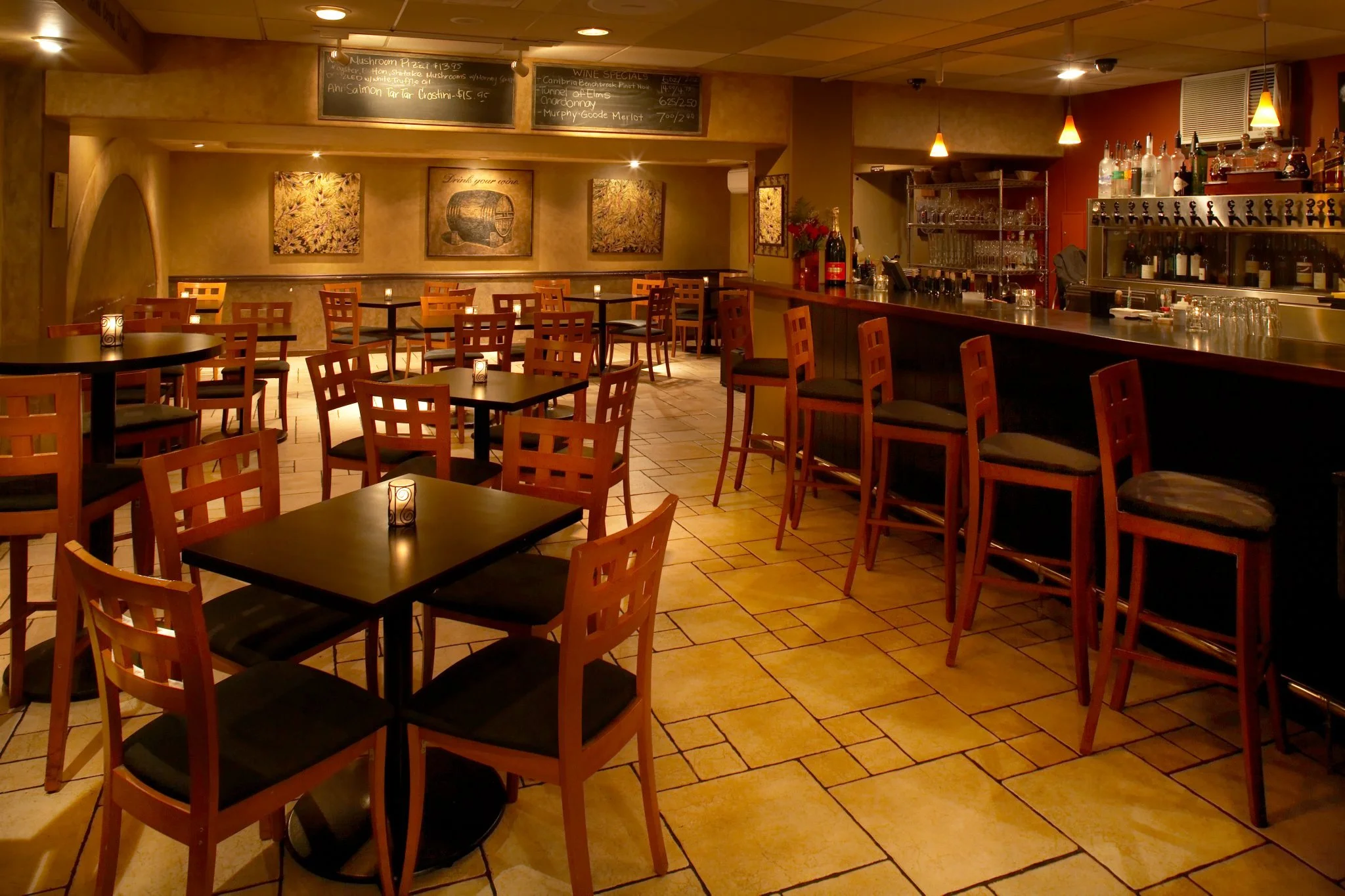
Why the Best Restaurants Light the Table, Not the Room
Restaurants carefully shape the atmosphere of a dining room, and lighting plays a quiet but powerful role. From candlelight traditions to modern cordless lamps, the table itself often becomes the center of the experience.

Why Do You Salt Pasta Water? (And Should You Add Olive Oil?)
Salting pasta water seasons the pasta itself, while adding olive oil to the pot does little to change the cooking process. Understanding the difference improves both flavor and sauce integration.

Thermapen® ONE: Precision in a Second
Precision in cooking often comes down to seconds. Thermapen ONE delivers a temperature reading in about one second, making it one of the most trusted instant-read thermometers used by professional kitchens and serious cooks.

Why Does Steak Need to Rest After Cooking?
Why resting steak matters. Heat continues to move toward the center after a steak comes off the grill. How much the center warms depends on the cut and how it was cooked. Planning for that carryover helps you time the rest, the slicing, and the moment the steak reaches the table.

Why Does Fish Stick to the Pan?
A beautiful fish fillet can become a frustrating mess when it sticks to the pan. Here's what happens to the proteins as fish cooks, why moisture and temperature matter, and how a little patience can make all the difference.

Part VI — Implementation: Where Good Systems Fail
The system that is purchased is not the system that is built. Structure, training, and discipline determine whether the system holds—or quietly begins to drift.

Why Do Chefs Use Carbon Steel Pans?
Carbon steel pans are a staple in professional kitchens thanks to their fast heat response, natural seasoning, and excellent searing ability. Discover why chefs often prefer them over stainless steel and cast iron.

Honing vs Sharpening a Knife: What’s the Difference?
Honing maintains a knife's cutting performance, while sharpening restores a worn edge. Discover why both processes can remove steel and how to know which your knife needs.

Why Do Some Wines Need to Breathe?
Why some wines benefit from air—and how oxygen changes aroma, tannin structure, and balance.

Why Do Wines Age?
Wine ages because its chemistry continues to evolve after bottling. Oxygen, tannin, acidity, and aroma gradually reshape the wine over time, but aging is not always improvement—only transformation.