

Share
An unfolding archive of food, culture, and craft.
The Taste of Time
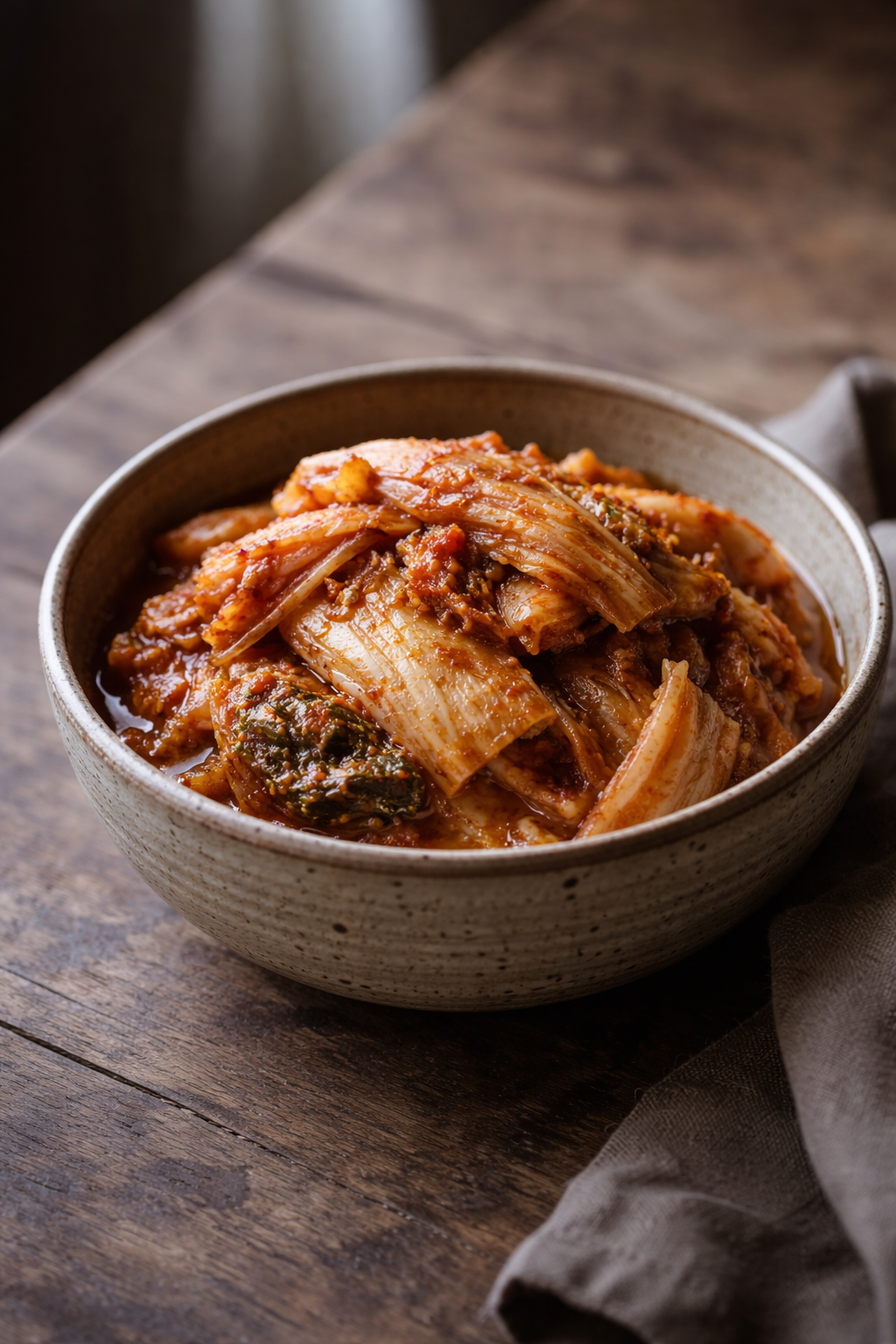
Time has a flavor. It arrives first in texture, then in balance, and finally in memory. This essay explores how fermentation tastes when it is allowed to finish speaking.
Fermentation, Reconsidered
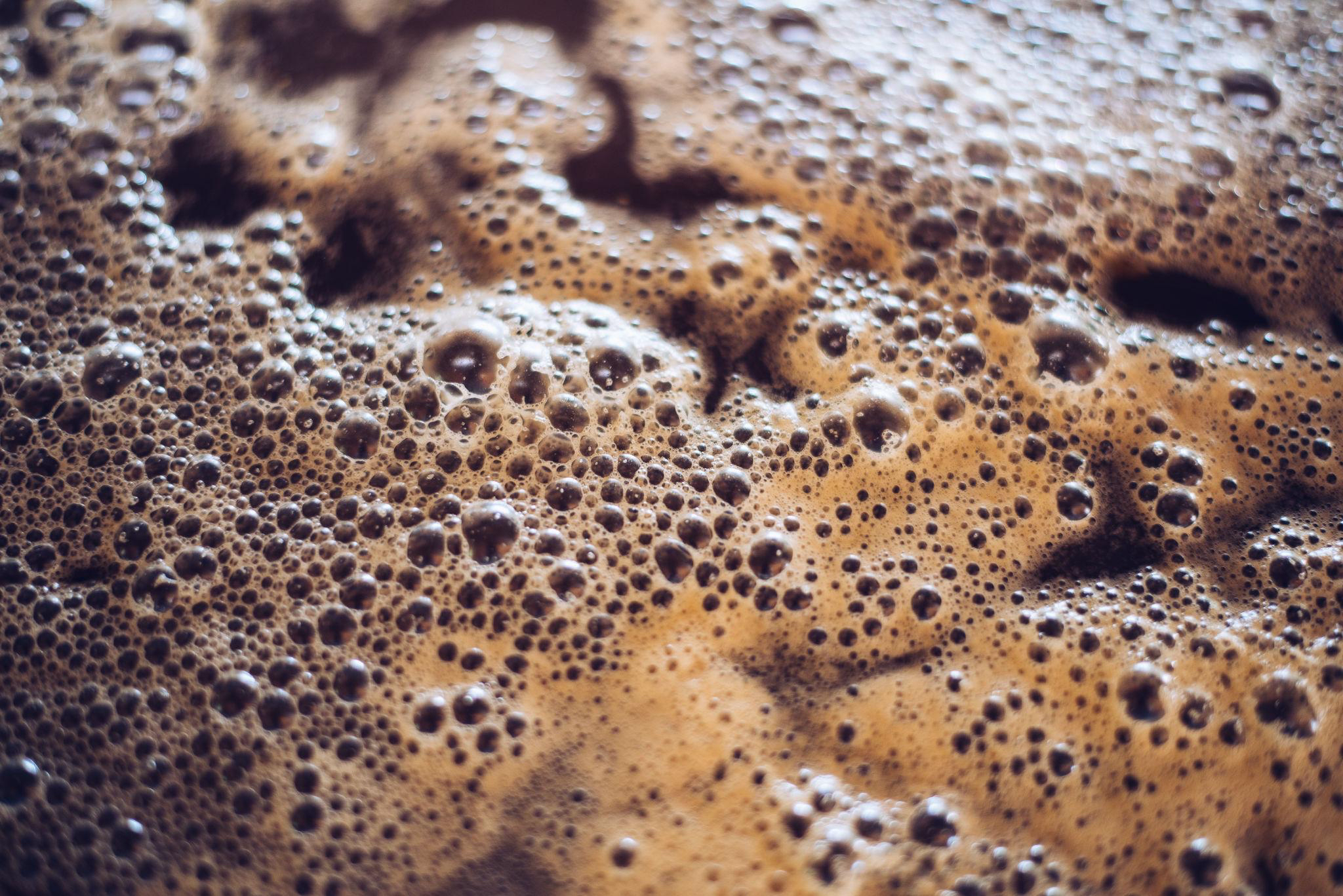
Fermentation is often treated as novelty, wellness, or aesthetic. In truth, it is a discipline governed by time, environment, and restraint — one we have long understood through wine, and too often forgotten everywhere else.
Part VI: Labor Under Stress
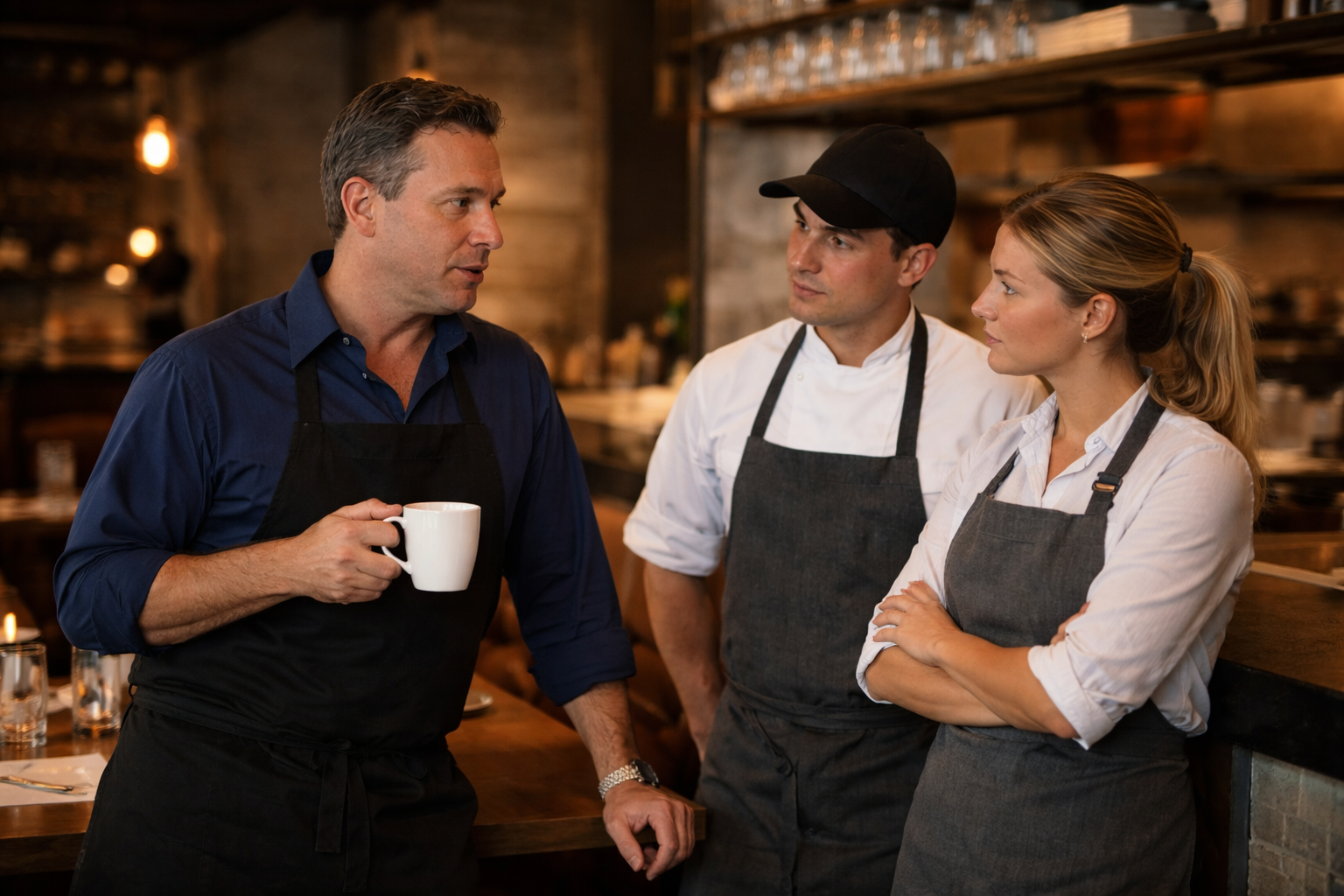
Revenue can soften without warning. Labor cannot. When payroll outpaces deposits, the structure you designed is tested in real time. Staffing decisions become moral decisions, oversight grows heavier, and leadership is measured not by optimism but by restraint. Under pressure, a labor model does not collapse — it reveals whether it was ever stable.
Judgement Before the Applause
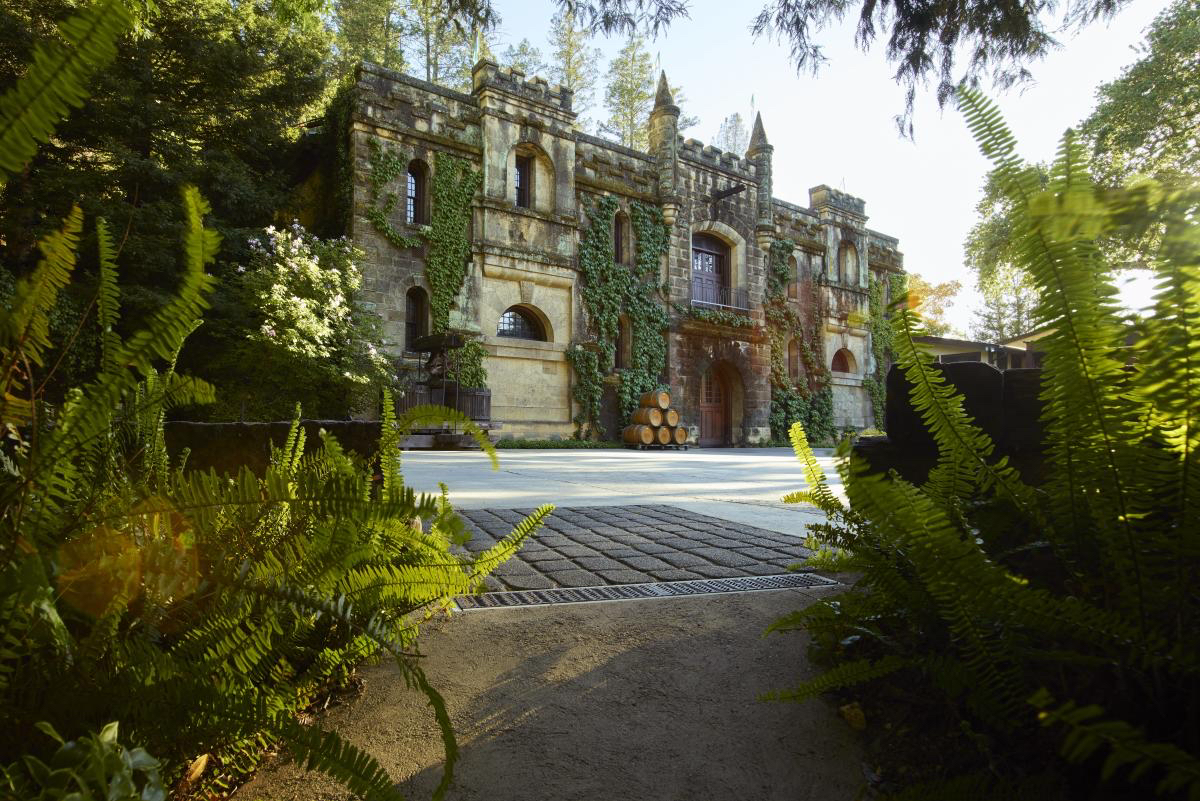
On May 24, 1976, a blind wine tasting in Paris quietly altered the course of wine history. Judged by France’s most respected palates, California wines stood anonymously beside Burgundy and Bordeaux—and prevailed. This is the factual, human story of that day: who was there, what was poured, and why the result still matters before we consider what came after.
The Judgment of Paris in Context
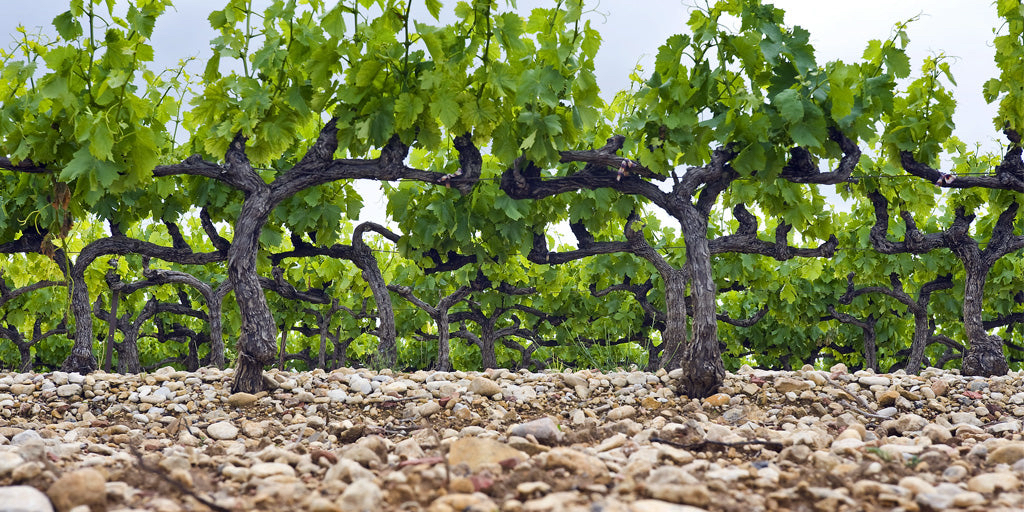
Before the Judgment of Paris could matter, the land had to make comparison possible. This archival deep dive examines Bordeaux, Burgundy, Napa Valley, and the Stags Leap District through soil, climate, sun exposure, and growing season—revealing why these wines could stand together in 1976, long before reputation entered the room.

After the Applause
The Judgment of Paris changed wine history, but its truth lives in the glass. Tasting the flagship wines of Chateau Montelena and Stag’s Leap Wine Cellars today reveals how restraint, stewardship, and decision-making shape texture, structure, and pleasure—long after the applause fades.

Part VII: Cash Flow & Runway
When revenue softens, the dining room can still feel busy. Cash flow tells a different story. Runway is not what sits in the account — it is what survives subtraction. This essay examines burn rate, seasonality, vendor pressure, and the financial discipline required to lead without illusion.

Part VIII: Governance
Governance determines who decides when revenue misses projection, when capital tightens, and when partners disagree. In opening a restaurant, ownership structure is not paperwork — it is power, risk, and consequence under pressure.
Caviar 101
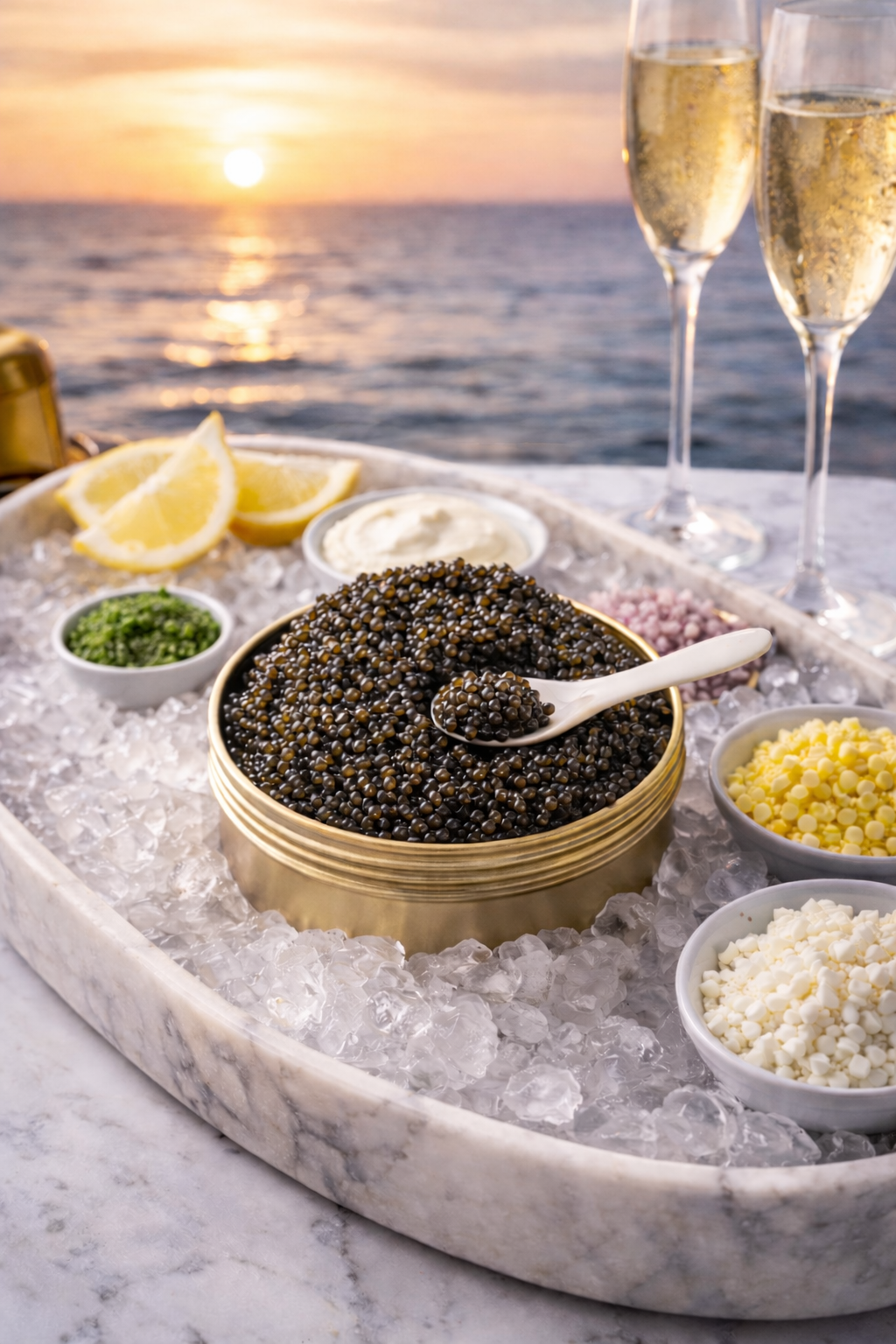
A food-first exploration of caviar — how it’s sourced, served, and understood in serious dining rooms. Less about luxury, more about judgment, restraint, and getting it right.
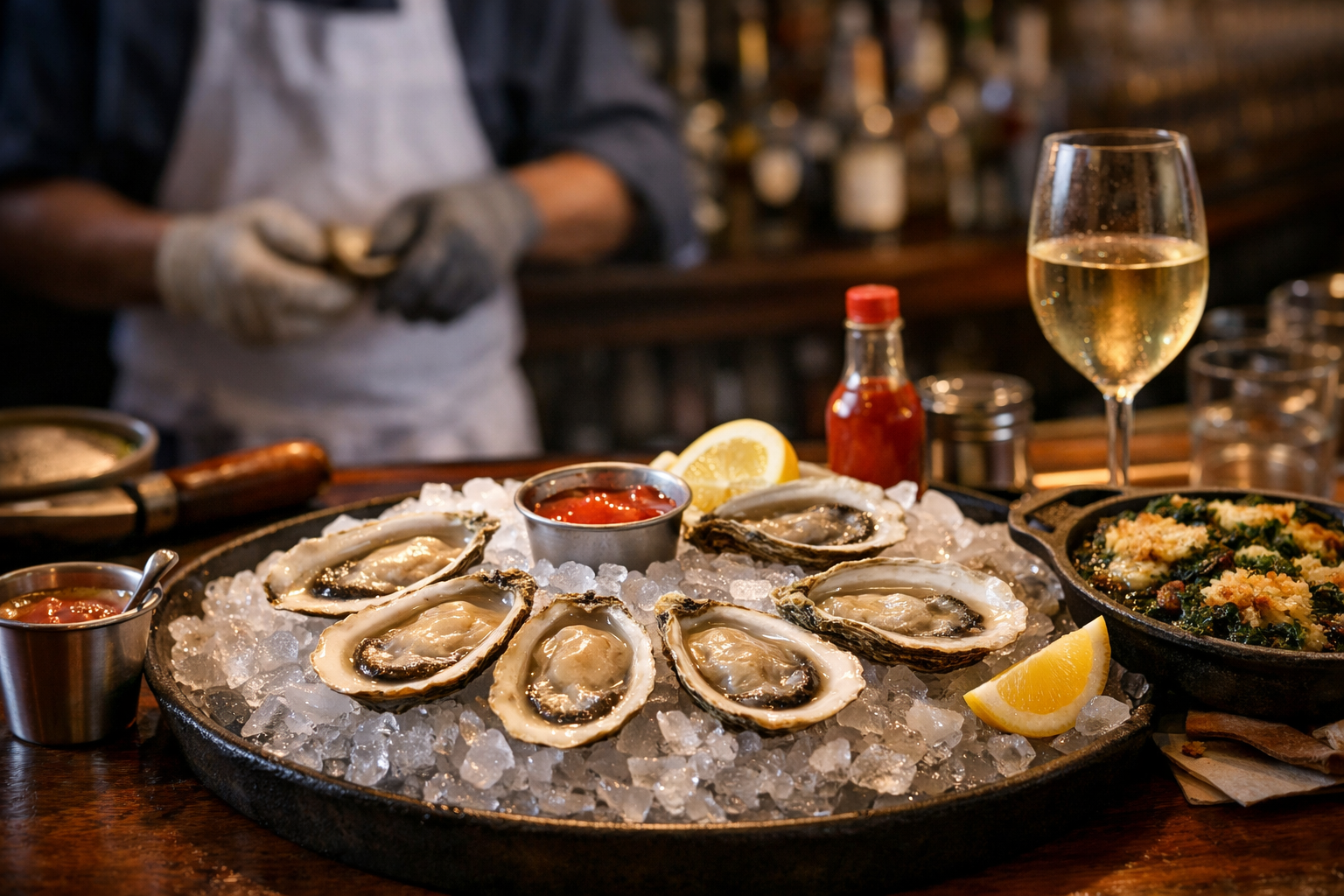
The First Man to Eat an Oyster Was Mighty Brave
A sensory exploration of oysters — raw and cooked — and the quiet rituals that surround them. From standing at the bar to classic steakhouse preparations, this essay looks at how trust, restraint, and attention shape the way we eat.
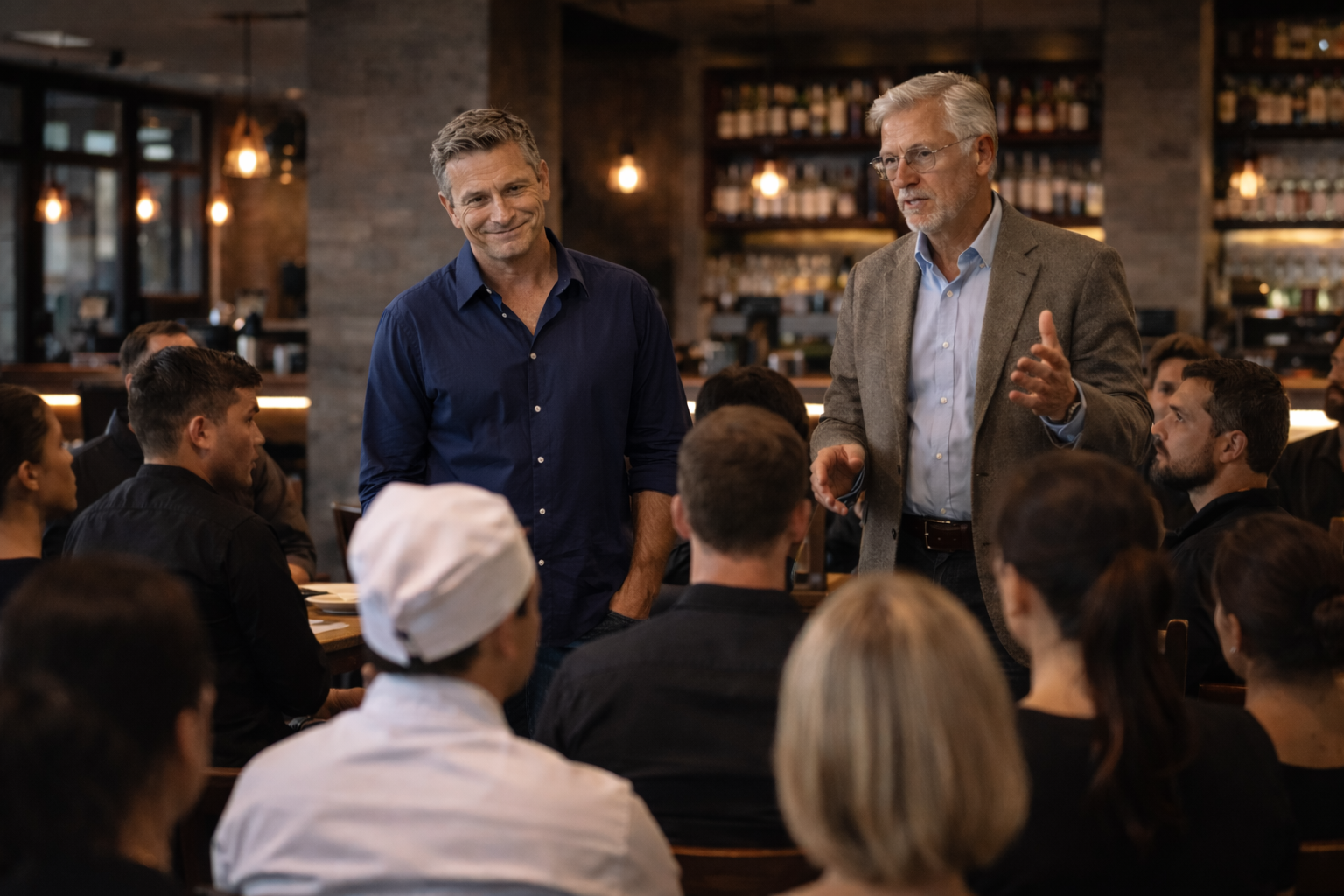
Part IX: Exit Strategy & Enterprise Value
How much is your restaurant actually worth? This guide to restaurant exit strategy explores valuation methods, EBITDA multiples, governance design, and the structural difference between a profitable lifestyle restaurant and a sellable enterprise.

Part X: The Psychological Cost of Ownership
Restaurant ownership reshapes more than balance sheets. It affects sleep, identity, marriage, leadership judgment, and long-term resilience. This final chapter examines the psychological cost of building, running, and ultimately leaving a restaurant.

Part VII — 90 Days Later
The system has not lost capability. It has lost attention. What remains is not what the system can do, but what the operation has chosen to use.
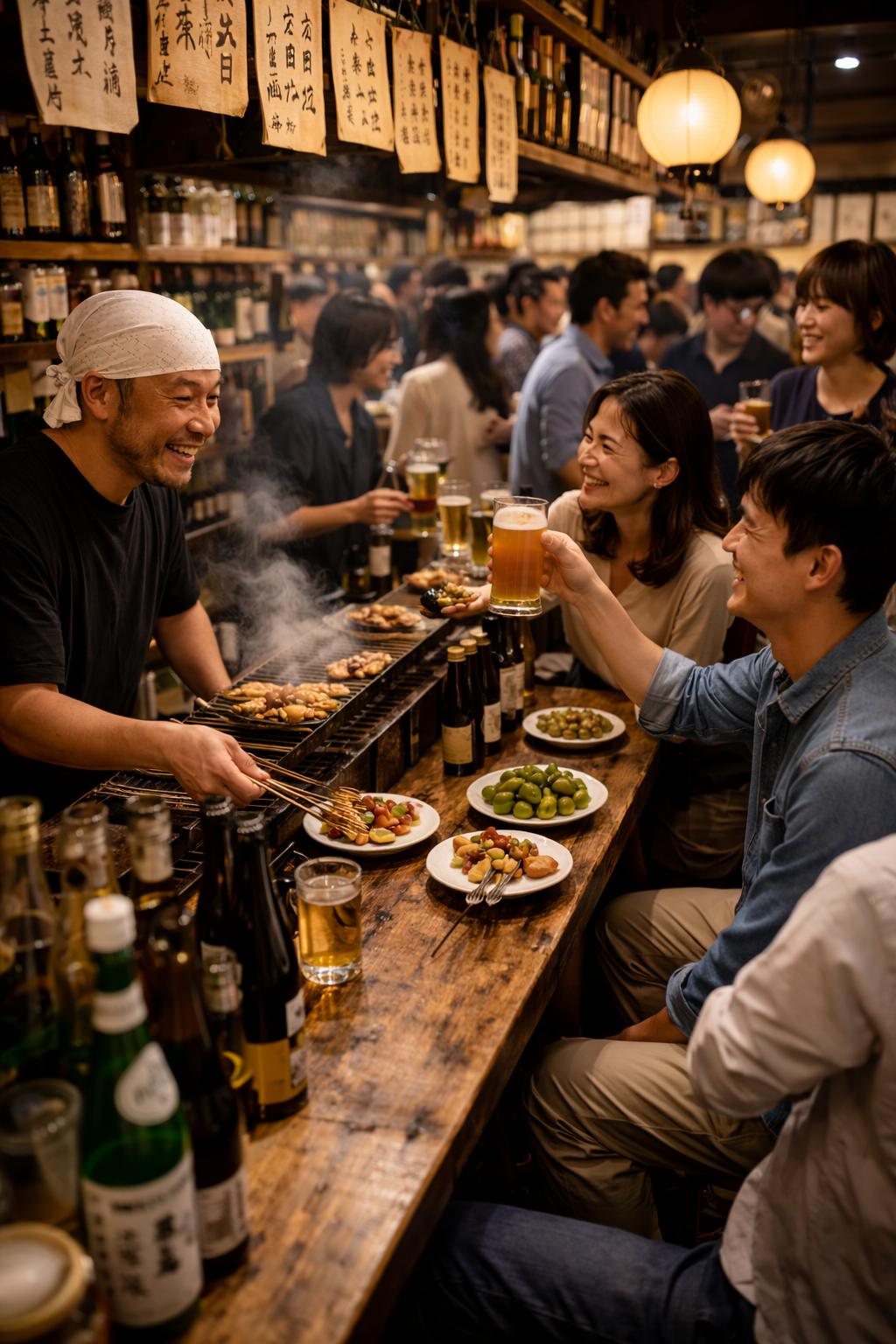
Izakaya, Tapas, Cicchetti — A Study in Presence
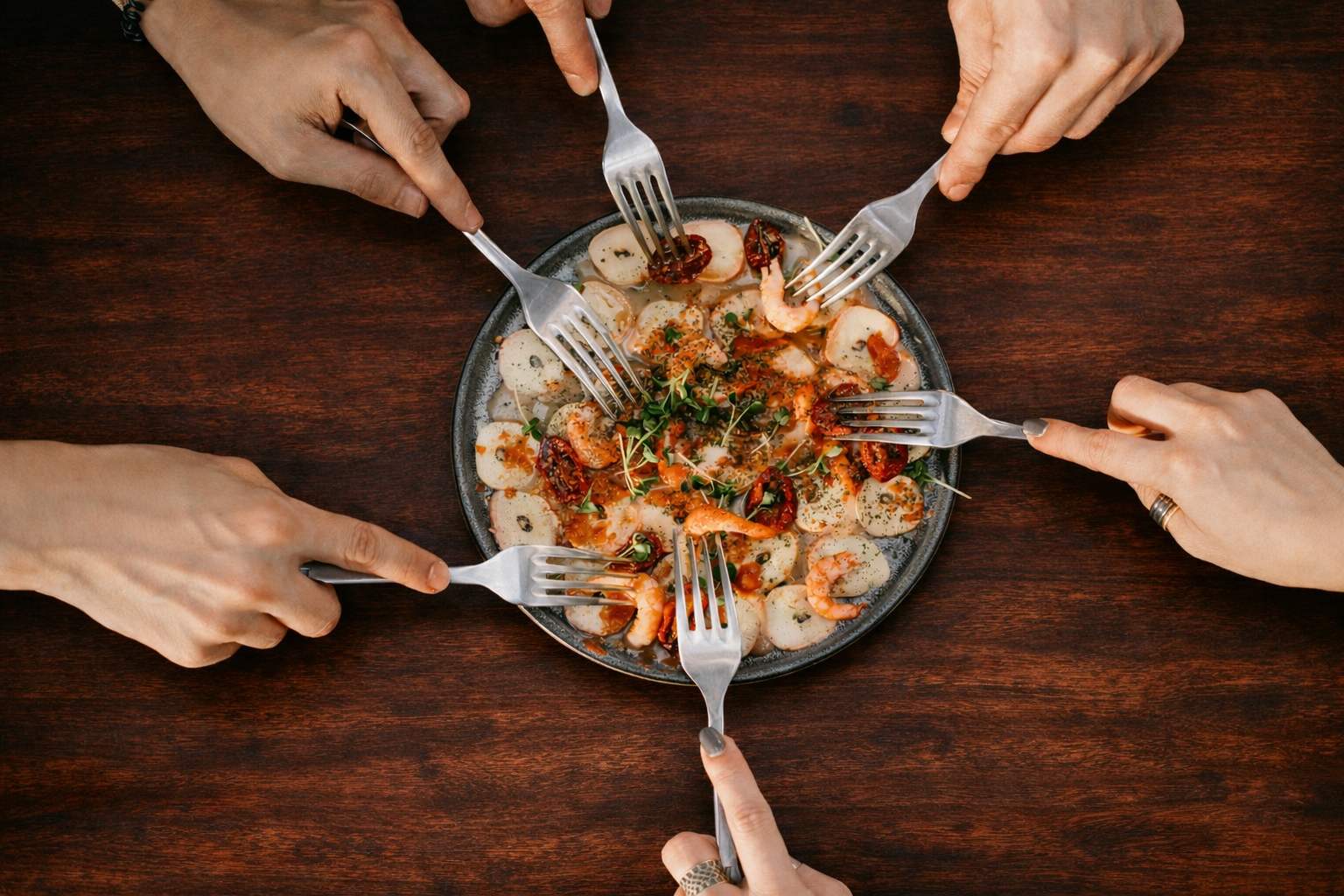
In izakayas, tapas bars, and Venetian bacari, food does more than satisfy hunger. A sensory exploration of how small plates, movement, and restraint shape the rhythm of a dining room — inviting us to live in the moment and truly dine together.

Part VIII — Systems That Work vs Systems That Scale
A system that works is not always a system that holds. As complexity increases, the difference between capability and alignment becomes visible.
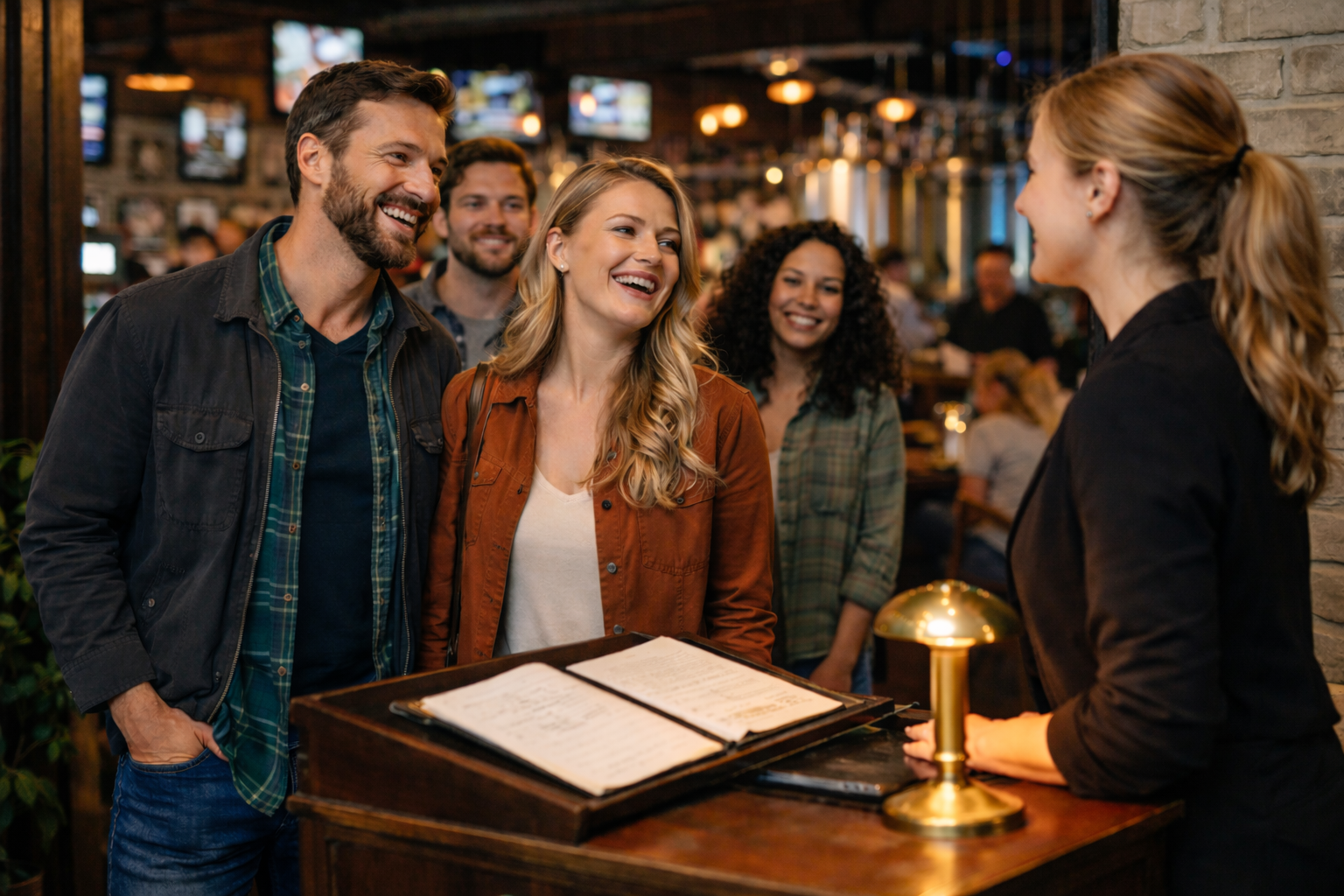
Catching Excellence
A Table 8 essay on why the strongest leaders don’t hunt for mistakes — they reinforce pride, care, and good judgment by catching excellence before it disappears.
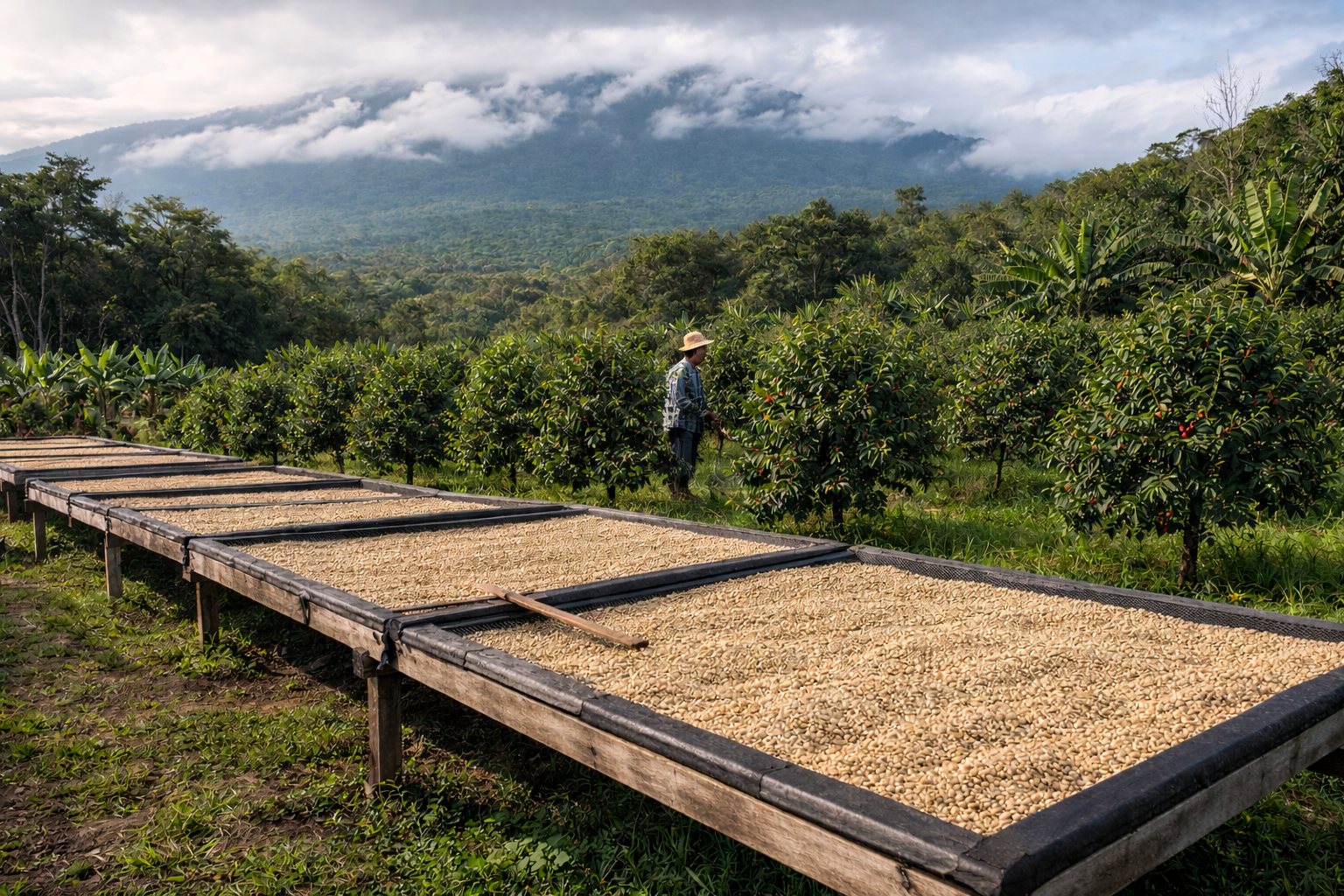
Kaʻū Coffee: Place, Process, and the Discipline of Origin
Coffee expresses place through discipline, not accident.
This essay explores how Kaʻū’s elevation, volcanic soil, farming practices, processing, and restrained roasting produce coffees defined by balance, structure, and origin.
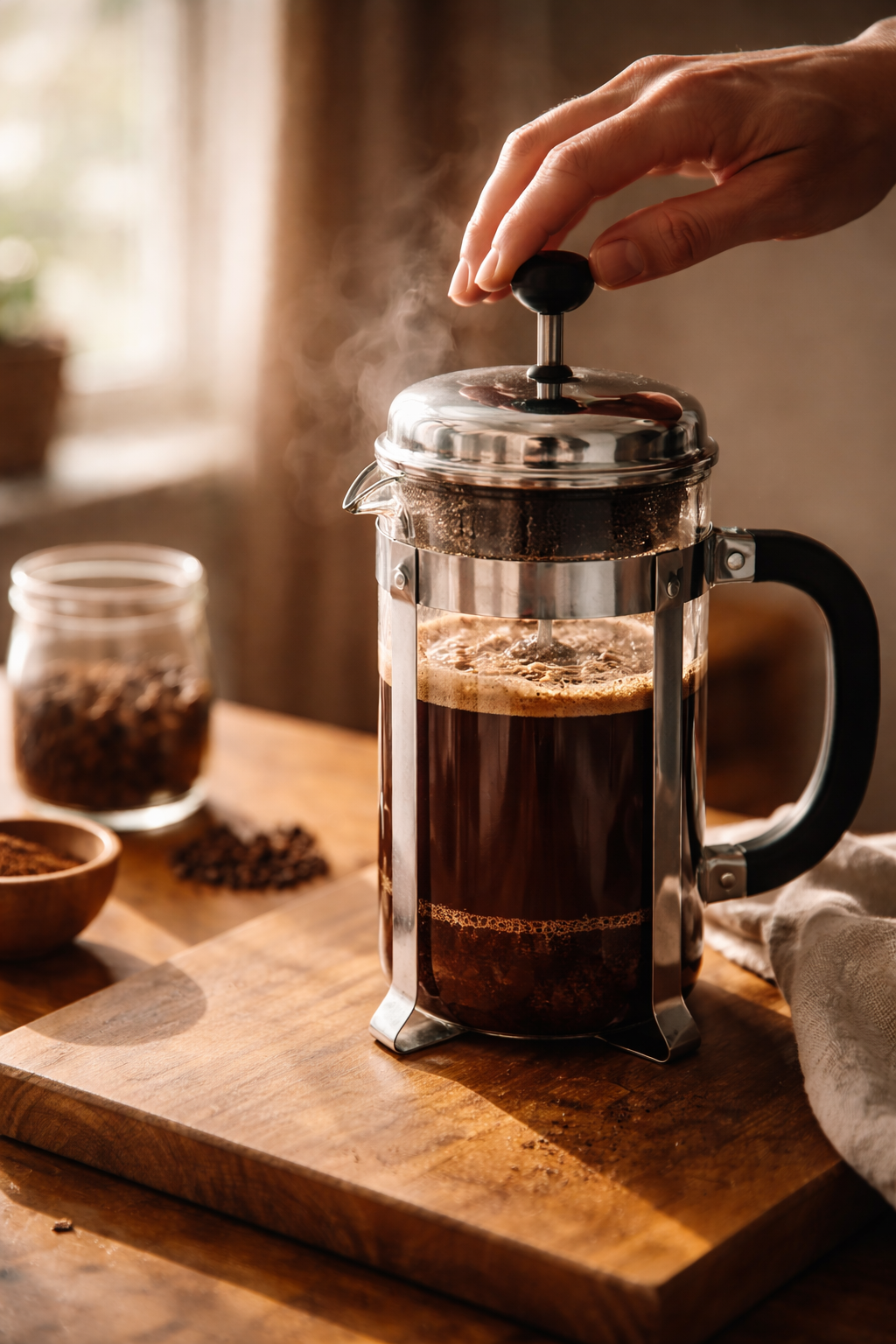
Coffee, Unrushed
Coffee rewards intention, not speed.
From roast development to brewing method, this essay explores how extraction, temperature, and timing shape flavor—and why the first sip should never be rushed.
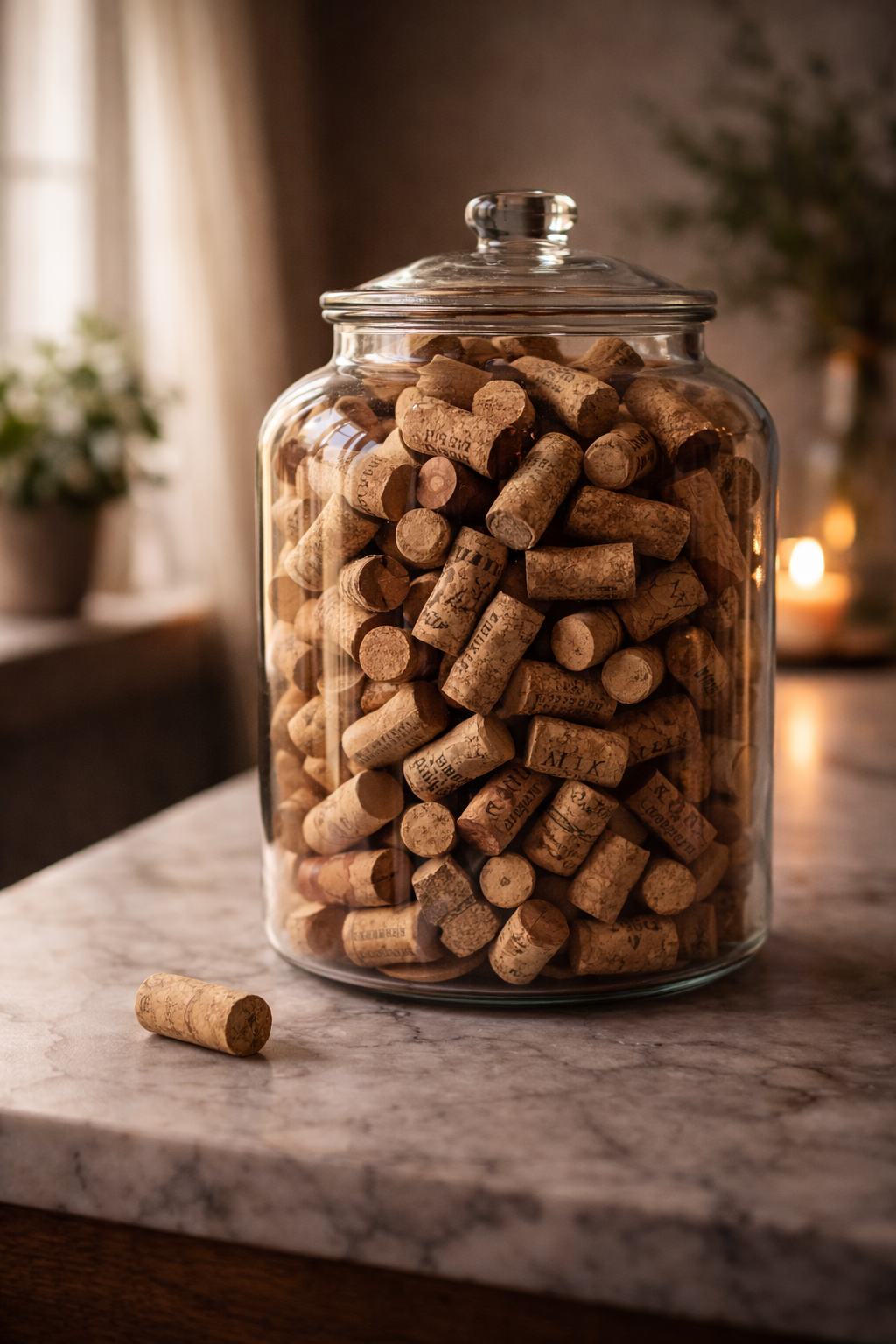
After the Cork
By the time a bottle is opened, most of its story is already decided. This essay explores how wine closures quietly shape what’s in the glass long before the first sip.
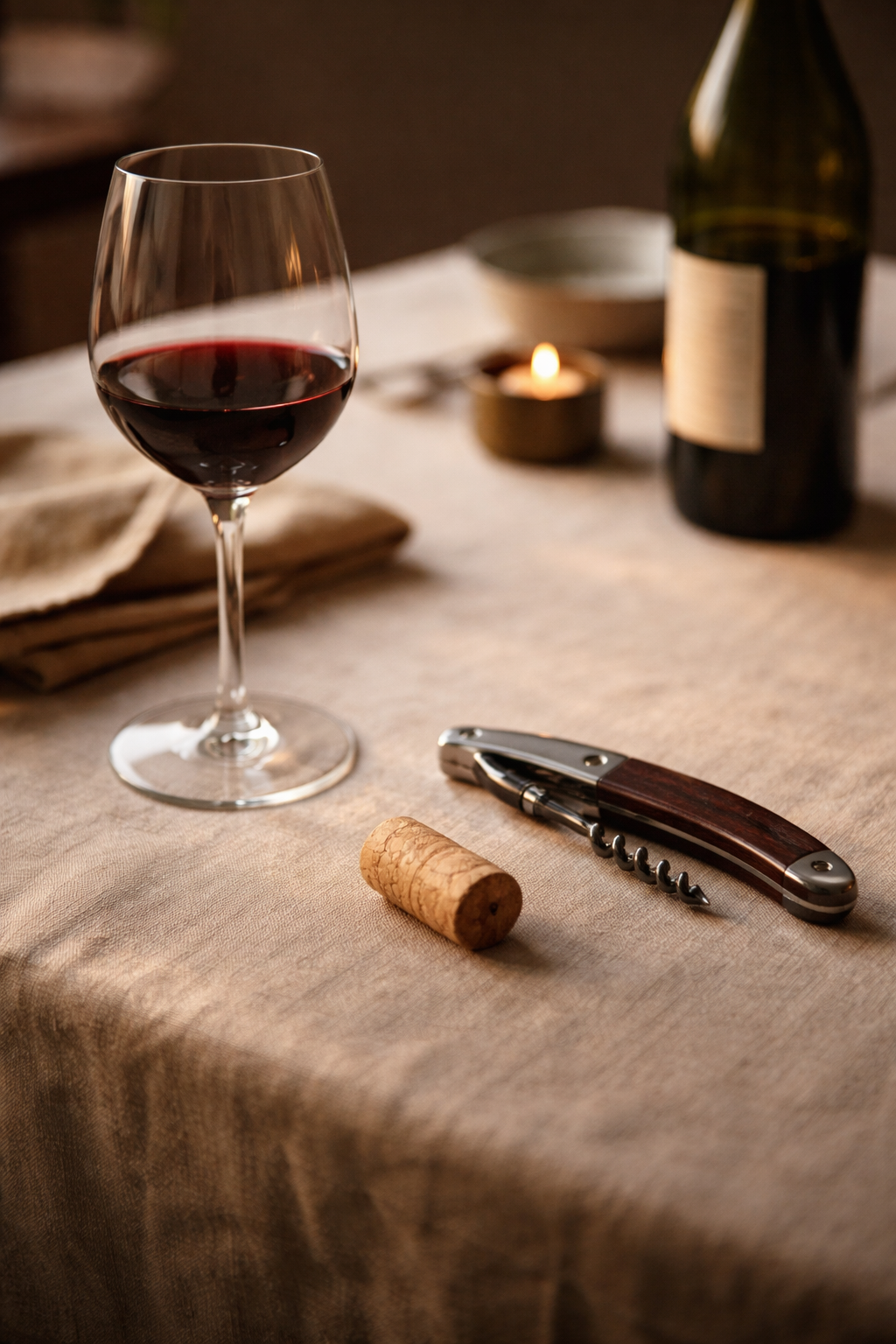
Before the First Sip
Before the first sip of wine, there is a pause—a small ritual that sets the tone for everything that follows. This essay explores why the wine key still matters, how tools evolved to respect age and fragility, and why anticipation should never be rushed.