
Share
An unfolding archive of food, culture, and craft.
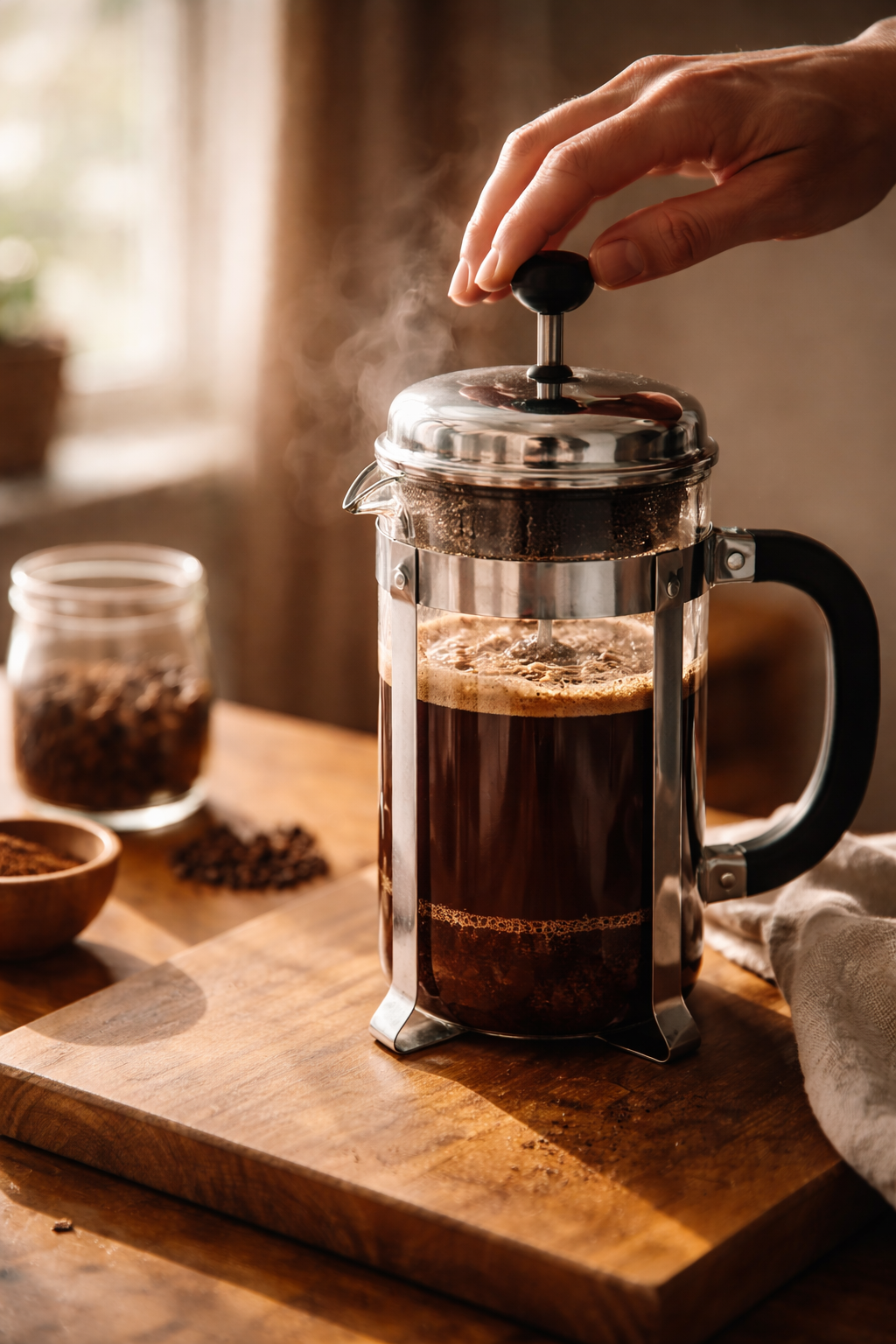
Coffee, Unrushed
Coffee rewards intention, not speed.
From roast development to brewing method, this essay explores how extraction, temperature, and timing shape flavor—and why the first sip should never be rushed.

After the Cork
By the time a bottle is opened, most of its story is already decided. This essay explores how wine closures quietly shape what’s in the glass long before the first sip.
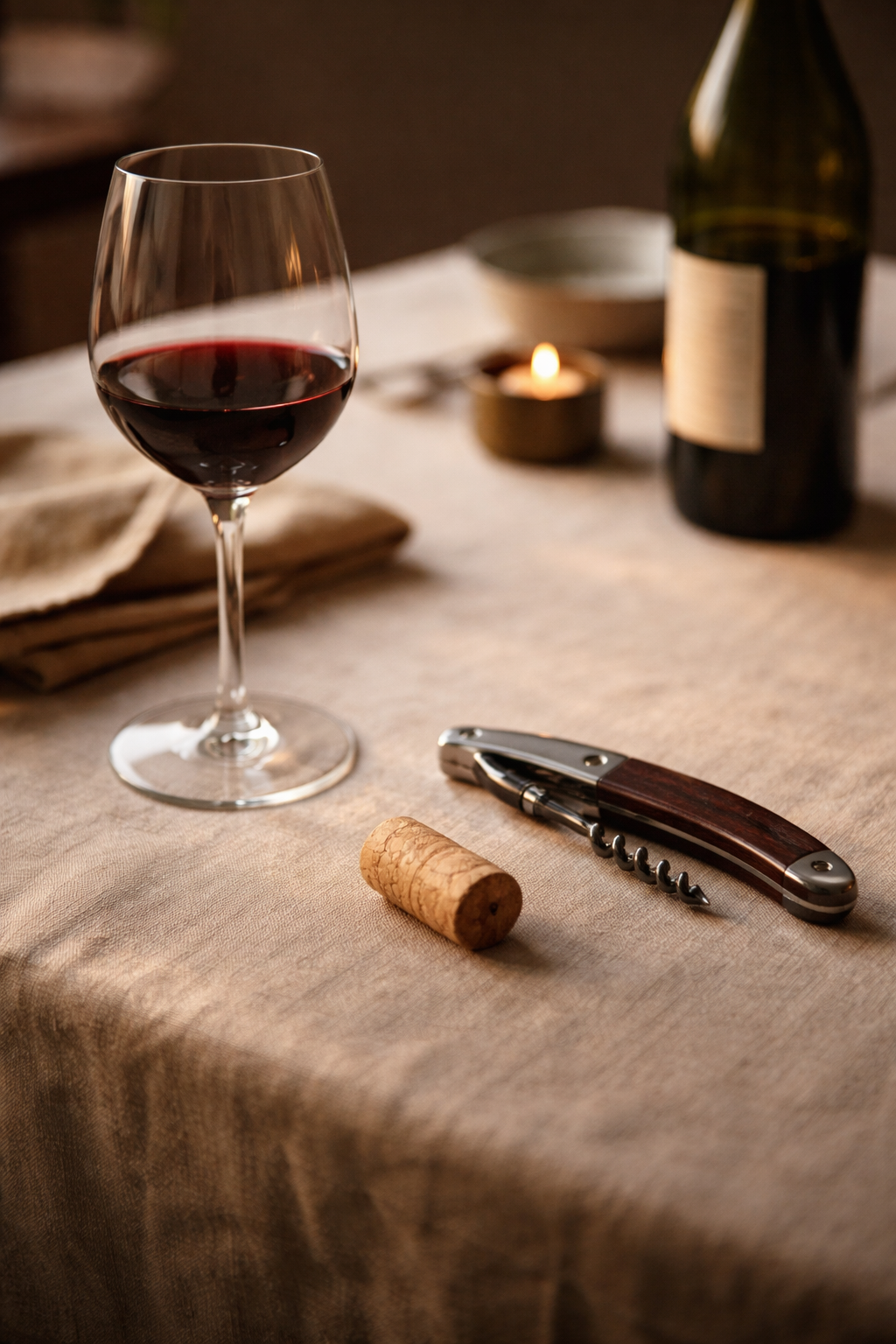
Before the First Sip
Before the first sip of wine, there is a pause—a small ritual that sets the tone for everything that follows. This essay explores why the wine key still matters, how tools evolved to respect age and fragility, and why anticipation should never be rushed.
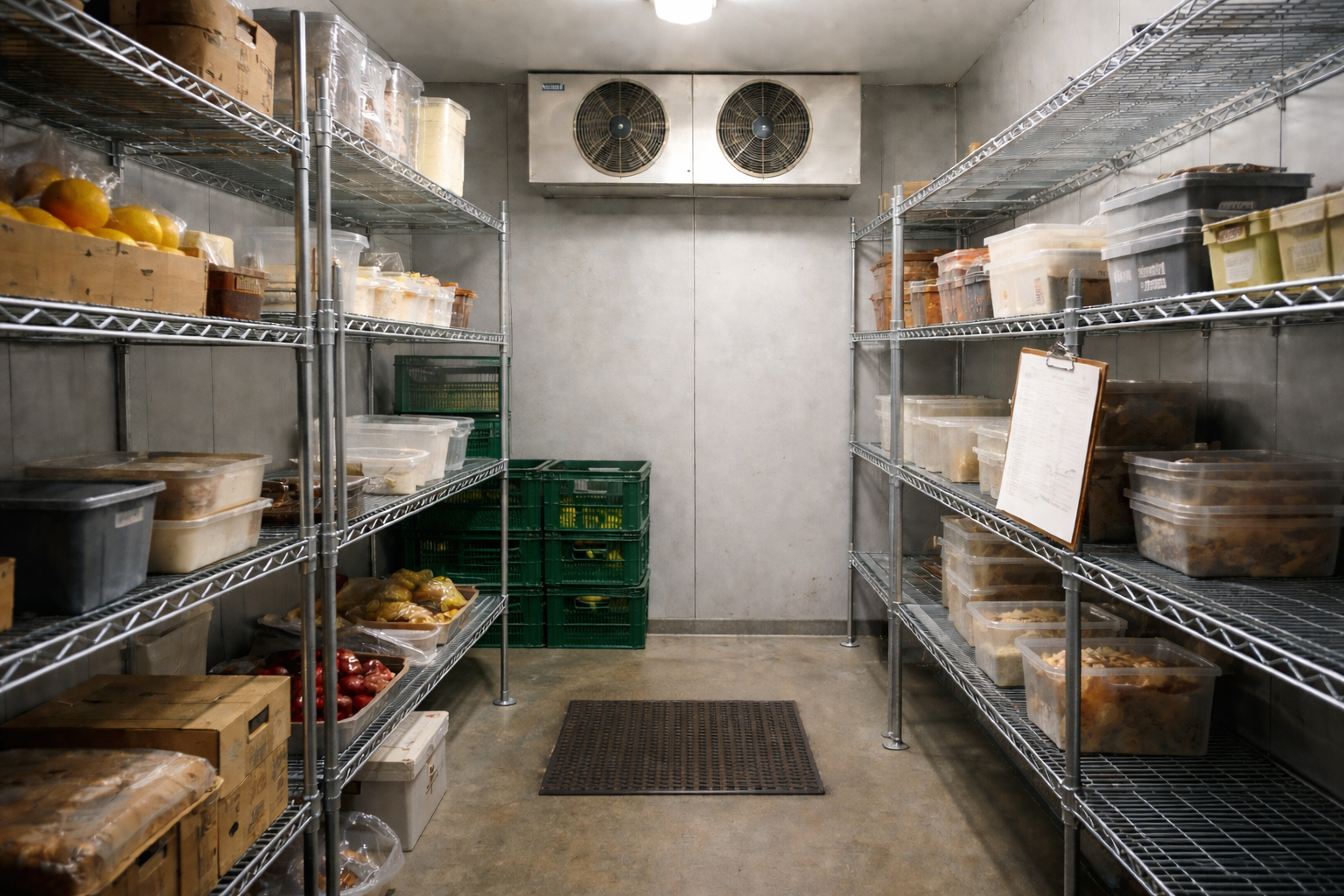
86, 88, and the Fear of Running Out
In restaurants, the fear of running out often shapes purchasing decisions long before service begins. This Table 8 essay explores why running out at the right moment isn’t failure—and why ordering out of fear is the far greater cost.
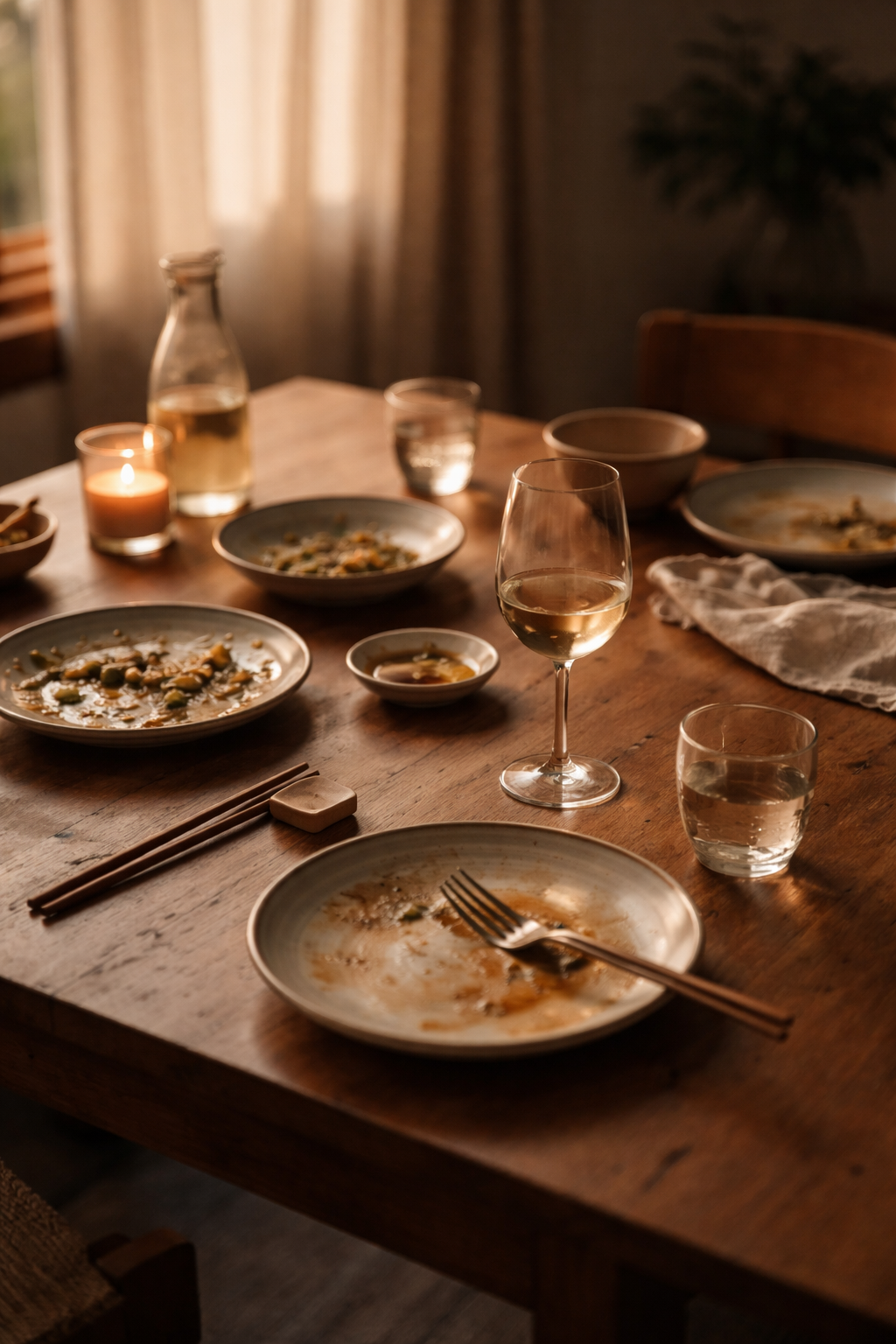
The Pleasure of Enough
Pleasure does not peak at fullness. It arrives just before. Drawing from Japanese philosophy, Chinese banquets, Korean banchan, and Old World traditions, this essay reflects on why balance, pacing, and restraint have always defined the most satisfying meals.
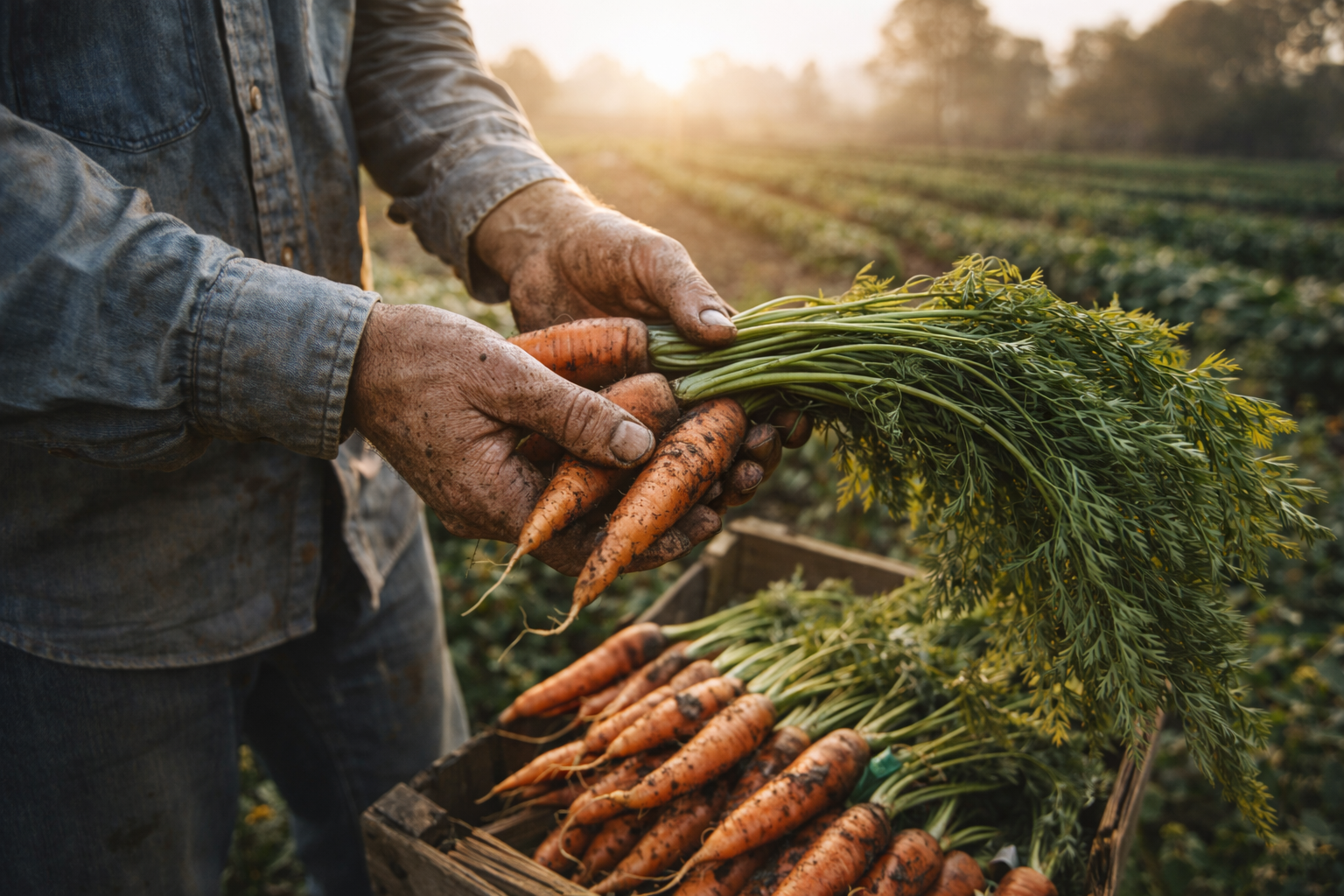
A Shift in Values
Food does not begin with a recipe. It begins with land, people, and restraint. This essay examines how three Hawaiʻi chefs moved the line—turning sourcing from a story into a standard, and redefining what seriousness looks like long before the table is set.

After the Last Cup
For 38 years, Coffee Gallery quietly anchored mornings in Haleʻiwa. This Dine essay reflects on routine, community, and the kind of places we only fully understand once they’re gone.
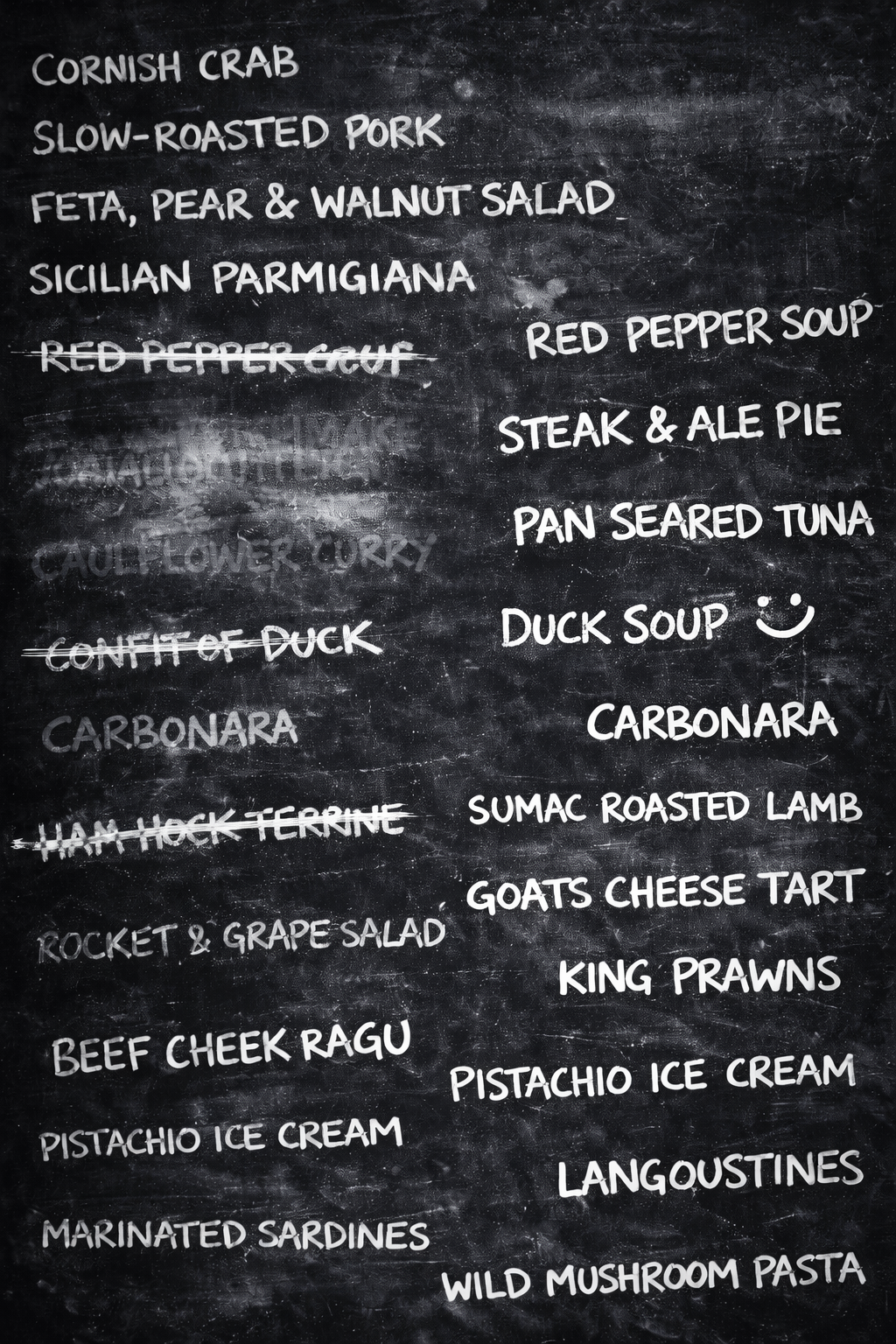
The Vanishing Middle of the Menu
Menus are getting smaller — not as a trend, but as a correction. As labor tightens and complexity becomes risk, restaurants are quietly removing the middle of the menu in favor of clarity, consistency, and control. A Dine essay on why less has become essential.
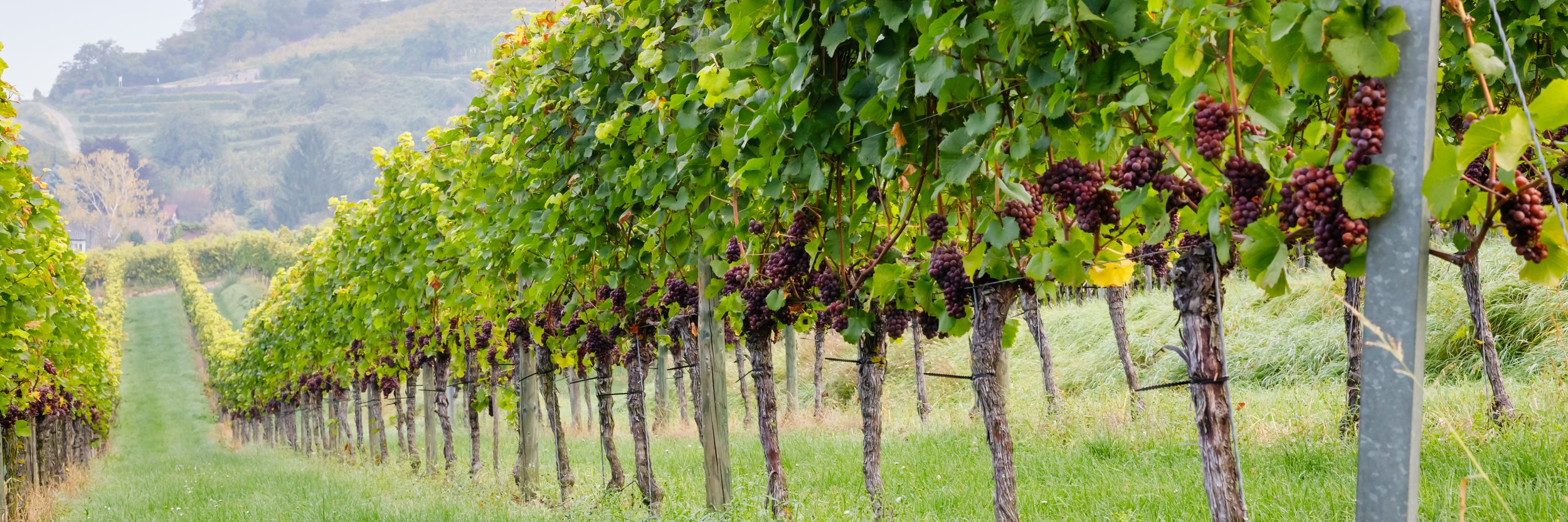
When the Vines Go Quiet
Wine is drinking less — and listening more. From Napa to Bordeaux, grapes are being left on the vine as culture, economics, and ritual shift. A quiet reckoning unfolds in the vineyard.
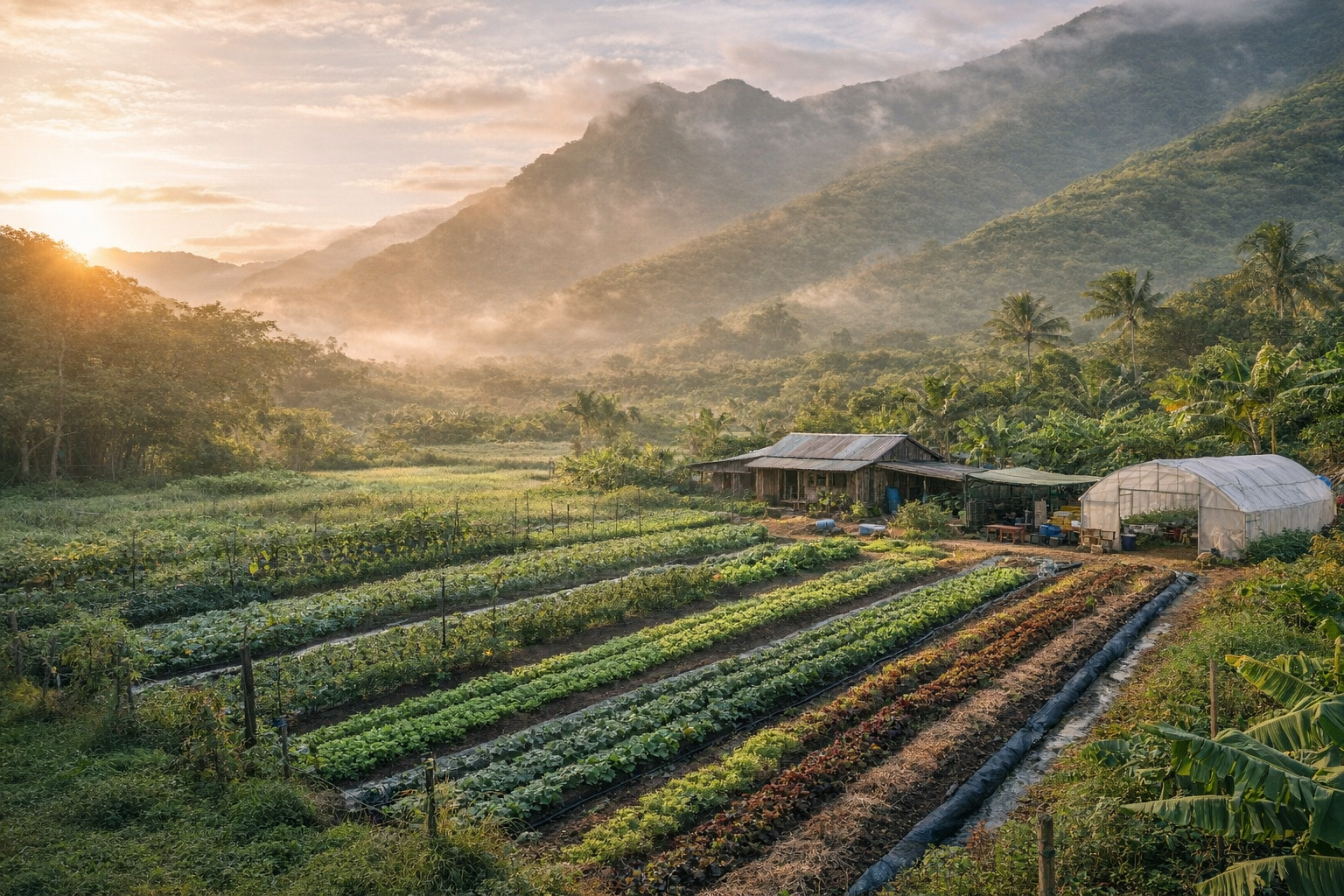
The Weight of the Land
Small farms endure by restraint, not scale. A clear-eyed look at land, labor, and the quiet cost of doing things right — where judgment, not output, determines whether a food system lasts.
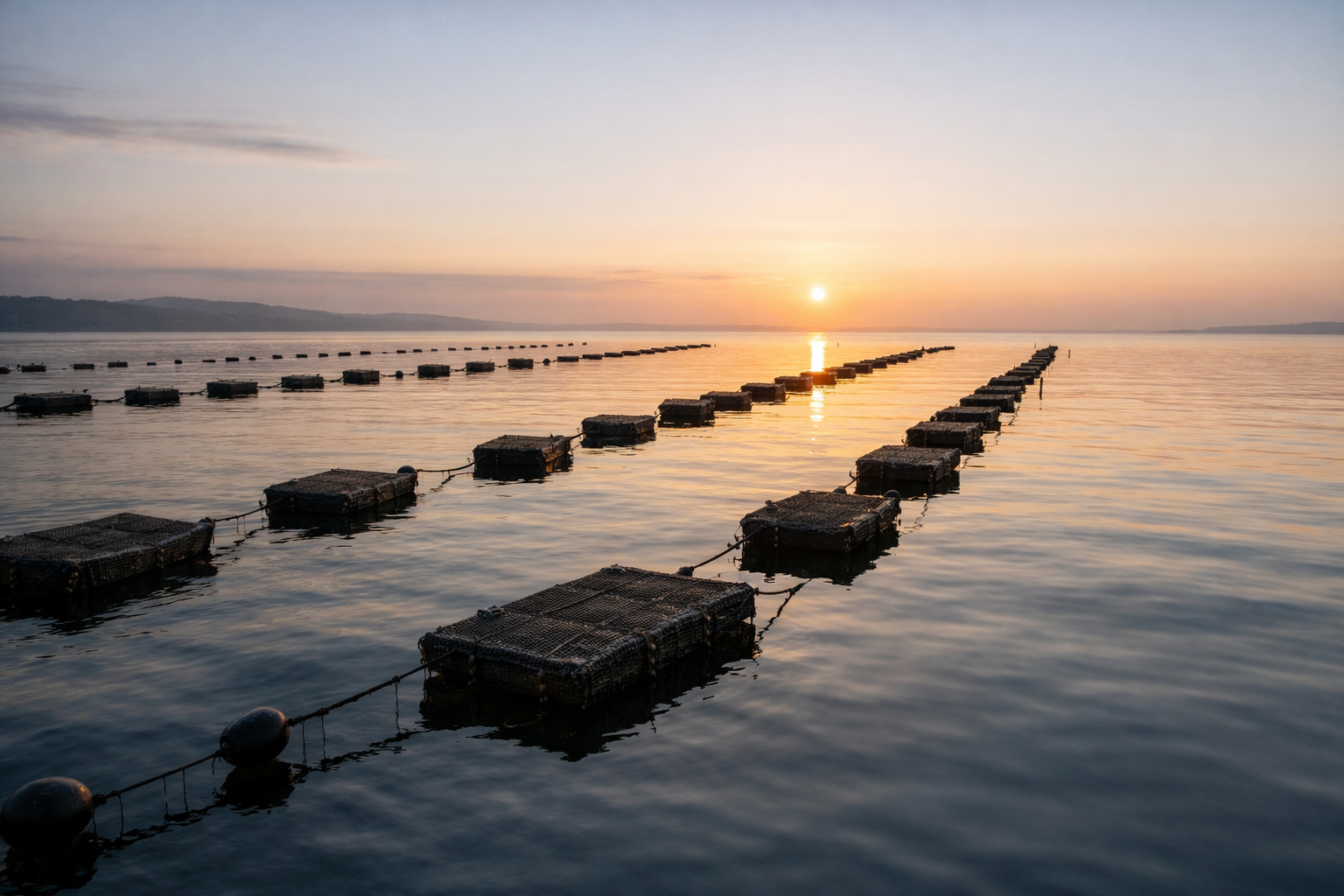
Farming the Water
Ocean farming succeeds or fails on restraint. A grounded examination of shellfish and seaweed cultivation — where working with the ocean strengthens food systems, and where scale and language begin to fracture them.
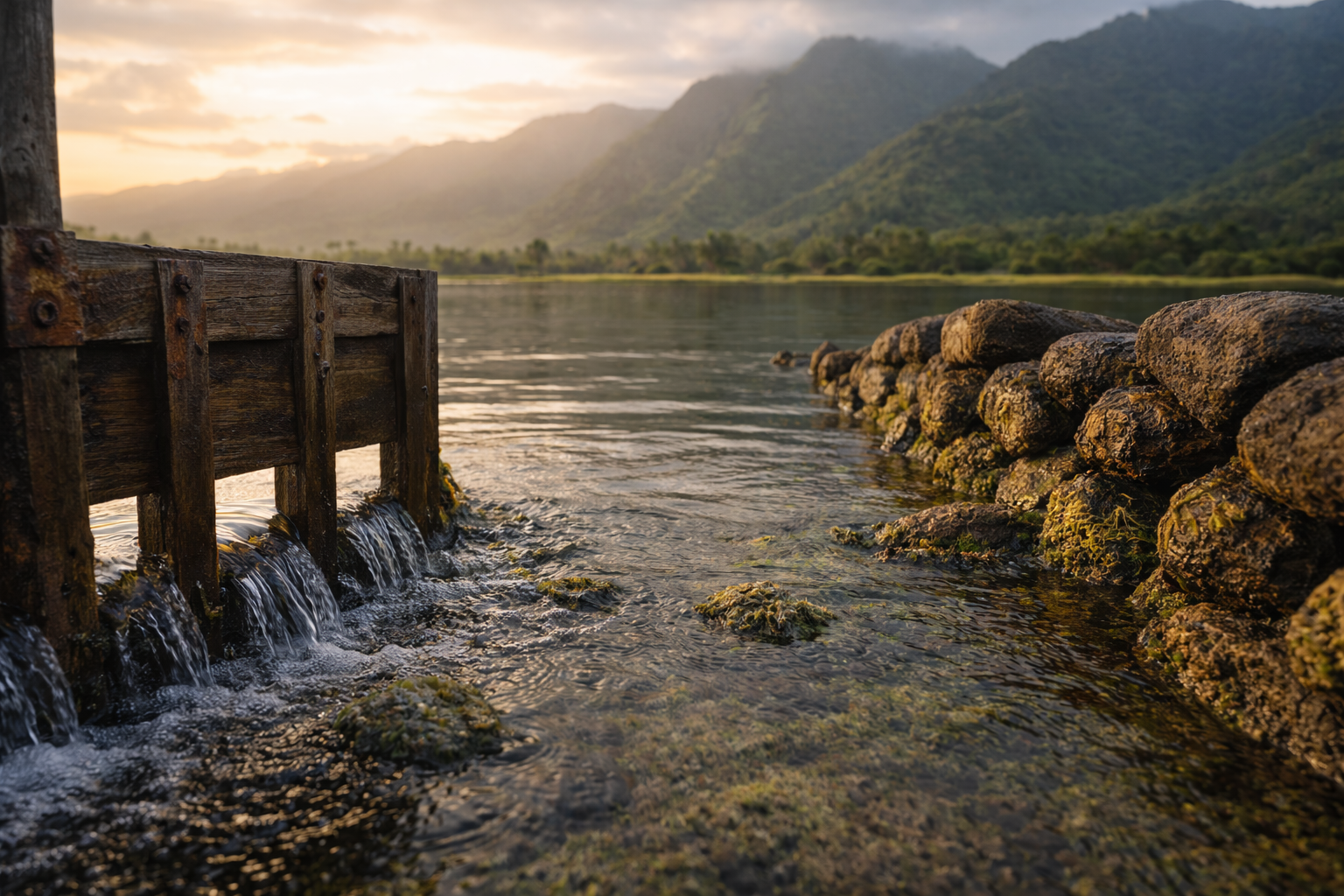
A Sense of Place
Ancient Hawaiian fishponds weren’t symbols — they were solutions. Loko iʻa were engineered to feed villages by working with tide, freshwater, and place-based knowledge, proving that true sustainability is older than the word itself.
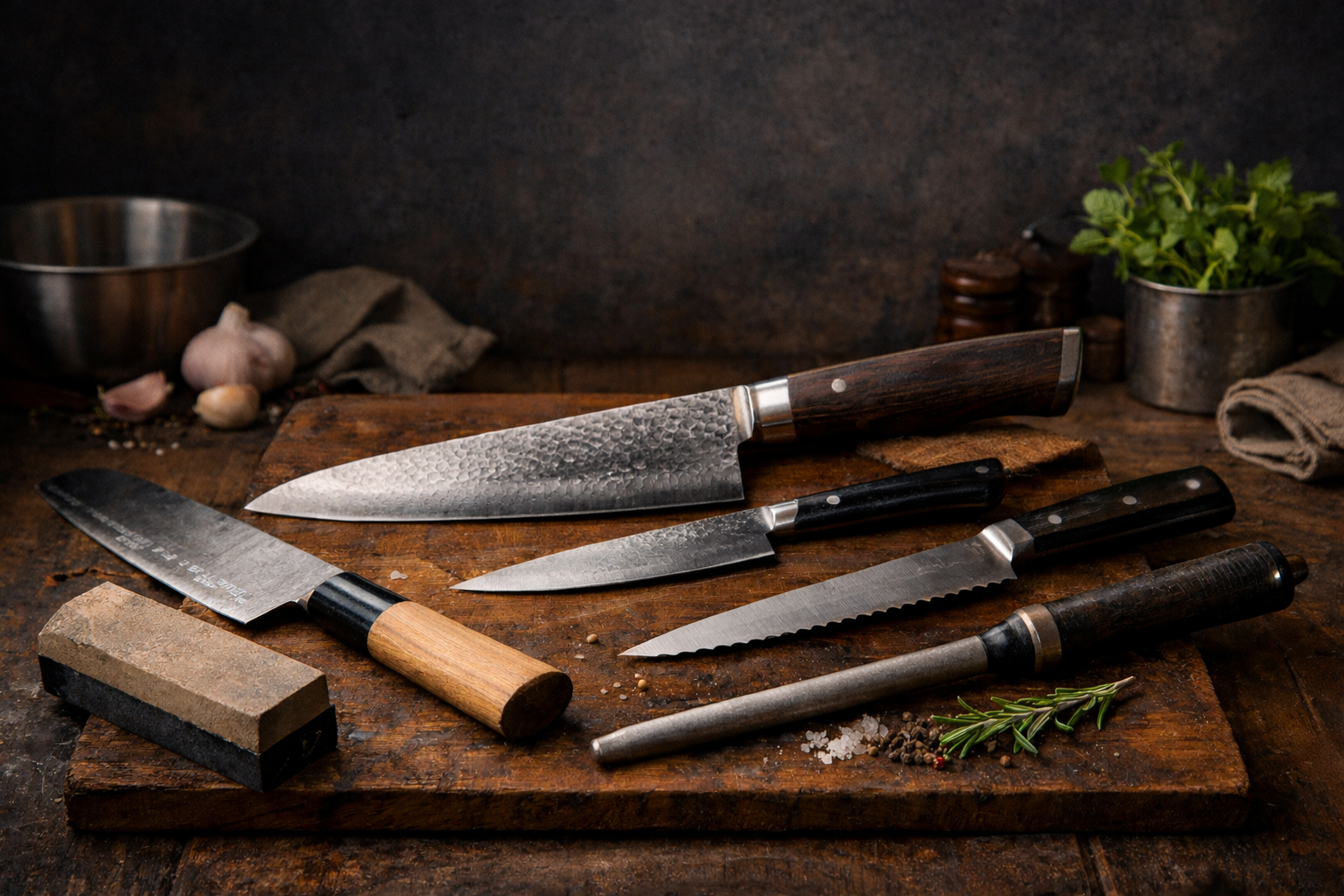
How Professionals Actually Choose Knives
Professional cooks don’t collect knives — they arrive at them.
A grounded look at how balance, steel, geometry, and use shape the knives that last in real kitchens.
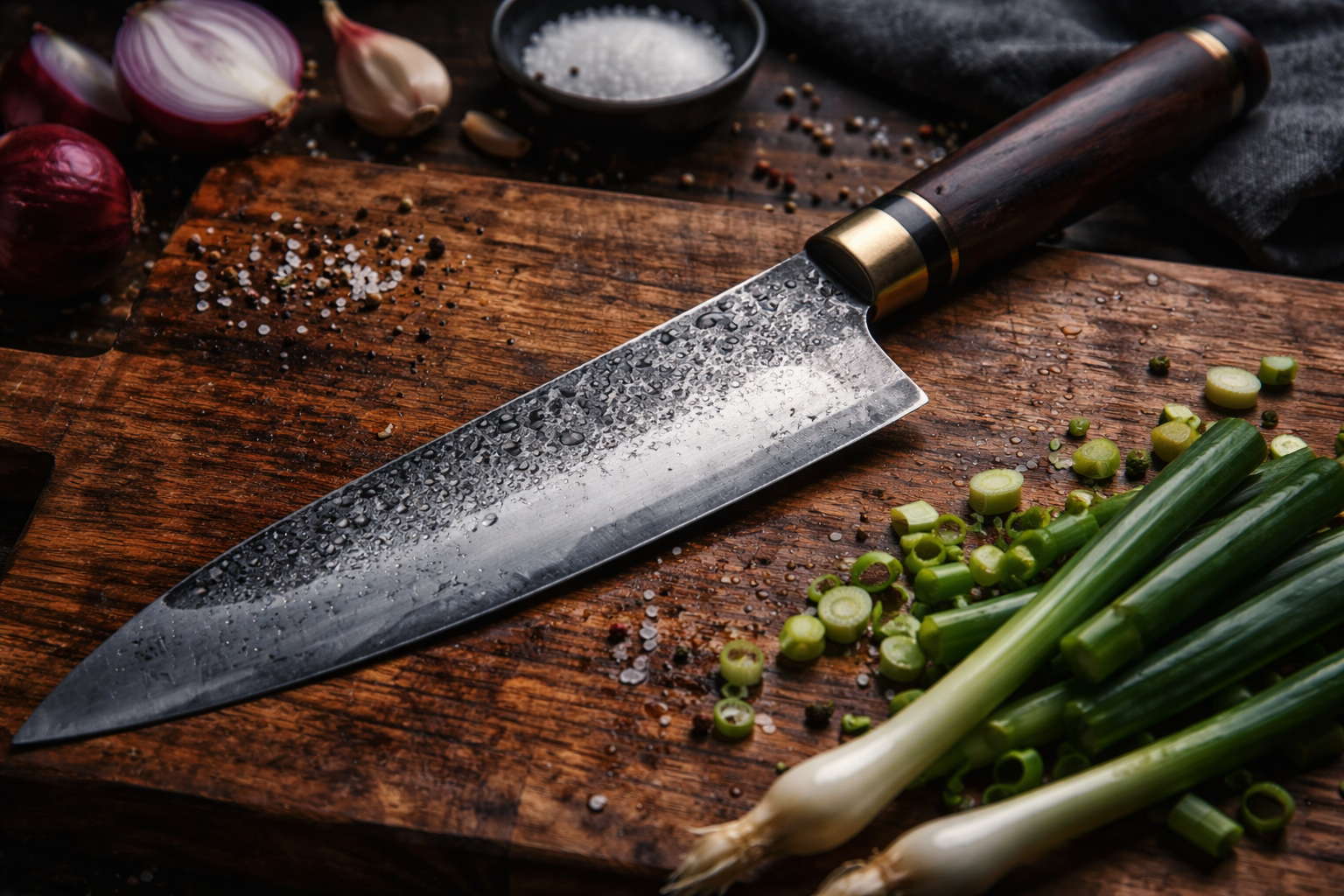
Steel, Temper, and the Knife That Shows Up for Service
In service, the right knife doesn’t demand attention — it earns trust. This essay explores why steel choice, heat treatment, and geometry matter in a working kitchen, and how the knives that last are shaped by consequence, not reputation.
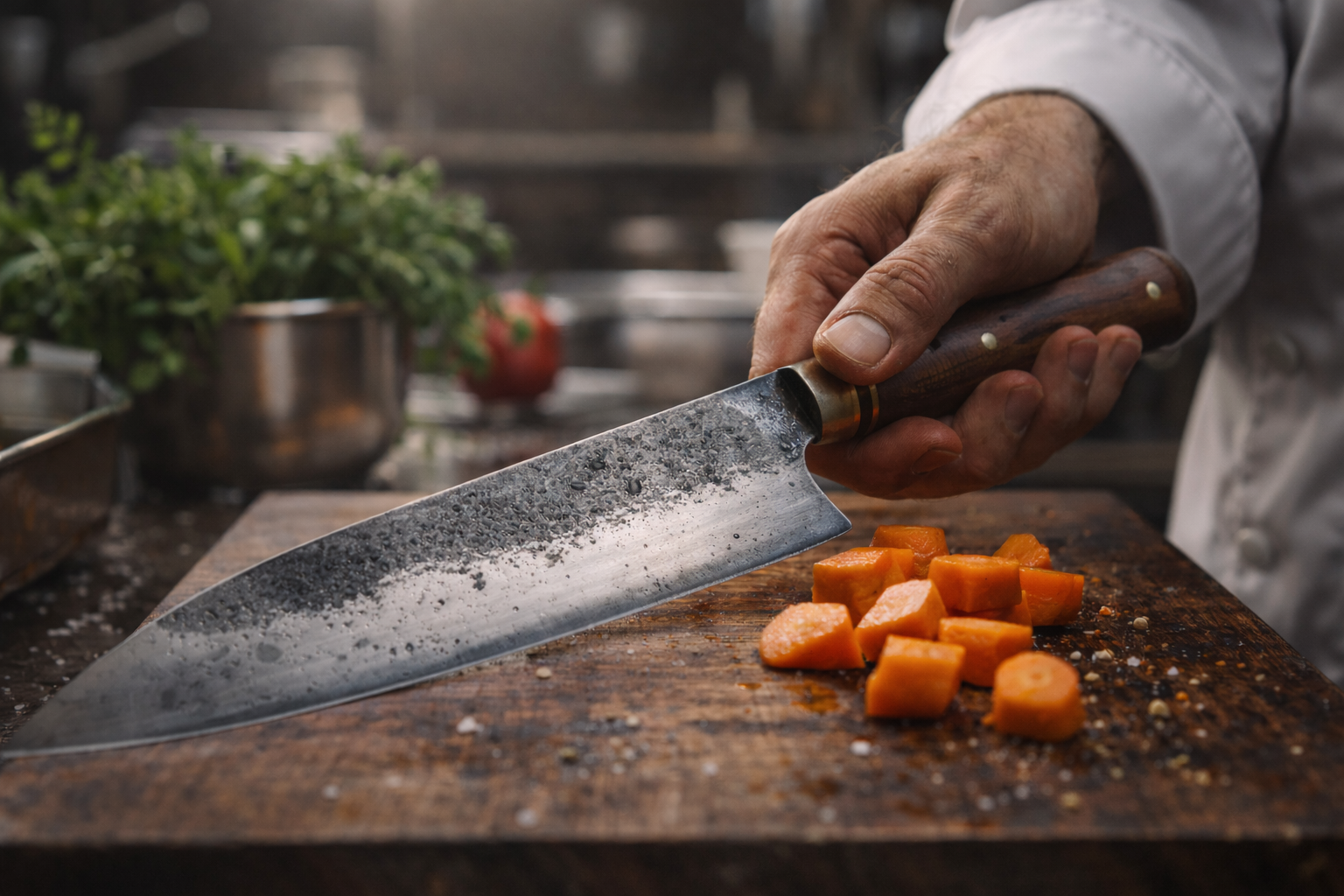
The Knife That Earns Its Place
A great knife isn’t chosen lightly. It earns its place through repetition, trust, and the quiet demands of service. This is a reflection on culinary knives — not as objects, but as companions shaped by work, judgment, and time.
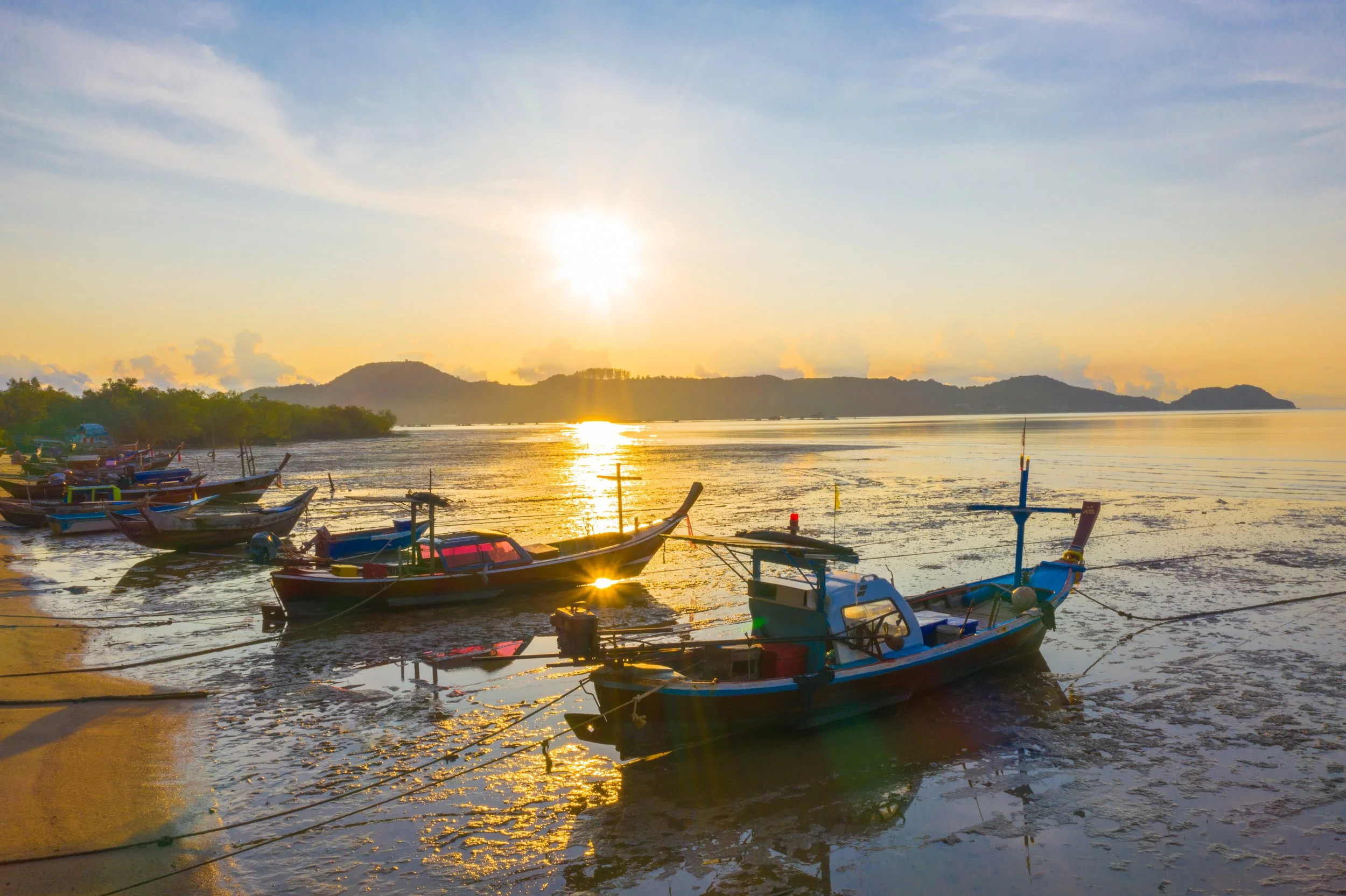
Beyond the Familiar Seas
Outside Japan, the East Coast, and the Mediterranean lies a broader seafood table — shaped by climate, necessity, and tradition. These overlooked regions reveal how the world truly eats from the sea.
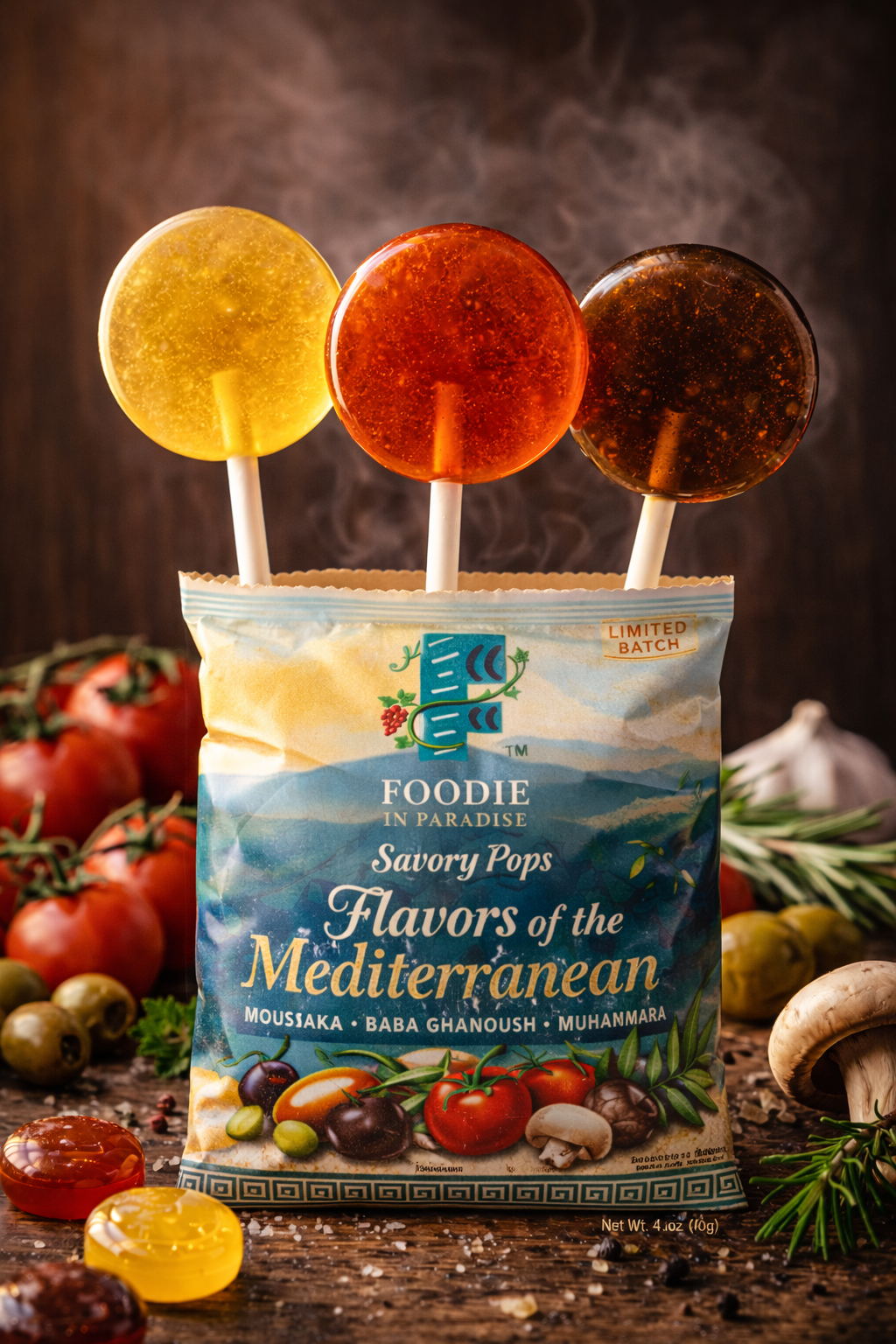
Savory Pops and the Post-Sugar Palate
Sugar once defined indulgence. Today, curiosity does. From soup-flavored candy to umami-forward comfort snacks, savory pops reveal how the post-sugar palate is reshaping pleasure, nostalgia, and what we crave next.
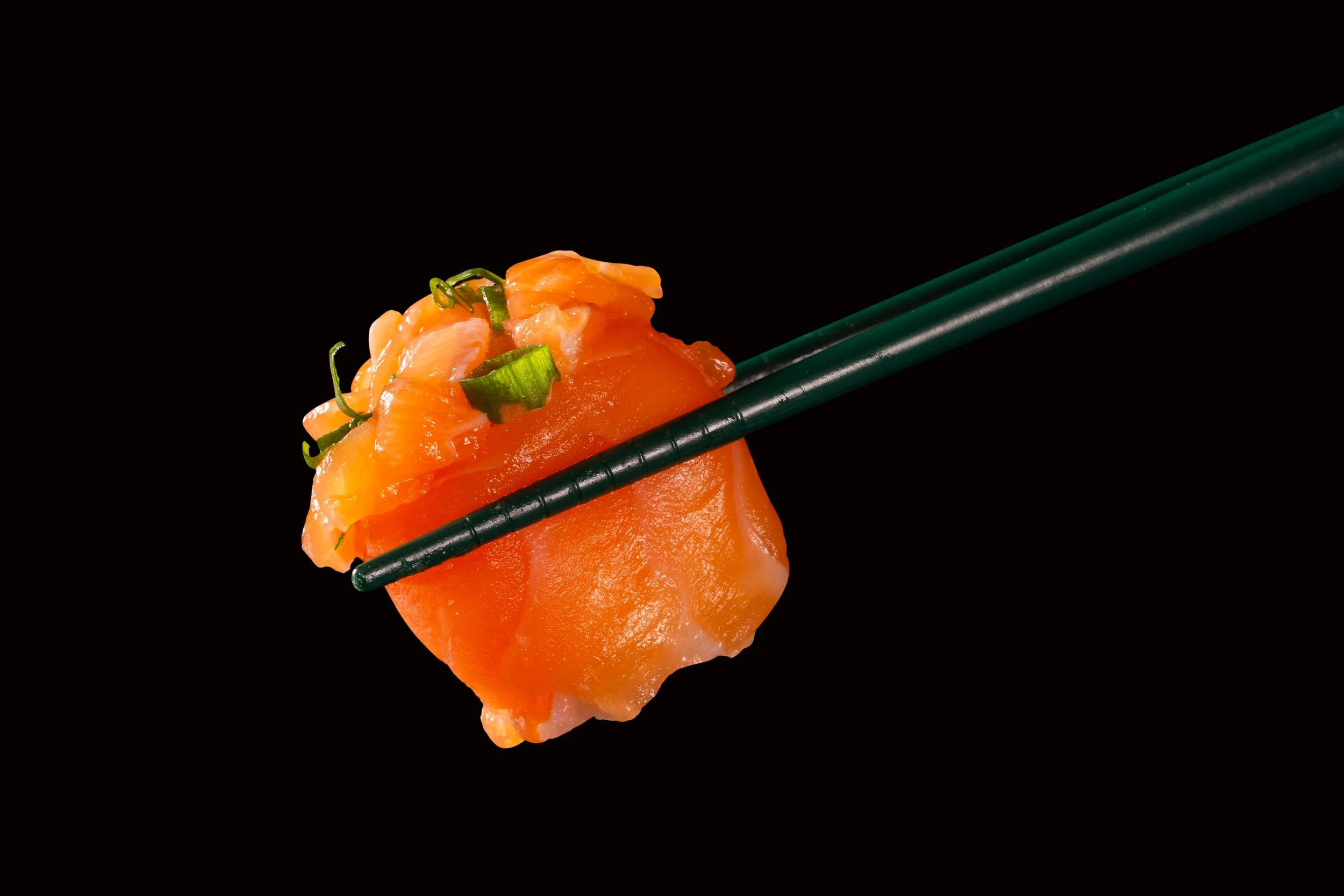
The Seafood Table: Japan
Japan does not approach seafood as something to be conquered. Surrounded by shifting currents and fragile species, its cuisine evolved around restraint, judgment, and timing. This essay explores how freshness became responsibility, knife work became translation, and precision — not abundance — became the highest form of hospitality.
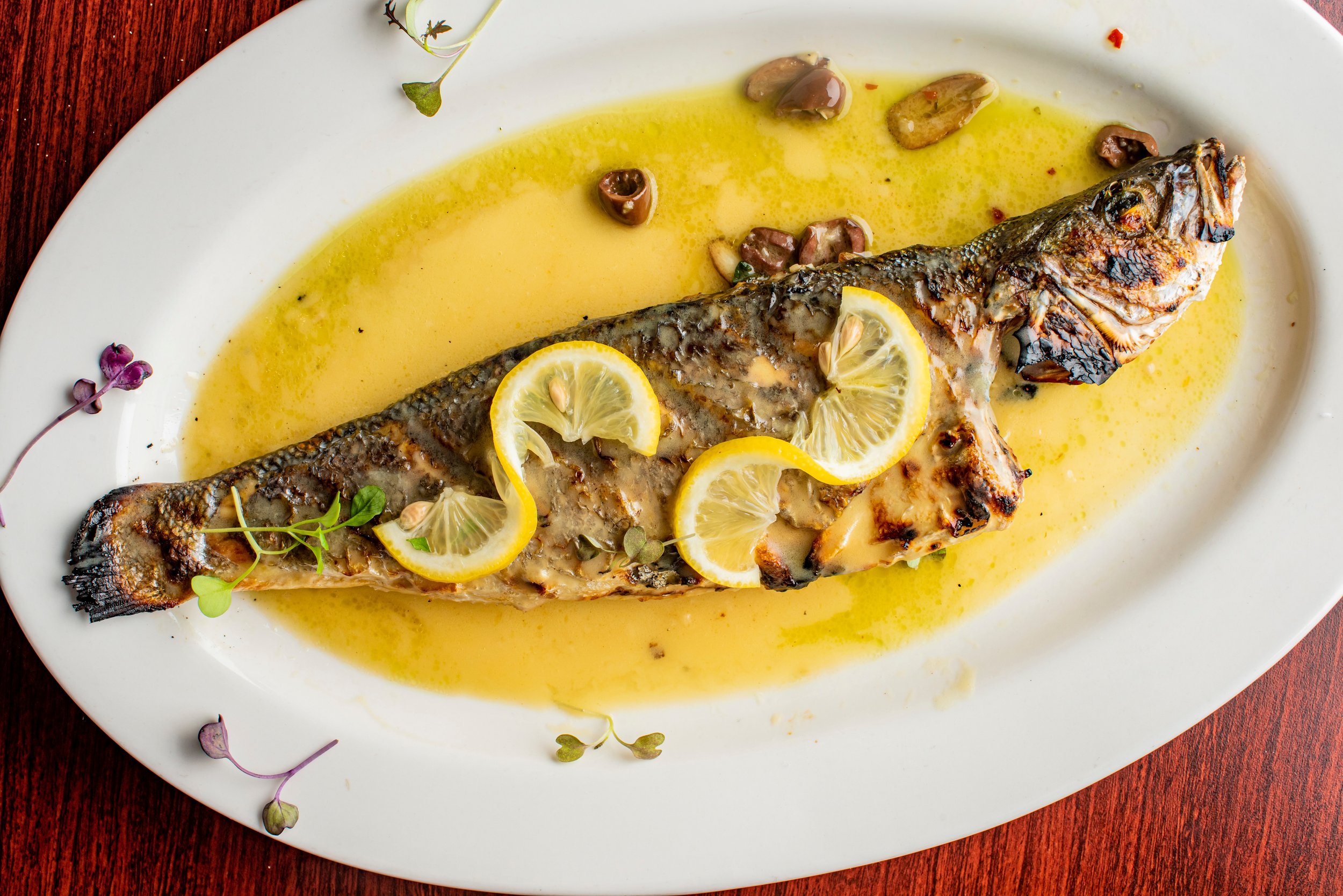
The Seafood Table — The Mediterranean
The Mediterranean does not rush seafood.
Warm water changes fish, species stay close to shore, and cooking evolves through repetition rather than urgency. This essay explores how fire, broth, and endemic seafood shaped one of the world’s most enduring coastal cuisines — where restraint comes not from fear, but from familiarity.
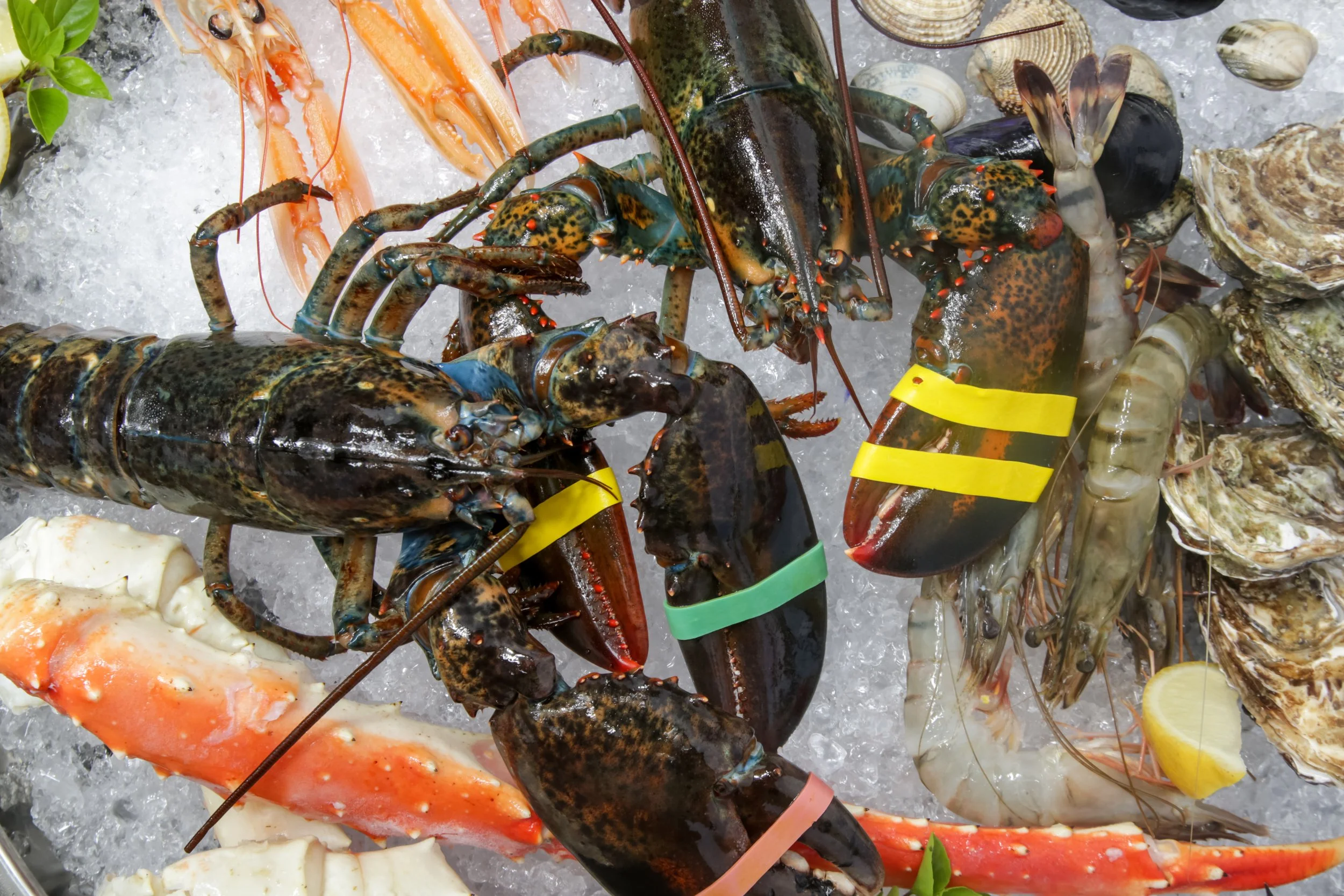
The Seafood Table — U.S. East Coast
Cold water leaves no room for illusion.
On the U.S. East Coast, seafood arrives already resolved — shaped by temperature, time, and consequence. This long-form essay explores how cold Atlantic waters define species, discipline kitchens, shorten menus, and reward restraint, revealing why clarity — not complexity — became the region’s quiet authority.