

Share
An unfolding archive of food, culture, and craft.
Beyond the Familiar Seas
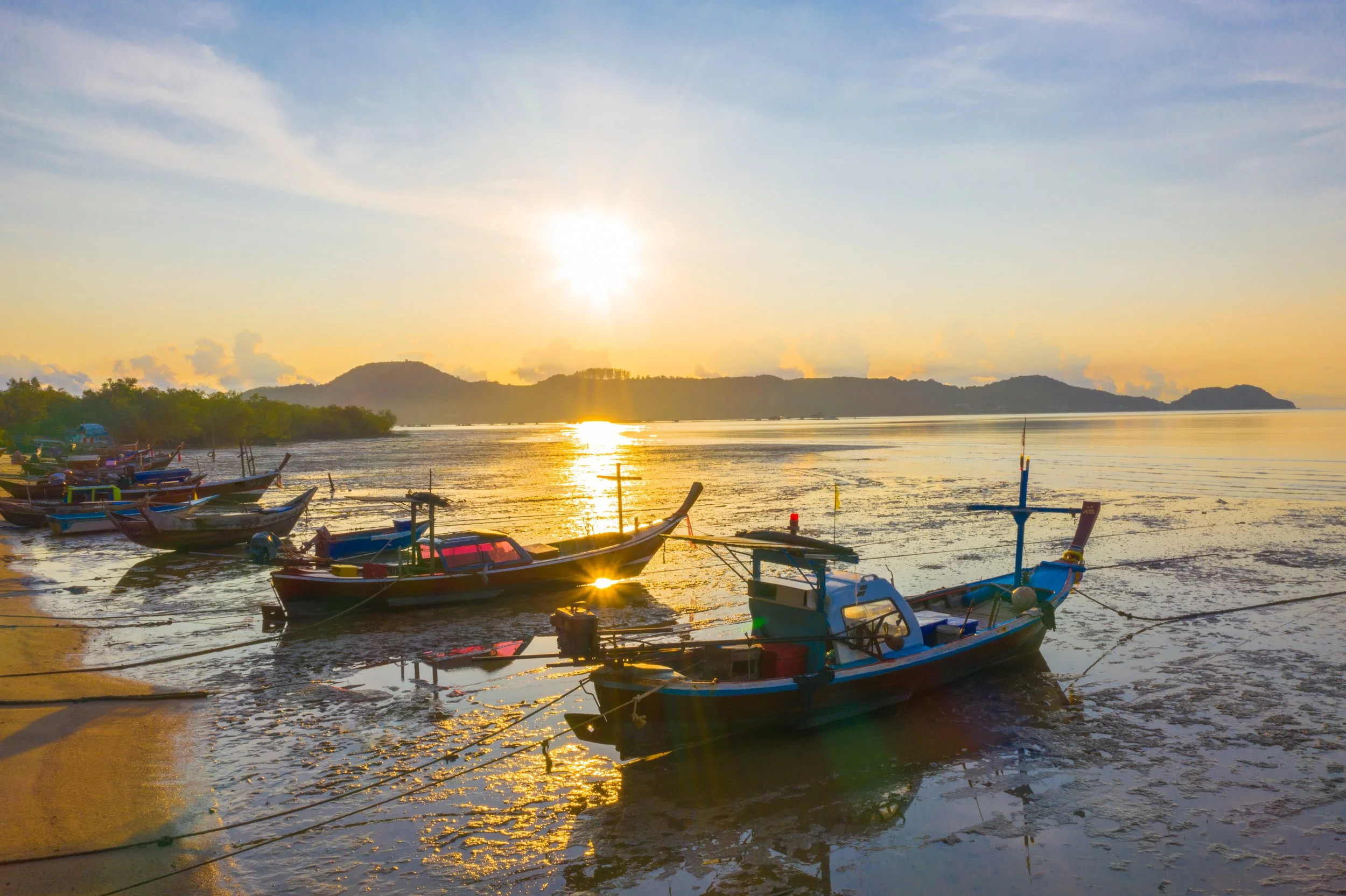
Across Northern Europe, West Africa, Southeast Asia, and the Indian Ocean, seafood cultures evolved through adaptation. Preservation, fermentation, smoke, and spice transform fragile protein into durable cuisine, revealing how communities shape seafood traditions around climate, labor, and survival.
Savory Pops and the Post-Sugar Palate
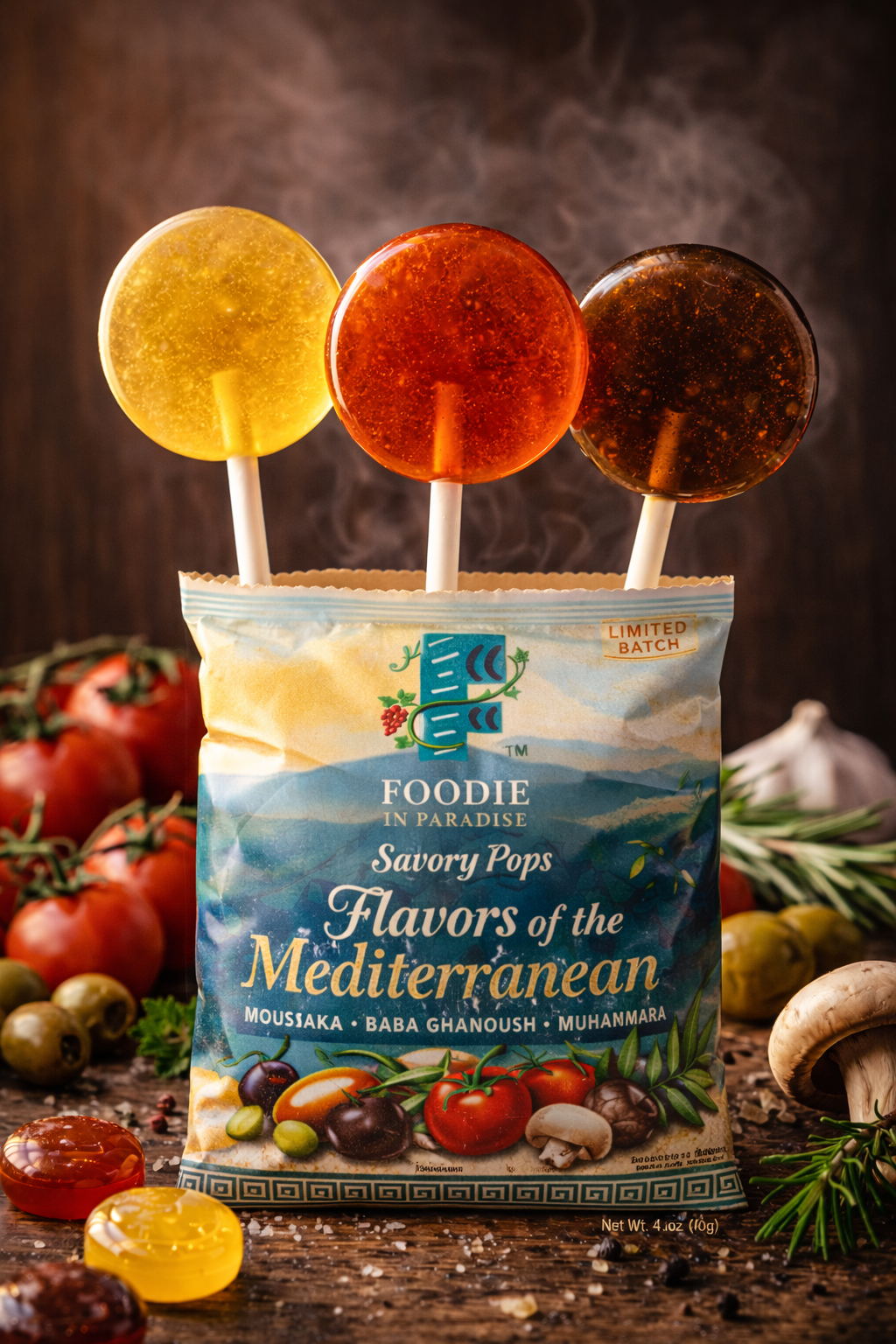
Sugar once defined indulgence. Today, curiosity does. From soup-flavored candy to umami-forward comfort snacks, savory pops reveal how the post-sugar palate is reshaping pleasure, nostalgia, and what we crave next.
The Seafood Table: Japan
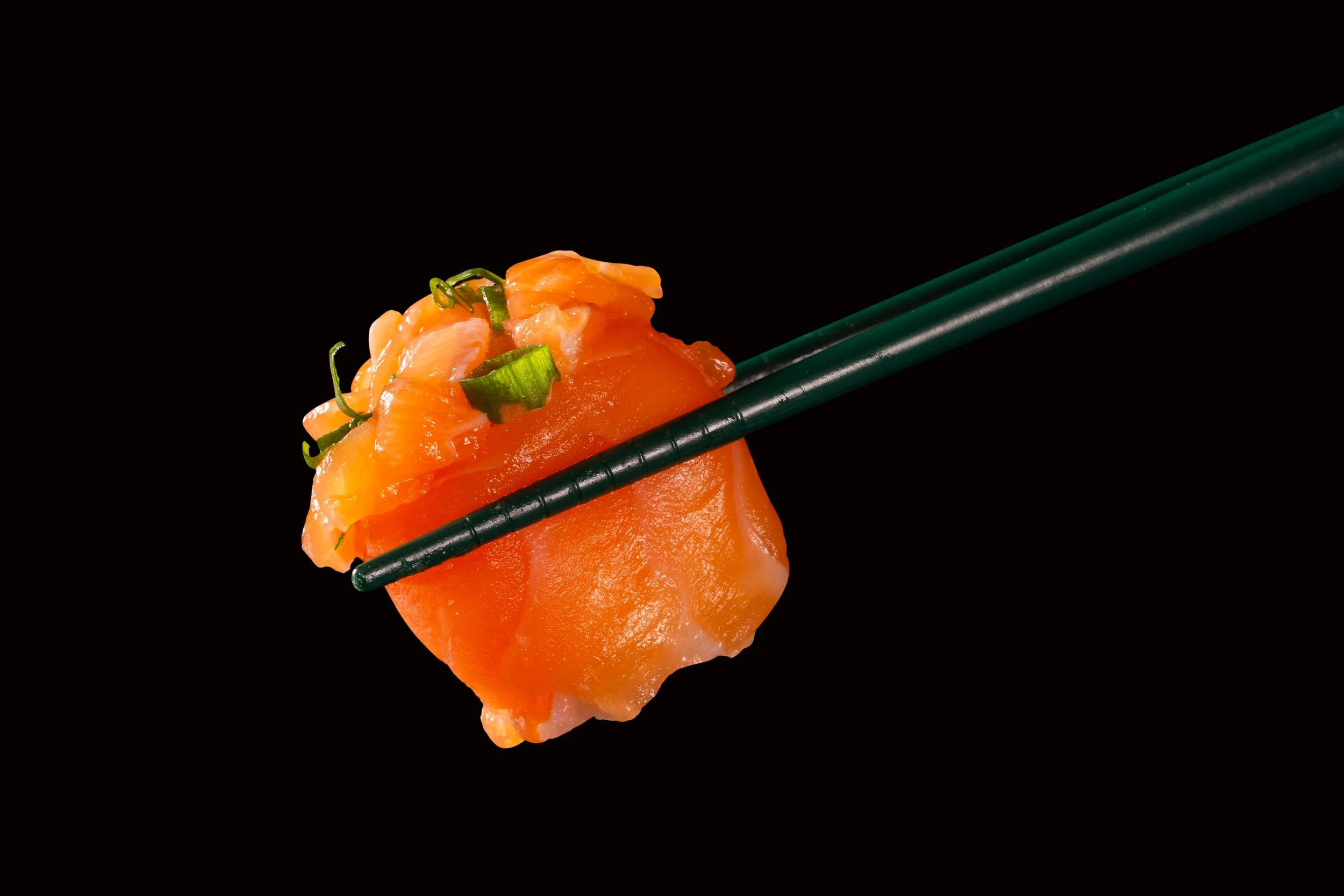
Japan’s seafood tradition is built on precision. Ocean currents shape the fish, markets determine timing, and knife work reveals structure without distortion. This essay explores how Japanese chefs interpret the ocean through technique, discipline, and a philosophy of accuracy.
The Seafood Table — The Mediterranean
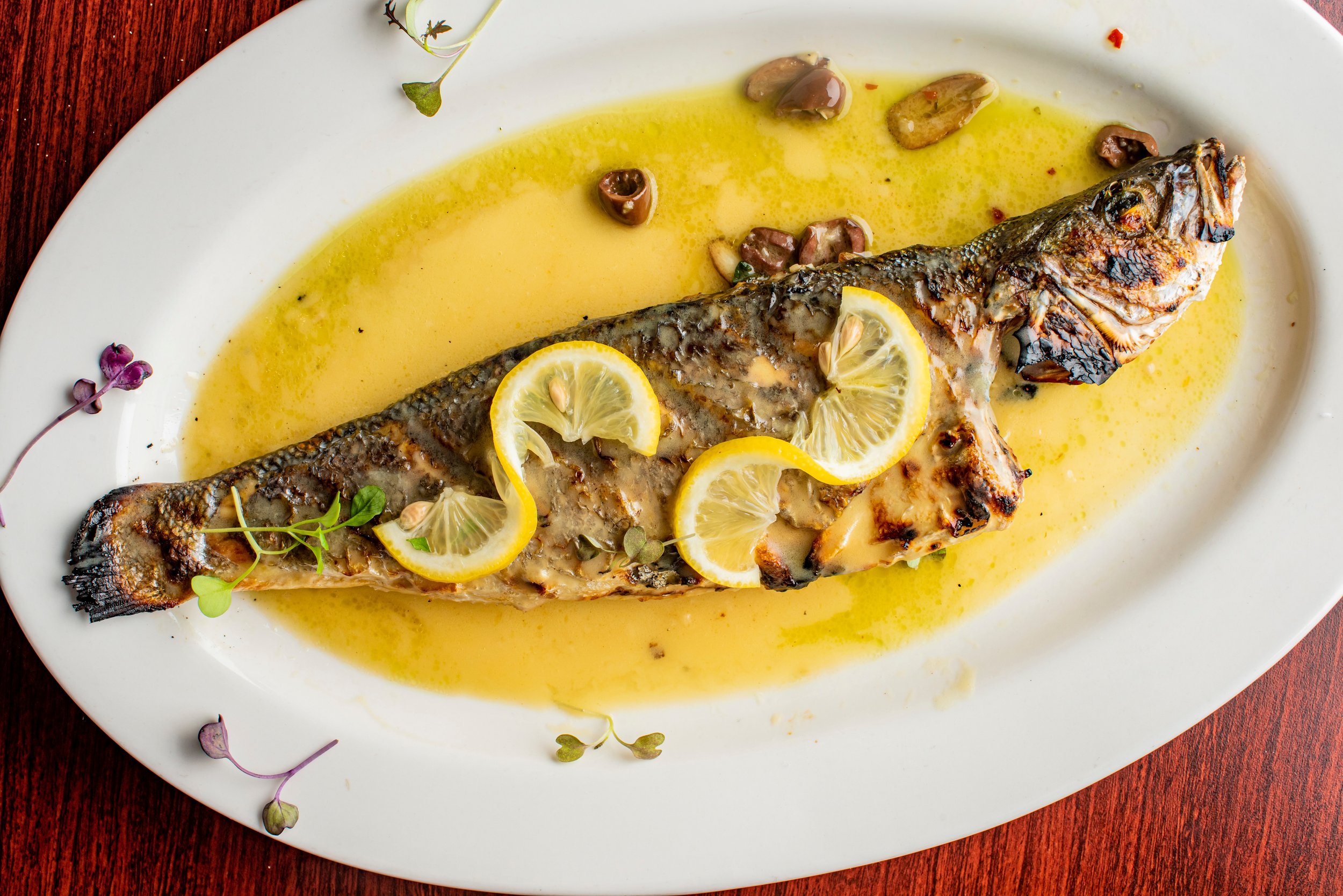
Mediterranean seafood cuisine evolved around proximity to the water and centuries of repetition. Warm seas produce softer fish, and coastal kitchens respond with fire, olive oil, broth, and restraint. The result is a cuisine shaped by familiarity, rhythm, and structural simplicity.
The Seafood Table — U.S. East Coast
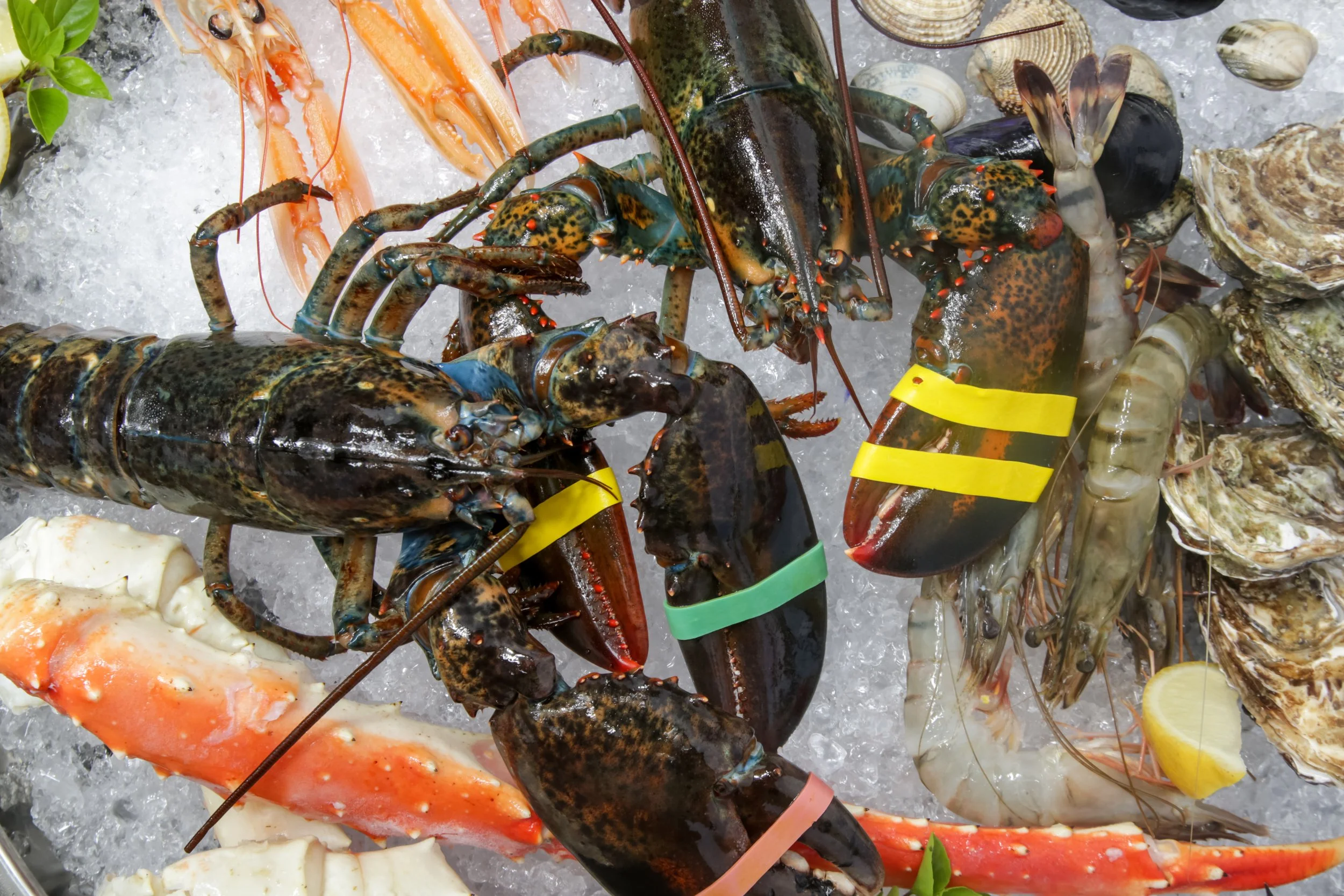
Cold Atlantic waters produce seafood with tight muscle structure, clean flavor, and little margin for error. From scallops and cod to oysters and lobster, the U.S. East Coast seafood tradition teaches restraint, disciplined sourcing, and techniques that protect the ingredient rather than transform it.

Part X — The Decision: How Operators Choose
The decision is not between systems. It is between tradeoffs. What matters is not what the system offers, but what it demands from the operation in return.
How Do Chefs Know When a Steak Is Done Just by Touching It?
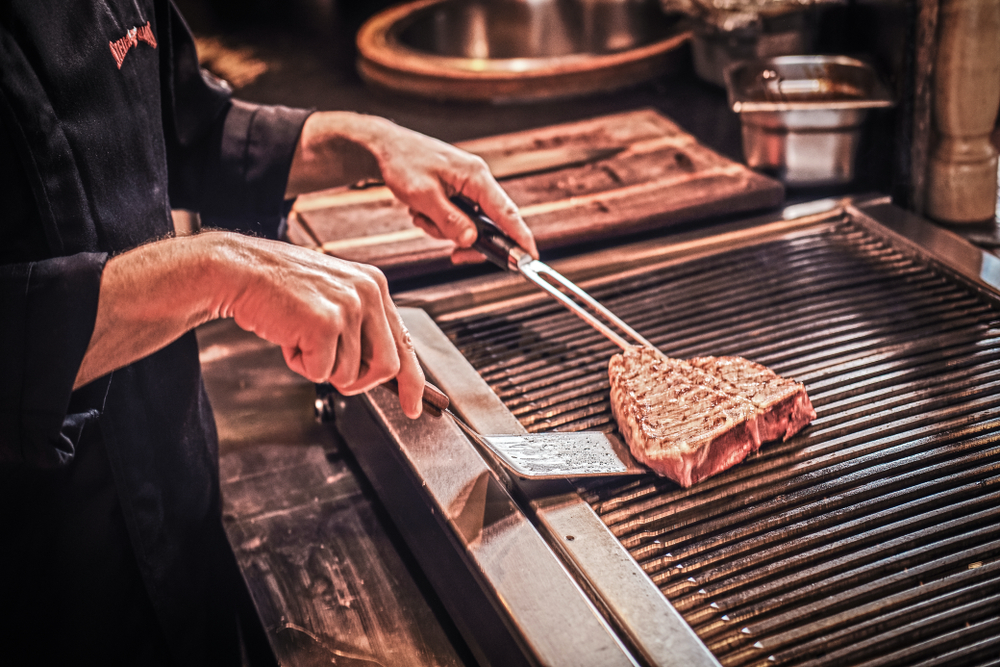
How do chefs know when a steak is medium-rare just by touching it? The answer lies in resistance, experience, and the quiet role temperature plays in achieving perfect doneness.
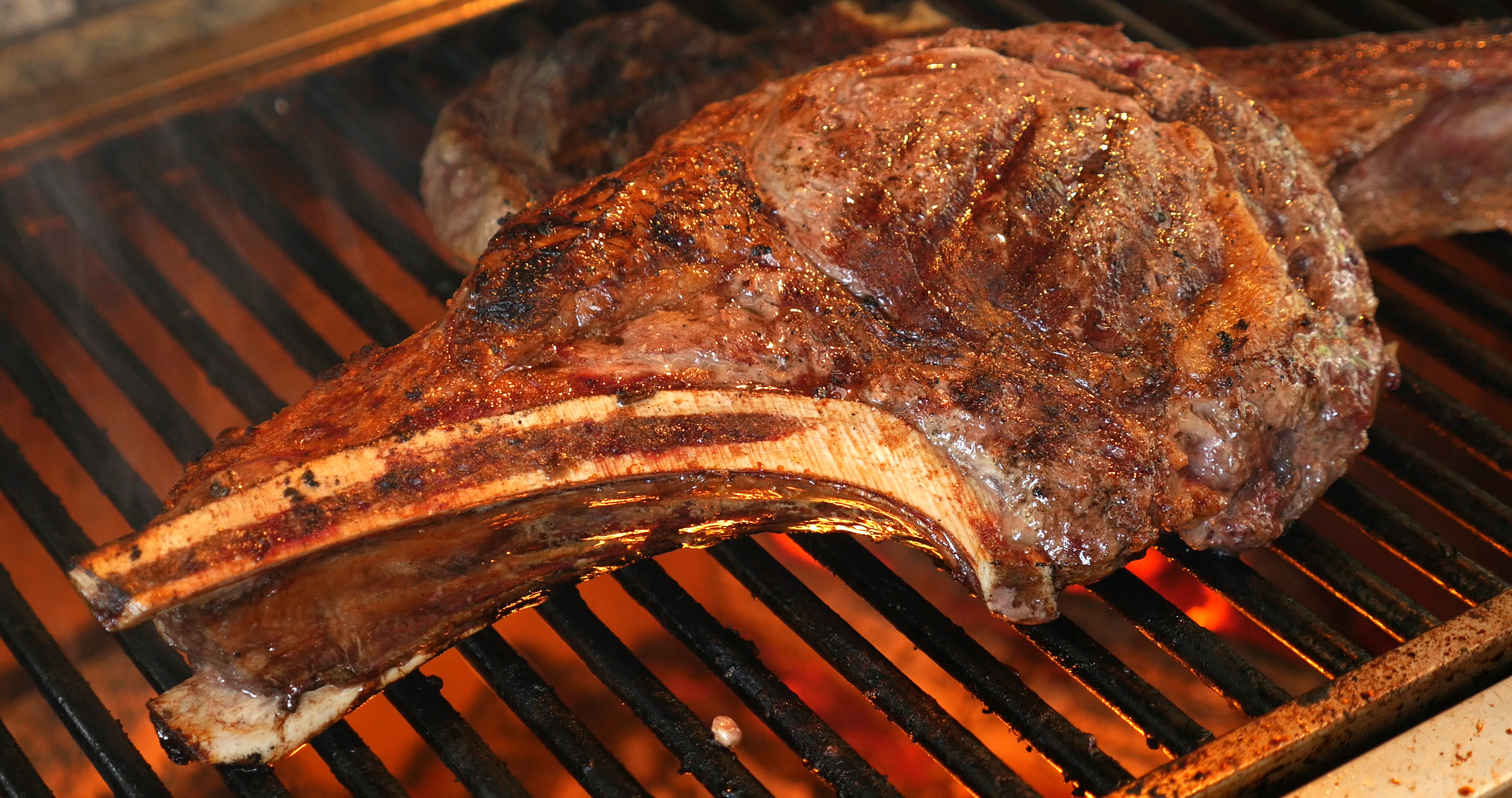
Why Does Steak Taste Better at a Steakhouse Than at Home?
Steaks served in restaurants often taste richer and develop a deeper crust than steaks cooked at home. The difference comes down to heat, aging, seasoning, and professional technique.
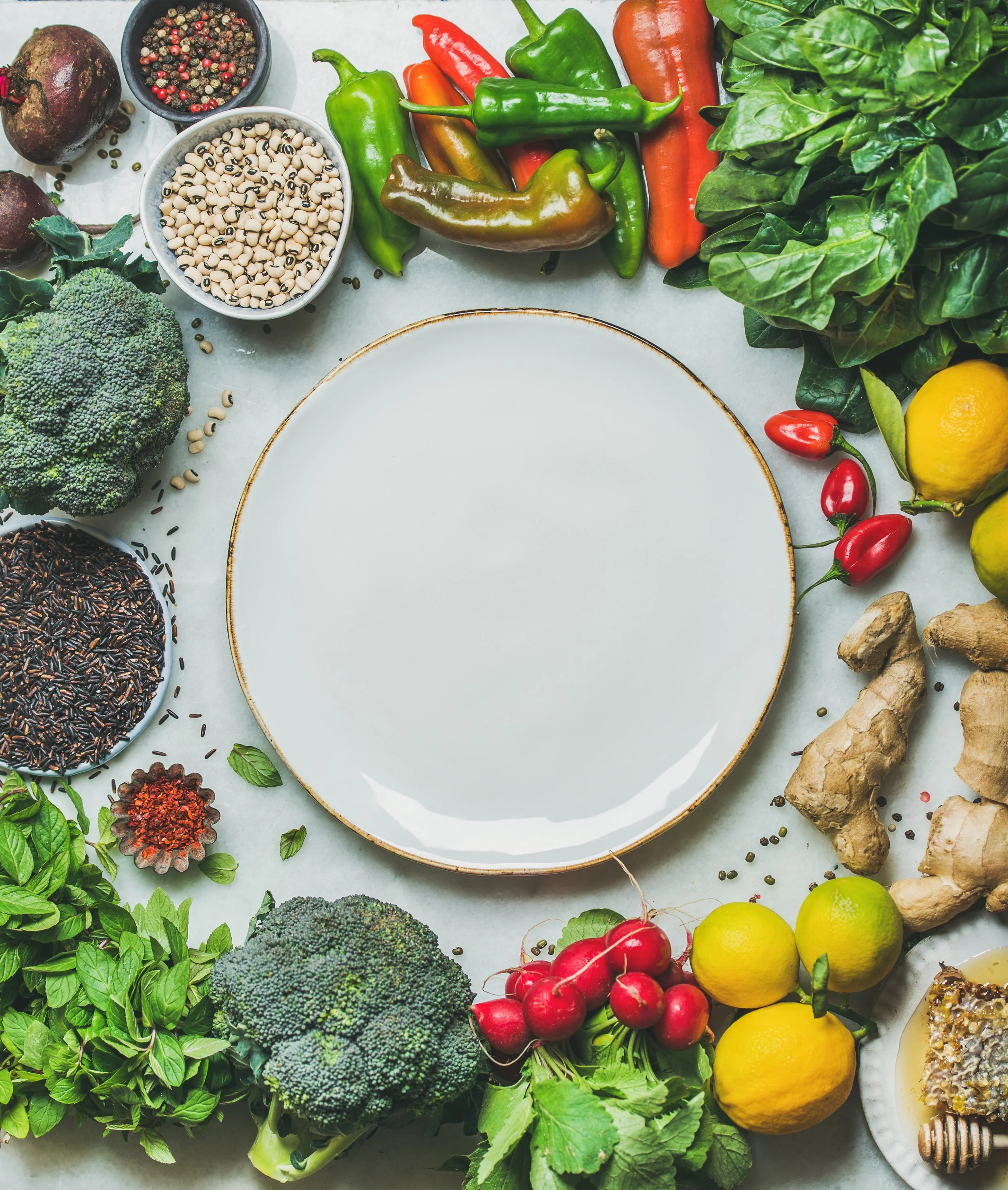
Eat Your Vegetables
Born in 1951, I’ve lived through diners, food pyramids, reversals, and reinventions. This is a reflection on what we were told to eat — and what quietly endured.

Part XI — Comparison: Where Systems Meet Reality
The goal is not to choose the best system. It is to choose the system that holds within the specific conditions of the restaurant—and continues to hold as those conditions change.
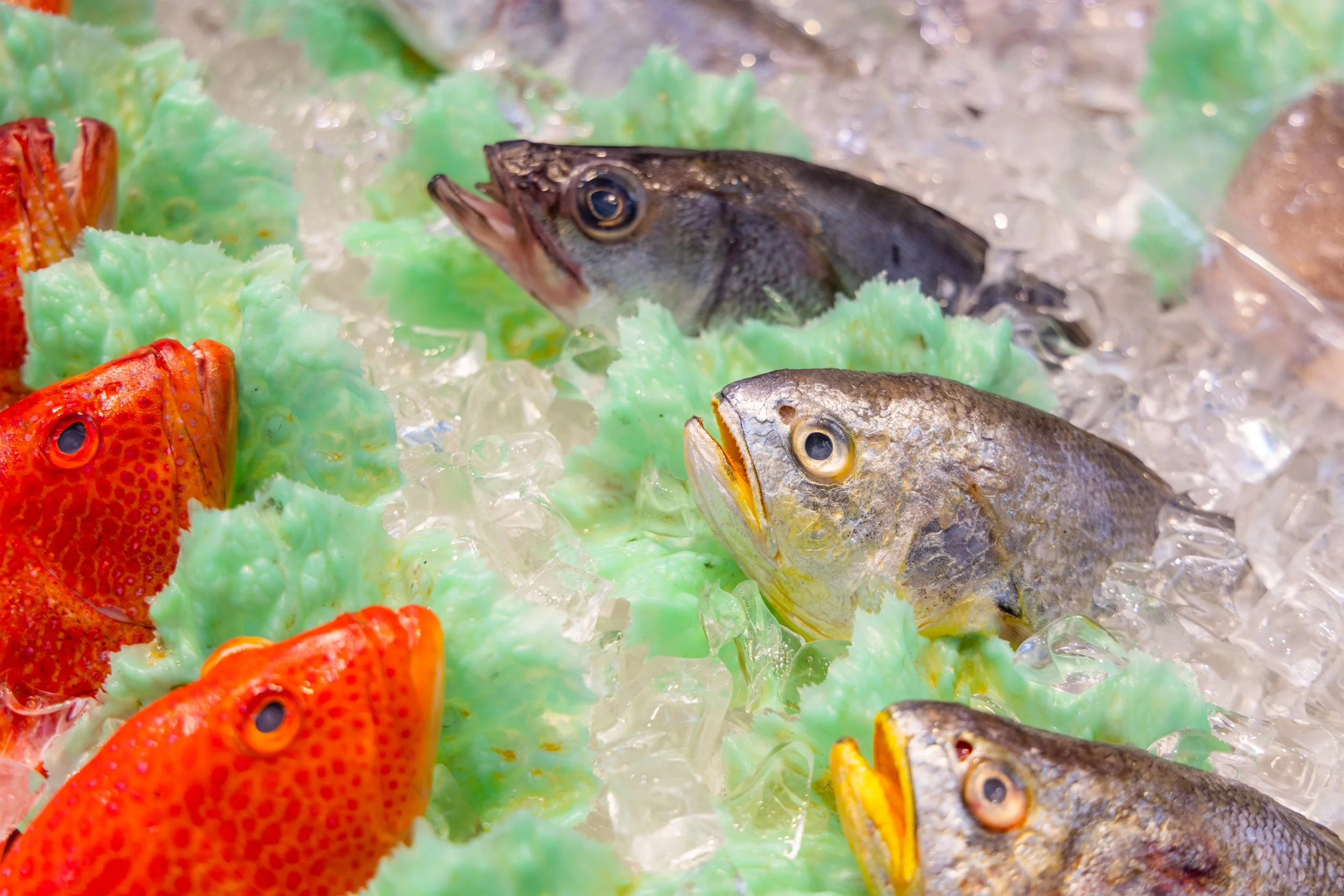
The Seafood Table
Cold Atlantic waters produce seafood with tight muscle structure, clean flavor, and little margin for error. From scallops and cod to oysters and lobster, the U.S. East Coast seafood tradition teaches restraint, disciplined sourcing, and techniques that protect the ingredient rather than transform it.

The Shape of Experience
Taste is not a fixed truth — it’s an interpretation. From the shape of a glass to the room we sit in and the moment we choose to pause, how we experience a drink is shaped by far more than what’s poured.

Part XII — Final Framework: How to Decide
What remains is not more information. It is interpretation. The right system is the one that aligns with how the restaurant actually operates, not how it is imagined.

Foodie’s Pick — What Holds in Practice
The best system is not the one that promises the most. It is the one that holds when the room is full, the pressure is real, and decisions still need to be made with clarity.
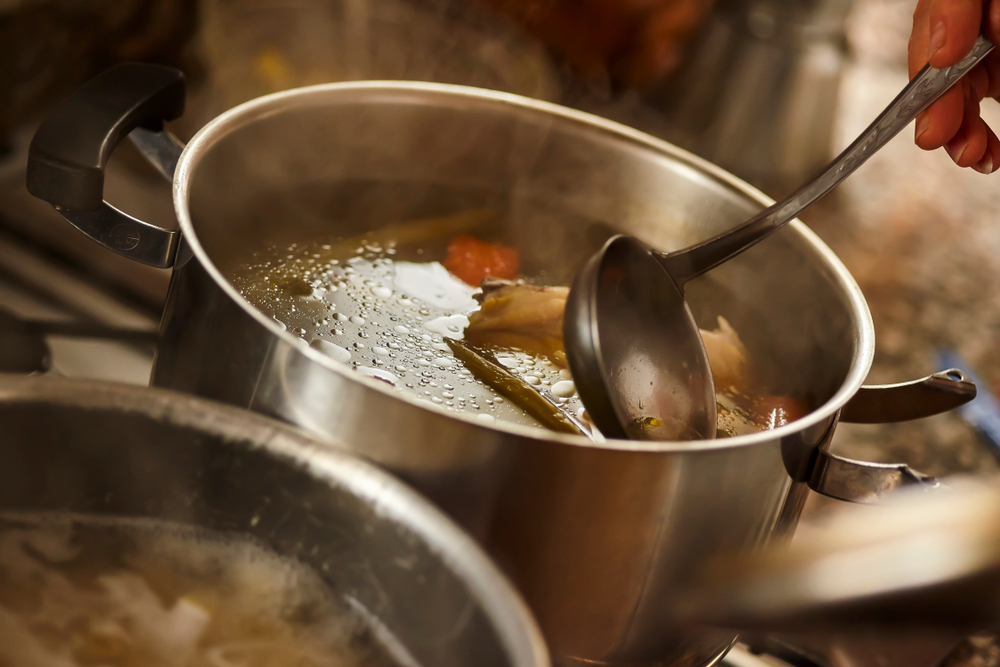
What Is the Difference Between Stock and Broth?
Stock and broth are often used interchangeably, but they serve different purposes in the kitchen. The difference comes down to collagen, gelatin, and how chefs use each liquid to build flavor and structure.

Designing the Blue Zones of Tomorrow
A Foodie in Paradise™ Blue Zone Series — Part VI: The Finale - We Can Do This!
Blue Zones were once rare pockets of exceptional longevity—but they’re changing. As younger generations move to cities, the qualities that made these communities extraordinary are fading. The real opportunity now is not to discover new Blue Zones, but to design them. We explore the architecture of a long life and how modern communities—and individuals—can build the Blue Zones of tomorrow.

Loma Linda: The Quiet Science of Living Long
A Foodie in Paradise™ Blue Zone Series — Part V
In Loma Linda, longevity is shaped not by wine or indulgence but by quiet routines—plant-rich meals, Sabbath rest, an alcohol-free lifestyle, and a shared belief in purposeful living. This final chapter in our Blue Zone series brings the journey full circle, revealing what connects Okinawa, Sardinia, Ikaria, Nicoya, and Loma Linda—and what their lessons can bring to our own kitchens, tables, and communities.
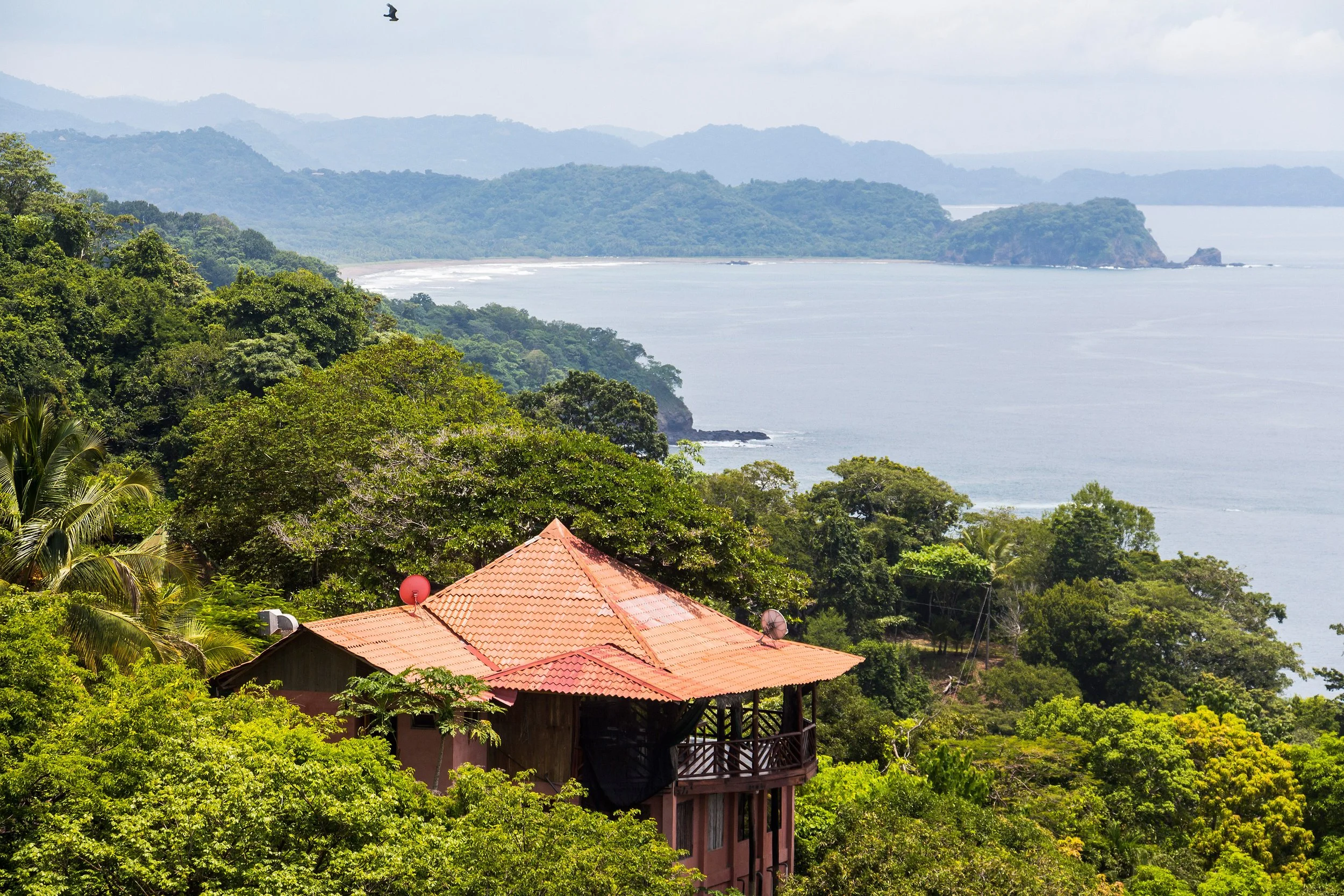
Nicoya, Costa Rica — A Land Shaped by Sunlight, Corn, and Quiet Purpose
A Foodie in Paradise™ Blue Zone Series — Part IV
Costa Rica’s Nicoya Peninsula, longevity isn’t a mystery — it’s a way of living. From corn-rich ancestral diets to volcanic water, sunrise walks, and the quiet strength of pura vida, Nicoya offers a blueprint for a life lived longer and lighter.
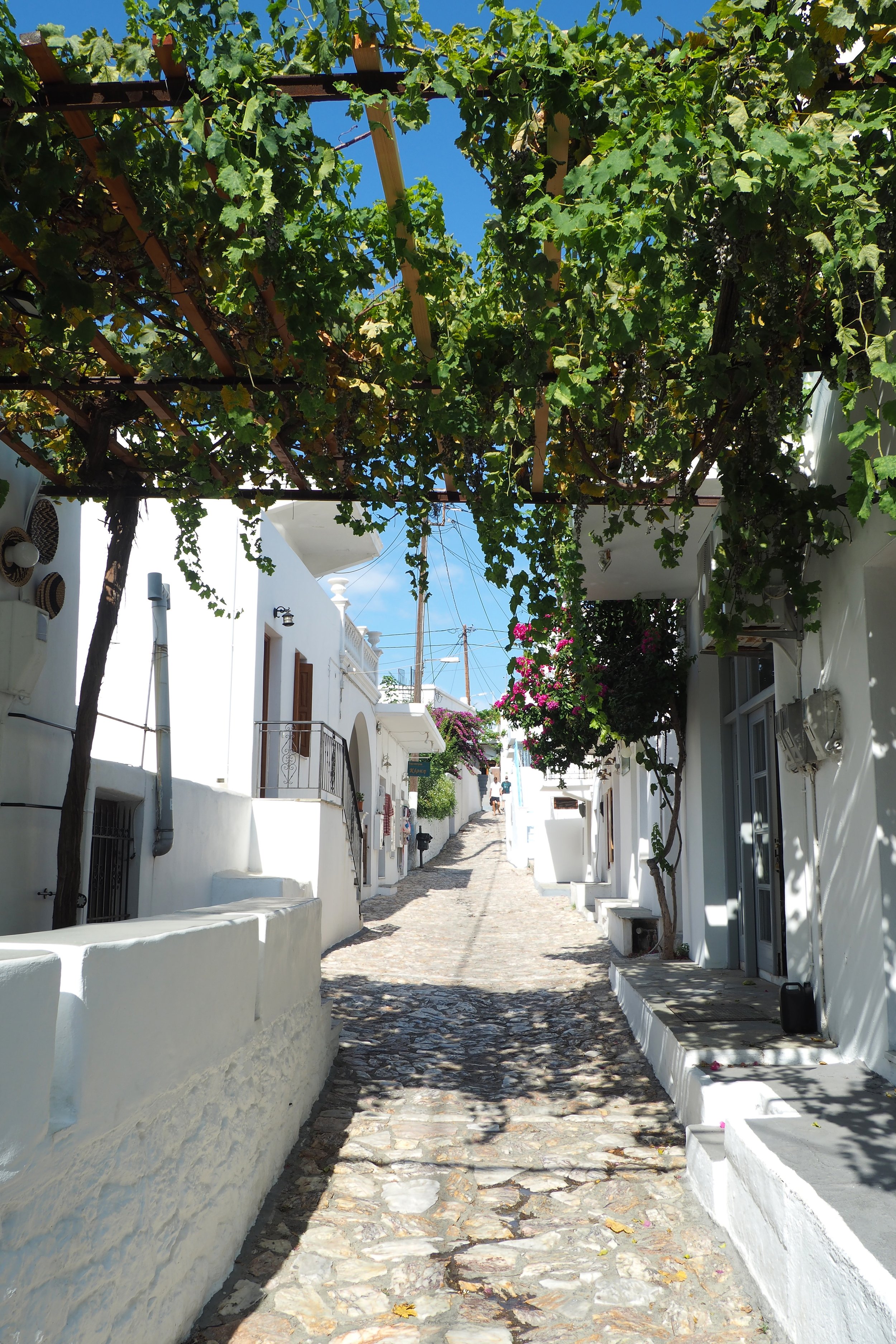
Winter on Ikaria: Where Time Slows and Life Unfolds Gently
A Foodie in Paradise™ Blue Zone Series — Part III
Winter in Icaria slows the world down to a human pace. On this Greek island of long life, herbal teas simmer on wood stoves, mountain paths become quiet pilgrimages, and meals stretch into lingering conversations that nourish far more than hunger. This chapter of the Blue Zone series uncovers the rituals, foods, and daily rhythms that shape Ikarian longevity — a portrait of a place where time moves gently, and people move with it.
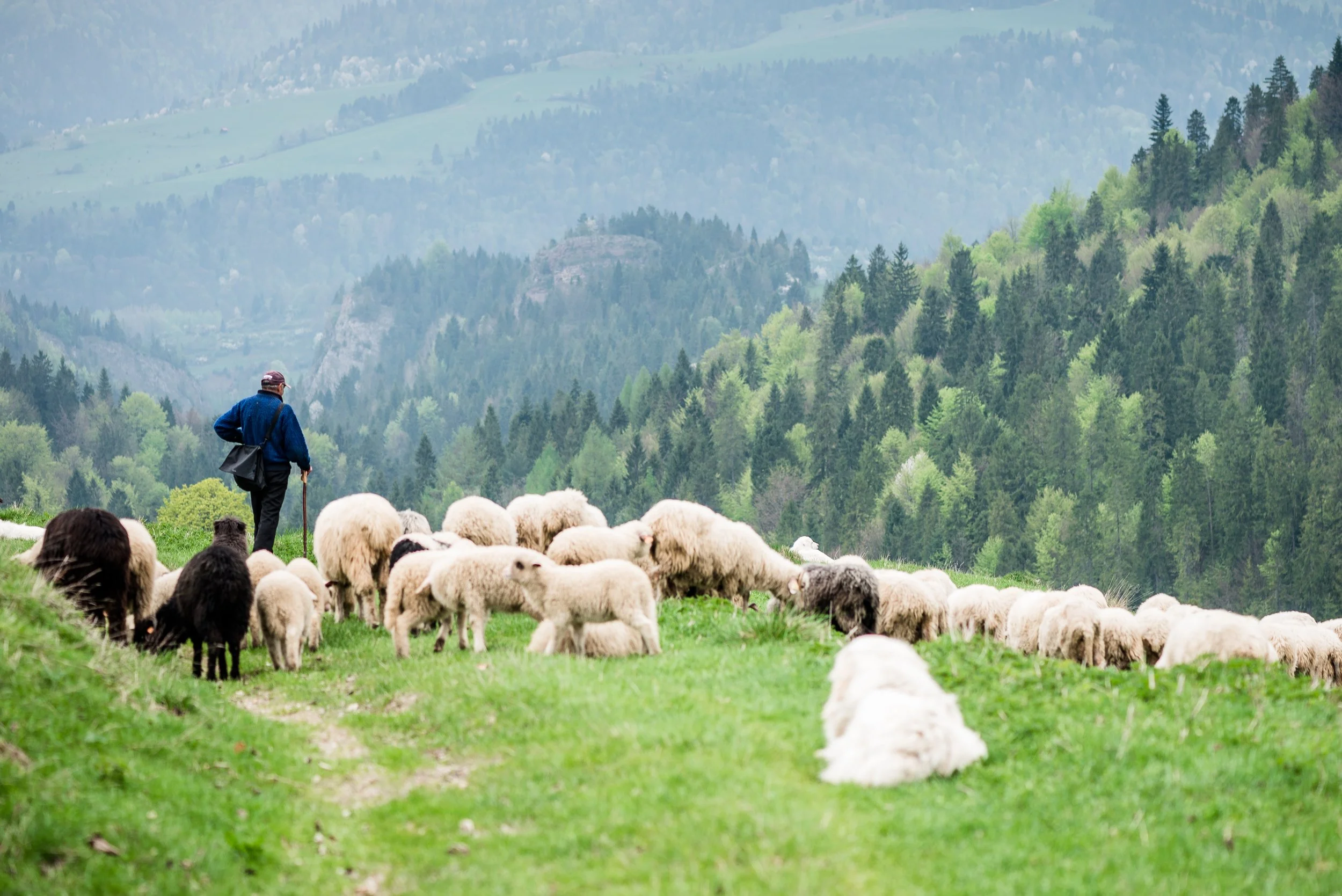
Winter in Sardinia: The Barbagia Blueprint for a Long, Delicious Life
A Foodie in Paradise™ Blue Zone Series — Part II
Winter in Sardinia reveals a quiet blueprint for longevity — from Barbagia’s daily minestrone to Cannonau wine, mountain rituals, and the humble foods that help shape one of the world’s longest-living cultures.