

Share
An unfolding archive of food, culture, and craft.
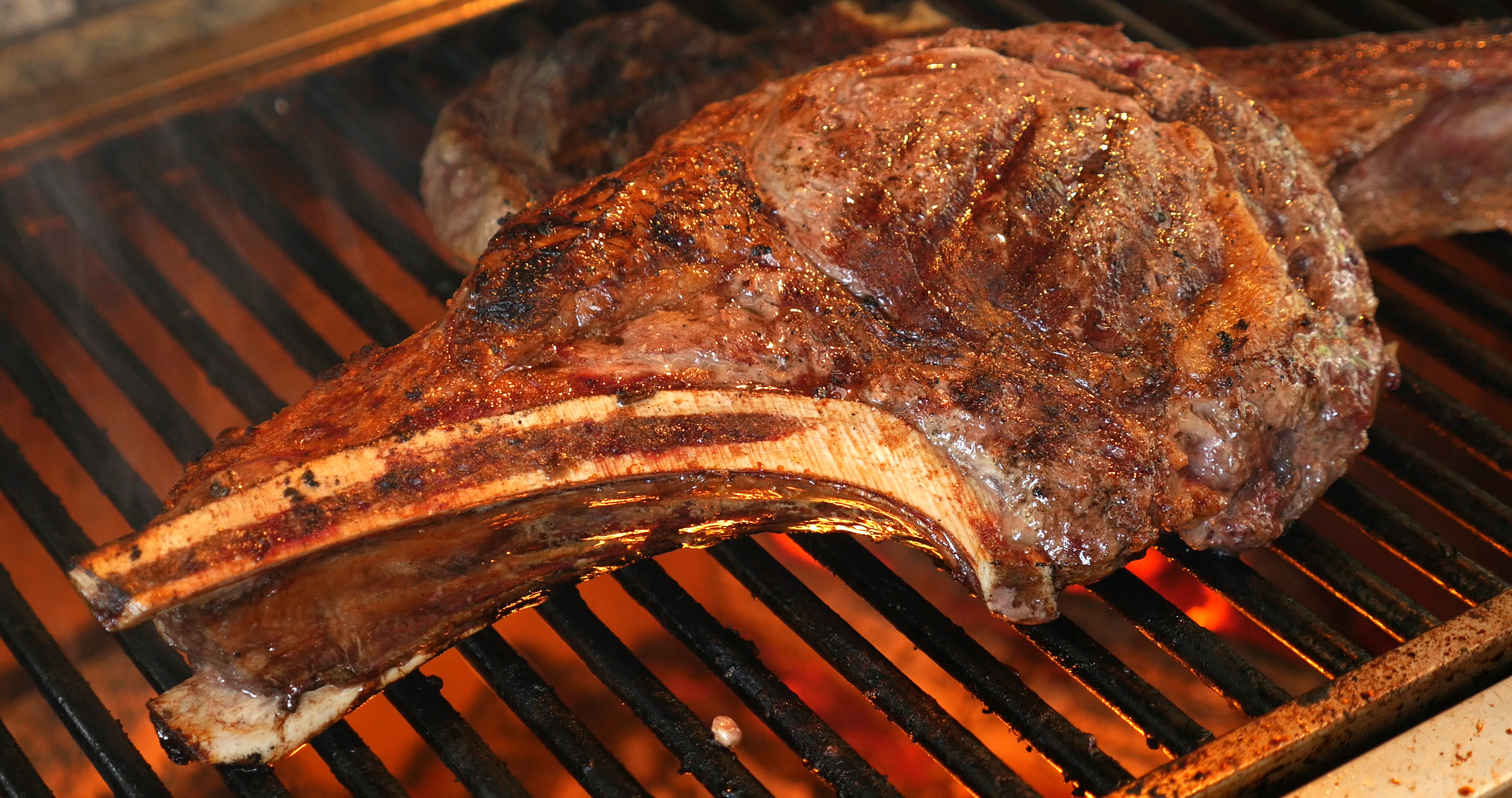
Why Does Steak Taste Better at a Steakhouse Than at Home?
Steaks served in restaurants often taste richer and develop a deeper crust than steaks cooked at home. The difference comes down to heat, aging, seasoning, and professional technique.
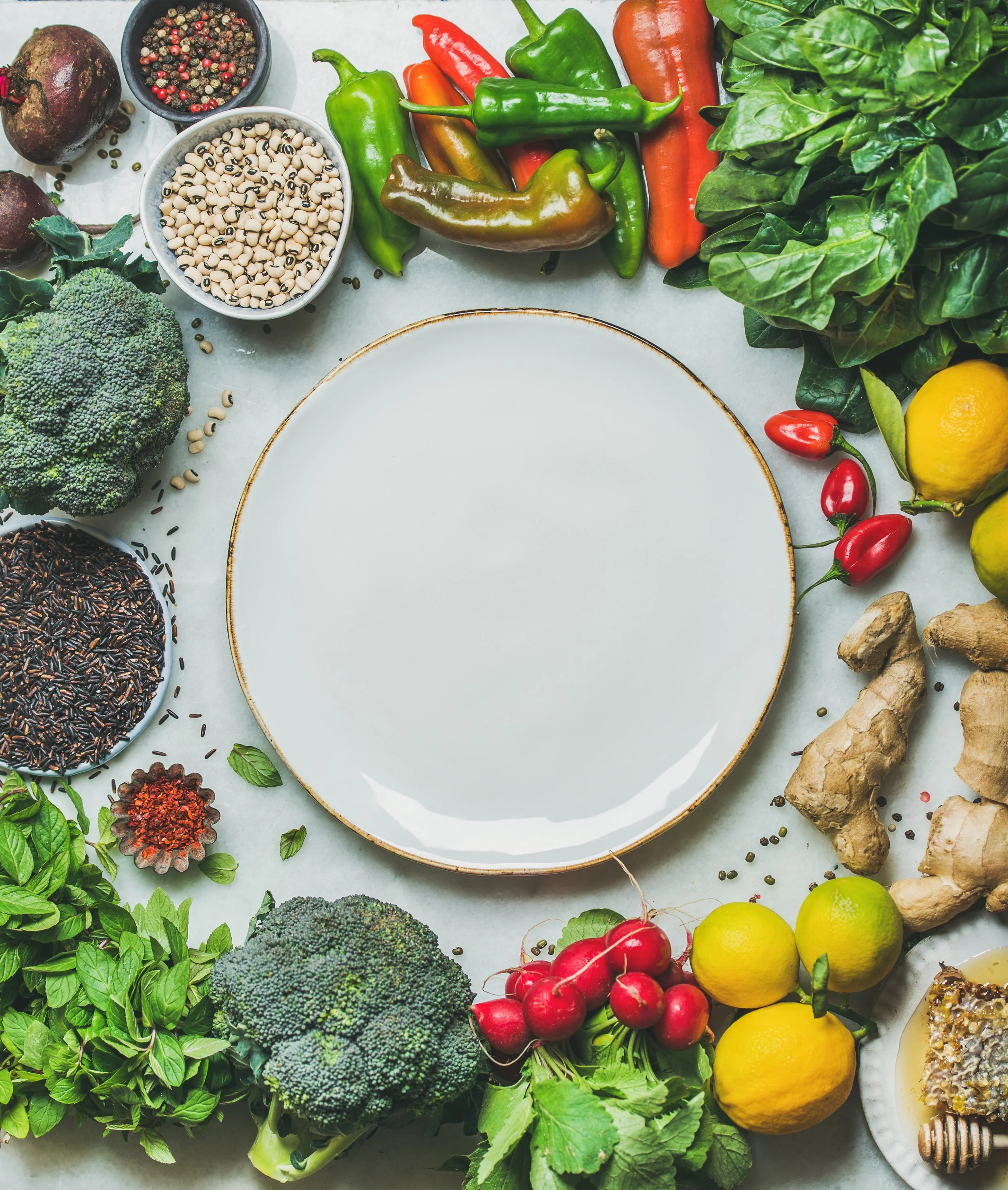
Eat Your Vegetables
Born in 1951, I’ve lived through diners, food pyramids, reversals, and reinventions. This is a reflection on what we were told to eat — and what quietly endured.

Part XI — Comparison: Where Systems Meet Reality
The goal is not to choose the best system. It is to choose the system that holds within the specific conditions of the restaurant—and continues to hold as those conditions change.
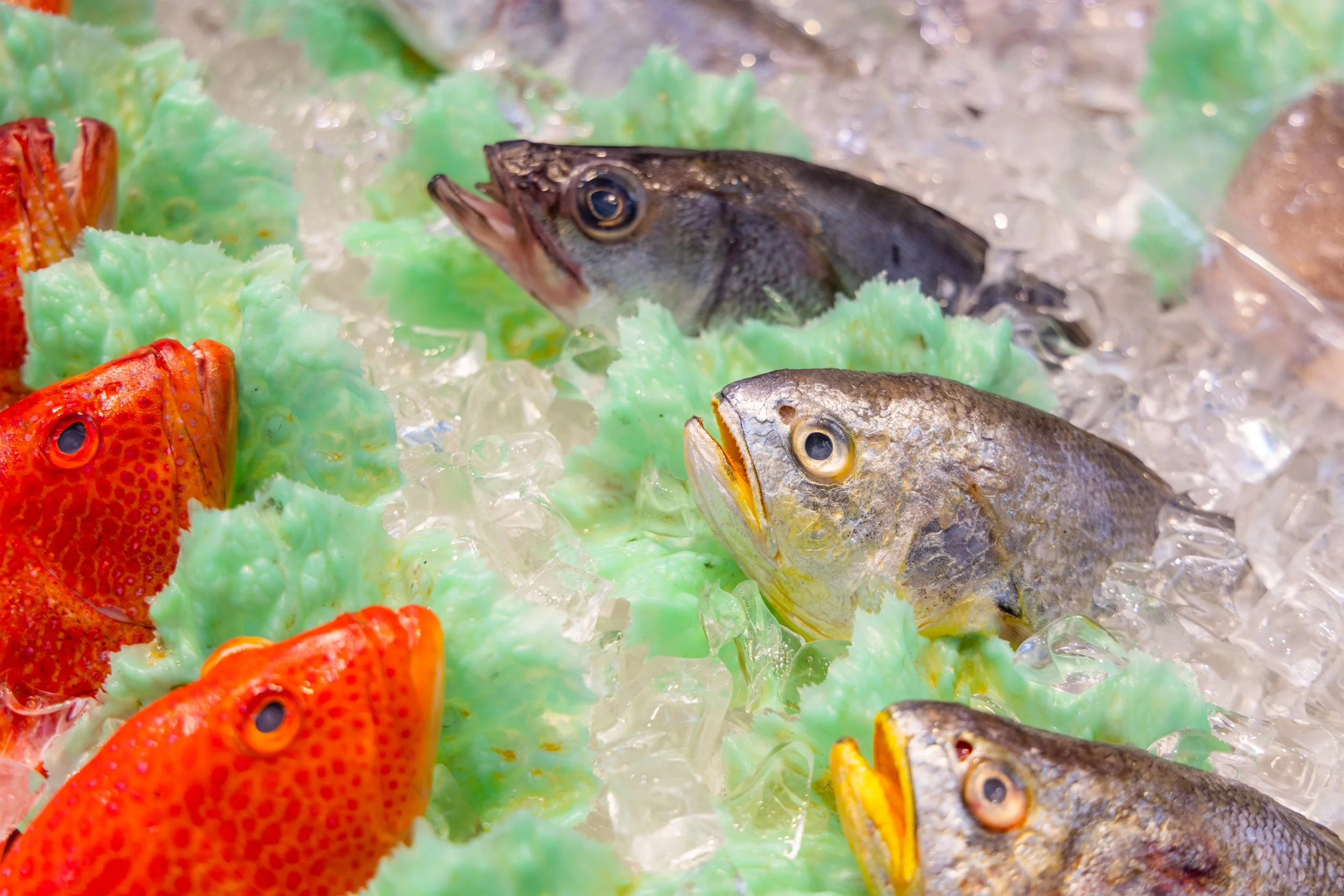
The Seafood Table
Cold Atlantic waters produce seafood with tight muscle structure, clean flavor, and little margin for error. From scallops and cod to oysters and lobster, the U.S. East Coast seafood tradition teaches restraint, disciplined sourcing, and techniques that protect the ingredient rather than transform it.
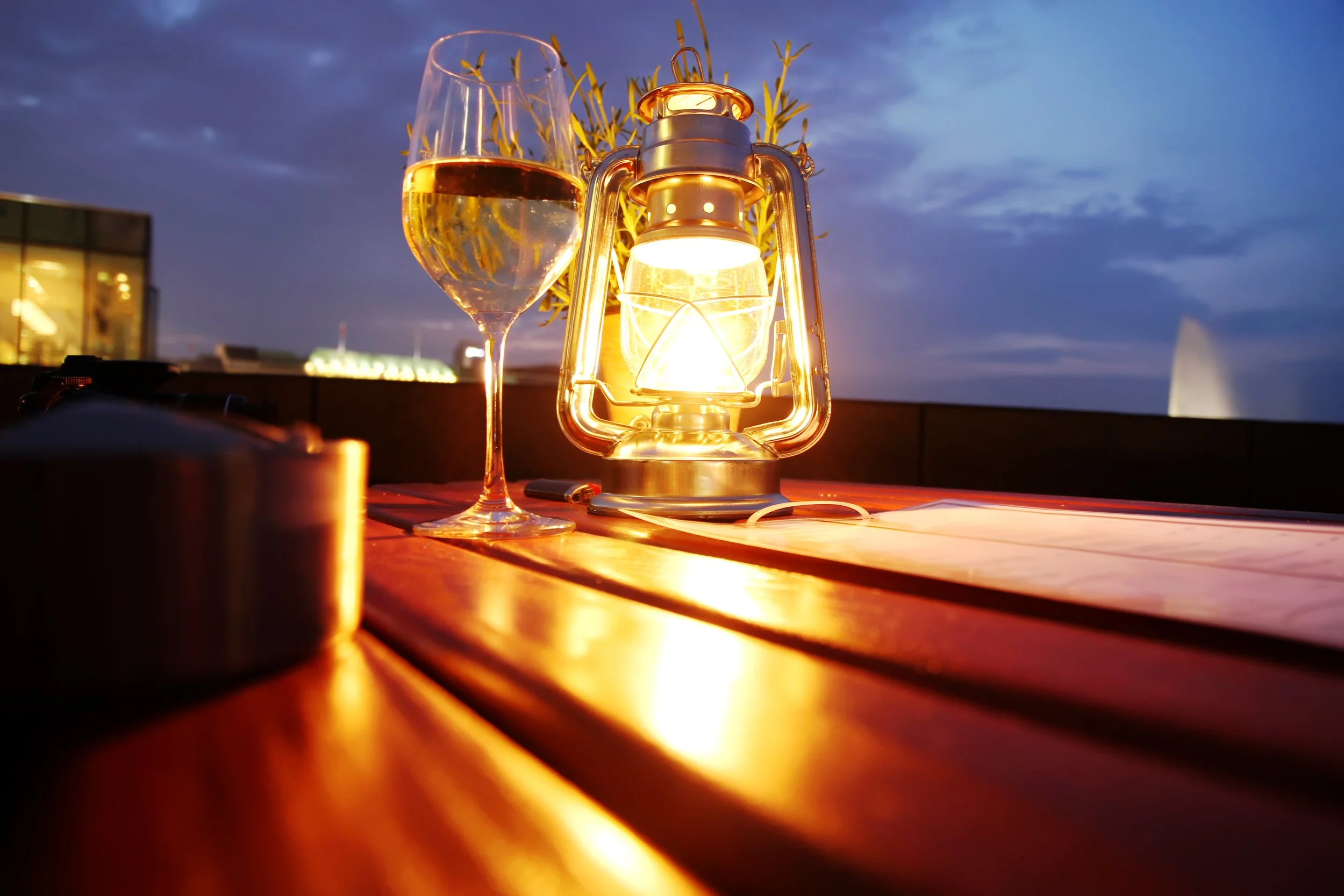
The Shape of Experience
Taste is not a fixed truth — it’s an interpretation. From the shape of a glass to the room we sit in and the moment we choose to pause, how we experience a drink is shaped by far more than what’s poured.

Part XII — Final Framework: How to Decide
What remains is not more information. It is interpretation. The right system is the one that aligns with how the restaurant actually operates, not how it is imagined.
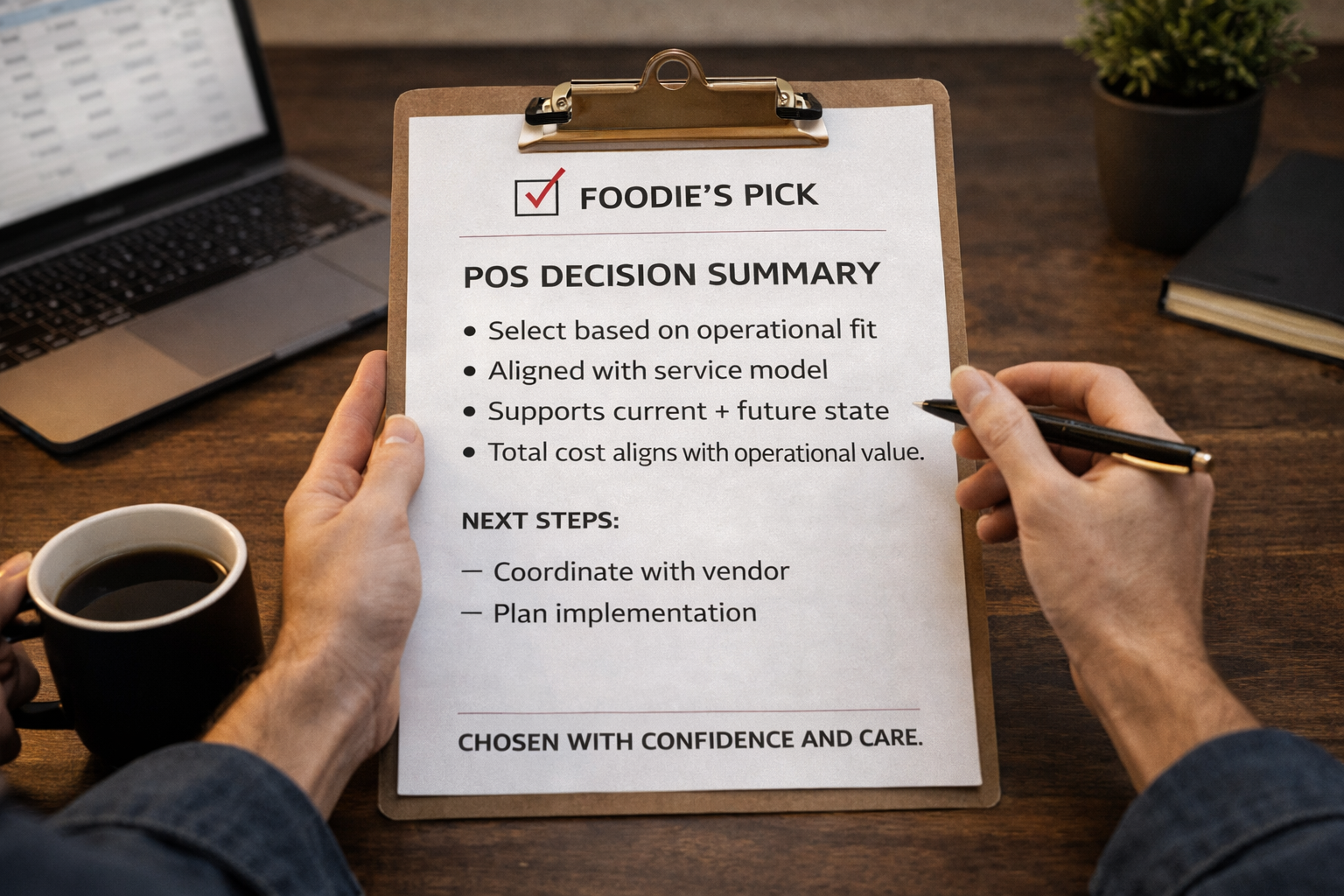
Foodie’s Pick — What Holds in Practice
The best system is not the one that promises the most. It is the one that holds when the room is full, the pressure is real, and decisions still need to be made with clarity.
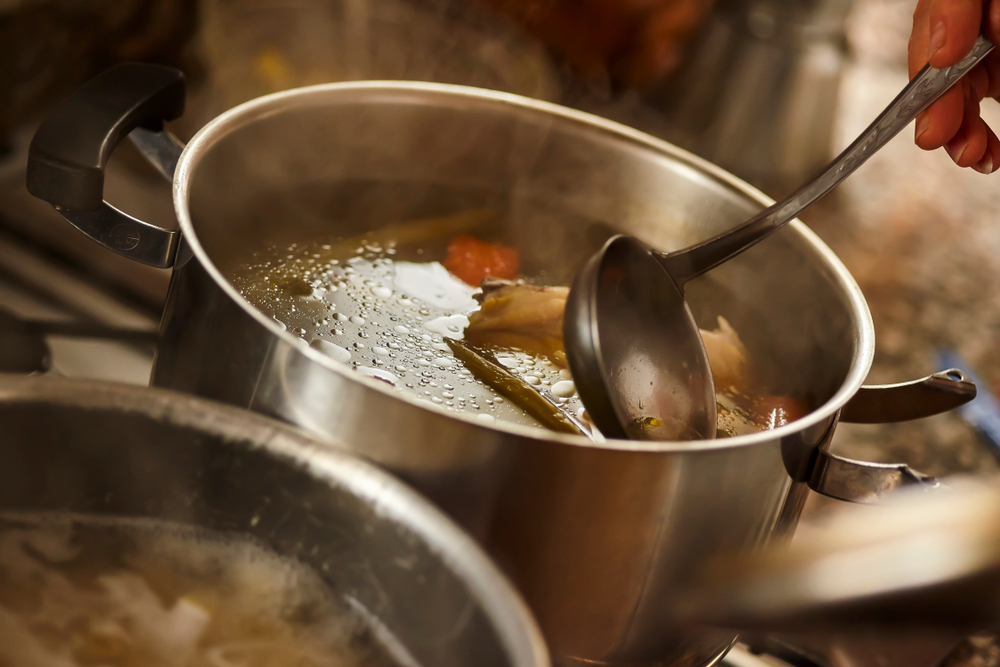
What Is the Difference Between Stock and Broth?
Stock and broth are often used interchangeably, but they serve different purposes in the kitchen. The difference comes down to collagen, gelatin, and how chefs use each liquid to build flavor and structure.

Designing the Blue Zones of Tomorrow
A Foodie in Paradise™ Blue Zone Series — Part VI: The Finale - We Can Do This!
Blue Zones were once rare pockets of exceptional longevity—but they’re changing. As younger generations move to cities, the qualities that made these communities extraordinary are fading. The real opportunity now is not to discover new Blue Zones, but to design them. We explore the architecture of a long life and how modern communities—and individuals—can build the Blue Zones of tomorrow.

Loma Linda: The Quiet Science of Living Long
A Foodie in Paradise™ Blue Zone Series — Part V
In Loma Linda, longevity is shaped not by wine or indulgence but by quiet routines—plant-rich meals, Sabbath rest, an alcohol-free lifestyle, and a shared belief in purposeful living. This final chapter in our Blue Zone series brings the journey full circle, revealing what connects Okinawa, Sardinia, Ikaria, Nicoya, and Loma Linda—and what their lessons can bring to our own kitchens, tables, and communities.
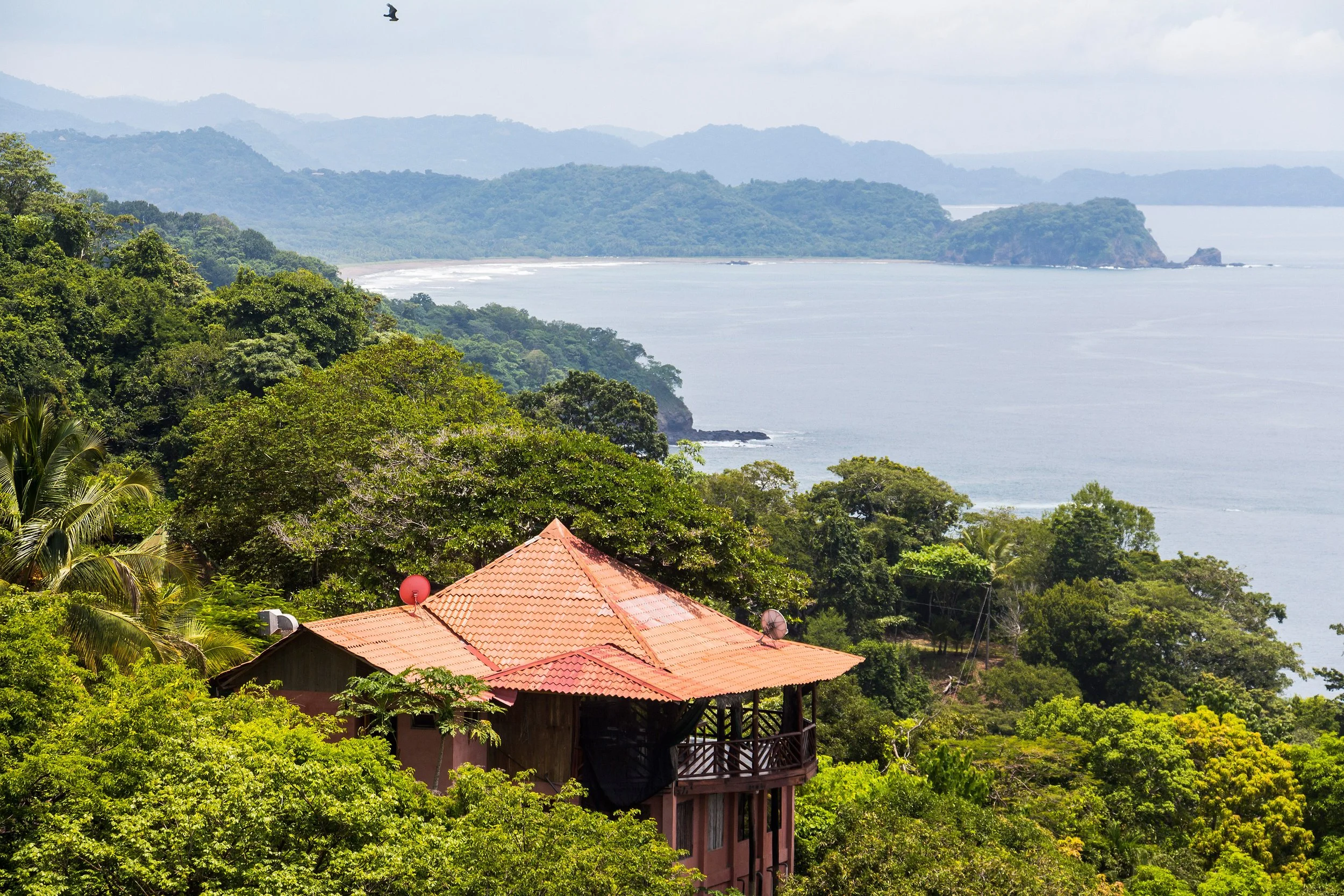
Nicoya, Costa Rica — A Land Shaped by Sunlight, Corn, and Quiet Purpose
A Foodie in Paradise™ Blue Zone Series — Part IV
Costa Rica’s Nicoya Peninsula, longevity isn’t a mystery — it’s a way of living. From corn-rich ancestral diets to volcanic water, sunrise walks, and the quiet strength of pura vida, Nicoya offers a blueprint for a life lived longer and lighter.
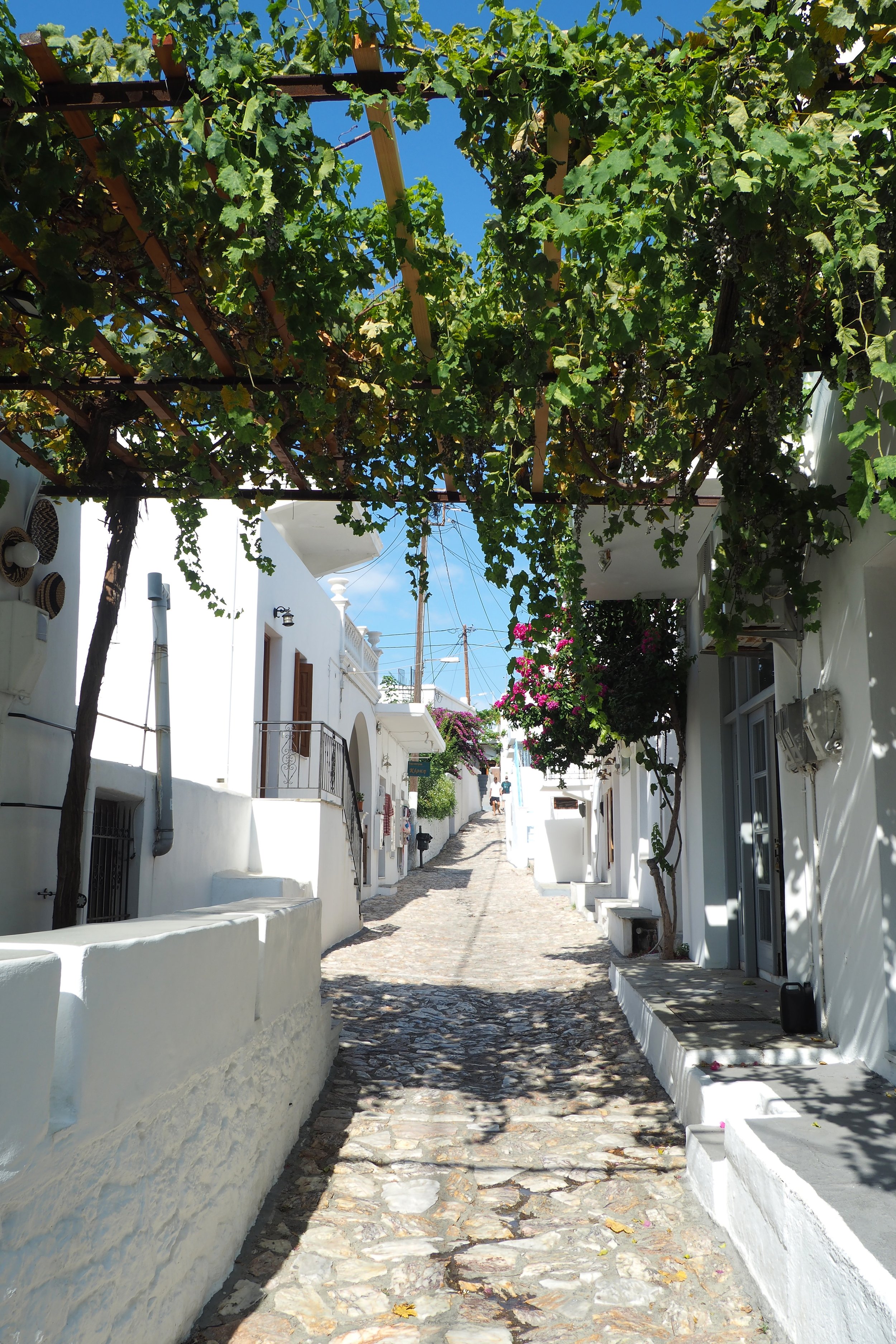
Winter on Ikaria: Where Time Slows and Life Unfolds Gently
A Foodie in Paradise™ Blue Zone Series — Part III
Winter in Icaria slows the world down to a human pace. On this Greek island of long life, herbal teas simmer on wood stoves, mountain paths become quiet pilgrimages, and meals stretch into lingering conversations that nourish far more than hunger. This chapter of the Blue Zone series uncovers the rituals, foods, and daily rhythms that shape Ikarian longevity — a portrait of a place where time moves gently, and people move with it.
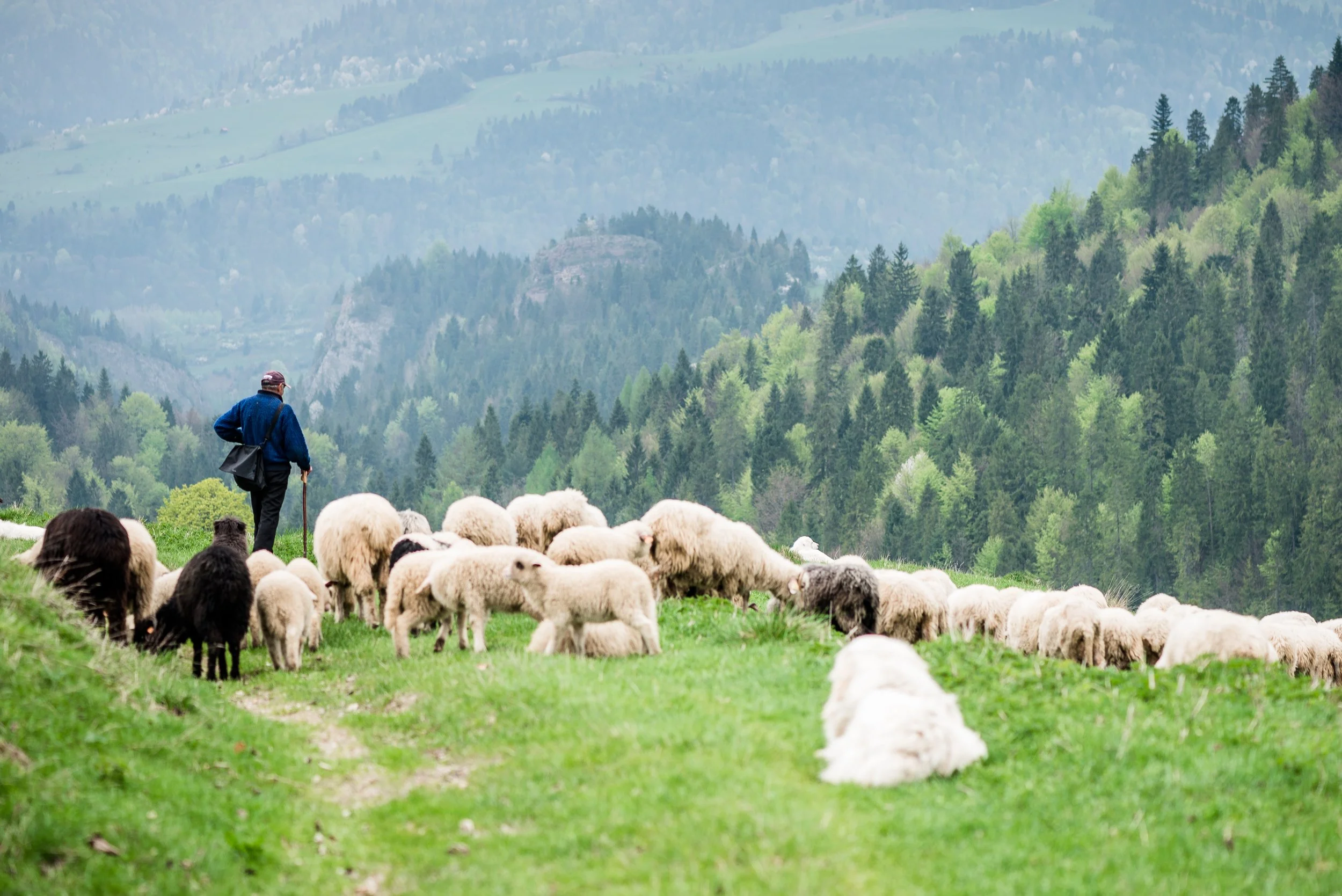
Winter in Sardinia: The Barbagia Blueprint for a Long, Delicious Life
A Foodie in Paradise™ Blue Zone Series — Part II
Winter in Sardinia reveals a quiet blueprint for longevity — from Barbagia’s daily minestrone to Cannonau wine, mountain rituals, and the humble foods that help shape one of the world’s longest-living cultures.

Winter in Okinawa: Inside a Blue Zone Where Longevity is a Way of Life
A Foodie in Paradise™ Blue Zone Series — Part I
Winter in Okinawa isn’t cold — it’s contemplative. Explore the foods, teas, rituals, markets, and cultural rhythms that make this Japanese island one of the world’s Blue Zones of extraordinary longevity.
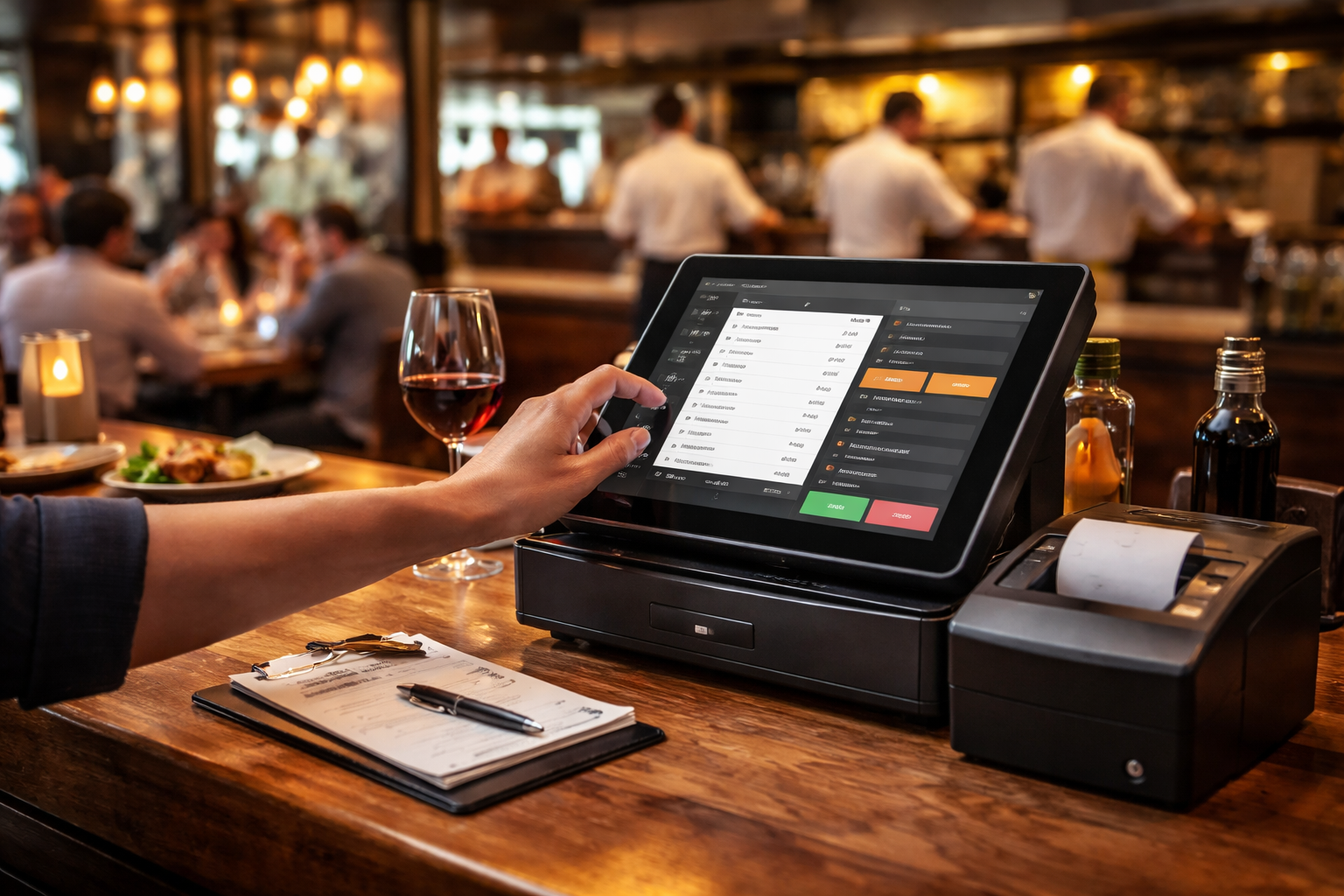
How Do I Choose a POS System for My Restaurant?
Choosing a POS system isn’t about features—it’s about how the system behaves in real service. This guide breaks down what actually matters for full-service restaurants, from order flow and kitchen communication to real-time decision-making, so operators can choose with clarity.
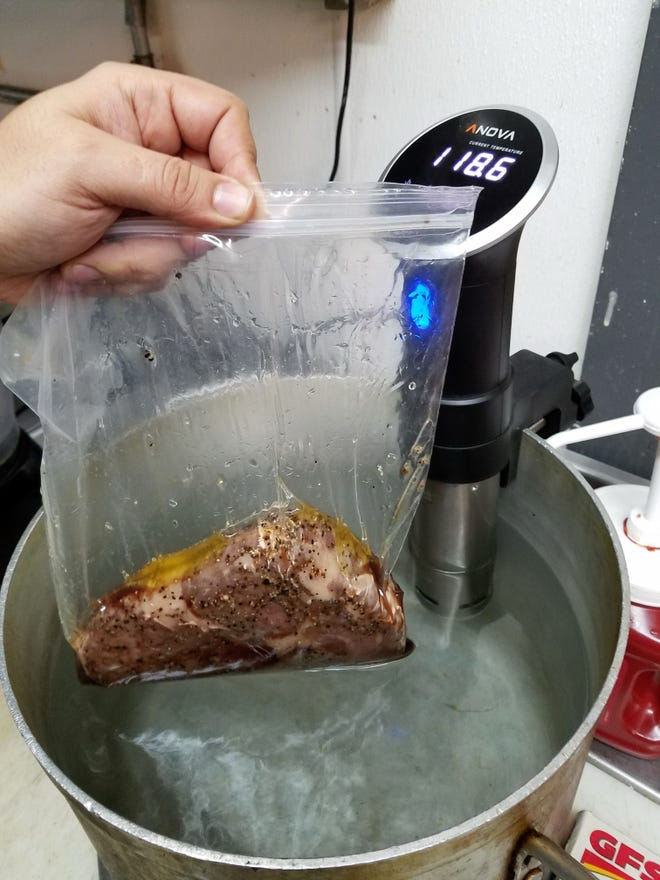
What is Sous Vide Cooking?
Sous vide cooking uses a temperature-controlled water bath to cook food evenly and precisely. By sealing food and cooking it at a consistent temperature, chefs achieve consistent doneness and texture.
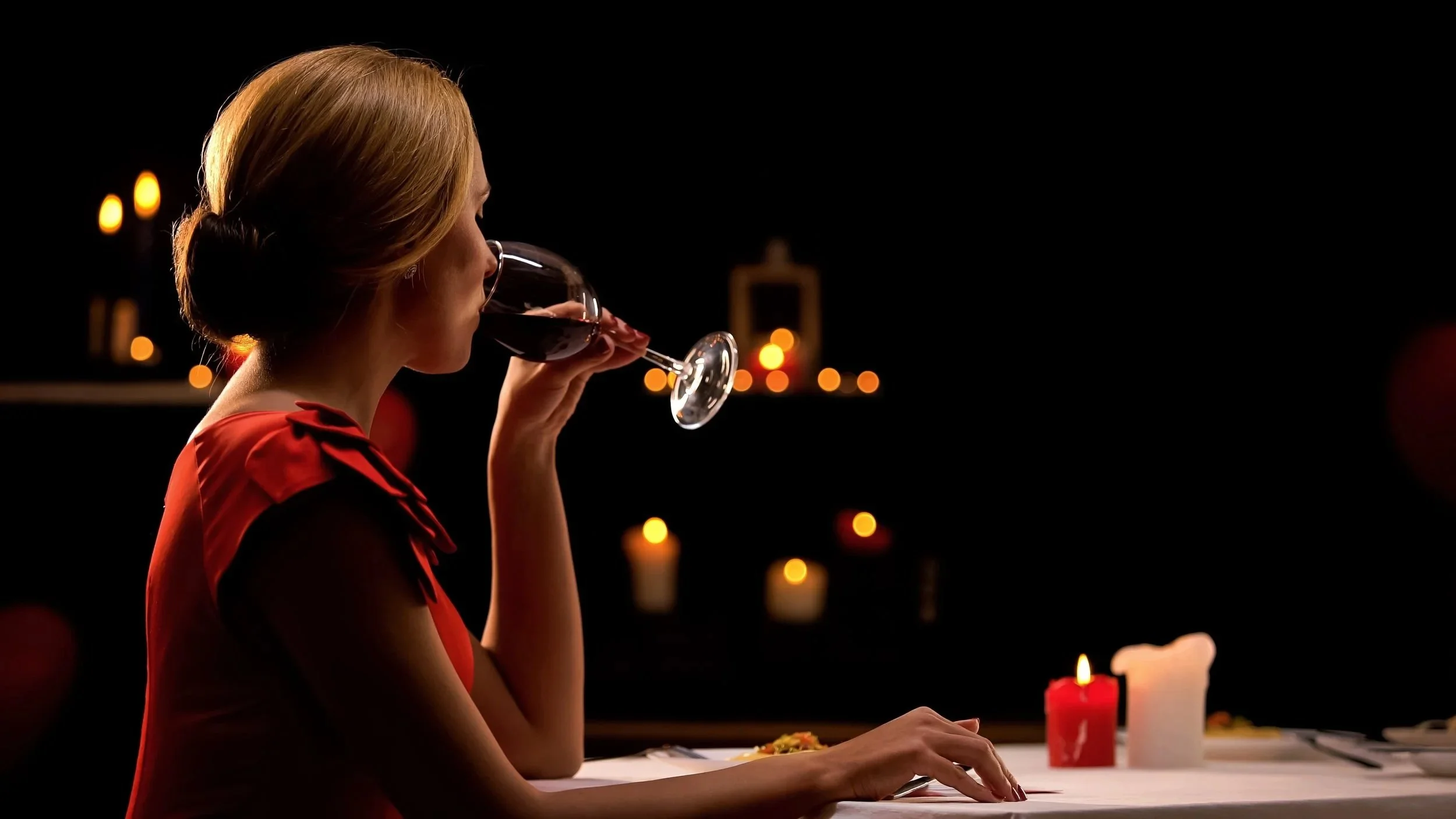
Dining Alone
Dining alone isn’t lonely — it’s liberating.
Some of life’s most meaningful meals are eaten without witnesses.
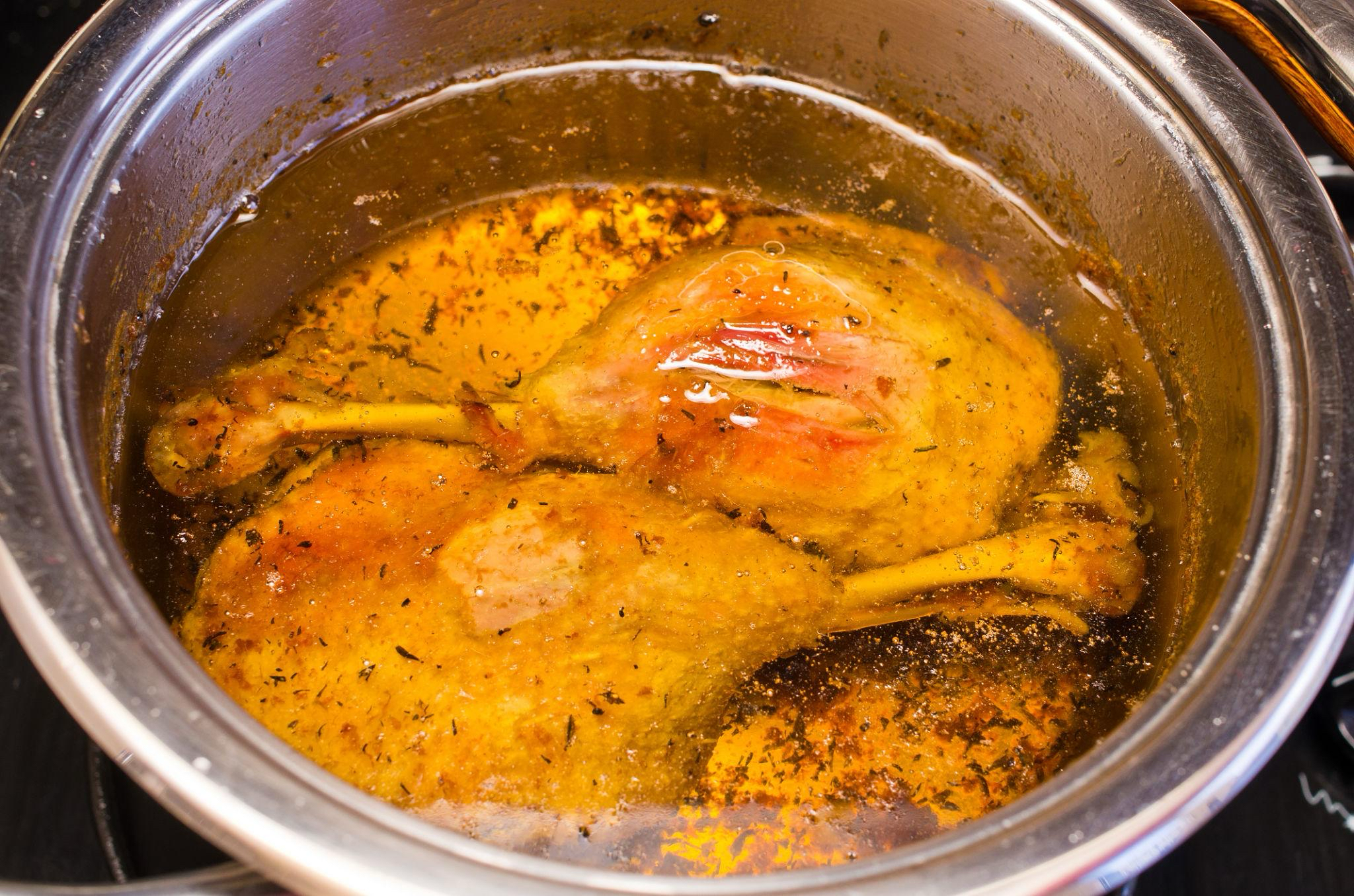
What Is Confit?
Confit is a method of slow cooking food in fat at low temperatures, traditionally used for preservation. Today, it’s valued for producing tender textures and deeply developed flavor.
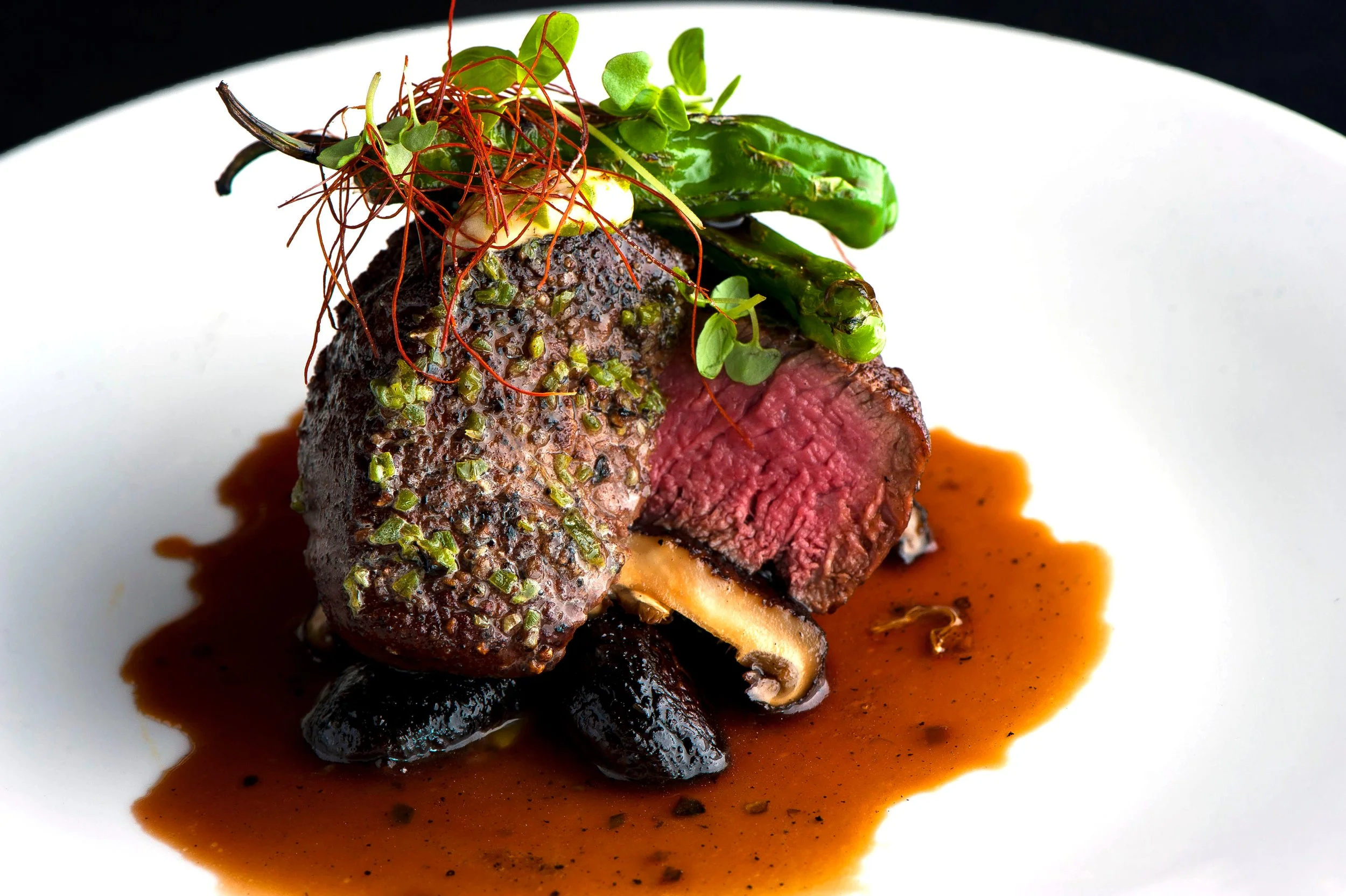
The Modern Steakhouse: The Fire, the Finish, and the Final Ten Feet
The Modern Steakhouse — Part III
A modern steakhouse is more than meat and fire—it’s rhythm, craft, and the last ten feet between the broiler and the table. We explore the sides, sauces, cuts, and wine pairings that define a great steakhouse, from creamed spinach and Béarnaise to porterhouses and Brunello. A deep, sensory dive into the flavors, myths, and rituals that complete the steakhouse experience.
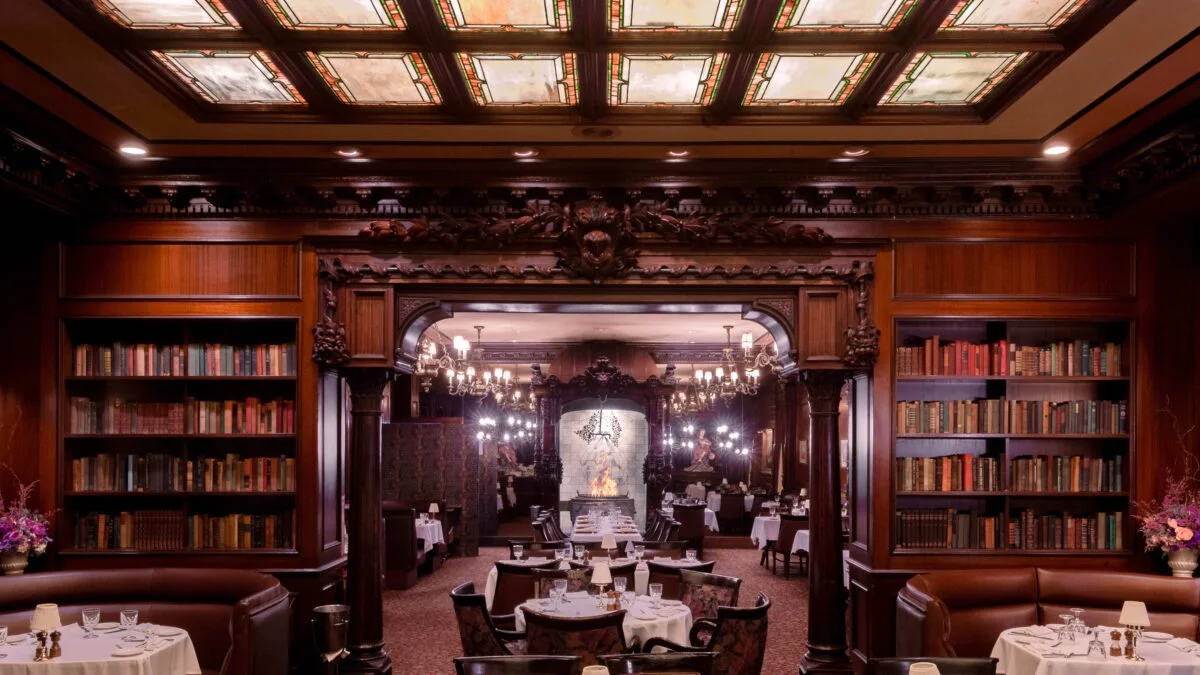
The Modern Steakhouse: The Room, The Ritual, and The Reinvention
The Modern Steakhouse — Part IV
The modern steakhouse is more than beef—it’s design, sound, service, wine, economics, culture, and the emotional architecture of hospitality. Part 4 explores the room, the ritual, and the evolution that has shaped today’s steakhouse—and the future it’s heading toward.