

Share
An unfolding archive of food, culture, and craft.
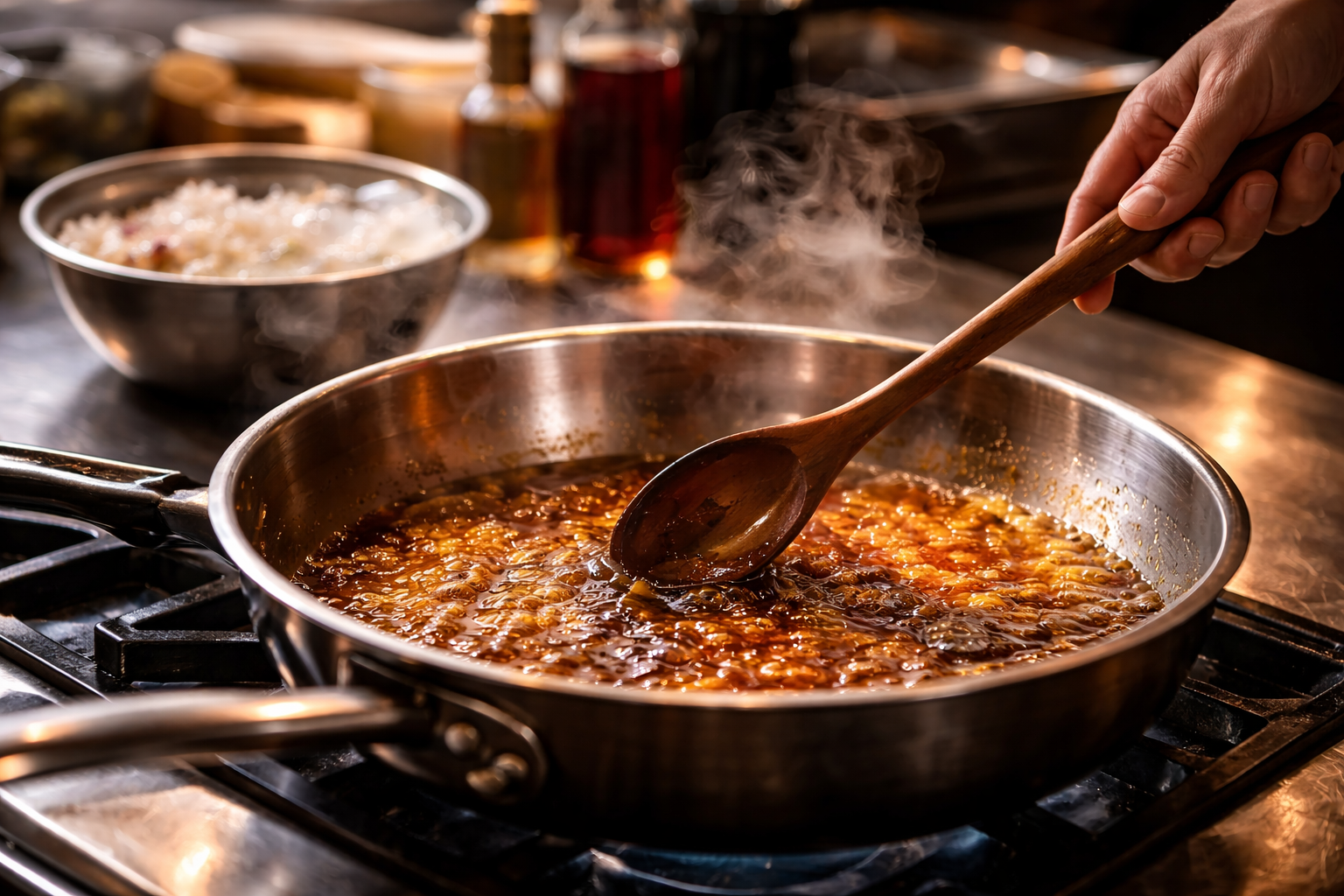
What Is a Gastrique?
A gastrique is a classic French sauce made by caramelizing sugar and deglazing it with vinegar. The technique creates a concentrated sweet-and-sour base that adds balance and depth to sauces, meats, and vegetables.
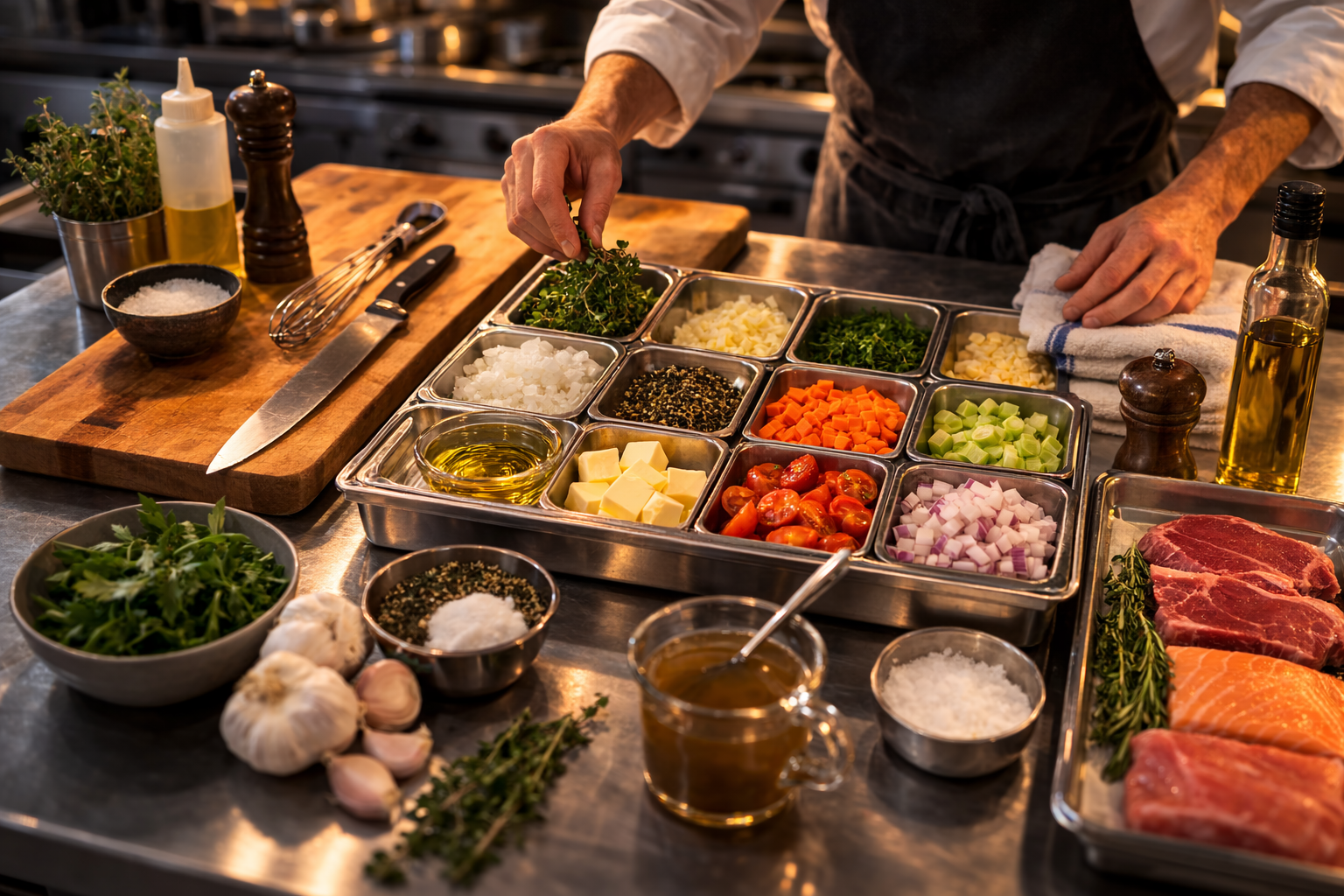
What Is Mise en Place?
Mise en place—French for “everything in its place”—is the foundation of professional cooking. This essential kitchen discipline organizes ingredients, tools, and preparation before service begins, allowing chefs to cook with precision, speed, and consistency.
What Is Blanching?
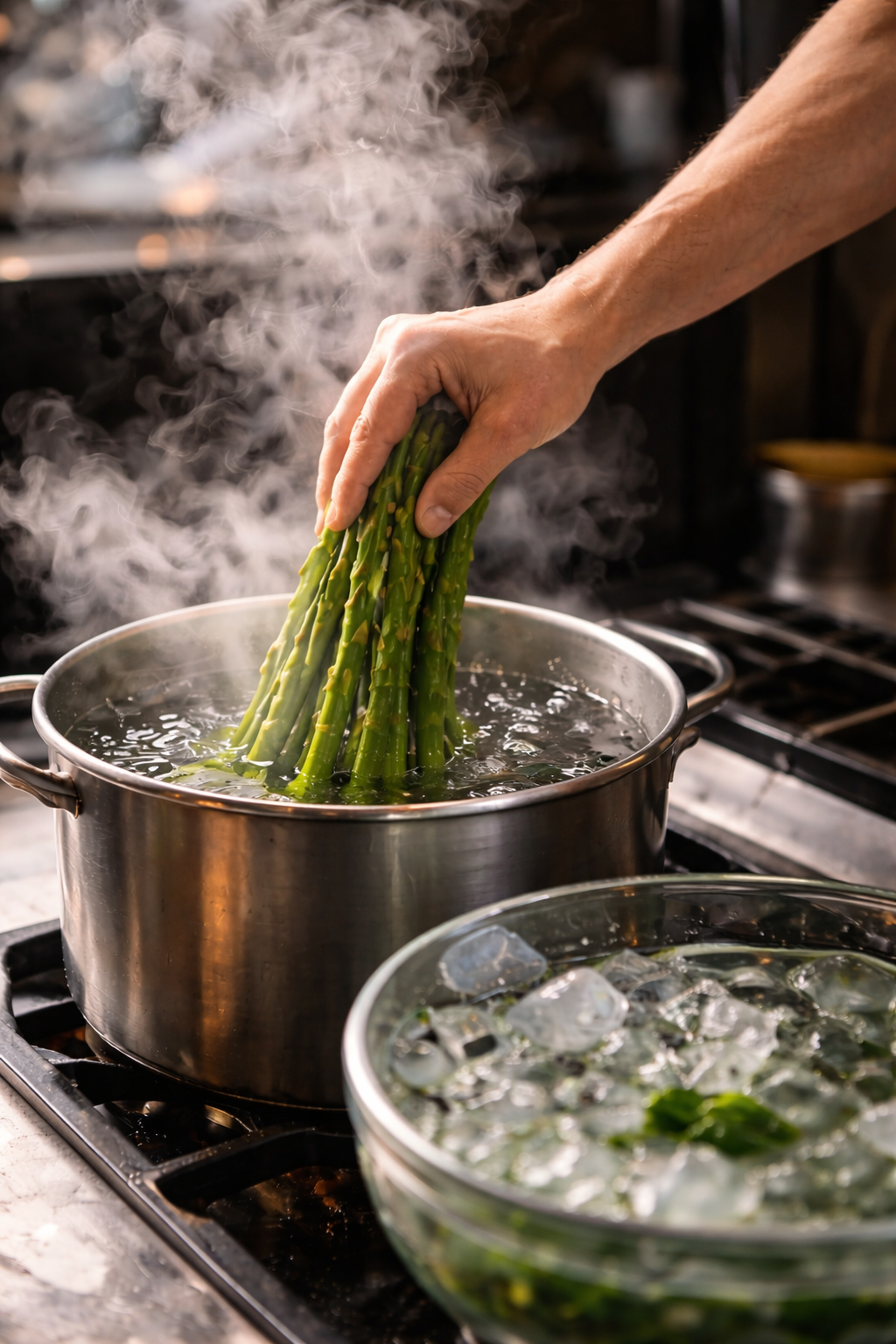
Blanching is a classic culinary technique in which food is briefly boiled and then quickly cooled in ice water. The method preserves color, controls texture, and prepares ingredients for finishing during service.
The Caesar Salad
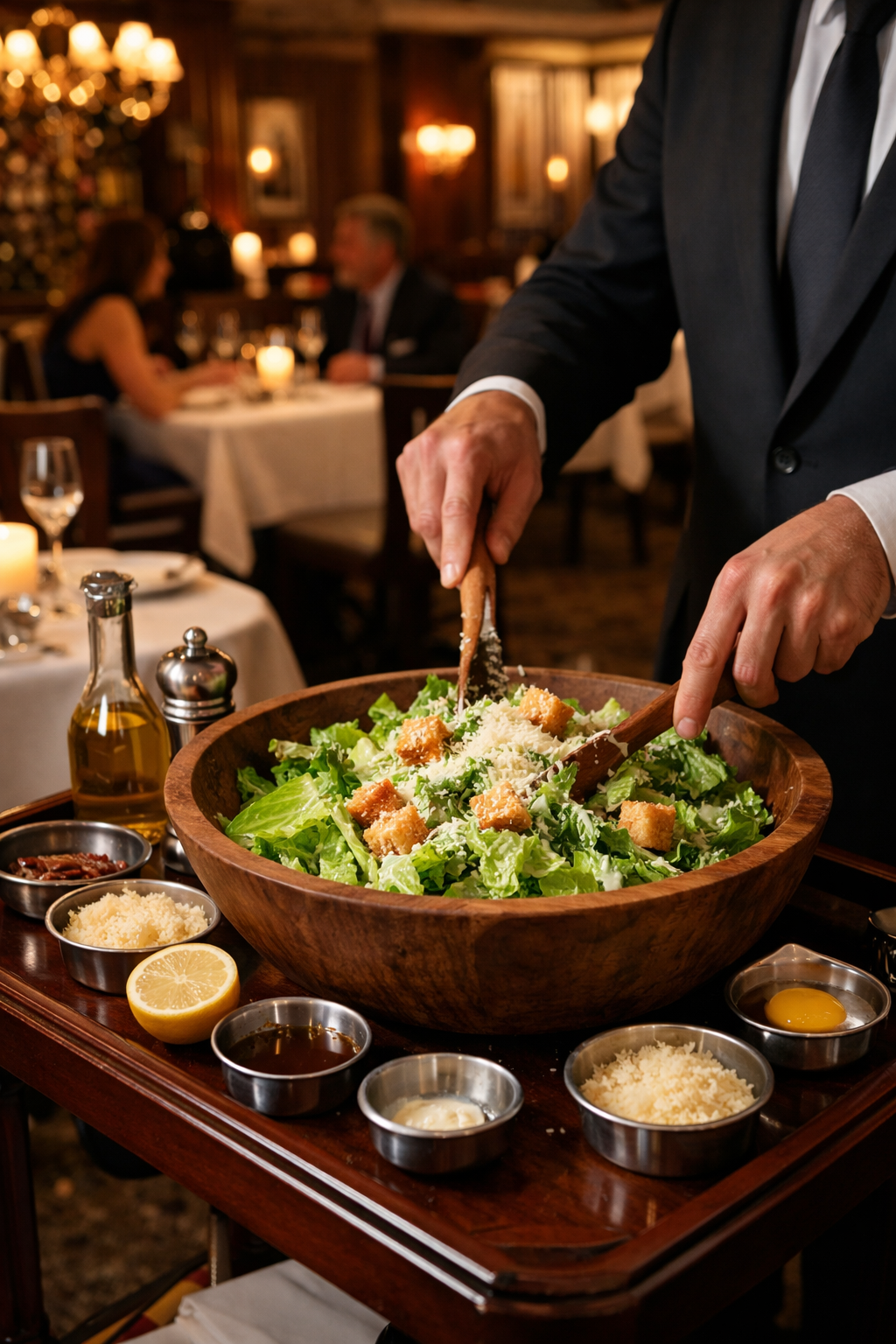
A Foodie deep dive into the Caesar salad—its origins, tableside tradition, and why restraint and technique still define a truly great version.
After the Silence — What We Lost, What We Can Save
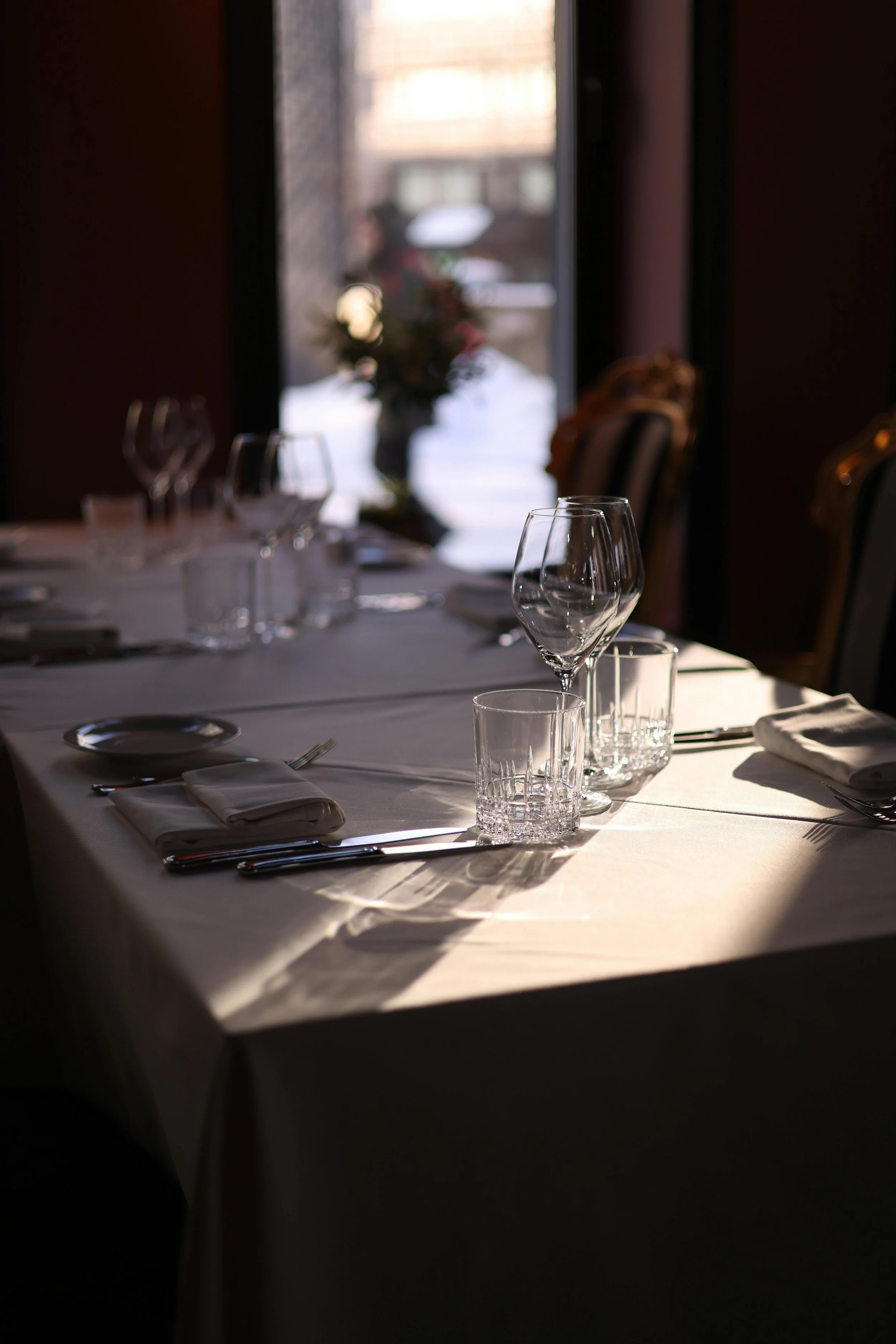
Every city lost a piece of its soul when the pandemic dimmed its dining rooms. Some lights never came back on — others are slowly flickering to life. From Honolulu to Paris, we revisit the tables that shaped us, the chefs who carried on, and the quiet resilience that still fills the room.
Beyond Fusion — When Cultures Cook Together
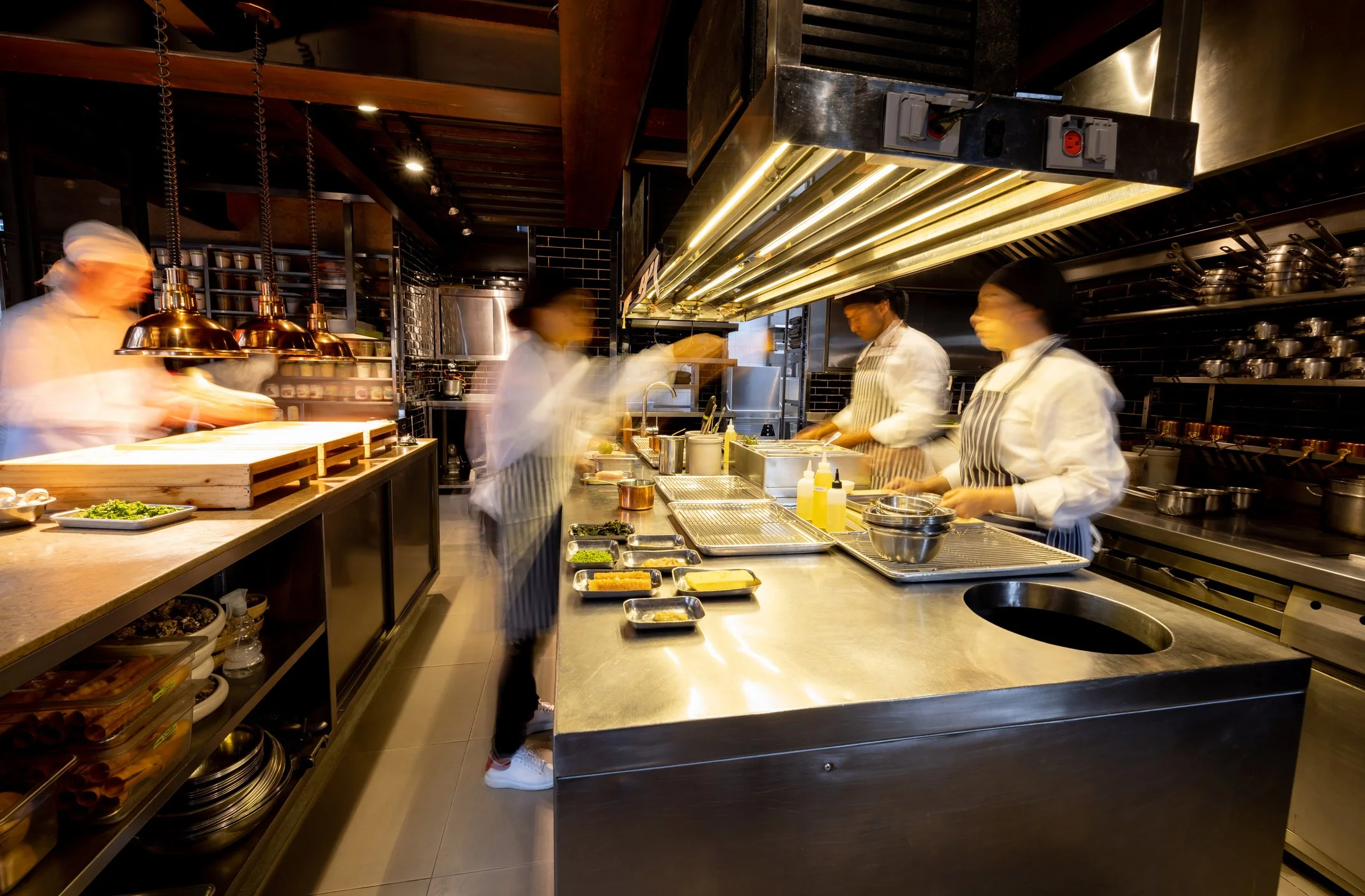
Across continents, ten chefs prove that “fusion” isn’t confusion — it’s craft. From Lima’s Maido to London’s Ikoyi and Tokyo’s Sazenka, discover how culinary borders blur beautifully when cultures cook together.
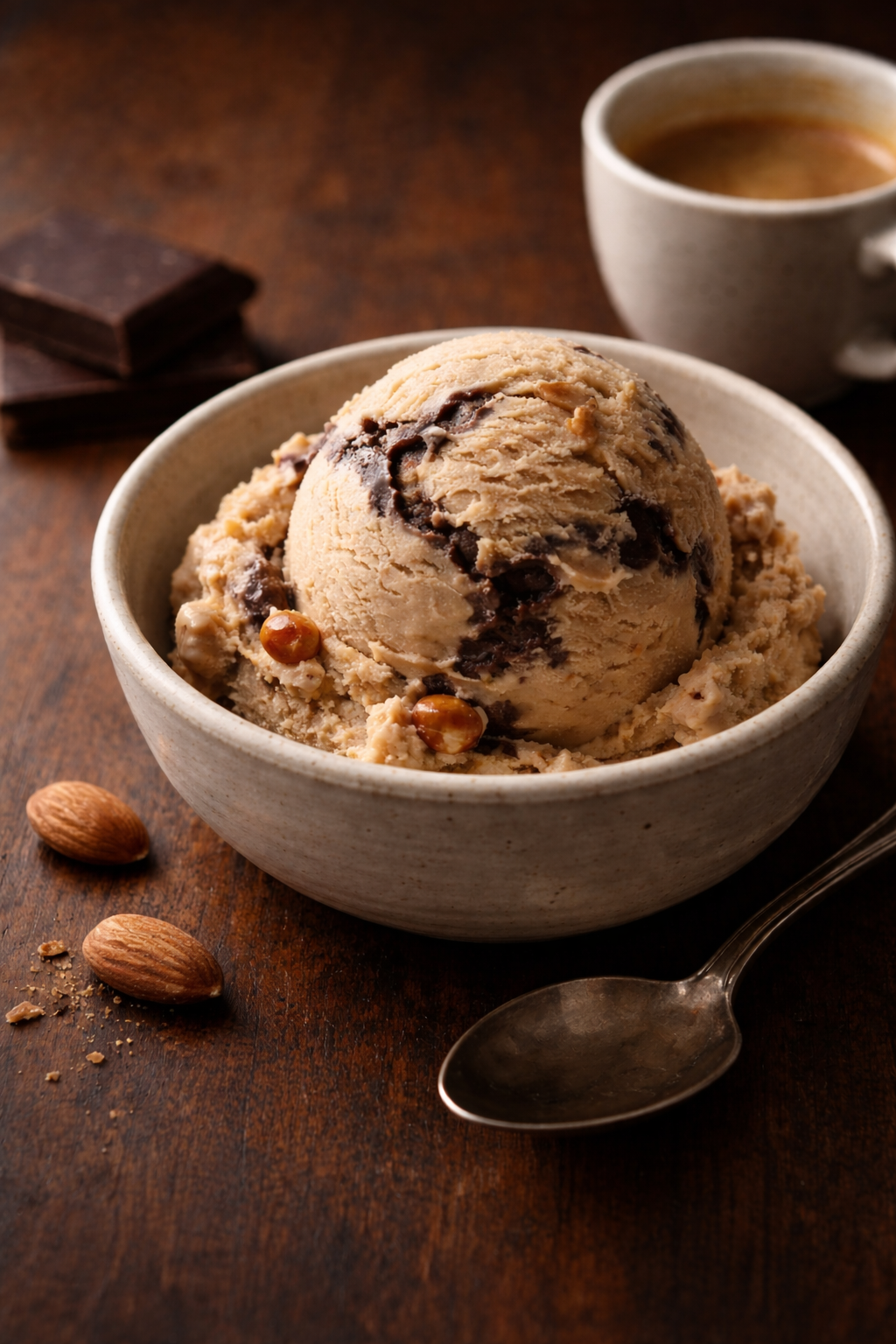
Jamoca Almond Fudge
Some flavors fade. Others endure.
Jamoca Almond Fudge isn’t nostalgia — it’s architecture.
A closer look at bitterness, restraint, texture, and why certain compositions survive both childhood and experience.
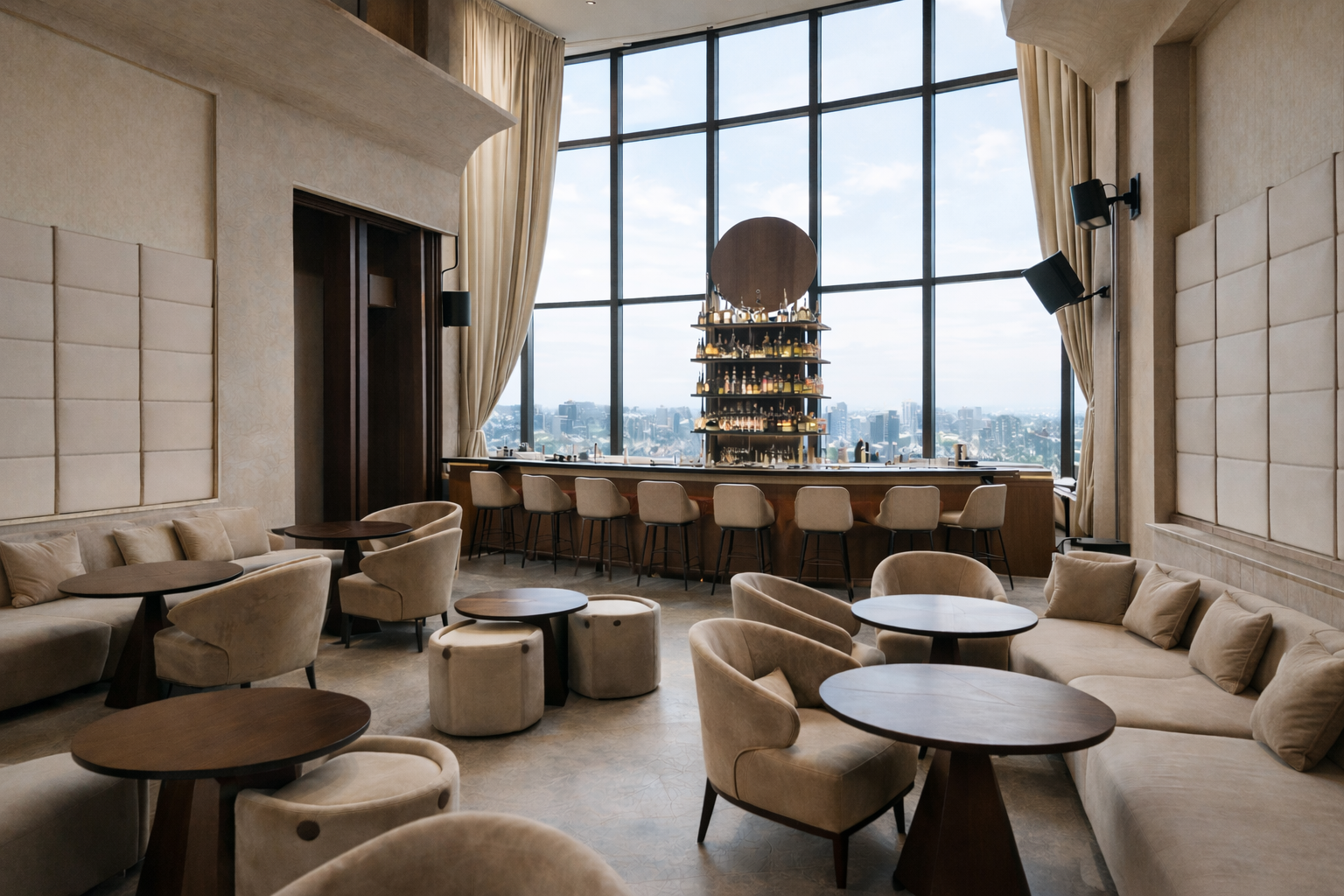
The Corner Bar
A phrase born in English, spoken around the world. Savor Every Moment™ has become more than a mantra — it’s a shared reminder to slow down, connect, and taste life as it happens.
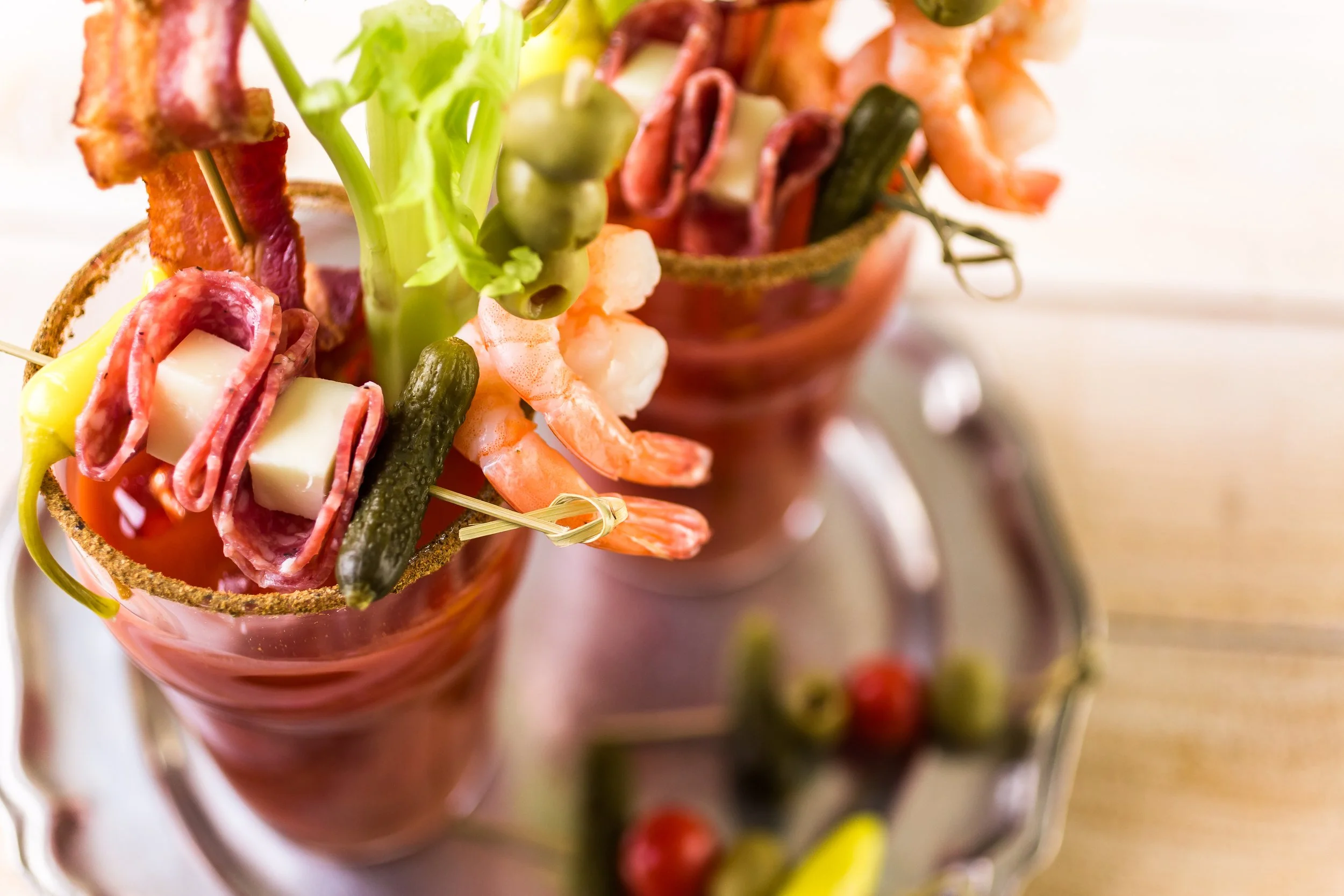
The Brunch Standard
Brunch is the most revealing service in hospitality. Three drinks define the standard — the Bloody Mary, the Mimosa, and the Bellini. Order all three and you will know within twenty minutes what kind of operation you are in.

Using a Declining Budget as a Tool for Restaurant Profitability
A declining budget does not just reduce spending power—it forces a restaurant to align purchasing and labor with actual demand. This essay introduces how constraint improves operational control.
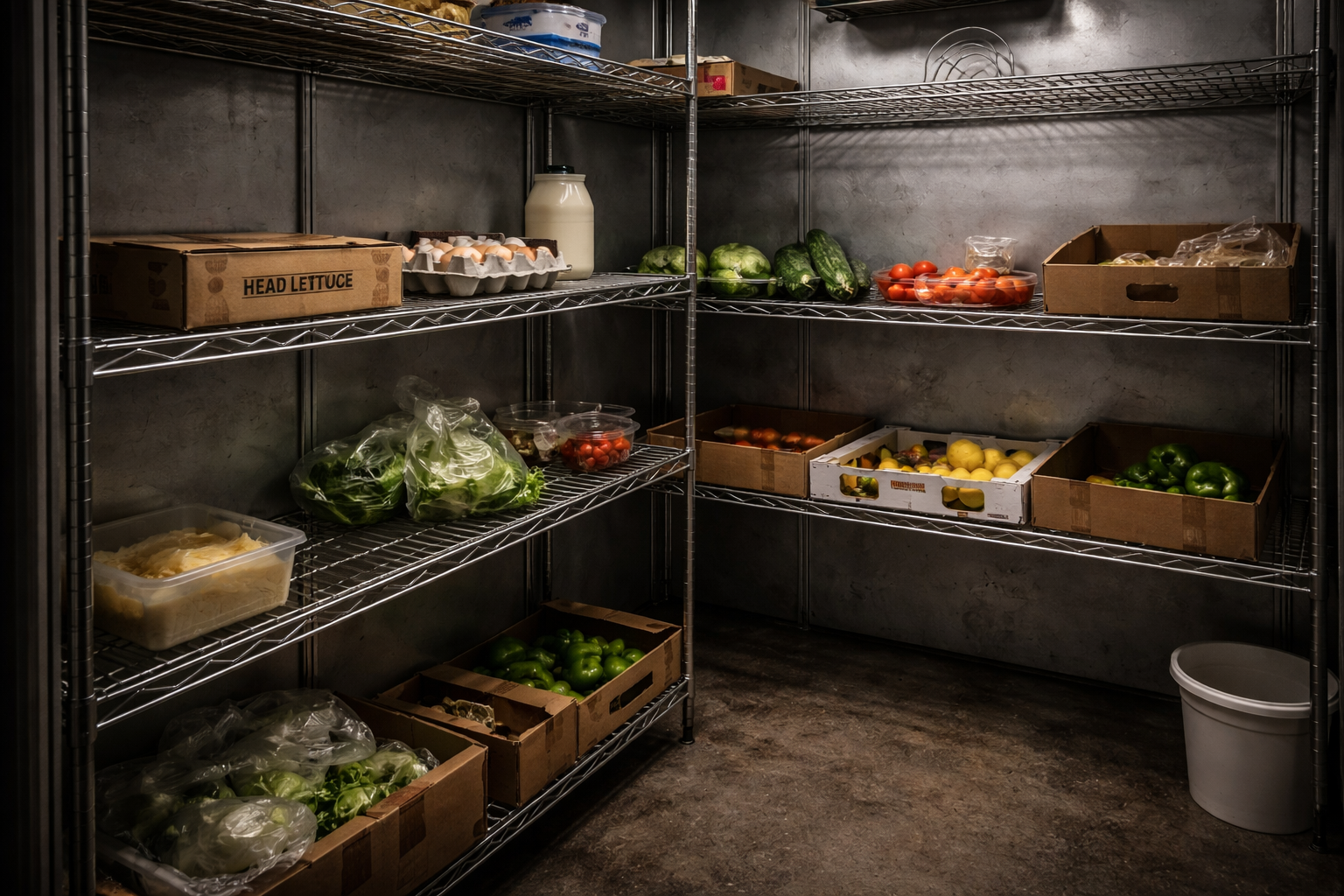
Part II — When the Walk-In Gets Smaller
When purchasing tightens, the walk-in changes immediately. This essay explores how reduced inventory reshapes prep, ordering, and kitchen discipline.
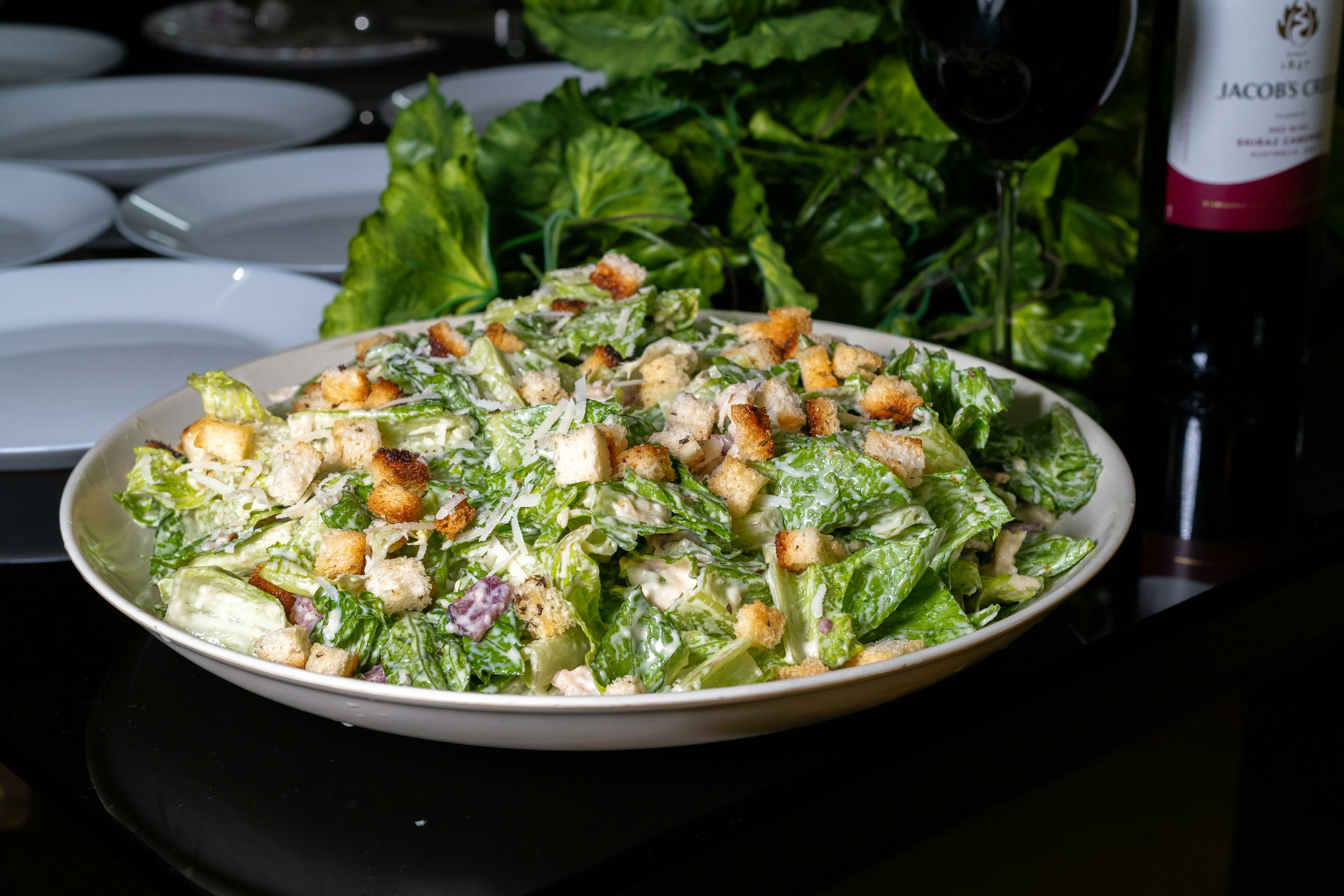
Why Is It Called a Caesar Salad?
Caesar salad is not named after the Roman emperor but after restaurateur Caesar Cardini, who created the dish in Tijuana in 1924. The story reveals how a simple improvisation became a global classic.
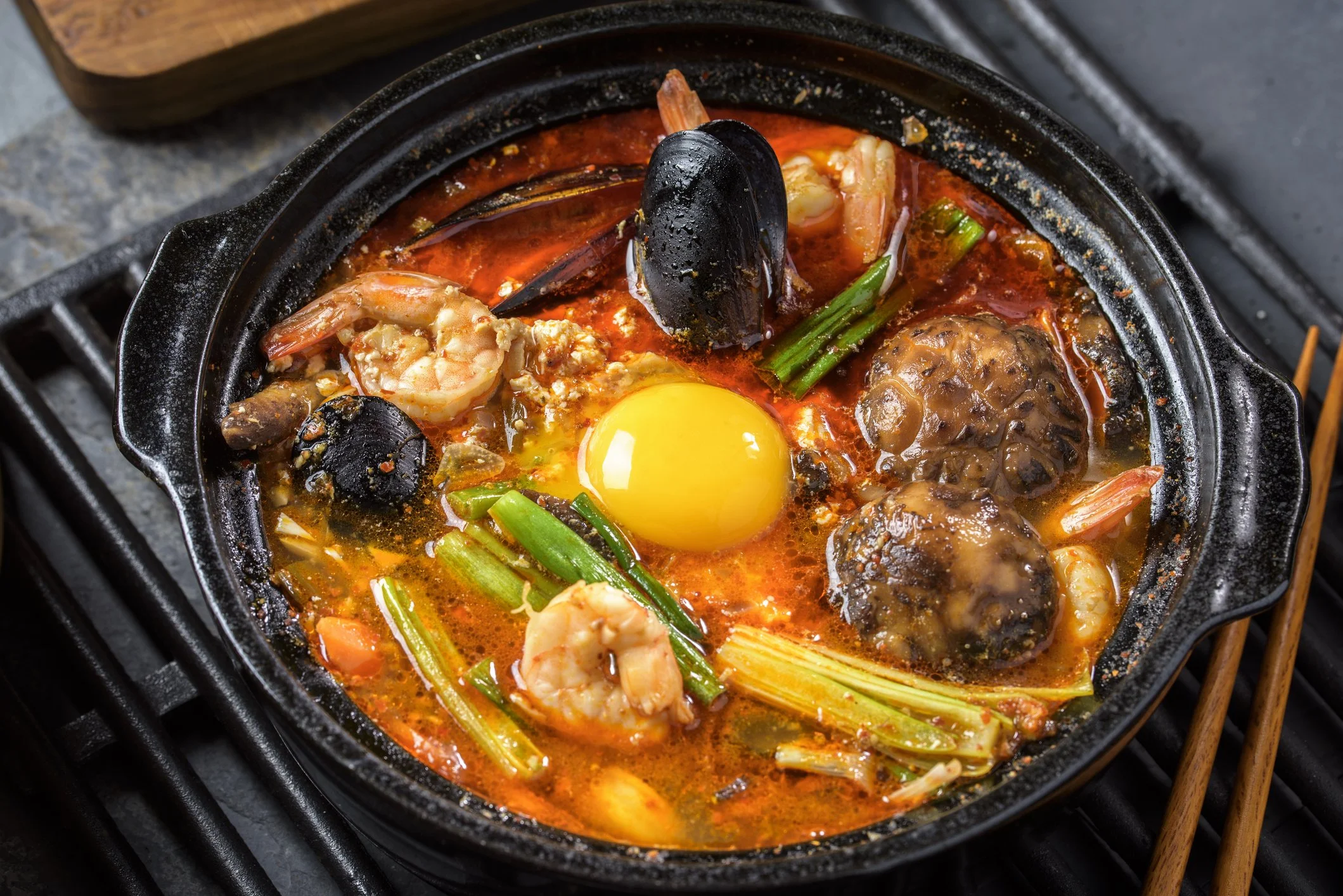
How K-Culture Put Korean Cuisine on the Global Mainstage
K-pop, K-drama, and Netflix didn’t just export songs and stories — they exported appetite. Here’s how Korean flavors conquered global cities, why they resonate so deeply, and the restaurants around the world that turn fermentation, fire, and ritual into unforgettable meals.
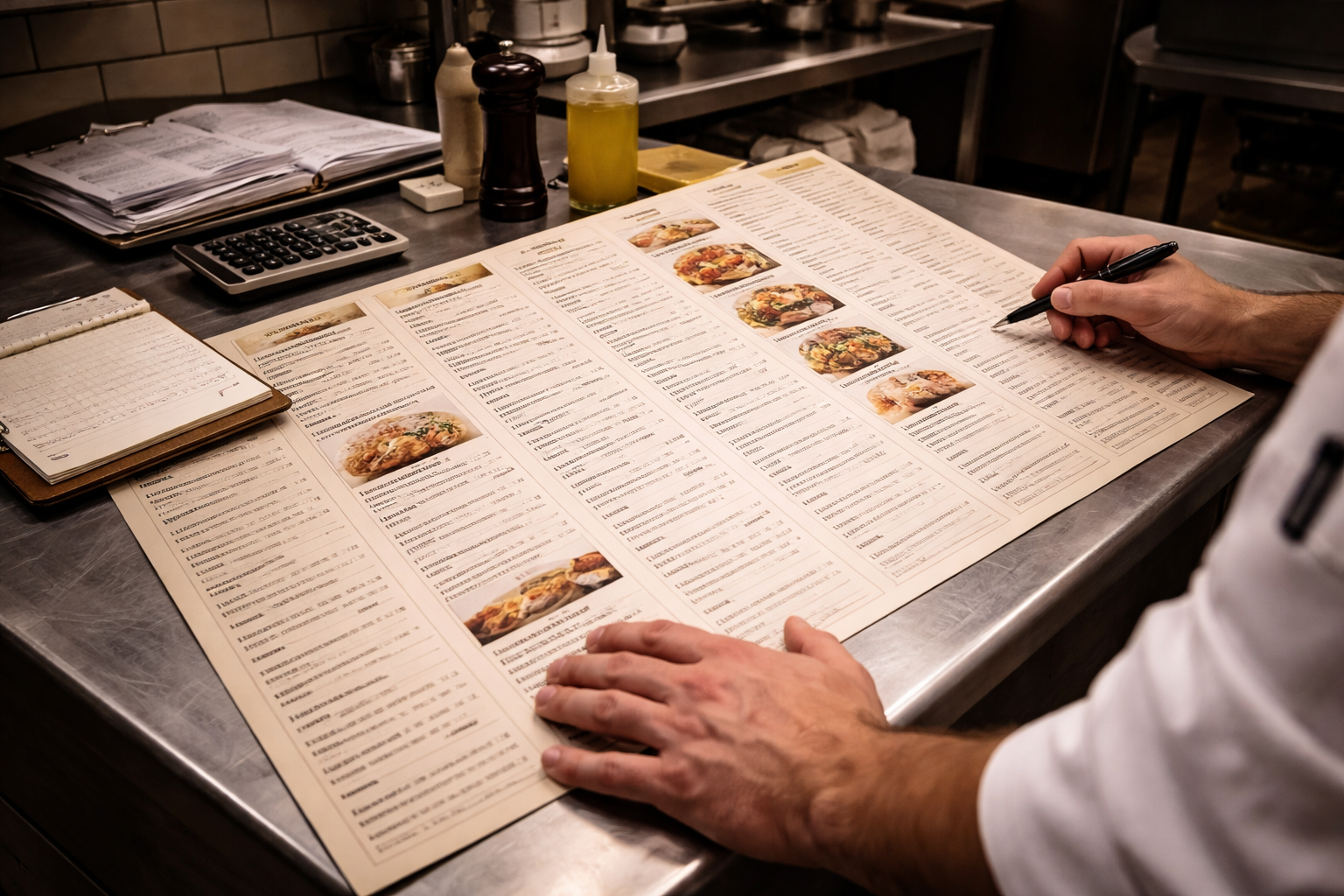
Part III — The Menu Burden
The menu determines what must be purchased, stored, and prepared. This essay examines how menu complexity creates operational burden—and how to correct it.
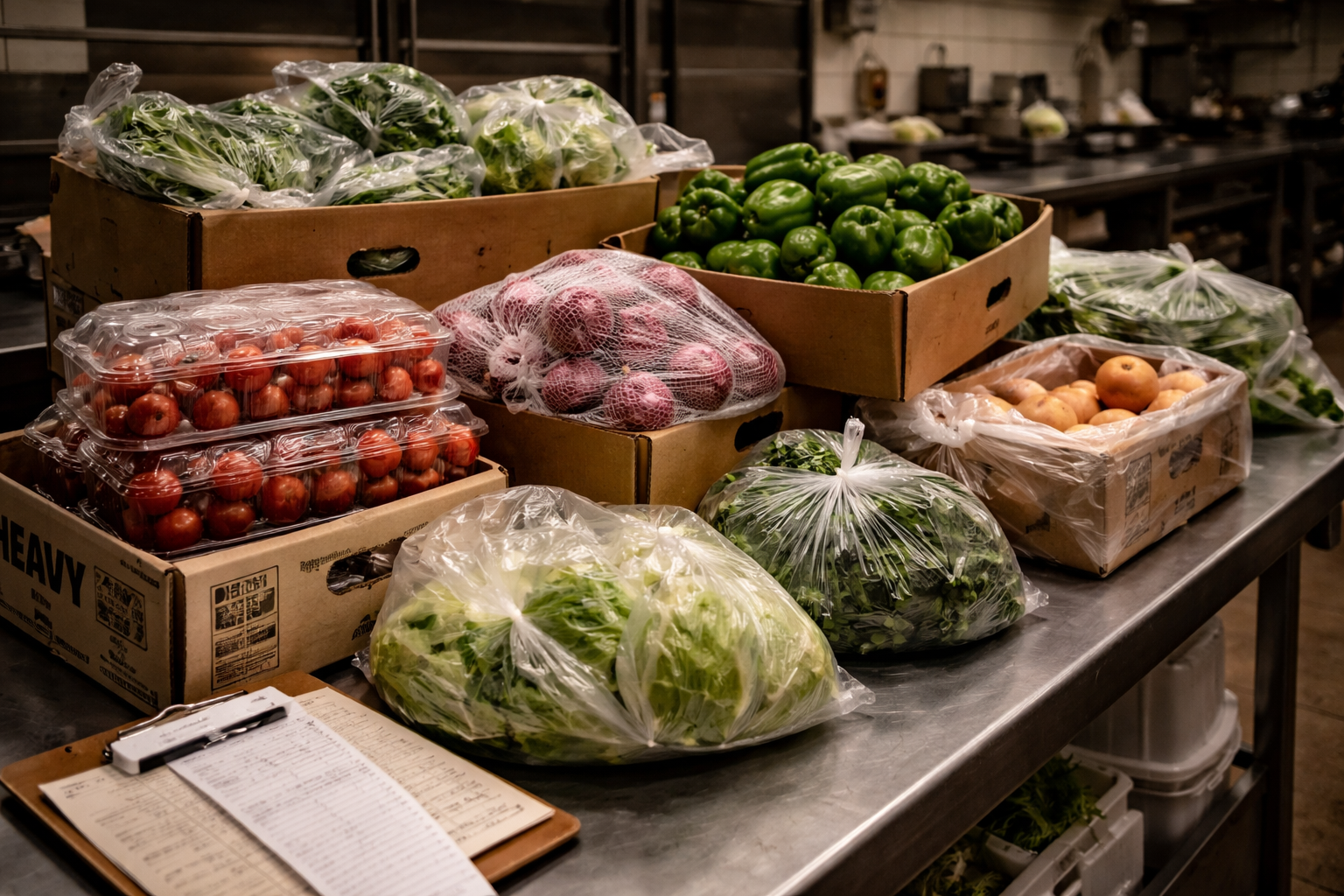
Part IV — Buying Against Fear
Most over-ordering is driven by fear, not demand. This essay explores why restaurants carry excess inventory—and how to shift toward disciplined purchasing.

The Tastevin — When Wine was Judged by Light
Before the crystal stem and the swirling glass, there was the tastevin — a shallow silver cup that captured candlelight and revealed a wine’s secrets. Once essential to Burgundy’s cellars, it now gleams as a symbol of heritage, craftsmanship, and the enduring ritual of taste.
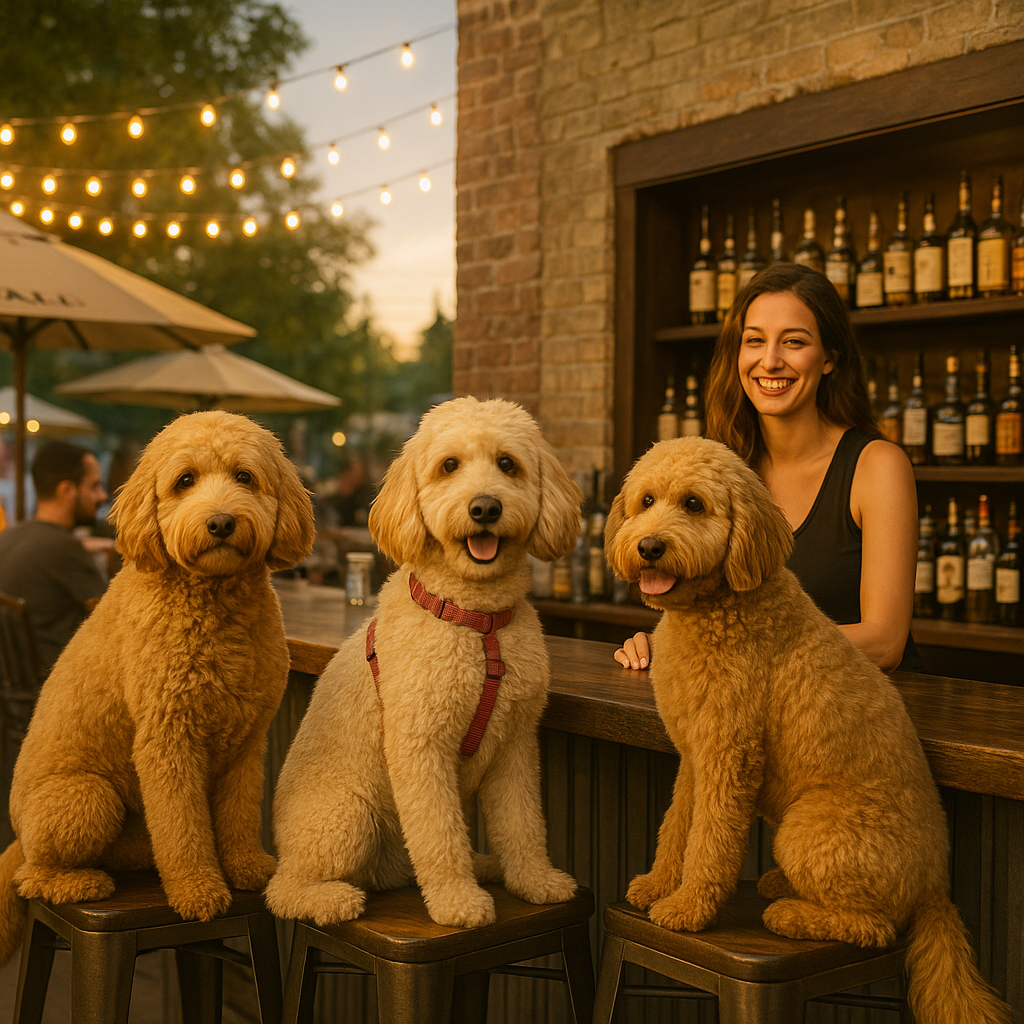
Fine Dining & Dog Friendly!
From New York to Tokyo, discover thirteen exquisite restaurants where fine dining and dog love share the same table. Meet visionary chefs, savor their creations, and see how hospitality extends from plate to paw.
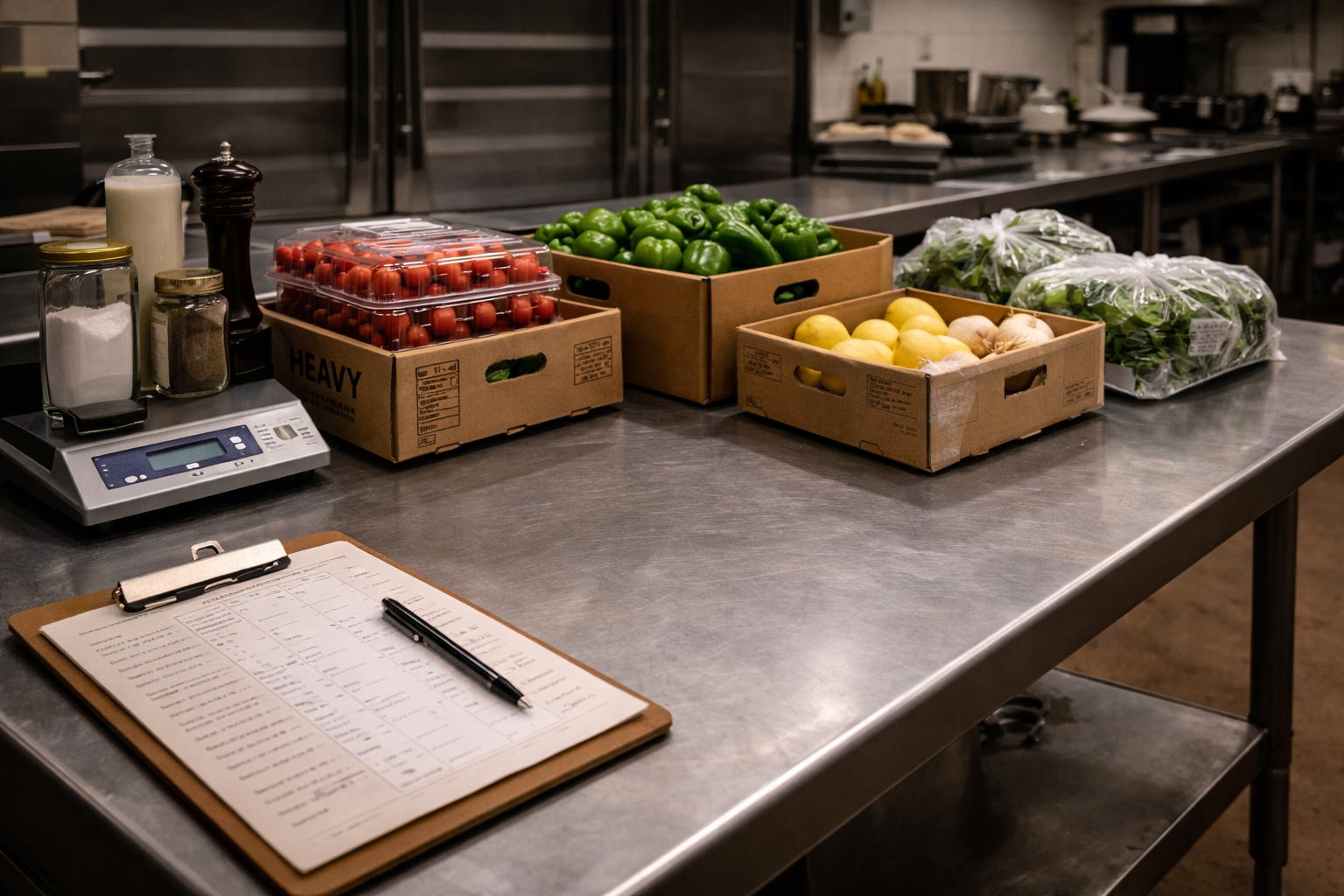
Part V — Precision Without Panic
Running lean requires more than cutting cost. This essay defines the system needed to align purchasing, labor, and service in real time.
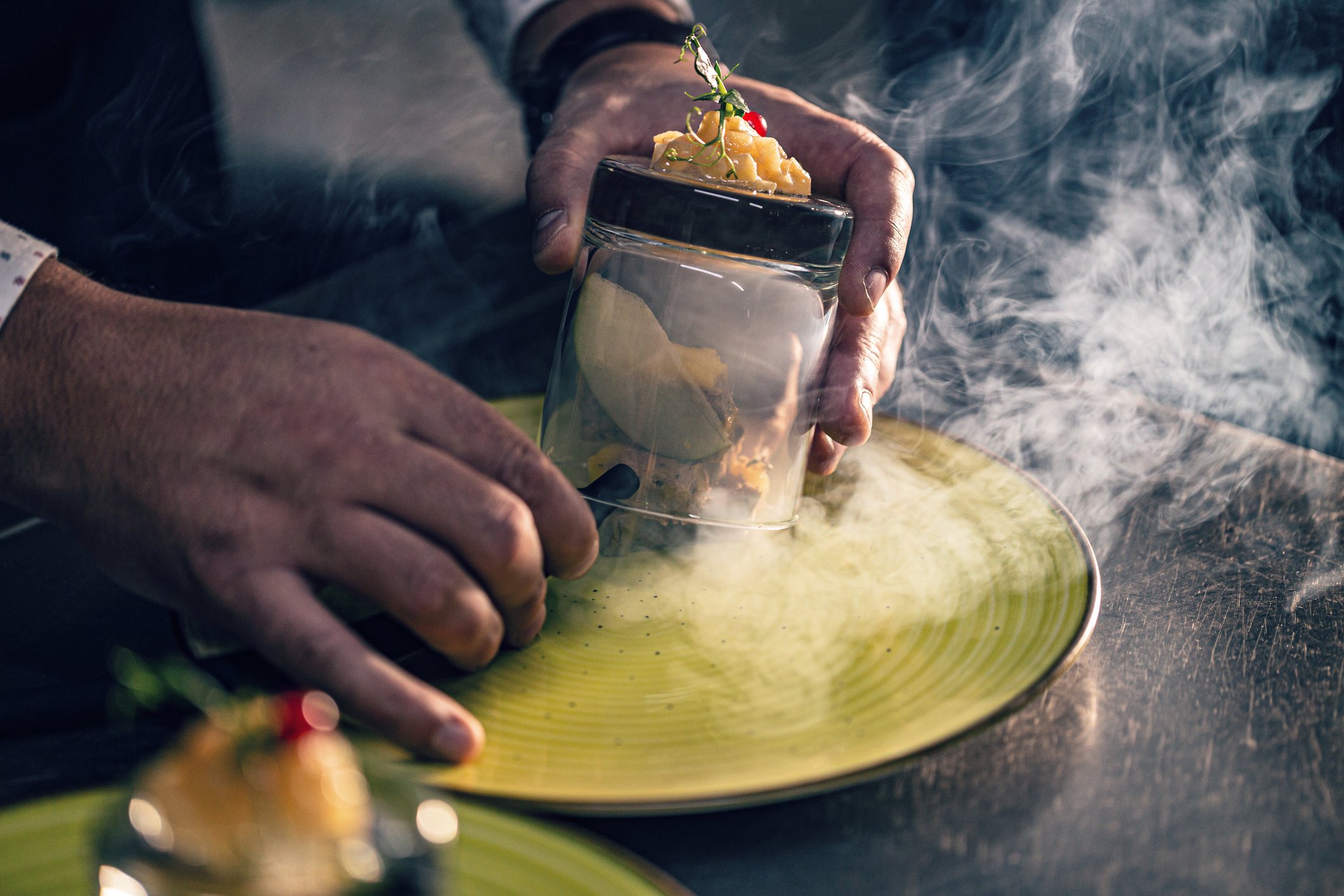
The Taste of Now
In 2026, the world’s most inspired kitchens aren’t asking what tastes good—they’re asking why it matters. From regenerative dining to emotional hospitality, intention is the new flavor of luxury.
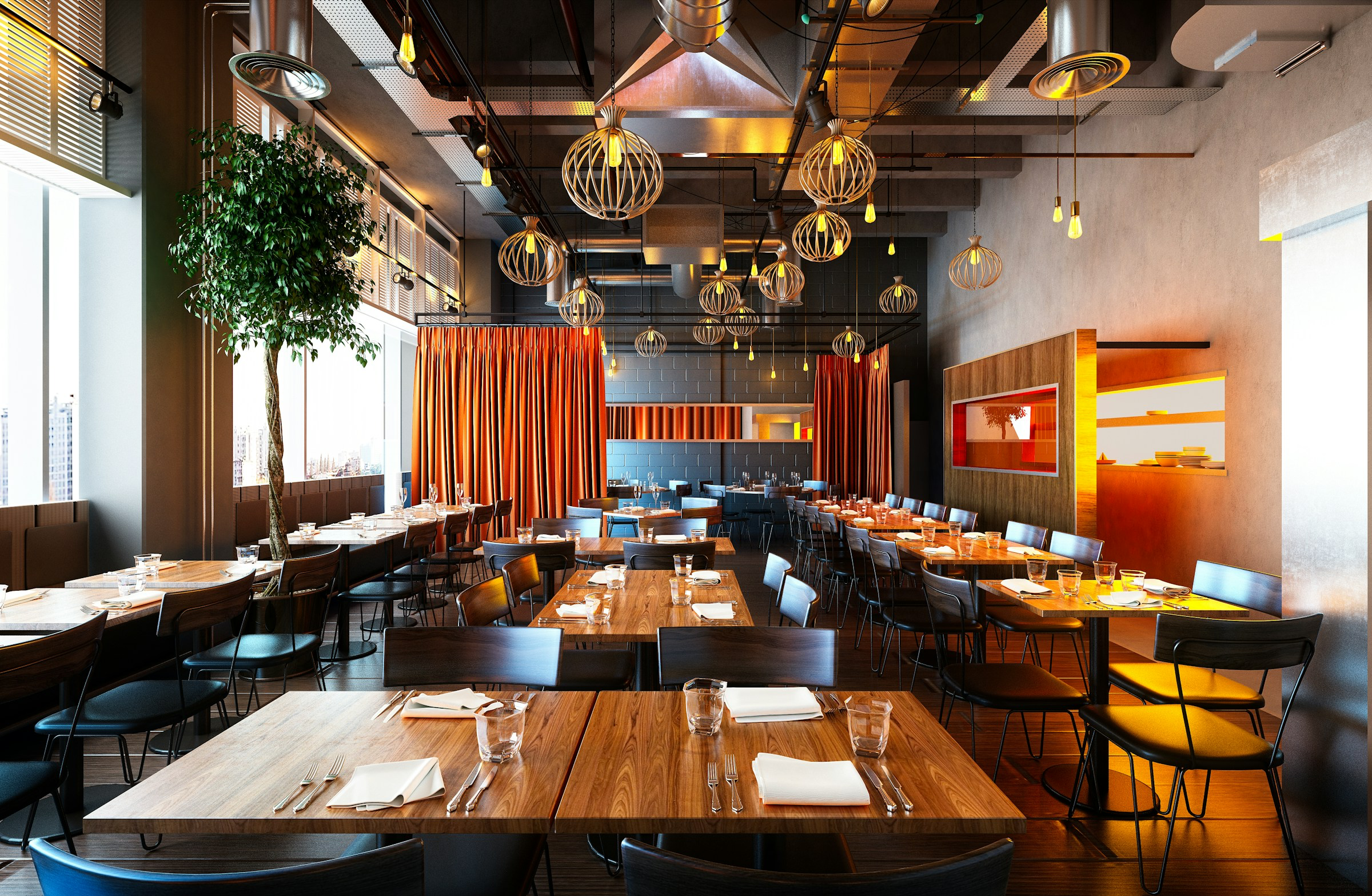
What Color Does to a Room Before the Guest Decides Anything
Color shapes appetite by influencing mood, time perception, and behavior. Warm tones stimulate urgency, while cool tones slow the dining experience.