
Share
An unfolding archive of food, culture, and craft.
What Tip Pooling Changes—and What It Costs
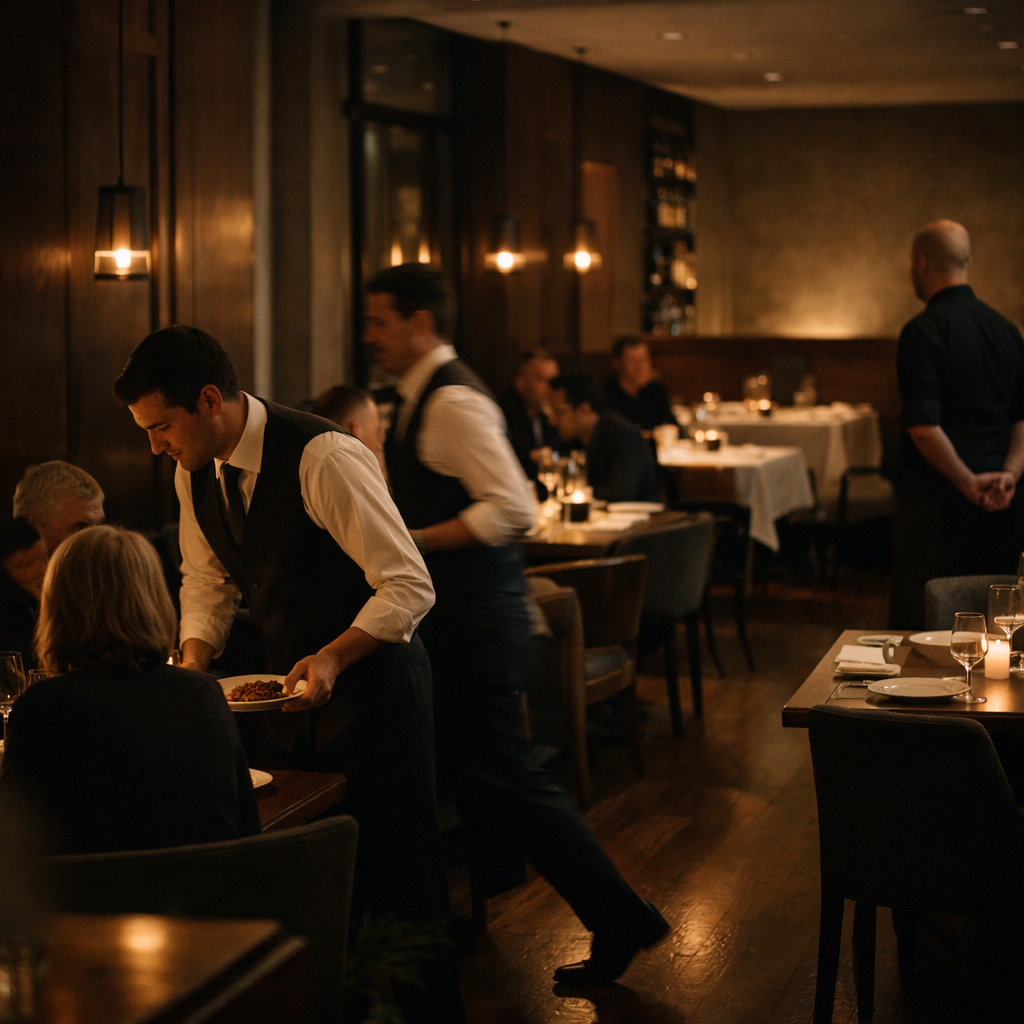
Tip pooling doesn’t just change how money is distributed—it changes how the dining room works. From individual performance to shared responsibility, each system produces a different kind of service, and a different kind of experience.
Why Restaurants Lose Margin Quietly
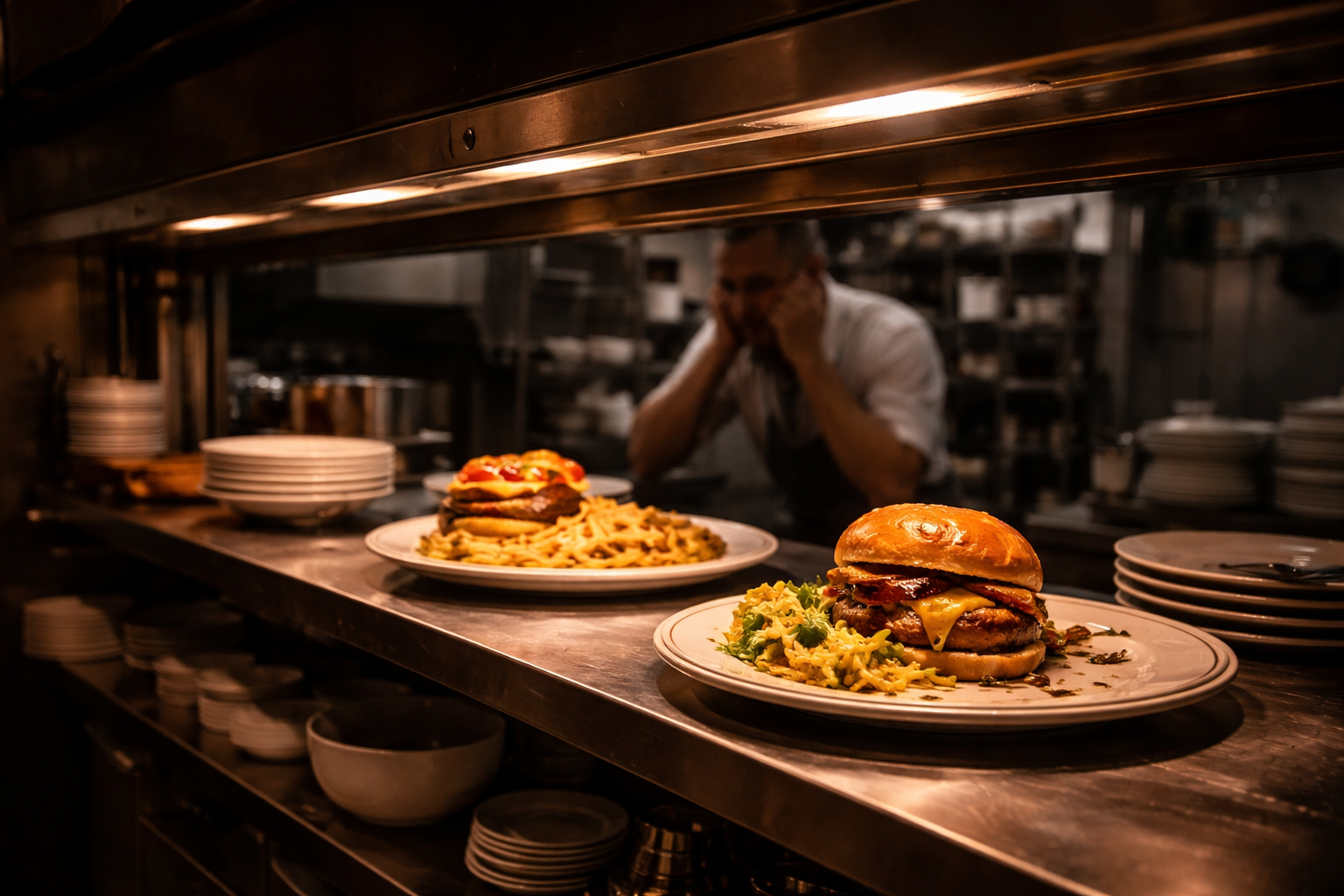
Restaurants don’t lose margin all at once. It erodes quietly — as costs shift, labor is absorbed, demand reveals itself unevenly, and pricing falls behind the reality of what it takes to produce and serve a dish.

Where Tipping Belongs—and Where It Doesn’t
Tipping was once a response to service. Today, it shows up everywhere—from kiosks to takeout counters—often before anything has happened. This essay examines where tipping still belongs, where it doesn’t, and why the problem isn’t generosity, but the loss of clear standards.

Part I — The POS Is Not the Register
Most operators think they are buying a system. In reality, they are choosing how their restaurant will think, move, and make decisions. The difference is not technical—it is structural.
Touching the Tables: The Structure of Guest Relationship
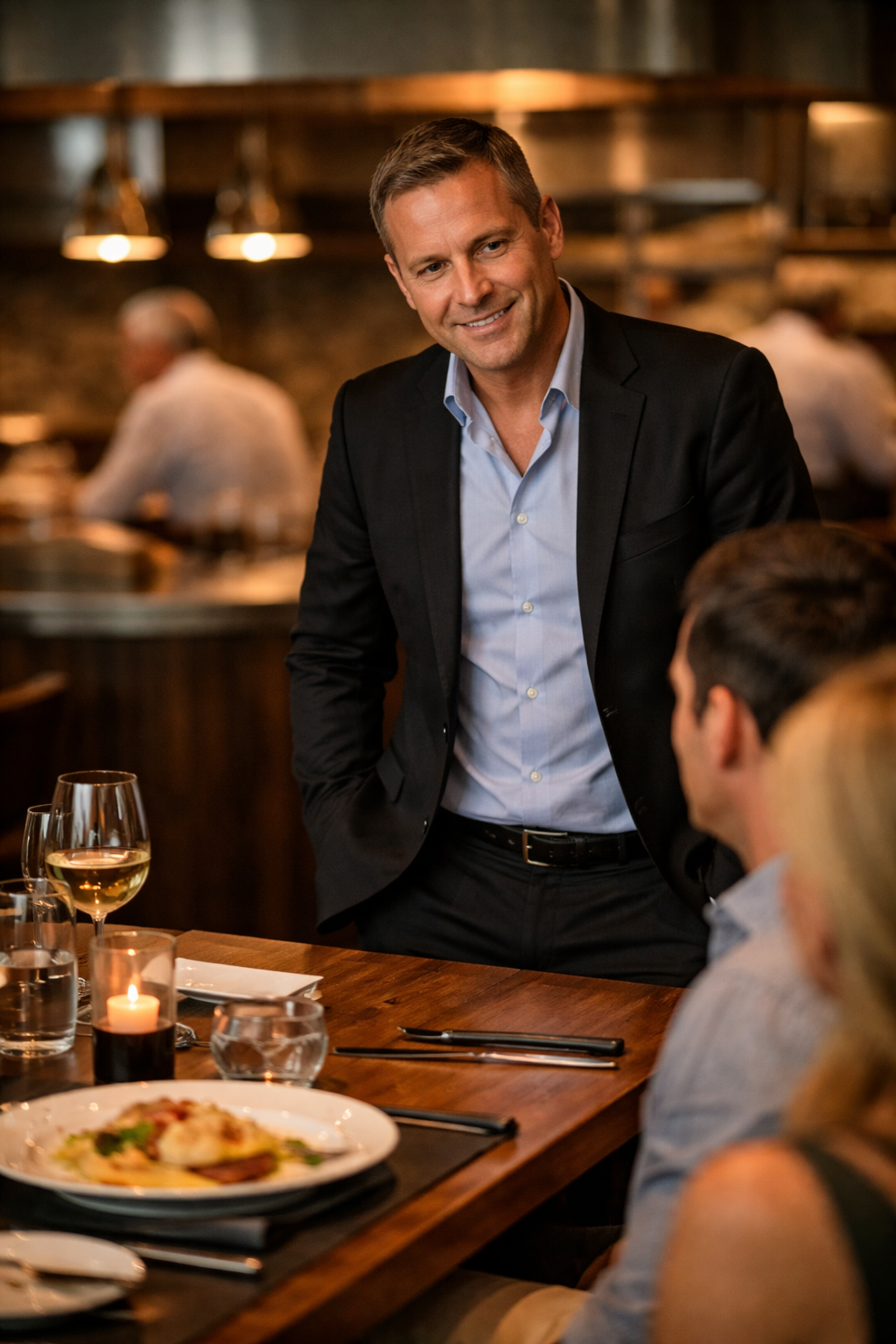
Touching tables is often treated as courtesy. In practice, it is how strong operators read the room, detect problems early, and protect the guest experience before it breaks.
Part I: The Constraint Kitchen
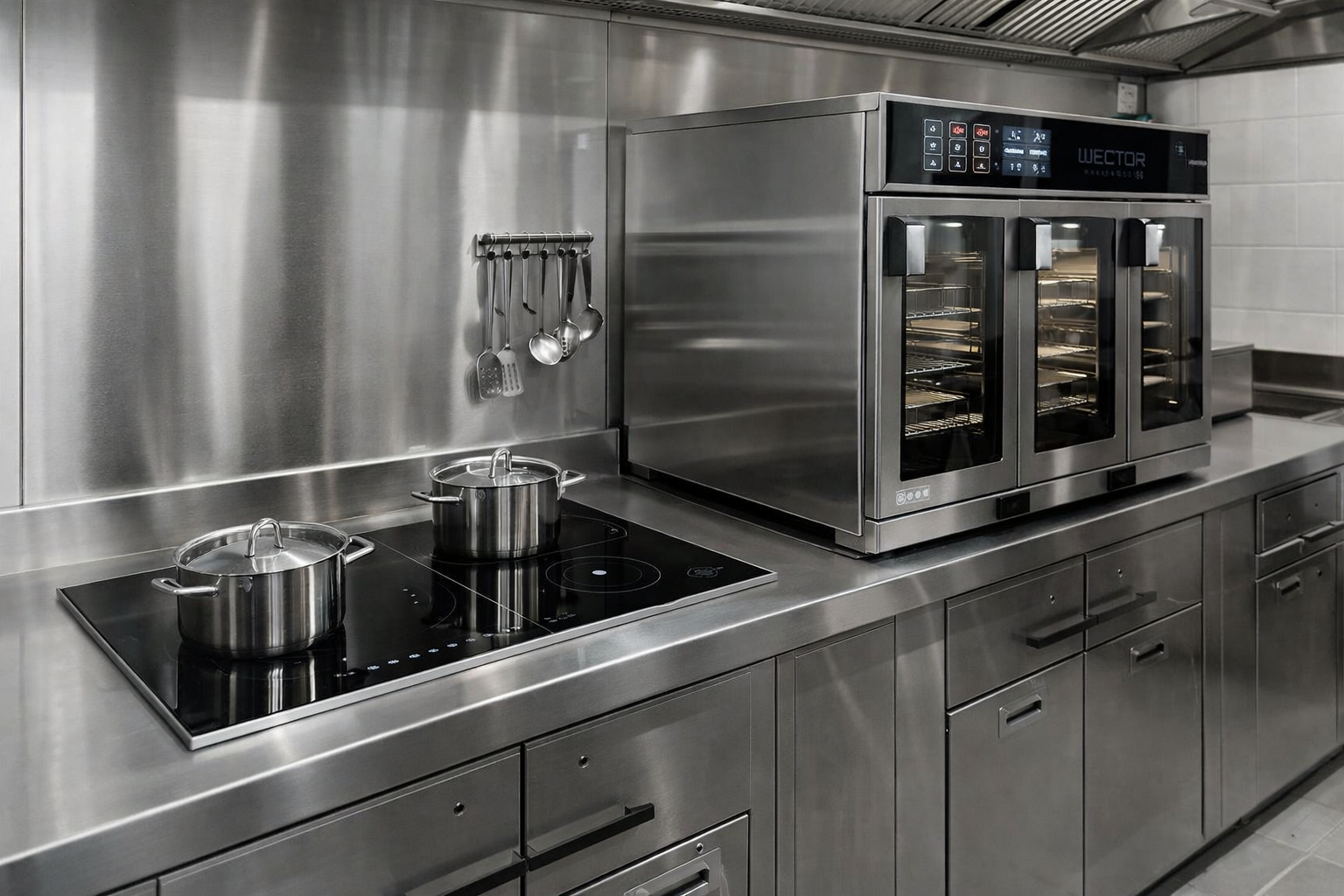
Most restaurant kitchens are designed to support a wide range of cooking techniques before the menu is fully defined. The hood becomes the starting point, and everything else follows. This essay examines what happens when that assumption is reversed—and how designing through constraint creates clarity across kitchen, menu, and service.

Part II — The True Cost of the System
Restaurants are often judged by what they produce, but far less attention is given to the system that makes those outcomes possible. Behind every kitchen hood, grease trap, and ventilation line is a chain of costs that continues long after opening. Understanding those costs changes how a restaurant is built—and how it survives.
How Does Color Affect Appetite?
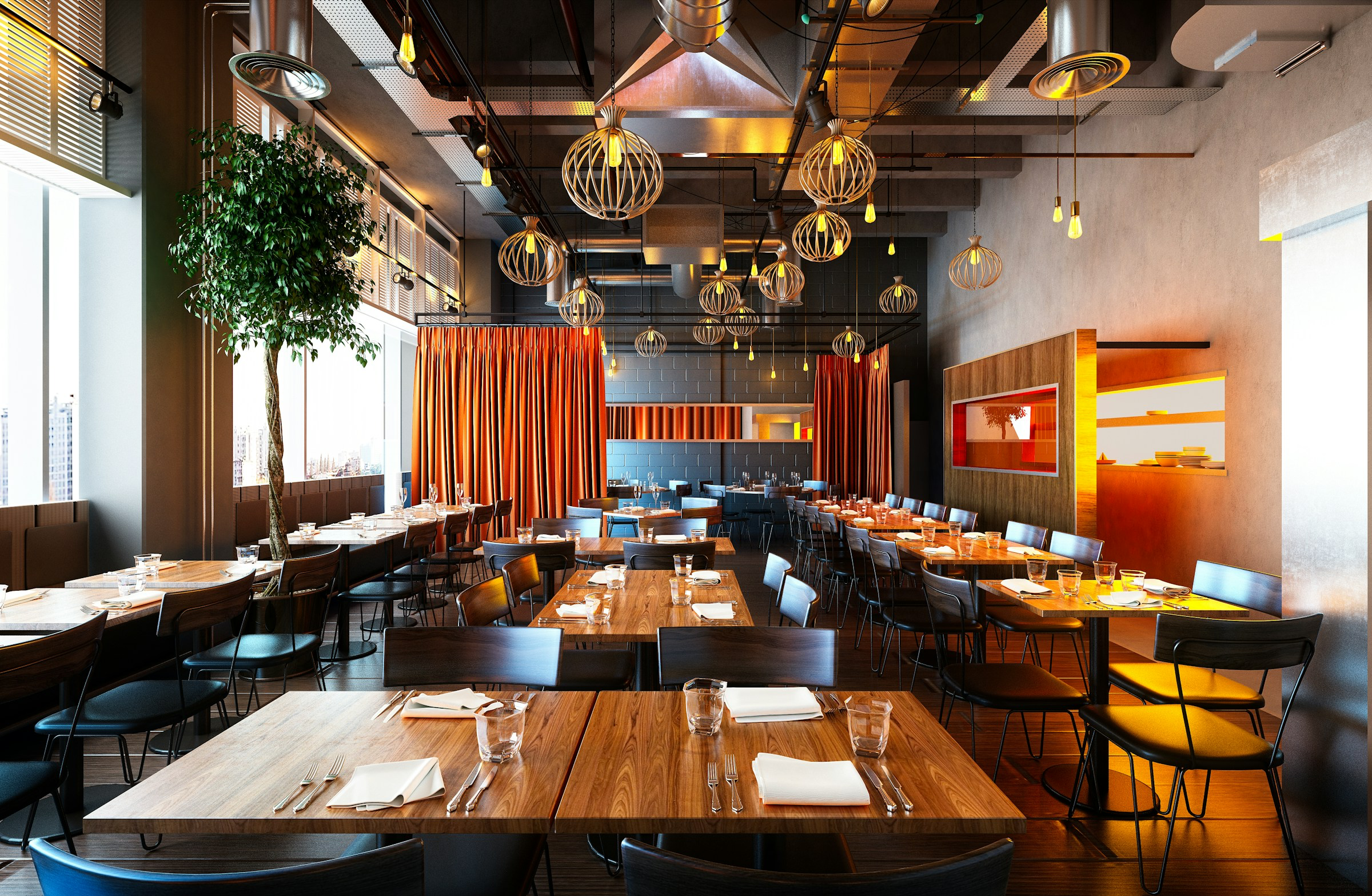
Color shapes appetite by influencing mood, time perception, and behavior. Warm tones stimulate urgency, while cool tones slow the dining experience.

What Is Terroir in Wine?
Terroir describes how climate, soil, and vineyard conditions shape the structure of wine. It is not the taste of soil, but the result of how grapes grow and develop over time.
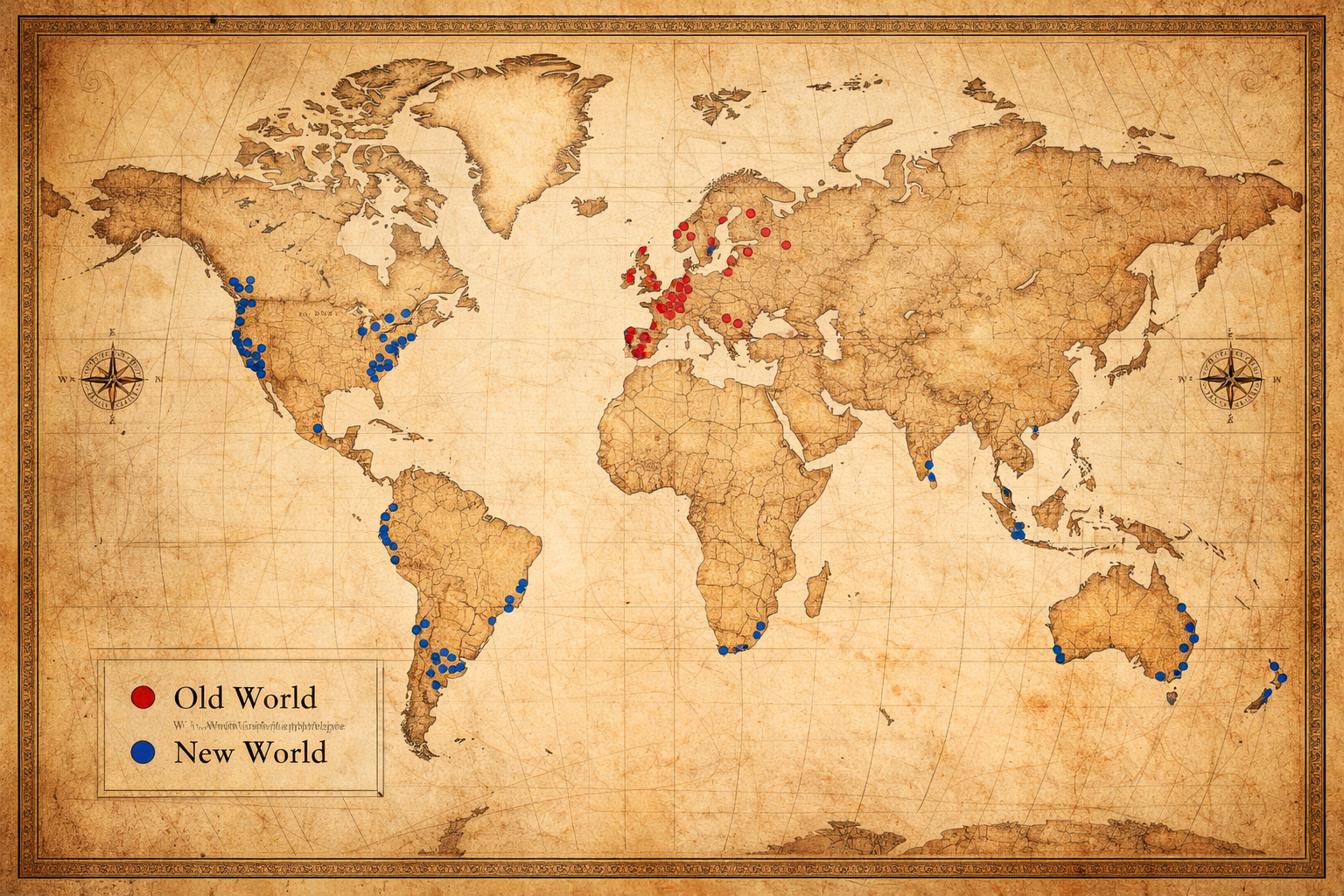
What Is the Difference Between Old World and New World Wine?
Old World and New World wines are often separated by geography, but the real distinction lies in how they are shaped. From climate and tradition to structure and fruit expression, each approach reflects a different philosophy of wine.
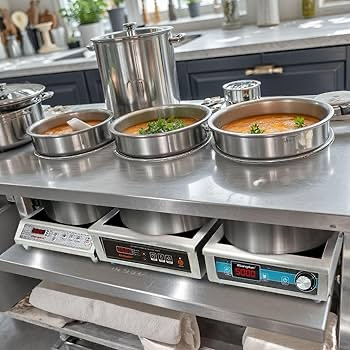
Part III: The Equipment That Changes the Build
Once the hood is removed from the center of the project, equipment begins to mean something different. In a constrained kitchen, tools are no longer chosen to expand possibility, but to align the menu, labor, and space into a system that can hold. The result is not less capability, but more control.
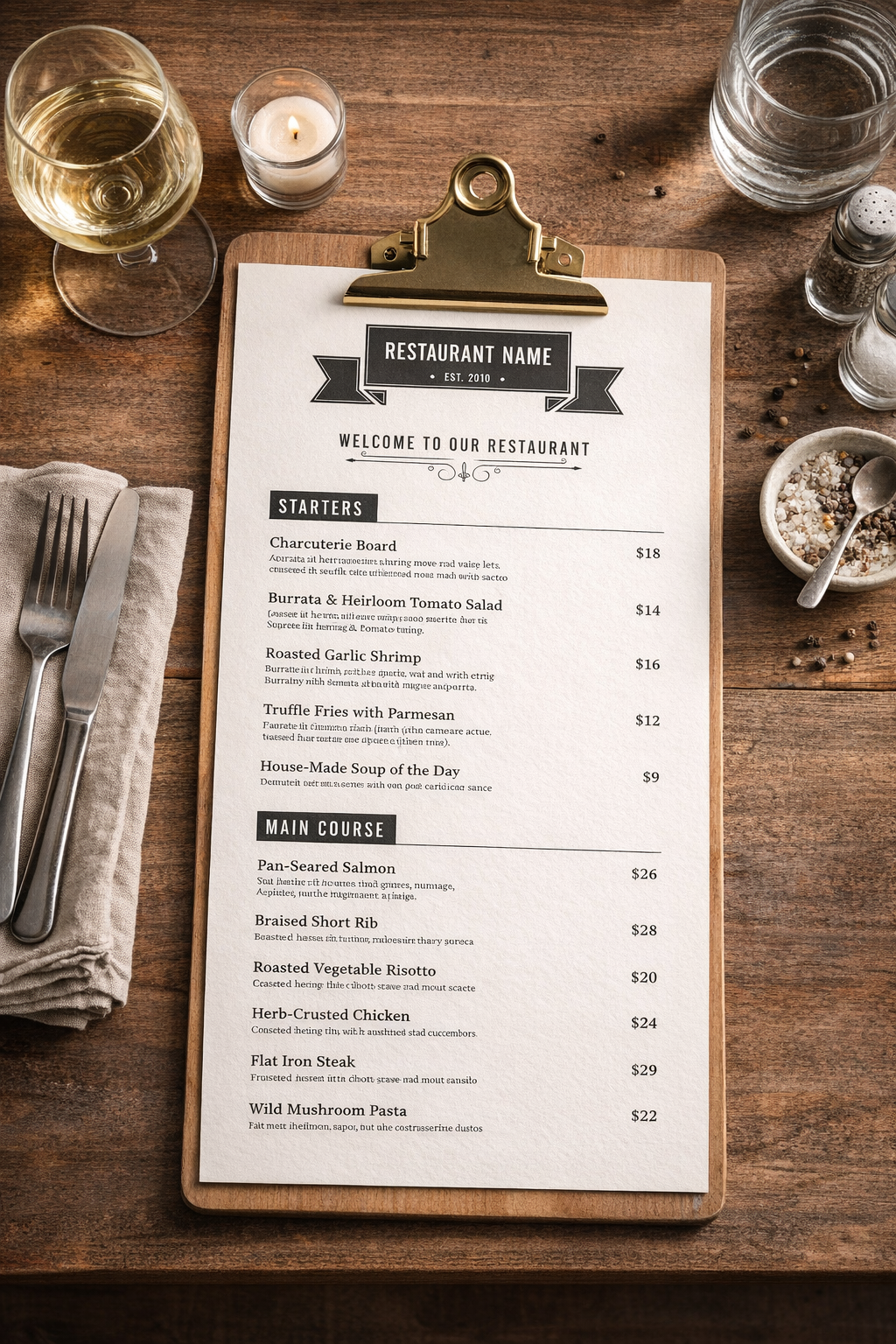
Part IV: The Menu Becomes the Constraint
A kitchen designed through constraint does not fail at the equipment level. It fails at the menu. When dishes ignore the realities of the system behind them, timing breaks, labor strains, and consistency fades. The menu must align with the kitchen—or the kitchen begins to resist it.
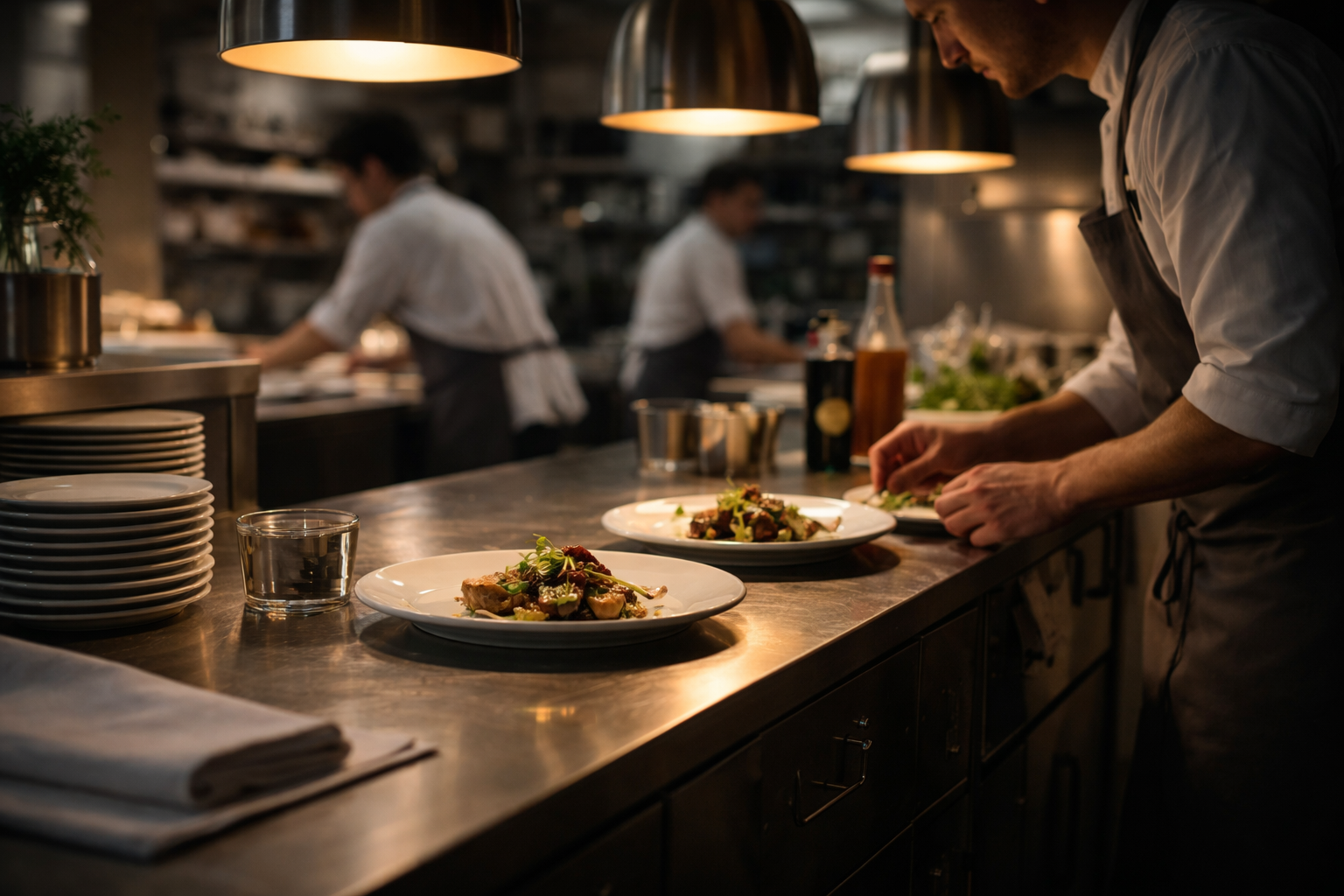
Part V: Where the System Holds—and Where It Breaks
A restaurant reveals itself in service. When systems align, the room feels composed. When they don’t, the strain appears immediately. This is where operational discipline is tested—and where most restaurants quietly break.
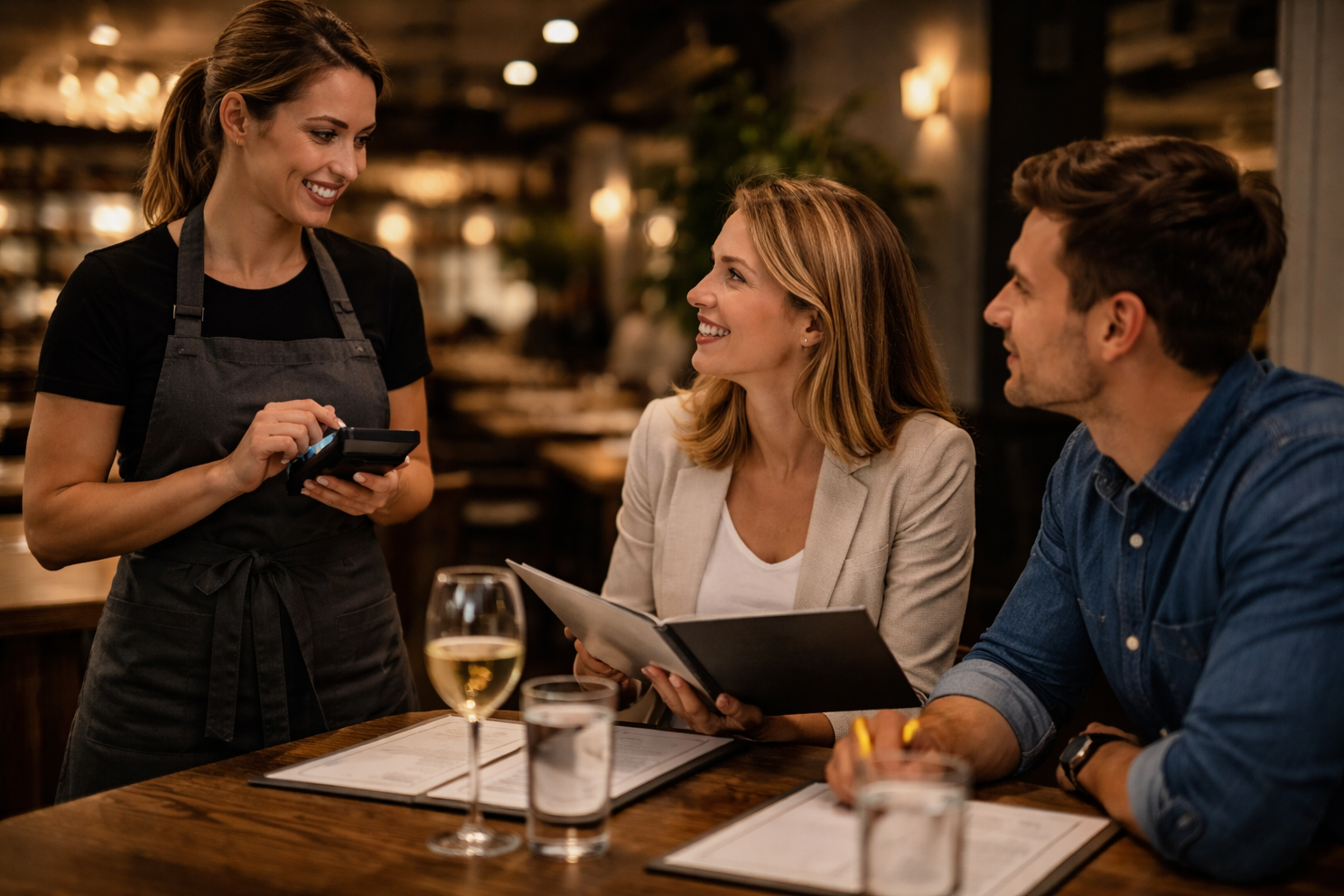
Part II — What the Room Demands
A POS system does not sit behind the service. It moves through it—shaping pacing, interaction, and the guest’s perception of control in ways that are rarely acknowledged, but always felt.

Using a Declining Budget as a Tool for Restaurant Profitability
A declining budget does not just reduce spending power—it forces a restaurant to align purchasing and labor with actual demand. This essay introduces how constraint improves operational control.
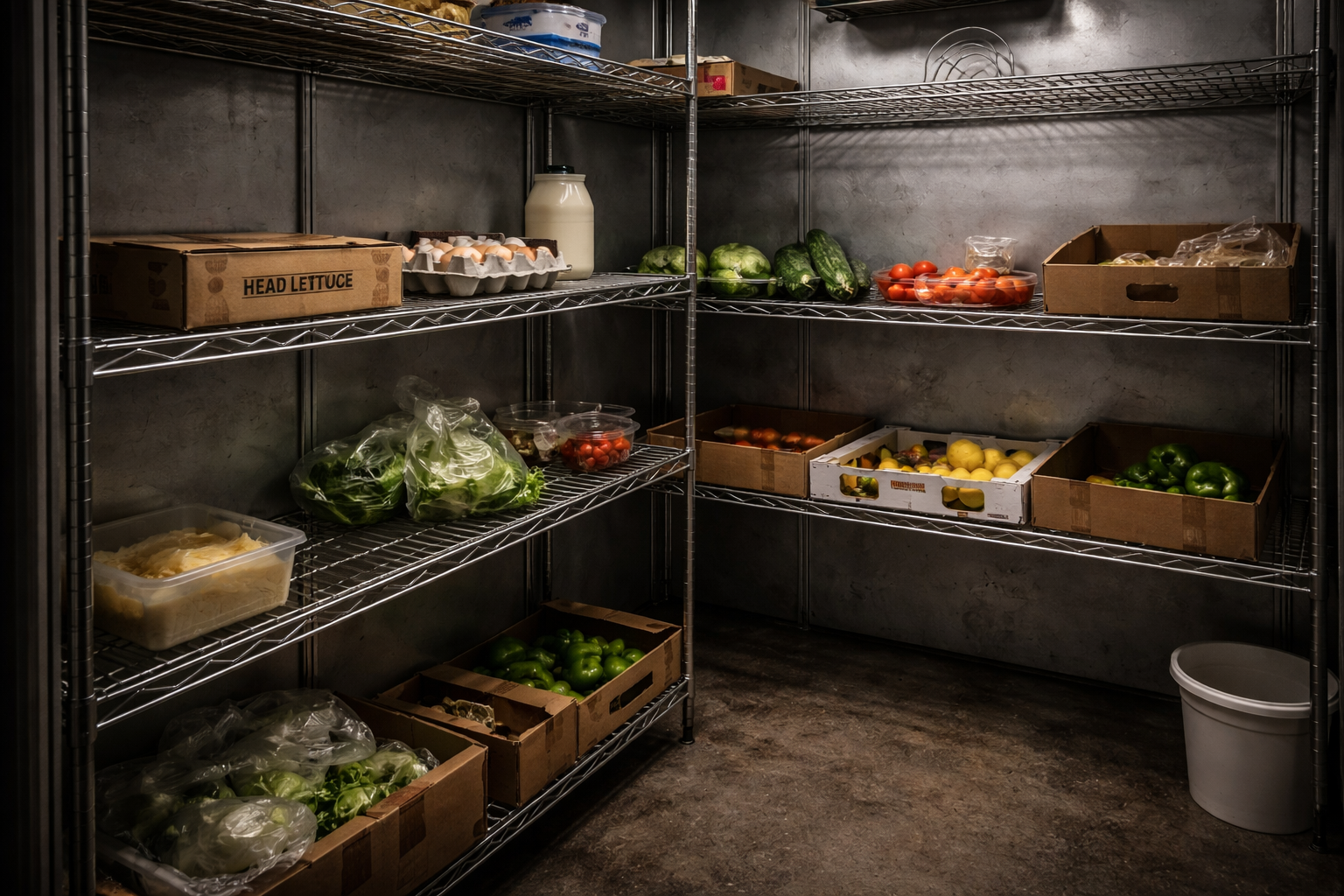
Part II — When the Walk-In Gets Smaller
When purchasing tightens, the walk-in changes immediately. This essay explores how reduced inventory reshapes prep, ordering, and kitchen discipline.
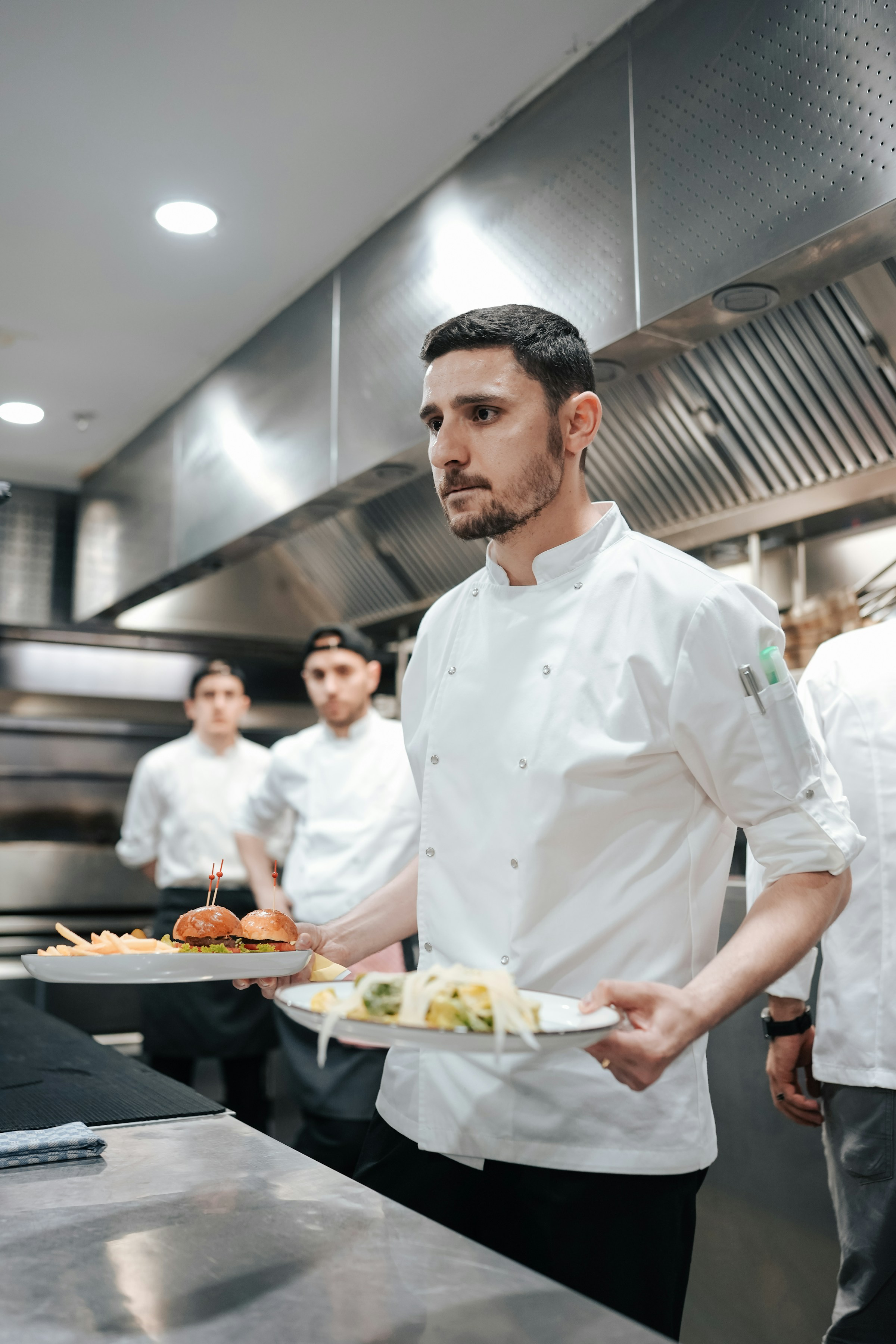
Standards Without Fear: Kitchen Culture and the Systems That Shape It
Professional kitchens operate inside systems of discipline, timing, and leadership. This essay examines how kitchen culture formed, why it is changing, and what the next generation of chefs must decide about standards and authority.
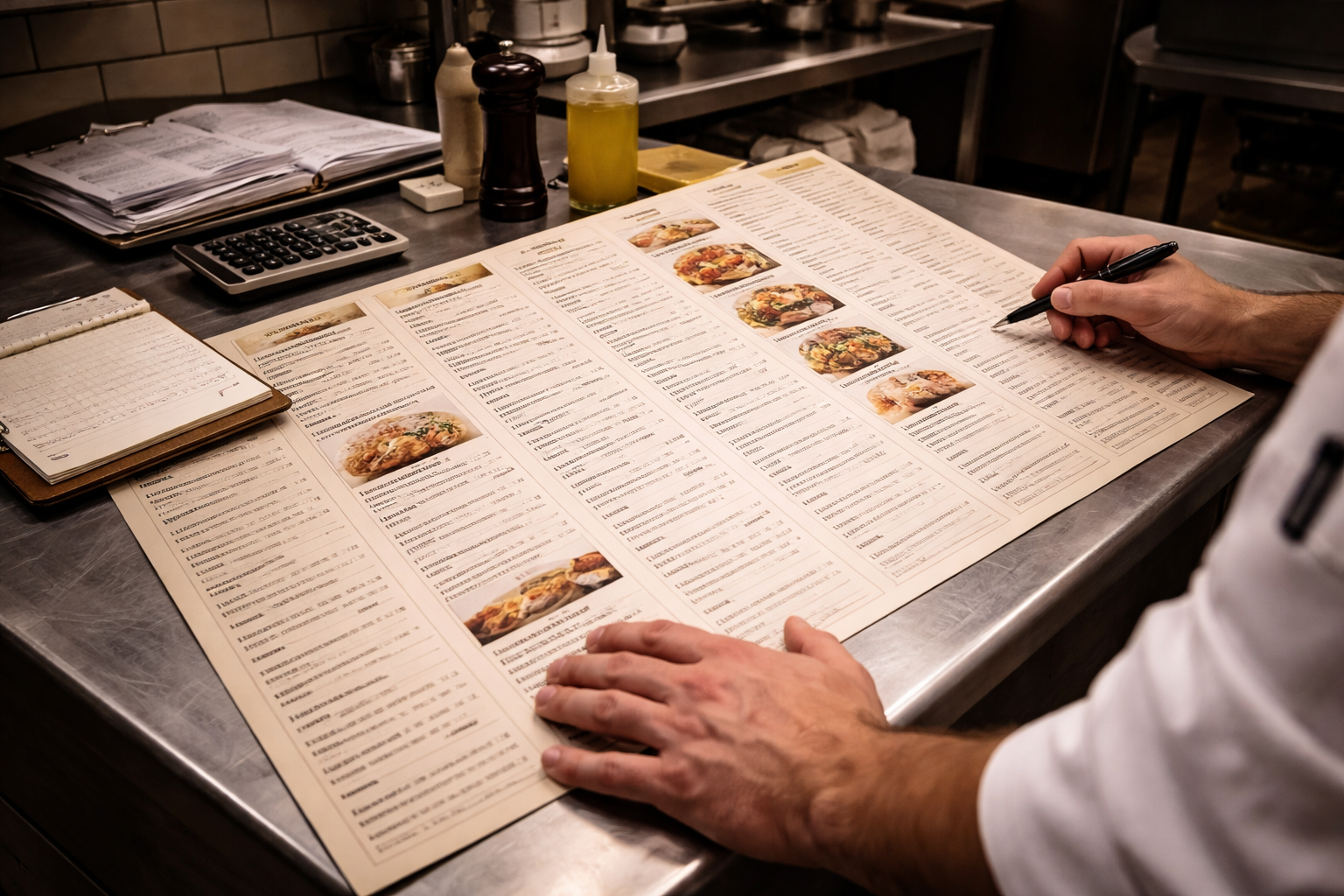
Part III — The Menu Burden
The menu determines what must be purchased, stored, and prepared. This essay examines how menu complexity creates operational burden—and how to correct it.
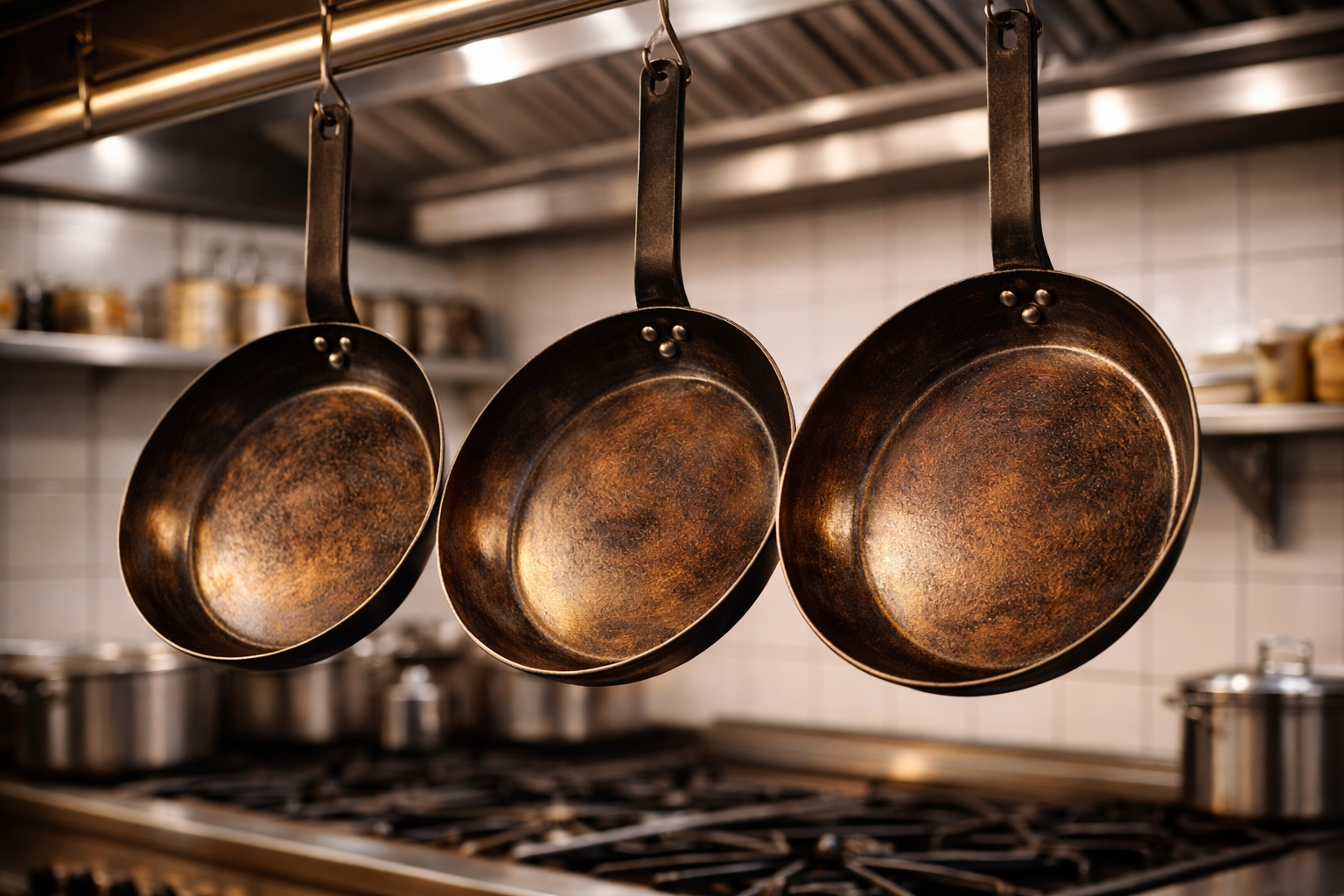
Three Carbon Steel Pans Serious Cooks Should Know
Carbon steel frying pans occupy a quiet but essential place in professional kitchens. Lighter than cast iron yet capable of intense heat, they reward cooks who value responsiveness and control. Here are three carbon steel pans serious cooks should know.
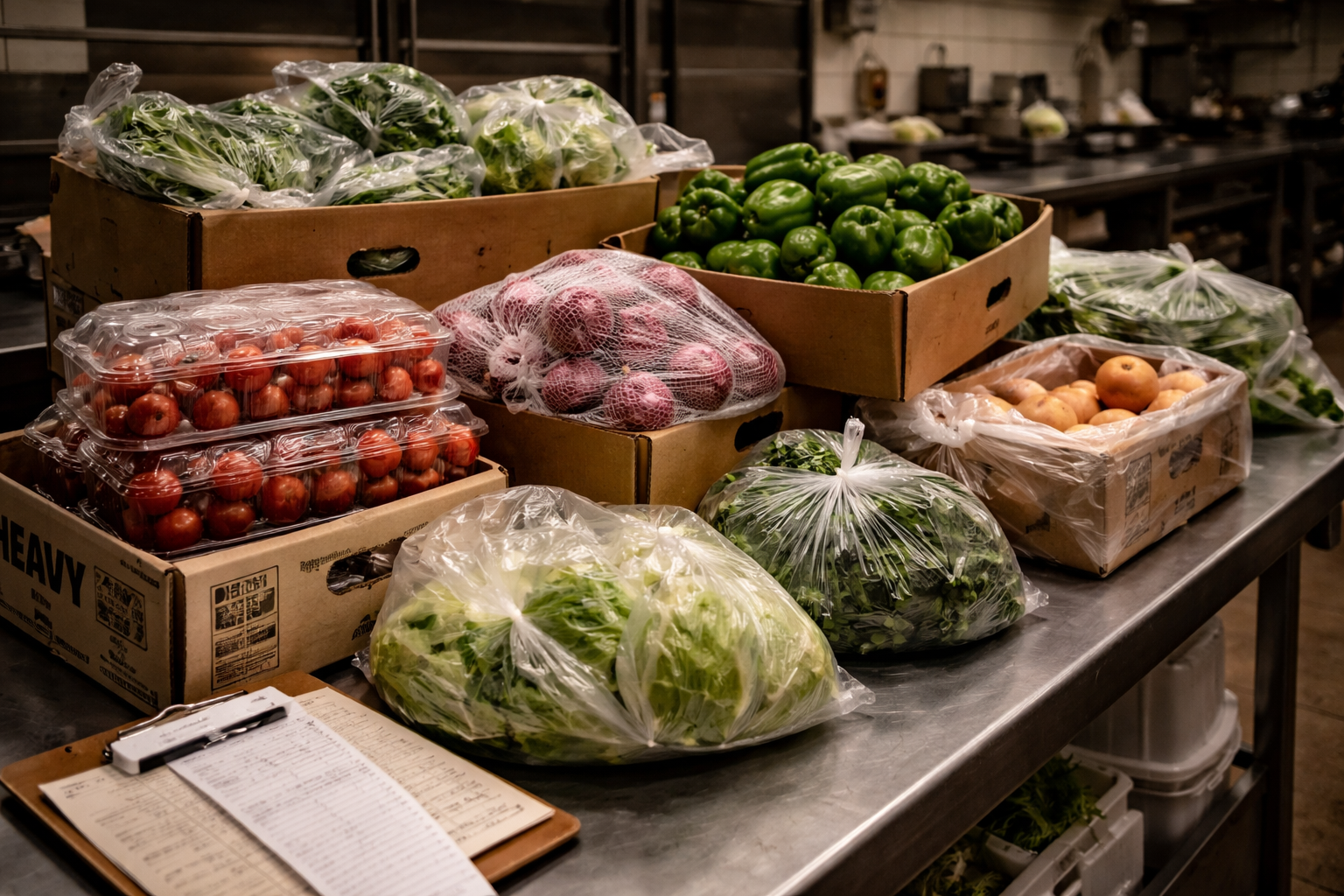
Part IV — Buying Against Fear
Most over-ordering is driven by fear, not demand. This essay explores why restaurants carry excess inventory—and how to shift toward disciplined purchasing.