
Share
An unfolding archive of food, culture, and craft.
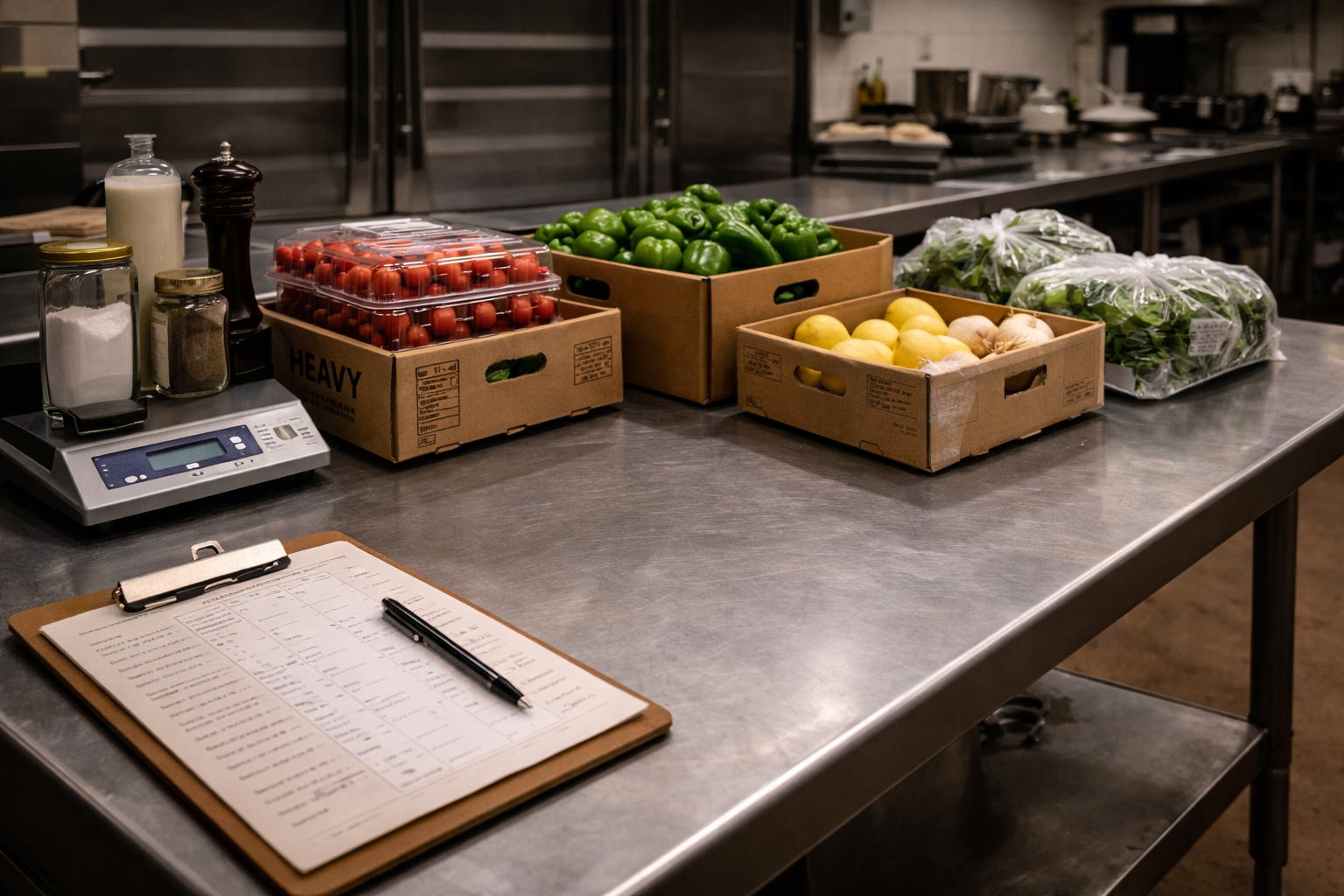
Part V — Precision Without Panic
Running lean requires more than cutting cost. This essay defines the system needed to align purchasing, labor, and service in real time.
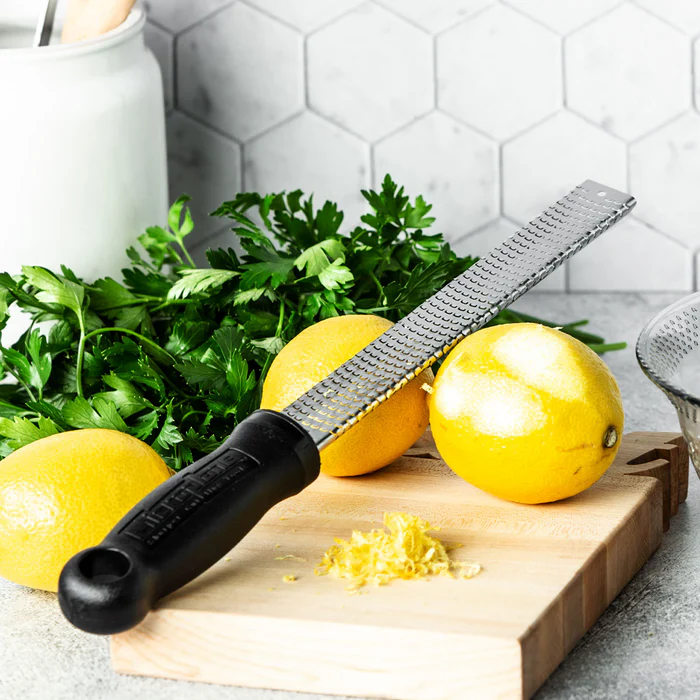
Microplane Classic Zester: The Small Tool Chefs Swear By
The Microplane Classic Zester has become one of the most trusted tools in professional kitchens. Learn why chefs rely on it to create delicate citrus zest, finely grated Parmesan, and aromatic garlic with precision.
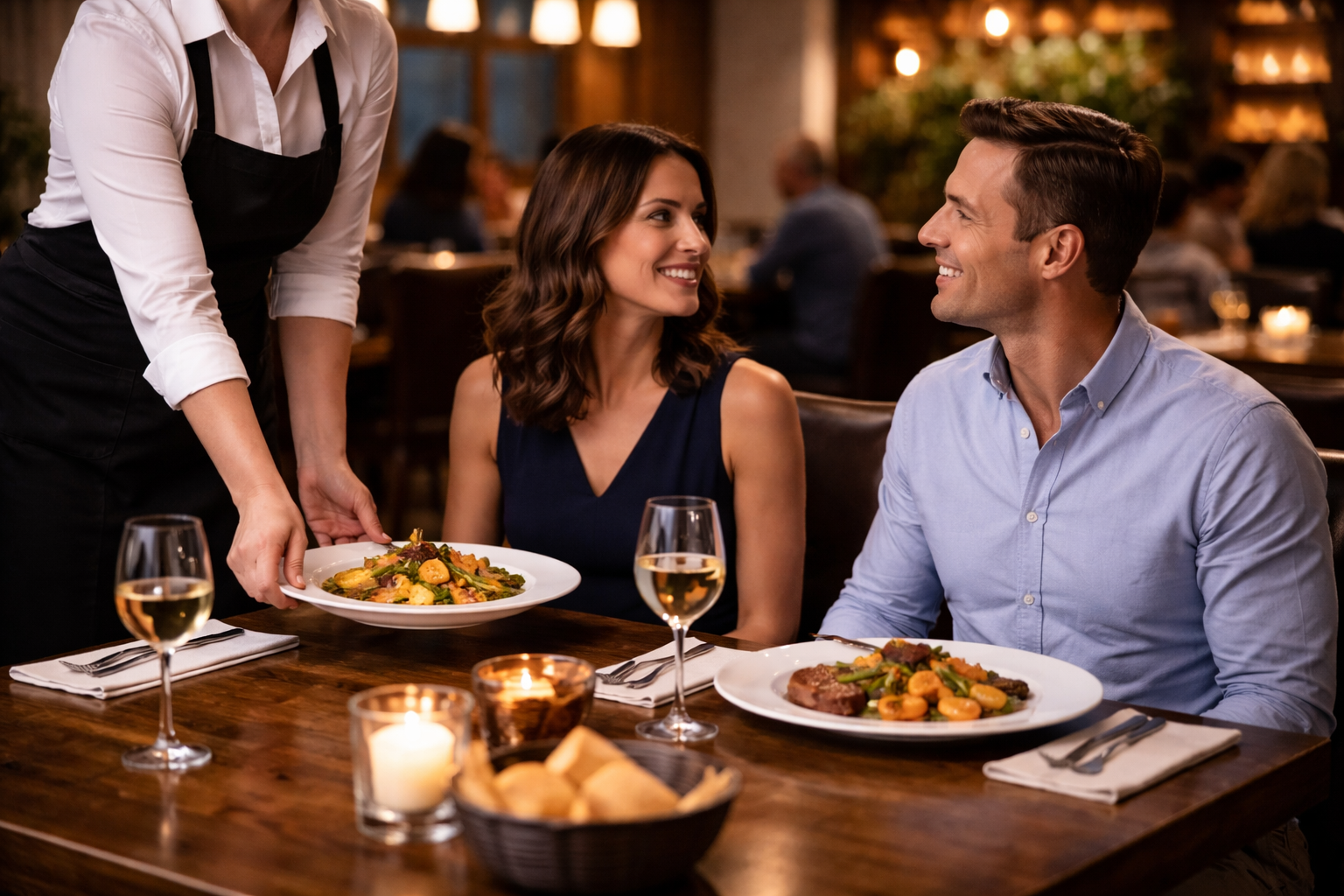
Part VI — The Guest Must Never Feel It
Guests should never feel operational pressure. This essay explains how strong restaurants absorb cost constraints while maintaining consistent service.
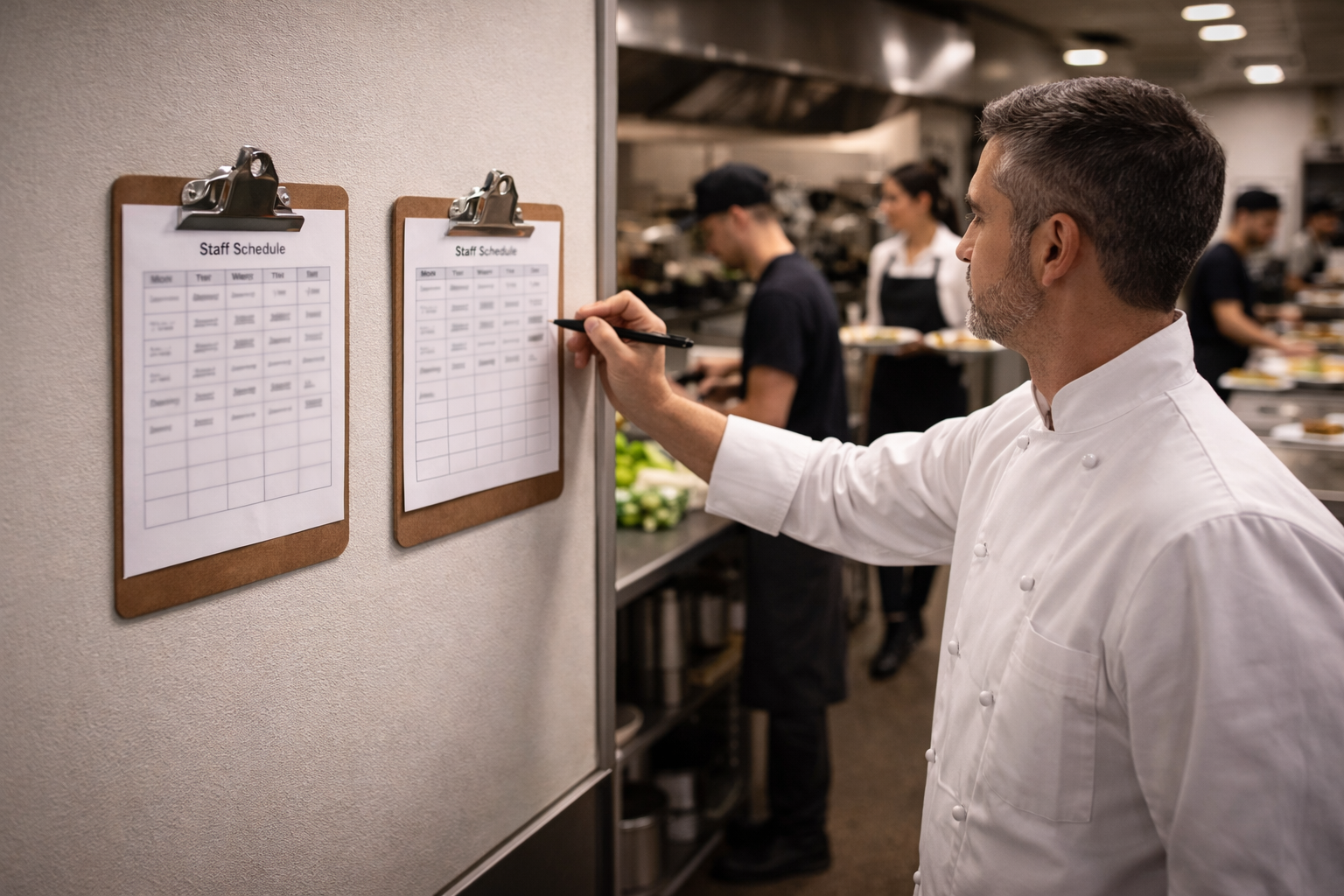
Part VII — Labor Must Follow Demand
Labor must follow demand just like inventory. This essay examines how scheduling, forecasting, and real-time adjustments improve control.
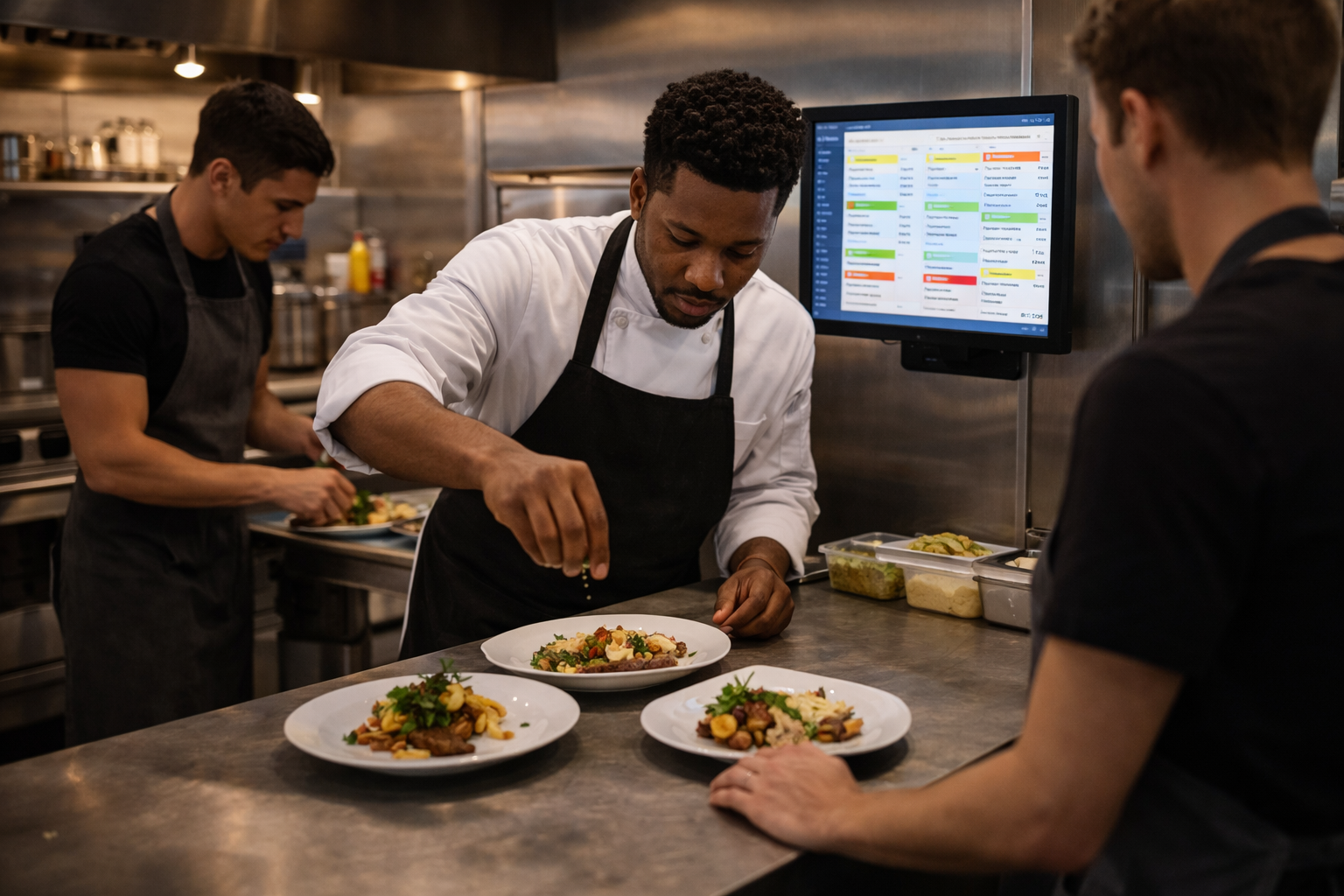
Part III — The Kitchen and the Pass
What appears on the ticket is not information. It is instruction—and the kitchen executes exactly what it sees. Clarity at the terminal becomes precision at the pass.
Time: The Invisible Ingredient in Cooking
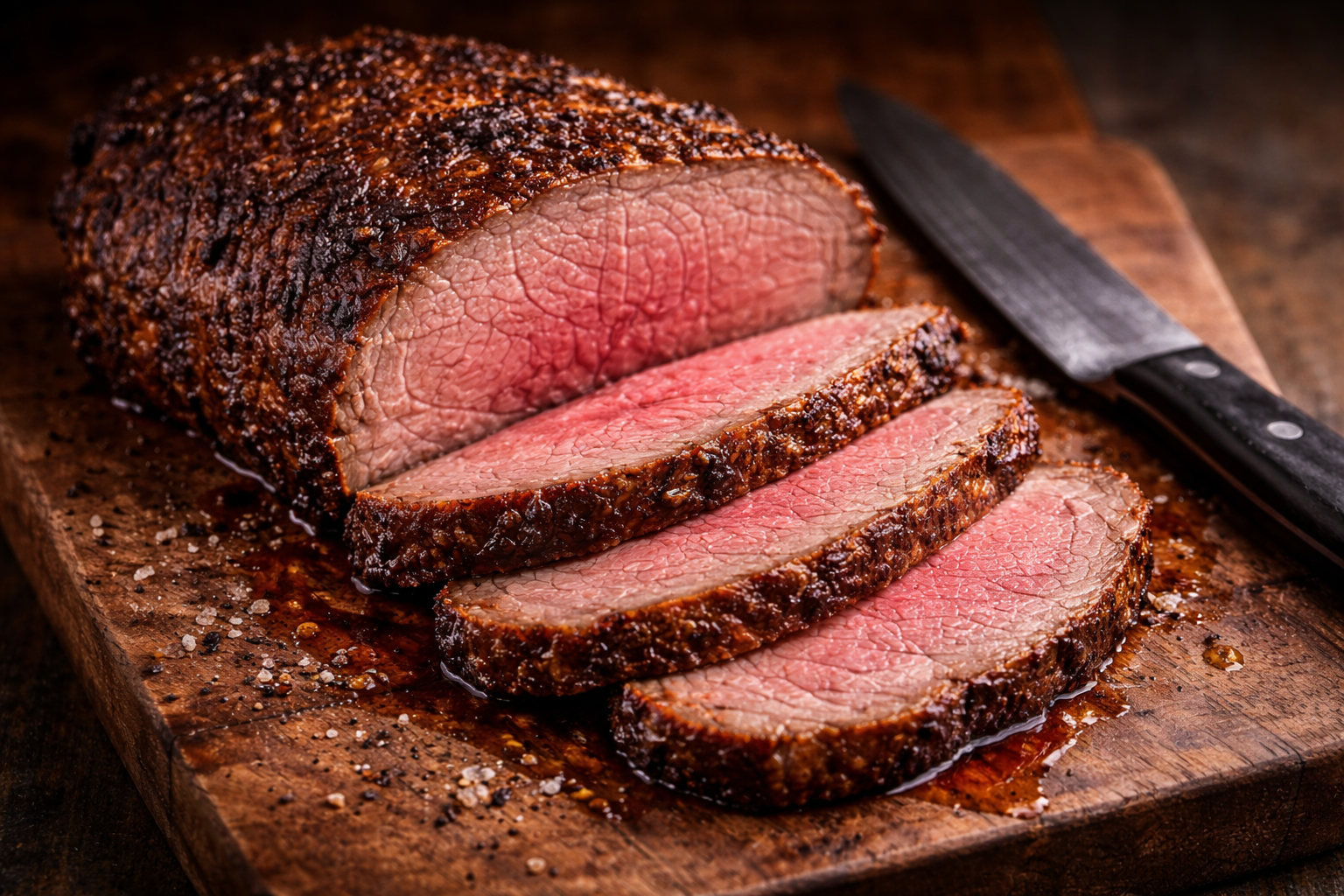
Time is one of the most powerful forces in cooking, yet it is rarely discussed as an ingredient. From heat penetration and moisture evaporation to flavor diffusion and resting, time determines how completely culinary transformations unfold. Understanding how time interacts with heat, fat, acid, seasoning, and knife work reveals the hidden mechanics behind many of the kitchen’s most important processes.
Knife Craft:How Cutting Changes the Way Food Cooks
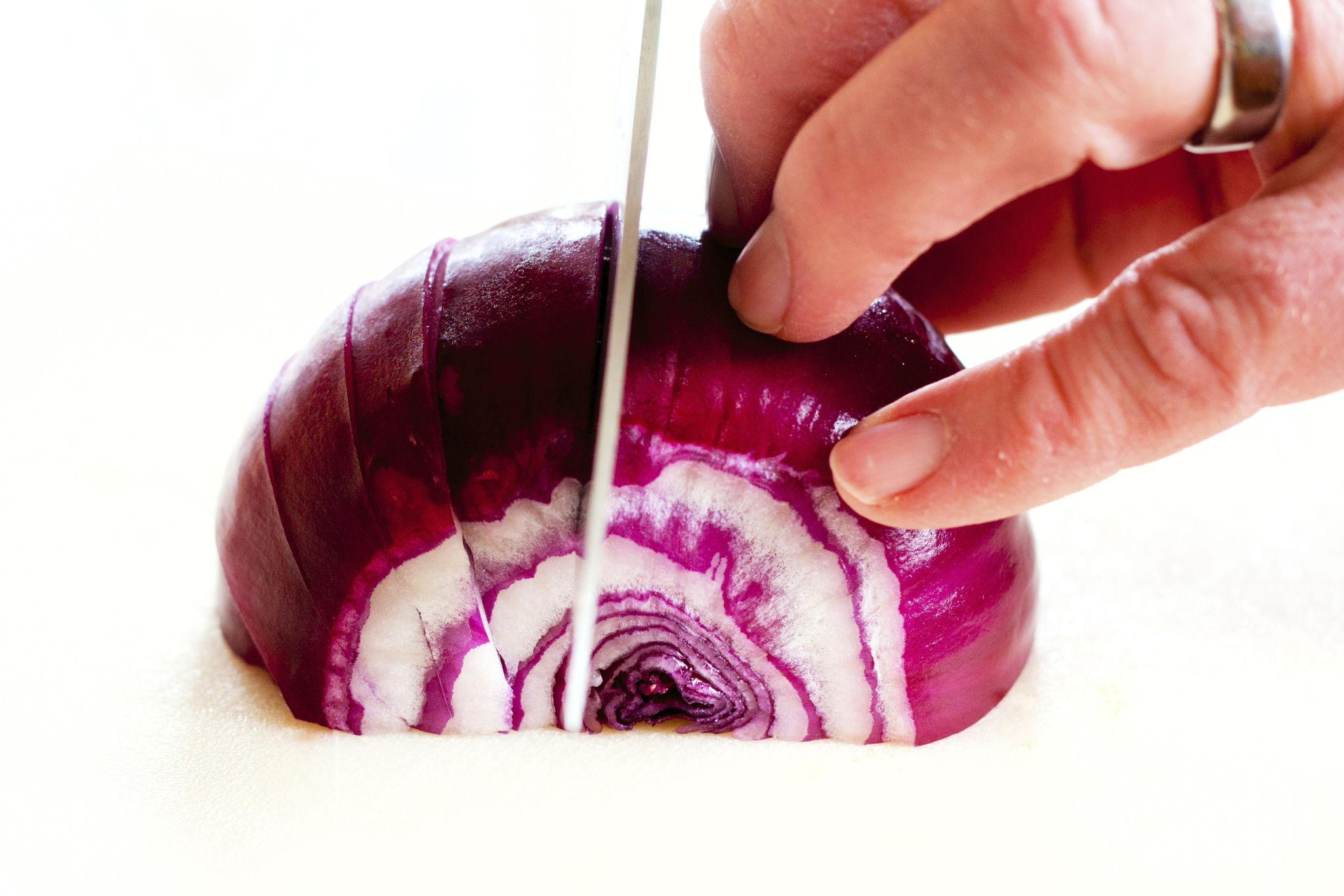
Knife work does more than prepare ingredients. The way food is cut determines how heat penetrates, how moisture escapes, and how seasoning interacts with the ingredient. Understanding the mechanics of cutting reveals why geometry plays a decisive role in the way food cooks.
Knife Craft: How Blade Geometry Controls the Way Food Is Cut
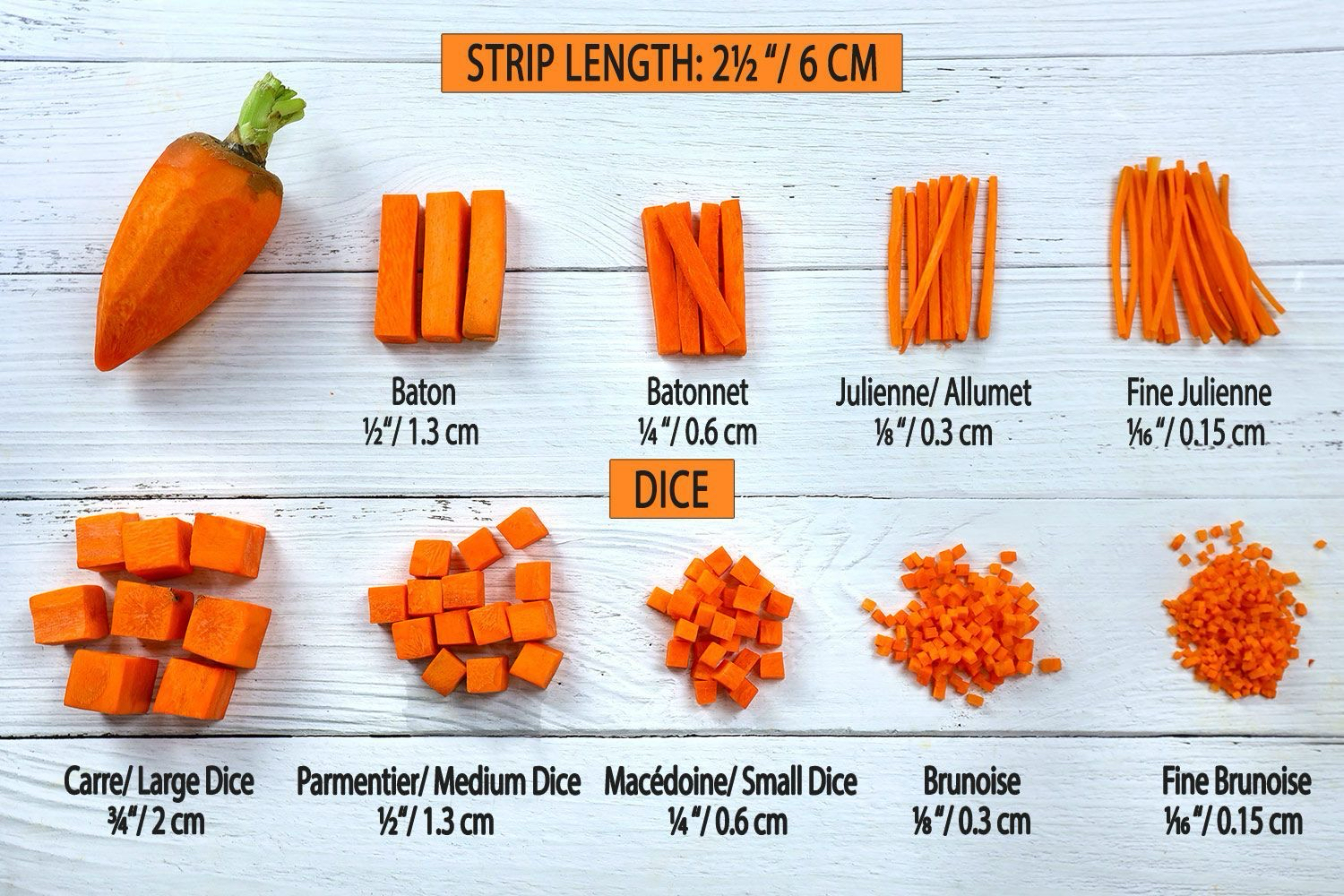
A chef’s knife is more than a cutting tool. Its geometry determines how force moves through food and how ingredients separate under the blade. From blade design to the classical cuts used in professional kitchens, knife craft reveals the structural mechanics behind precision in cooking.
Seasoning
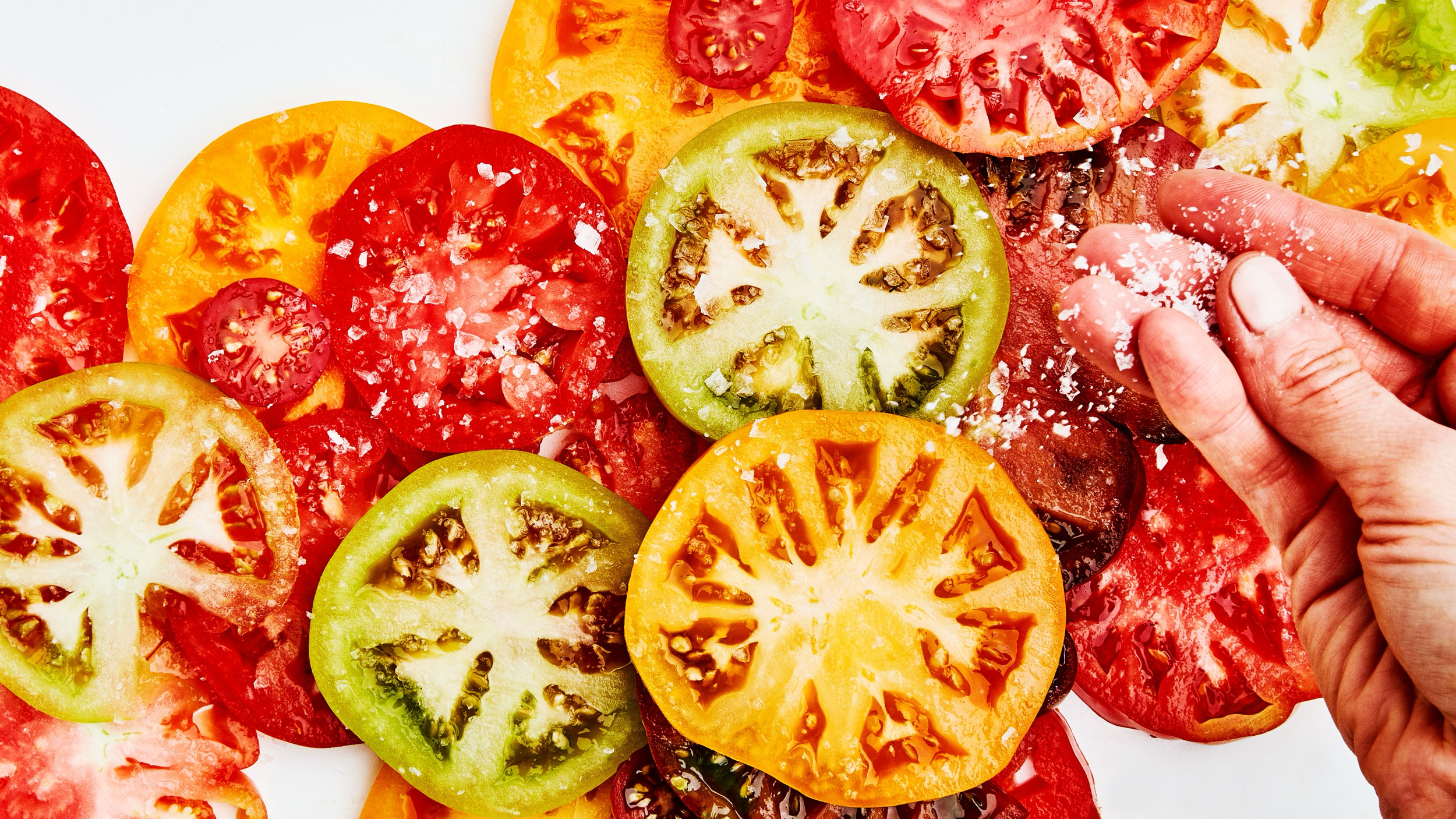
Seasoning is often misunderstood as simply adding salt. In reality, seasoning is the mechanism that allows flavor to become visible. Salt alters taste perception, influences protein structure, and distributes flavor through diffusion. Understanding how seasoning works reveals why restaurant food tastes more vivid and why properly seasoned ingredients feel complete long before the final garnish reaches the plate.
The Triangle of Flavor
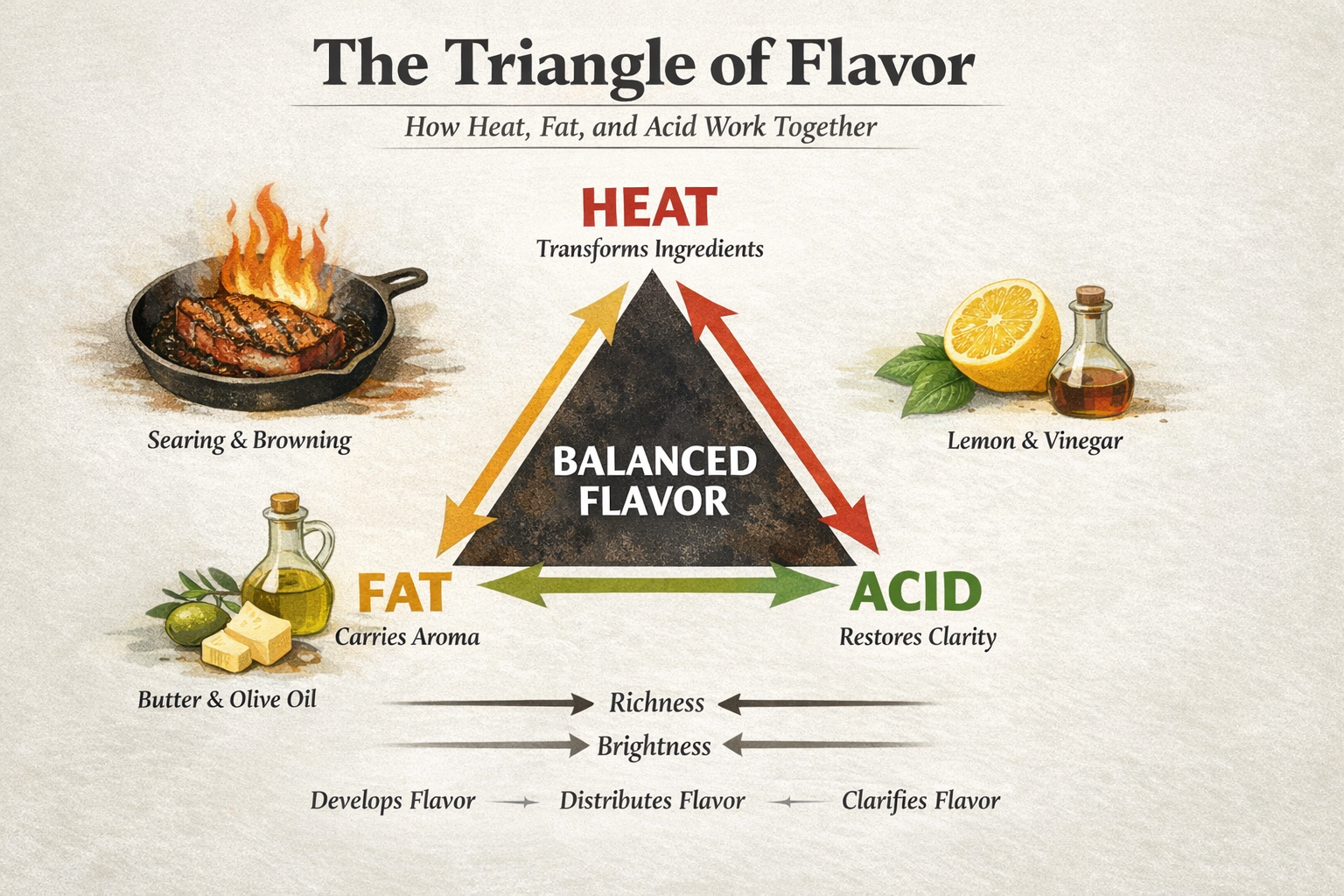
Great cooking depends on balance. Heat transforms ingredients, fat carries aroma, and acid restores clarity. Together they form the triangle of flavor, a structural system that explains why certain dishes feel complete while others feel heavy or dull.
Acid: The Structural Balance of Food
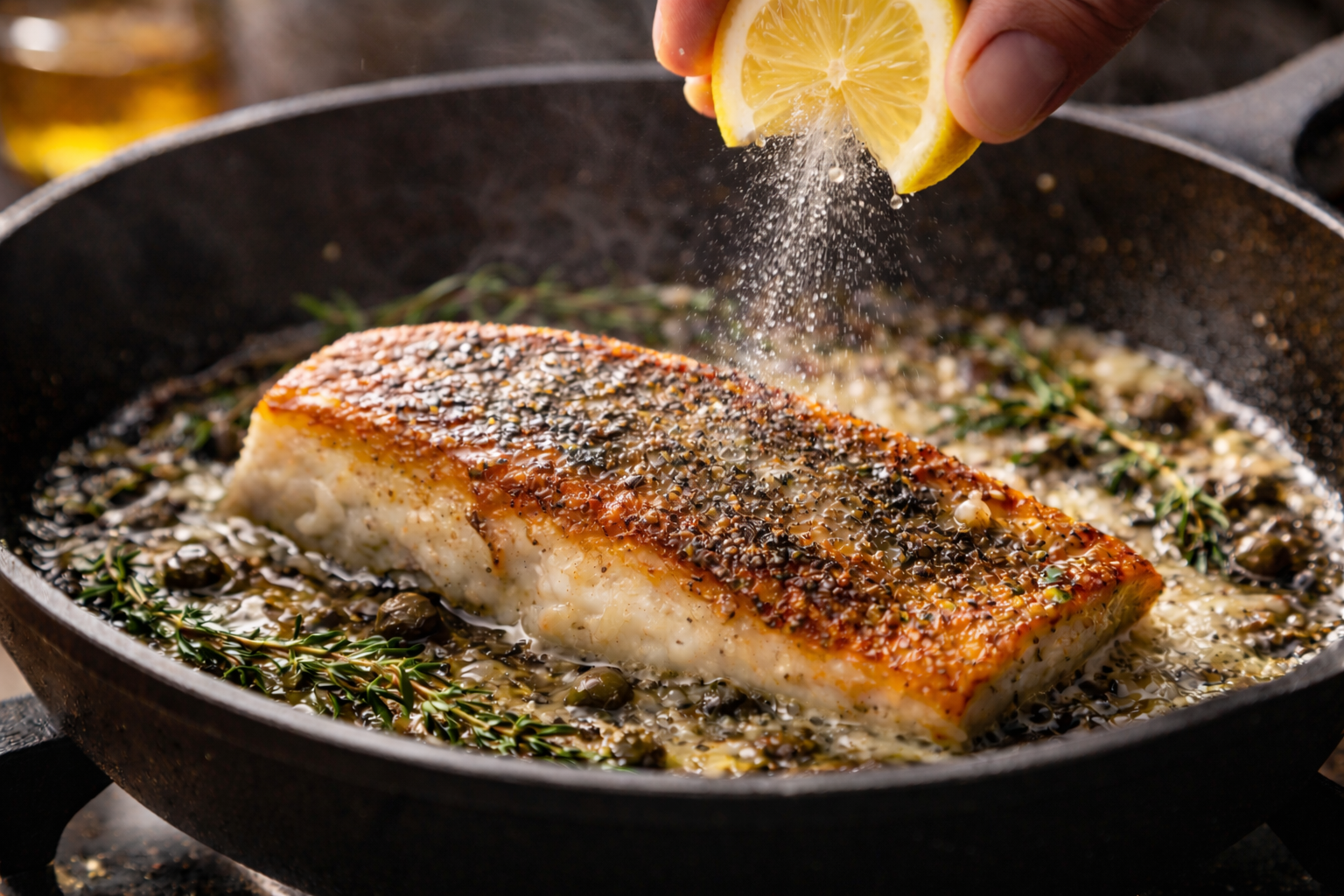
Acid is the structural counterbalance to richness in cooking. Citrus, vinegar, and fermentation restore clarity when flavors become dense, sharpen perception of aroma, and keep dishes vibrant from the first bite to the last.
Fat: The Carrier of Flavor
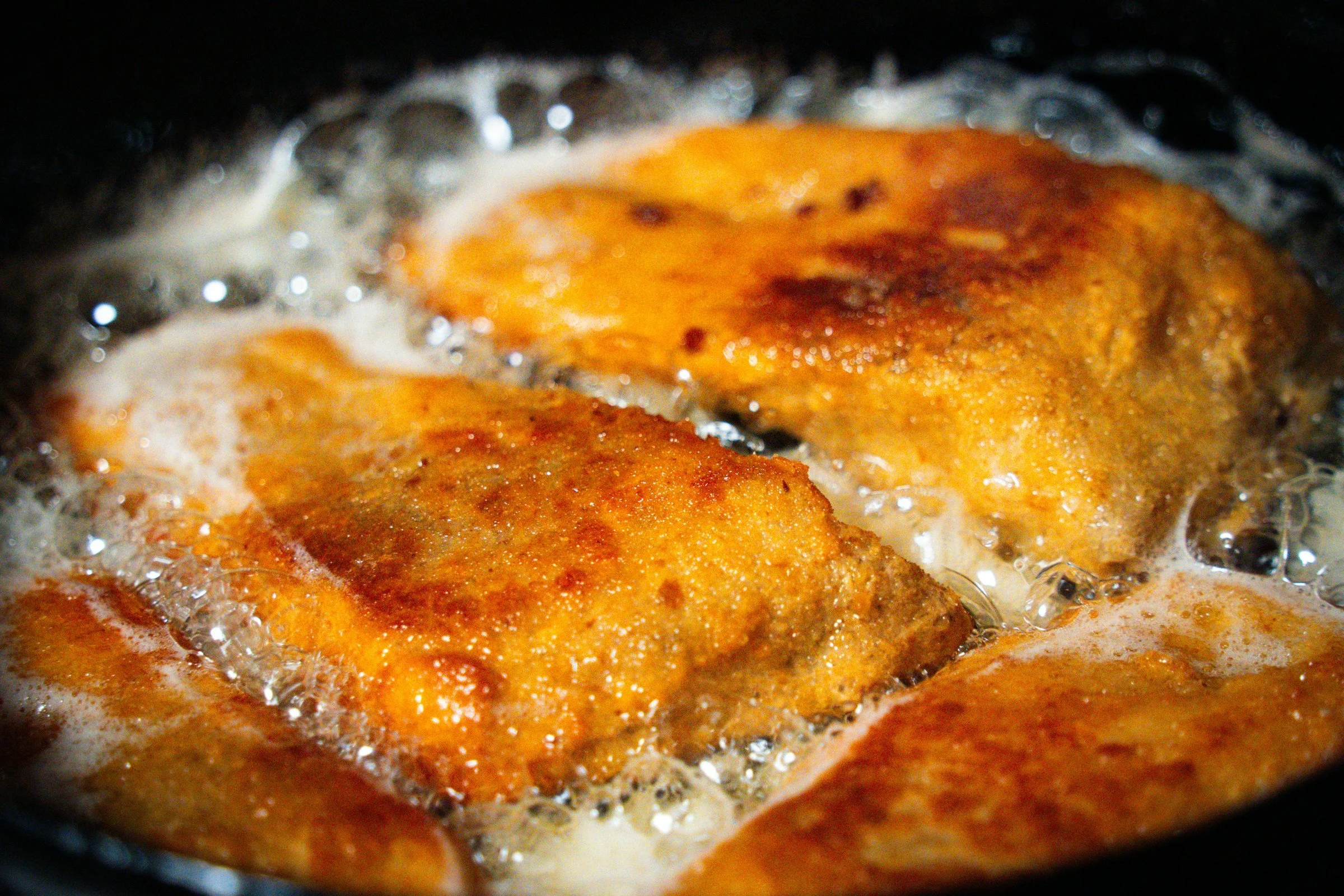
Fat does far more than add richness. It carries aromatic compounds, improves heat transfer, and stabilizes sauces. Understanding how fat behaves explains why restaurant food often tastes fuller and more integrated than food cooked without it.

The Rhythm of Appetite
A lifetime around restaurants reveals that appetite changes with experience. What begins as youthful indulgence gradually evolves into balance, moderation, and a deeper rhythm at the table.

Moderation, and Lots of It
A life spent around restaurants teaches a quiet lesson: pleasure at the table cannot survive endless indulgence or permanent restraint. This essay reflects on moderation, hospitality culture, and the rhythm that allows food, wine, and celebration to remain meaningful over time.
Heat & Flavor
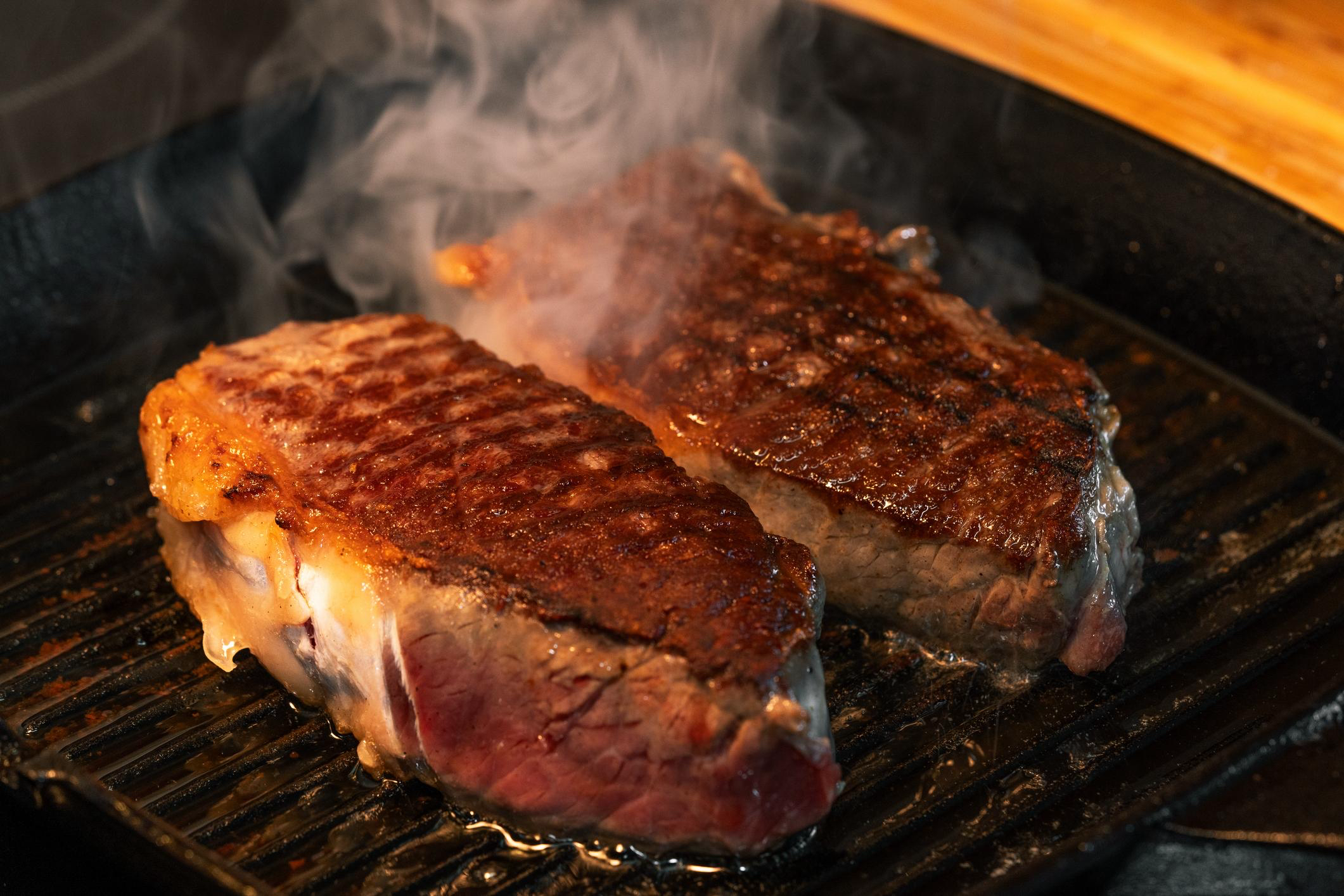
Heat is the fundamental force behind cooking. Understanding how temperature transforms proteins, sugars, moisture, and connective tissue reveals why food browns, tenderizes, and develops flavor.

Salt
Salt is the most important ingredient in cooking, yet few cooks fully understand how it works. This guide explores the chemistry of salt, the behavior of different salts, and how professional kitchens use seasoning to build flavor with precision.
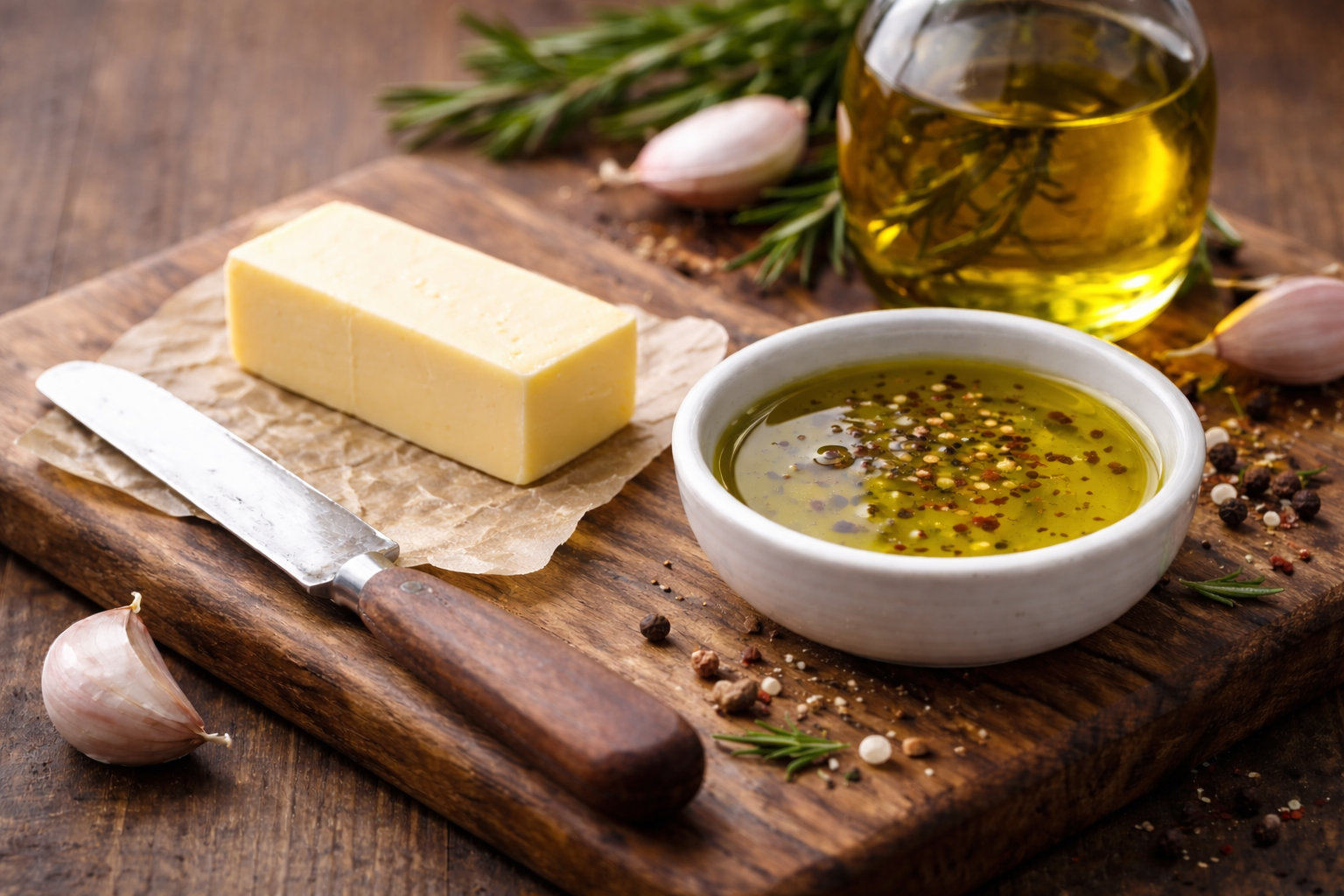
Can You Substitute Olive Oil for Butter?
Butter and olive oil both enrich food, but they behave differently in cooking. Understanding how their composition affects flavor, texture, and heat explains when olive oil can successfully replace butter.

When Two Clocks Collide
When restaurant leadership operates on a midnight service clock and hotel administration runs on a morning cadence, something quietly fractures. This essay examines the myth of work-life balance in hospitality, the neurological cost of asynchronous leadership, and why exhaustion should never be mistaken for virtue.
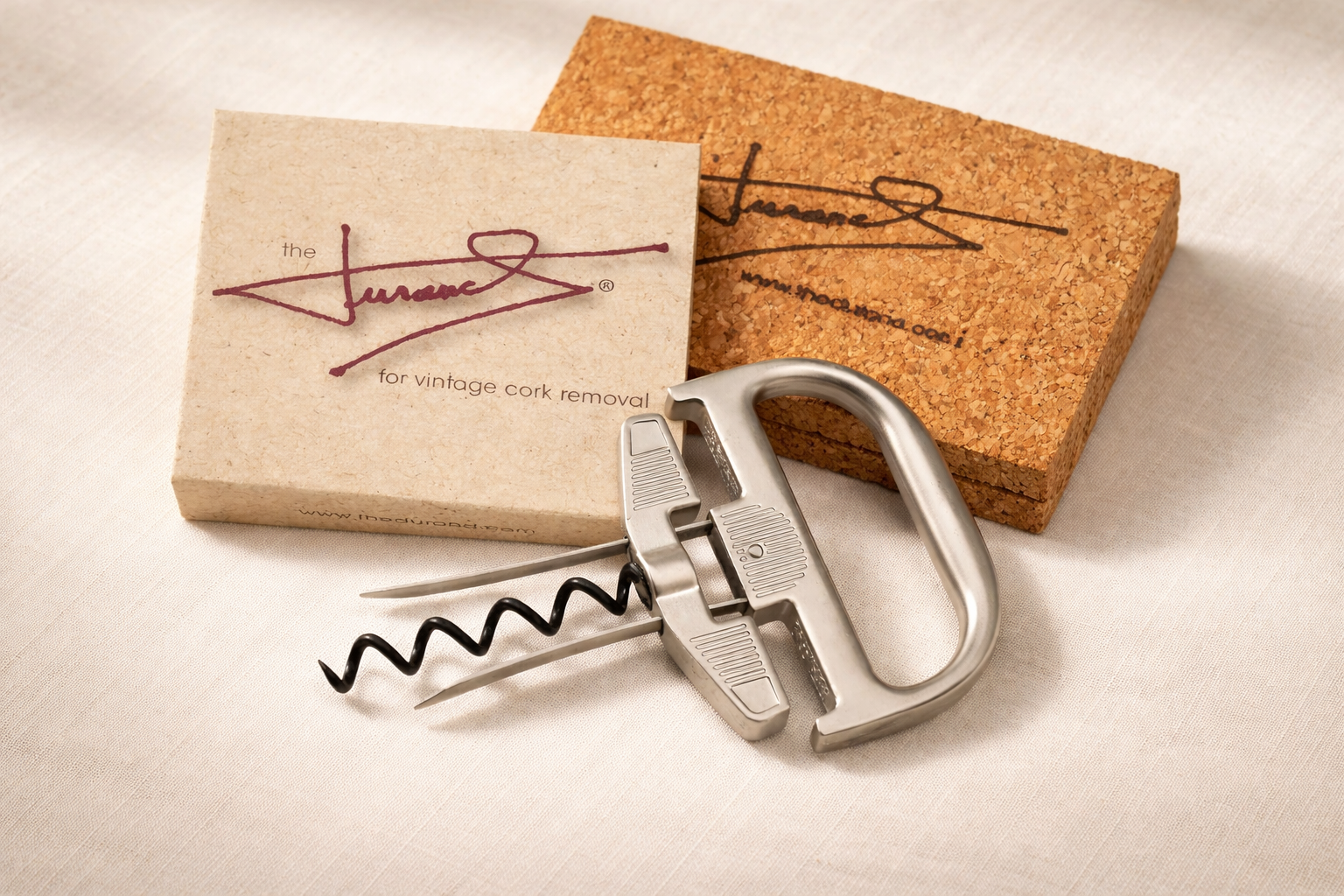
The Durand® — Vintage Cork Removal Tool
Opening an aged bottle is often where things go wrong. The Durand is designed to remove fragile corks intact, eliminating breakage, contamination, and disruption to the experience.

Riedel VINUM Cabernet Sauvignon/Merlot Glass
The Riedel VINUM Cabernet Sauvignon/Merlot glass isn’t designed to impress—it’s designed to perform. Balanced, durable, and consistent, it remains a standard in both restaurants and serious home wine service.