
Share
An unfolding archive of food, culture, and craft.

Zafferano Pina Pro Cordless Table Lamp
A cordless table lamp widely used in restaurants and homes, the Zafferano Pina Pro combines minimalist design with portable, adjustable lighting.

Part IV — The Back Office Truth
The system does not just record the business. It determines how clearly the business can be seen—and how quickly decisions can be made while they still matter.
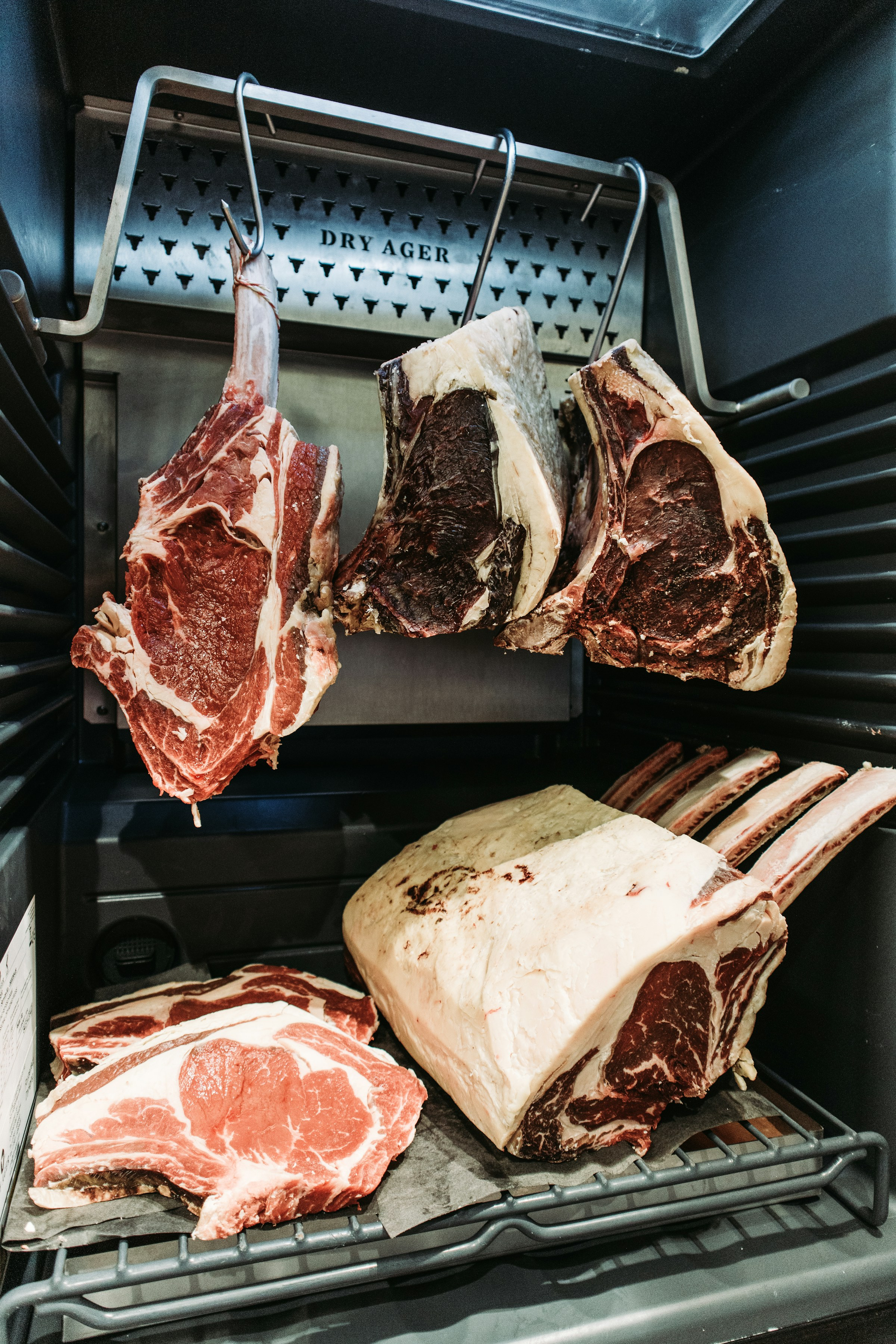
What Is the Difference Between Wet Aging and Dry Aging?
Beef becomes more tender and flavorful as it ages. Wet aging and dry aging achieve this in different ways, shaping the texture and flavor of steaks served at home and in steakhouses.
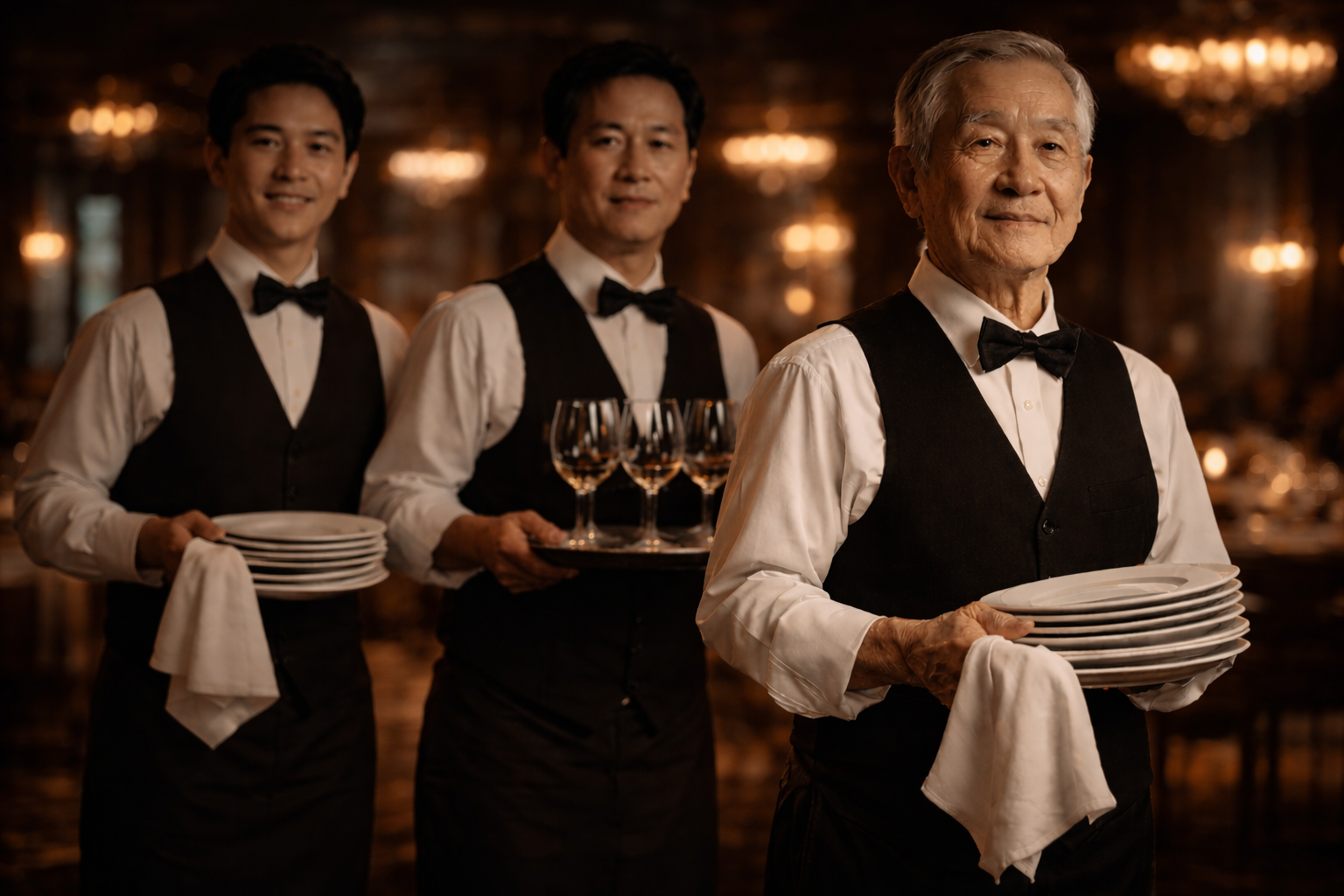
The Man Who Stayed
What happens when the most stabilizing person in the dining room refuses promotion? A fifty-year case study in mastery, institutional memory, and the hidden cost of forced advancement.
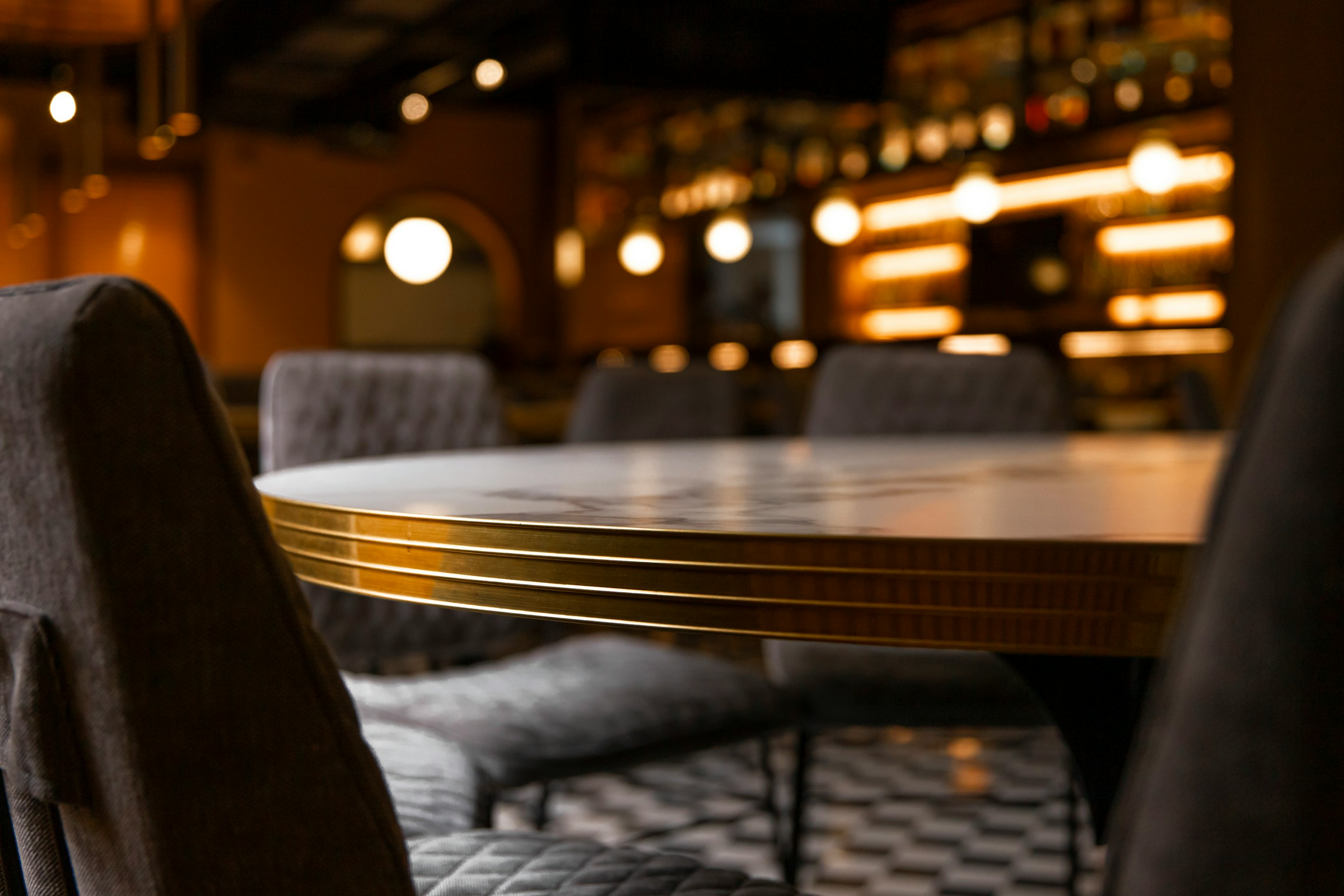
Part I — The Opportunity Appears
Buying a struggling restaurant begins long before financial modeling or negotiations. Experienced operators first diagnose the hidden signals inside the dining room, kitchen, and staff to determine whether the system behind the restaurant can still be rebuilt.
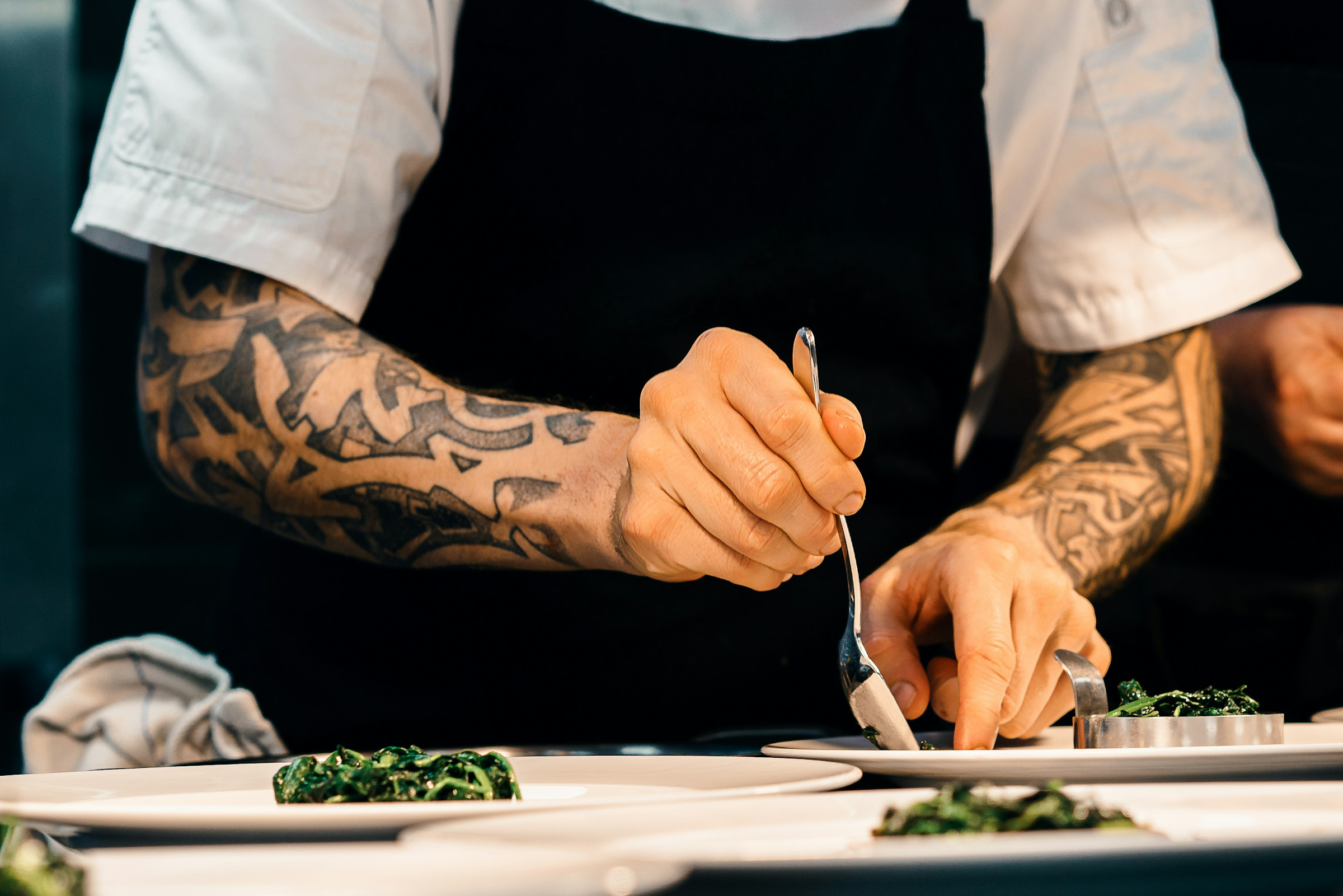
Why Does Restaurant Food Taste Better?
Restaurant food often tastes more flavorful than home cooking. The reason lies in professional control of seasoning, heat, fat, preparation, and repetition — the systems that allow restaurants to deliver consistent flavor and texture.
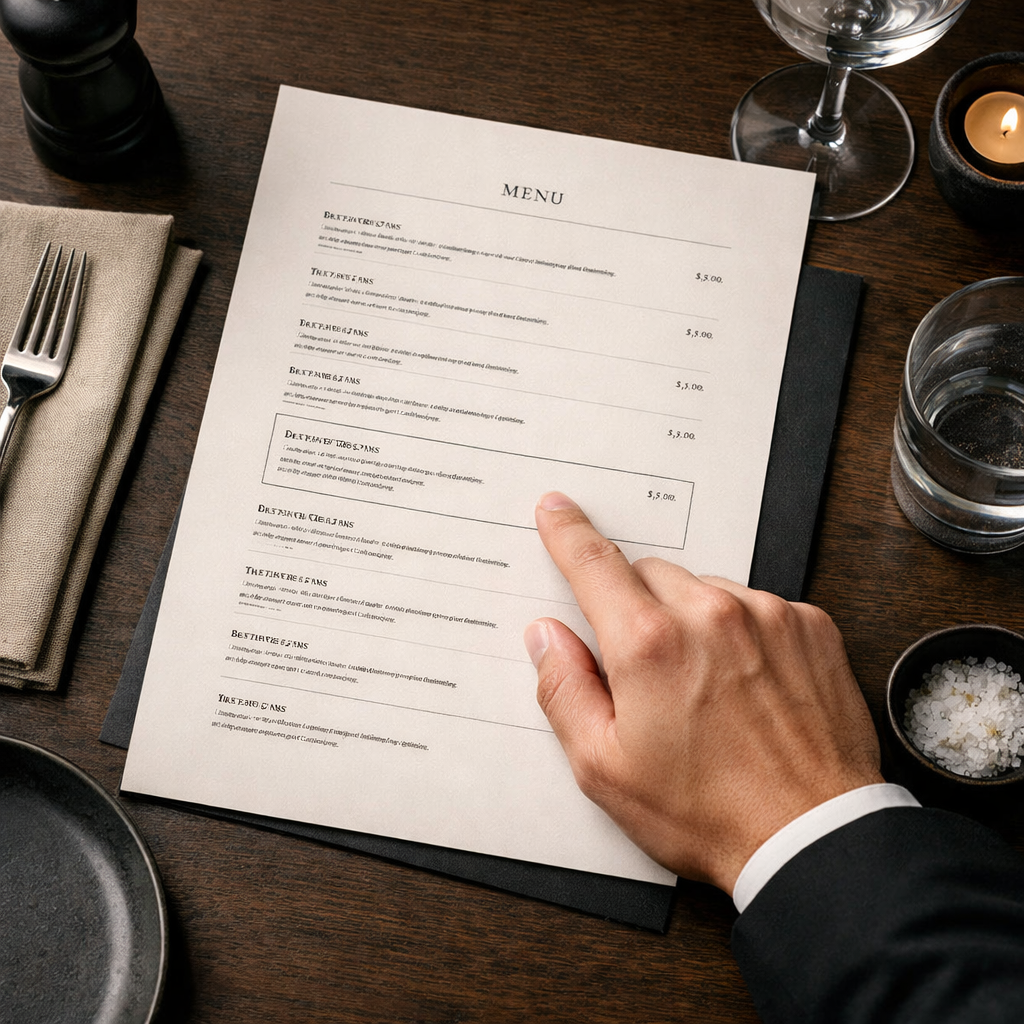
How Does Menu Design Influence What We Order?
Menu design shapes how guests see, process, and choose dishes. Layout, placement, and pricing subtly guide decisions before the first order is placed.
Part II — Why Restaurants Actually Fail
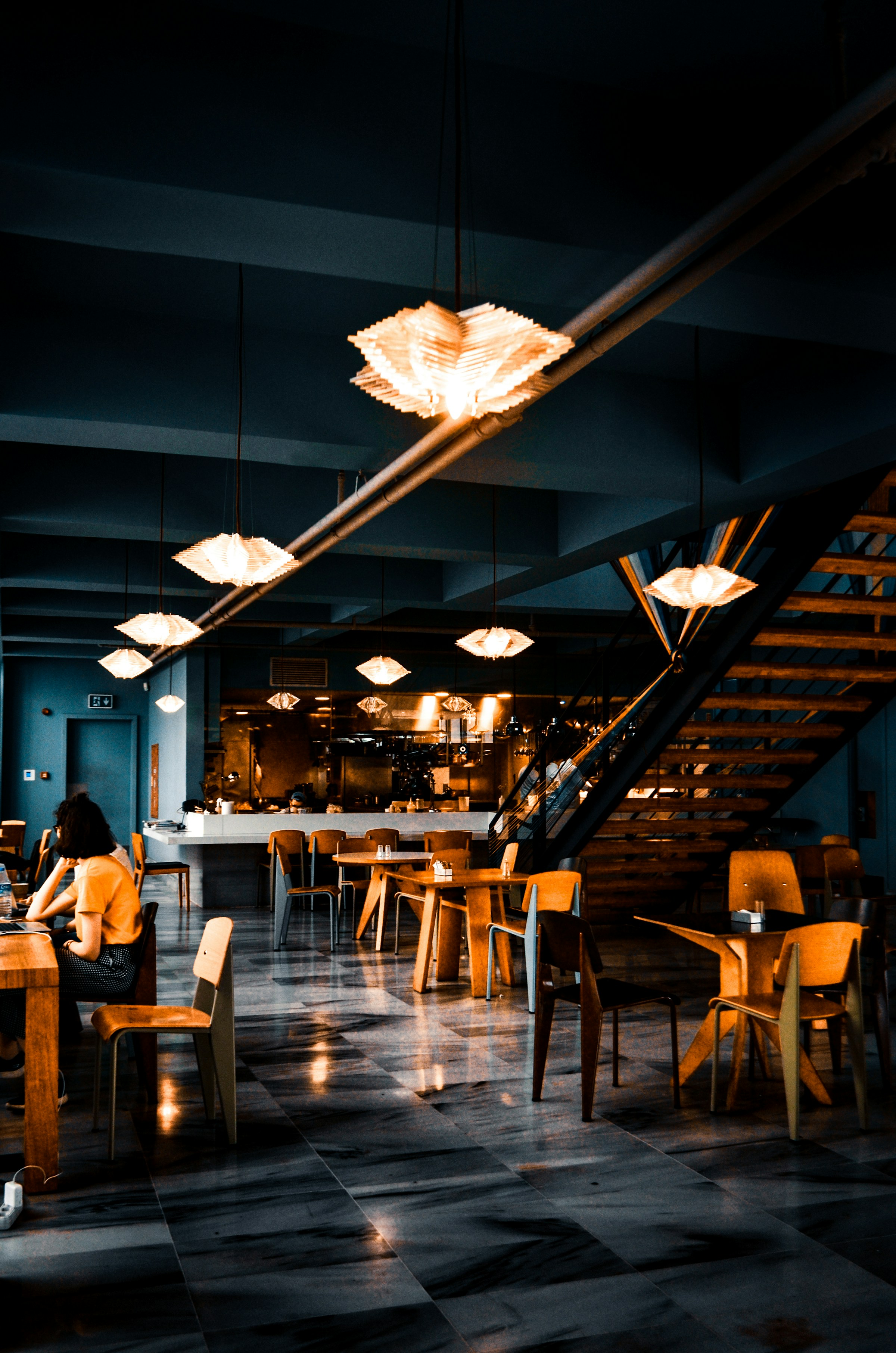
Restaurants rarely fail overnight. Long before a dining room empties, small signals begin appearing inside the system — menu drift, uneven service rhythm, labor instability, and the quiet loss of operational memory. Experienced operators learn to recognize these patterns before attempting to rebuild a struggling restaurant.
How Does Menu Pricing Influence What We Order?
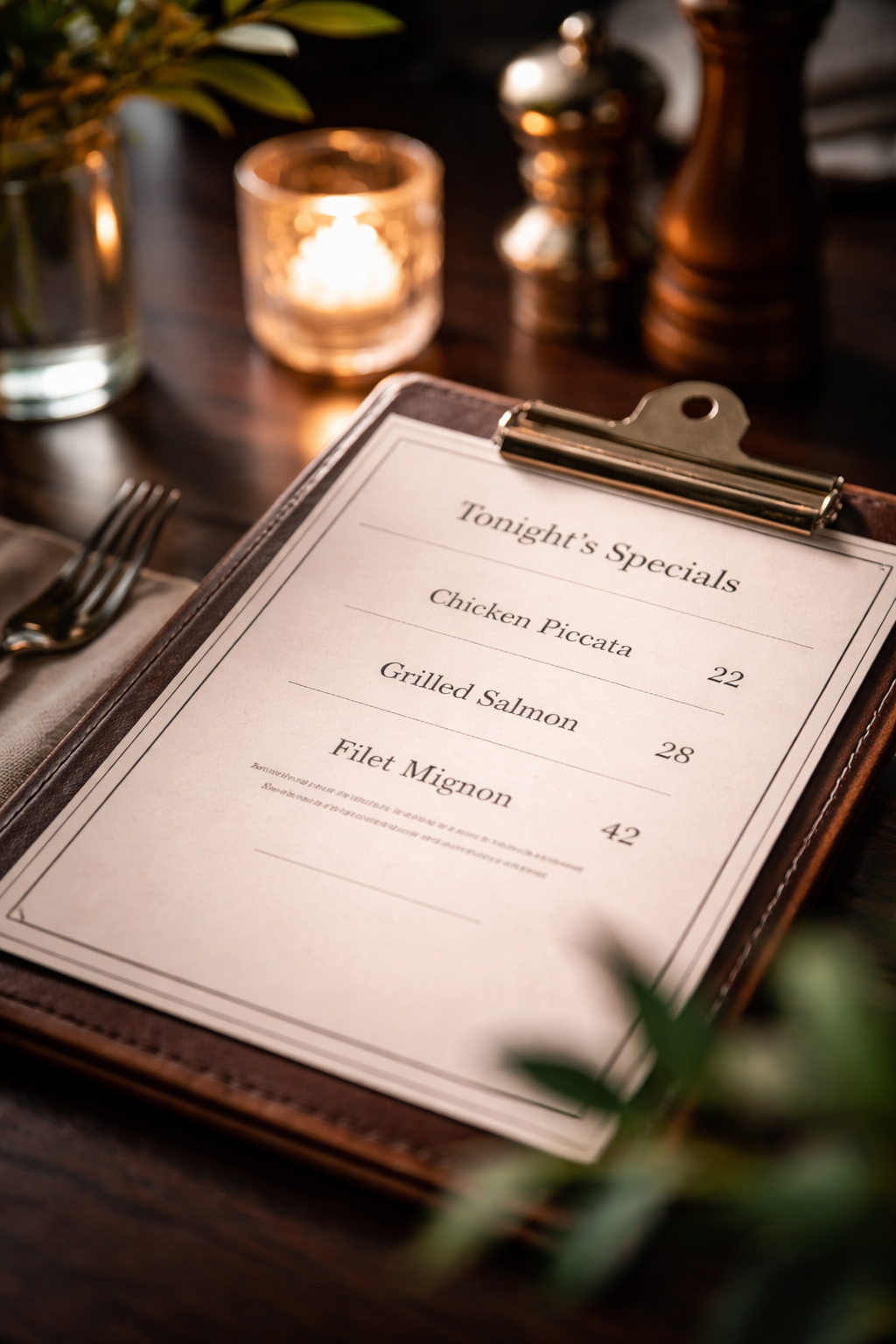
Menu pricing is not just about cost—it frames value. From anchoring to price endings and design, perception shapes what guests choose before they decide.
Part III — Evaluating the Physical Restaurant
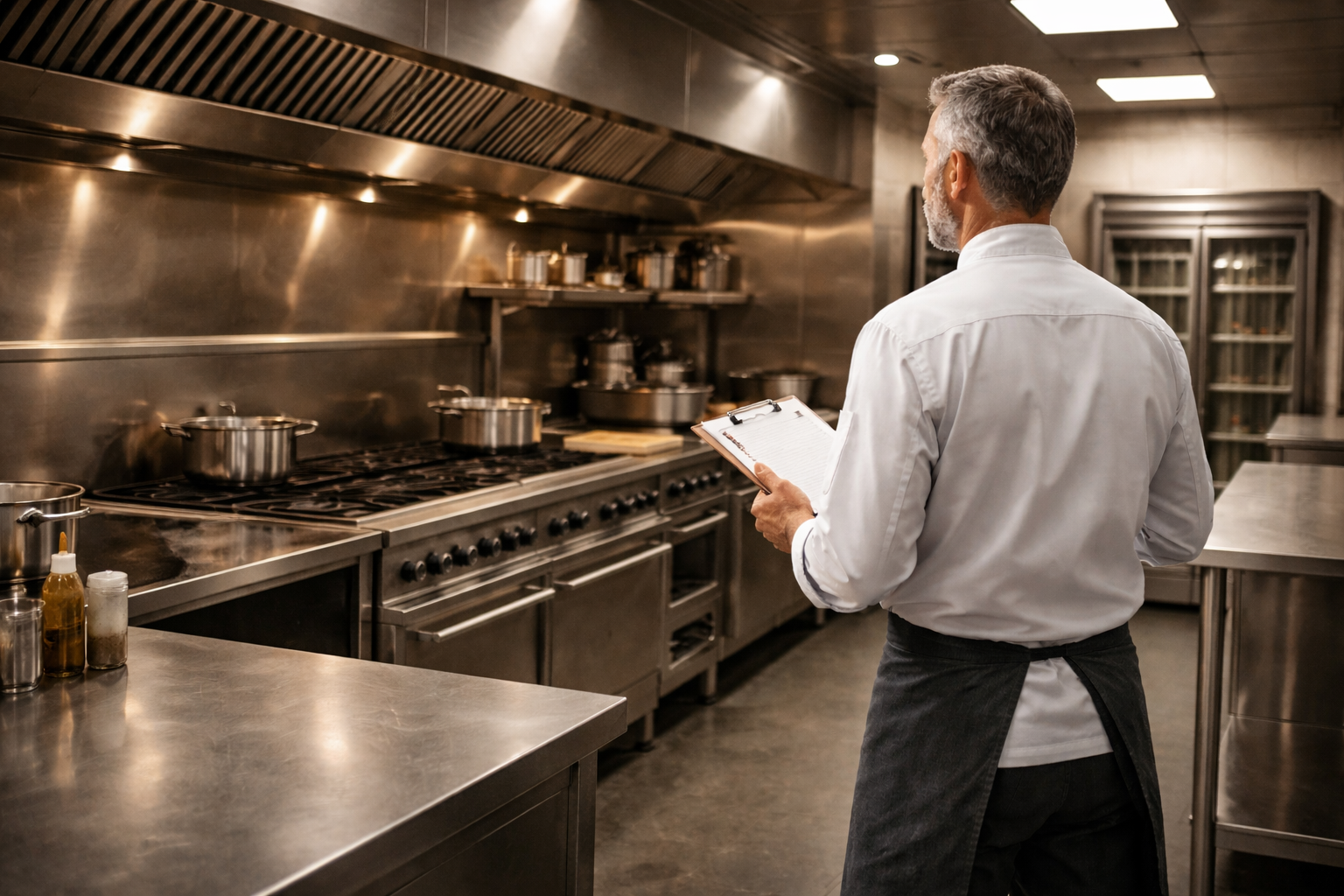
Before rebuilding a struggling restaurant, experienced operators examine the physical system beneath the business. The lease, kitchen workflow, equipment, ventilation, and storage infrastructure reveal whether the building can realistically support a successful operation.

Decanting: Service, Sediment, and the Short Window of Expression
Decanting is not ritual. It is a service decision made under chemical constraint. A technical exploration of oxygen, sediment, temperature drift, and why older wines have only a brief window of peak expression.
Part IV — The Acquisition Equation
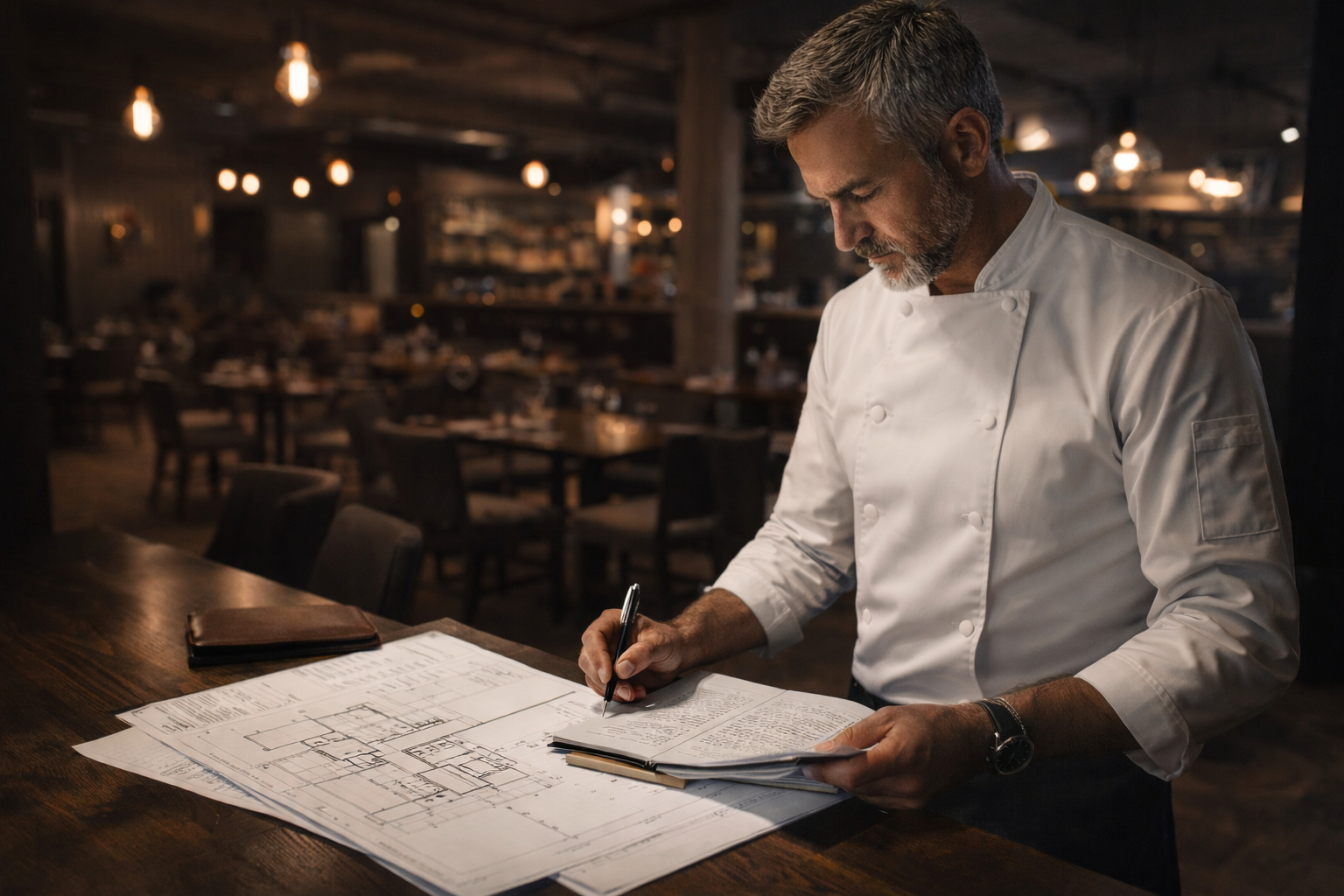
Buying a failing restaurant is not simply a creative opportunity. It is an economic investigation. Before any concept can be rebuilt, the operator must determine whether the purchase price, renovation costs, infrastructure limits, and lease structure allow the restaurant to become profitable again.
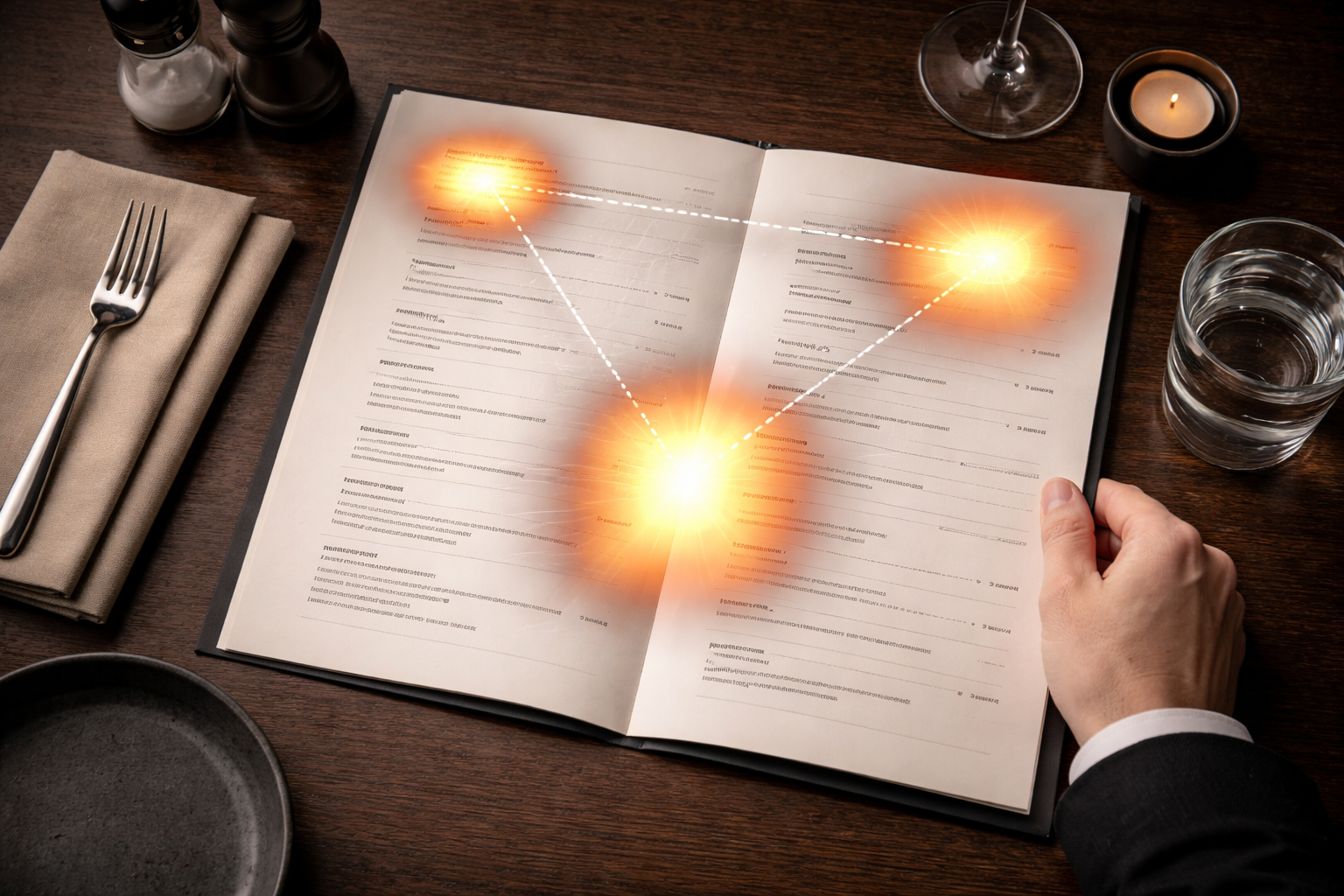
How Do People Read Menus?
People do not read menus in a straight line. They scan for visual hierarchy, and design choices such as layout, spacing, boxes, and page structure influence what they notice first and what they are most likely to order.
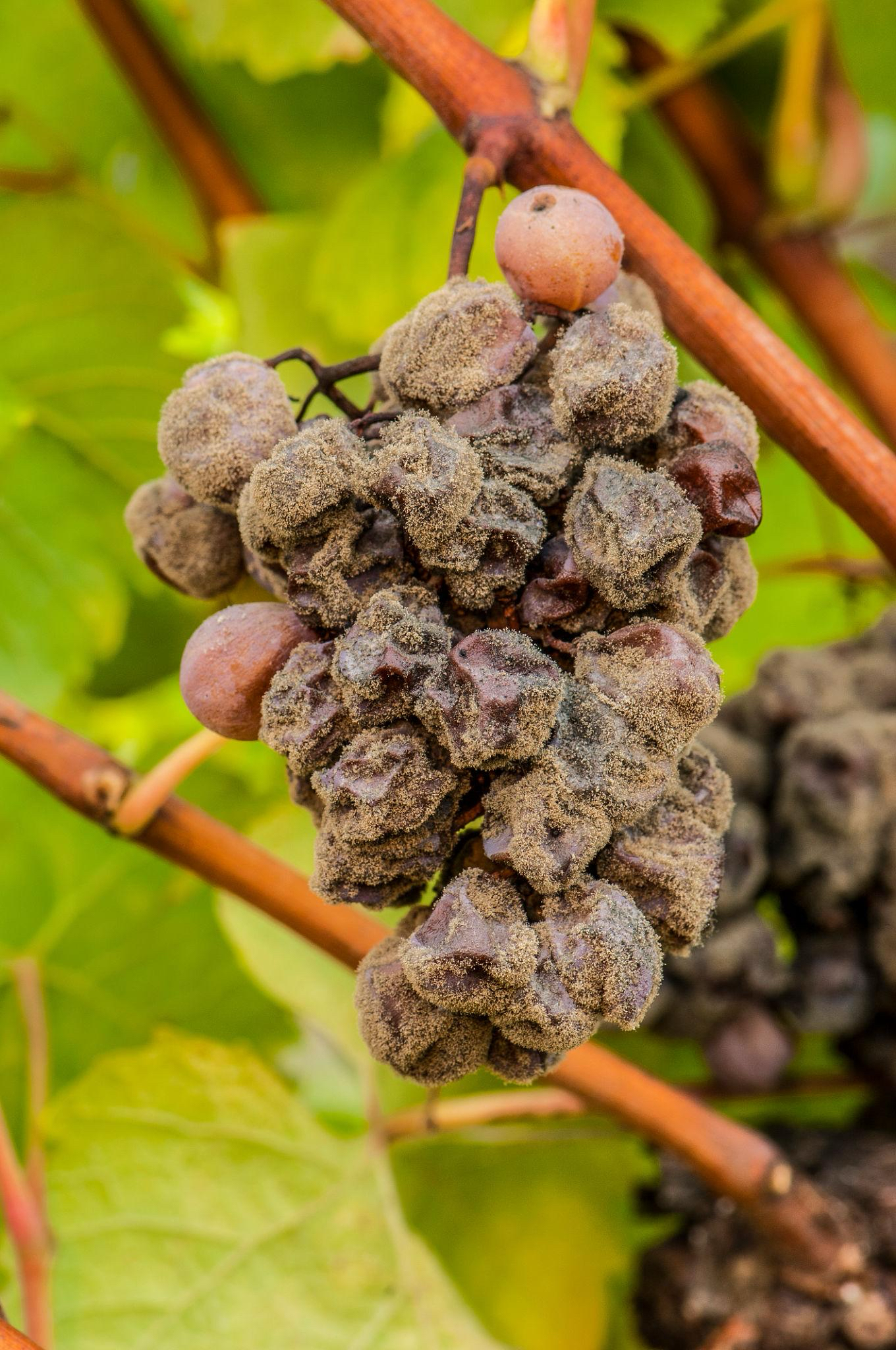
Sweetness in Wine
Wine sweetness is not simply a matter of taste. It is determined by how much sugar remains after fermentation and how that residual sugar interacts with acidity, alcohol, and structure. Understanding how wines move from dry to off-dry and fully sweet reveals the mechanisms that shape balance in the glass.
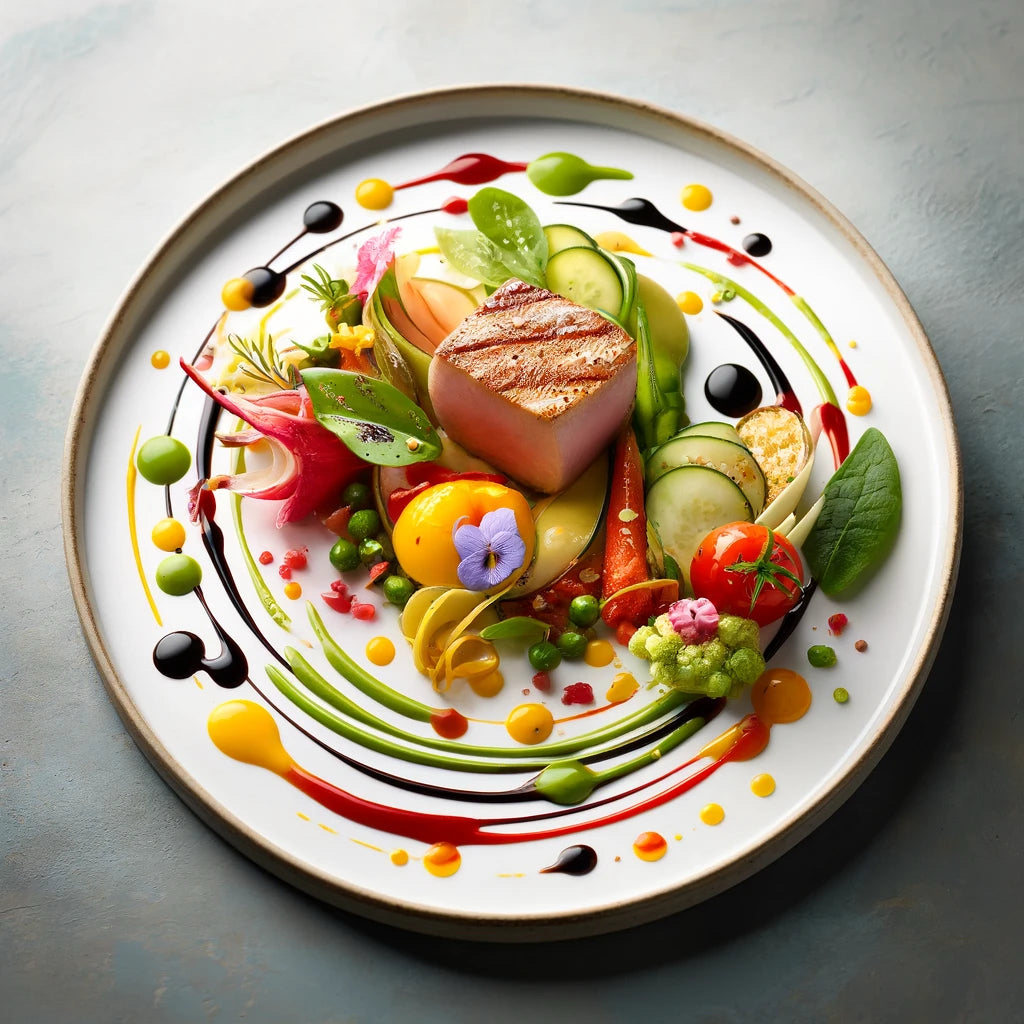
What Does “Balance” Mean in Food?
Balance is not about adding more—it is about alignment. In the kitchen, flavor becomes complete when salt, acid, fat, sweetness, and umami move together in proportion, shaping dishes that feel coherent rather than competing.

Part V — The Lease: The Asset No One Sees
A restaurant’s dining room and kitchen may reveal its past, but the lease determines its future. Understanding base rent, CAM, percentage rent, and lease structure often decides whether a failing restaurant can truly be rebuilt.
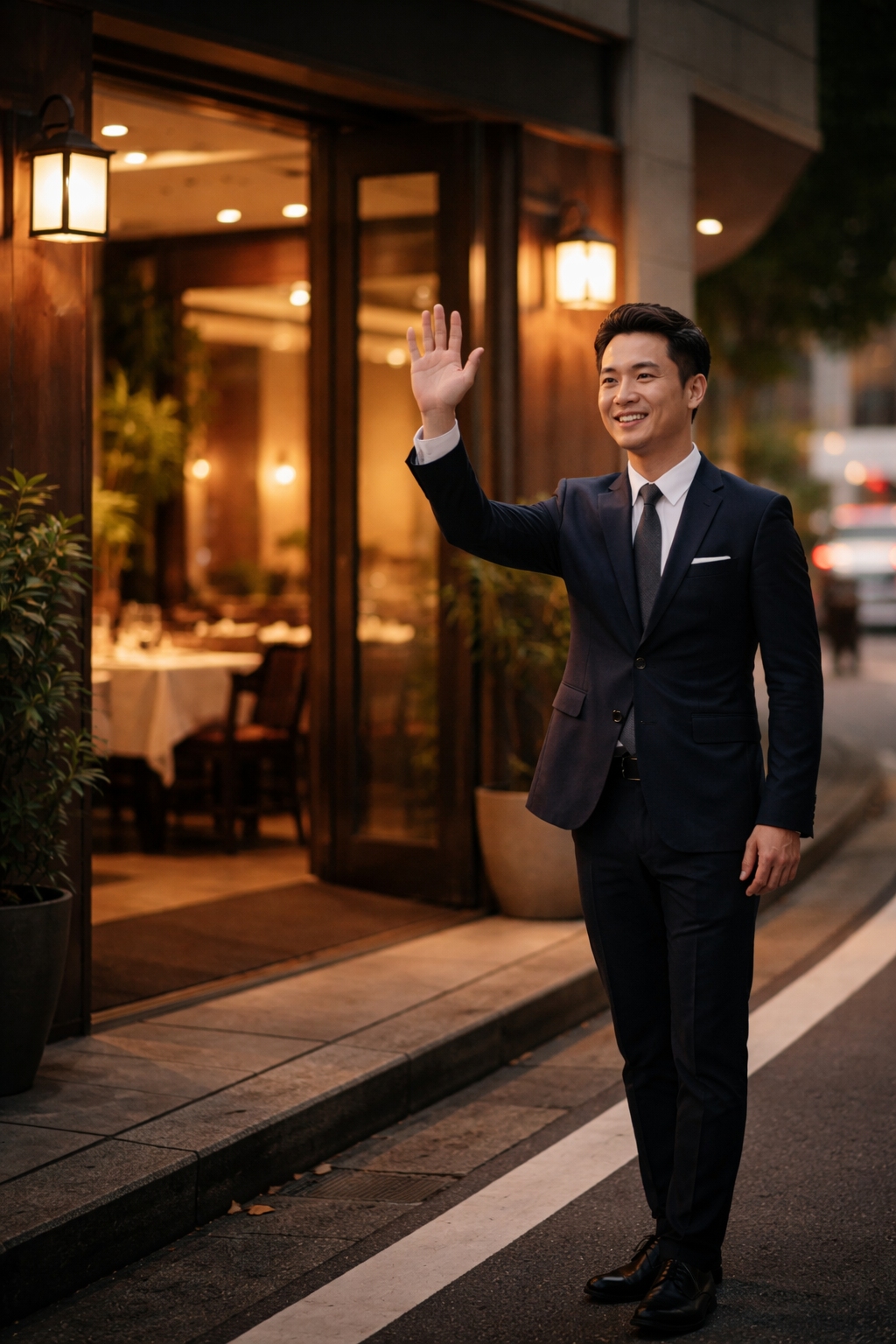
Continuity of Attention
Service does not end at payment. Continuity of attention defines how hospitality truly concludes — and whether care is withdrawn casually or intentionally.
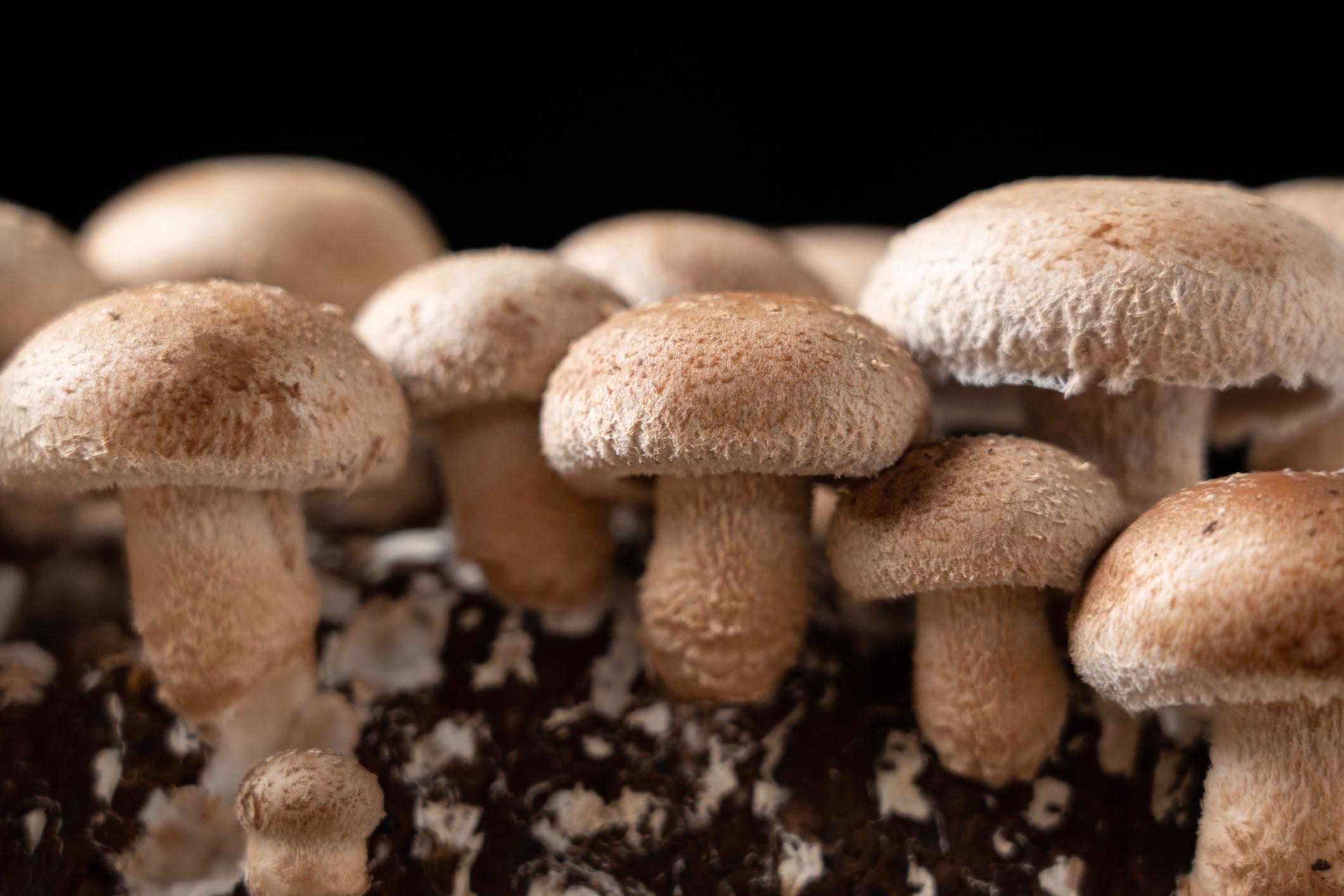
What is Umami?
Umami is the fifth basic taste, responsible for the savory depth found in foods like mushrooms, aged cheese, and roasted meat. It enhances flavor by making dishes taste fuller, rounder, and more satisfying. Understanding umami reveals how great cooking builds depth beyond salt, acid, and heat.
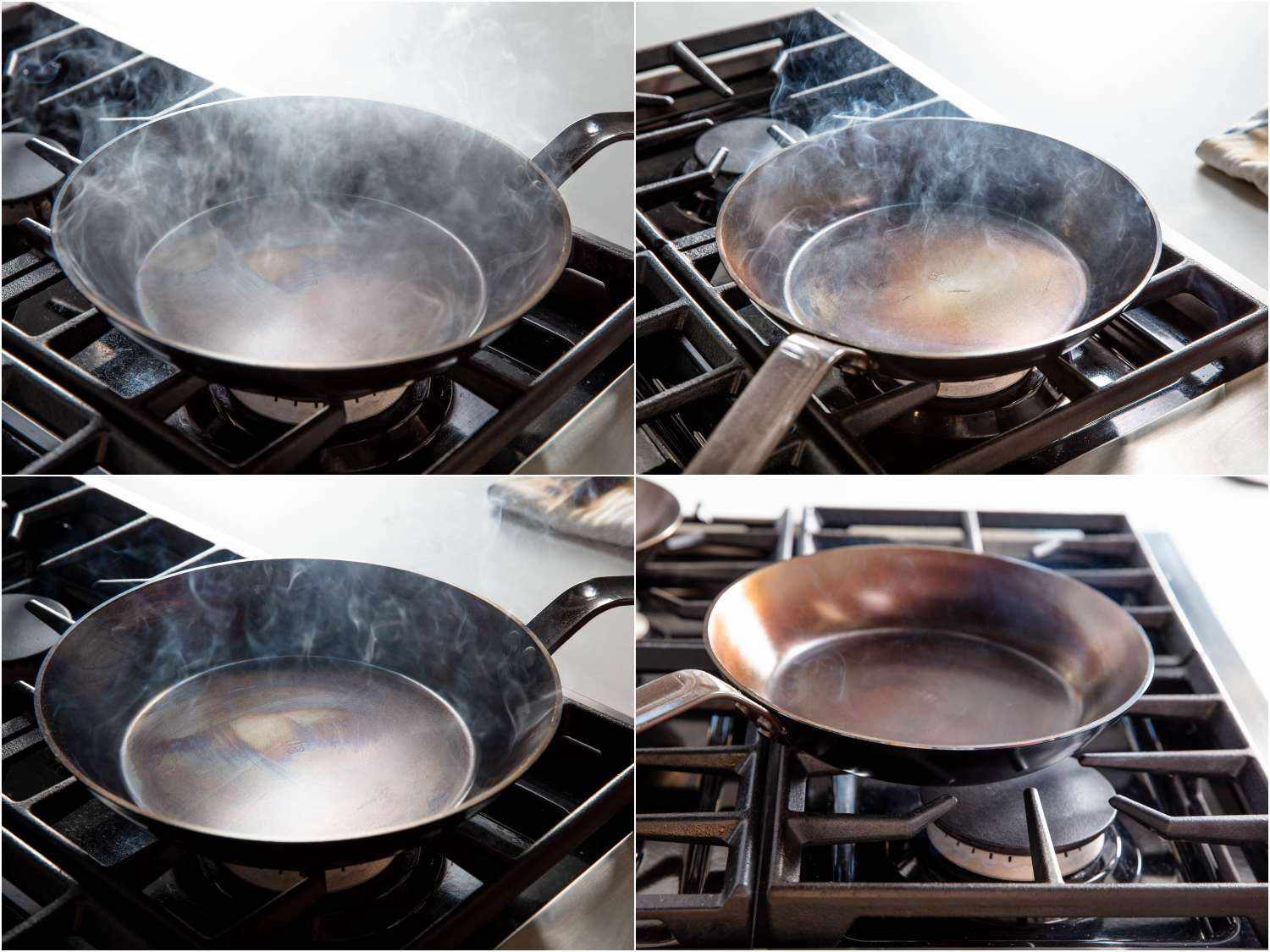
How Do You Season a Carbon Steel Pan?
Carbon steel pans require seasoning to develop their naturally slick cooking surface. Learn how chefs build seasoning with heat and oil—and why stainless steel pans do not require the same process.
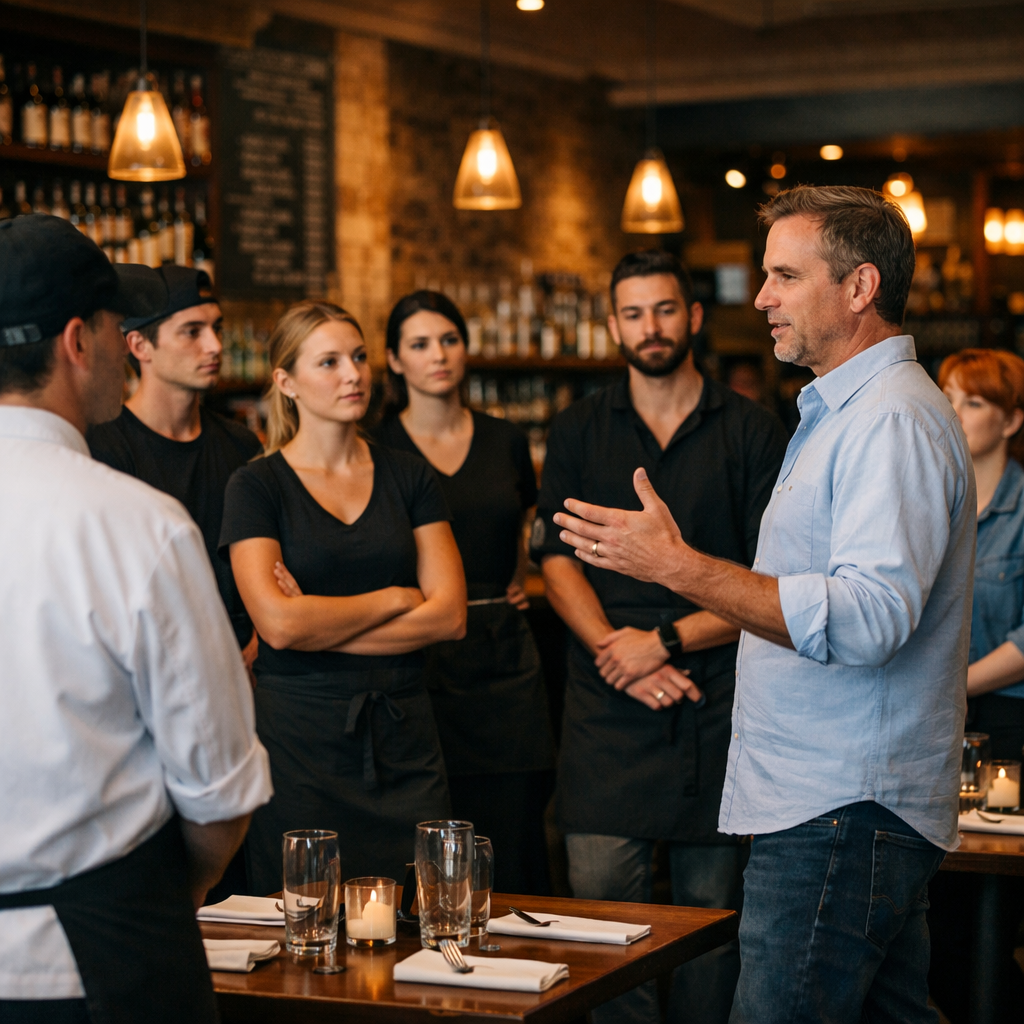
Part VI — Rebuilding The Human System
Taking over a restaurant rarely means starting with a new team. This chapter explores how experienced operators evaluate inherited staff, rebuild professional standards, and guide the first services that determine whether a restaurant truly begins again.