
Share
An unfolding archive of food, culture, and craft.
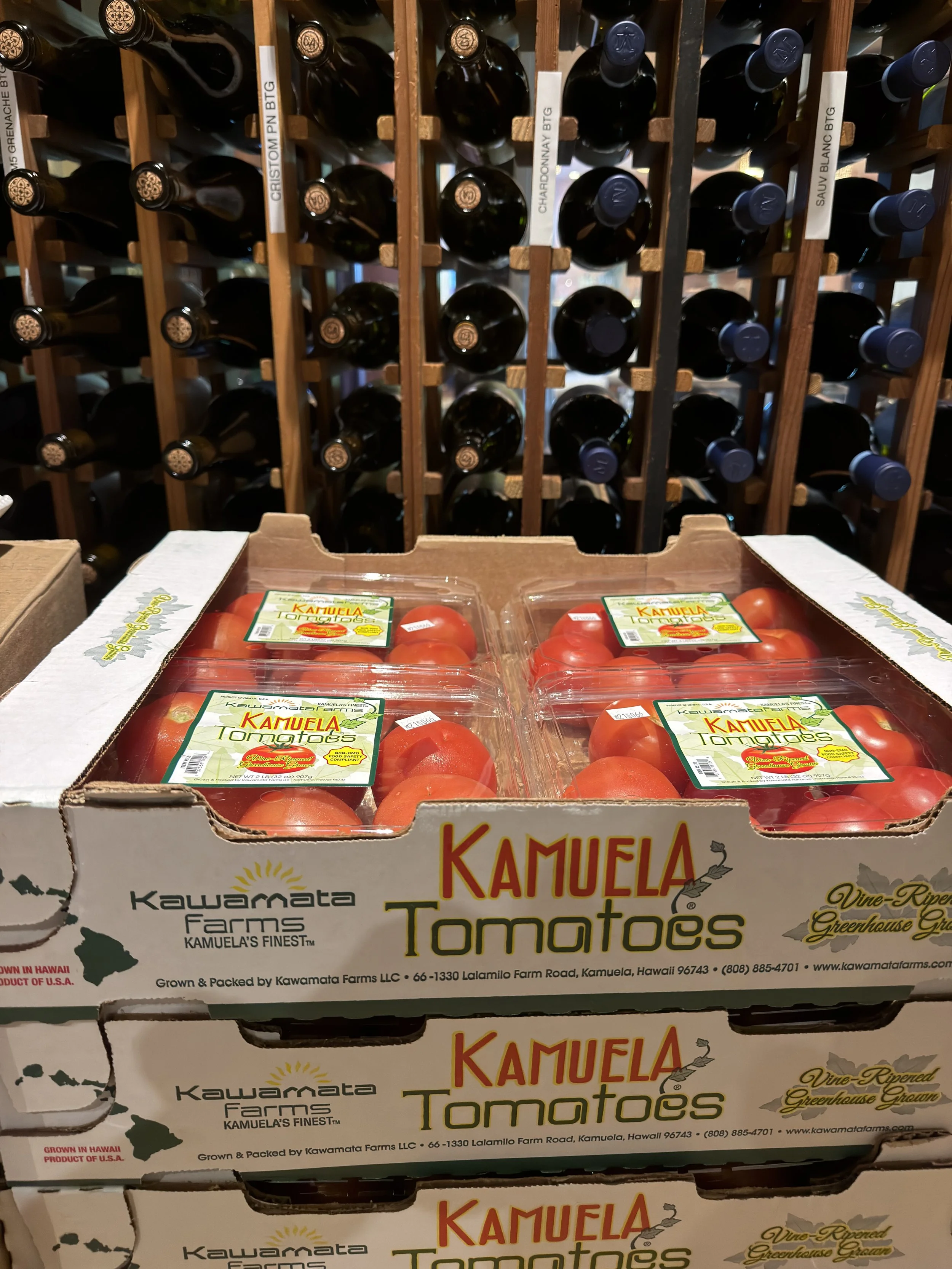
Should You Ripen Tomatoes in a Wine Cellar?
At my restaurant, tomatoes are kept in the wine cellar — cool, but not cold. Does that actually help them ripen? A closer look at temperature, flavor, chilling injury, and why restaurant storage is really about controlling the clock.
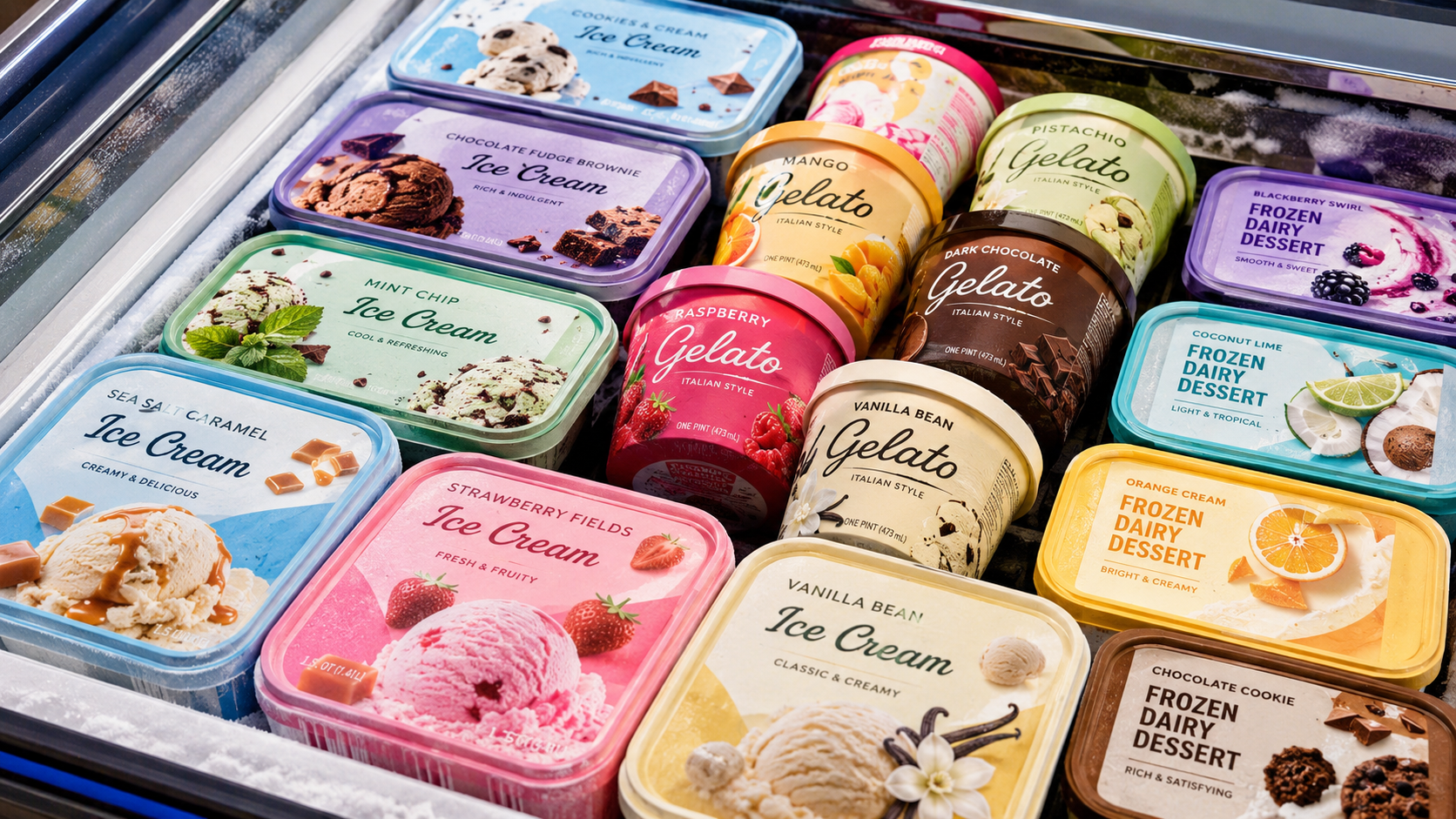
What’s the Difference Between Ice Cream and Gelato?
Ice cream and gelato may share the same freezer case, but they are built differently — and in the United States, only one of them has a federal legal definition. Add the growing number of familiar supermarket products now labeled “frozen dairy dessert,” and the distinctions get even more interesting.
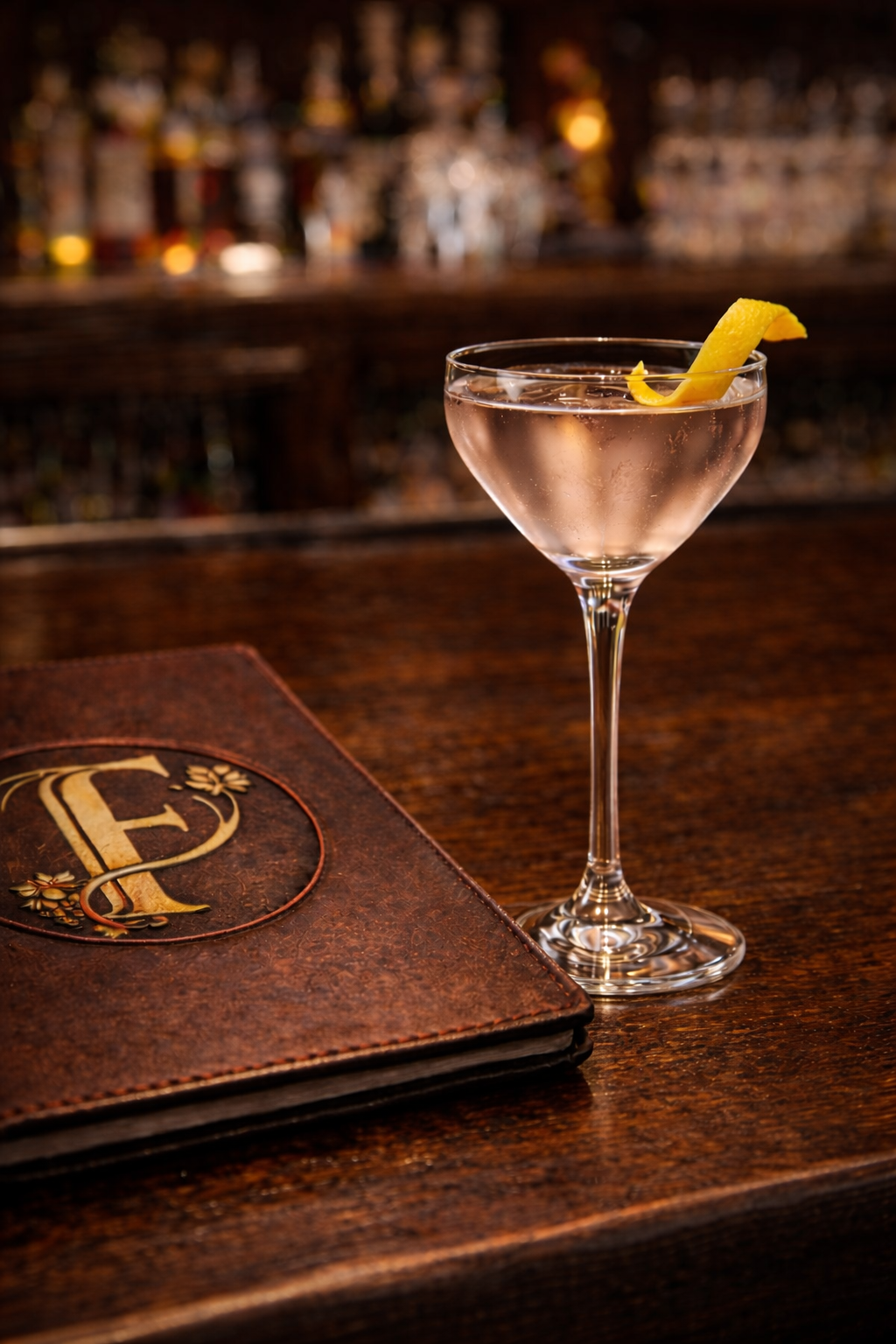
What Is a Nick and Nora Glass?
A Nick and Nora glass is designed for control. Its compact, inward-curving shape concentrates aromatics and stabilizes spirit-forward cocktails, allowing the drink to hold its balance from first sip to last.

What Is Terroir in Wine?
Terroir describes how climate, soil, and vineyard conditions shape the structure of wine. It is not the taste of soil, but the result of how grapes grow and develop over time.

What Is the Difference Between Old World and New World Wine?
Old World and New World wines are often separated by geography, but the real distinction lies in how they are shaped. From climate and tradition to structure and fruit expression, each approach reflects a different philosophy of wine.
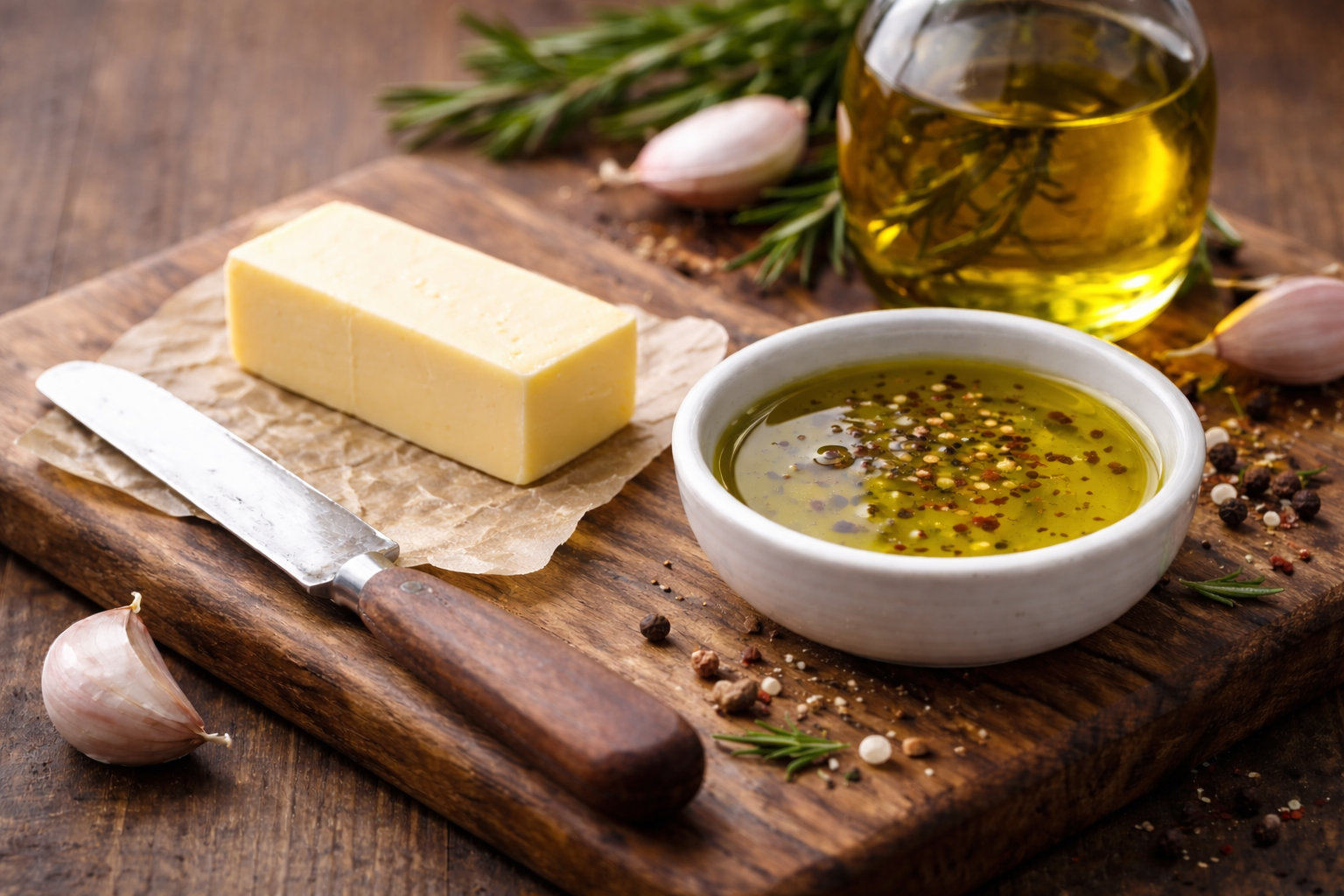
Can You Substitute Olive Oil for Butter?
Butter and olive oil both enrich food, but they behave differently in cooking. Understanding how their composition affects flavor, texture, and heat explains when olive oil can successfully replace butter.
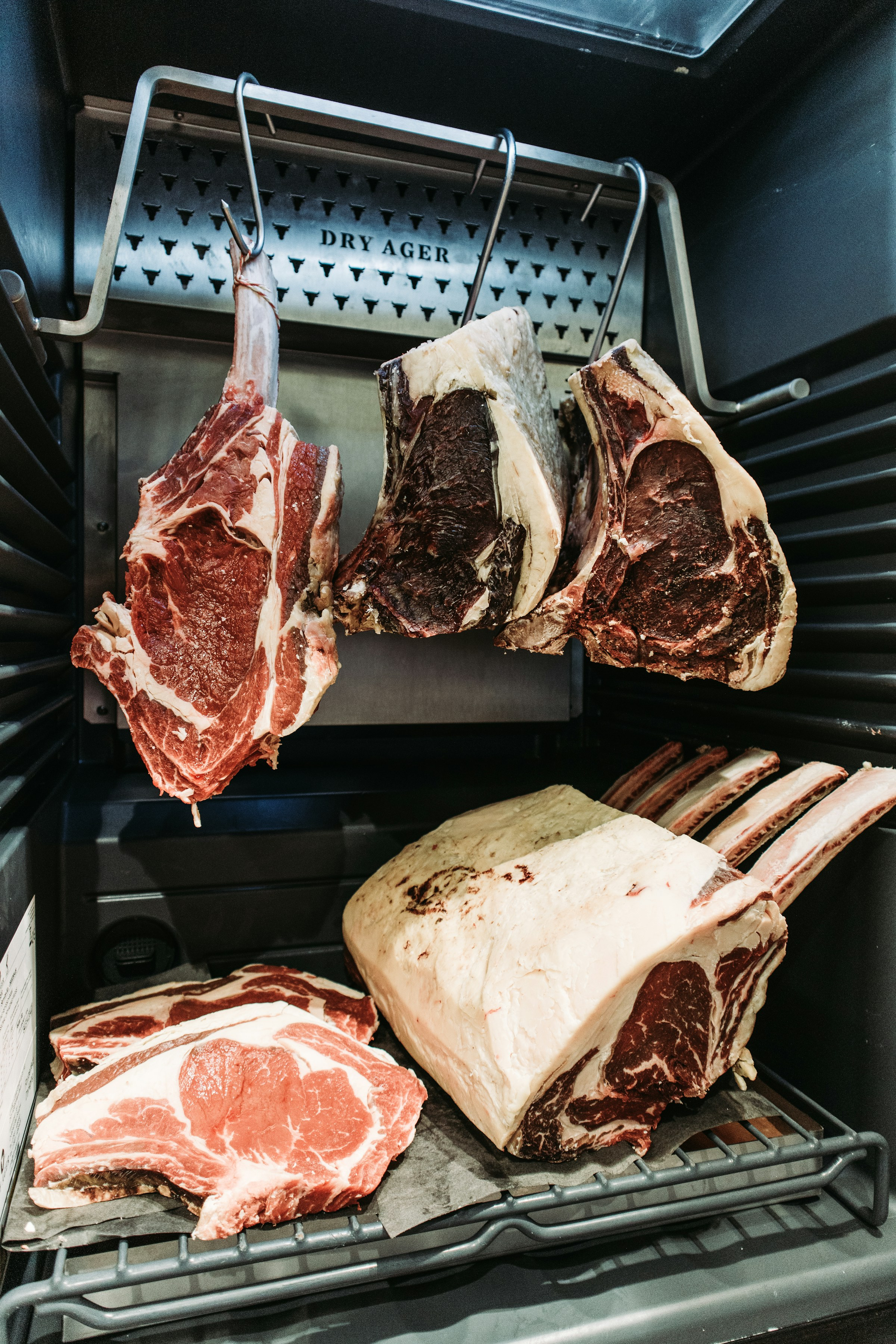
What Is the Difference Between Wet Aging and Dry Aging?
Beef becomes more tender and flavorful as it ages. Wet aging and dry aging achieve this in different ways, shaping the texture and flavor of steaks served at home and in steakhouses.
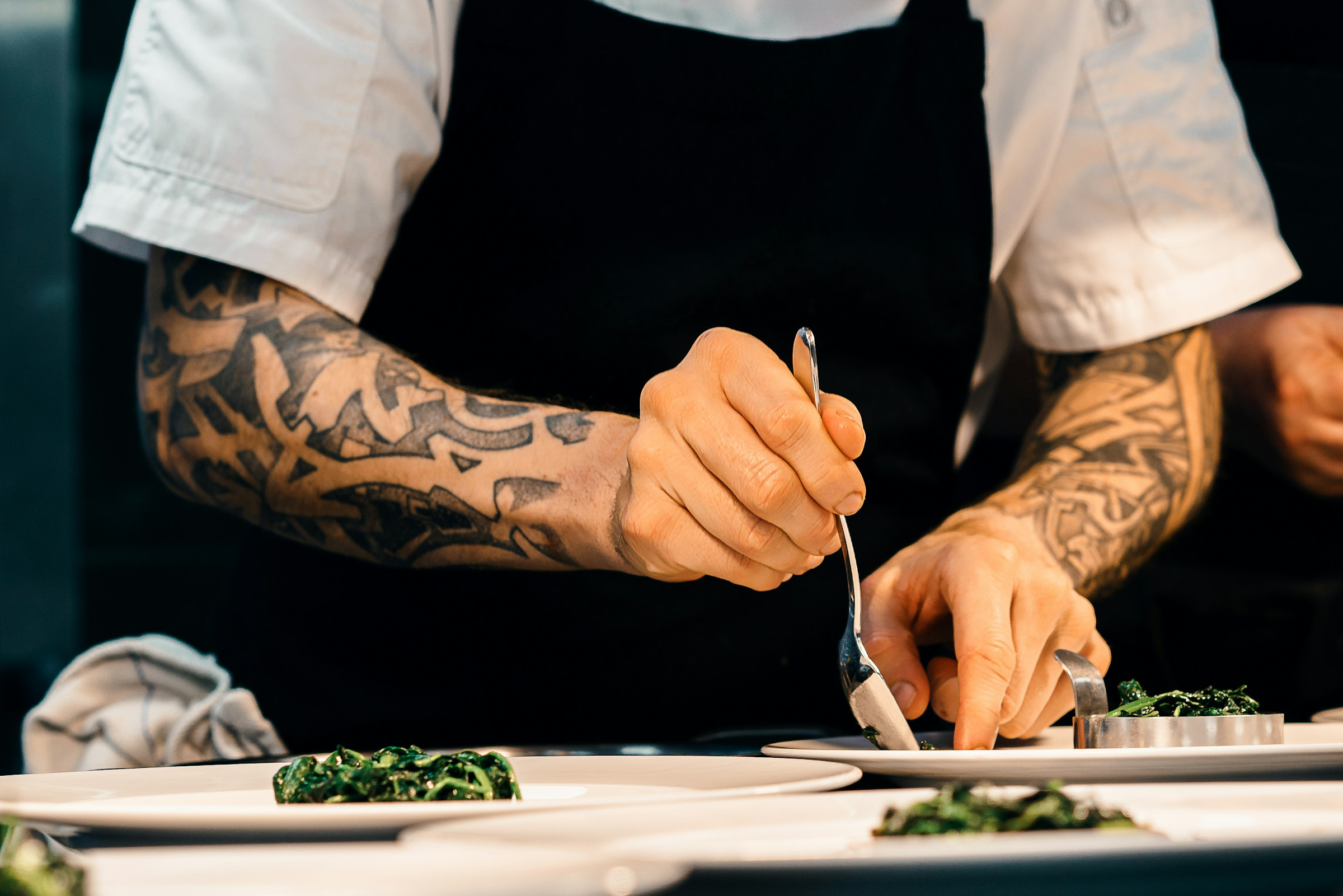
Why Does Restaurant Food Taste Better?
Restaurant food often tastes more flavorful than home cooking. The reason lies in professional control of seasoning, heat, fat, preparation, and repetition — the systems that allow restaurants to deliver consistent flavor and texture.
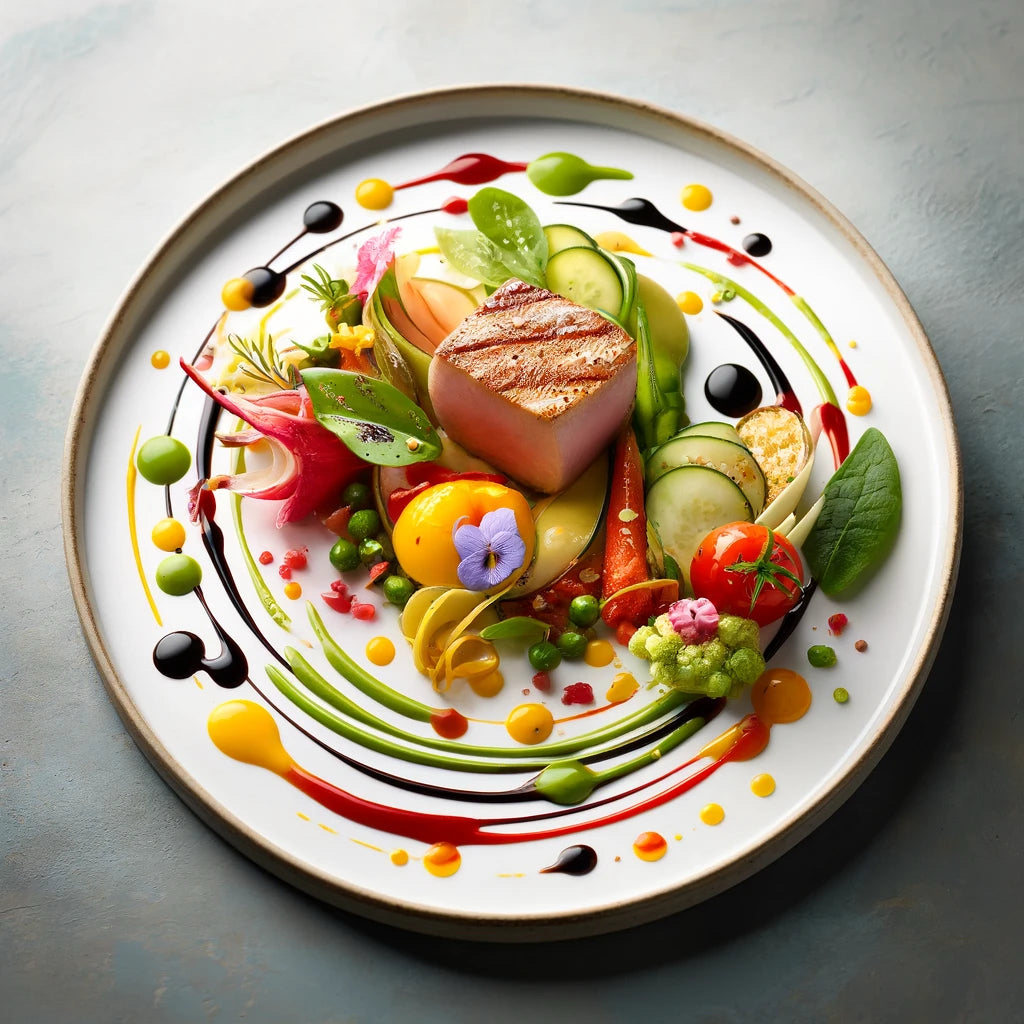
What Does “Balance” Mean in Food?
Balance is not about adding more—it is about alignment. In the kitchen, flavor becomes complete when salt, acid, fat, sweetness, and umami move together in proportion, shaping dishes that feel coherent rather than competing.
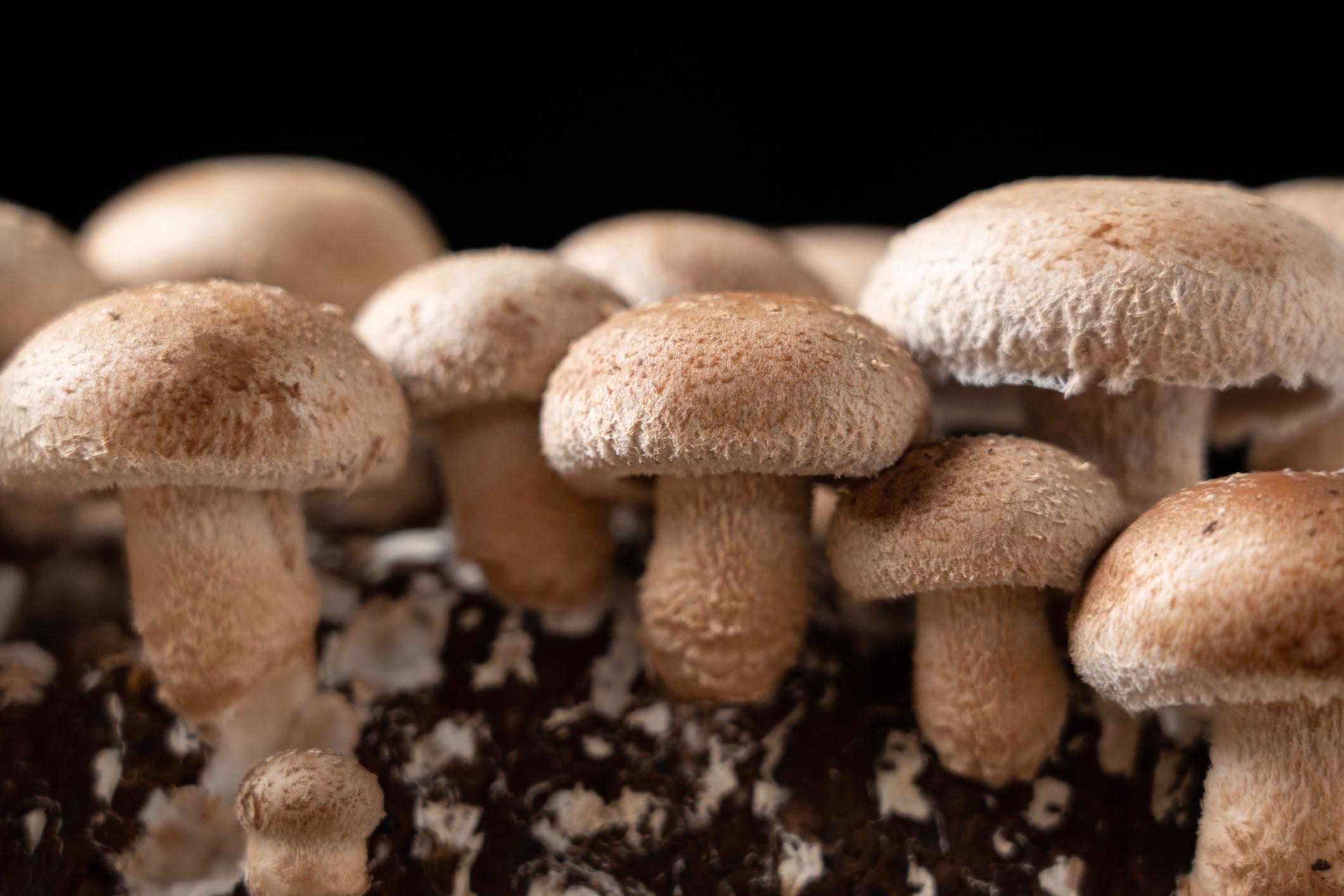
What is Umami?
Umami is the fifth basic taste, responsible for the savory depth found in foods like mushrooms, aged cheese, and roasted meat. It enhances flavor by making dishes taste fuller, rounder, and more satisfying. Understanding umami reveals how great cooking builds depth beyond salt, acid, and heat.
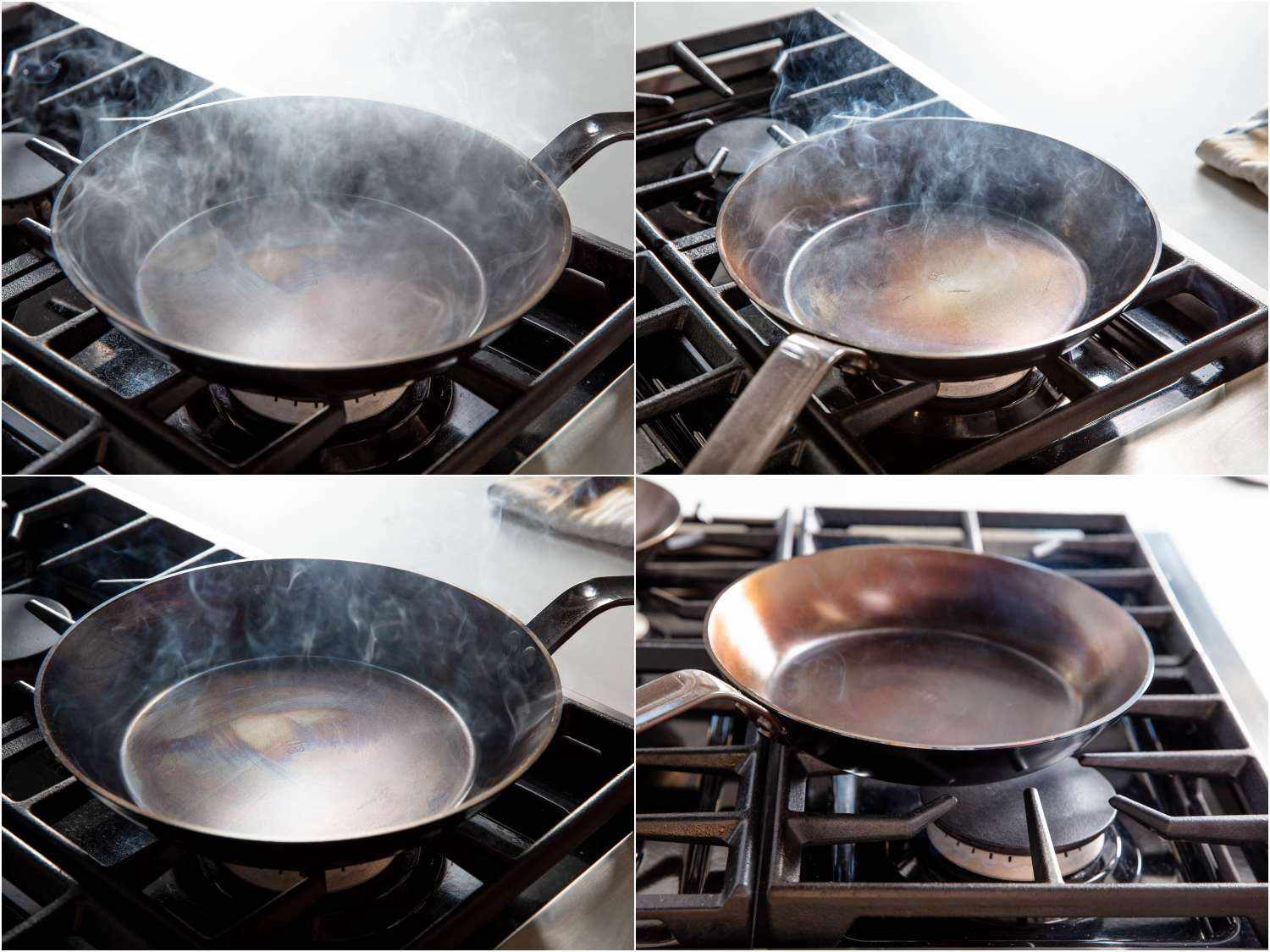
How Do You Season a Carbon Steel Pan?
Carbon steel pans require seasoning to develop their naturally slick cooking surface. Learn how chefs build seasoning with heat and oil—and why stainless steel pans do not require the same process.
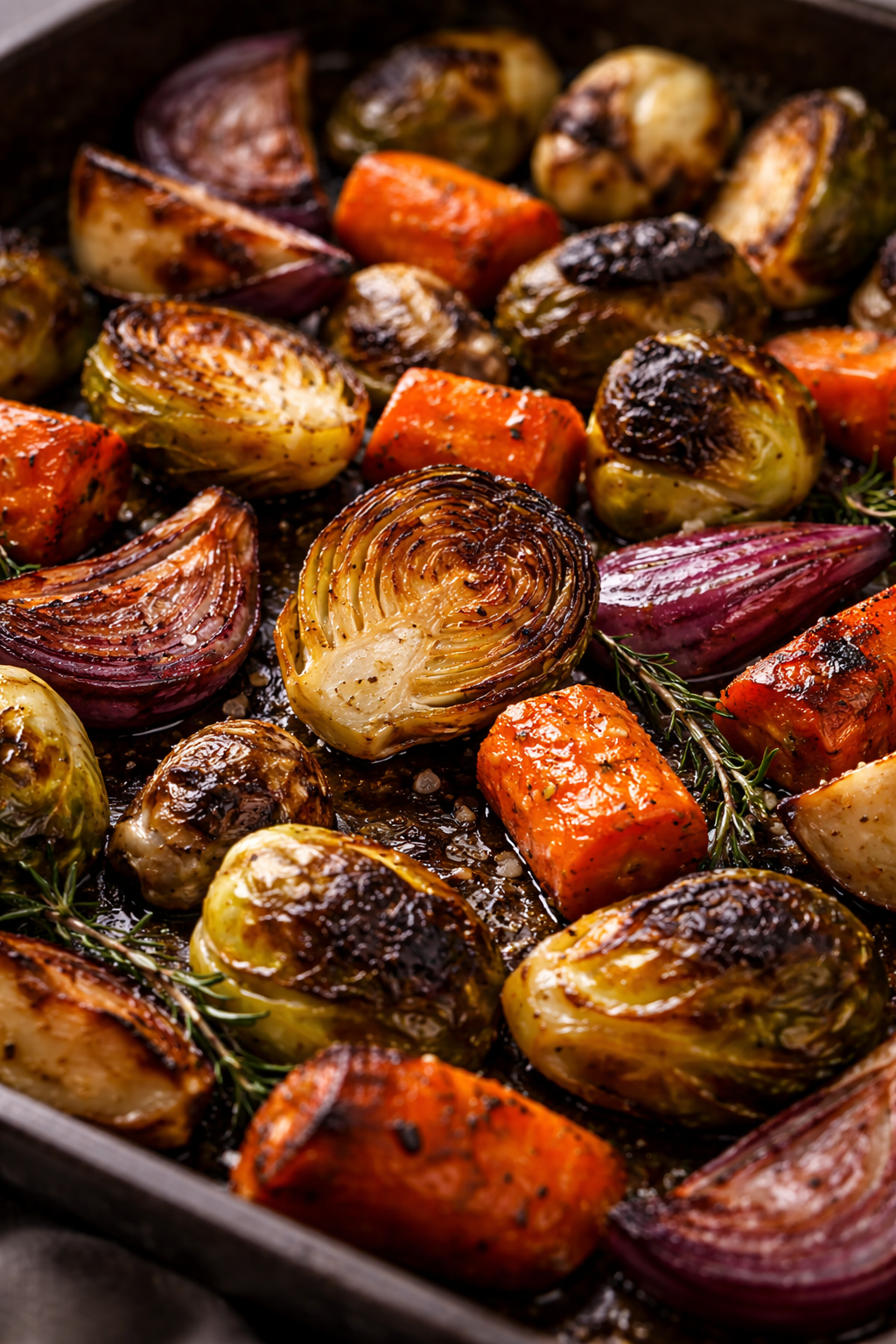
What Is the Maillard Reaction?
The Maillard reaction is the chemical process responsible for the rich browning and complex aromas that develop when foods are seared, roasted, or toasted.
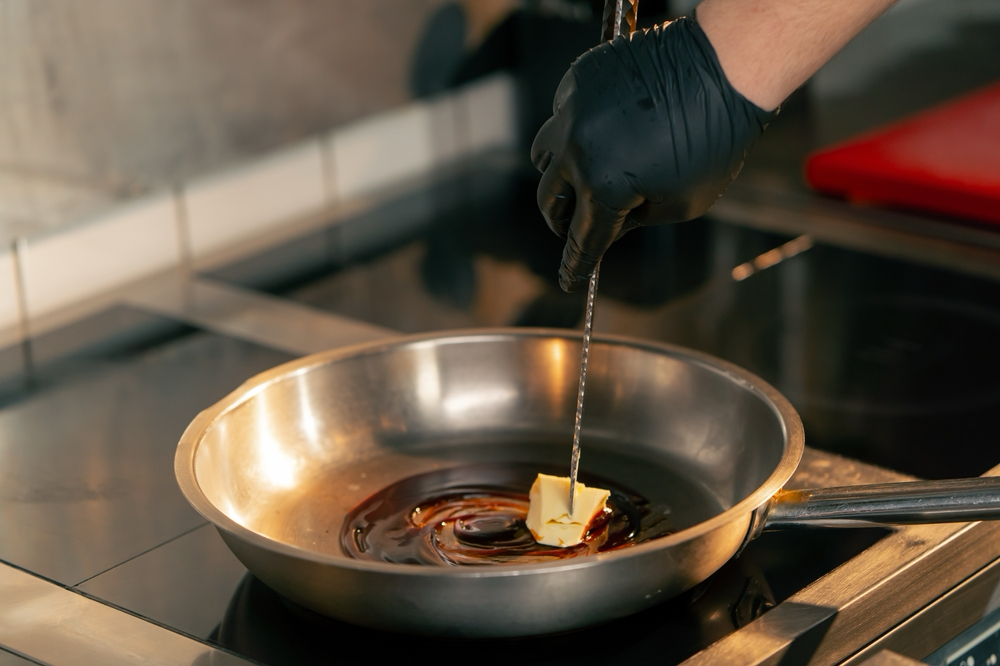
Why Do Chefs Finish with Butter?
Why professional kitchens often finish dishes with butter—and how it changes flavor, texture, and balance.
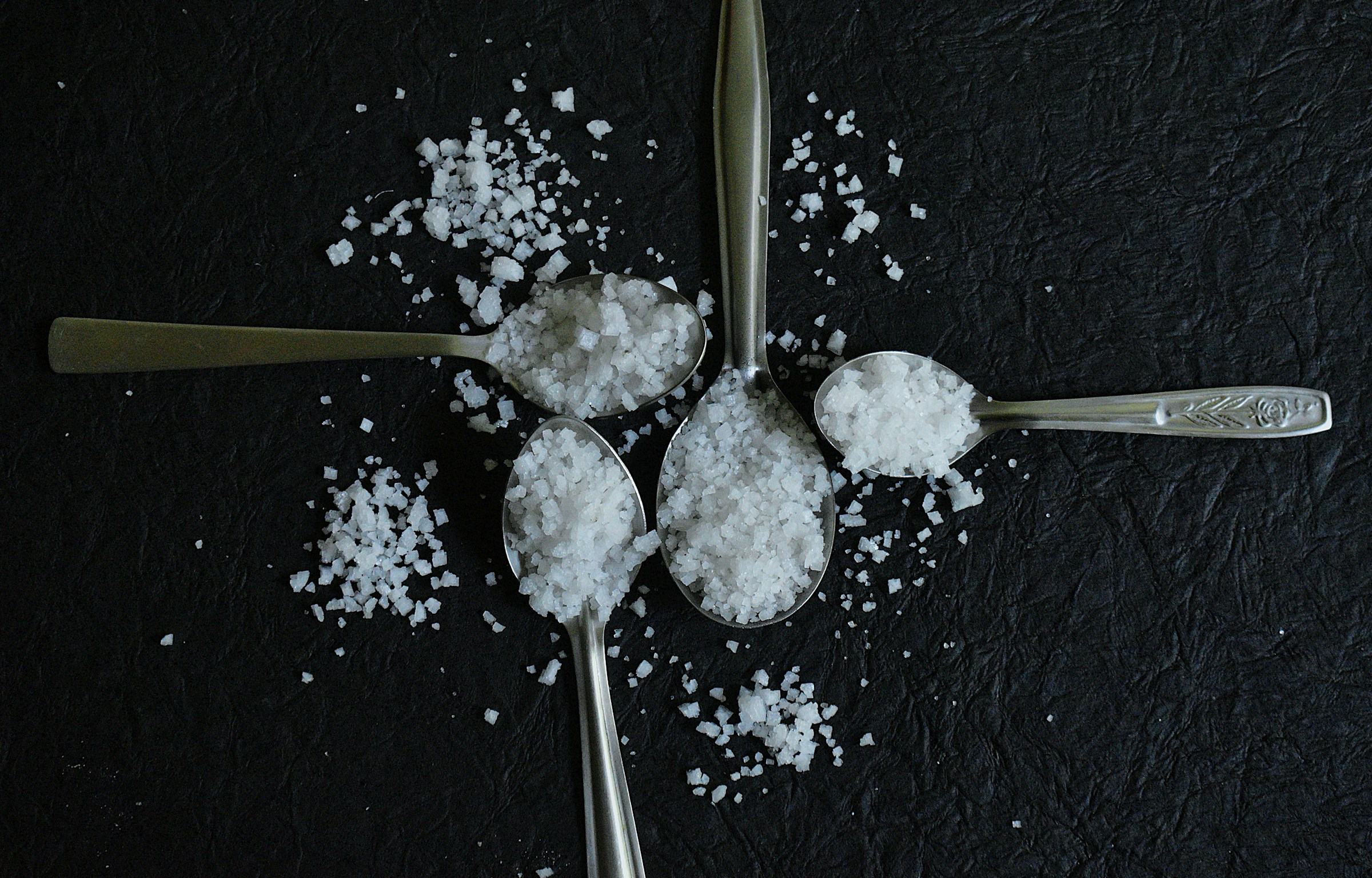
Why Do Chefs Use Kosher Salt?
Kosher salt is the seasoning most professional kitchens rely on. Its larger crystal structure allows cooks to control how salt is distributed across food, improving consistency and flavor balance.
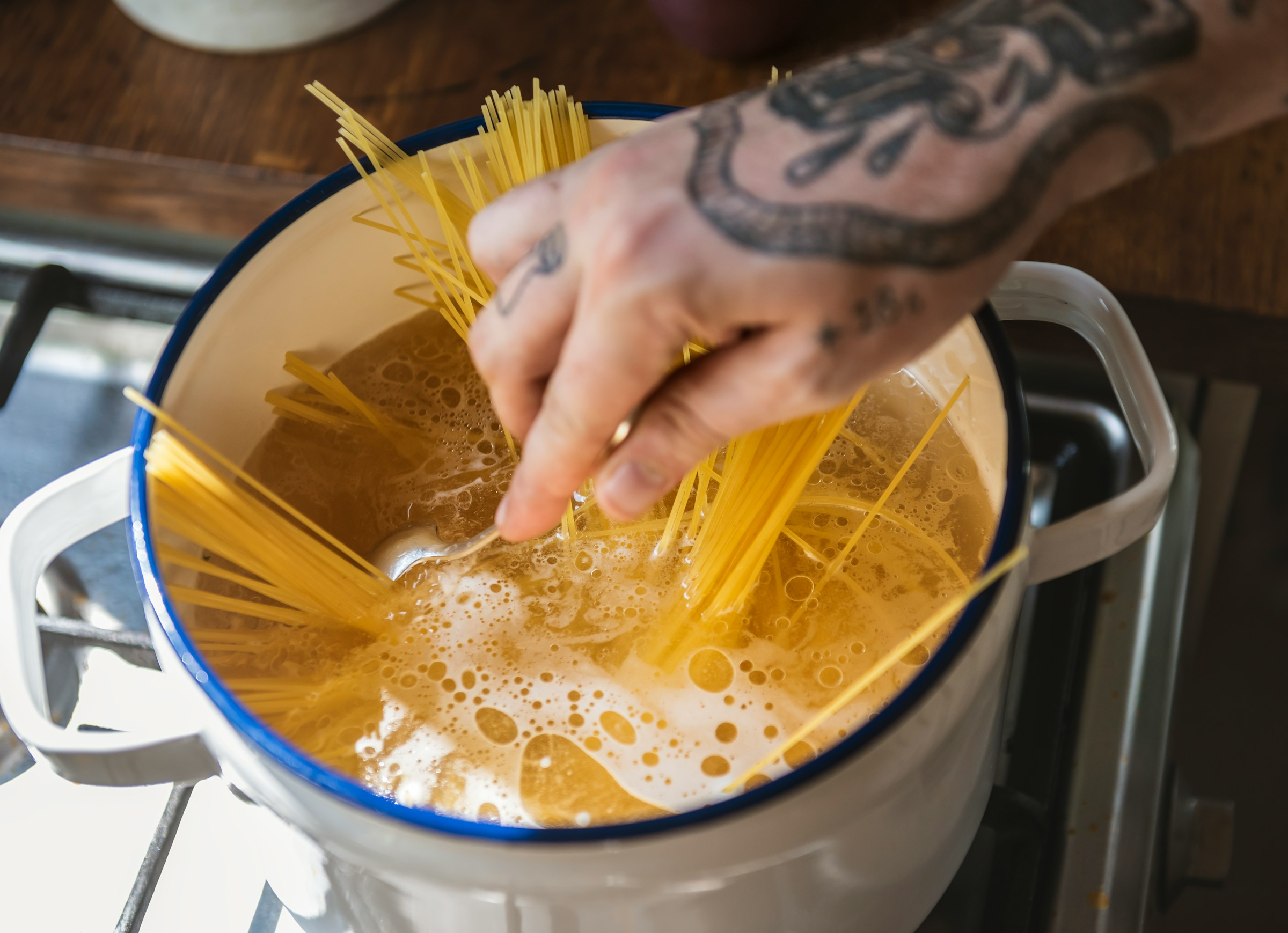
Why Do You Salt Pasta Water? (And Should You Add Olive Oil?)
Salting pasta water seasons the pasta itself, while adding olive oil to the pot does little to change the cooking process. Understanding the difference improves both flavor and sauce integration.
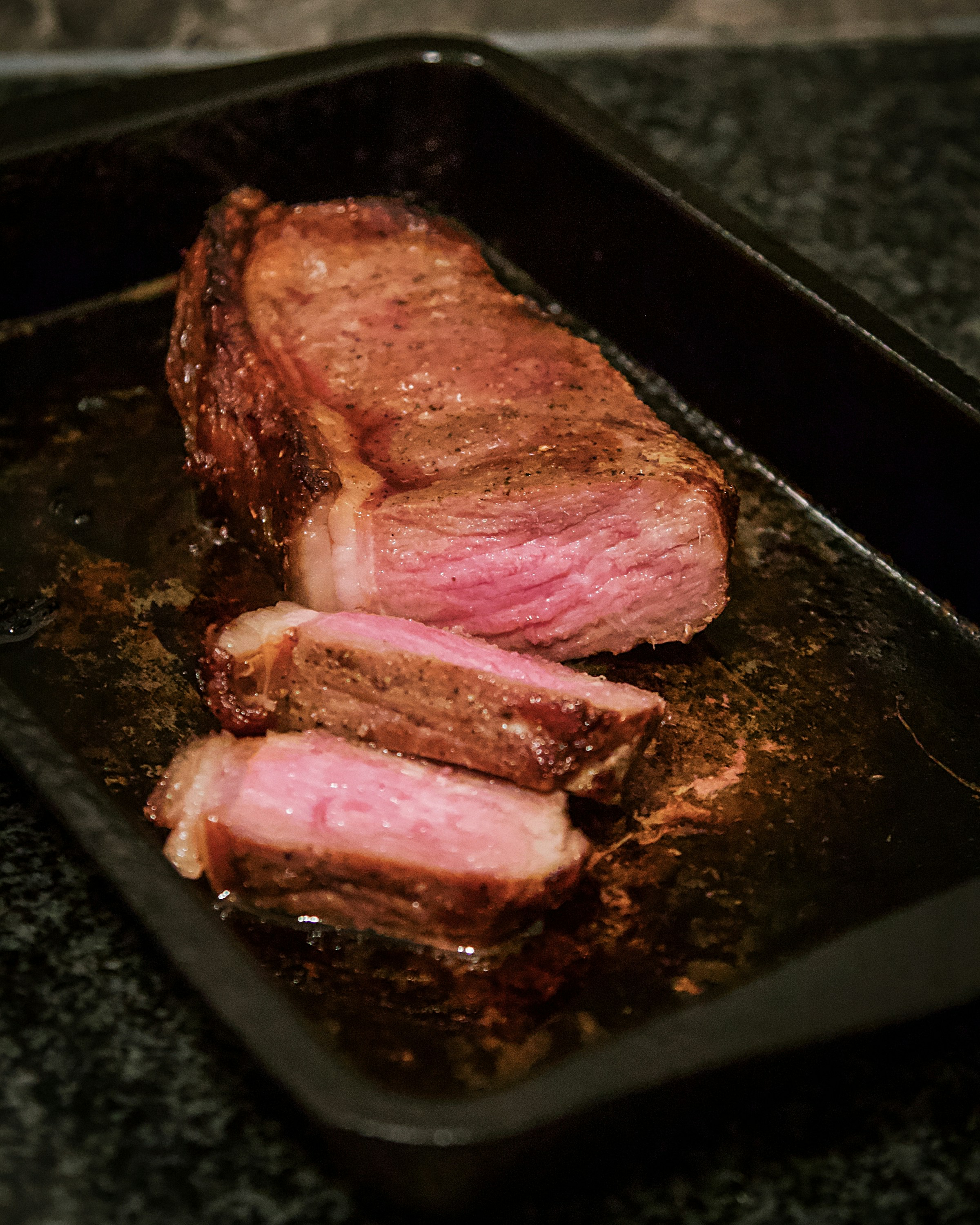
Why Does Steak Need to Rest After Cooking?
Why resting steak matters. Heat drives moisture toward the center of the meat during cooking, and resting allows that liquid to redistribute before slicing. The result is a steak that holds its juices, cuts cleanly, and finishes cooking with greater precision.
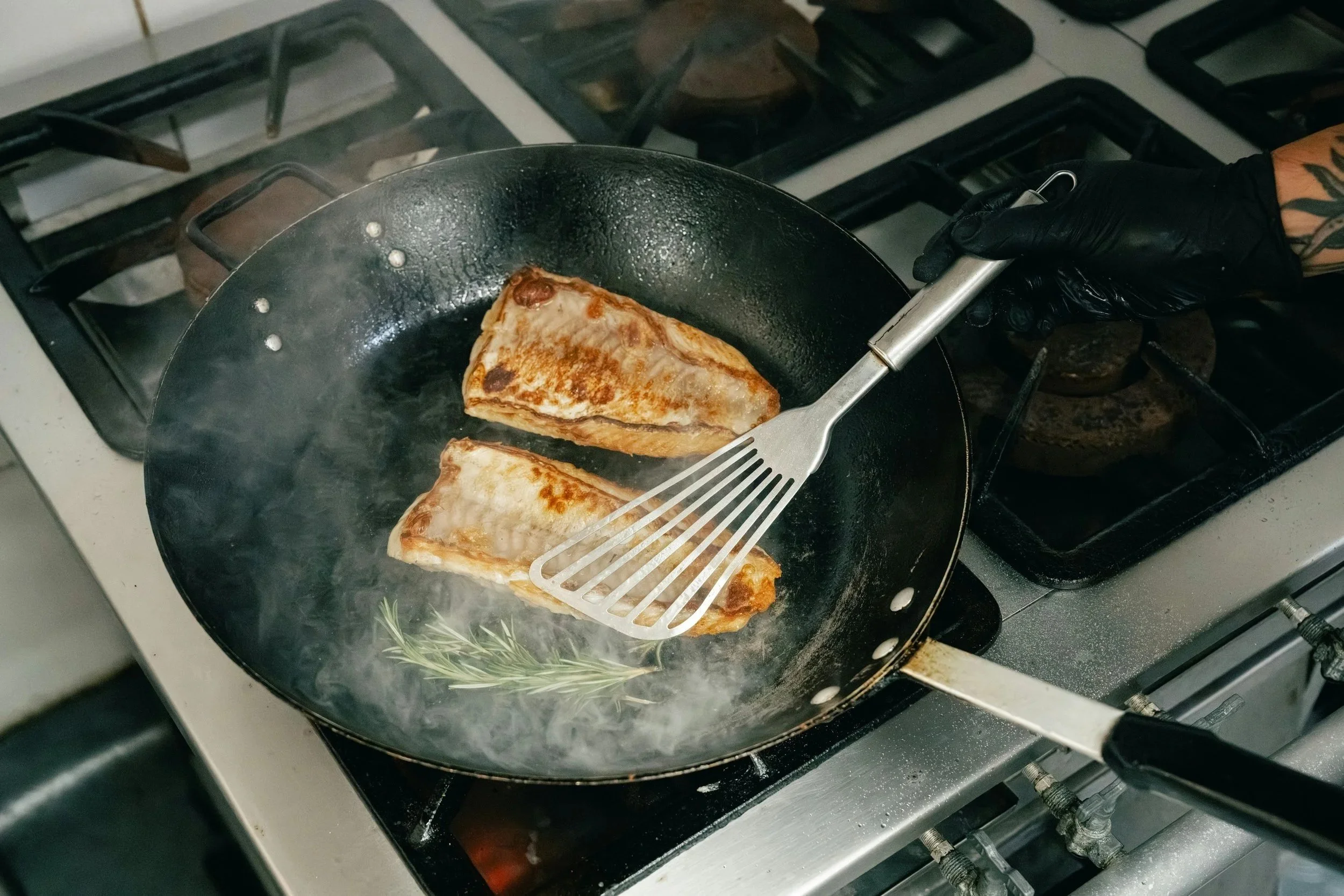
Why Does Fish Stick to the Pan?
Fish sticking to the pan isn’t bad luck. It’s a predictable interaction between protein, moisture, oil, and heat. Understanding that interaction changes how seafood cooks.
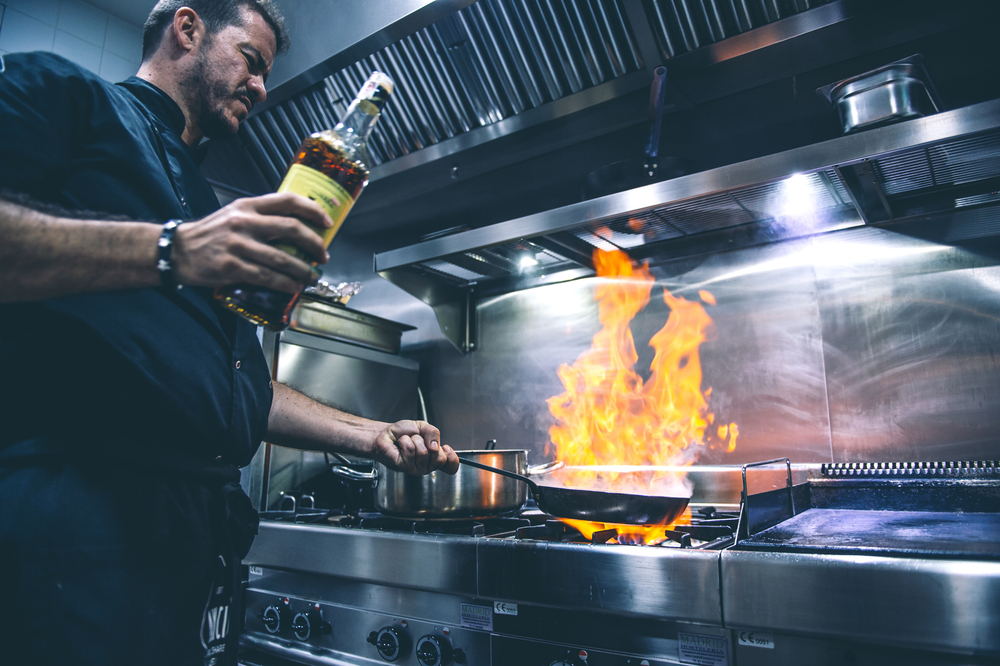
Why Do Chefs Use Carbon Steel Pans?
Carbon steel pans are a staple in professional kitchens thanks to their fast heat response, natural seasoning, and excellent searing ability. Discover why chefs often prefer them over stainless steel and cast iron.
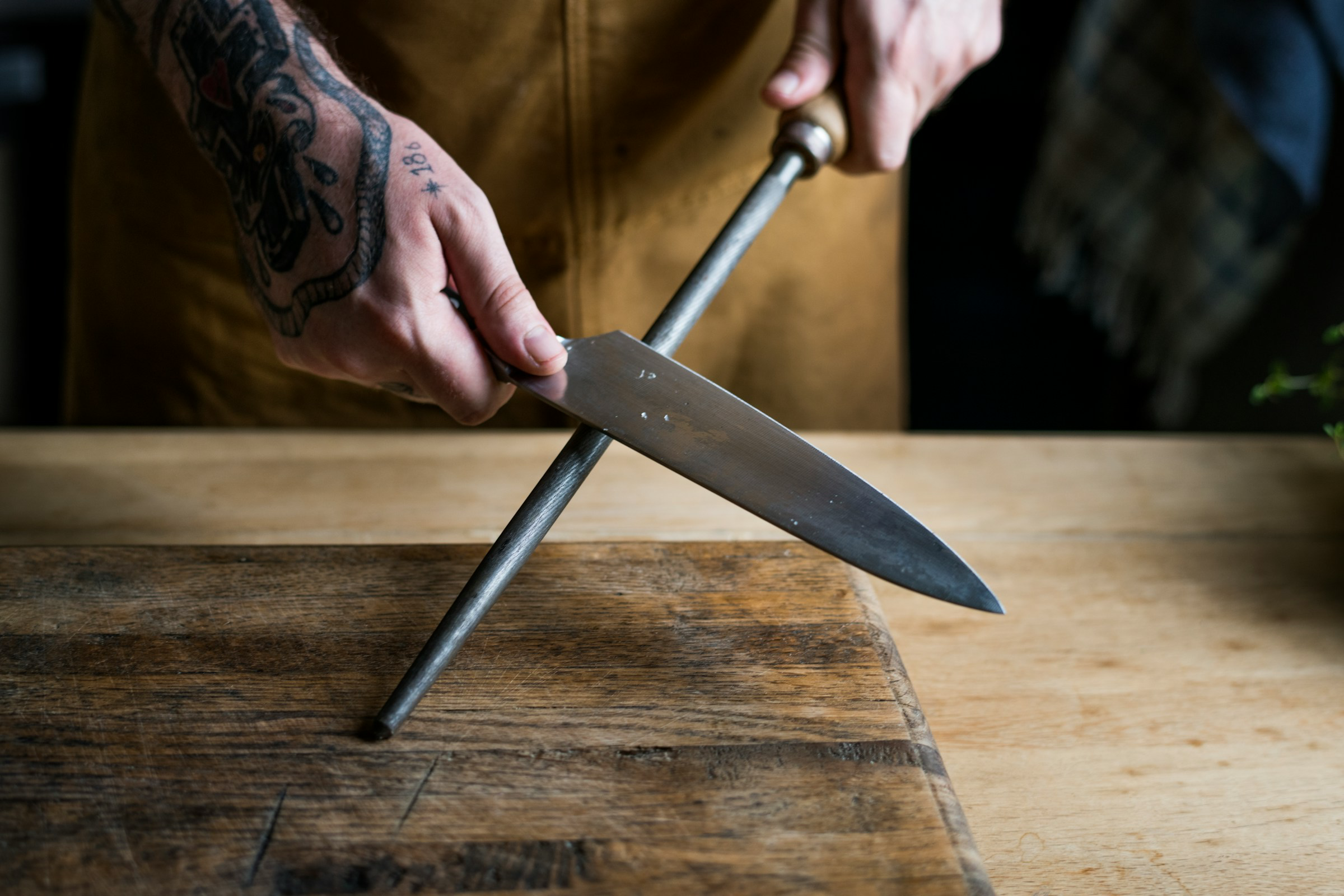
Honing vs Sharpening a Knife: What’s the Difference?
Honing and sharpening serve different purposes in knife maintenance. Honing realigns the blade’s edge while sharpening removes metal to recreate a new cutting surface.
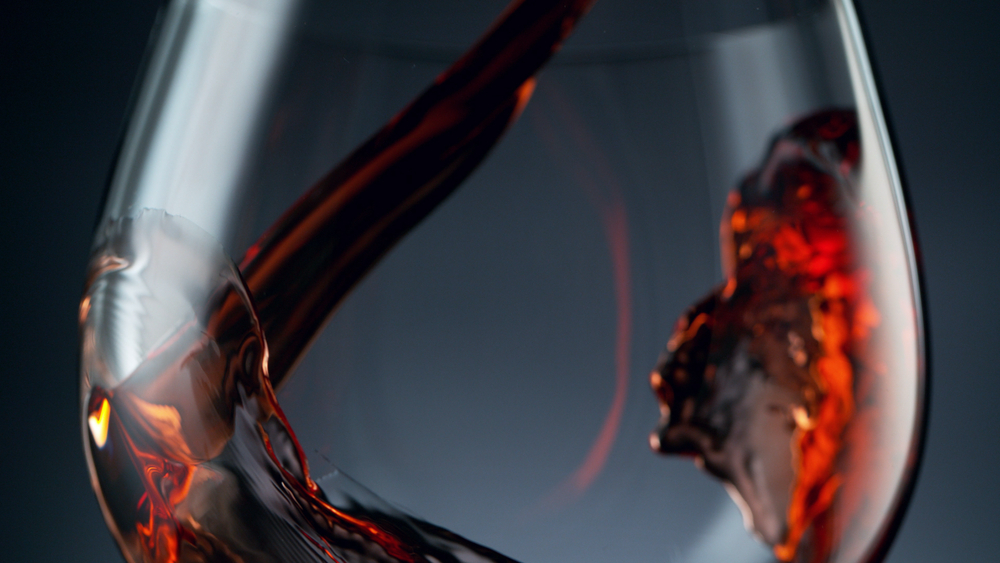
Why Do Some Wines Need to Breathe?
Why some wines benefit from air—and how oxygen changes aroma, tannin structure, and balance.