
Share
An unfolding archive of food, culture, and craft.
Part V: Where the System Holds—and Where It Breaks
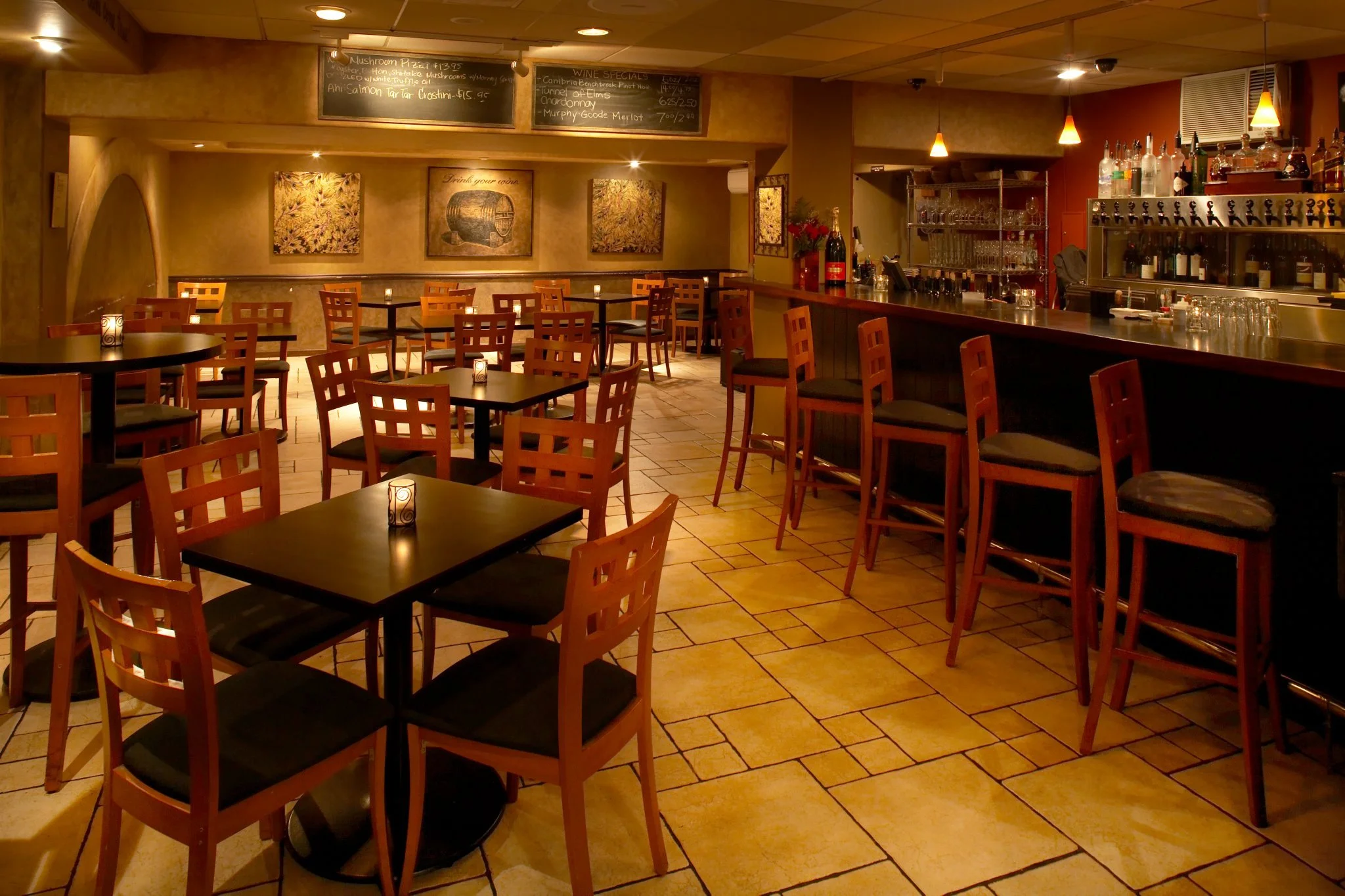
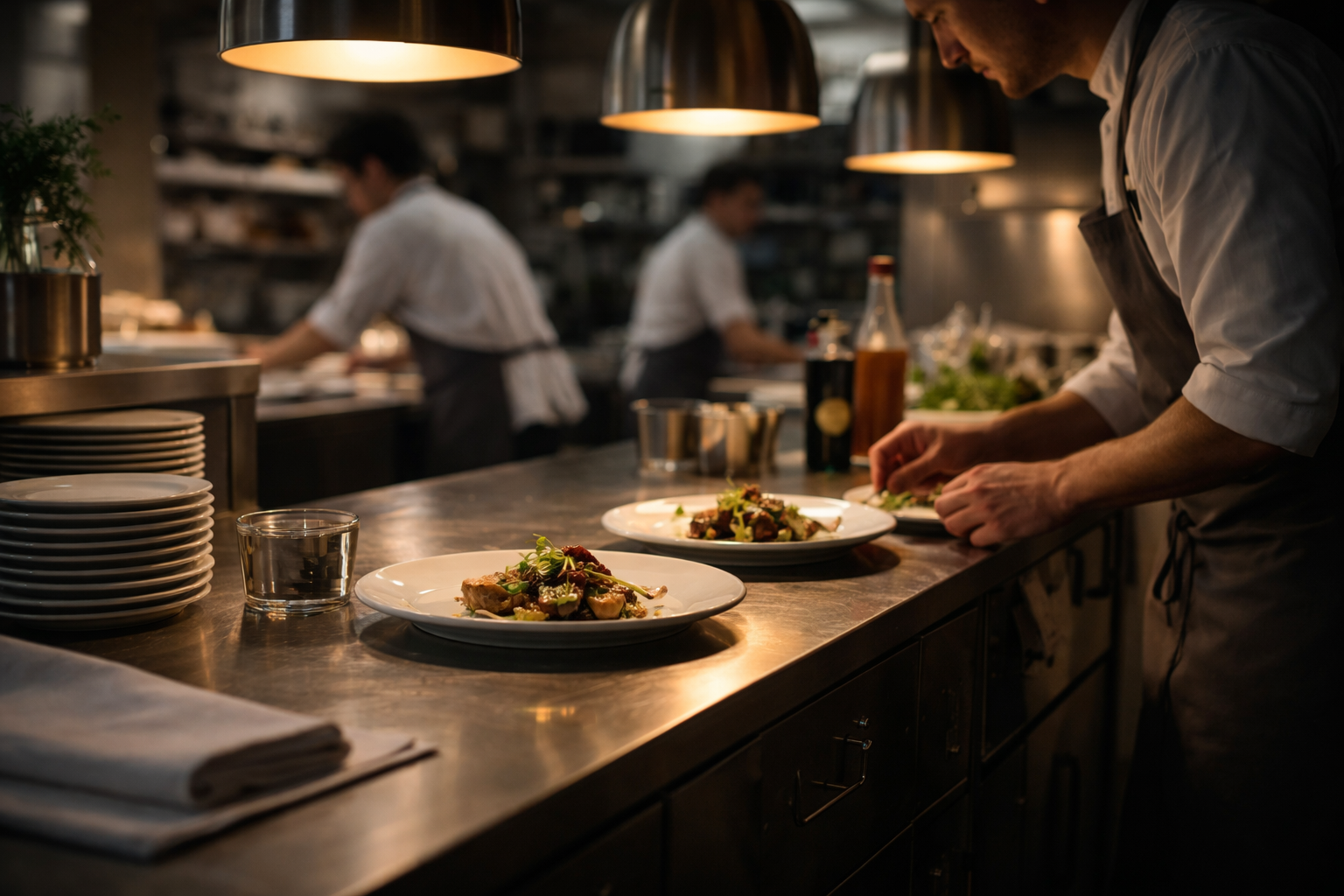
A restaurant reveals itself in service. When systems align, the room feels composed. When they don’t, the strain appears immediately. This is where operational discipline is tested—and where most restaurants quietly break.

Part II — What the Room Demands
A POS system does not sit behind the service. It moves through it—shaping pacing, interaction, and the guest’s perception of control in ways that are rarely acknowledged, but always felt.

Using a Declining Budget as a Tool for Restaurant Profitability
A declining budget does not just reduce spending power—it forces a restaurant to align purchasing and labor with actual demand. This essay introduces how constraint improves operational control.
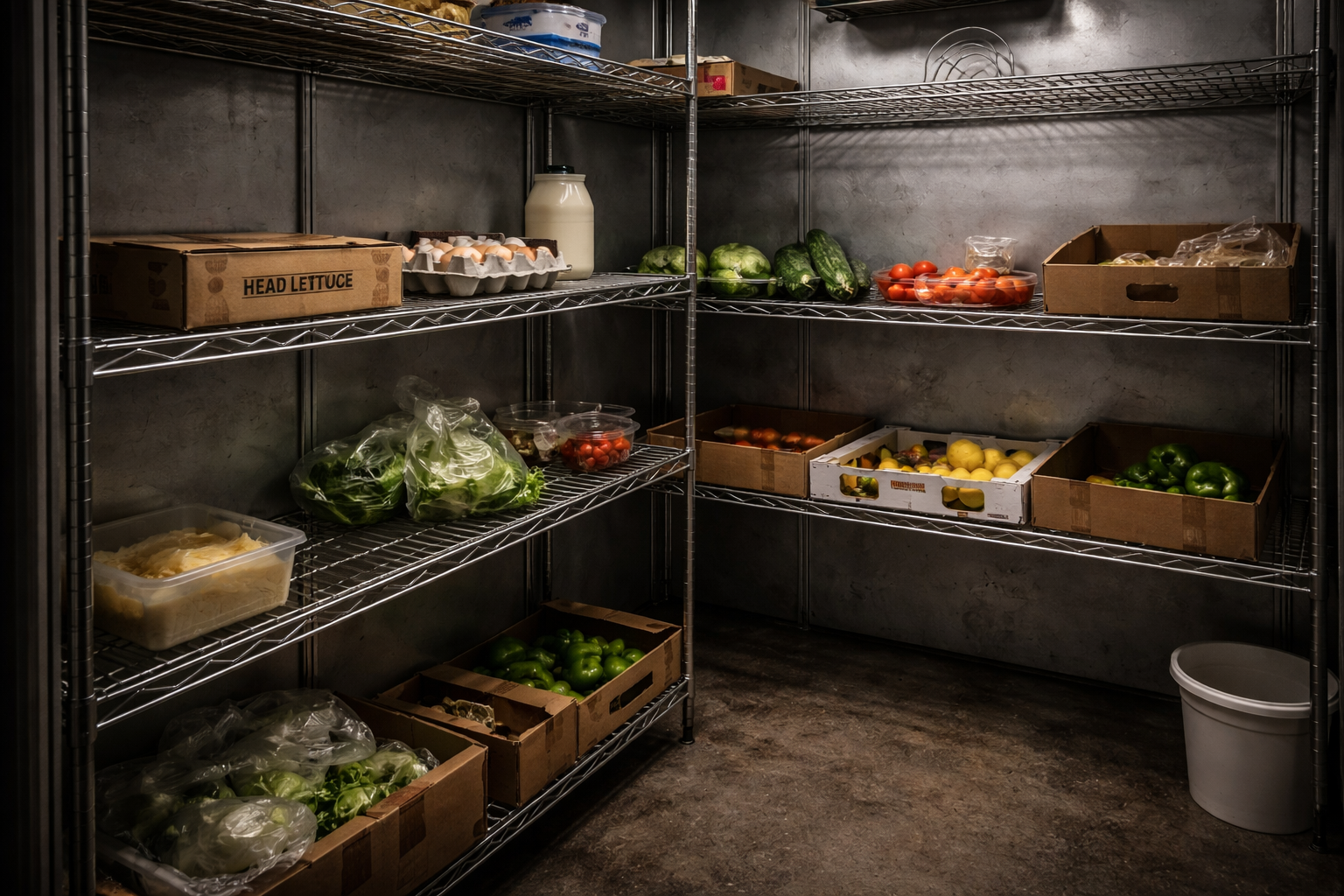
Part II — When the Walk-In Gets Smaller
When purchasing tightens, the walk-in changes immediately. This essay explores how reduced inventory reshapes prep, ordering, and kitchen discipline.
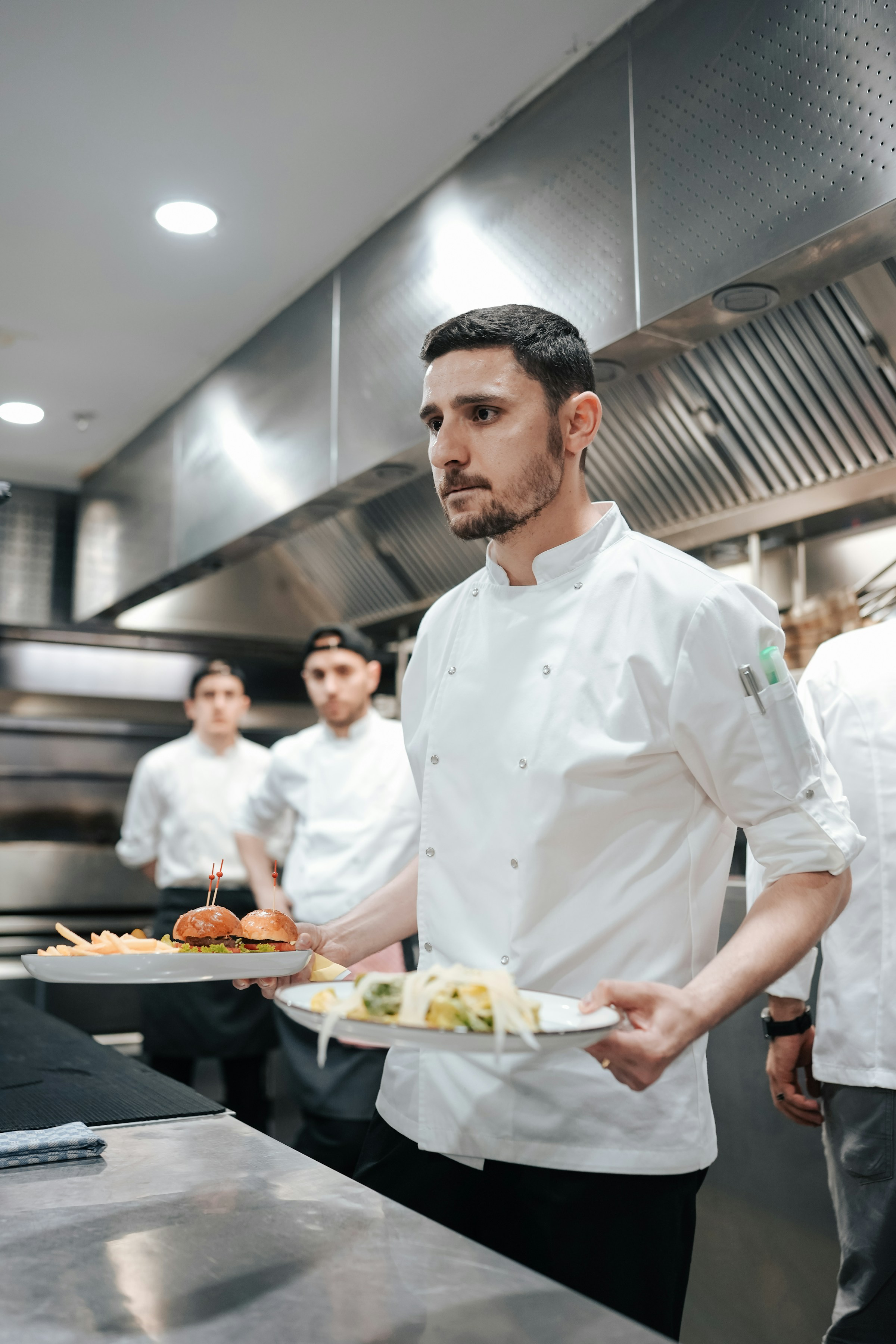
Standards Without Fear: Kitchen Culture and the Systems That Shape It
Professional kitchens operate inside systems of discipline, timing, and leadership. This essay examines how kitchen culture formed, why it is changing, and what the next generation of chefs must decide about standards and authority.
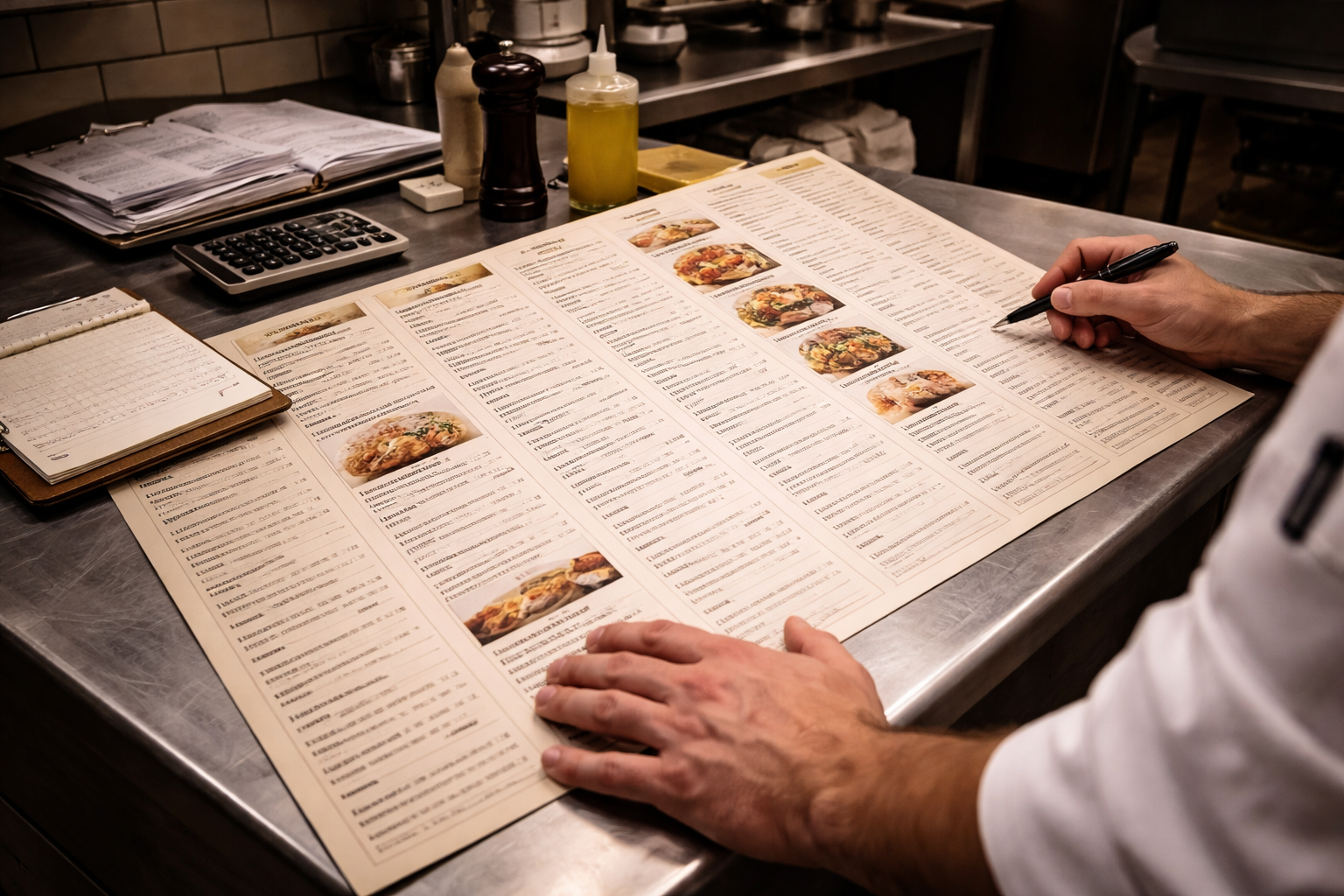
Part III — The Menu Burden
The menu determines what must be purchased, stored, and prepared. This essay examines how menu complexity creates operational burden—and how to correct it.
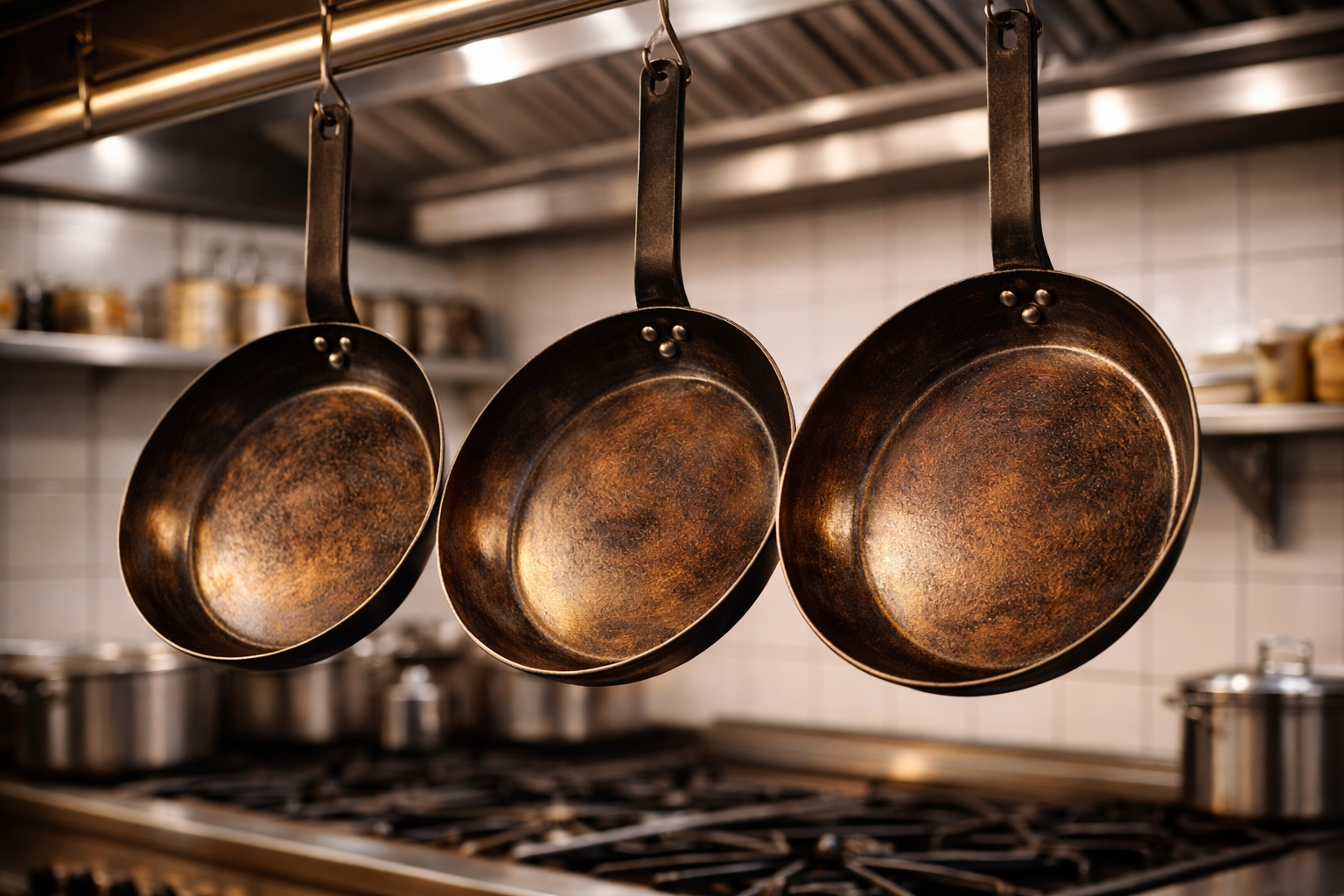
Three Carbon Steel Pans Serious Cooks Should Know
Carbon steel frying pans occupy a quiet but essential place in professional kitchens. Lighter than cast iron yet capable of intense heat, they reward cooks who value responsiveness and control. Here are three carbon steel pans serious cooks should know.
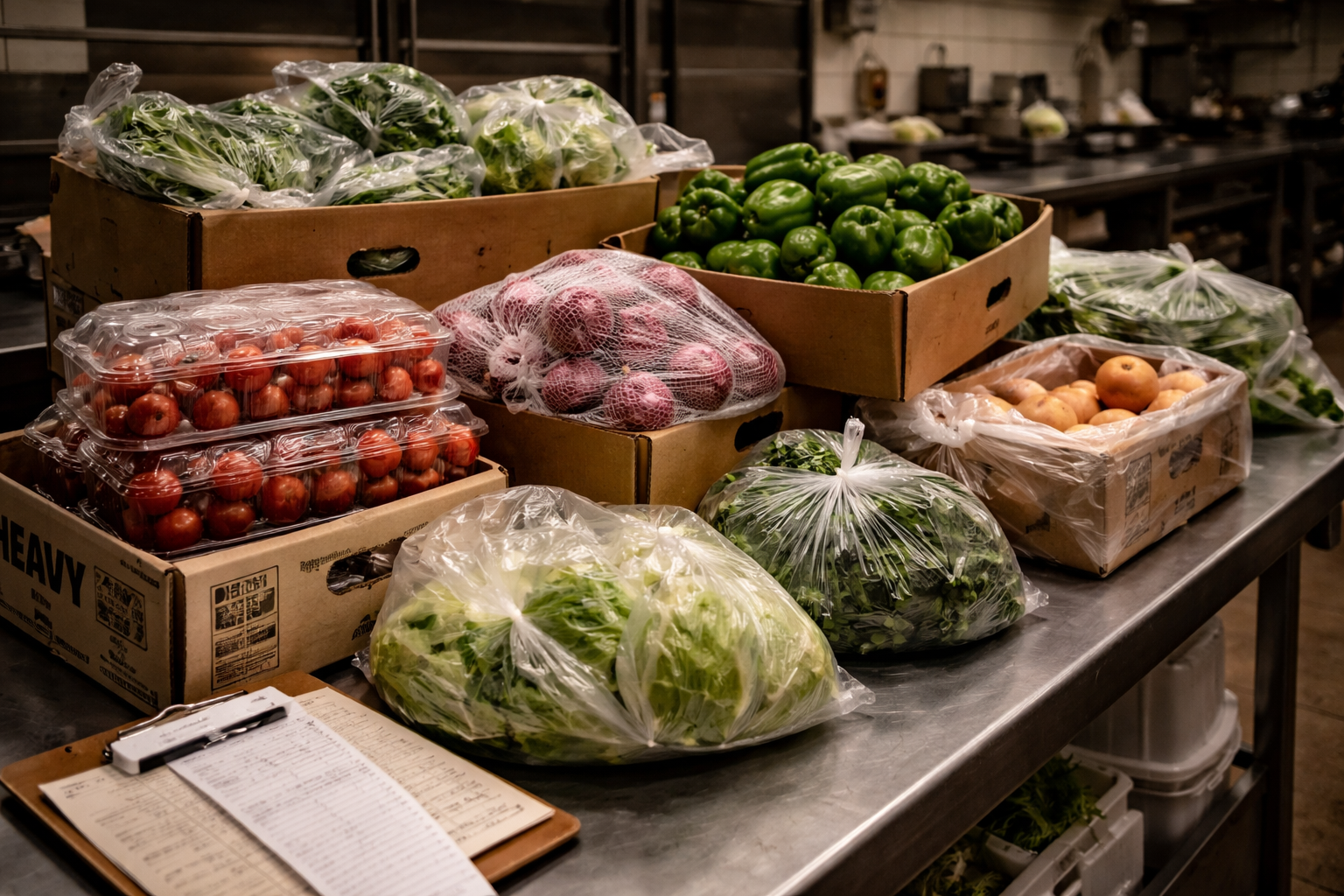
Part IV — Buying Against Fear
Most over-ordering is driven by fear, not demand. This essay explores why restaurants carry excess inventory—and how to shift toward disciplined purchasing.
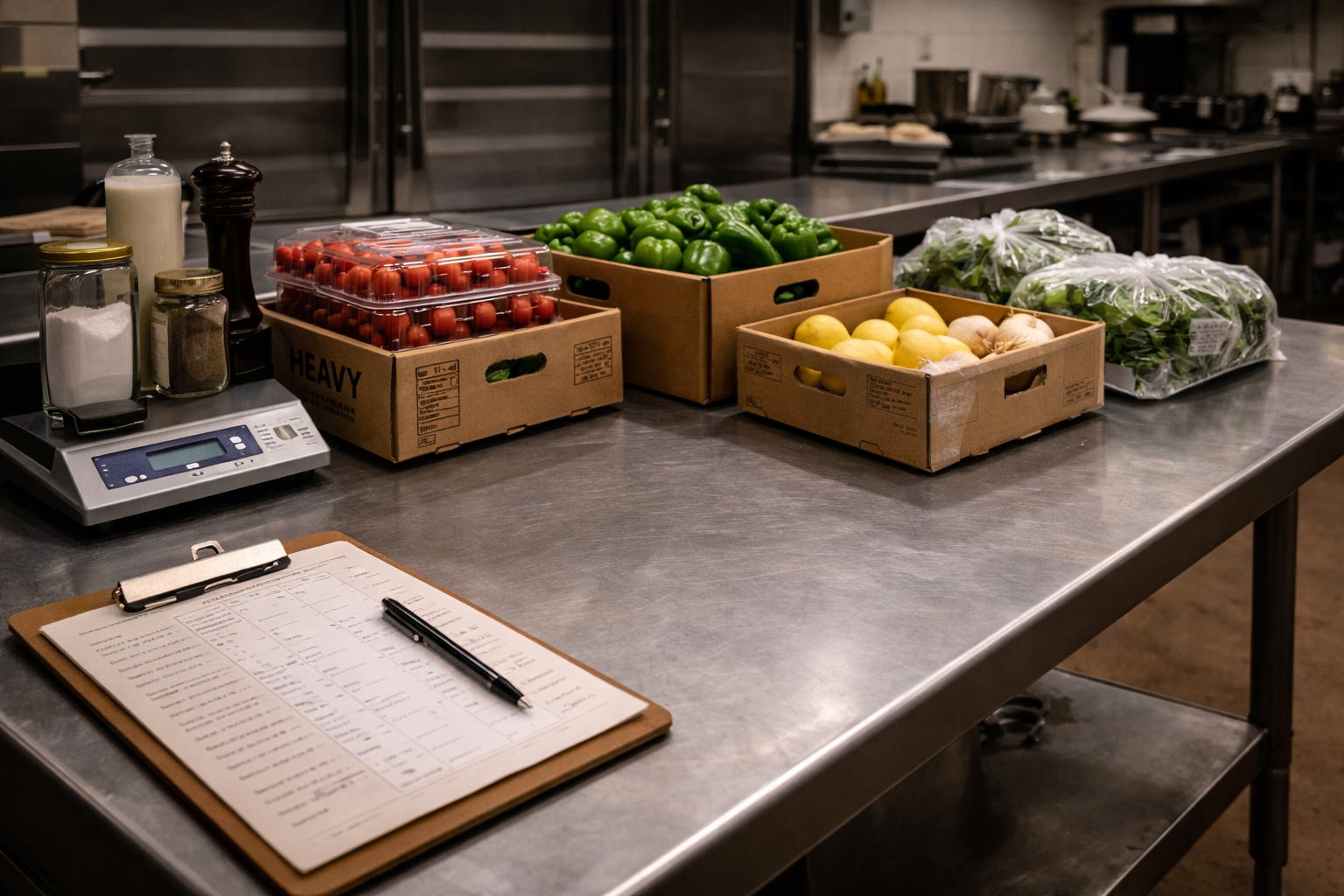
Part V — Precision Without Panic
Running lean requires more than cutting cost. This essay defines the system needed to align purchasing, labor, and service in real time.
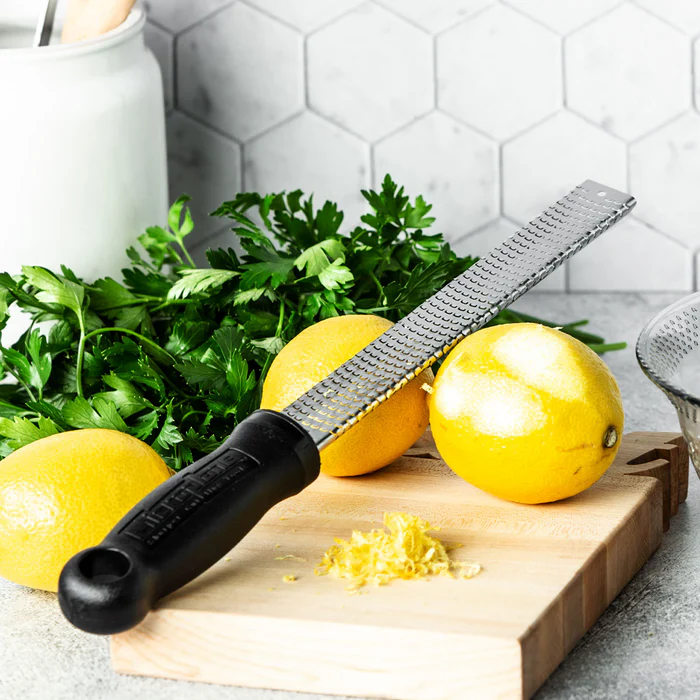
Microplane Classic Zester: The Small Tool Chefs Swear By
The Microplane Classic Zester has become one of the most trusted tools in professional kitchens. Learn why chefs rely on it to create delicate citrus zest, finely grated Parmesan, and aromatic garlic with precision.

Shaken or Stirred?
Shaking and stirring are not stylistic choices—they are structural decisions. Each method controls how temperature, dilution, and texture shape the drink, determining whether it holds its form or transforms in the glass.

Part VI — The Guest Must Never Feel It
Guests should never feel operational pressure. This essay explains how strong restaurants absorb cost constraints while maintaining consistent service.
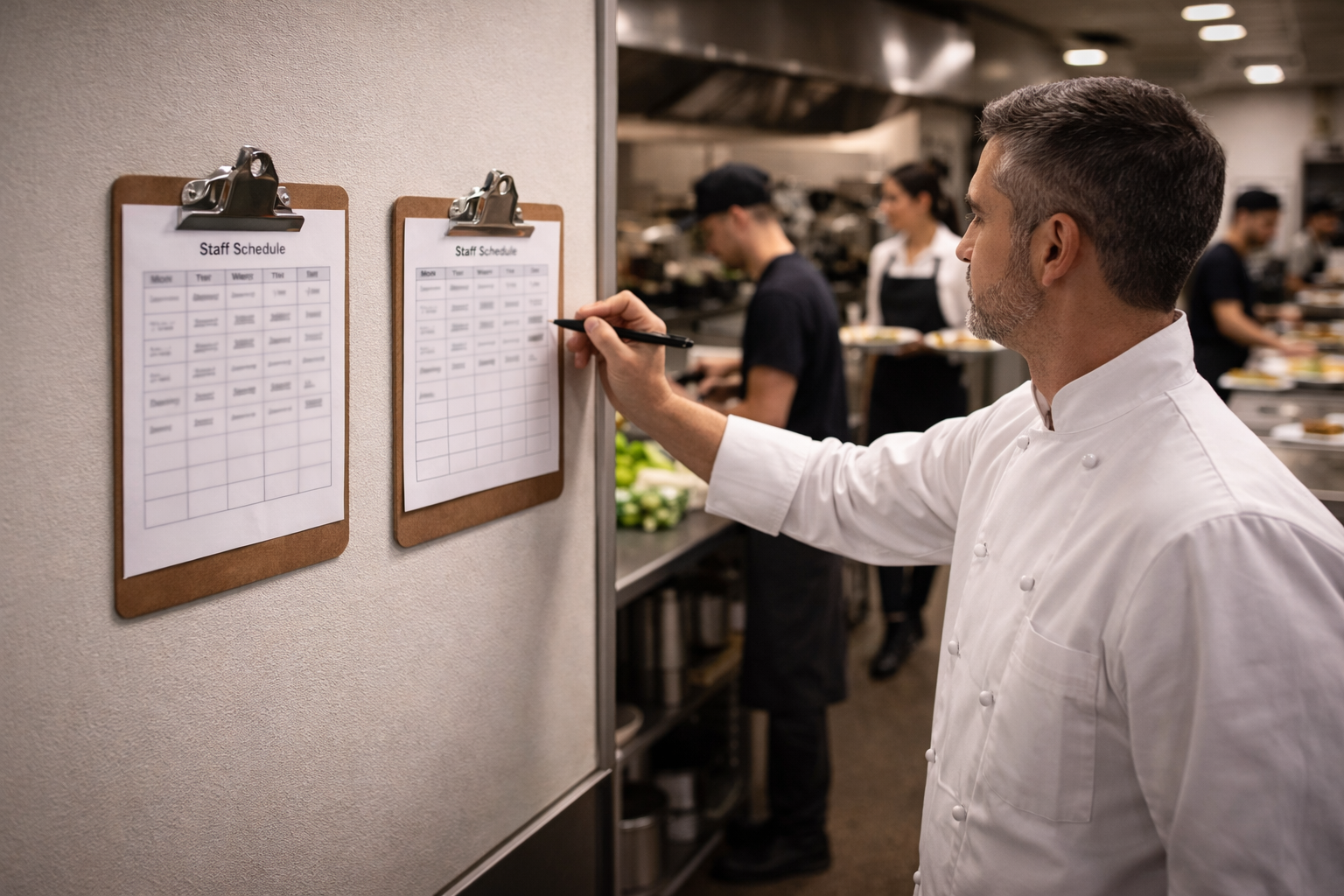
Part VII — Labor Must Follow Demand
Labor must follow demand just like inventory. This essay examines how scheduling, forecasting, and real-time adjustments improve control.
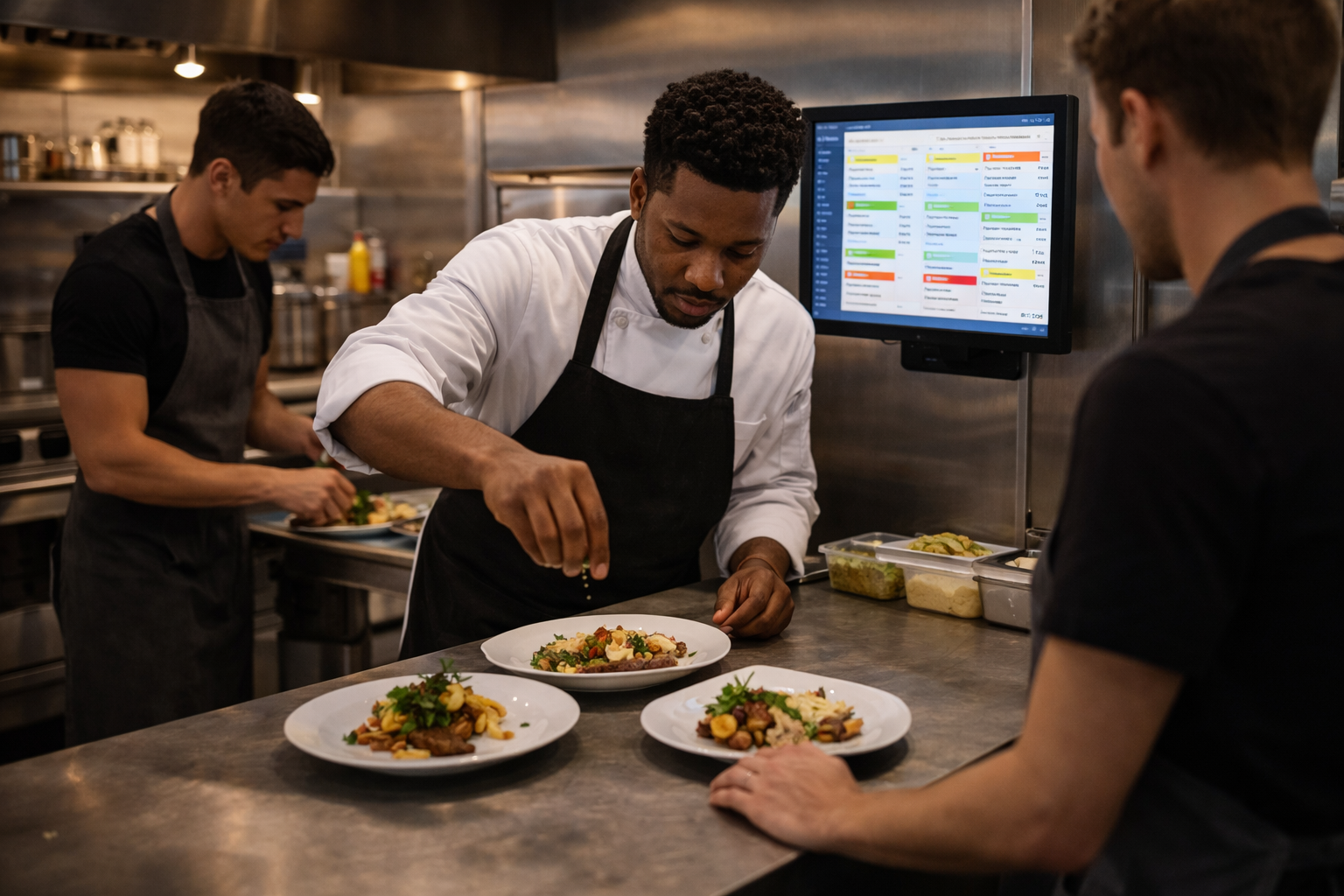
Part III — The Kitchen and the Pass
What appears on the ticket is not information. It is instruction—and the kitchen executes exactly what it sees. Clarity at the terminal becomes precision at the pass.
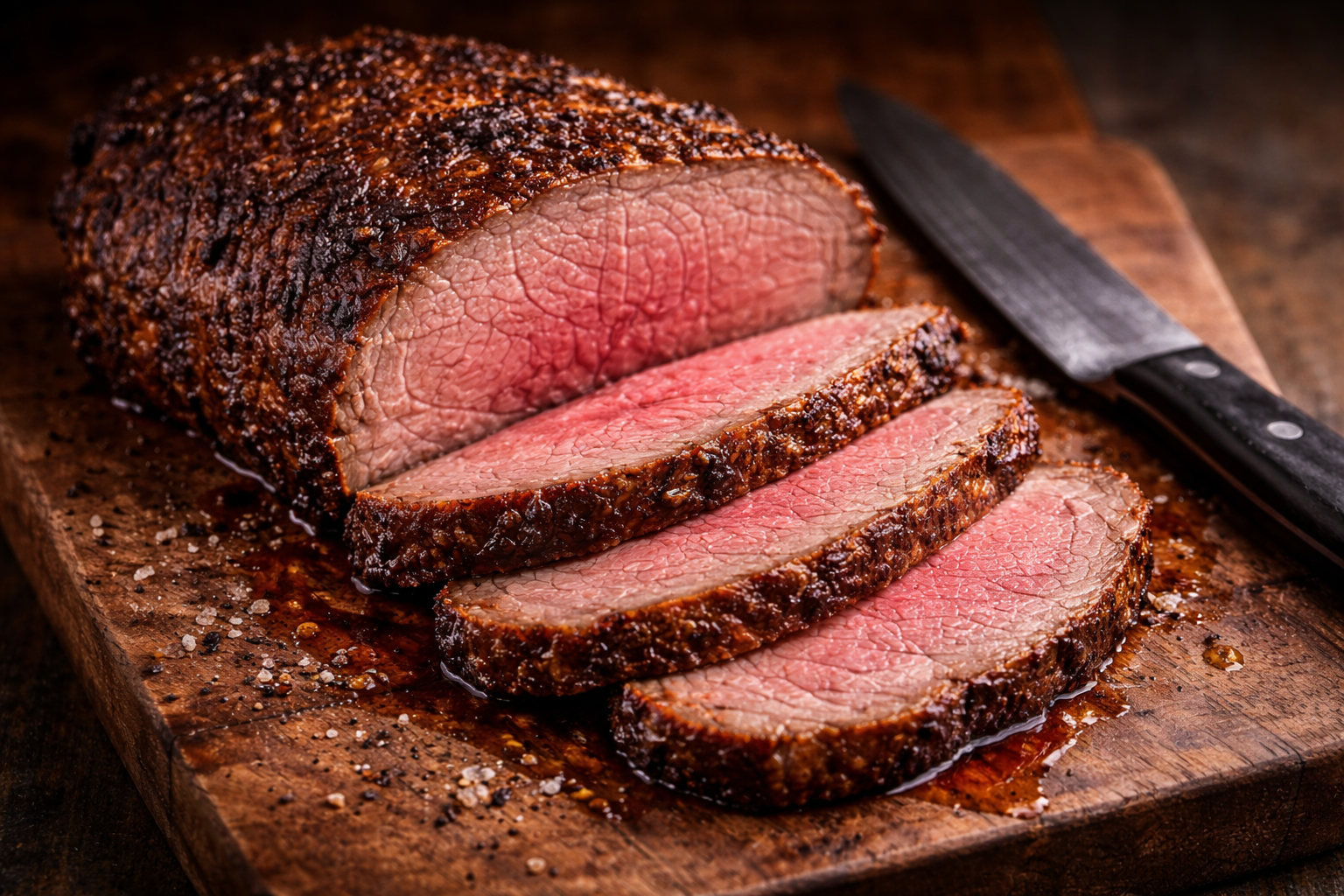
Time: The Invisible Ingredient in Cooking
Time is one of the most powerful forces in cooking, yet it is rarely discussed as an ingredient. From heat penetration and moisture evaporation to flavor diffusion and resting, time determines how completely culinary transformations unfold. Understanding how time interacts with heat, fat, acid, seasoning, and knife work reveals the hidden mechanics behind many of the kitchen’s most important processes.
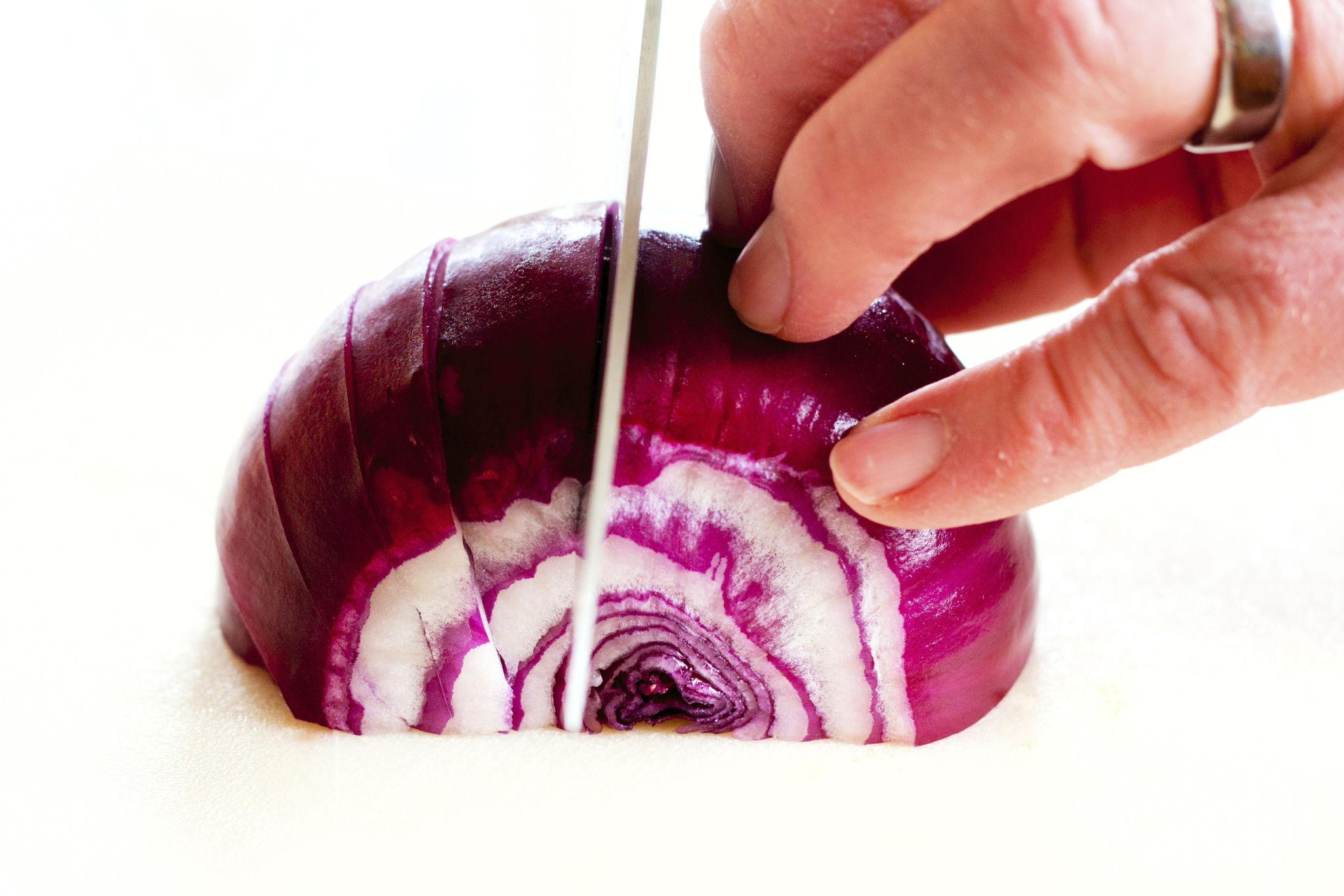
Knife Craft:How Cutting Changes the Way Food Cooks
Knife work does more than prepare ingredients. The way food is cut determines how heat penetrates, how moisture escapes, and how seasoning interacts with the ingredient. Understanding the mechanics of cutting reveals why geometry plays a decisive role in the way food cooks.
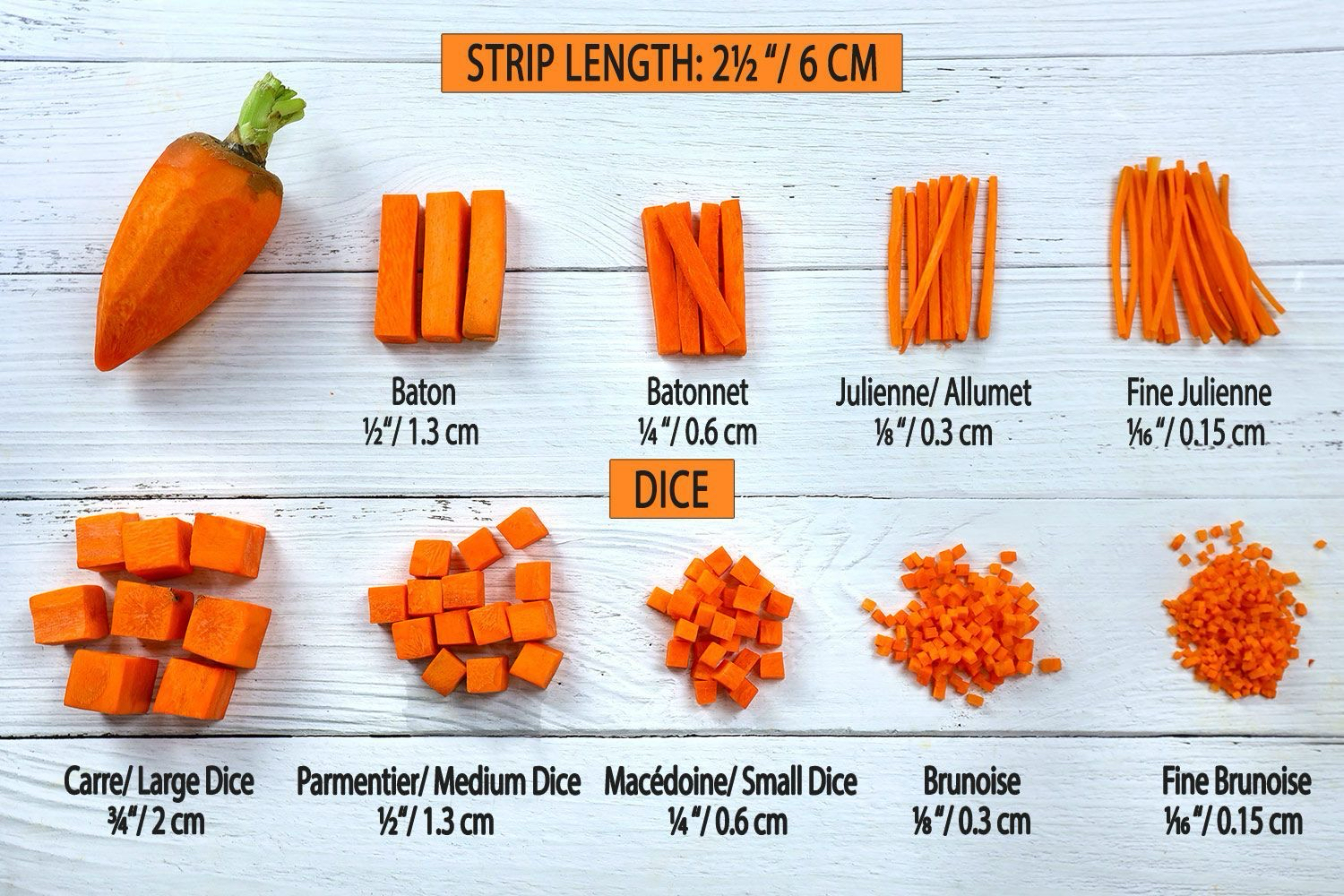
Knife Craft: How Blade Geometry Controls the Way Food Is Cut
A chef’s knife is more than a cutting tool. Its geometry determines how force moves through food and how ingredients separate under the blade. From blade design to the classical cuts used in professional kitchens, knife craft reveals the structural mechanics behind precision in cooking.
Seasoning
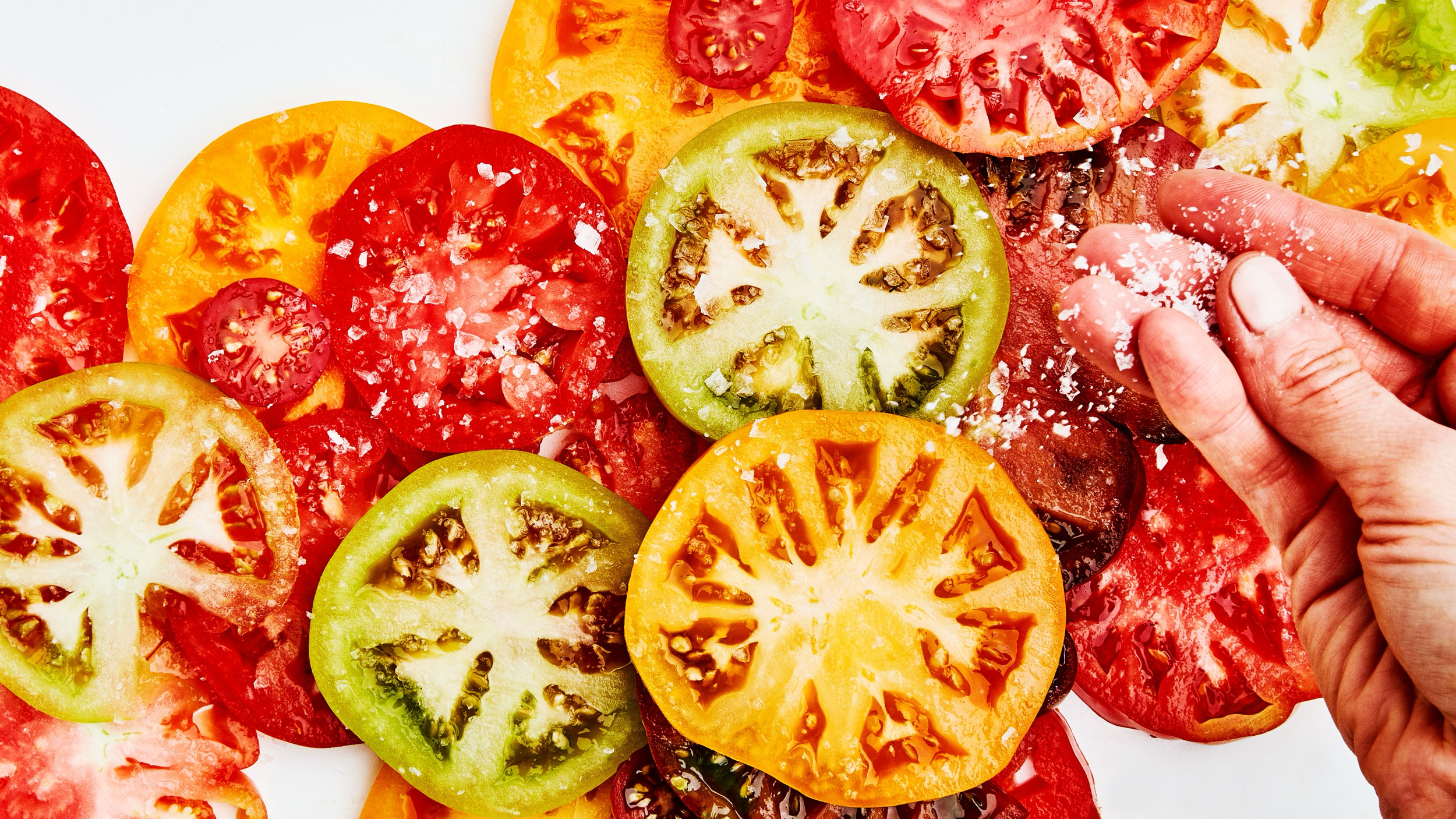
Seasoning is often misunderstood as simply adding salt. In reality, seasoning is the mechanism that allows flavor to become visible. Salt alters taste perception, influences protein structure, and distributes flavor through diffusion. Understanding how seasoning works reveals why restaurant food tastes more vivid and why properly seasoned ingredients feel complete long before the final garnish reaches the plate.
The Triangle of Flavor
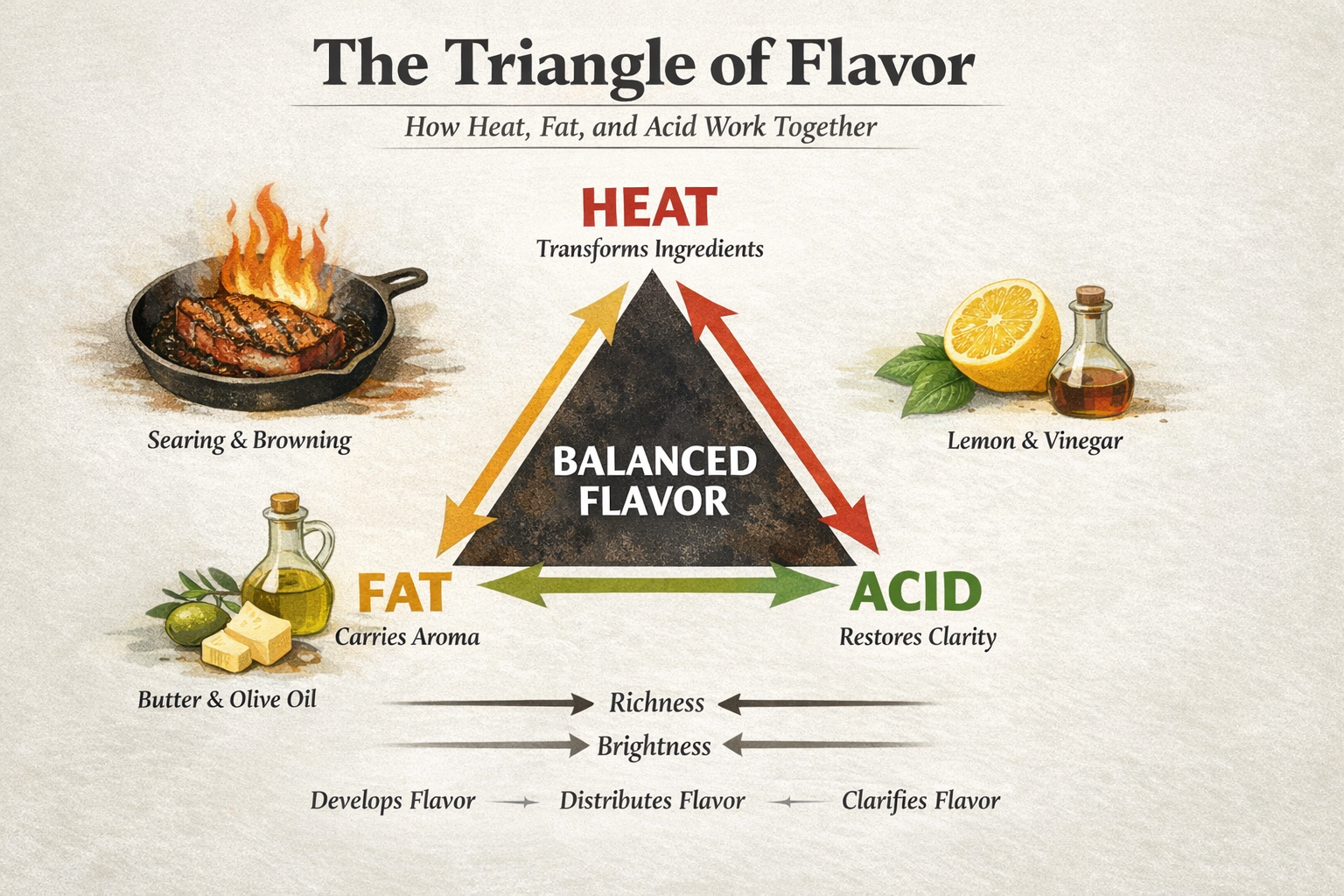
Great cooking depends on balance. Heat transforms ingredients, fat carries aroma, and acid restores clarity. Together they form the triangle of flavor, a structural system that explains why certain dishes feel complete while others feel heavy or dull.
Acid: The Structural Balance of Food
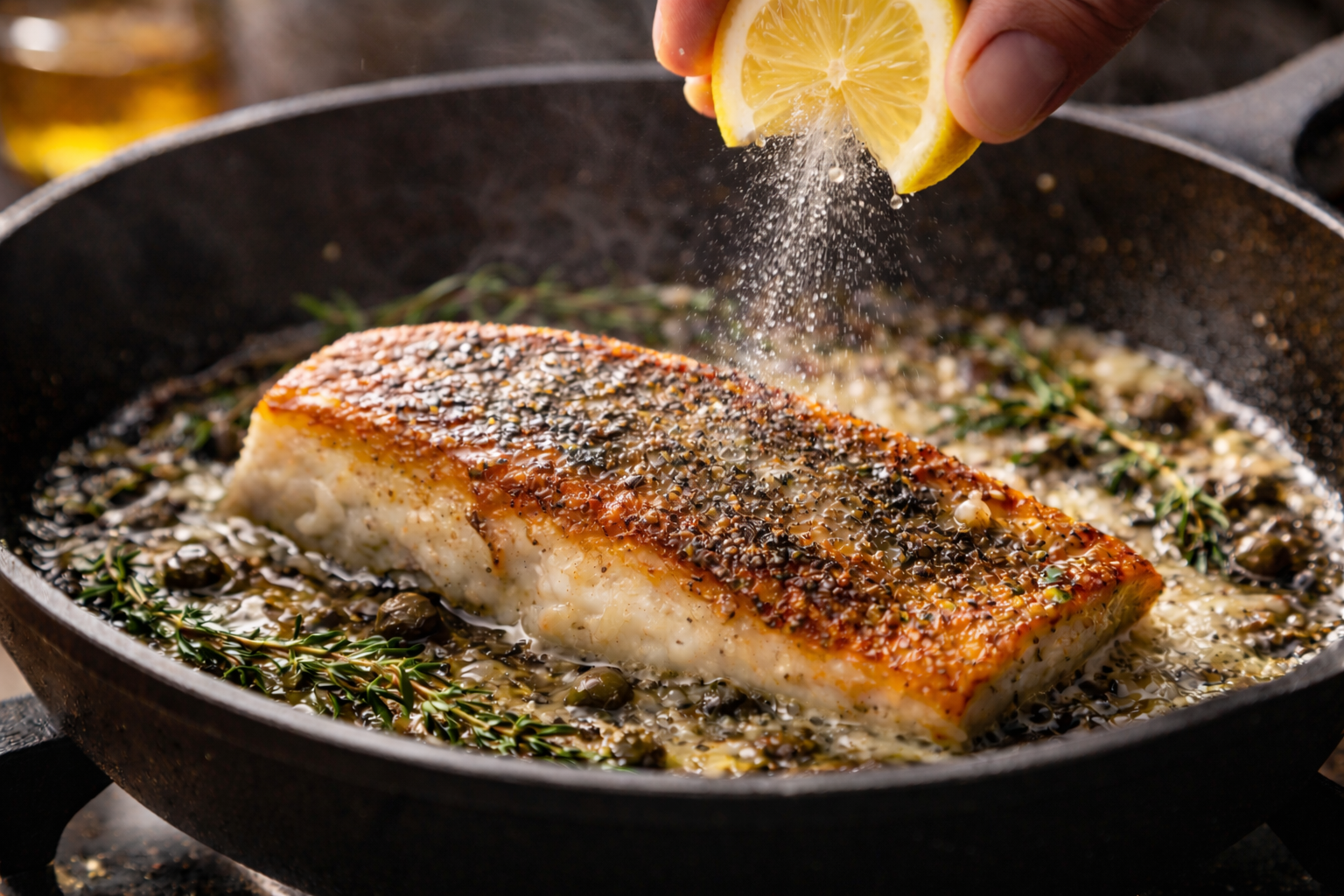
Acid is the structural counterbalance to richness in cooking. Citrus, vinegar, and fermentation restore clarity when flavors become dense, sharpen perception of aroma, and keep dishes vibrant from the first bite to the last.