
Share
An unfolding archive of food, culture, and craft.
Fat: The Carrier of Flavor
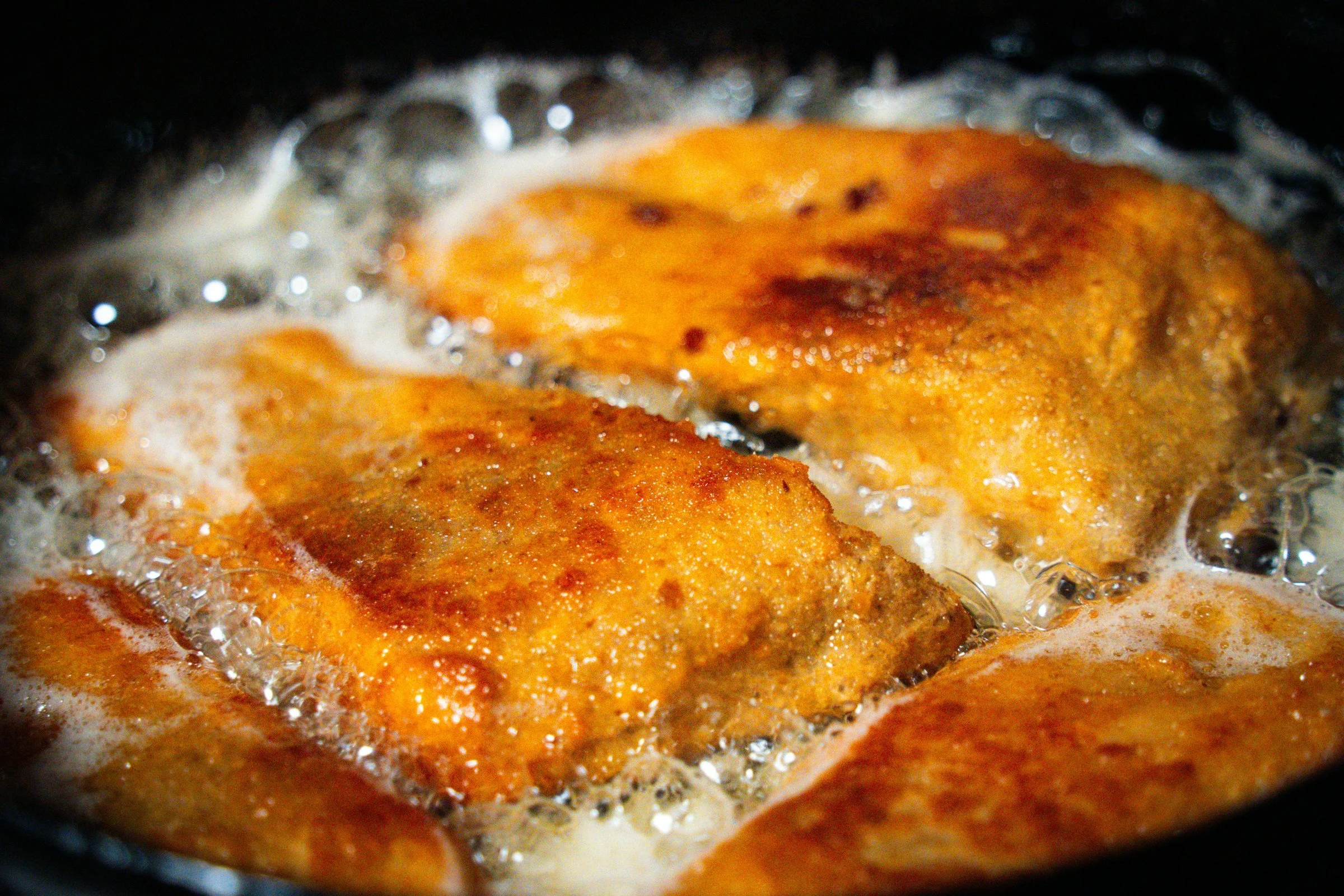
Fat does far more than add richness. It carries aromatic compounds, improves heat transfer, and stabilizes sauces. Understanding how fat behaves explains why restaurant food often tastes fuller and more integrated than food cooked without it.
The Rhythm of Appetite
A lifetime around restaurants reveals that appetite changes with experience. What begins as youthful indulgence gradually evolves into balance, moderation, and a deeper rhythm at the table.
Moderation, and Lots of It
A life spent around restaurants teaches a quiet lesson: pleasure at the table cannot survive endless indulgence or permanent restraint. This essay reflects on moderation, hospitality culture, and the rhythm that allows food, wine, and celebration to remain meaningful over time.
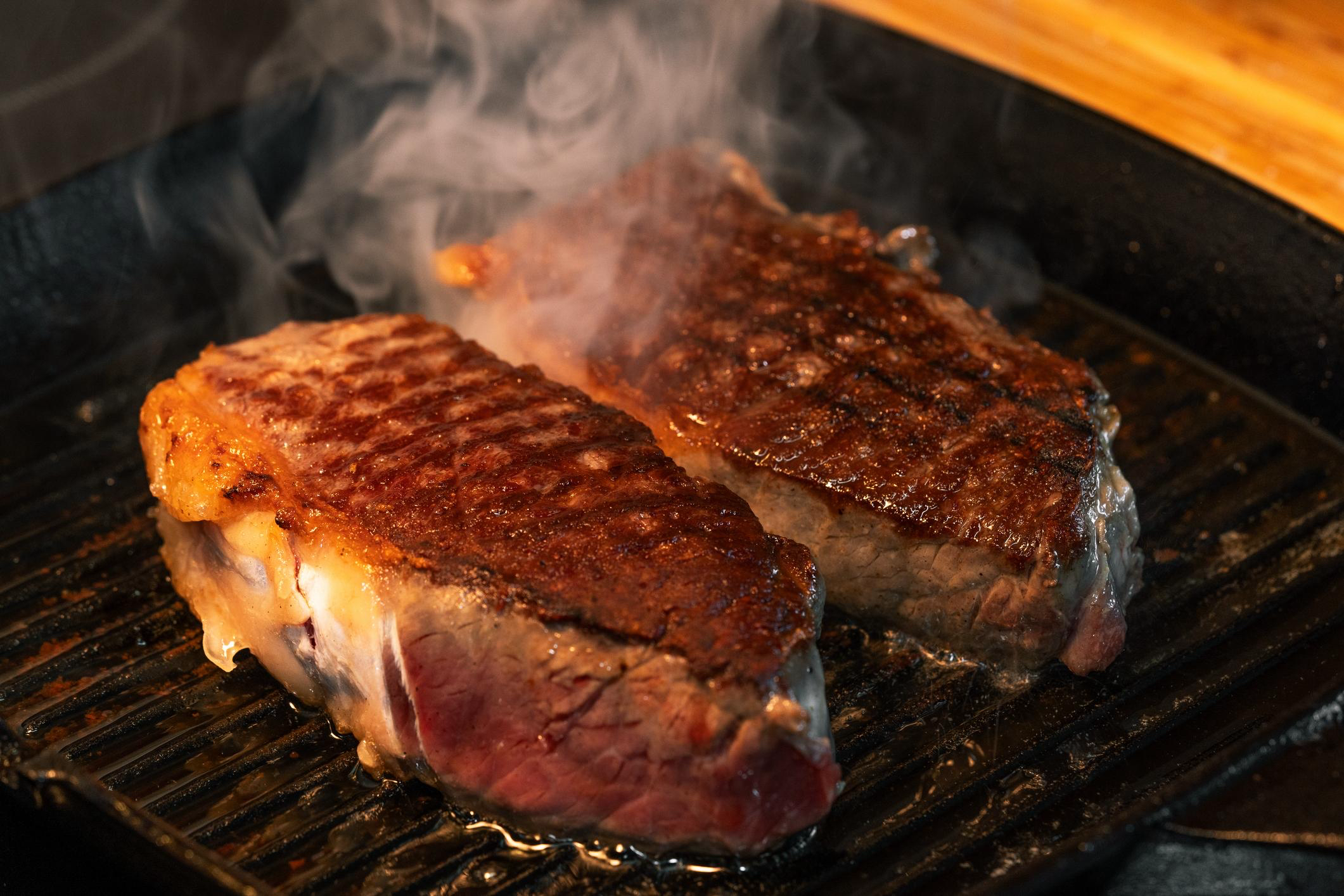
The Discipline of Heat
Heat is the fundamental force behind cooking. Understanding how temperature transforms proteins, sugars, moisture, and connective tissue reveals why food browns, tenderizes, and develops flavor.

Salt
Salt is the most important ingredient in cooking, yet few cooks fully understand how it works. This guide explores the chemistry of salt, the behavior of different salts, and how professional kitchens use seasoning to build flavor with precision.
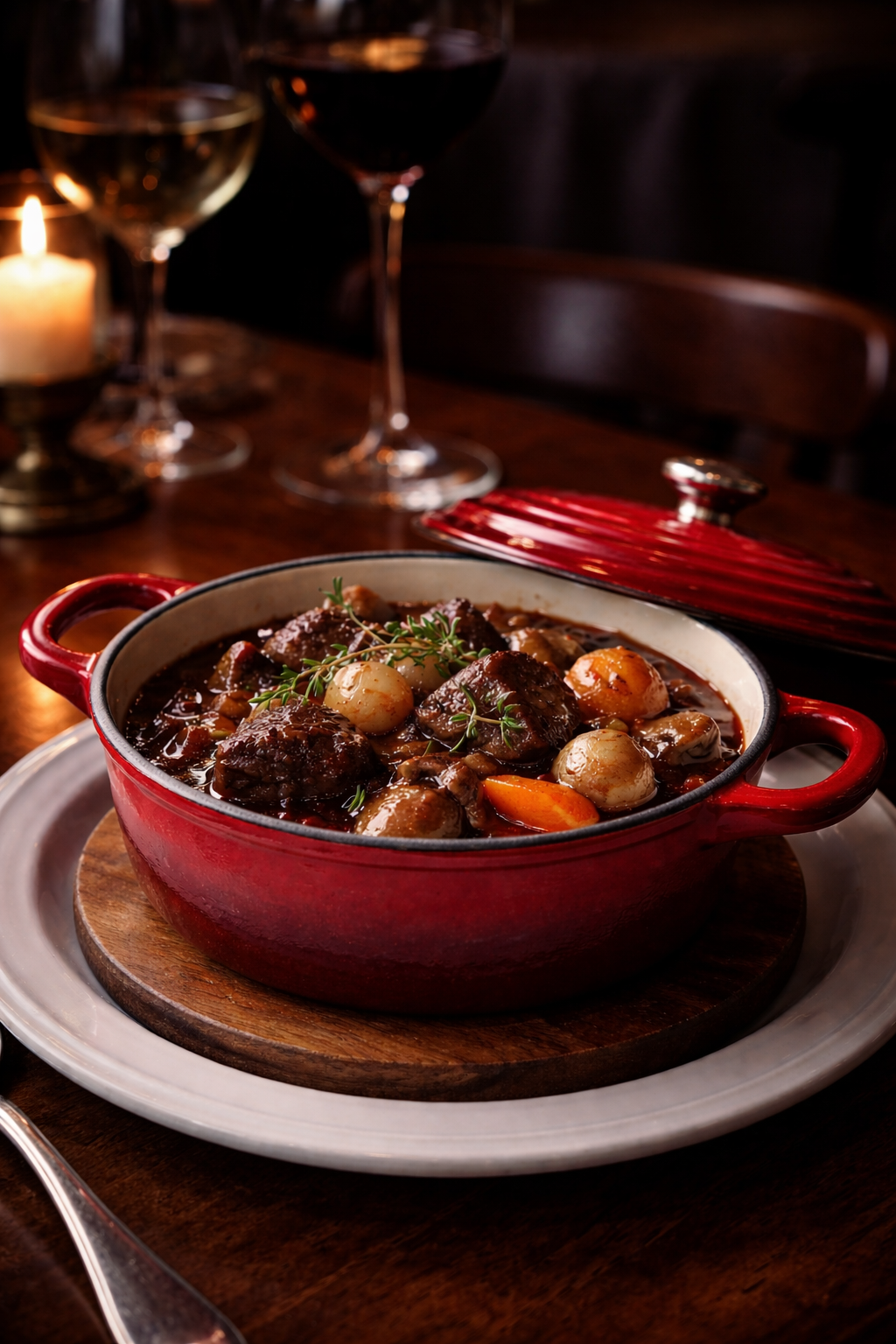
The Right Vessel
A Dutch oven is not just cookware—it’s a controlled environment. Understanding how heat retention and moisture stability work explains why braising, stews, and slow cooking improve dramatically with the right vessel.
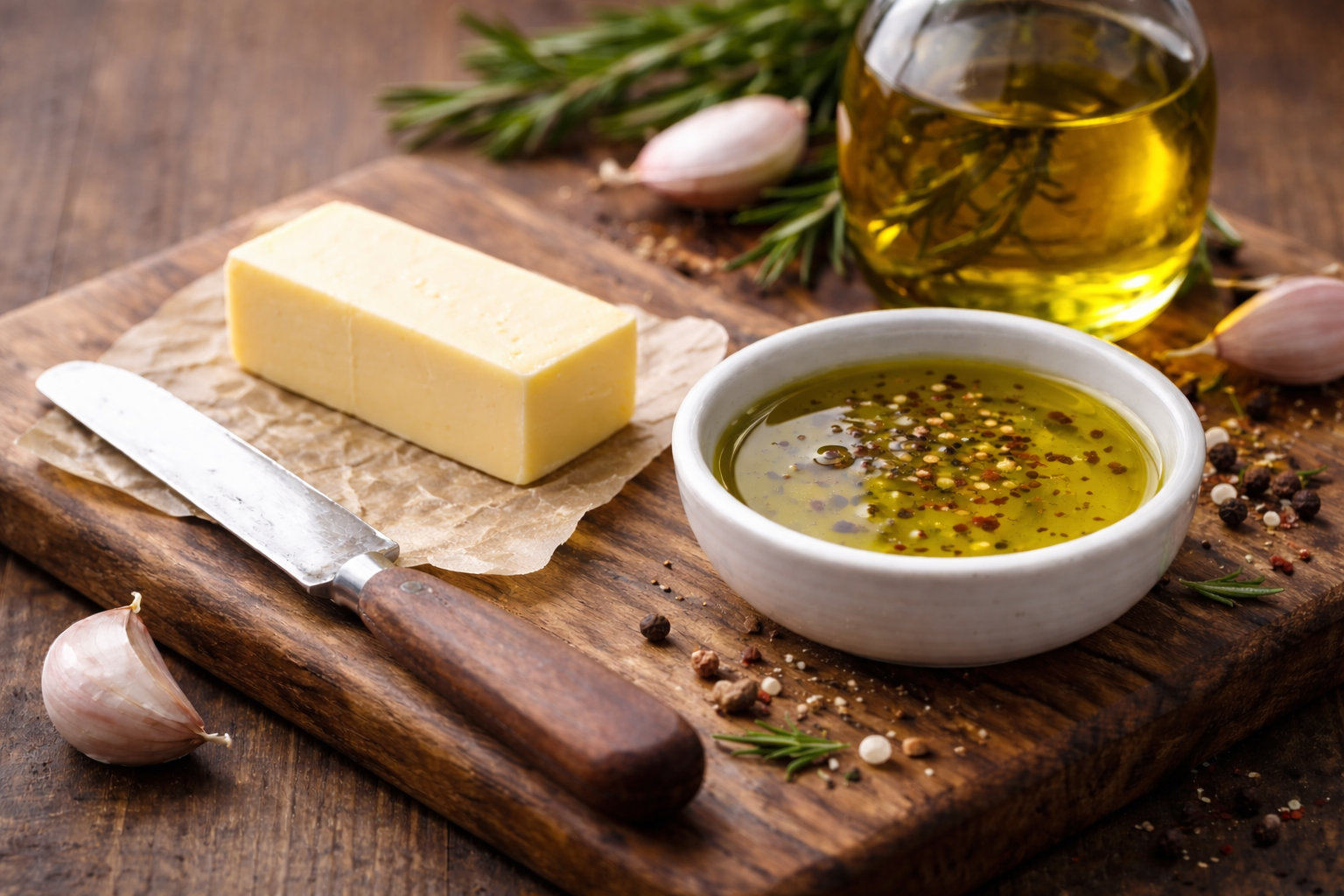
Can You Substitute Olive Oil for Butter?
Butter and olive oil both enrich food, but they behave differently in cooking. Understanding how their composition affects flavor, texture, and heat explains when olive oil can successfully replace butter.

When Two Clocks Collide
When restaurant leadership operates on a midnight service clock and hotel administration runs on a morning cadence, something quietly fractures. This essay examines the myth of work-life balance in hospitality, the neurological cost of asynchronous leadership, and why exhaustion should never be mistaken for virtue.
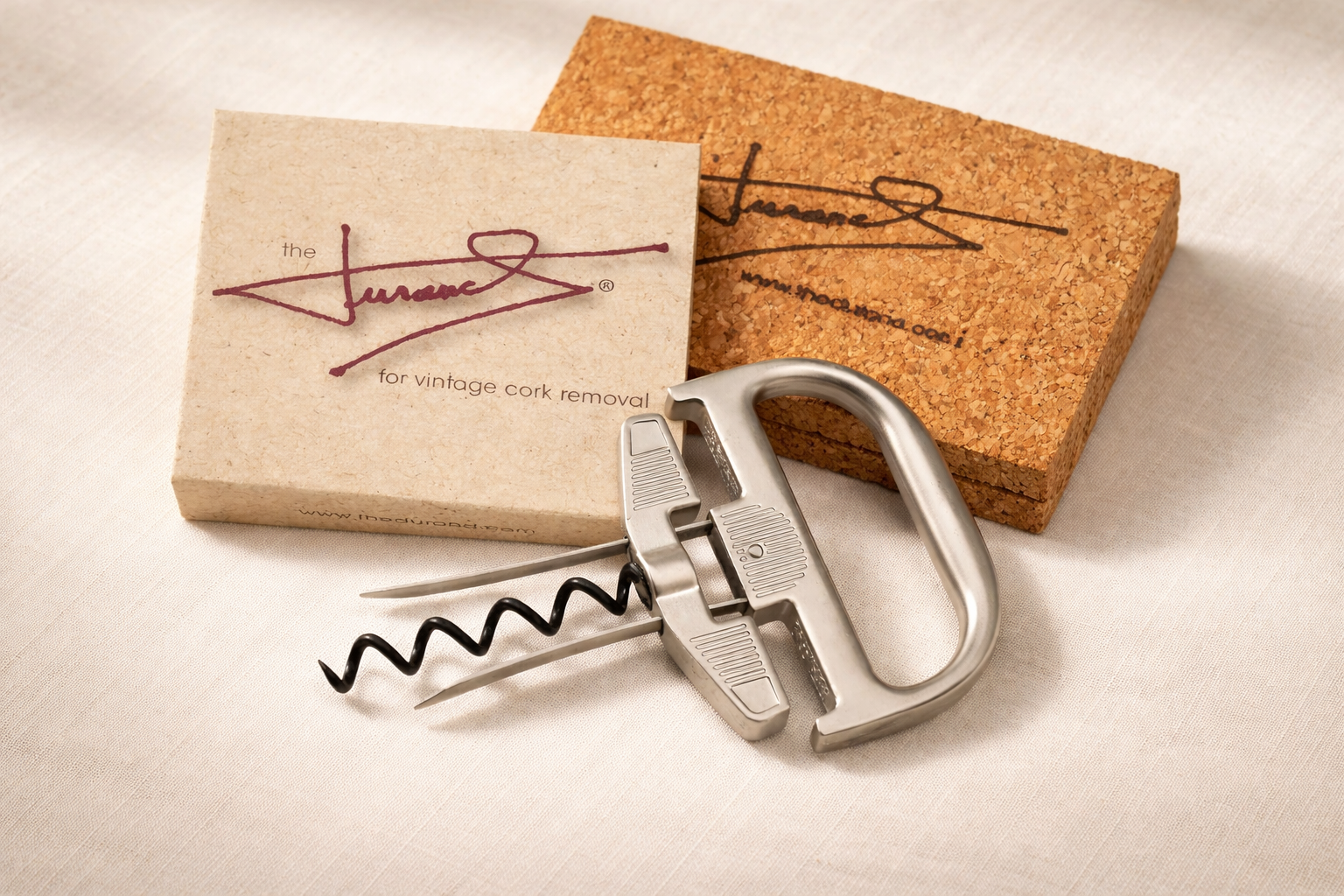
The Durand® — Vintage Cork Removal Tool
Opening an aged bottle is often where things go wrong. The Durand is designed to remove fragile corks intact, eliminating breakage, contamination, and disruption to the experience.
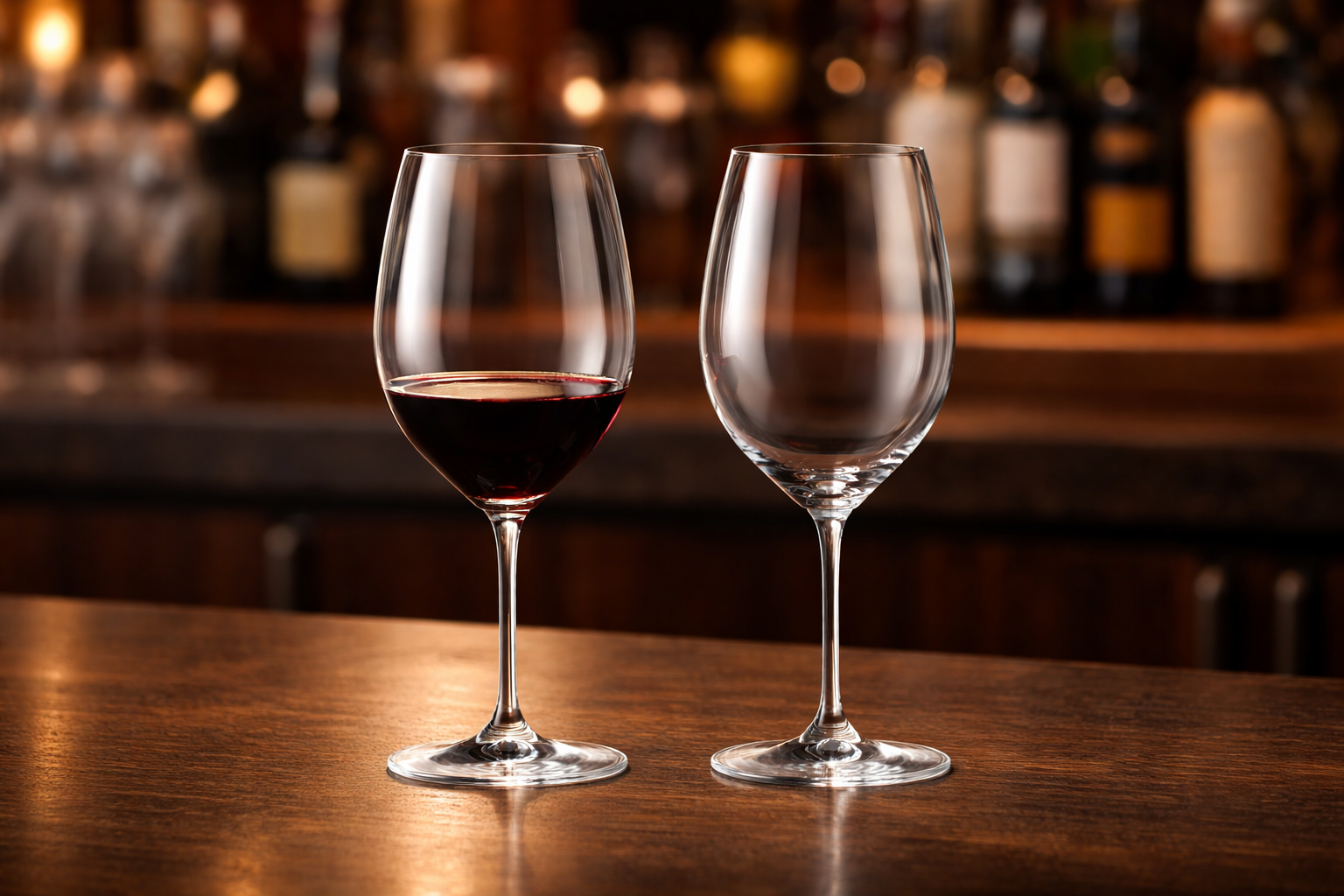
Riedel VINUM Cabernet Sauvignon/Merlot Glass
The Riedel VINUM Cabernet Sauvignon/Merlot glass isn’t designed to impress—it’s designed to perform. Balanced, durable, and consistent, it remains a standard in both restaurants and serious home wine service.

Zafferano Pina Pro Cordless Table Lamp
A cordless table lamp widely used in restaurants and homes, the Zafferano Pina Pro combines minimalist design with portable, adjustable lighting.

Part IV — The Back Office Truth
The system does not just record the business. It determines how clearly the business can be seen—and how quickly decisions can be made while they still matter.
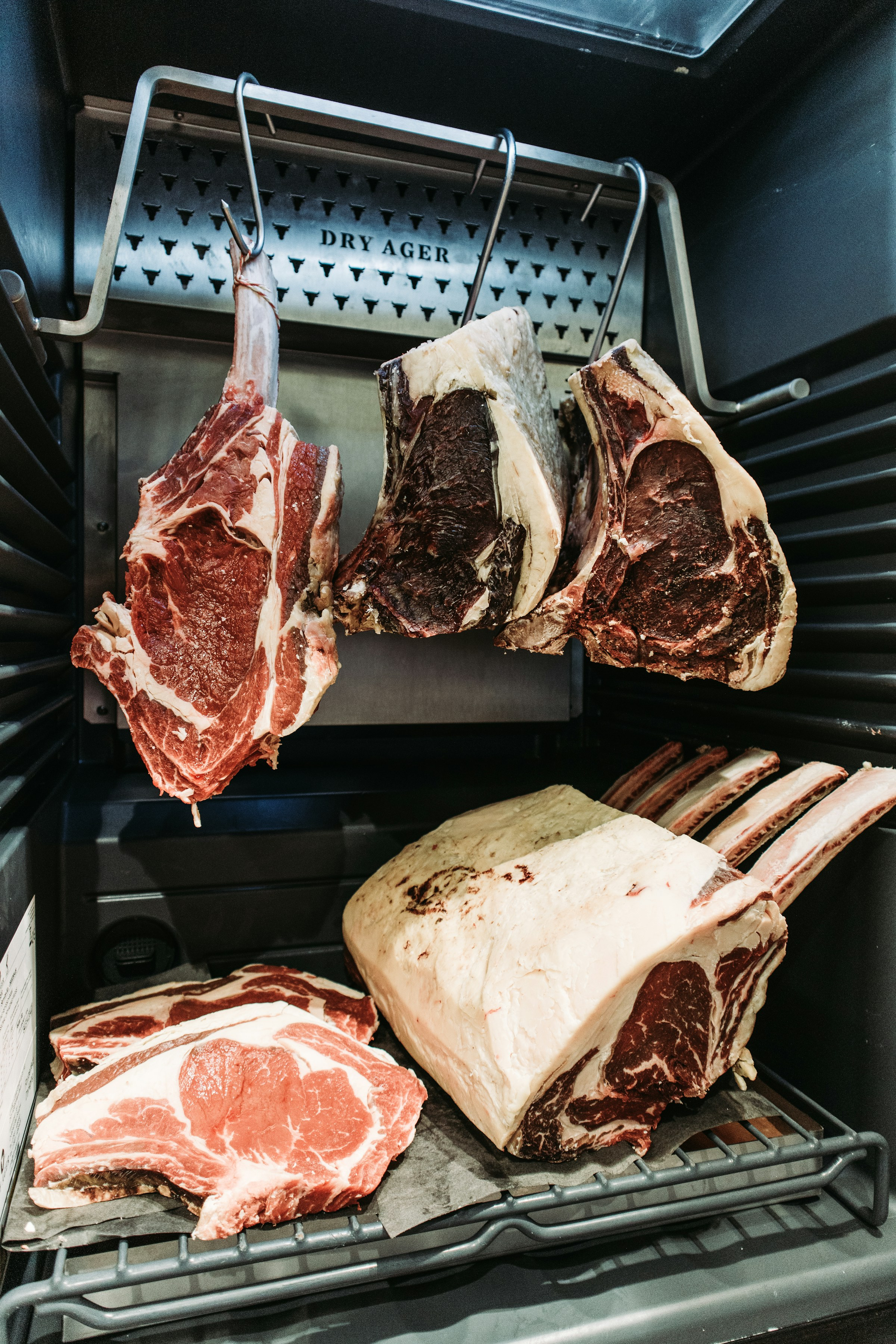
What Is the Difference Between Wet Aging and Dry Aging?
Beef becomes more tender and flavorful as it ages. Wet aging and dry aging achieve this in different ways, shaping the texture and flavor of steaks served at home and in steakhouses.
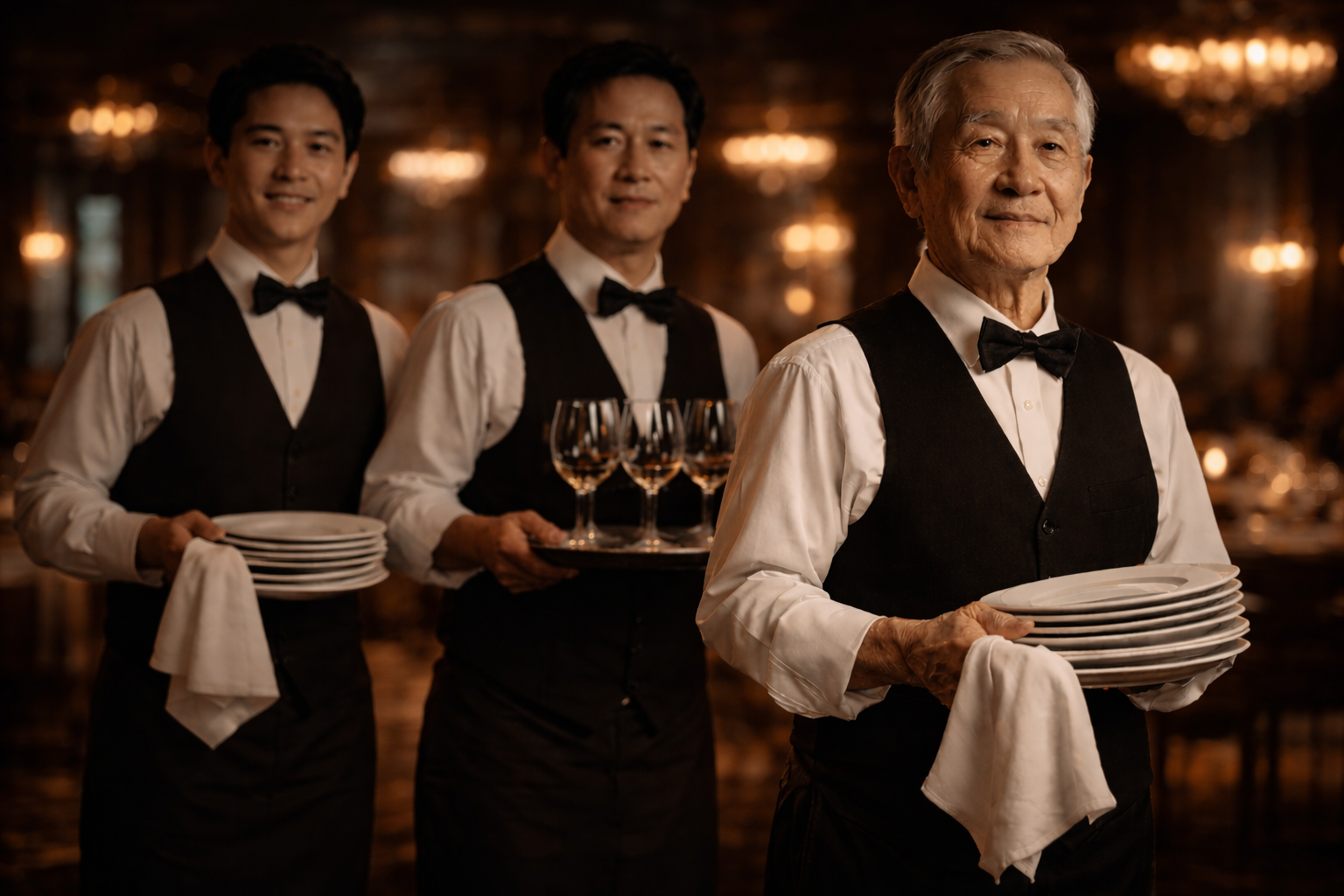
The Man Who Stayed
What happens when the most stabilizing person in the dining room refuses promotion? A fifty-year case study in mastery, institutional memory, and the hidden cost of forced advancement.
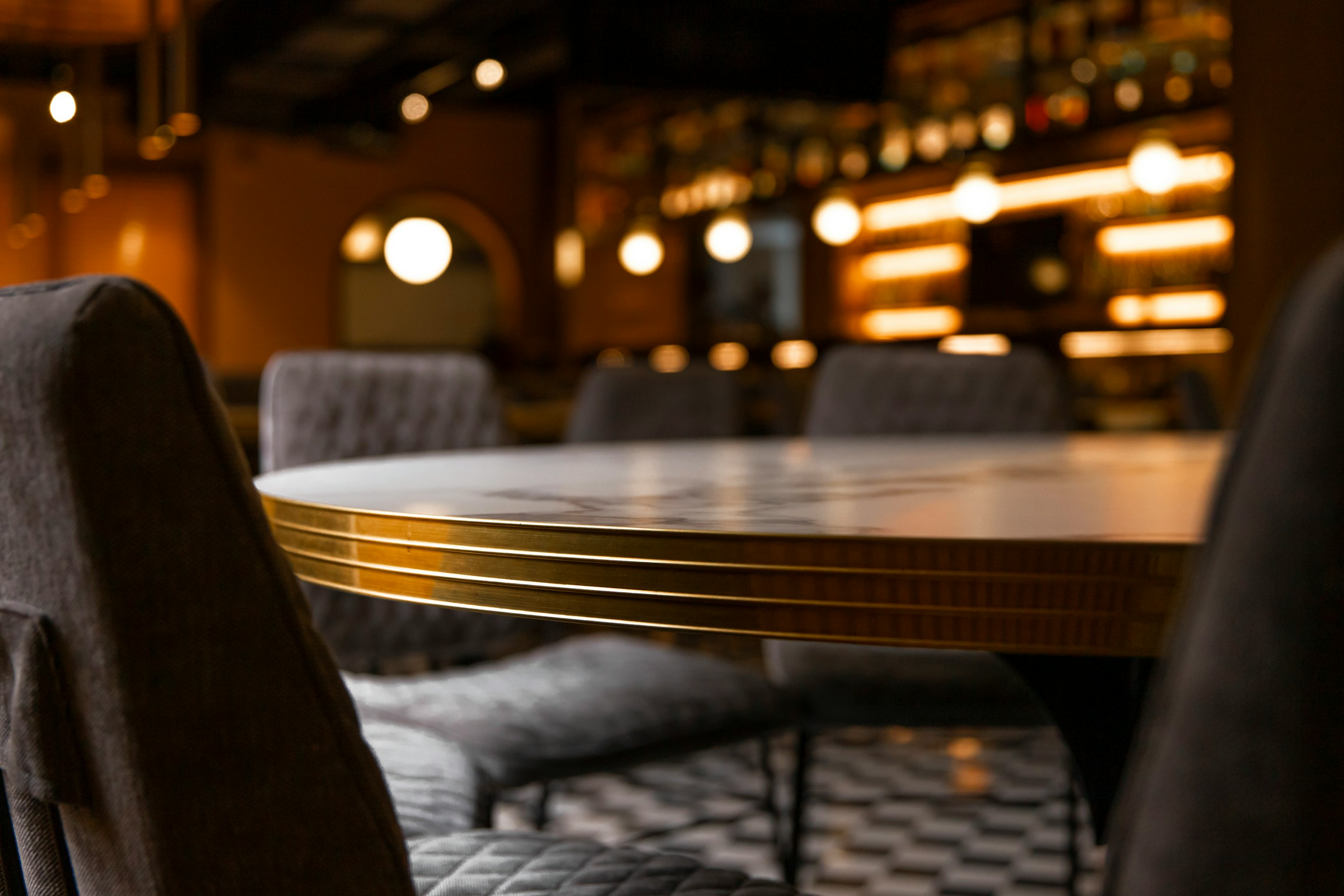
Part I — The Opportunity Appears
Buying a struggling restaurant begins long before financial modeling or negotiations. Experienced operators first diagnose the hidden signals inside the dining room, kitchen, and staff to determine whether the system behind the restaurant can still be rebuilt.
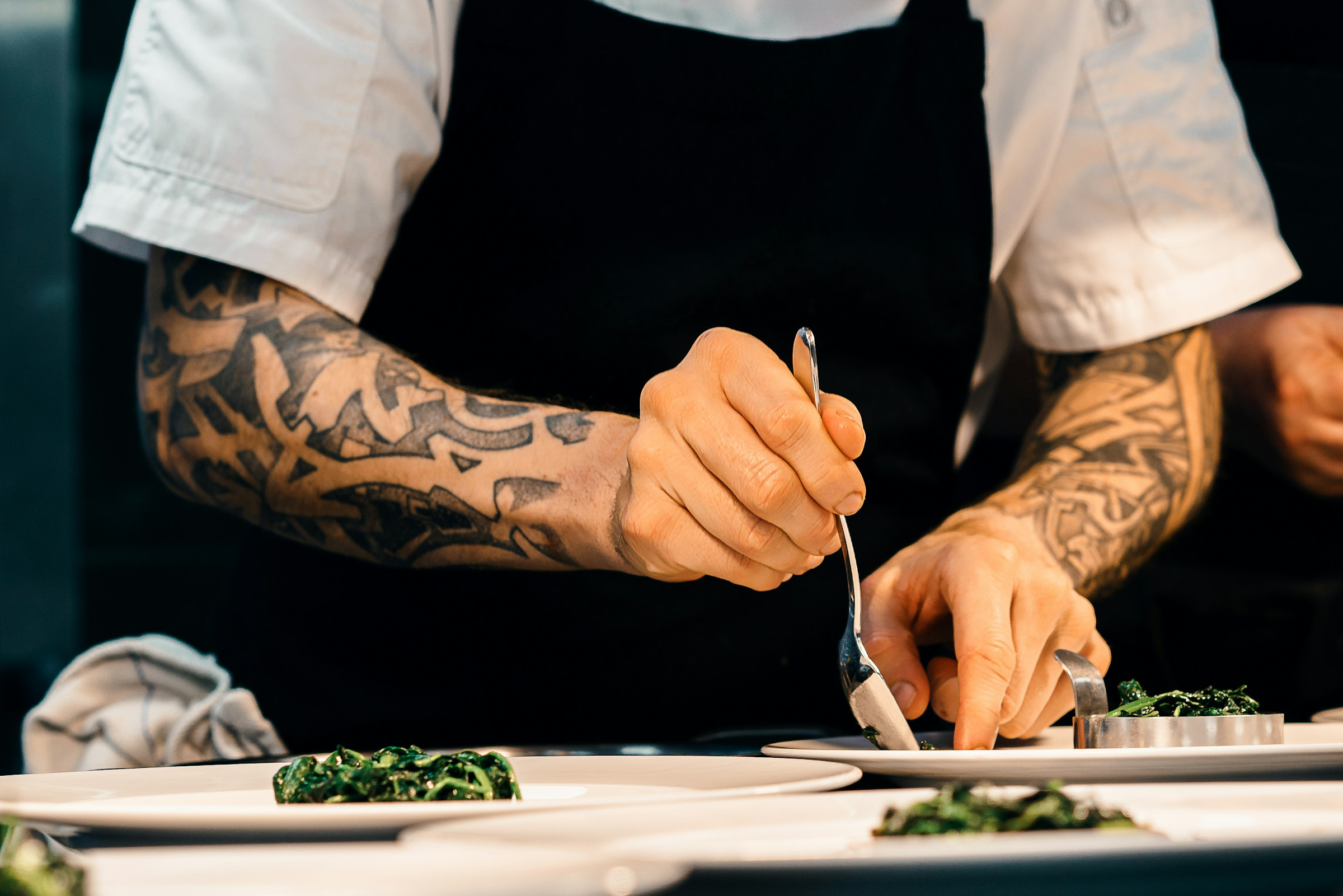
Why Does Restaurant Food Taste Better?
Restaurant food often tastes more flavorful than home cooking. The reason lies in professional control of seasoning, heat, fat, preparation, and repetition — the systems that allow restaurants to deliver consistent flavor and texture.
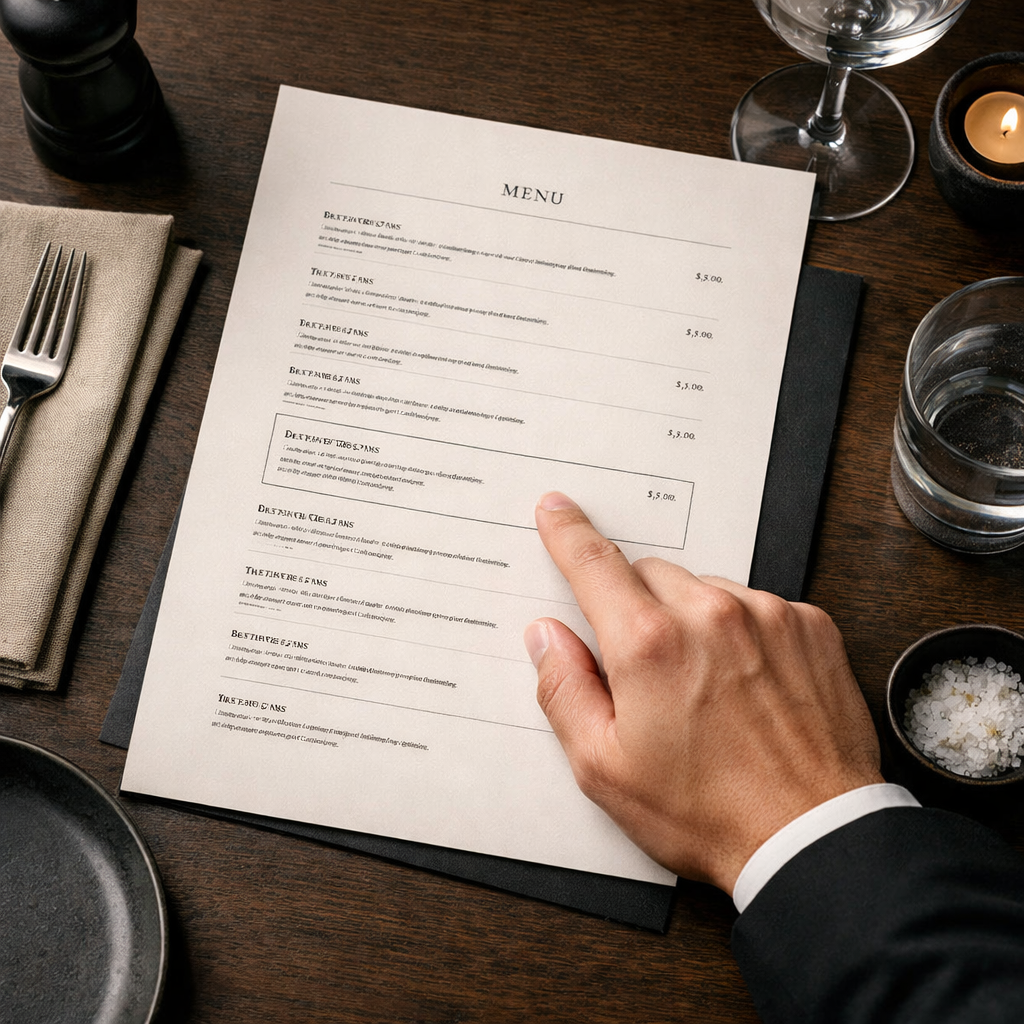
How Does Menu Design Influence What We Order?
Menu design shapes how guests see, process, and choose dishes. Layout, placement, and pricing subtly guide decisions before the first order is placed.
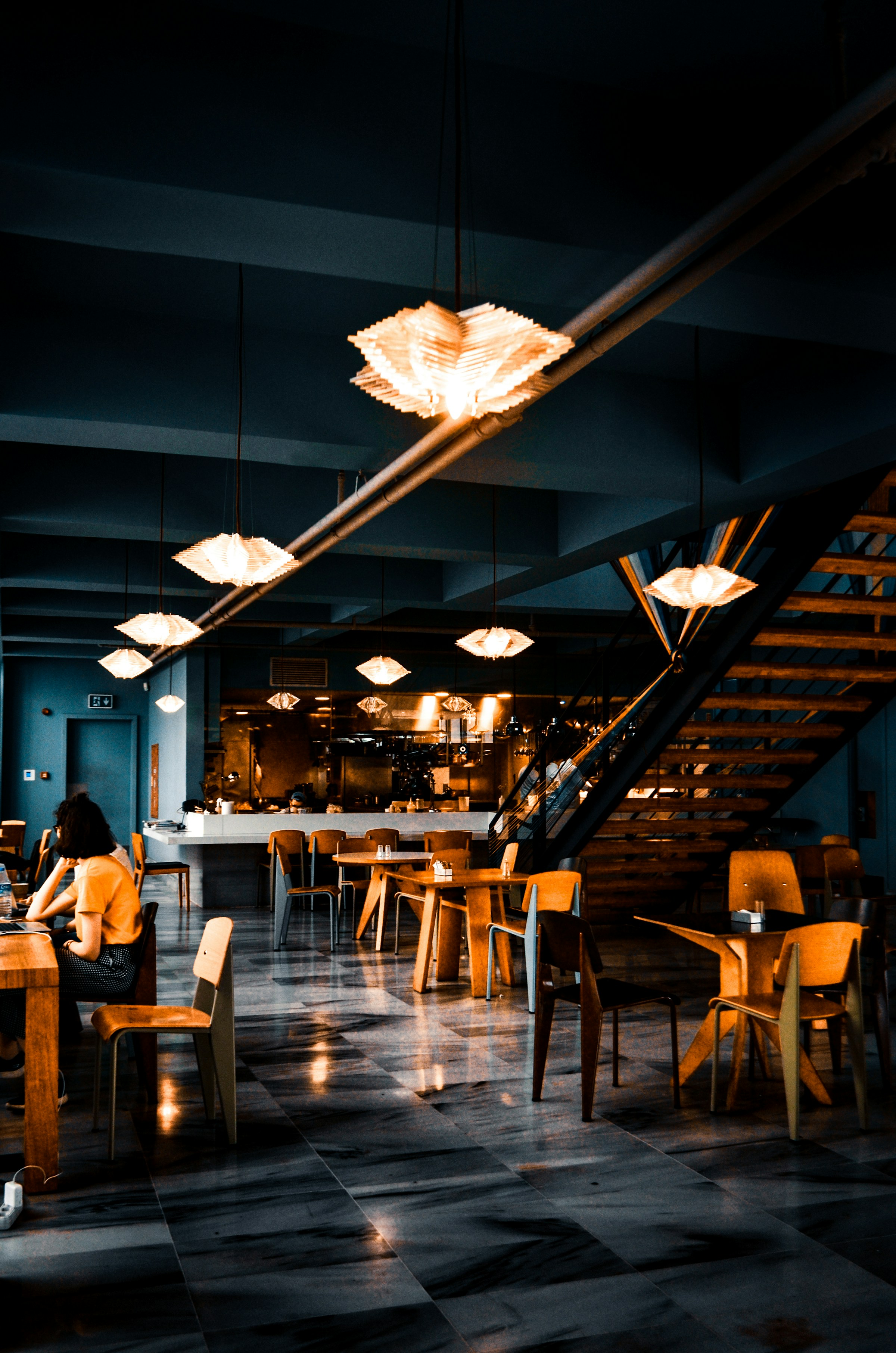
Part II — Why Restaurants Actually Fail
Restaurants rarely fail overnight. Long before a dining room empties, small signals begin appearing inside the system — menu drift, uneven service rhythm, labor instability, and the quiet loss of operational memory. Experienced operators learn to recognize these patterns before attempting to rebuild a struggling restaurant.
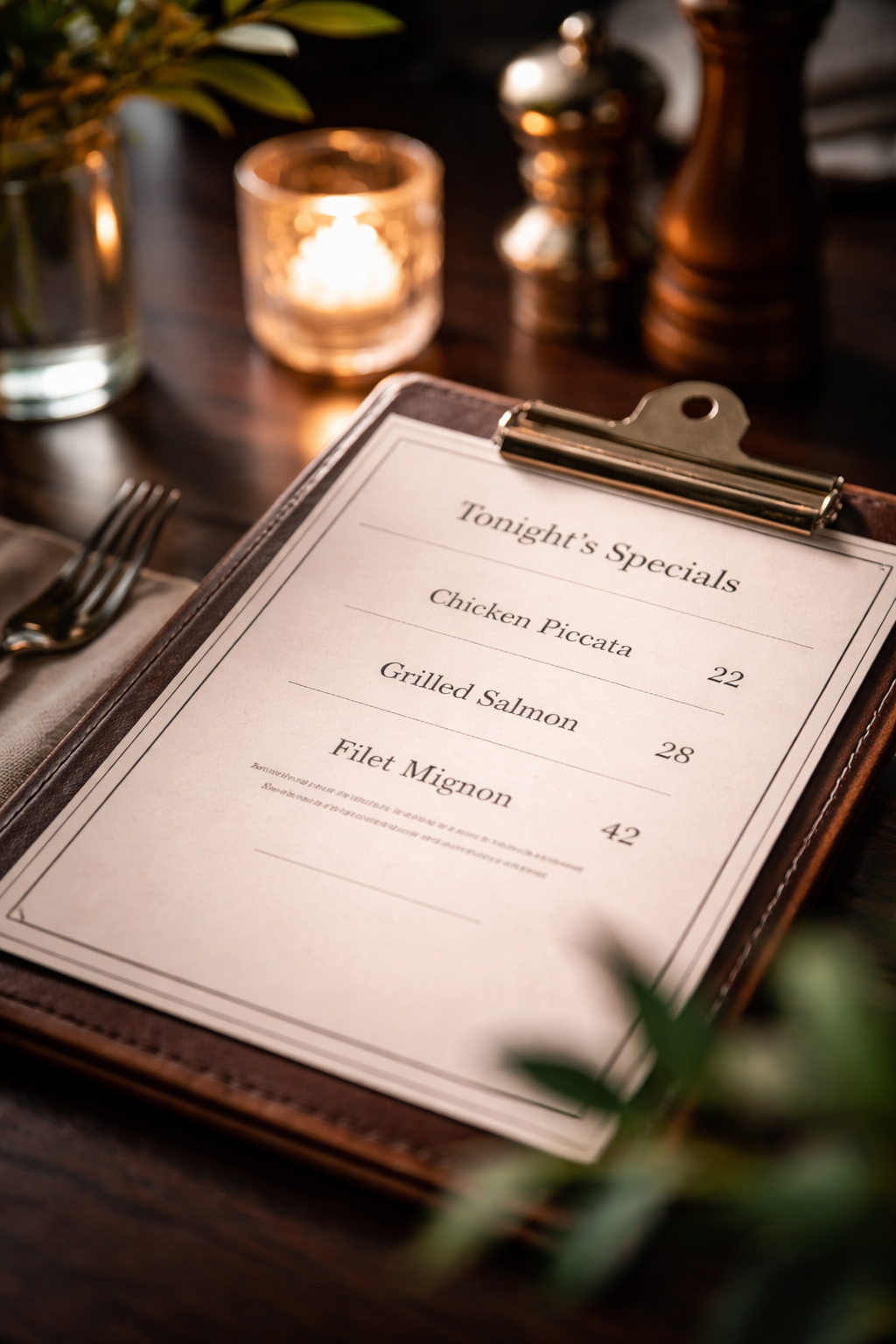
How Does Menu Pricing Influence What We Order?
Menu pricing is not just about cost—it frames value. From anchoring to price endings and design, perception shapes what guests choose before they decide.
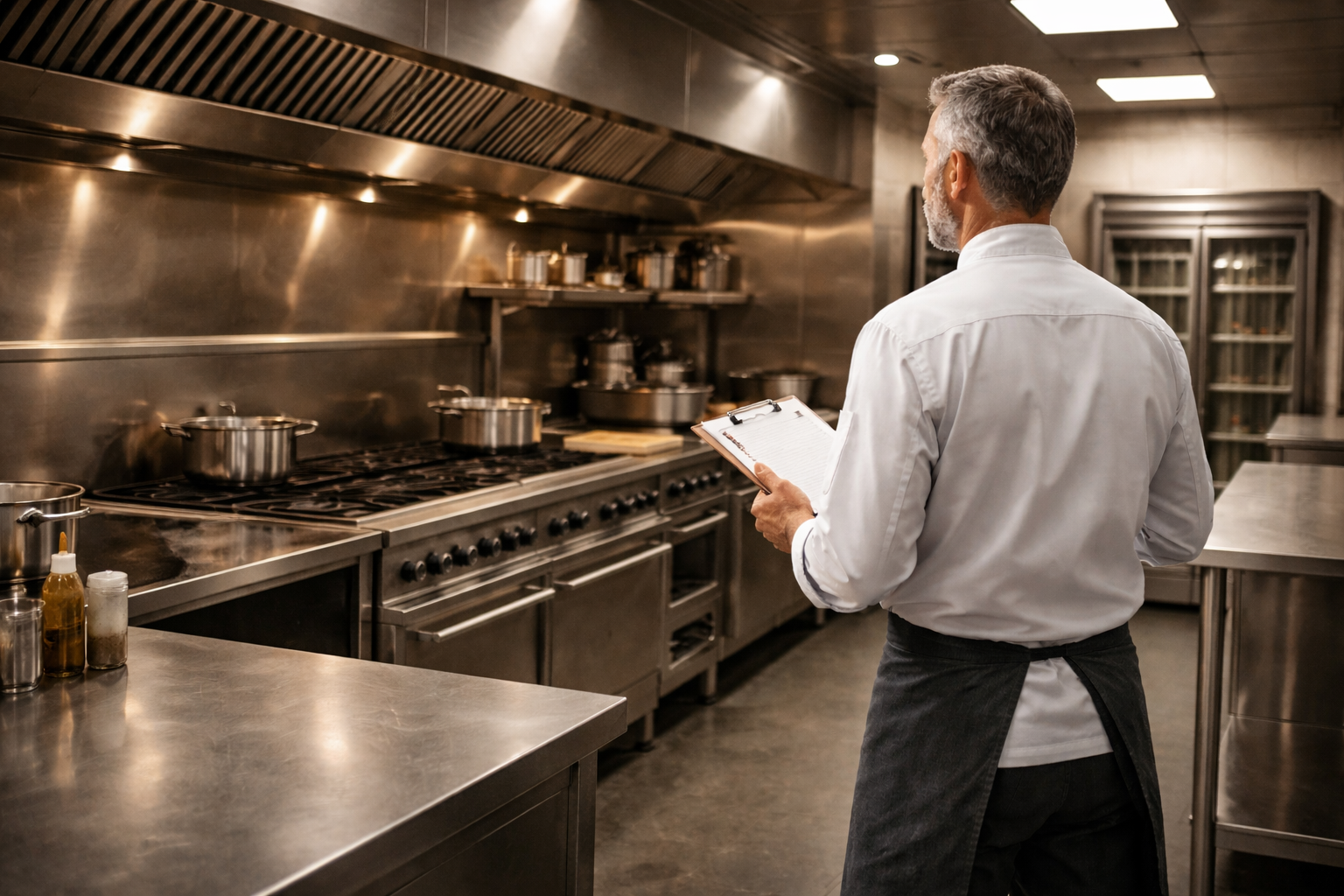
Part III — Evaluating the Physical Restaurant
Before rebuilding a struggling restaurant, experienced operators examine the physical system beneath the business. The lease, kitchen workflow, equipment, ventilation, and storage infrastructure reveal whether the building can realistically support a successful operation.