

Share
An unfolding archive of food, culture, and craft.
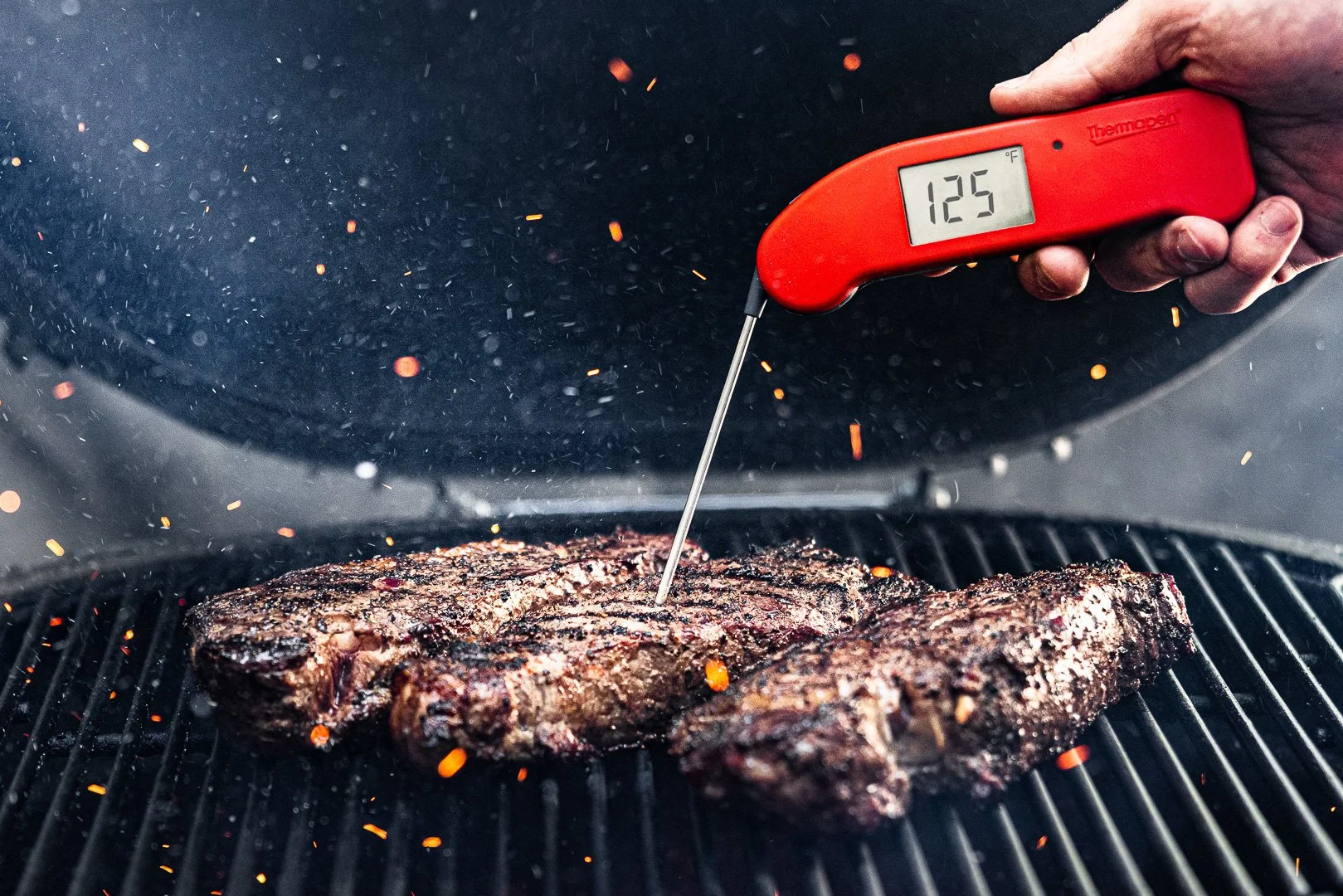
Thermapen® ONE: Precision in a Second
Precision in cooking often comes down to seconds. Thermapen ONE delivers a temperature reading in about one second, making it one of the most trusted instant-read thermometers used by professional kitchens and serious cooks.
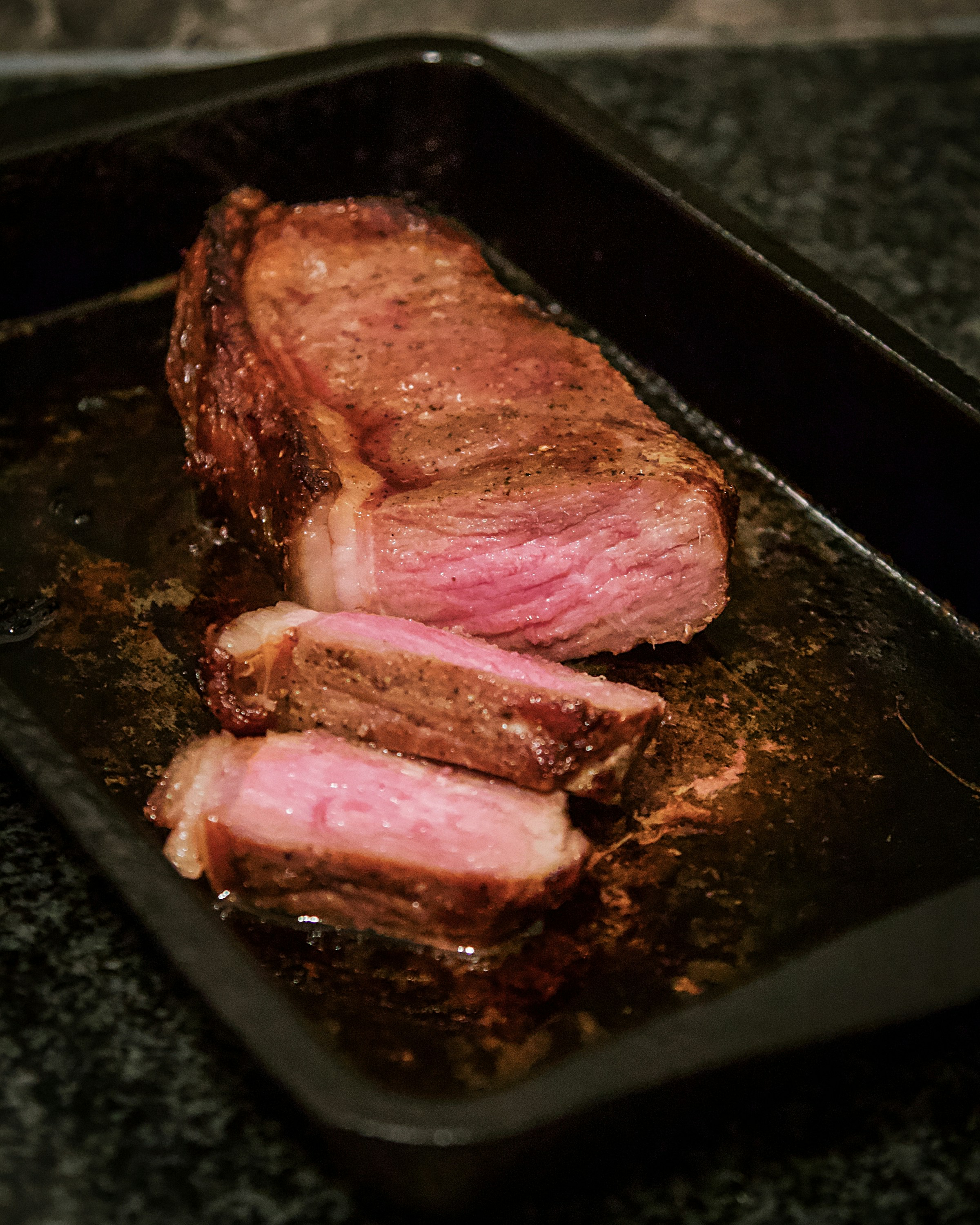
Why Does Steak Need to Rest After Cooking?
Why resting steak matters. Heat drives moisture toward the center of the meat during cooking, and resting allows that liquid to redistribute before slicing. The result is a steak that holds its juices, cuts cleanly, and finishes cooking with greater precision.
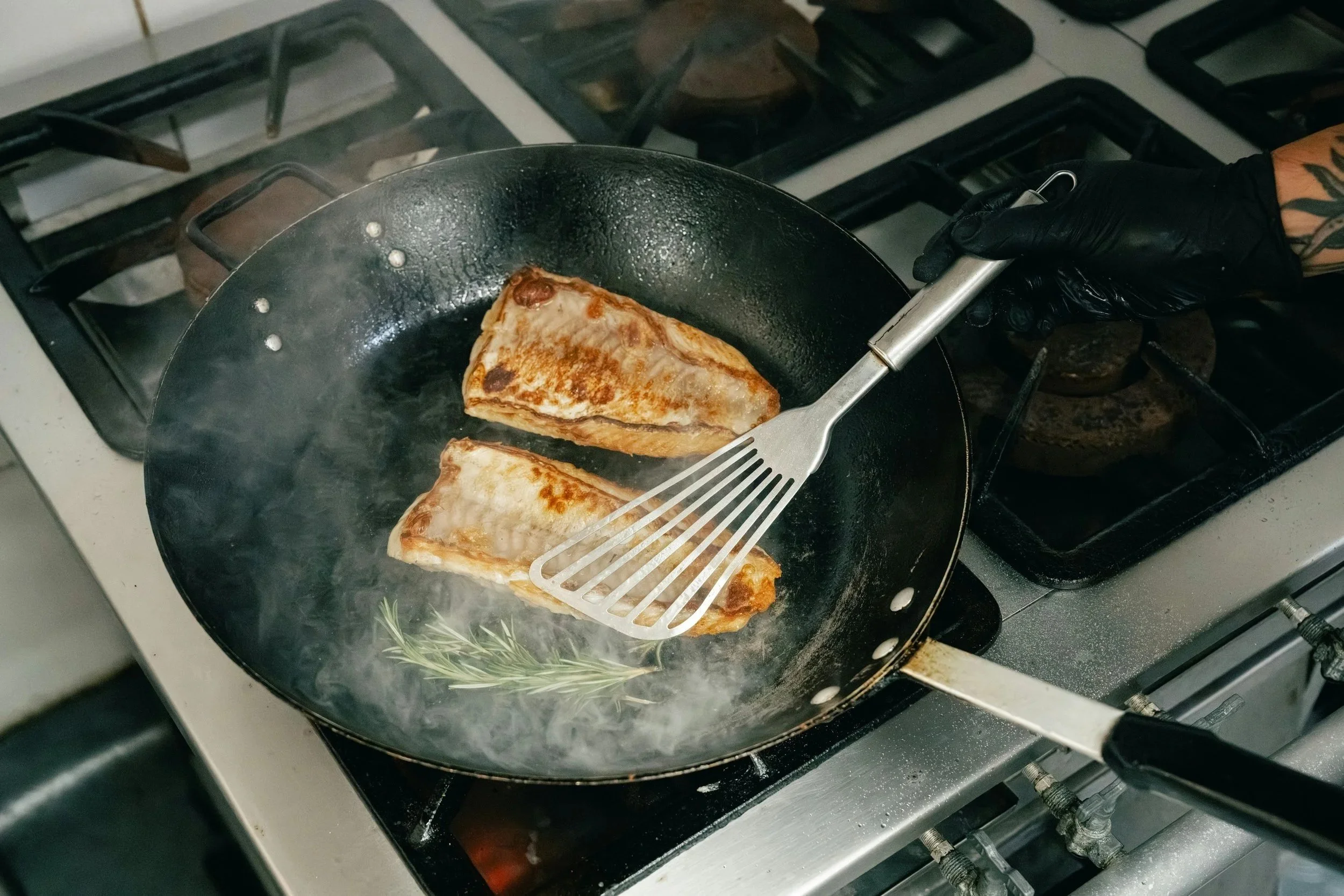
Why Does Fish Stick to the Pan?
Fish sticking to the pan isn’t bad luck. It’s a predictable interaction between protein, moisture, oil, and heat. Understanding that interaction changes how seafood cooks.
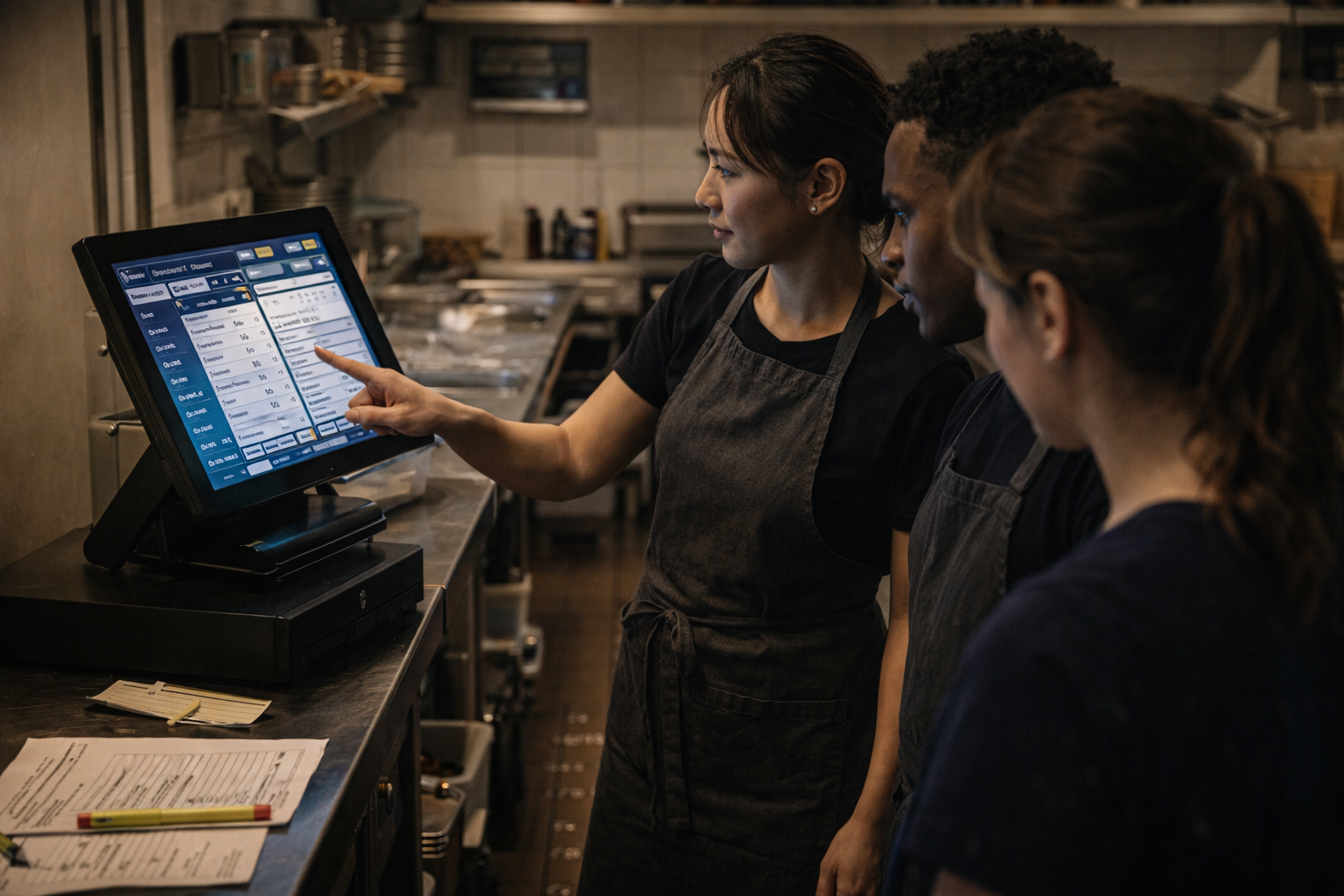
Part VI — Implementation: Where Good Systems Fail
The system that is purchased is not the system that is built. Structure, training, and discipline determine whether the system holds—or quietly begins to drift.
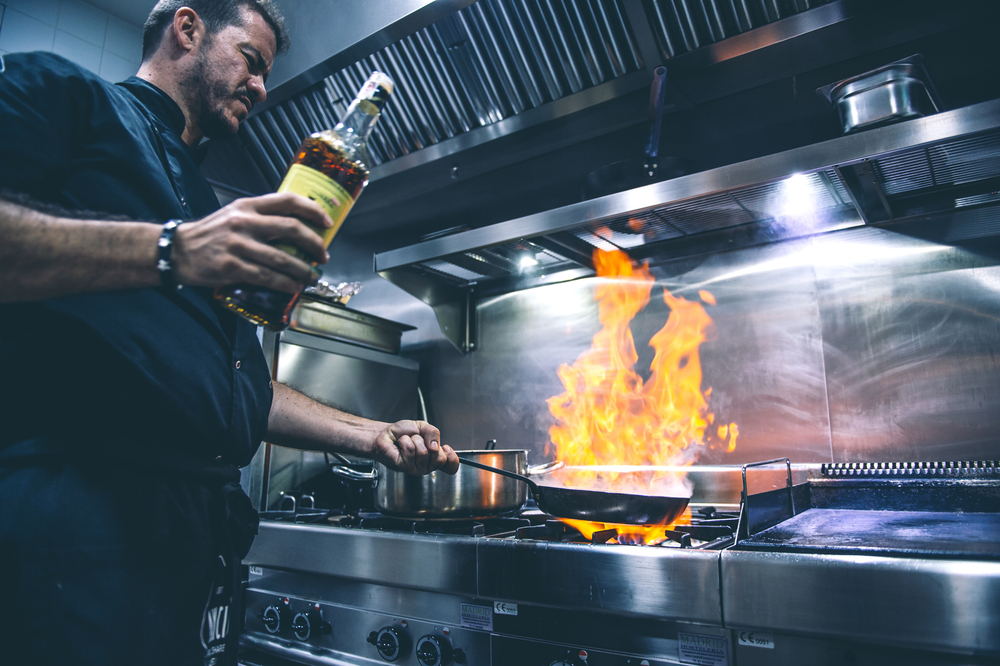
Why Do Chefs Use Carbon Steel Pans?
Carbon steel pans are a staple in professional kitchens thanks to their fast heat response, natural seasoning, and excellent searing ability. Discover why chefs often prefer them over stainless steel and cast iron.
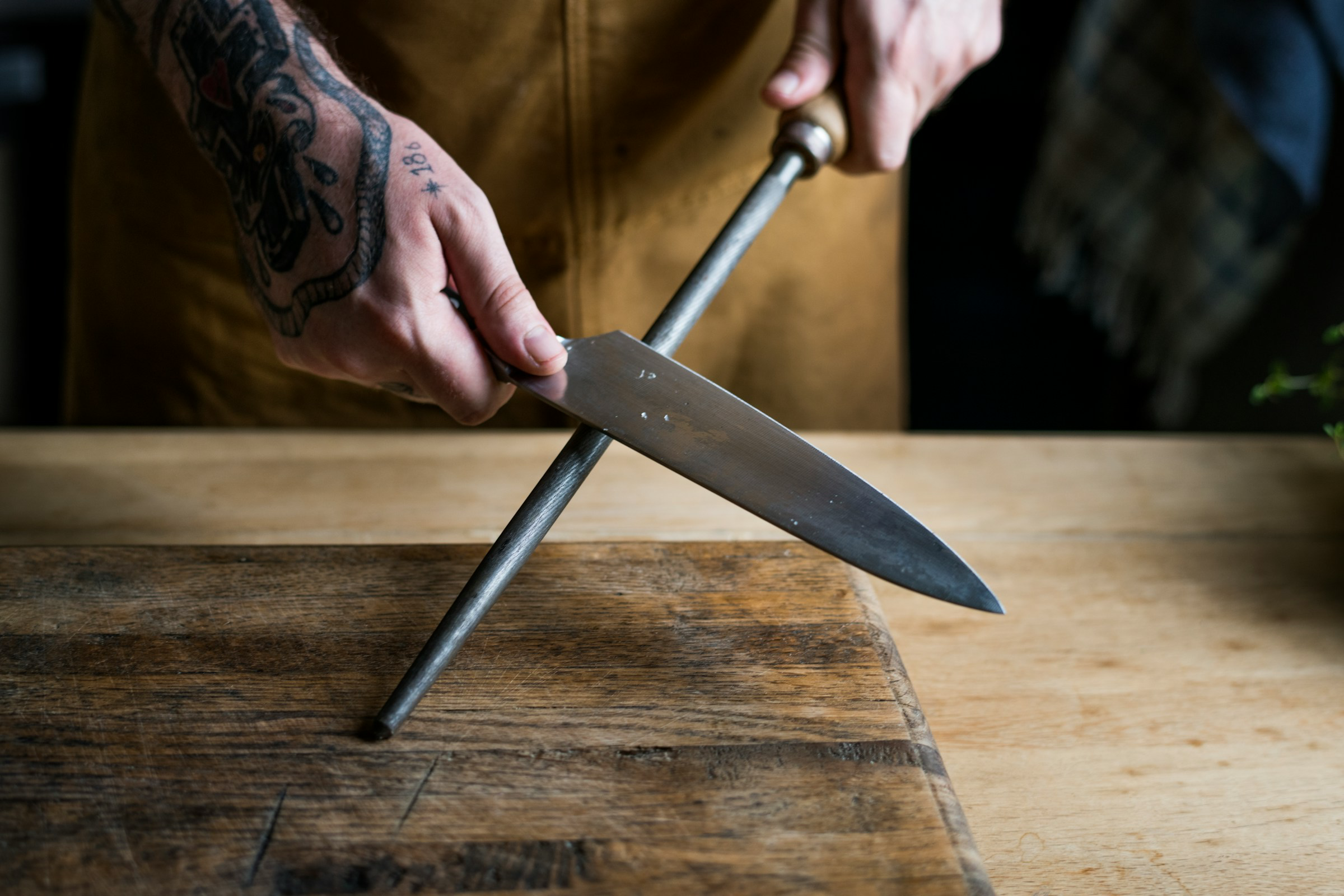
Honing vs Sharpening a Knife: What’s the Difference?
Honing and sharpening serve different purposes in knife maintenance. Honing realigns the blade’s edge while sharpening removes metal to recreate a new cutting surface.

Why Do Some Wines Need to Breathe?
Why some wines benefit from air—and how oxygen changes aroma, tannin structure, and balance.
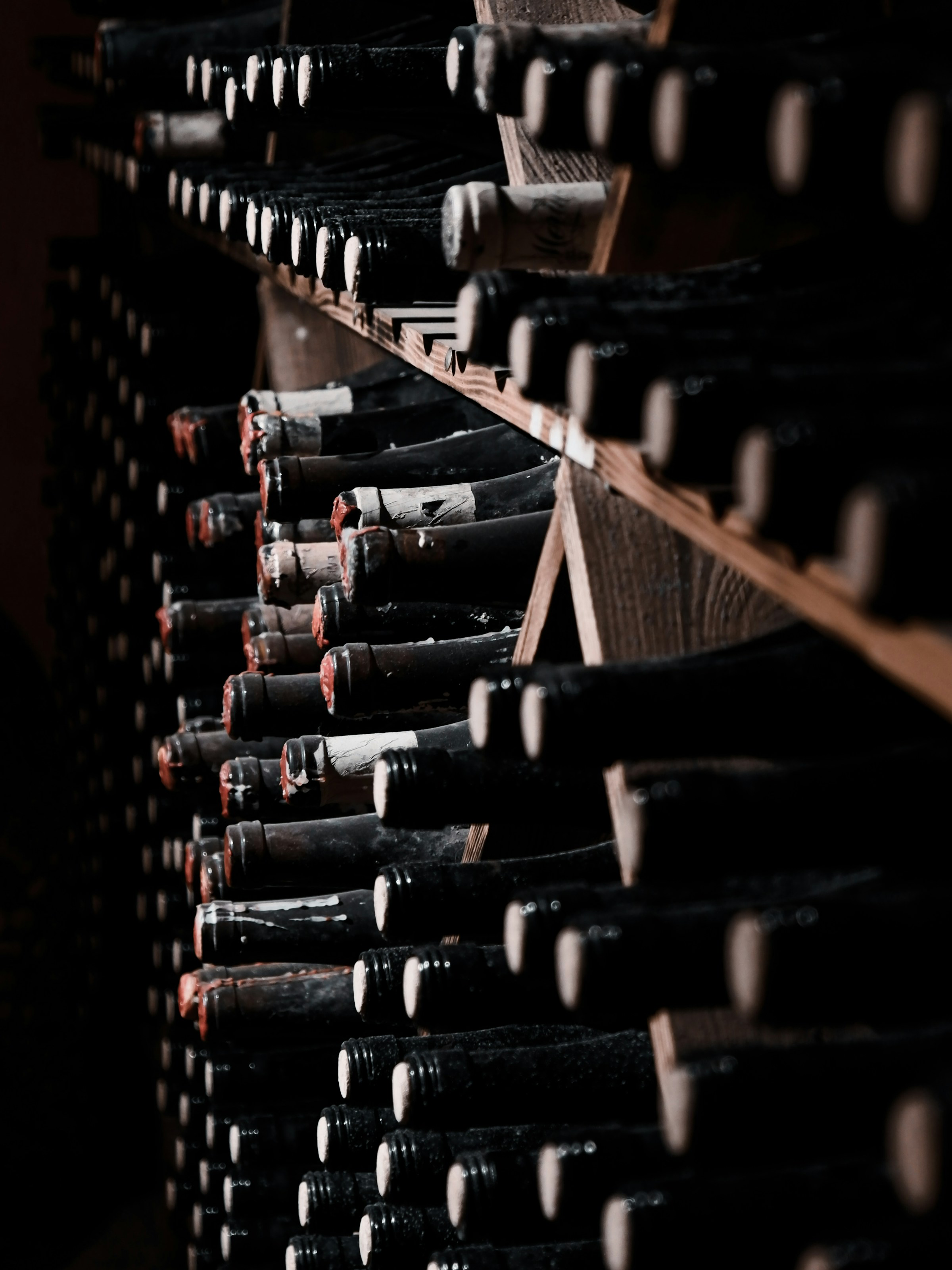
Why Do Wines Age?
Wine ages because its chemistry continues to evolve after bottling. Oxygen, tannin, acidity, and aroma gradually reshape the wine over time, but aging is not always improvement—only transformation.

Part I: Starting with $400,000
If I were to open a restaurant today, I would not begin with cuisine. I would begin with capital, motive, and the questions most operators avoid: how long can we breathe before the room must perform — and why are we opening at all?
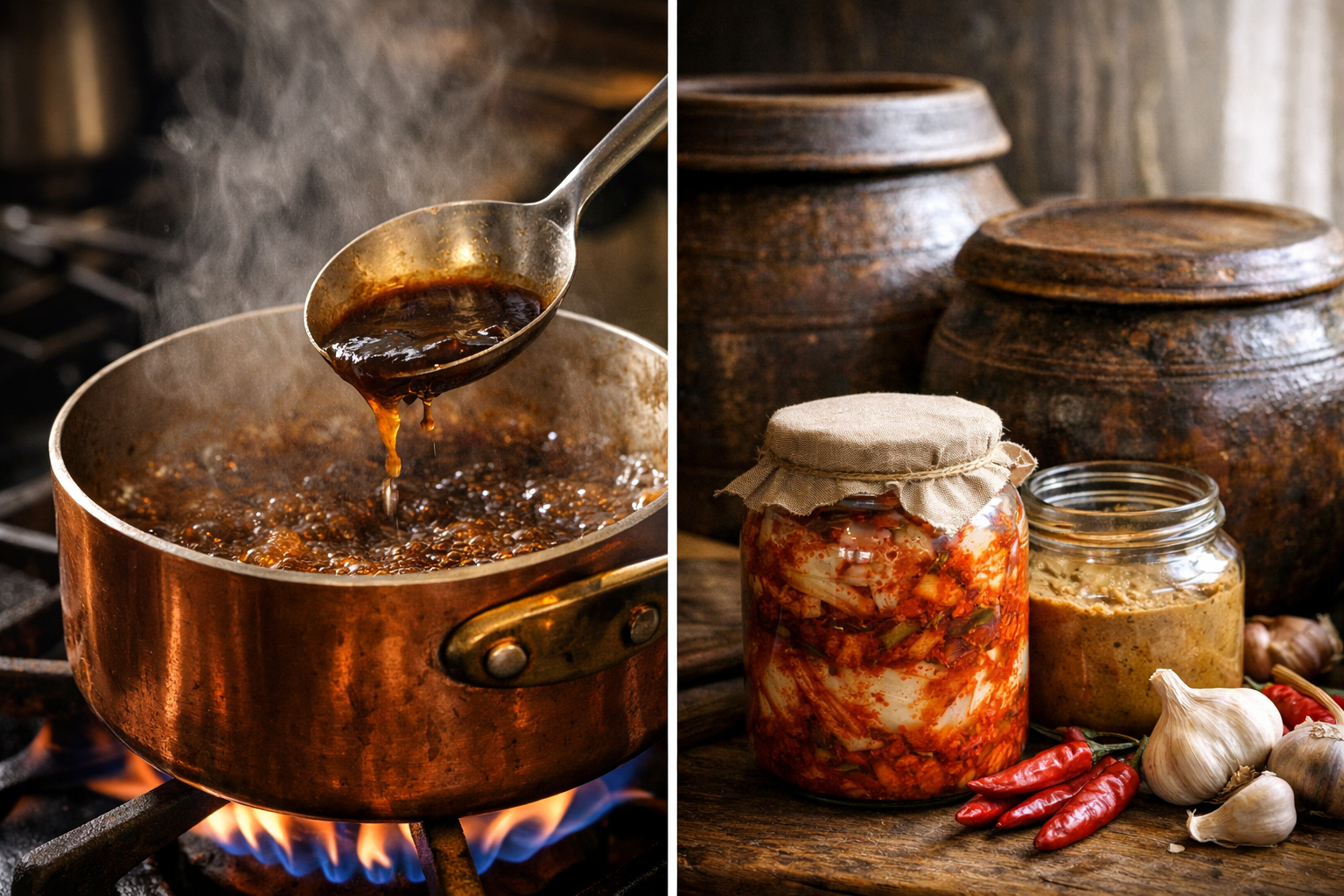
Reduction vs. Fermentation
Reduction concentrates. Fermentation distributes. Across centuries and civilizations, these two techniques shaped how flavor was built, preserved, and understood. From French demi-glace to Korean kimchi and monastery cellars to Escoffier’s kitchens, this essay traces the historical, structural, and sensory differences between heat-driven concentration and time-driven transformation — and why modern chefs use both.

Part II: Revenue Per Square Foot
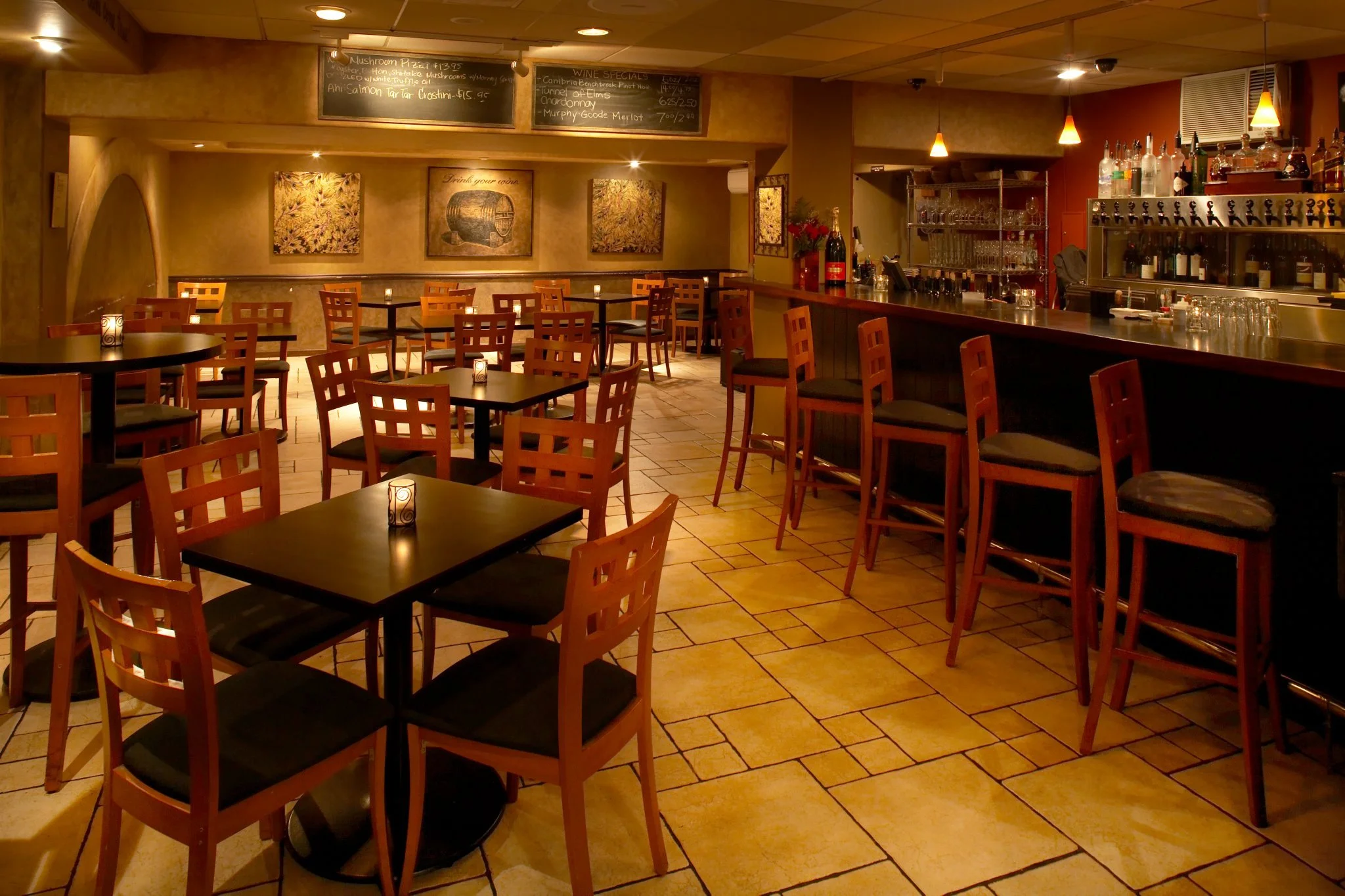
Before cuisine or concept comes constraint. examines restaurant startup costs, revenue per square foot, lease realities, build-out exposure, and what an independent restaurant must actually earn to survive.
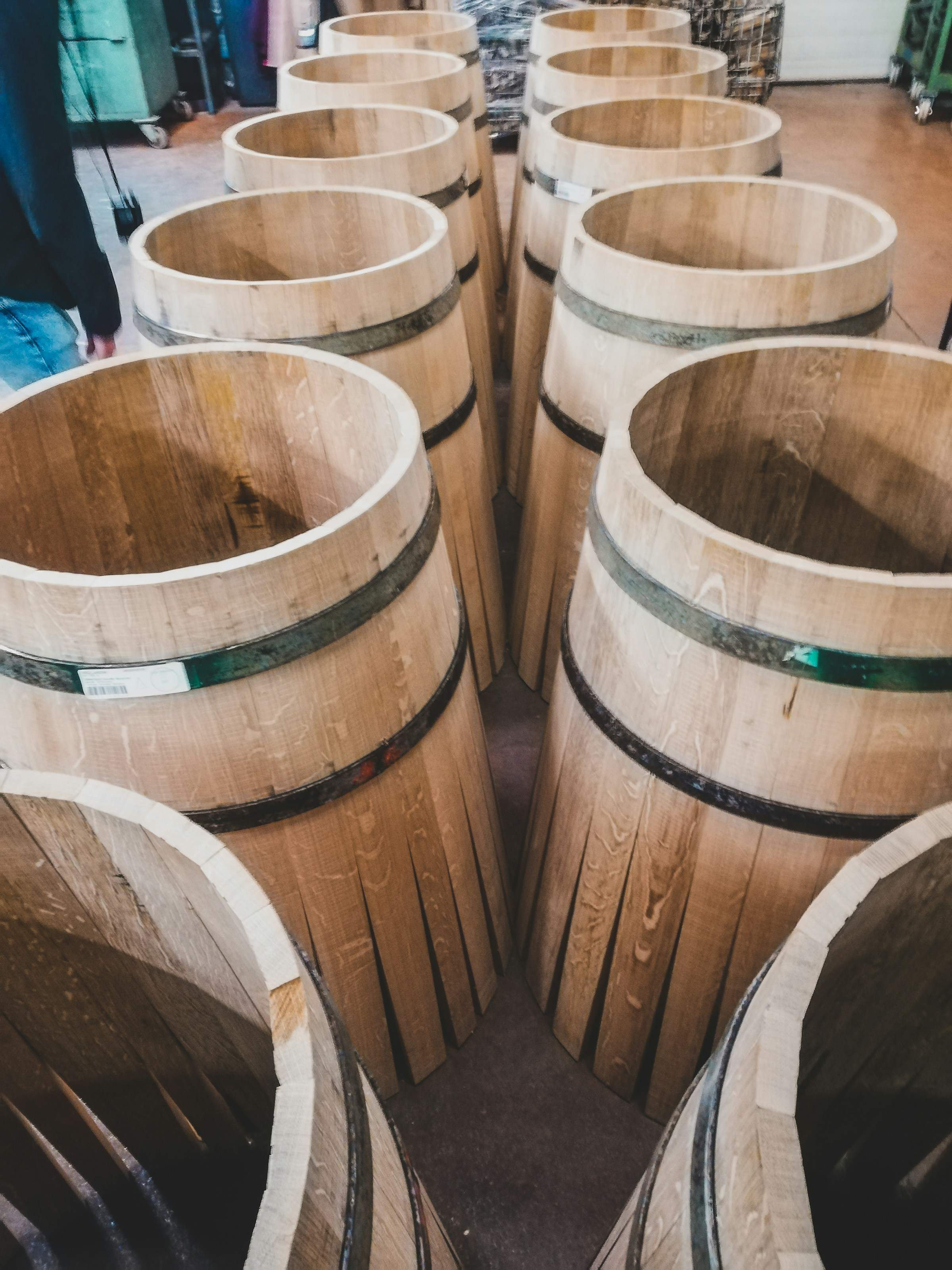
French Oak vs. American Oak
French oak and American oak do not decorate wine — they condition it. Shaped by different forests, growth rates, and structures, each influences how wine breathes, ages, and reveals itself over time. This is not a question of better or worse, but of intention.
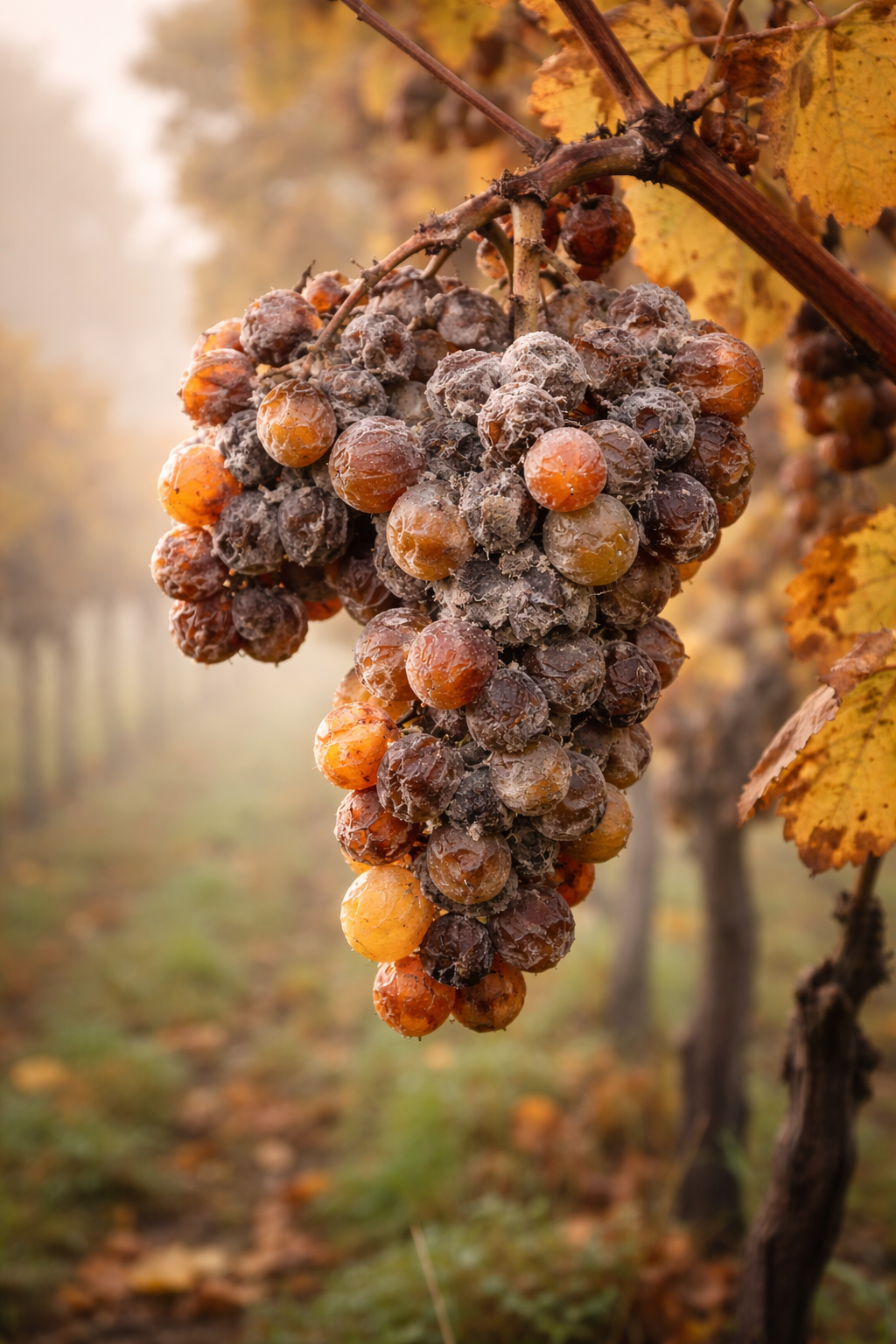
What Is Noble Rot?
Noble rot is caused by the fungus Botrytis cinerea, which dehydrates grapes and concentrates sugar, acidity, and aroma to produce some of the world’s most celebrated sweet wines.

What Does “Je Ne Sais Quoi” Mean in Restaurants?
The French phrase je ne sais quoi describes an elusive quality that makes certain restaurants feel quietly special. Often what diners perceive as mystery is simply the presence of genuine hospitality rather than transactional service.

Part III: Capital & Control
If $400,000 cannot build the room we want, the next decision is not culinary. It is structural. Debt preserves control but compresses timing. Equity softens pressure but redistributes authority. Before opening the doors, we must decide who governs the future of the restaurant — and which version of ourselves is signing the agreement.
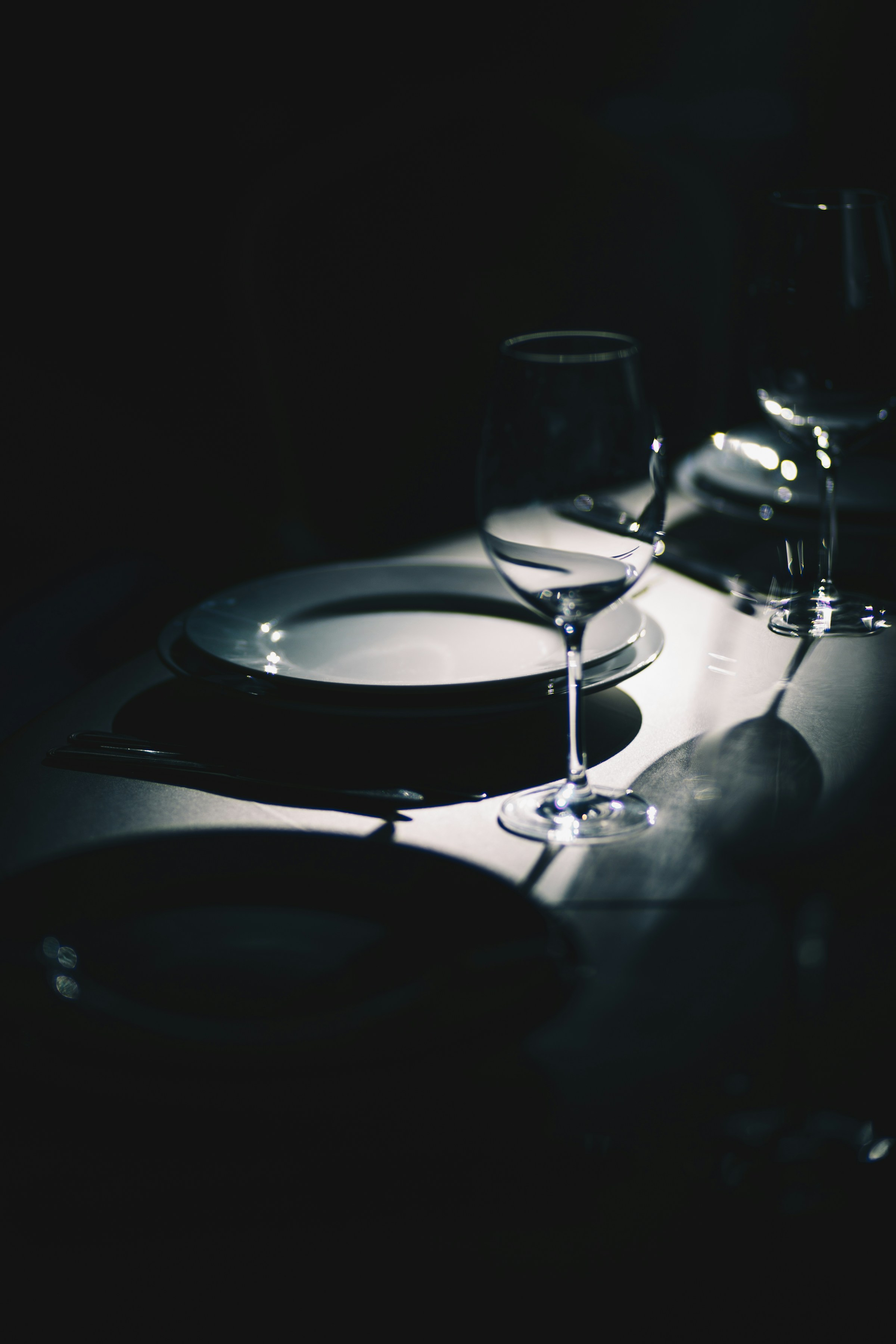
When “I’m a Vegan” Enters the Room
A vegan guest enters a fine-dining room not designed for vegan cuisine. What follows isn’t conflict, but a test of listening, clarity, and pride of execution — where service reveals itself most clearly.
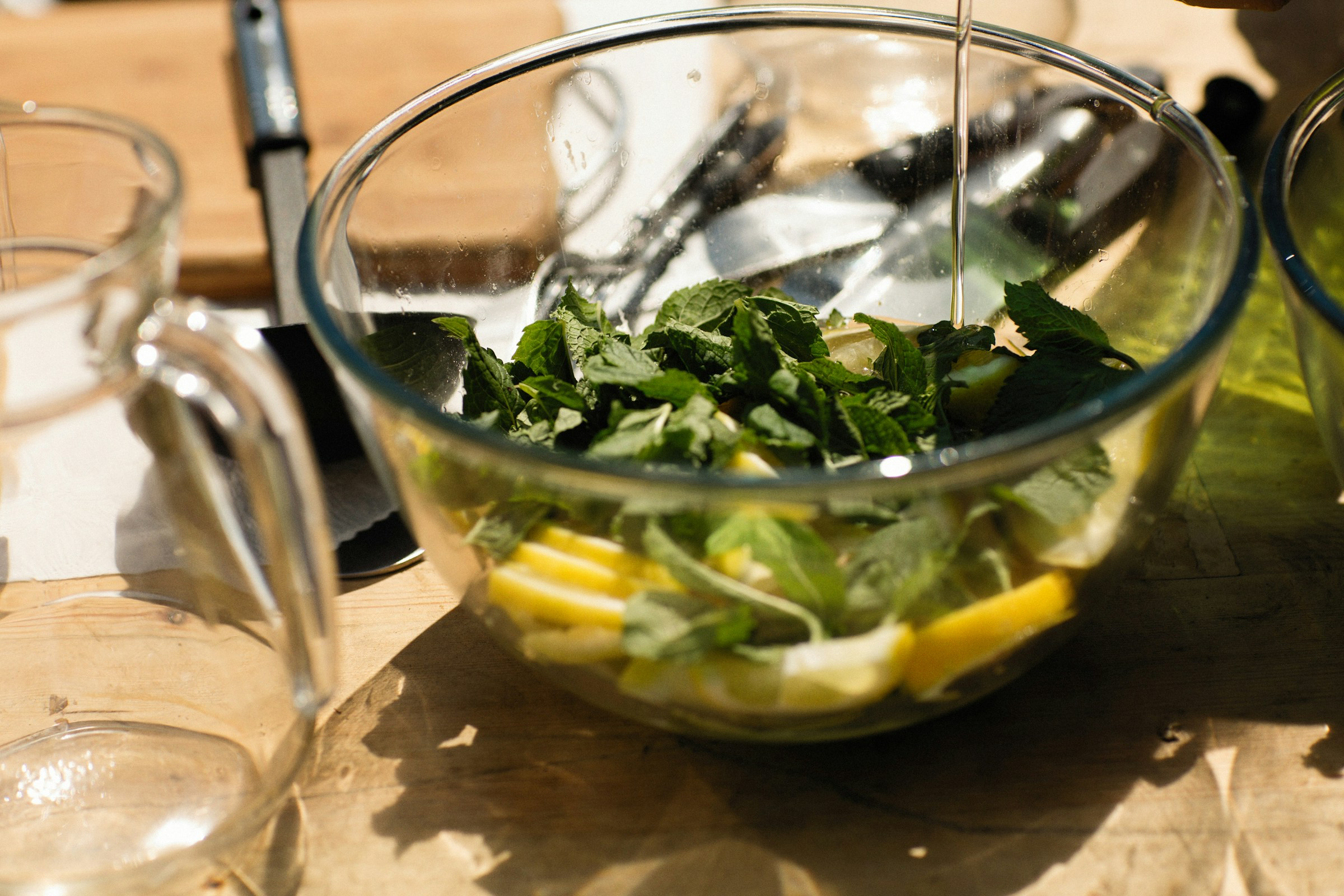
Veganism: What the Body Learns Over Time
Veganism is often framed as a belief. This essay treats it as a biological question—following the human body through adaptation, adequacy, and time to understand when plant-based eating holds, and when it quietly asks for adjustment.
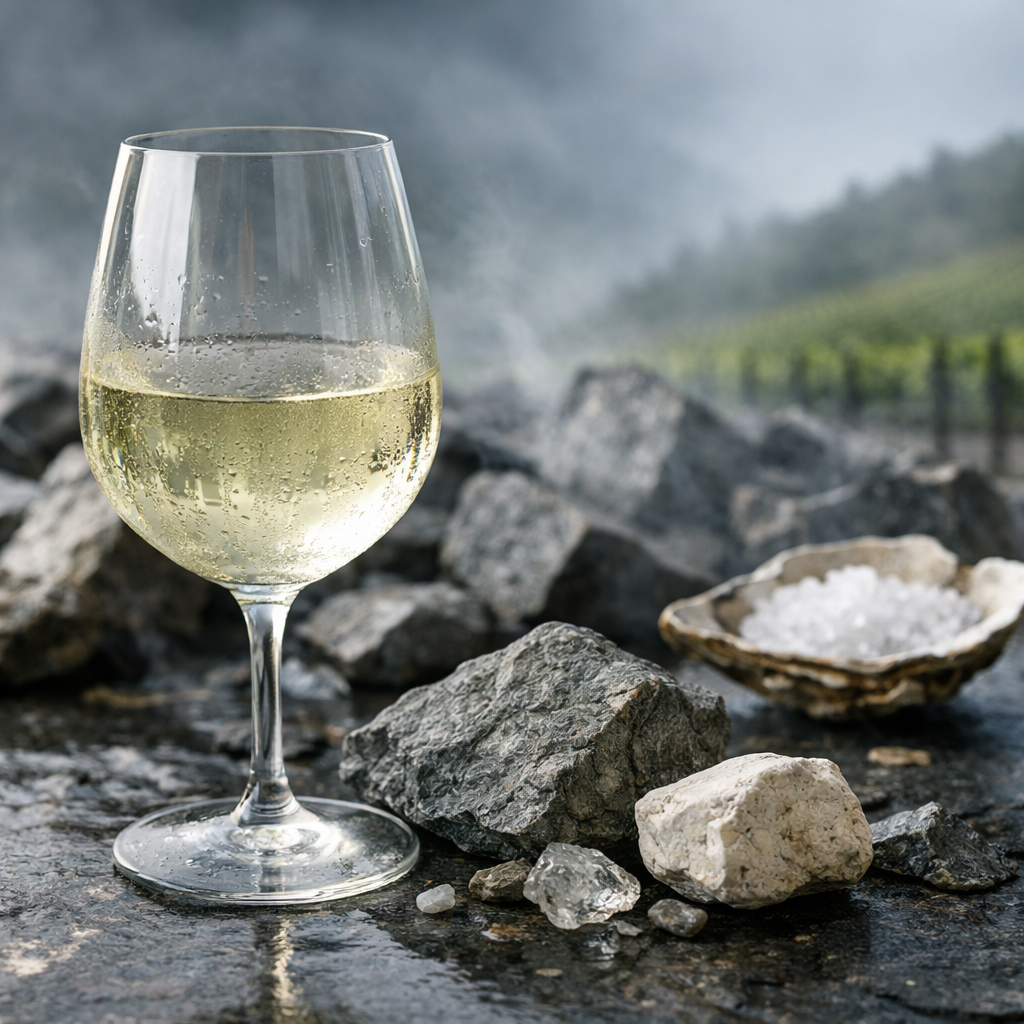
What Is Minerality in Wine?
Minerality in wine refers to stony, saline, or flinty sensations shaped by acidity and structure rather than actual minerals. It’s a perception created by how a wine is balanced and experienced.
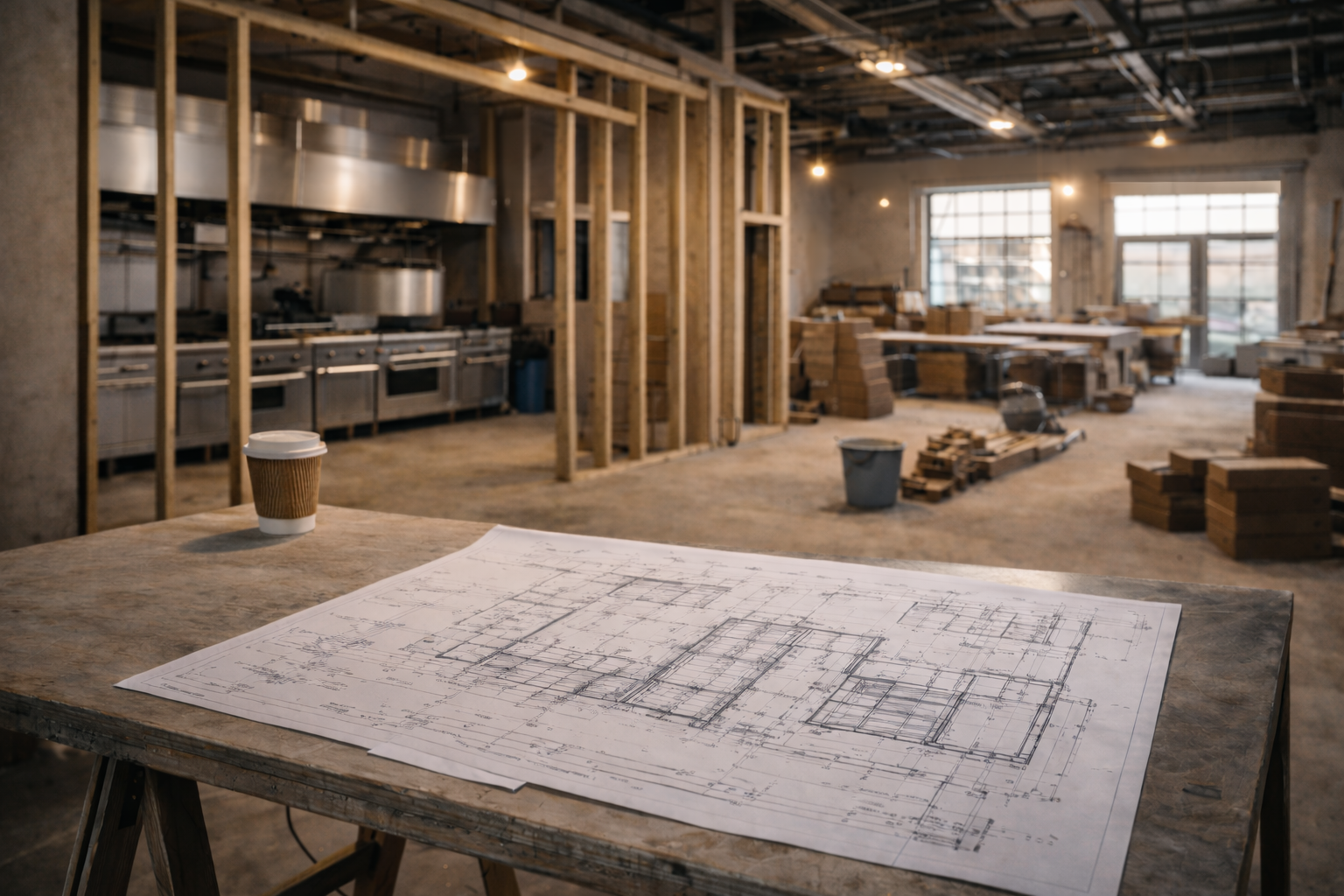
Part IV: The Menu Before the Walls
Restaurant menu planning is never theoretical. Kitchen size, square footage, and startup capital determine what an independent full-service restaurant can realistically execute — and survive.
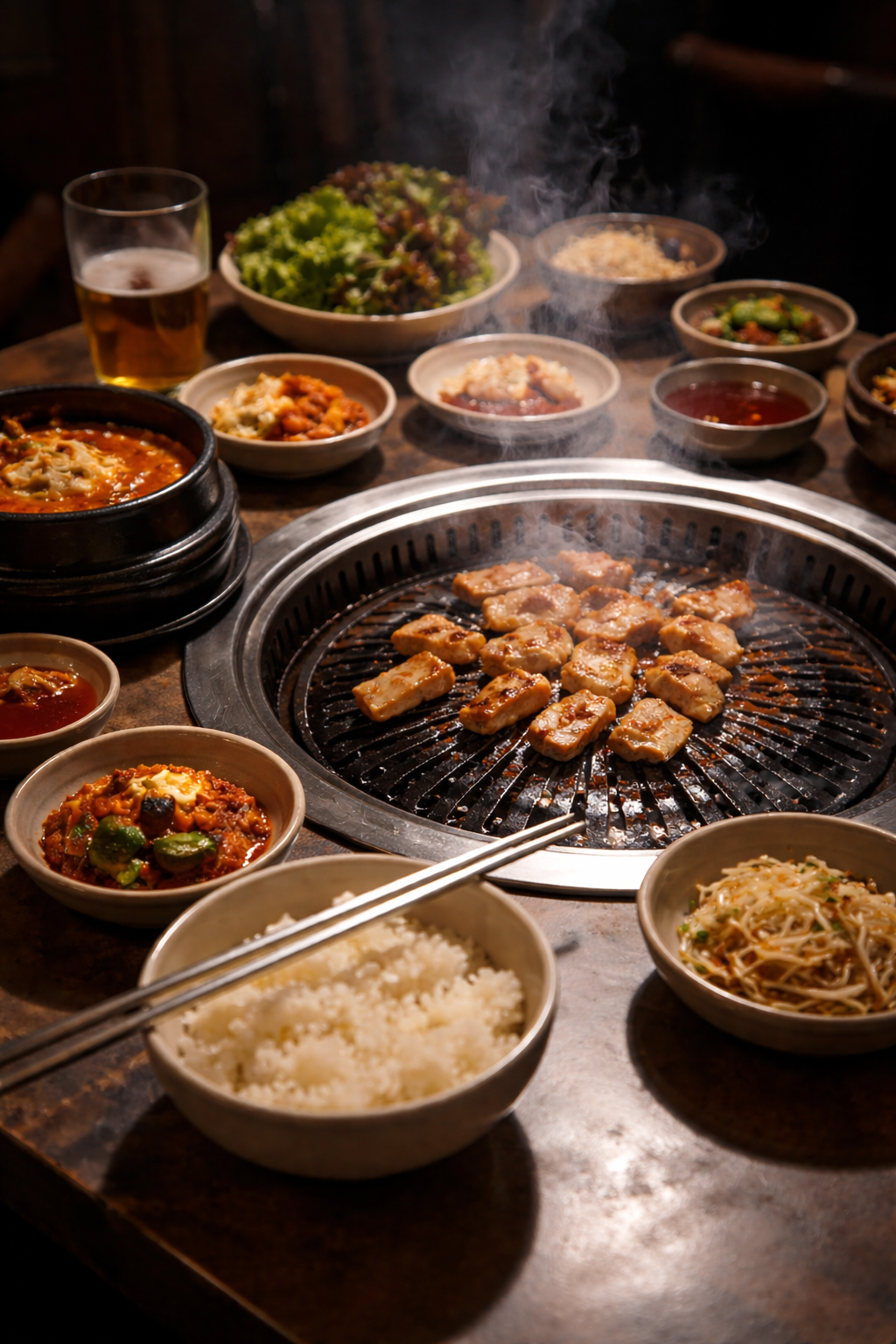
The Next Bite
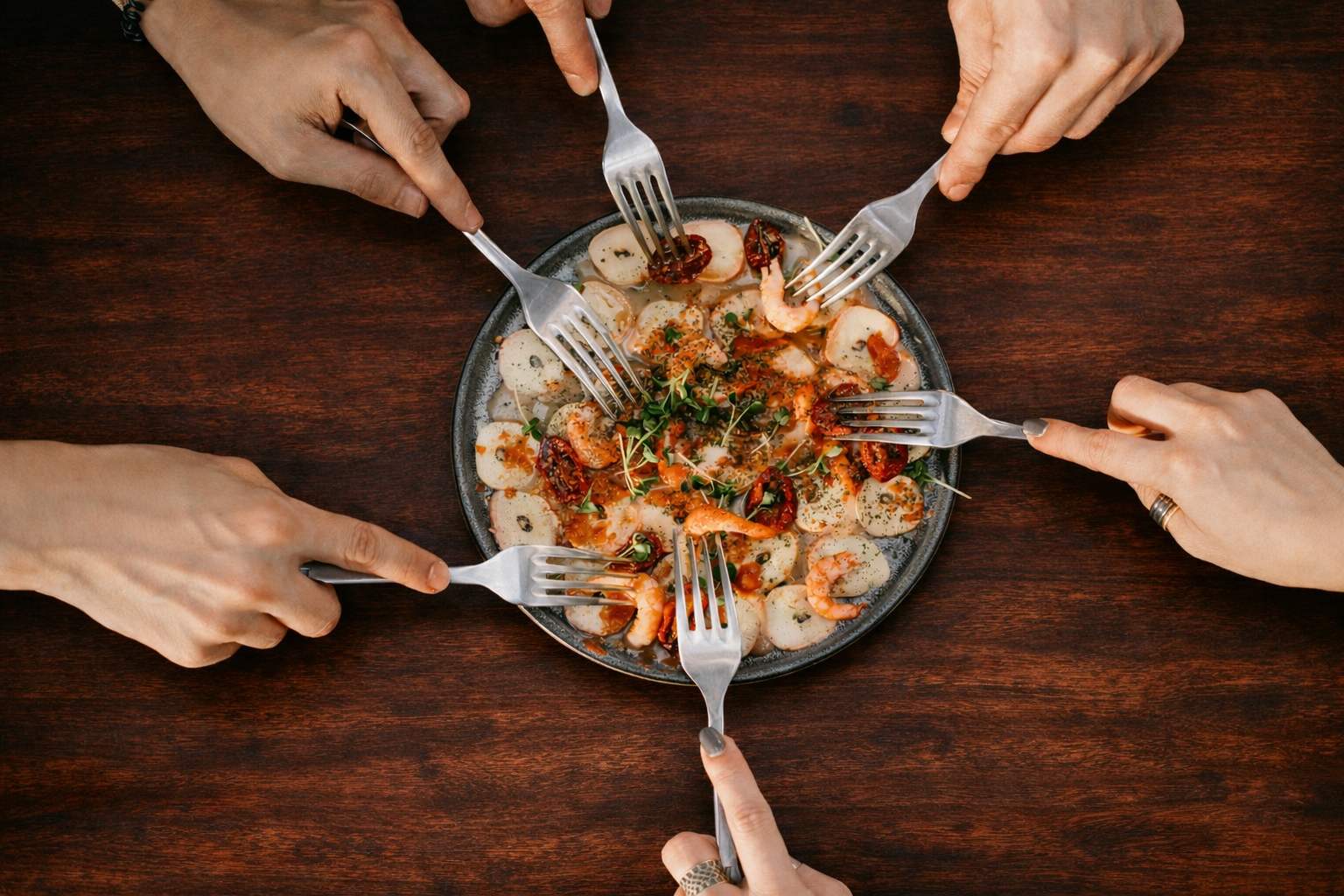
Korean food is not meant to bring the meal to a close. It is meant to keep it moving. From soup to grill to rice to banchan, each bite clears space for the next — allowing appetite to scale without fatigue. This is cuisine built for repetition, timing, and pleasure that holds.