
Share
An unfolding archive of food, culture, and craft.
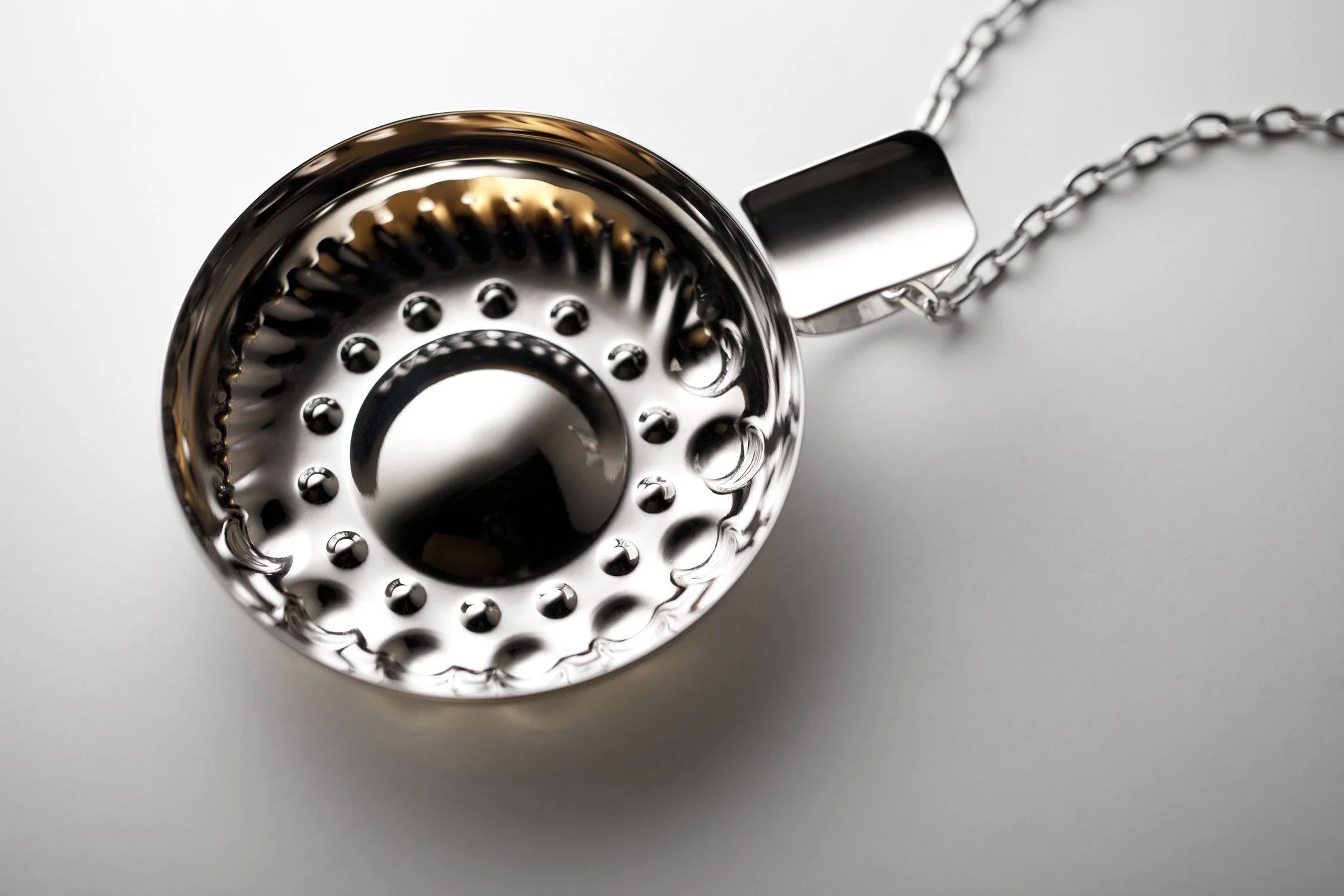
The Tastevin — When Wine was Judged by Light
Before the crystal stem and the swirling glass, there was the tastevin — a shallow silver cup that captured candlelight and revealed a wine’s secrets. Once essential to Burgundy’s cellars, it now gleams as a symbol of heritage, craftsmanship, and the enduring ritual of taste.
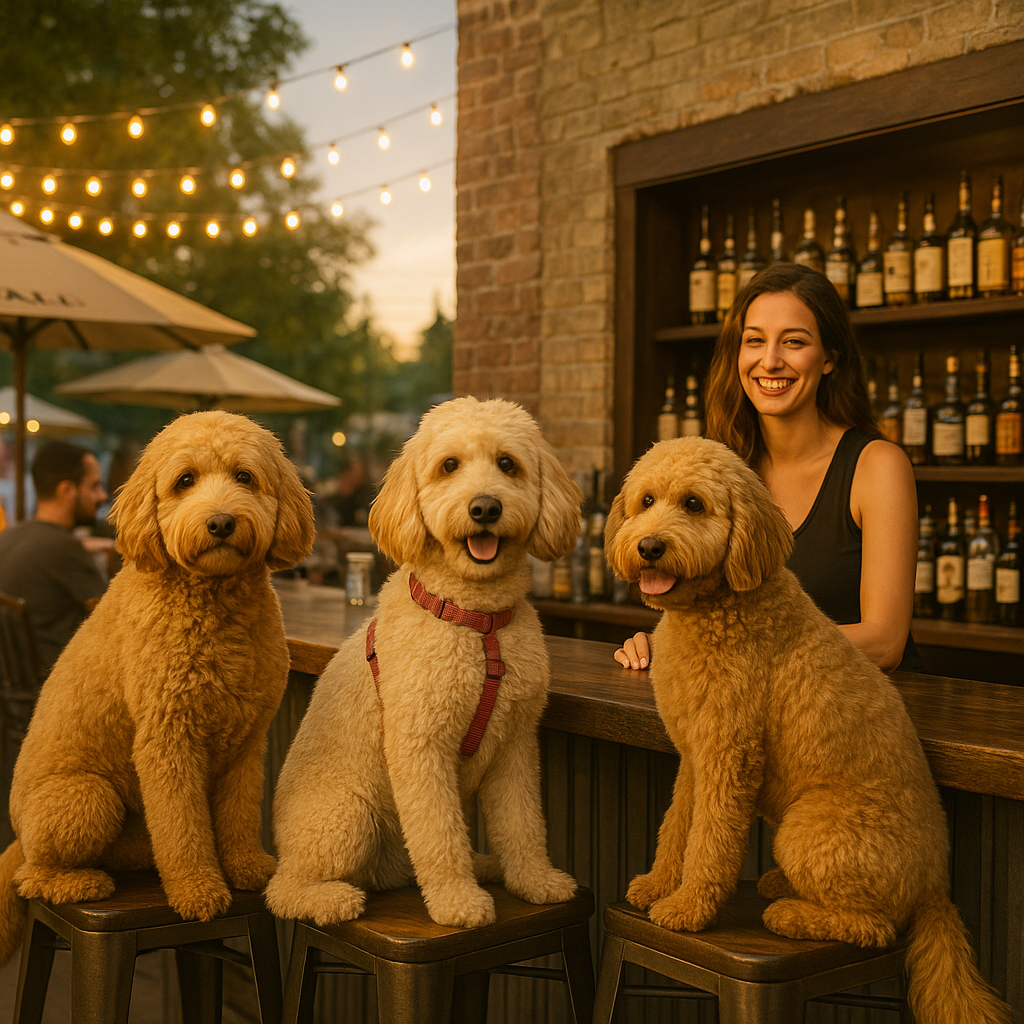
Fine Dining & Dog Friendly!
From New York to Tokyo, discover thirteen exquisite restaurants where fine dining and dog love share the same table. Meet visionary chefs, savor their creations, and see how hospitality extends from plate to paw.
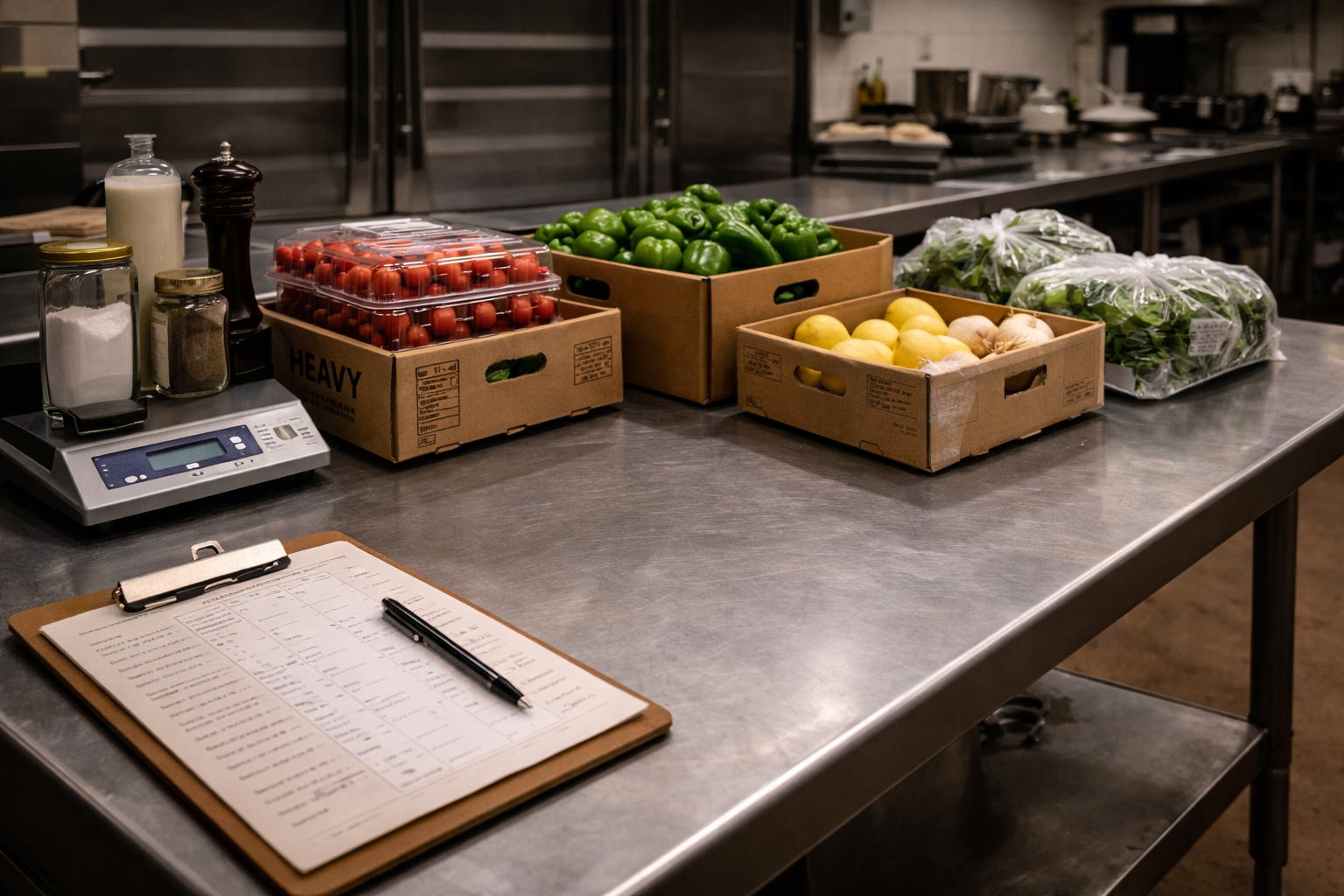
Part V — Precision Without Panic
Running lean requires more than cutting cost. This essay defines the system needed to align purchasing, labor, and service in real time.
The Taste of Now
In 2026, the world’s most inspired kitchens aren’t asking what tastes good—they’re asking why it matters. From regenerative dining to emotional hospitality, intention is the new flavor of luxury.
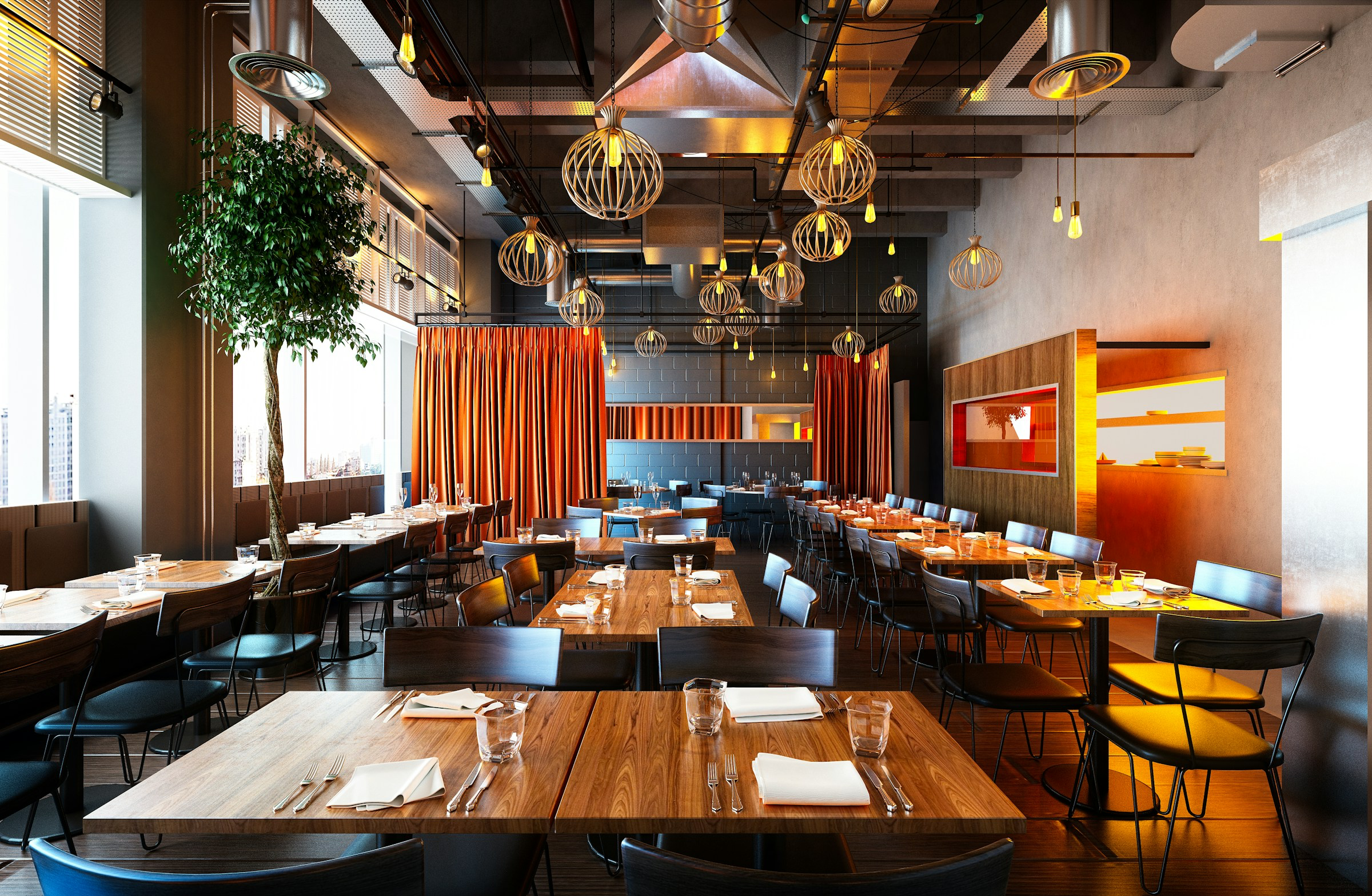
What Color Does to a Room Before the Guest Decides Anything
Color shapes appetite by influencing mood, time perception, and behavior. Warm tones stimulate urgency, while cool tones slow the dining experience.
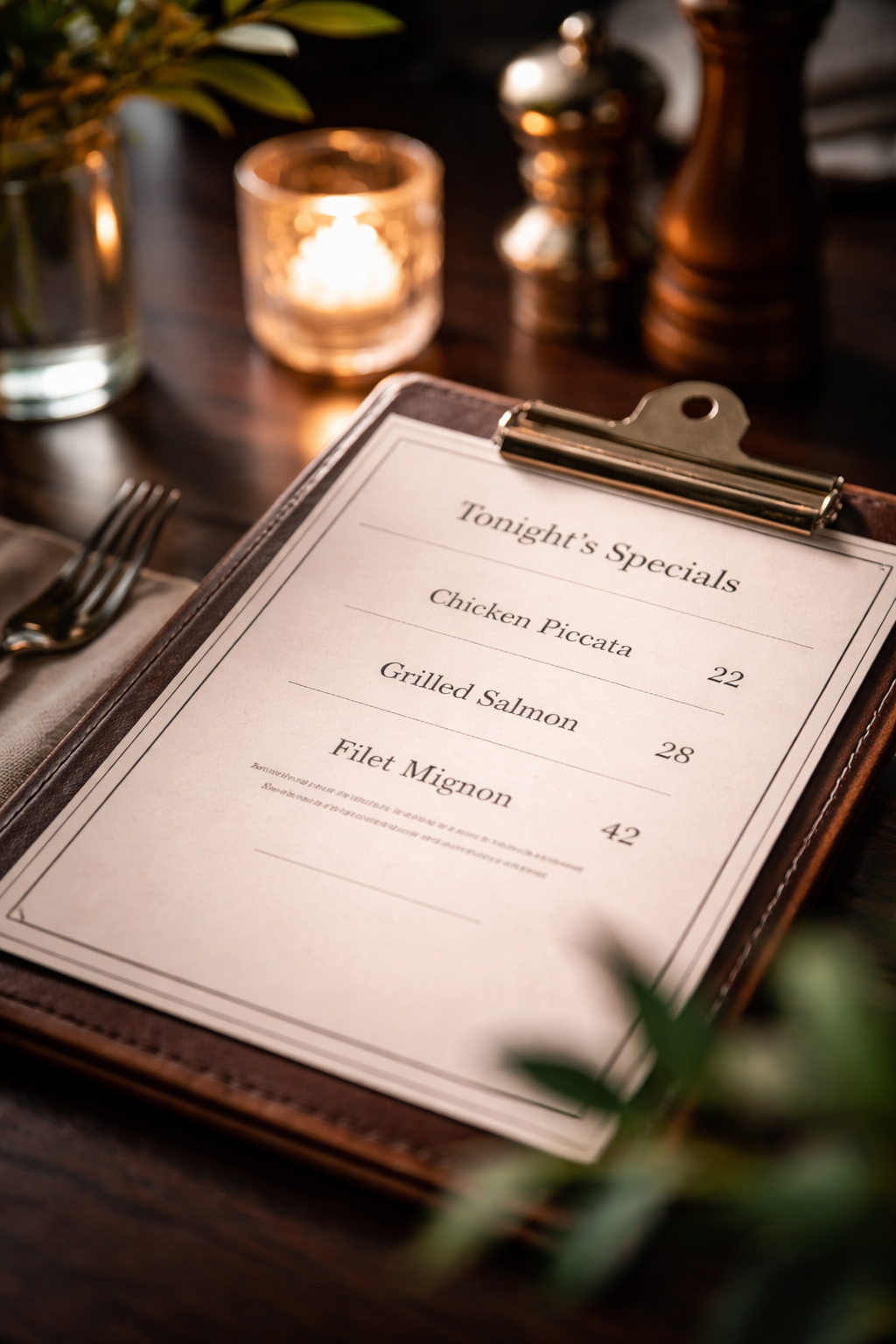
How Does Menu Pricing Influence What We Order?
Menu pricing is not just about cost—it frames value. From anchoring to price endings and design, perception shapes what guests choose before they decide.
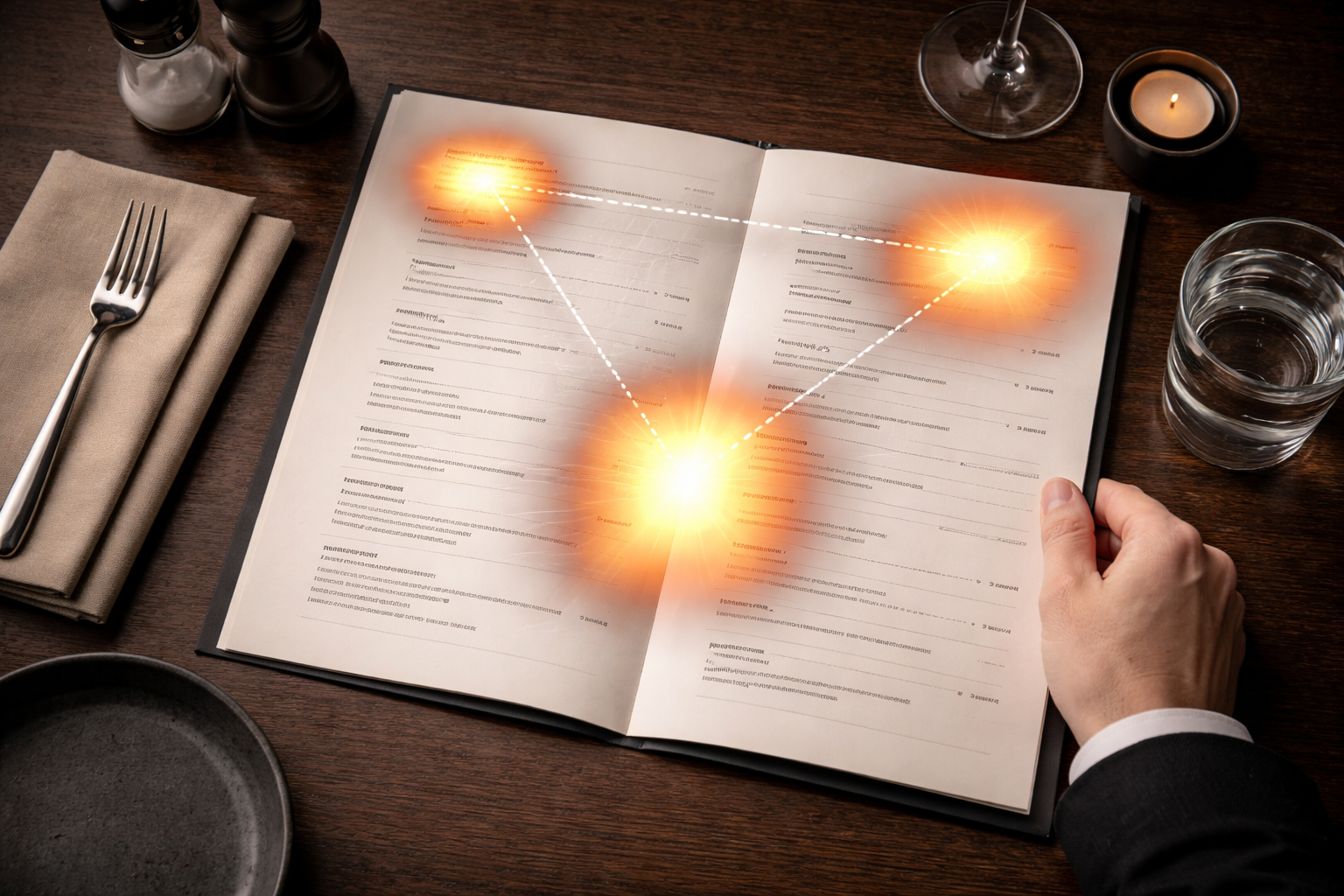
How Do People Read Menus?
People do not read menus in a straight line. They scan for visual hierarchy, and design choices such as layout, spacing, boxes, and page structure influence what they notice first and what they are most likely to order.
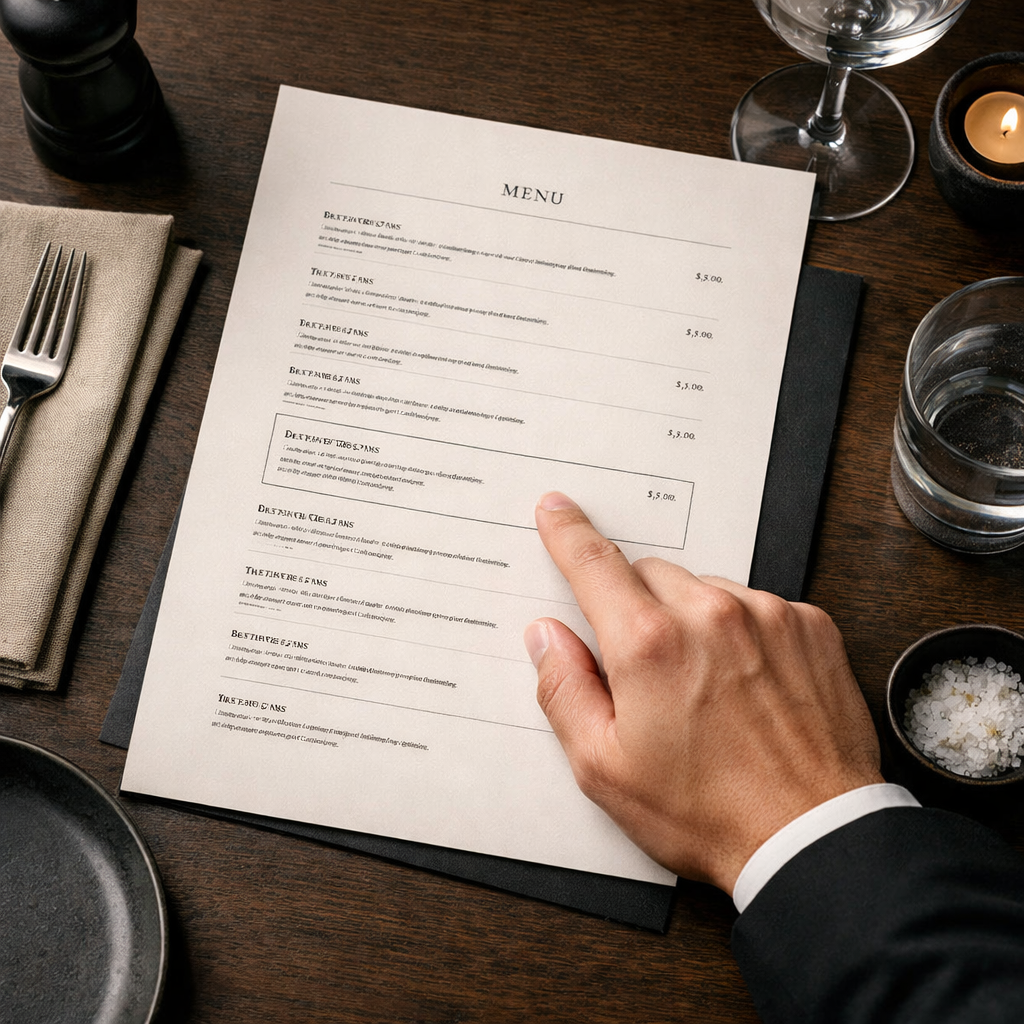
How Does Menu Design Influence What We Order?
Menu design shapes how guests see, process, and choose dishes. Layout, placement, and pricing subtly guide decisions before the first order is placed.
What Tip Pooling Changes—and What It Costs
Tip pooling doesn’t just change how money is distributed—it changes how the dining room works. From individual performance to shared responsibility, each system produces a different kind of service, and a different kind of experience.
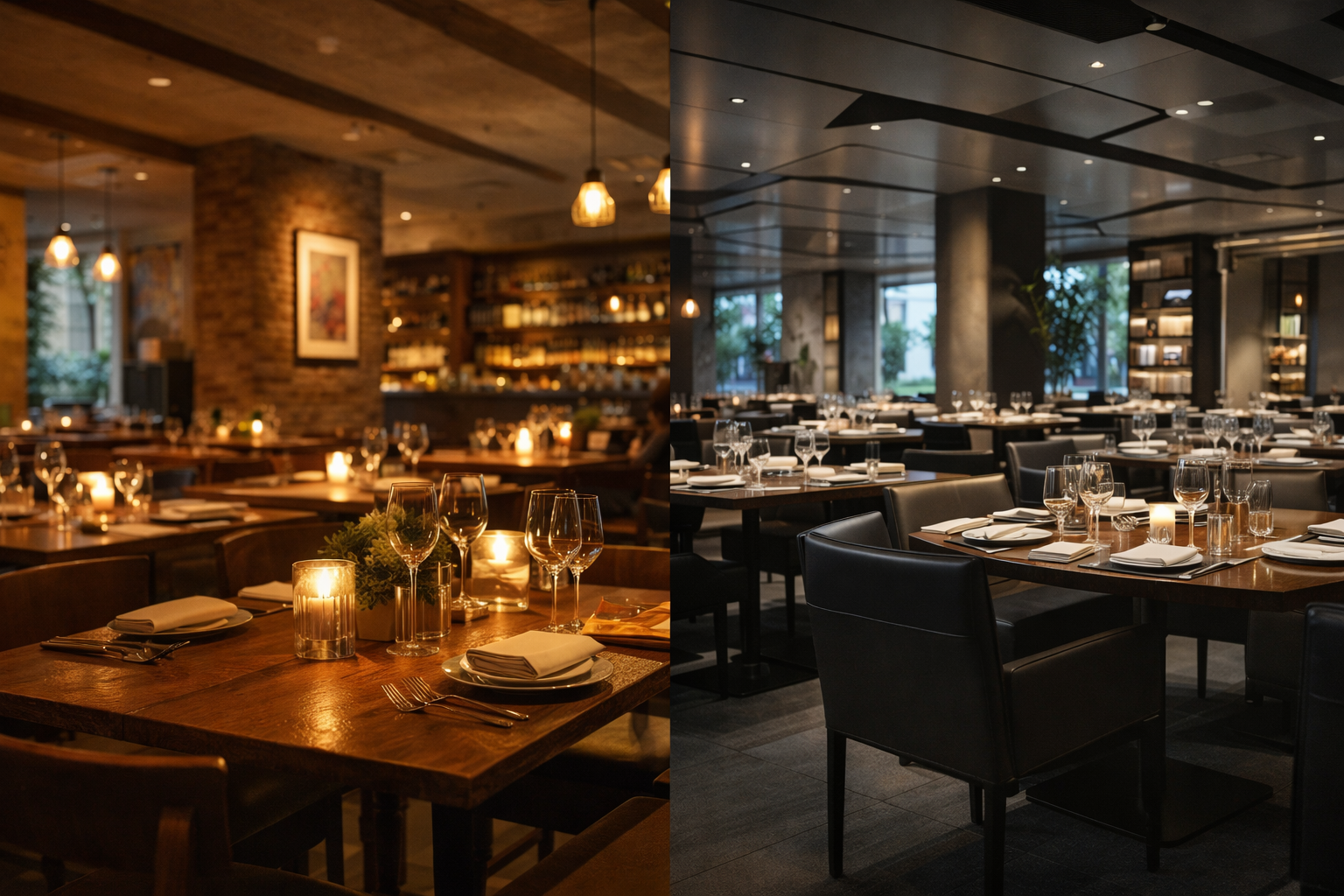
Restaurants That Last: Independent vs. Corporate
A thoughtful comparison of independent and corporate restaurants—how each approaches risk, culture, and decision-making, and what truly determines which ones endure.
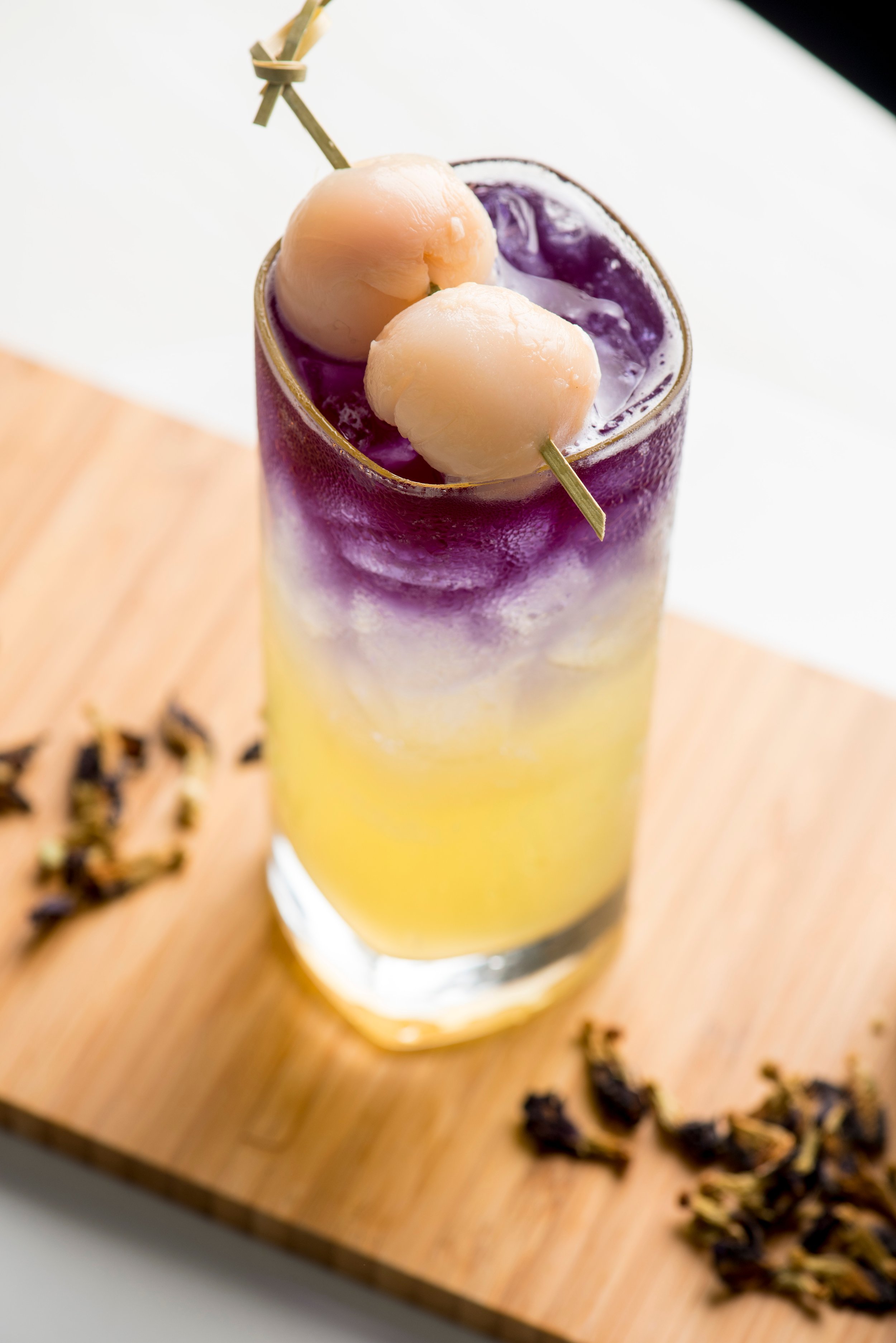
The Quiet Rise of the Mocktail
A Foodie deep dive into the rise of mocktails—exploring their history, evolution, garnishes, and recipes that treat zero-proof drinks with intention.
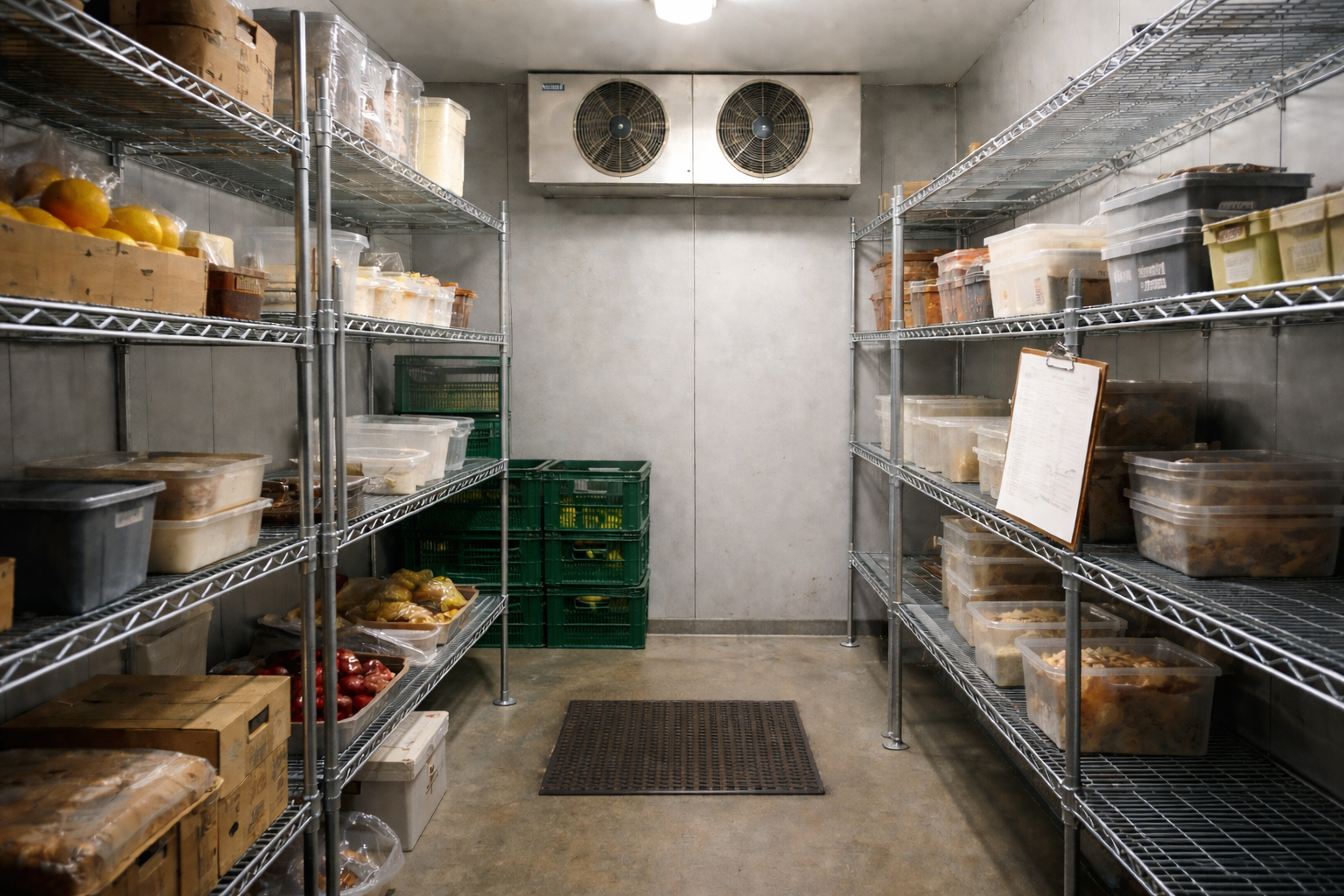
86, 88, and the Fear of Running Out
In restaurants, the fear of running out shapes purchasing decisions long before service begins. Why running out at the right moment isn't failure — and why ordering out of fear is the far greater cost.
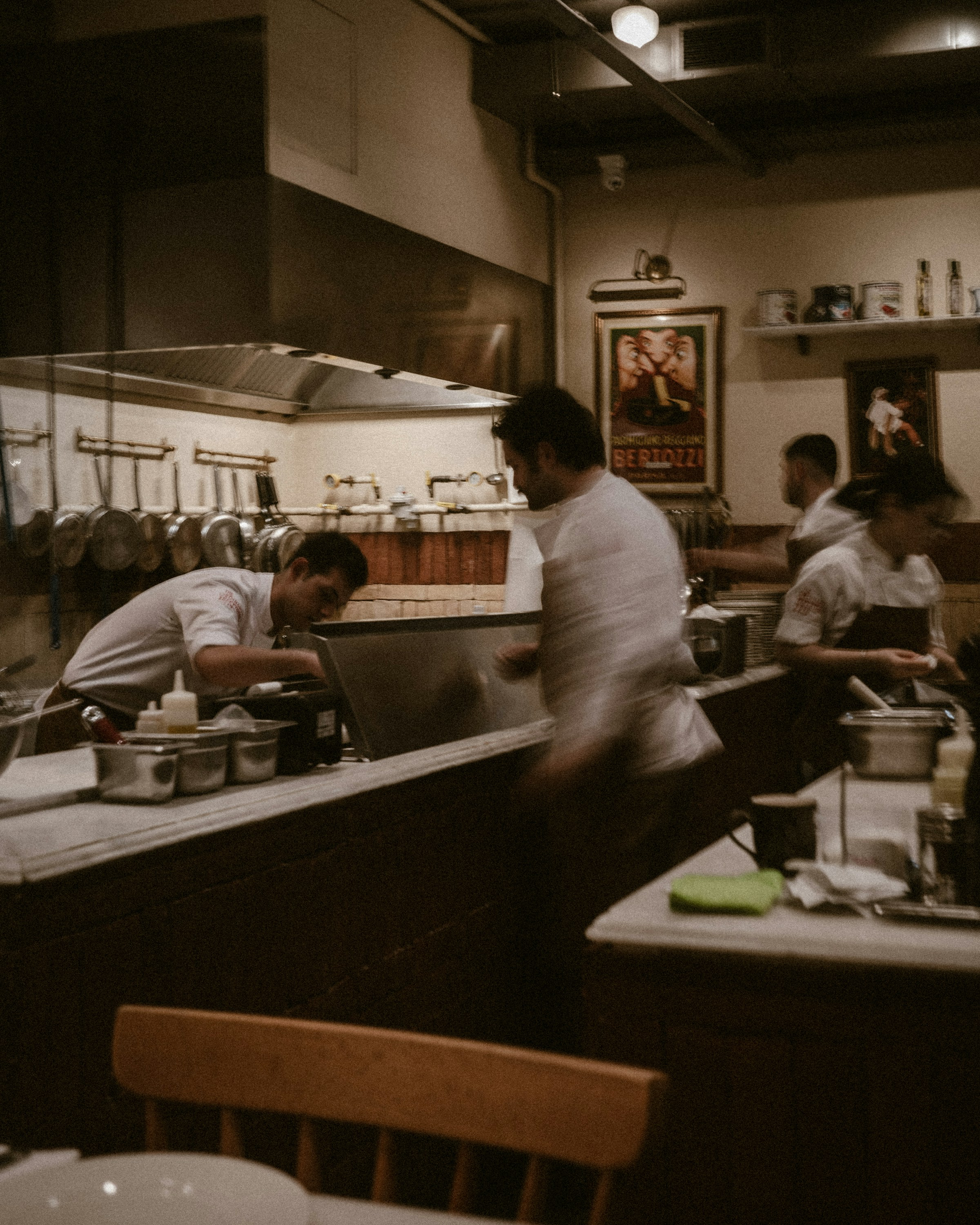
Changing a Culture Without Burning the Place Down
Culture doesn’t change because the walls change. It changes because behavior changes. A seasoned operator’s roadmap for raising standards, reducing noise, and leaving a restaurant better than it was found.
Restaurants That Last: Customers vs. Guests
An exploration of transactional versus relational hospitality—and why restaurants that last treat diners as guests, not numbers, earning loyalty through feeling rather than efficiency.
The Man Who Stayed
What happens when the most stabilizing person in the dining room refuses promotion? A fifty-year case study in mastery, institutional memory, and the hidden cost of forced advancement.
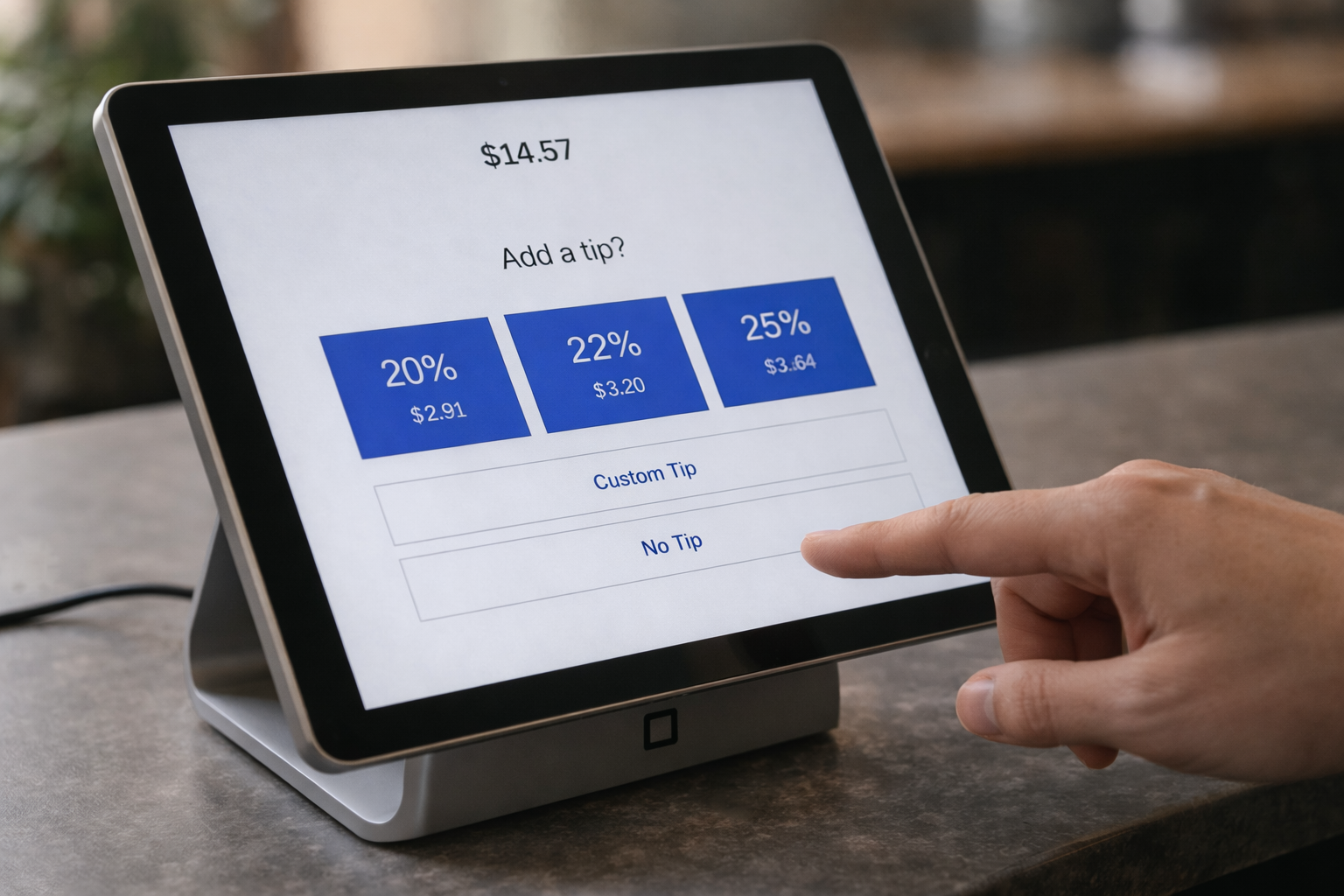
Where Tipping Belongs—and Where It Doesn’t
Tipping was once a response to service. Today, it shows up everywhere—from kiosks to takeout counters—often before anything has happened. This essay examines where tipping still belongs, where it doesn’t, and why the problem isn’t generosity, but the loss of clear standards.
I Didn’t Panic Soon Enough
Famous last words in hospitality rarely sound dramatic. They arrive quietly, long after the damage is done. In a year that stripped away illusions of “waiting it out,” this essay explores why inaction is never neutral—and why the most expensive decision is often the one we delay.
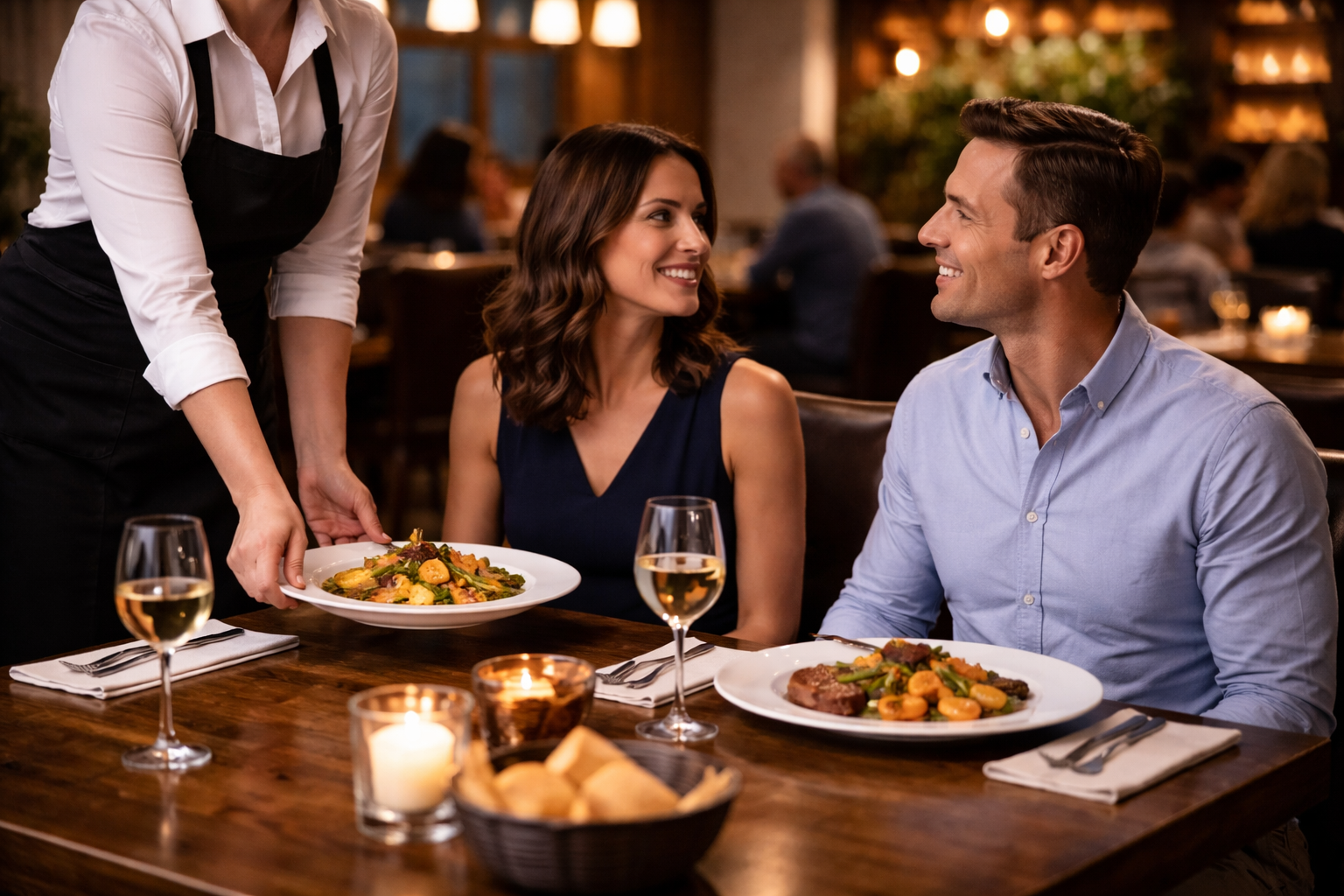
Part VI — The Guest Must Never Feel It
Guests should never feel operational pressure. This essay explains how strong restaurants absorb cost constraints while maintaining consistent service.
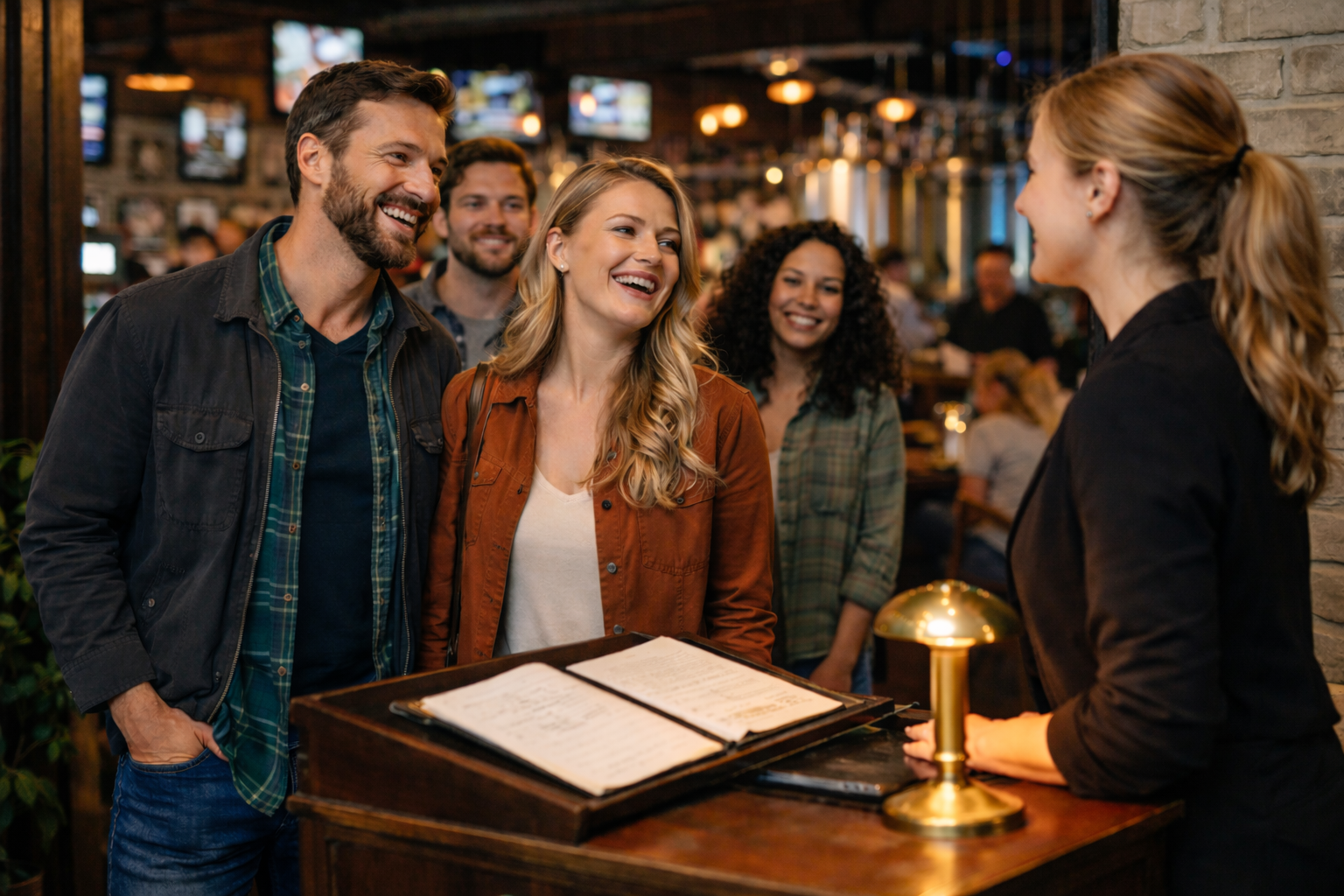
Catching Excellence
A Table 8 essay on why the strongest leaders don’t hunt for mistakes — they reinforce pride, care, and good judgment by catching excellence before it disappears.
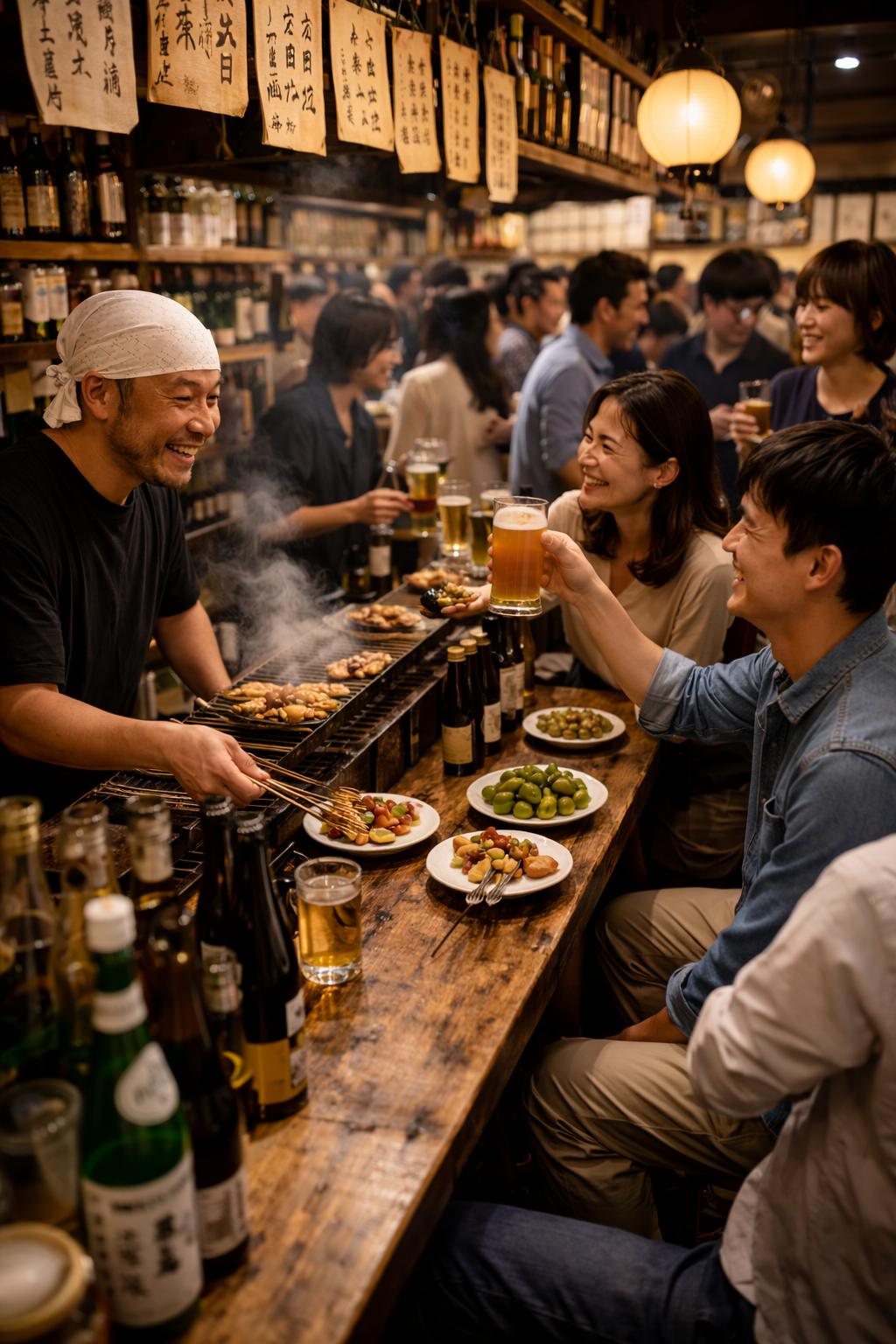
Izakaya, Tapas, Cicchetti — A Study in Presence
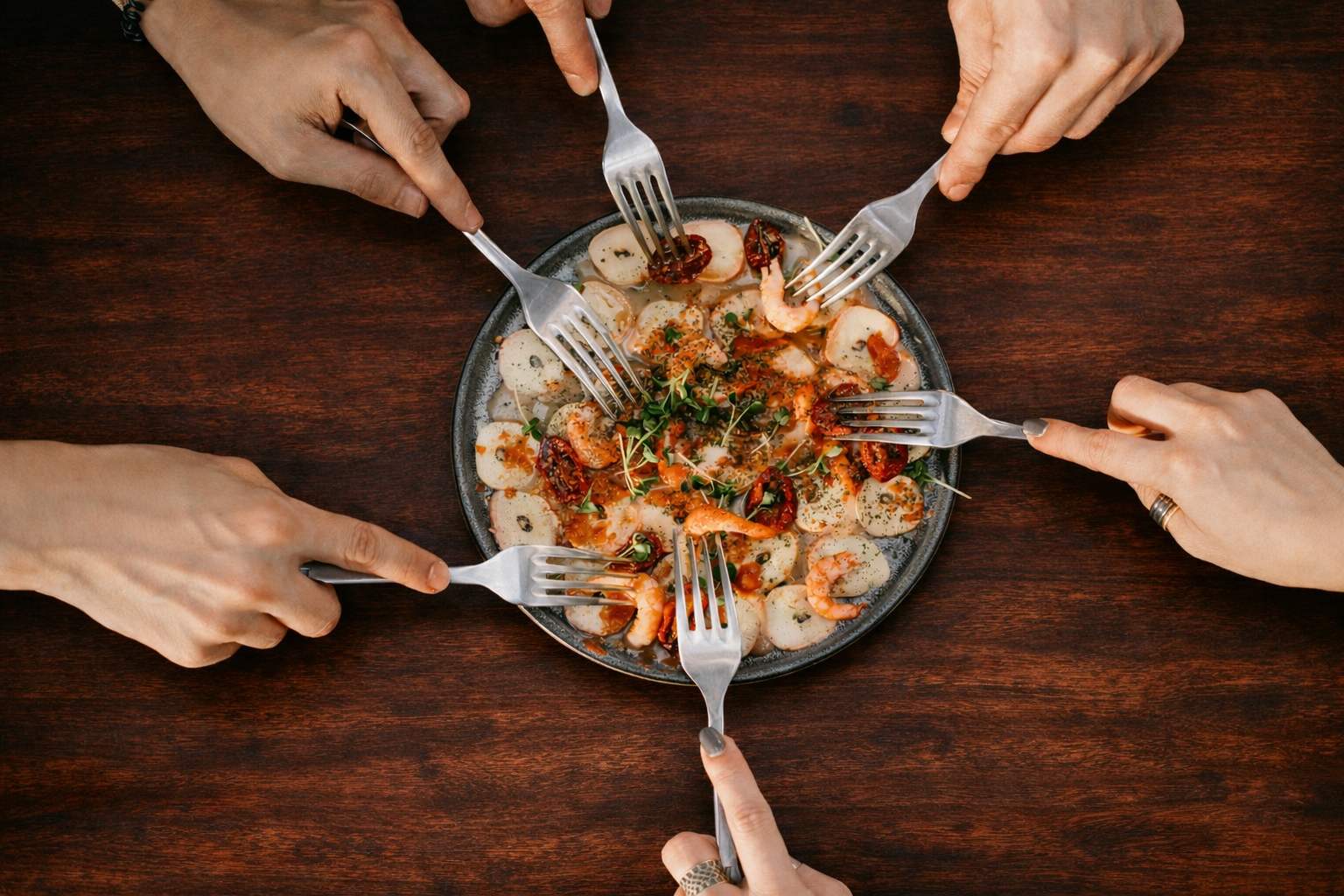
In izakayas, tapas bars, and Venetian bacari, food does more than satisfy hunger. A sensory exploration of how small plates, movement, and restraint shape the rhythm of a dining room — inviting us to live in the moment and truly dine together.