Share
An unfolding archive of food, culture, and craft.

Part I — The POS Is Not the Register
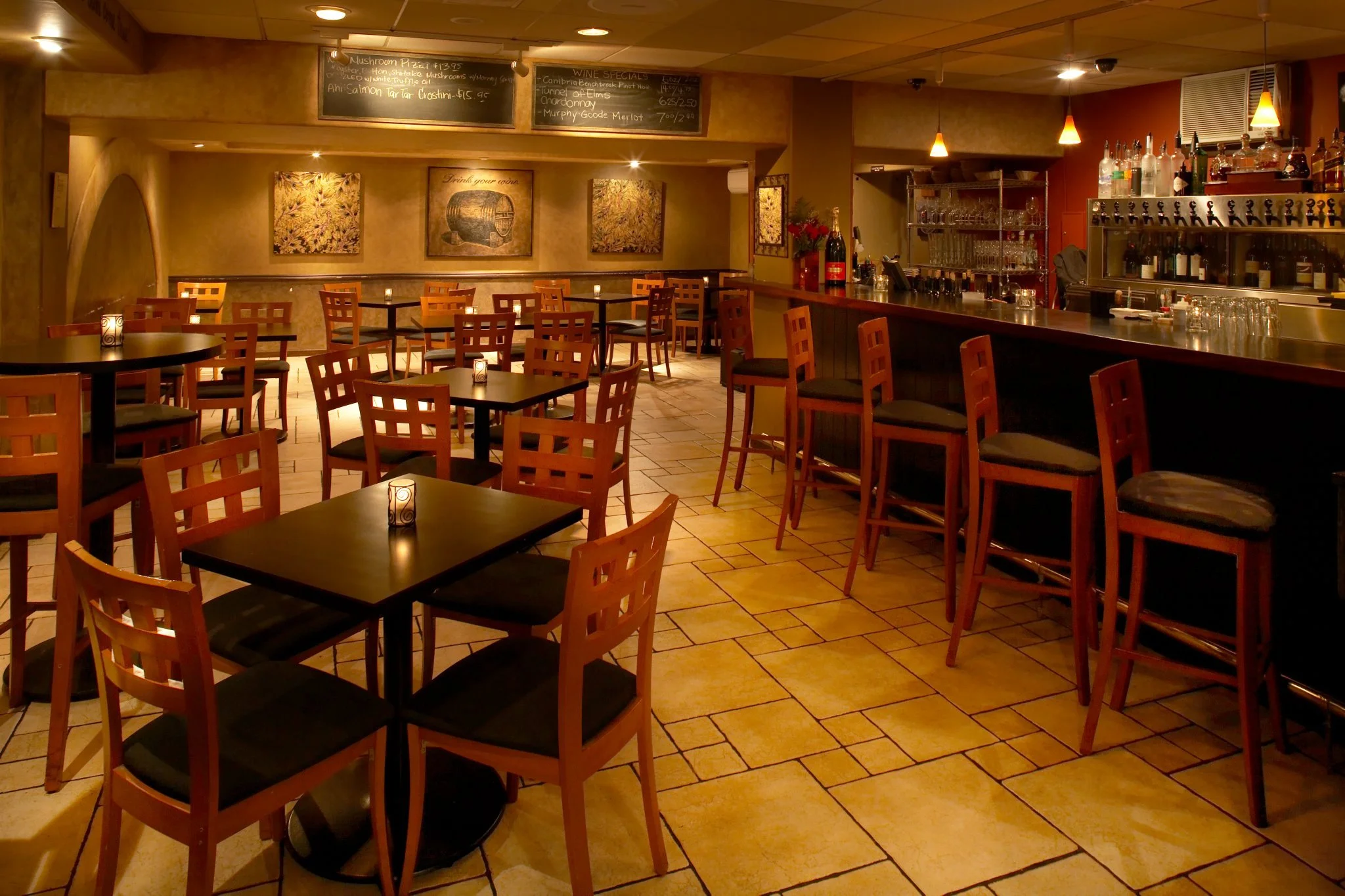
Most operators think they are buying a system. In reality, they are choosing how their restaurant will think, move, and make decisions. The difference is not technical—it is structural.

Part II — What the Room Demands
A POS system does not sit behind the service. It moves through it—shaping pacing, interaction, and the guest’s perception of control in ways that are rarely acknowledged, but always felt.
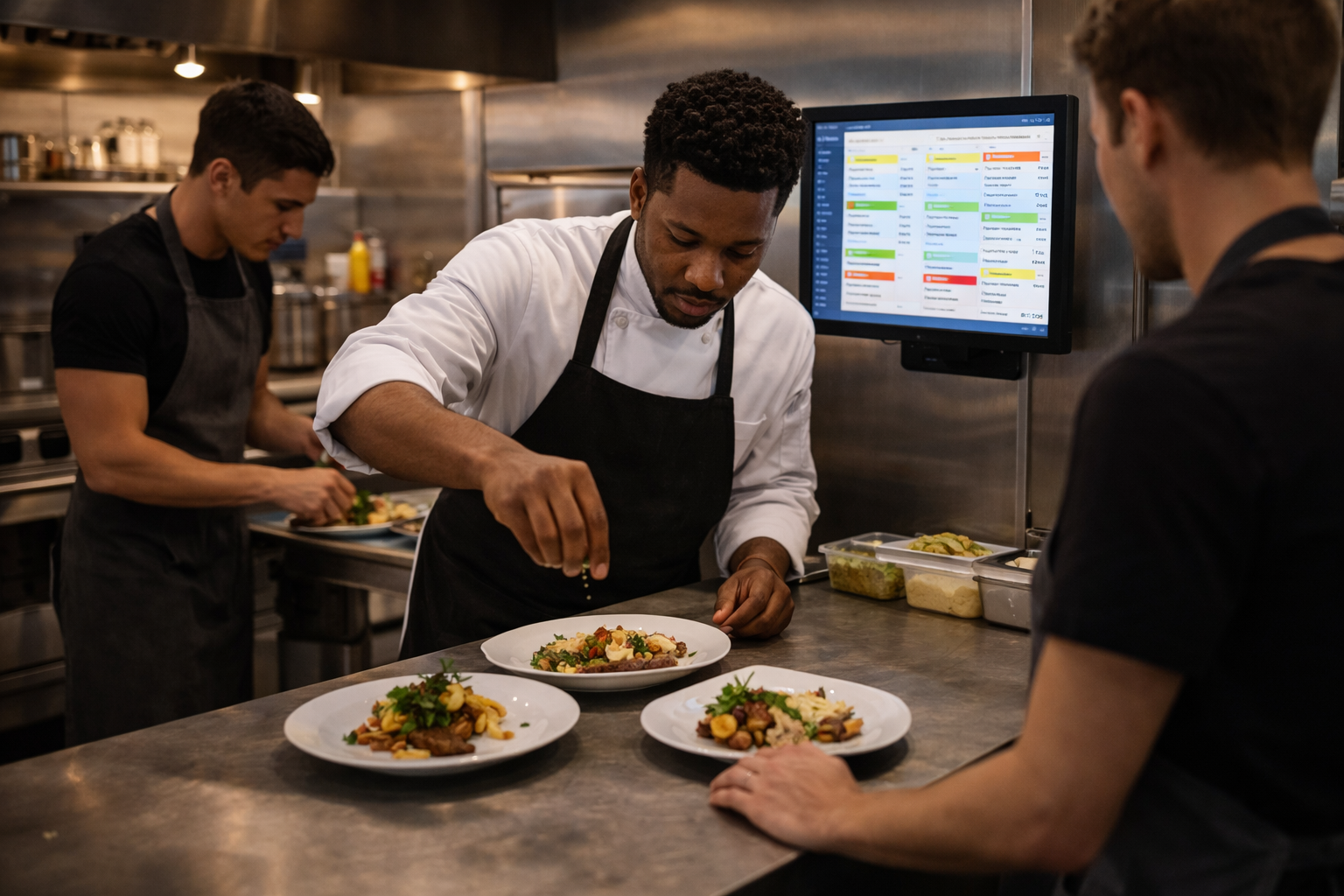
Part III — The Kitchen and the Pass
What appears on the ticket is not information. It is instruction—and the kitchen executes exactly what it sees. Clarity at the terminal becomes precision at the pass.

Part IV — The Back Office Truth
The system does not just record the business. It determines how clearly the business can be seen—and how quickly decisions can be made while they still matter.

Part V — Infrastructure: Where the System Actually Lives
A POS system does not fail in theory. It fails in the middle of service, when timing, communication, and revenue are all in motion at once.
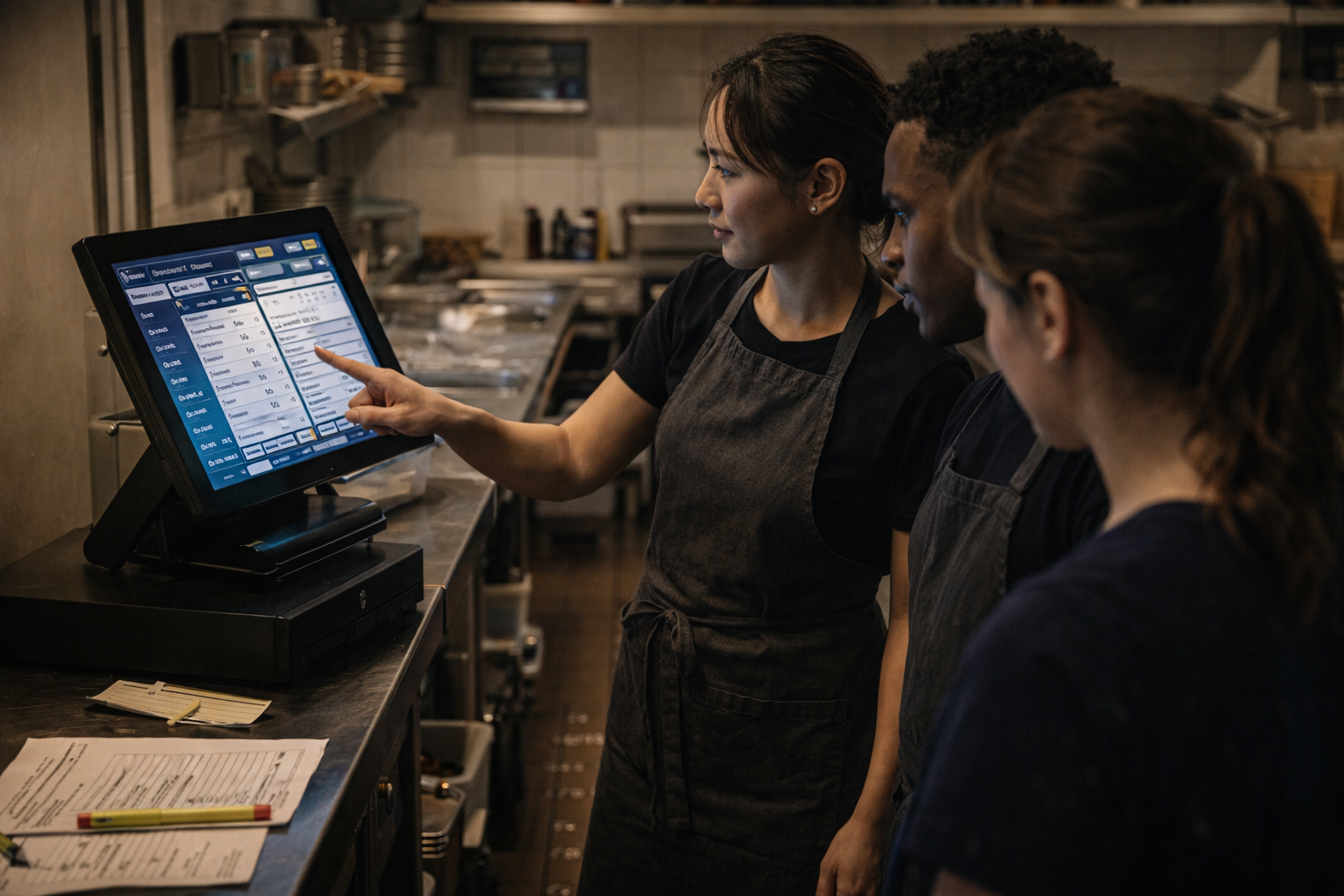
Part VI — Implementation: Where Good Systems Fail
The system that is purchased is not the system that is built. Structure, training, and discipline determine whether the system holds—or quietly begins to drift.
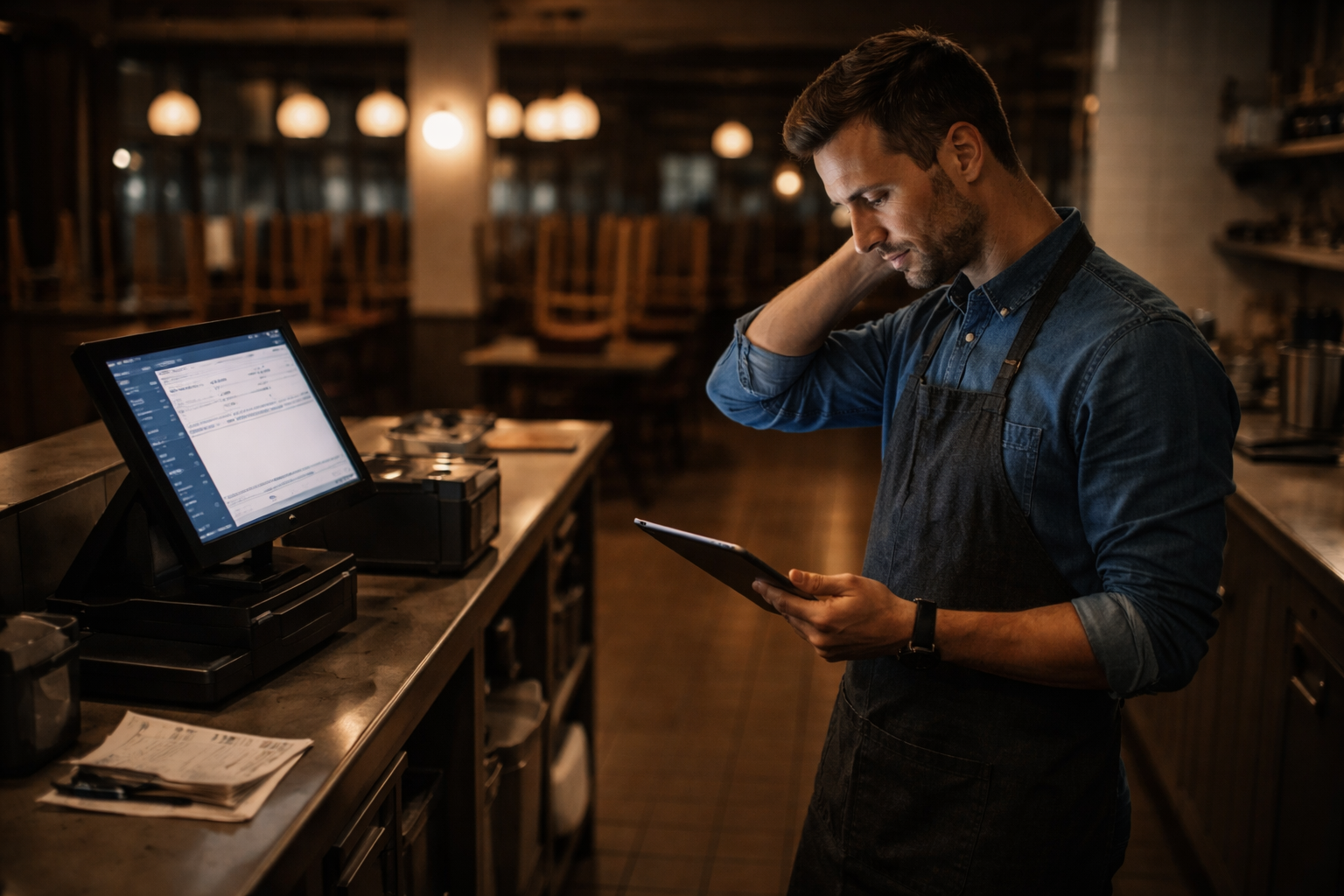
Part VII — 90 Days Later
The system has not lost capability. It has lost attention. What remains is not what the system can do, but what the operation has chosen to use.
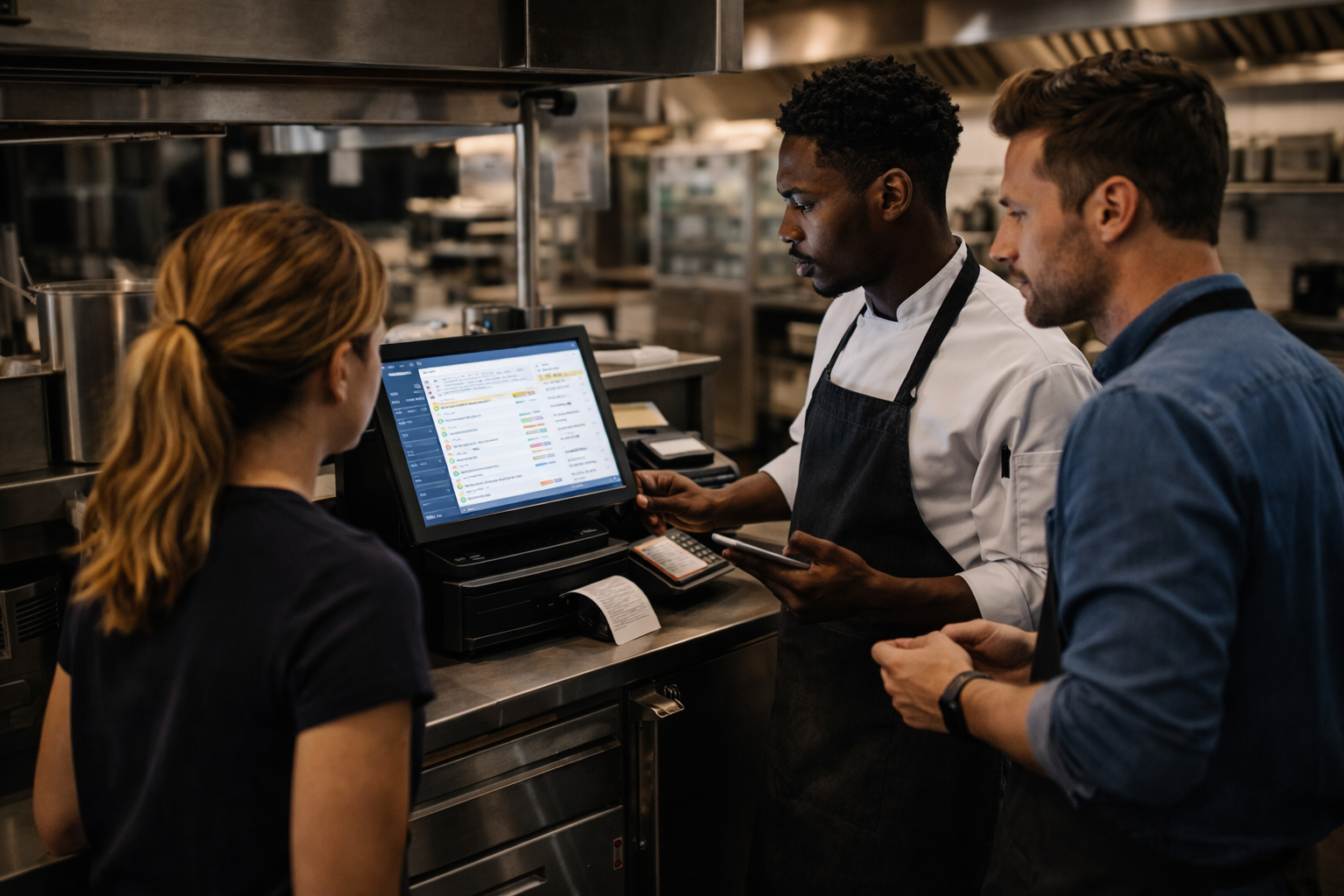
Part VIII — Systems That Work vs Systems That Scale
A system that works is not always a system that holds. As complexity increases, the difference between capability and alignment becomes visible.
Part IX — The Demo: Where Decisions Go Wrong
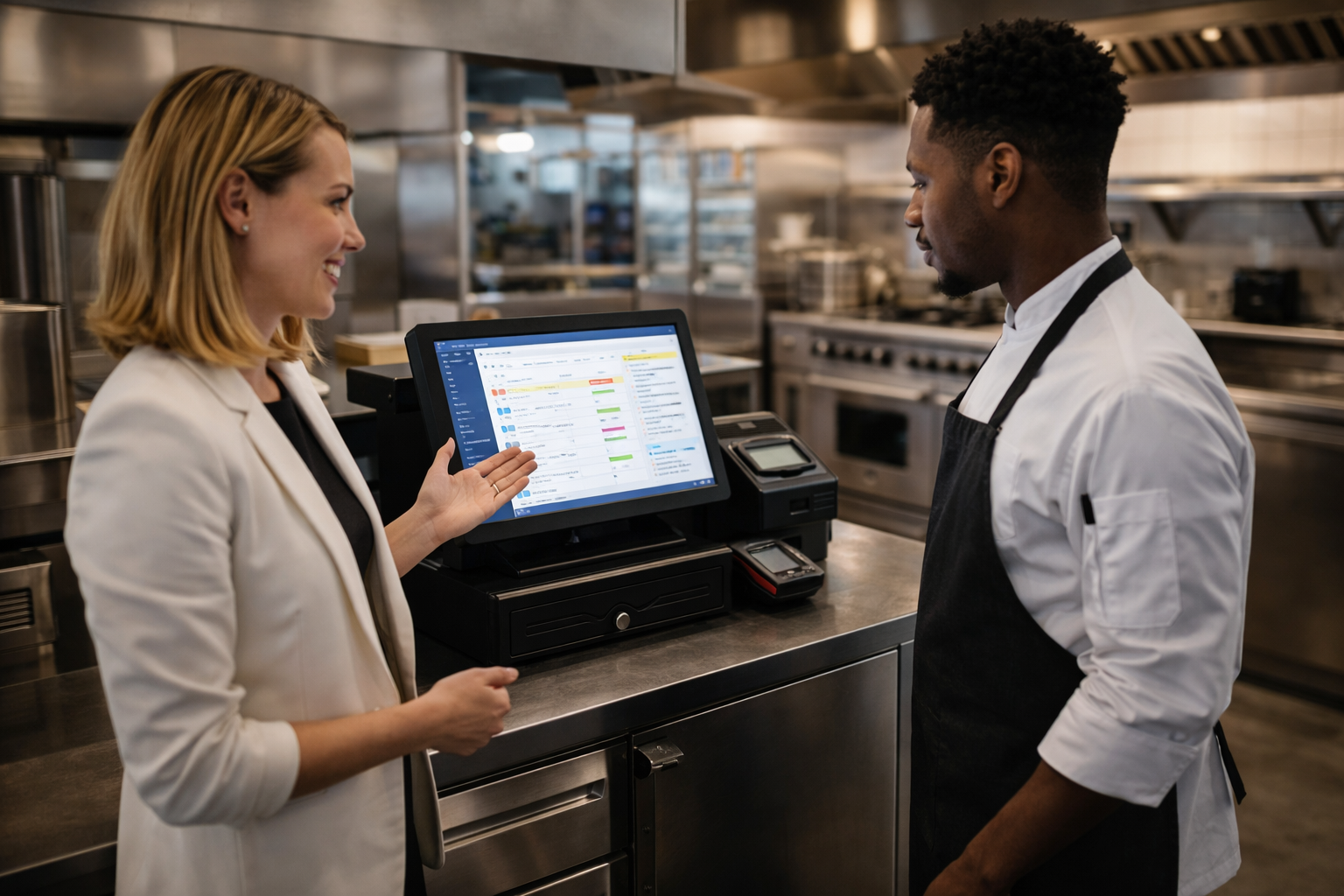
The demo shows the system at its best—clean, simplified, and controlled. The operator’s task is to imagine it under pressure, where those conditions no longer exist.
Part X — The Decision: How Operators Choose
The decision is not between systems. It is between tradeoffs. What matters is not what the system offers, but what it demands from the operation in return.
Part XI — Comparison: Where Systems Meet Reality
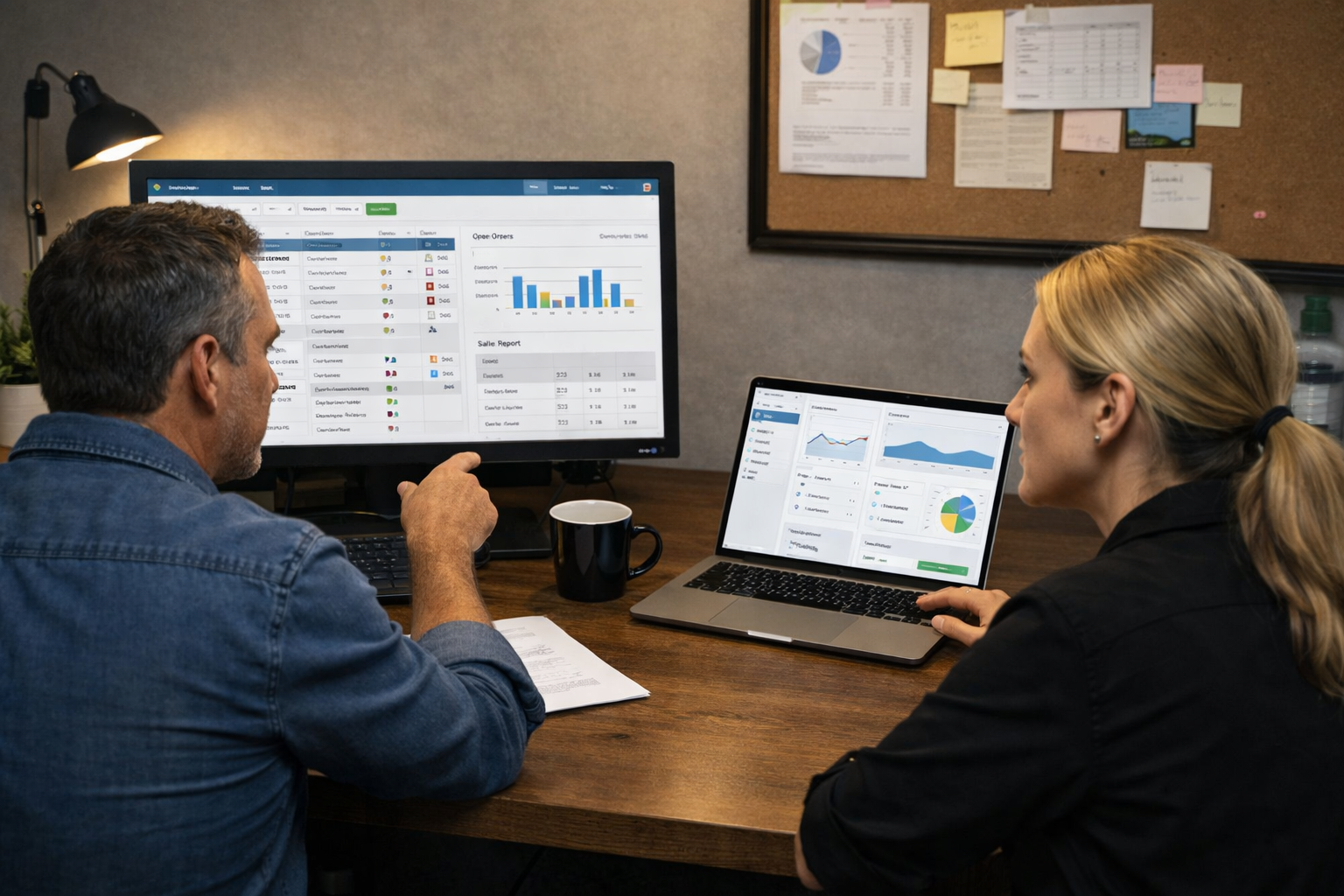
The goal is not to choose the best system. It is to choose the system that holds within the specific conditions of the restaurant—and continues to hold as those conditions change.
Part XII — Final Framework: How to Decide
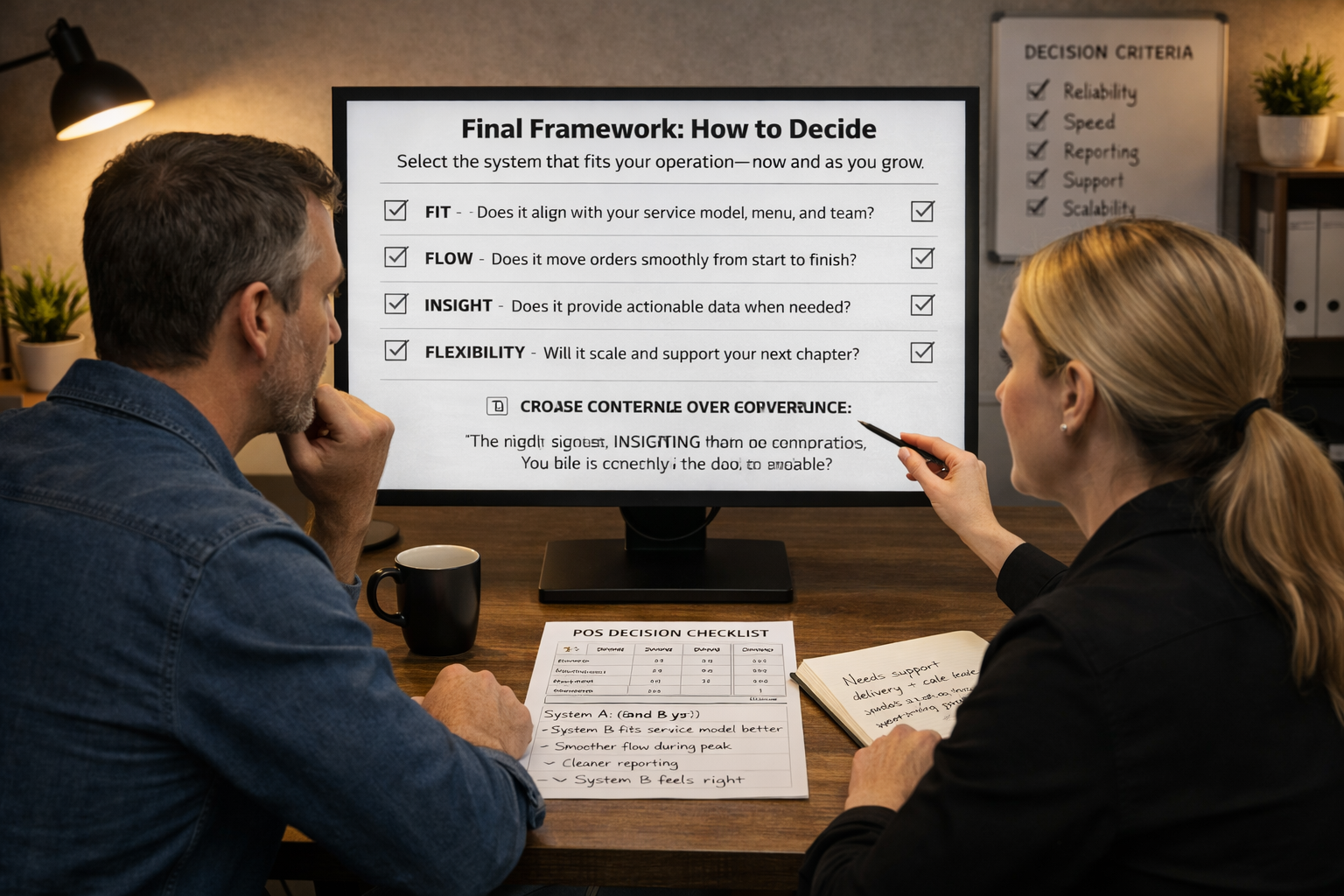
What remains is not more information. It is interpretation. The right system is the one that aligns with how the restaurant actually operates, not how it is imagined.
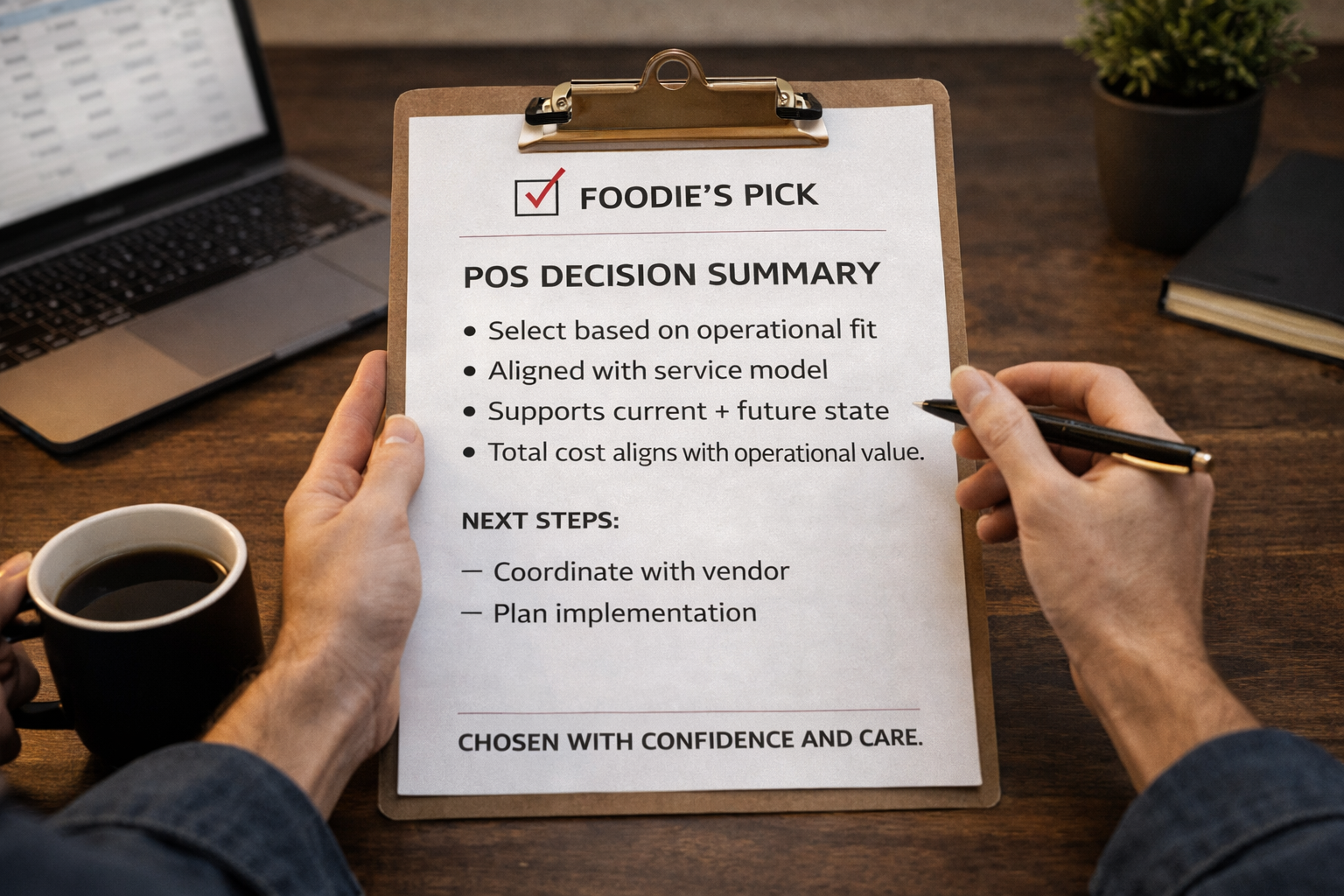
Foodie’s Pick — What Holds in Practice
The best system is not the one that promises the most. It is the one that holds when the room is full, the pressure is real, and decisions still need to be made with clarity.