

Share
An unfolding archive of food, culture, and craft.
Part I: The Constraint Kitchen
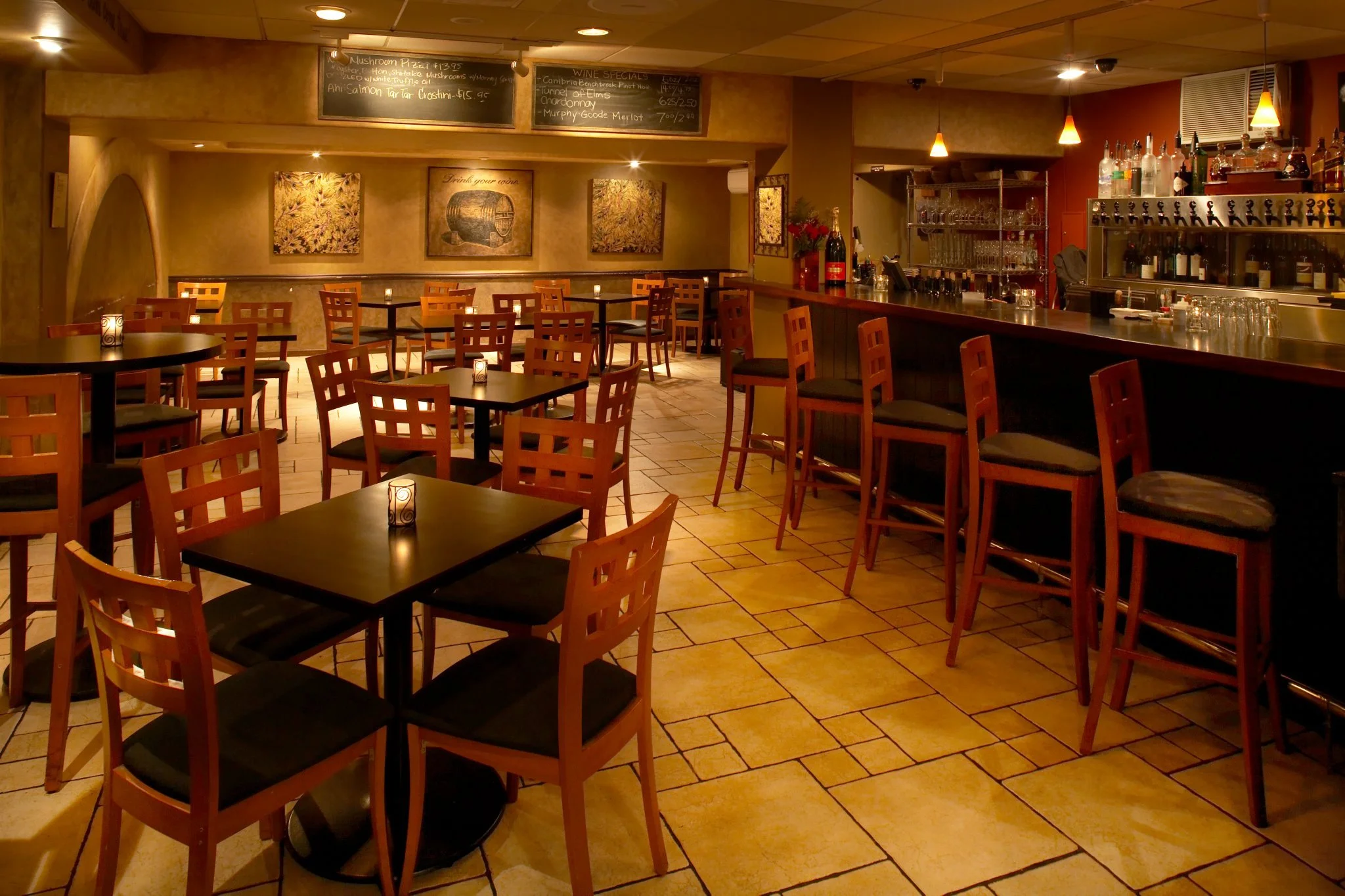
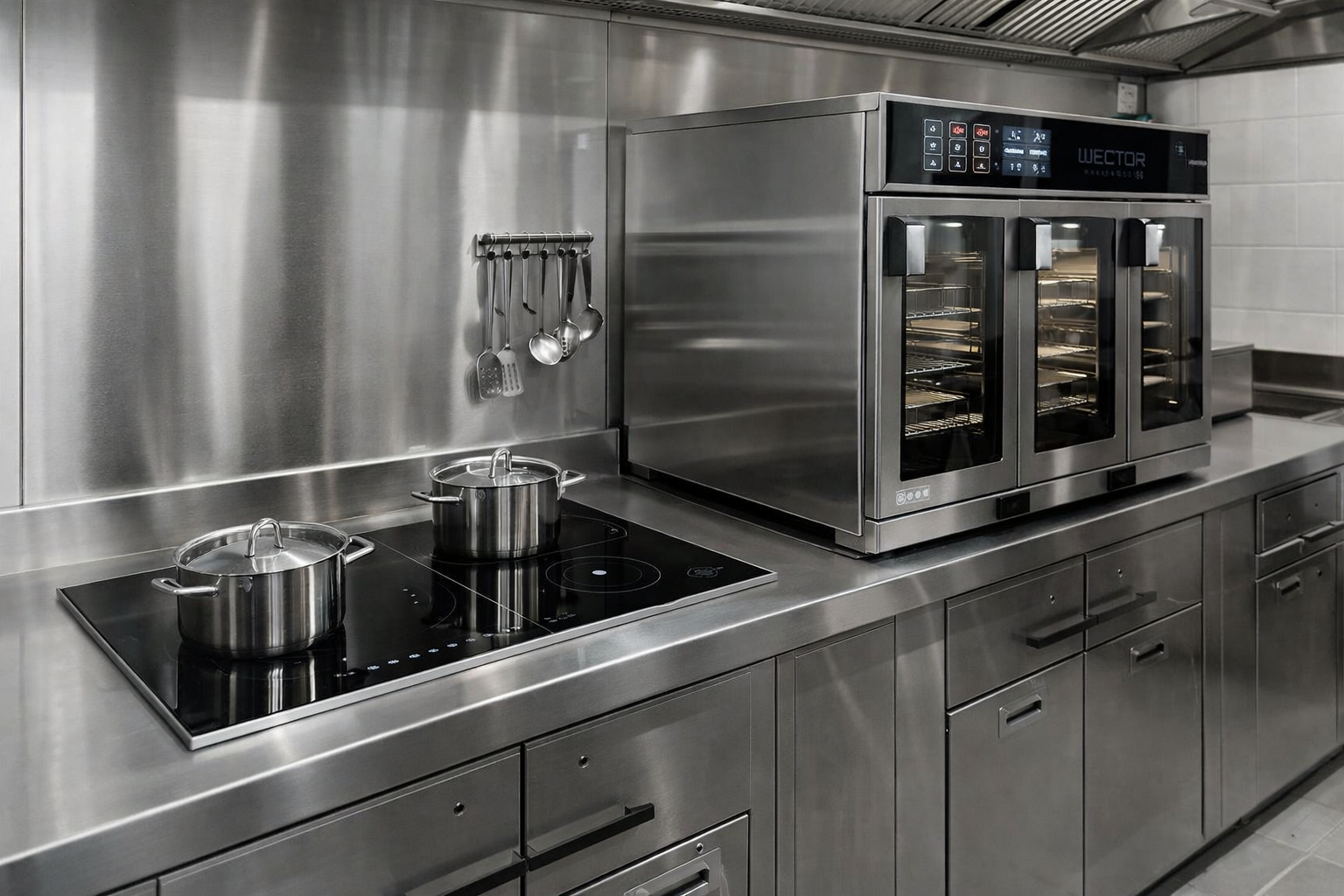
Most restaurant kitchens are designed to support a wide range of cooking techniques before the menu is fully defined. The hood becomes the starting point, and everything else follows. This essay examines what happens when that assumption is reversed—and how designing through constraint creates clarity across kitchen, menu, and service.

Part II — The True Cost of the System
Restaurants are often judged by what they produce, but far less attention is given to the system that makes those outcomes possible. Behind every kitchen hood, grease trap, and ventilation line is a chain of costs that continues long after opening. Understanding those costs changes how a restaurant is built—and how it survives.
Part III: The Equipment That Changes the Build
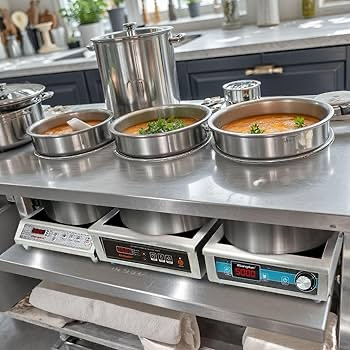
Once the hood is removed from the center of the project, equipment begins to mean something different. In a constrained kitchen, tools are no longer chosen to expand possibility, but to align the menu, labor, and space into a system that can hold. The result is not less capability, but more control.
Part IV: The Menu Becomes the Constraint
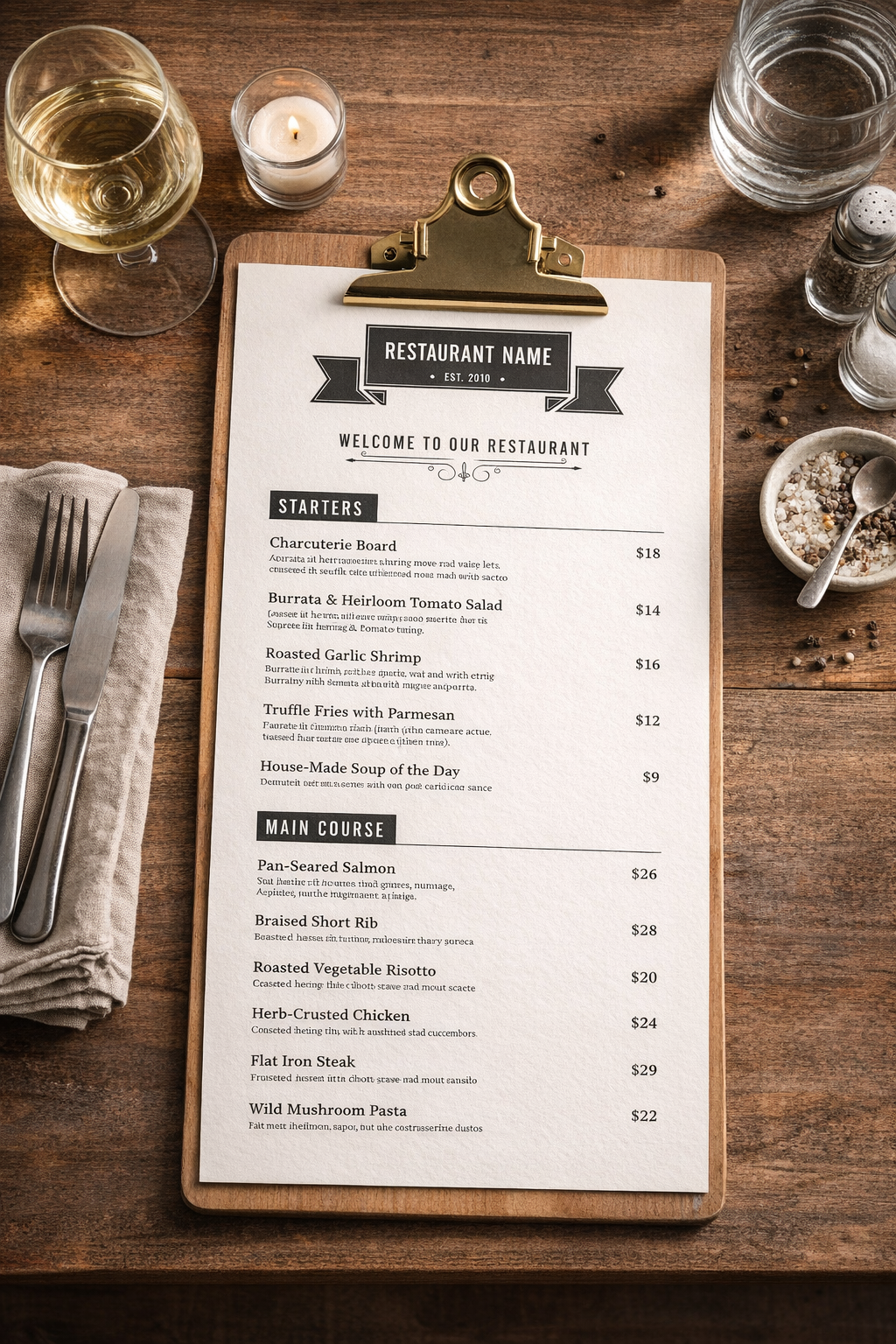
A kitchen designed through constraint does not fail at the equipment level. It fails at the menu. When dishes ignore the realities of the system behind them, timing breaks, labor strains, and consistency fades. The menu must align with the kitchen—or the kitchen begins to resist it.
Part V: Where the System Holds—and Where It Breaks
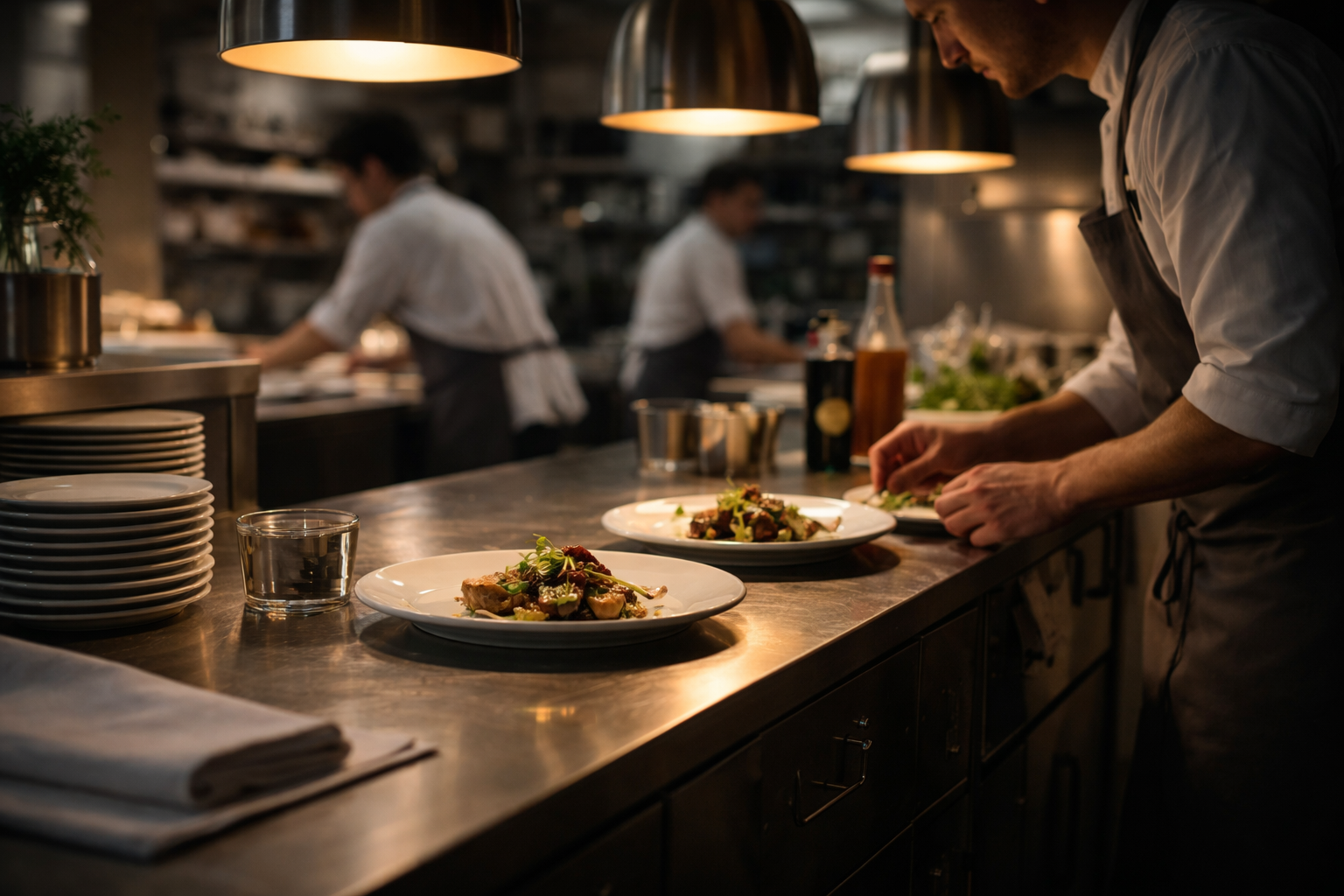
A restaurant reveals itself in service. When systems align, the room feels composed. When they don’t, the strain appears immediately. This is where operational discipline is tested—and where most restaurants quietly break.