


Share
An unfolding archive of food, culture, and craft.
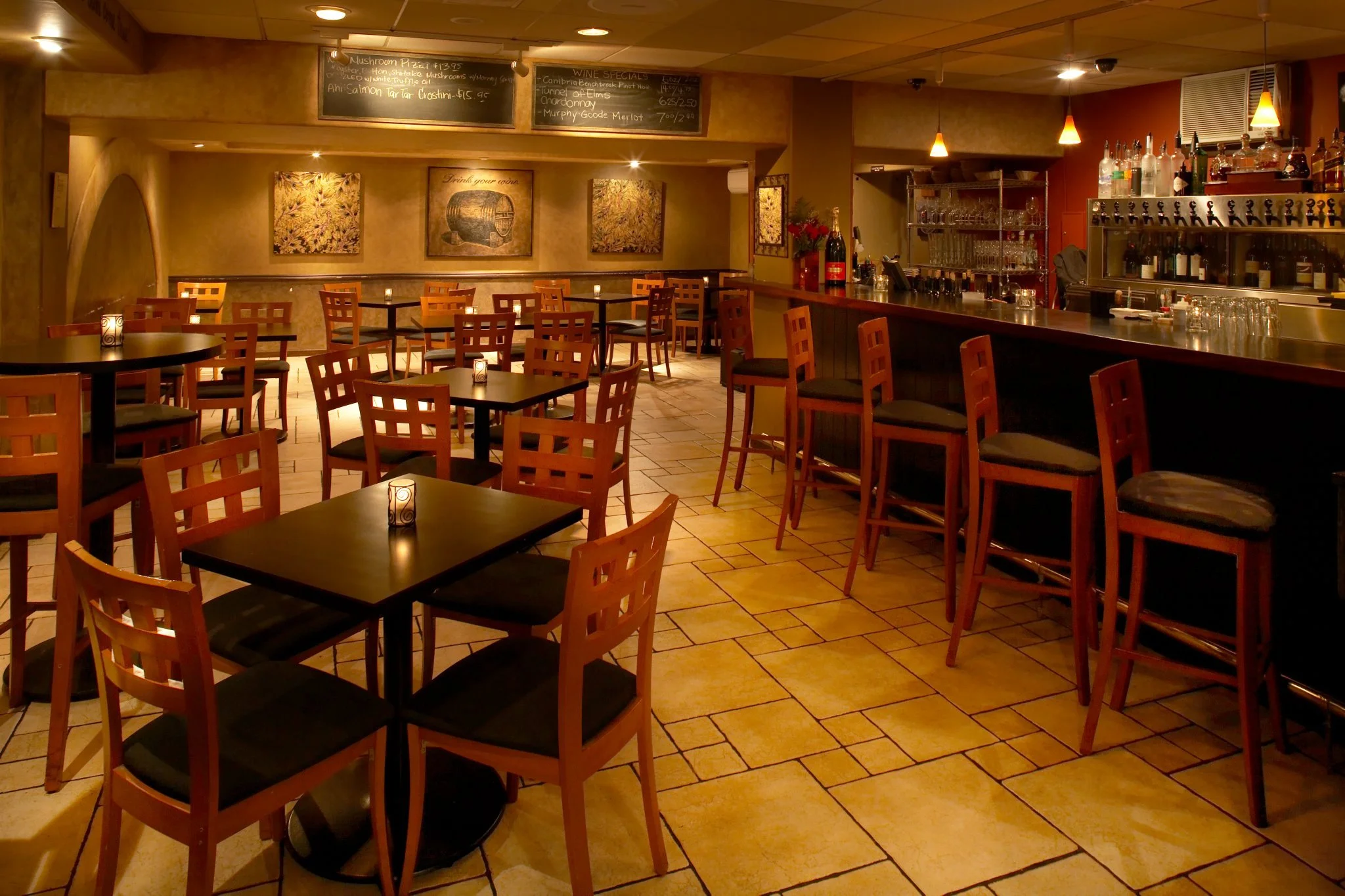

Part I — The Opportunity Appears
Buying a struggling restaurant begins long before financial modeling or negotiations. Experienced operators first diagnose the hidden signals inside the dining room, kitchen, and staff to determine whether the system behind the restaurant can still be rebuilt.

Part II — Why Restaurants Actually Fail
Restaurants rarely fail overnight. Long before a dining room empties, small signals begin appearing inside the system — menu drift, uneven service rhythm, labor instability, and the quiet loss of operational memory. Experienced operators learn to recognize these patterns before attempting to rebuild a struggling restaurant.
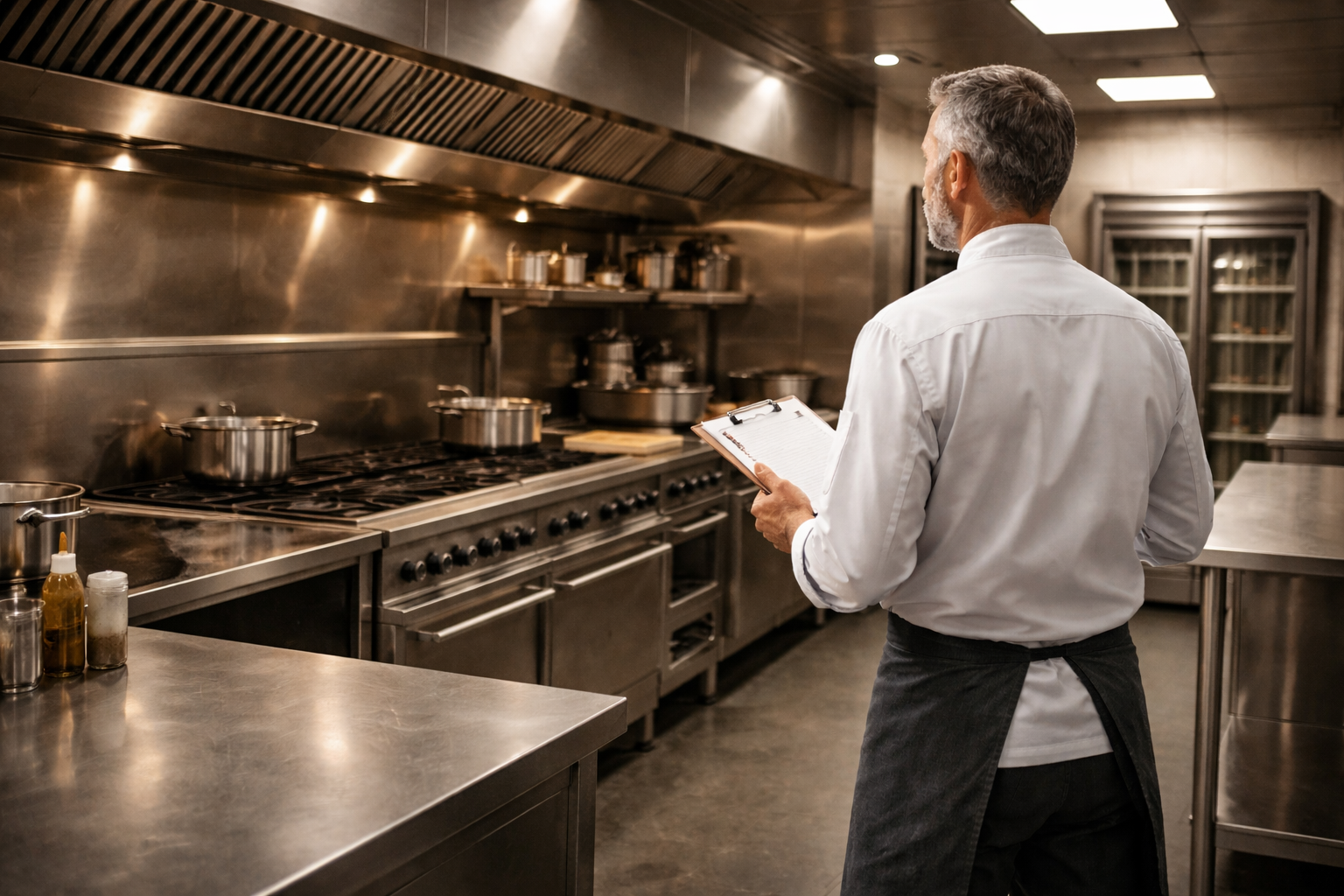
Part III — Evaluating the Physical Restaurant
Before rebuilding a struggling restaurant, experienced operators examine the physical system beneath the business. The lease, kitchen workflow, equipment, ventilation, and storage infrastructure reveal whether the building can realistically support a successful operation.
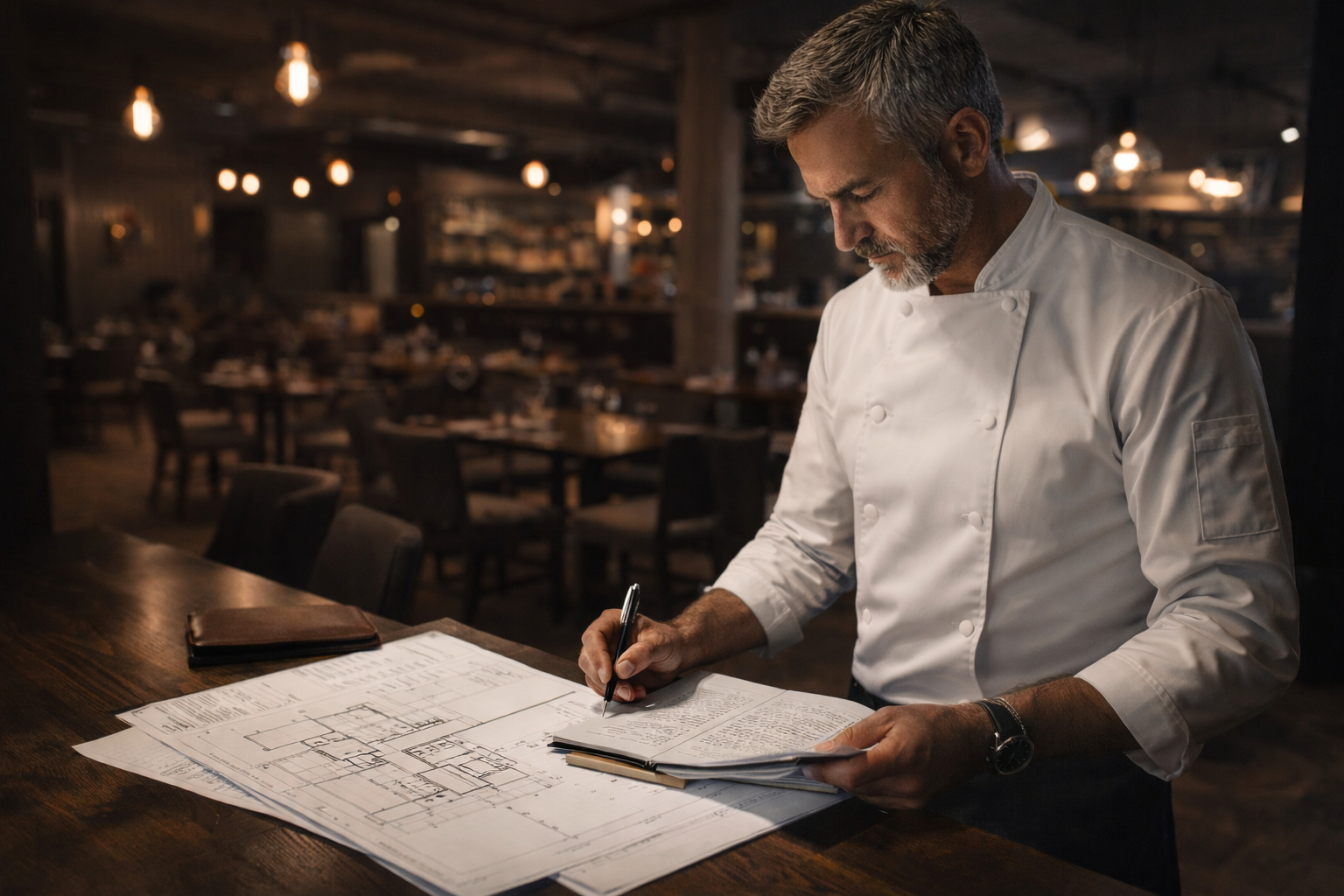
Part IV — The Acquisition Equation
Buying a failing restaurant is not simply a creative opportunity. It is an economic investigation. Before any concept can be rebuilt, the operator must determine whether the purchase price, renovation costs, infrastructure limits, and lease structure allow the restaurant to become profitable again.

Part V — The Lease: The Asset No One Sees
A restaurant’s dining room and kitchen may reveal its past, but the lease determines its future. Understanding base rent, CAM, percentage rent, and lease structure often decides whether a failing restaurant can truly be rebuilt.
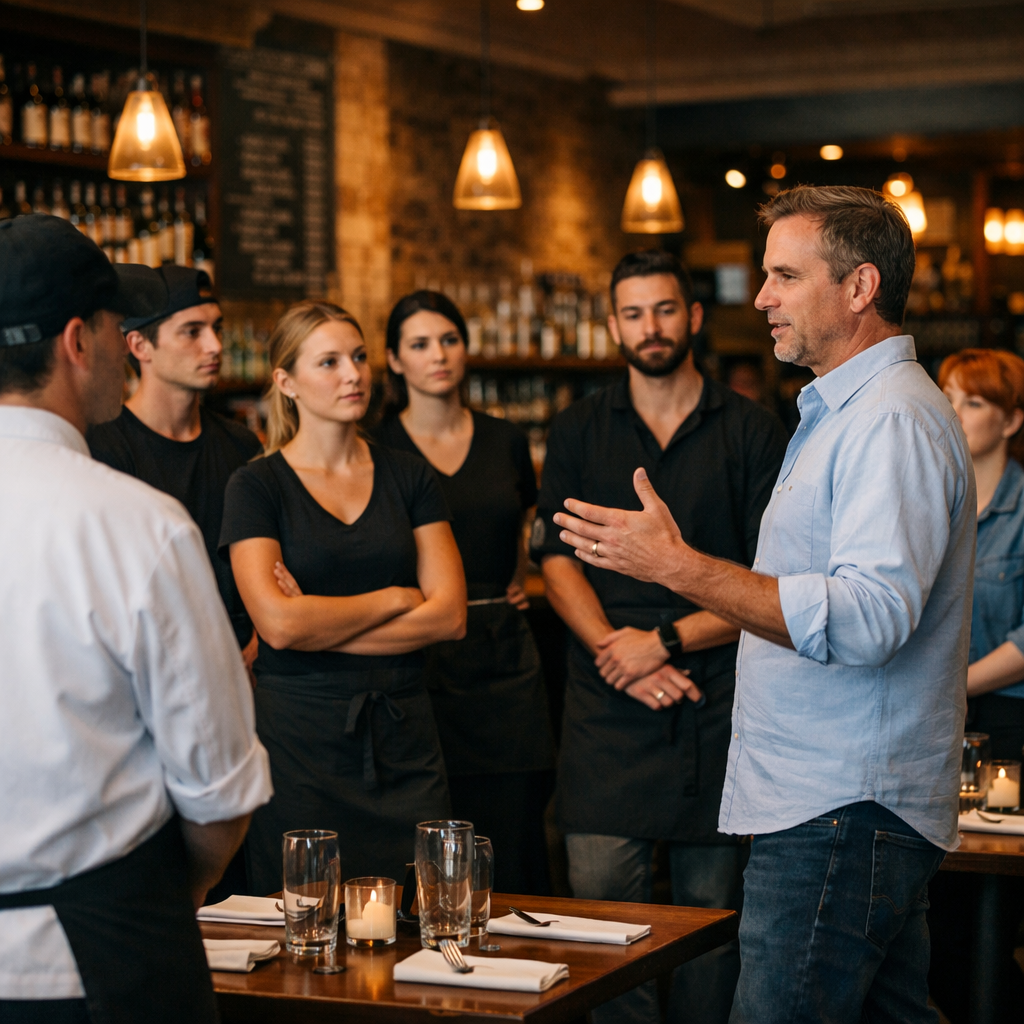
Part VI — Rebuilding The Human System
Taking over a restaurant rarely means starting with a new team. This chapter explores how experienced operators evaluate inherited staff, rebuild professional standards, and guide the first services that determine whether a restaurant truly begins again.

Part VII — Earning Trust Again
A restaurant renovation changes the room. Rebuilding trust changes the story guests tell about it. In this final chapter of Project II, we explore how restaurants earn trust again — through consistency, discipline, and the quiet return of repeat guests.