


Share
An unfolding archive of food, culture, and craft.
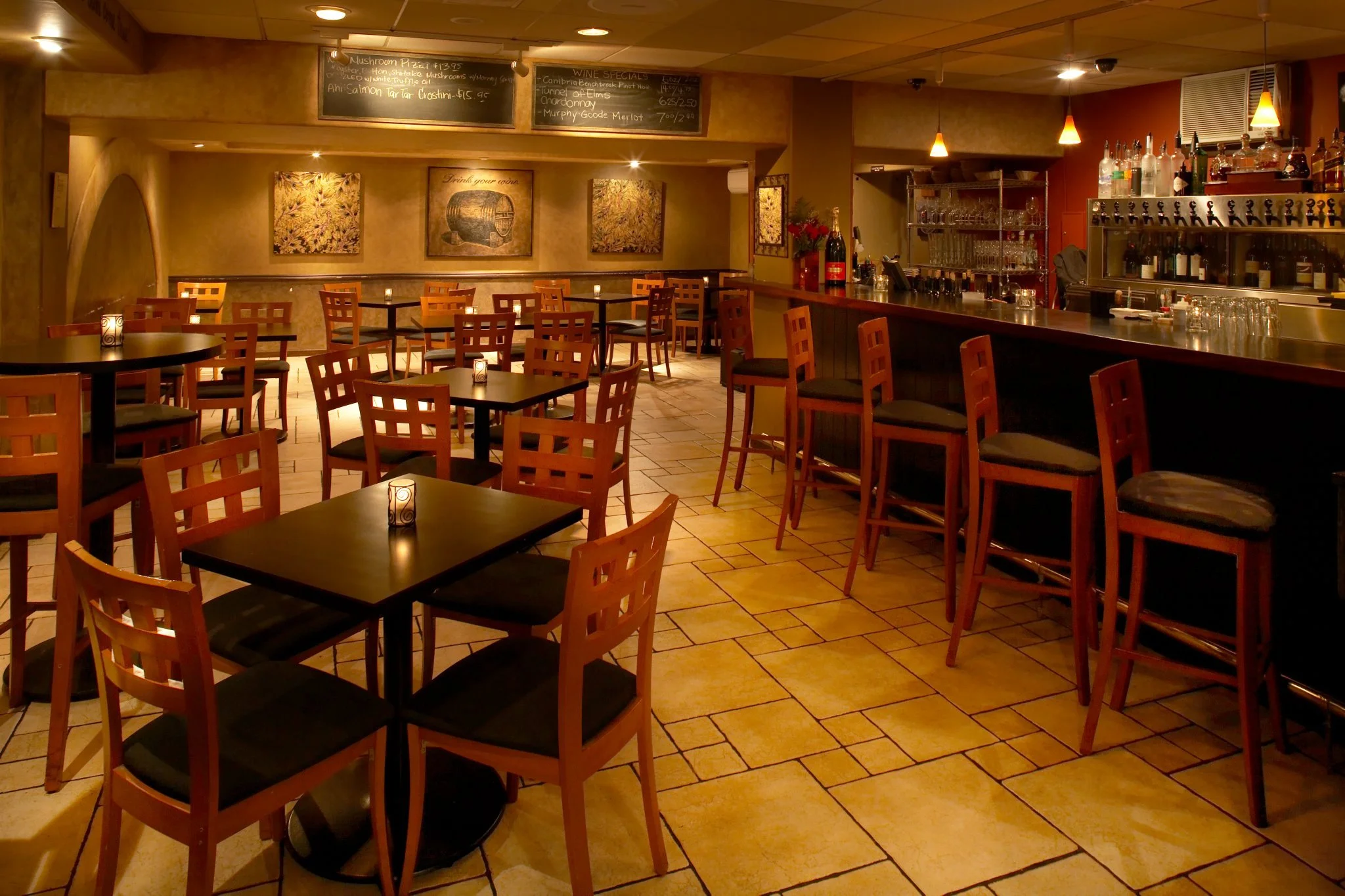

Part I: Starting with $400,000
If I were to open a restaurant today, I would not begin with cuisine. I would begin with capital, motive, and the questions most operators avoid: how long can we breathe before the room must perform — and why are we opening at all?

Part II: Revenue Per Square Foot
Before cuisine or concept comes constraint. examines restaurant startup costs, revenue per square foot, lease realities, build-out exposure, and what an independent restaurant must actually earn to survive.

Part III: Capital & Control
If $400,000 cannot build the room we want, the next decision is not culinary. It is structural. Debt preserves control but compresses timing. Equity softens pressure but redistributes authority. Before opening the doors, we must decide who governs the future of the restaurant — and which version of ourselves is signing the agreement.
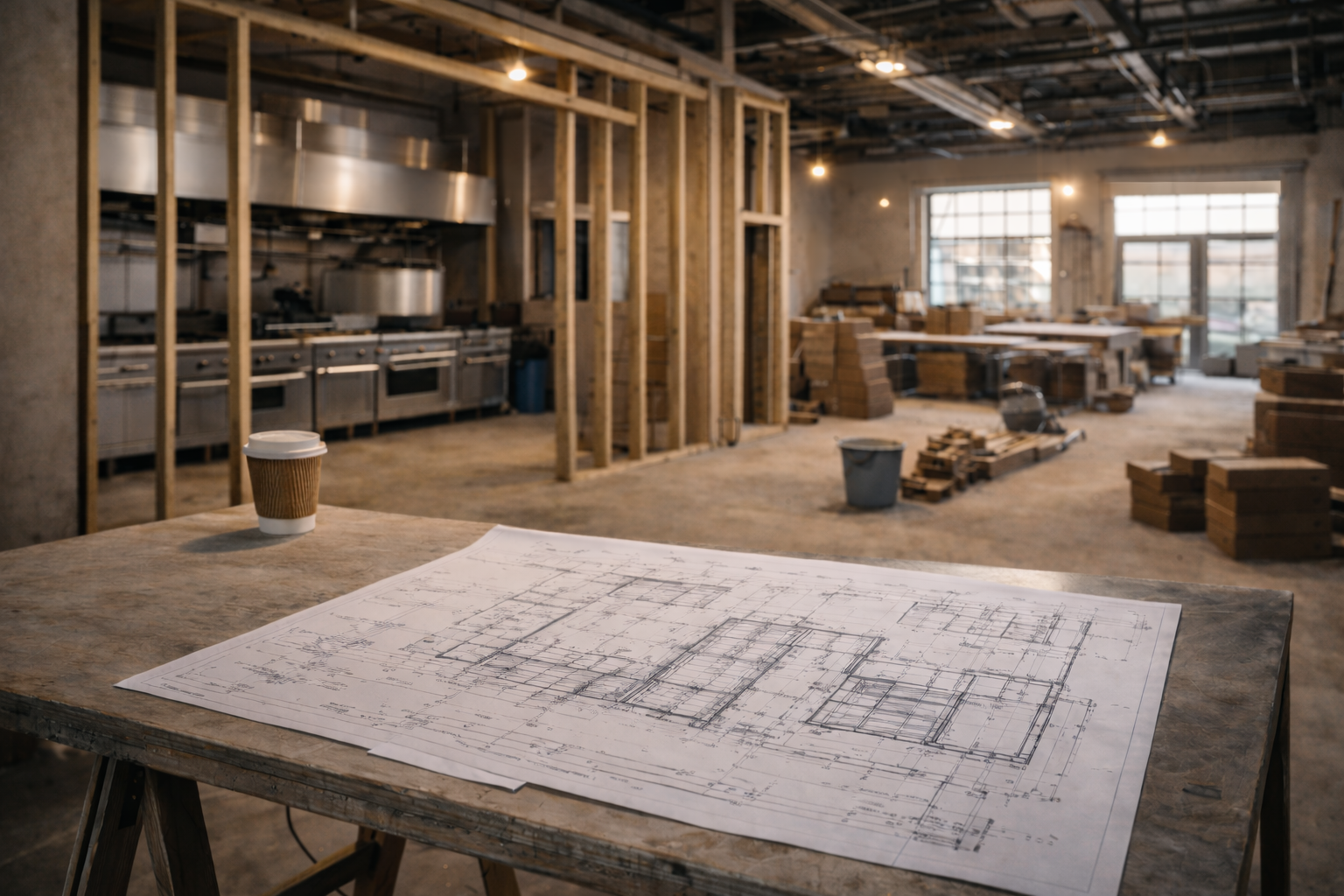
Part IV: The Menu Before the Walls
Restaurant menu planning is never theoretical. Kitchen size, square footage, and startup capital determine what an independent full-service restaurant can realistically execute — and survive.
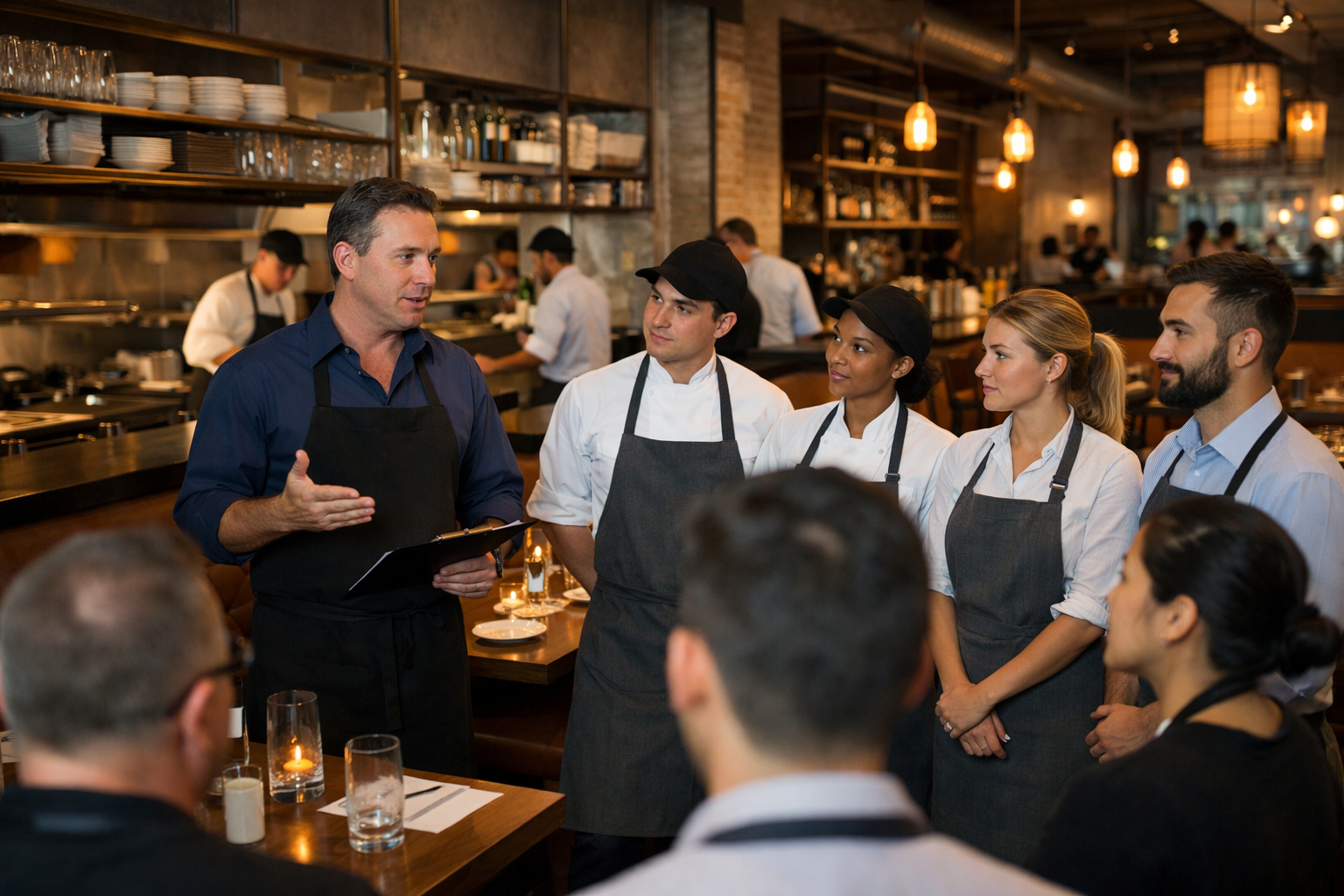
Part V: The Labor Architecture
Restaurant staffing is not about filling shifts. It is about designing a labor structure that can survive outside ideal conditions. This chapter examines fully burdened labor costs, staffing models for full-service restaurants, owner compensation realities, and the difference between being busy and being sustainable. Stability is engineered long before opening night.
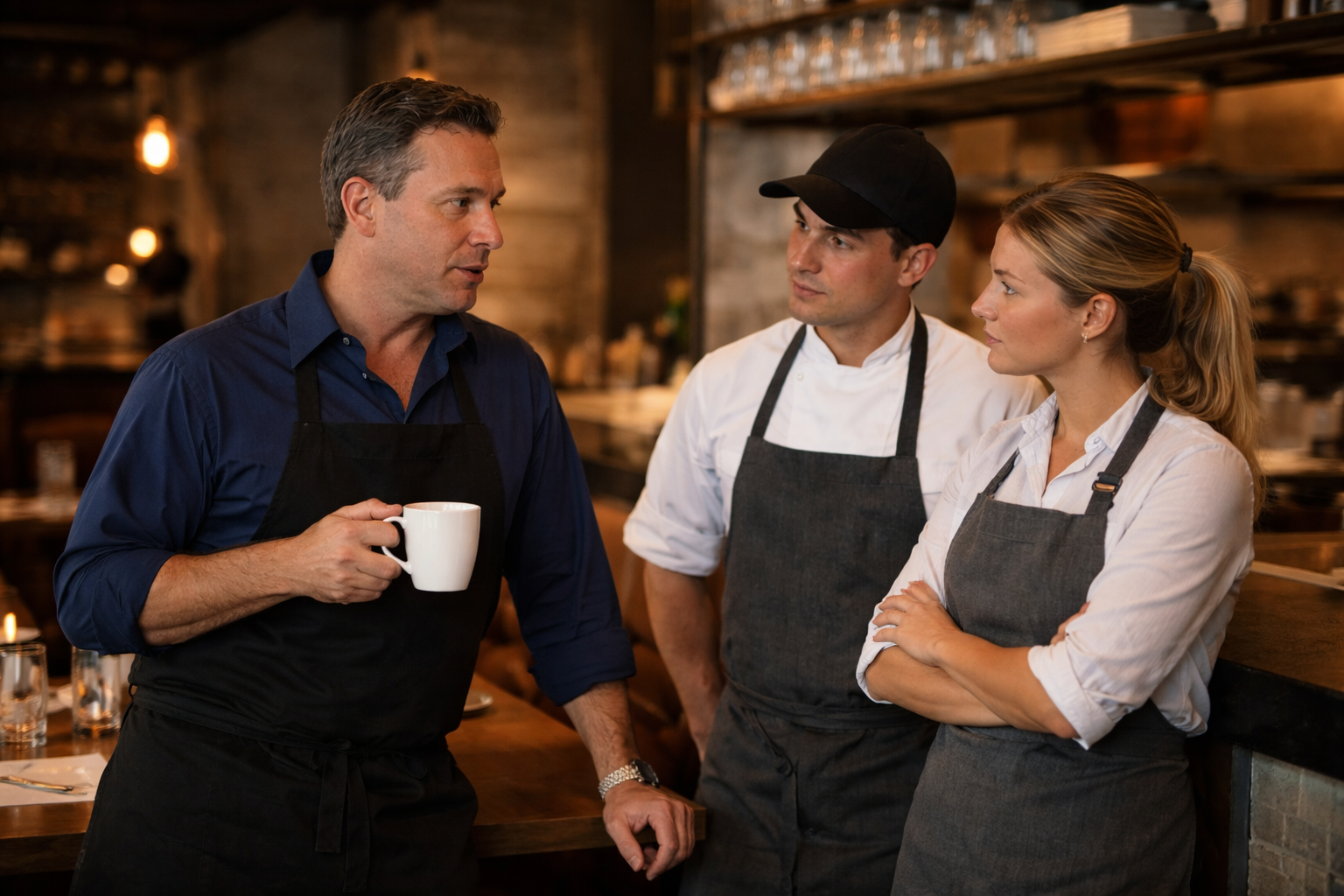
Part VI: Labor Under Stress
Revenue can soften without warning. Labor cannot. When payroll outpaces deposits, the structure you designed is tested in real time. Staffing decisions become moral decisions, oversight grows heavier, and leadership is measured not by optimism but by restraint. Under pressure, a labor model does not collapse — it reveals whether it was ever stable.

Part VII: Cash Flow & Runway
When revenue softens, the dining room can still feel busy. Cash flow tells a different story. Runway is not what sits in the account — it is what survives subtraction. This essay examines burn rate, seasonality, vendor pressure, and the financial discipline required to lead without illusion.

Part VIII: Governance
Governance determines who decides when revenue misses projection, when capital tightens, and when partners disagree. In opening a restaurant, ownership structure is not paperwork — it is power, risk, and consequence under pressure.

Part IX: Exit Strategy & Enterprise Value
How much is your restaurant actually worth? This guide to restaurant exit strategy explores valuation methods, EBITDA multiples, governance design, and the structural difference between a profitable lifestyle restaurant and a sellable enterprise.

Part X: The Psychological Cost of Ownership
Restaurant ownership reshapes more than balance sheets. It affects sleep, identity, marriage, leadership judgment, and long-term resilience. This final chapter examines the psychological cost of building, running, and ultimately leaving a restaurant.