
Share
An unfolding archive of food, culture, and craft.
The Hardest Shift is the Quiet One
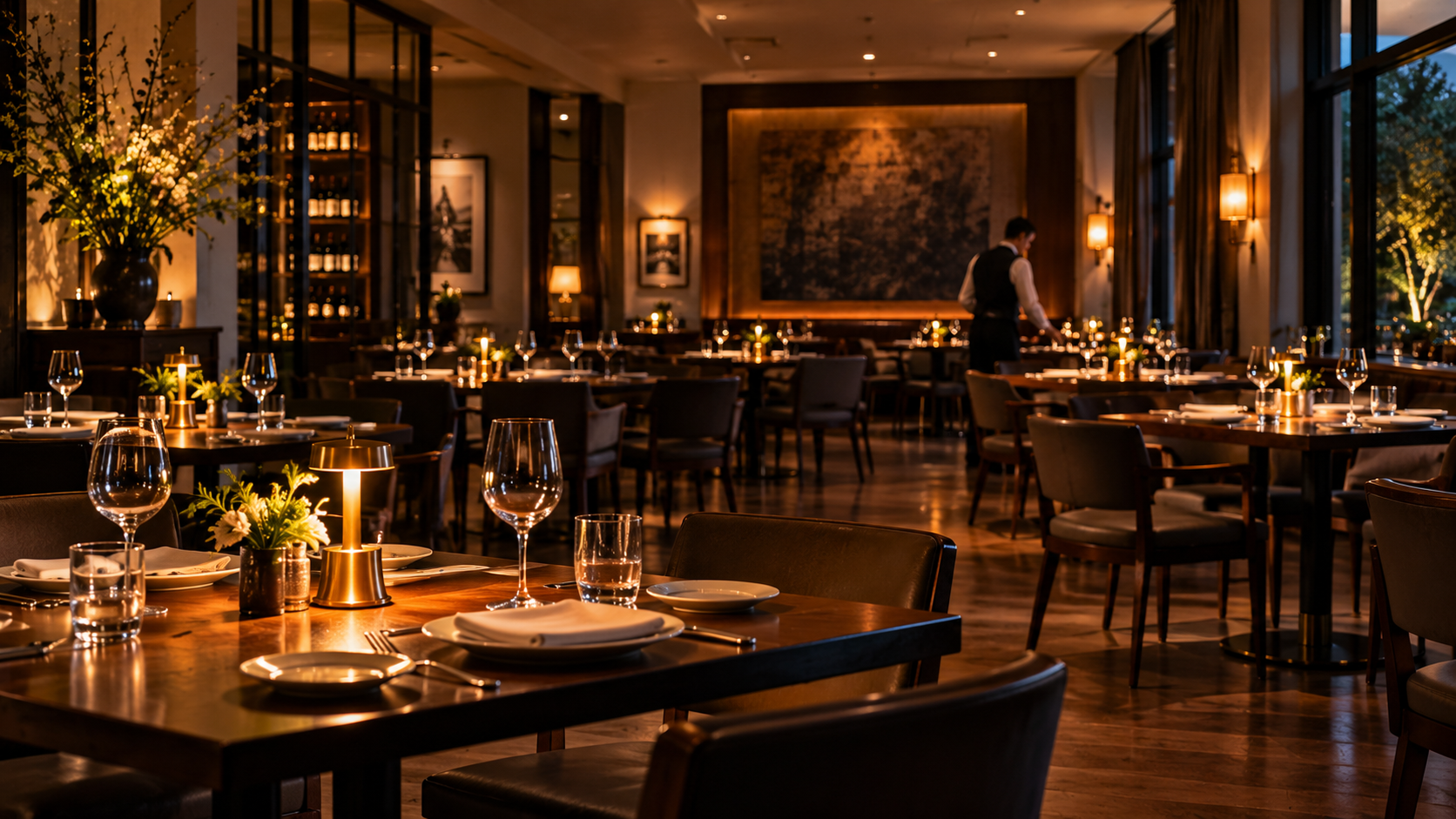
A quiet dining room should make service easier. Yet slow nights are often when complacency takes hold, attention drifts, and small mistakes become impossible to excuse. A reflection on vigilance, leadership, and maintaining hospitality standards when business slows.
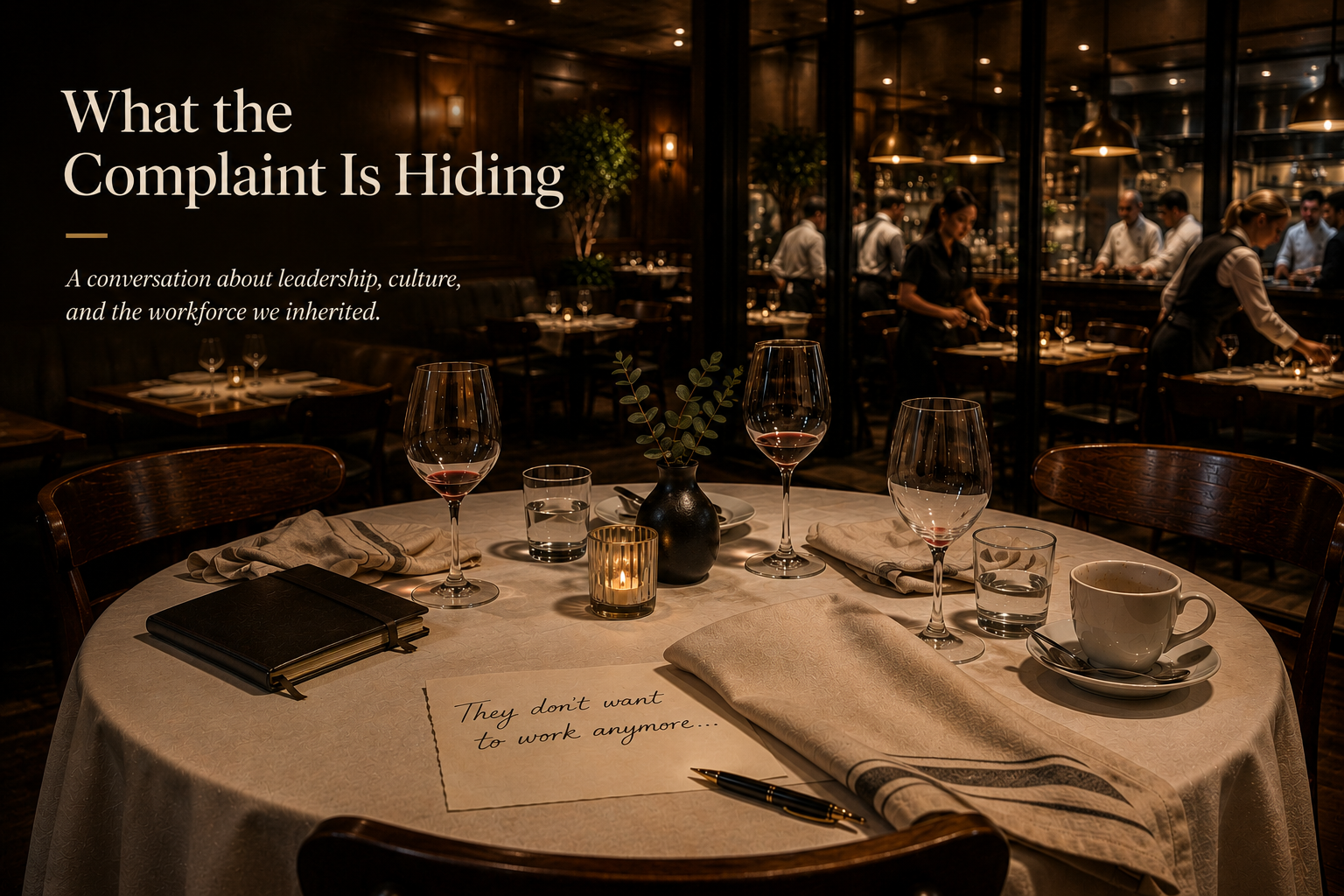
The Cost of Blaming a Generation
Every generation believes the next one doesn't want to work. Hospitality has been having the same conversation for centuries. But what if the complaint is pointing us in the wrong direction? This essay explores why blaming a generation explains very little, and why the operators who thrive are the ones willing to lead the workforce they have—not the one they wish they had.
The Last Table
The end of the night is the part of restaurant service most often handled with the least care. Long after a guest has forgotten what they ordered, what they drank, what they paid — they will remember whether they felt welcome until the very end. The check is not where hospitality ends. It is where hospitality is finally tested.
The Delayed Termination
The staff already knows. The room already feels it. The delayed termination is rarely a mystery — it is a decision that has already been made and not yet acted upon. What that gap costs, and why the room almost always exhales when it finally closes.
The Delayed Decision
The decision is usually made long before it is acted upon. Most consequential decisions in hospitality don't arrive suddenly — they arrive slowly, recognized early, acted upon late. This series examines what lives in that gap.

Using a Declining Budget as a Tool for Restaurant Profitability
A declining budget does not just reduce spending power—it forces a restaurant to align purchasing and labor with actual demand. This essay introduces how constraint improves operational control.
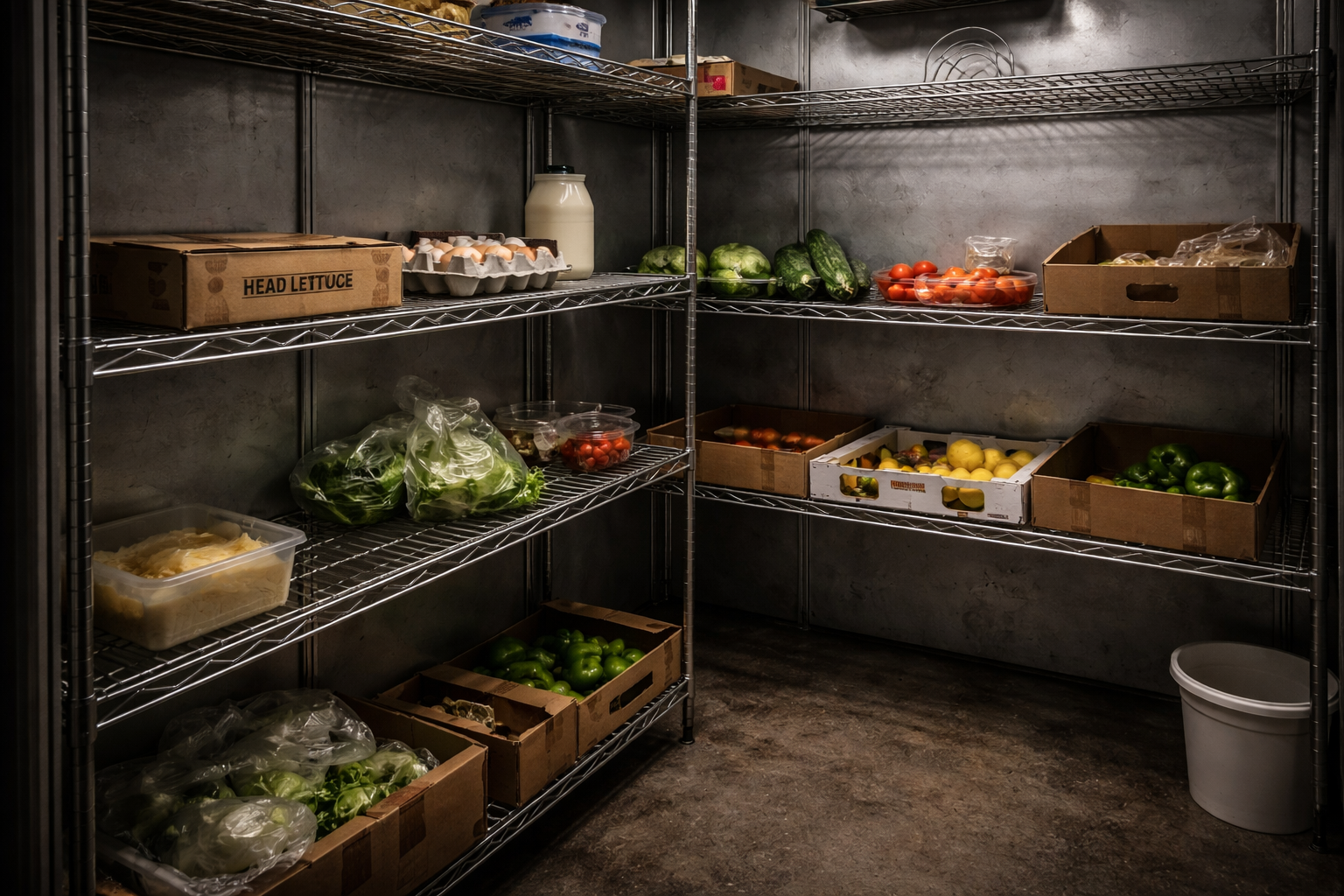
Part II — When the Walk-In Gets Smaller
When purchasing tightens, the walk-in changes immediately. This essay explores how reduced inventory reshapes prep, ordering, and kitchen discipline.
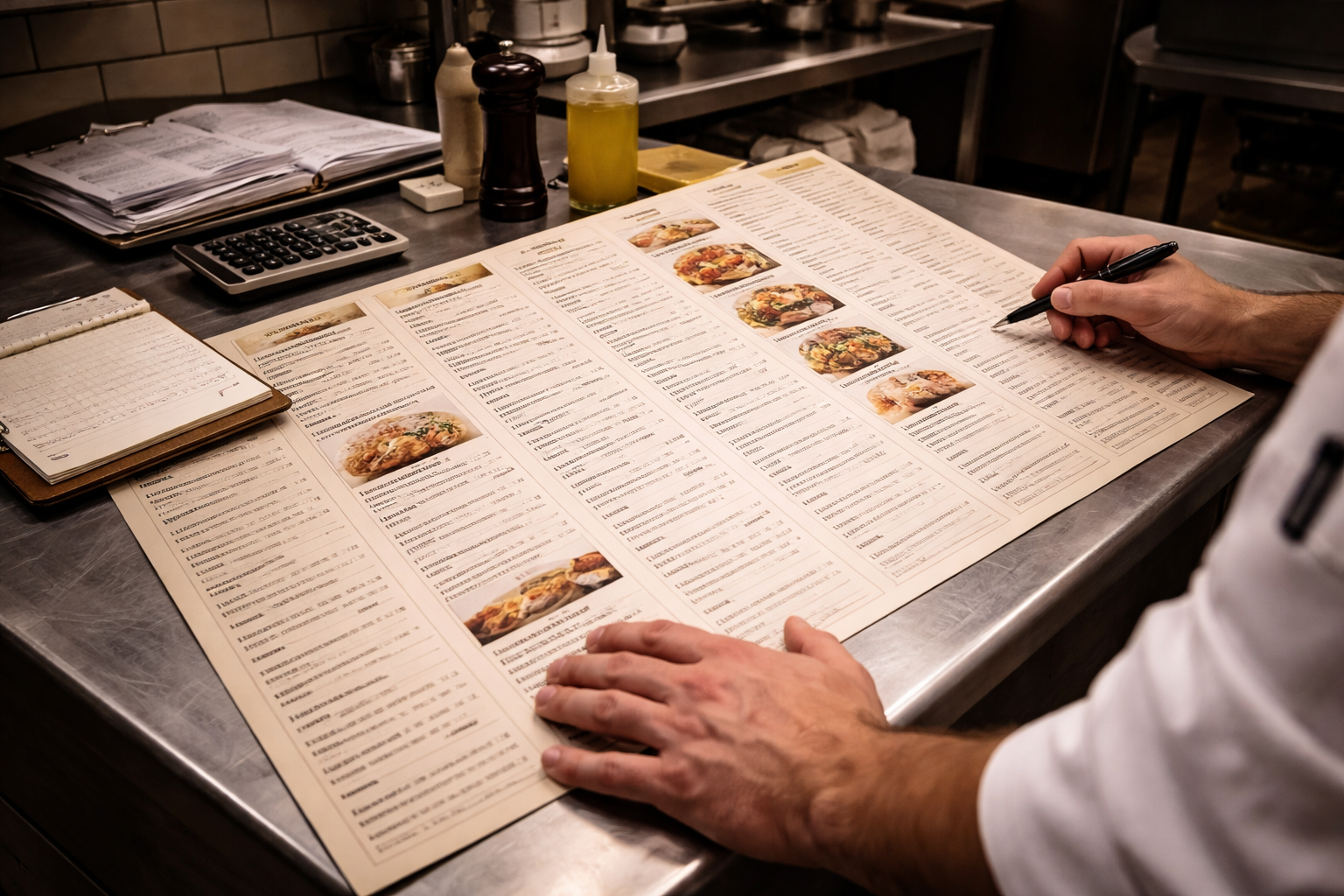
Part III — The Menu Burden
The menu determines what must be purchased, stored, and prepared. This essay examines how menu complexity creates operational burden—and how to correct it.
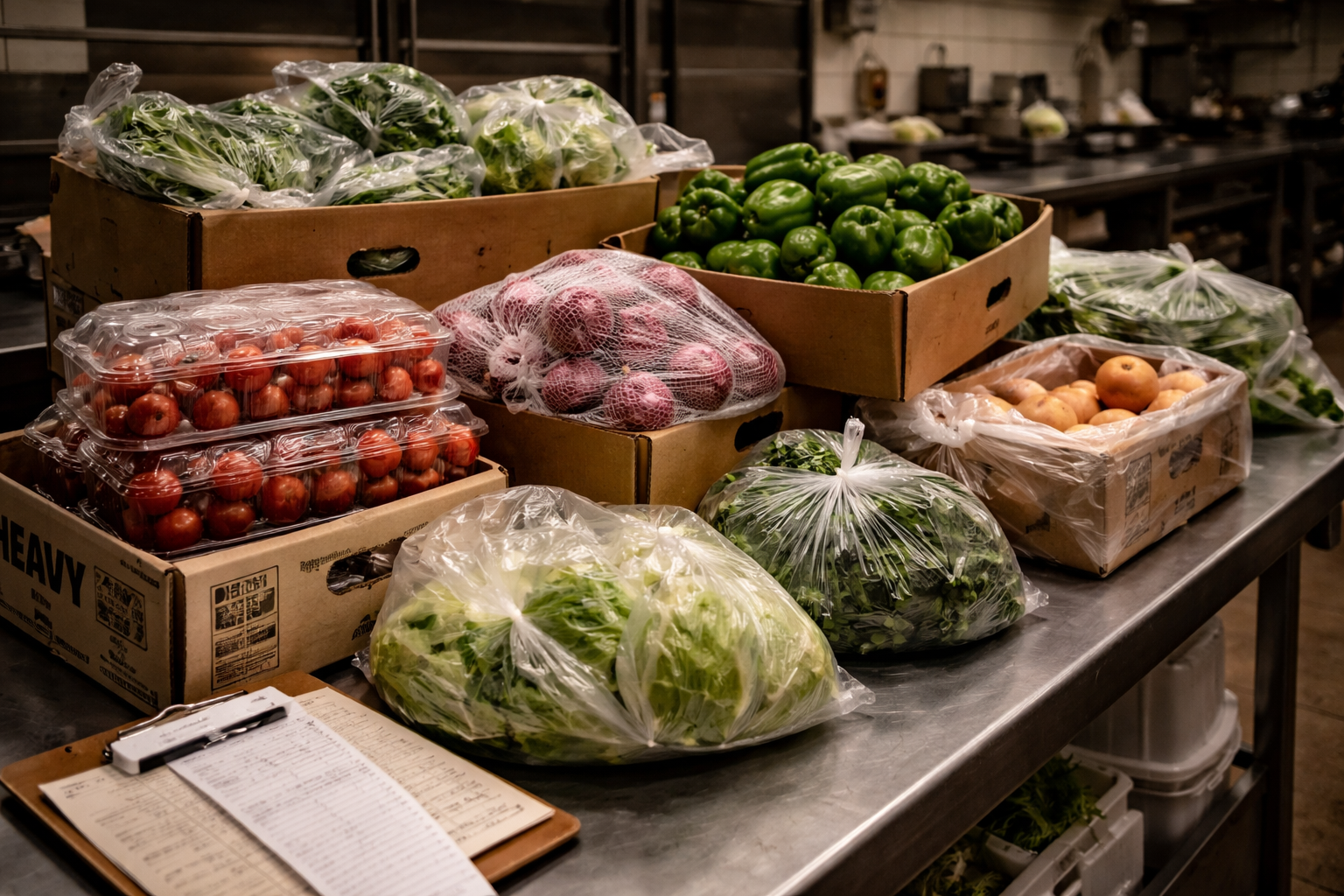
Part IV — Buying Against Fear
Most over-ordering is driven by fear, not demand. This essay explores why restaurants carry excess inventory—and how to shift toward disciplined purchasing.
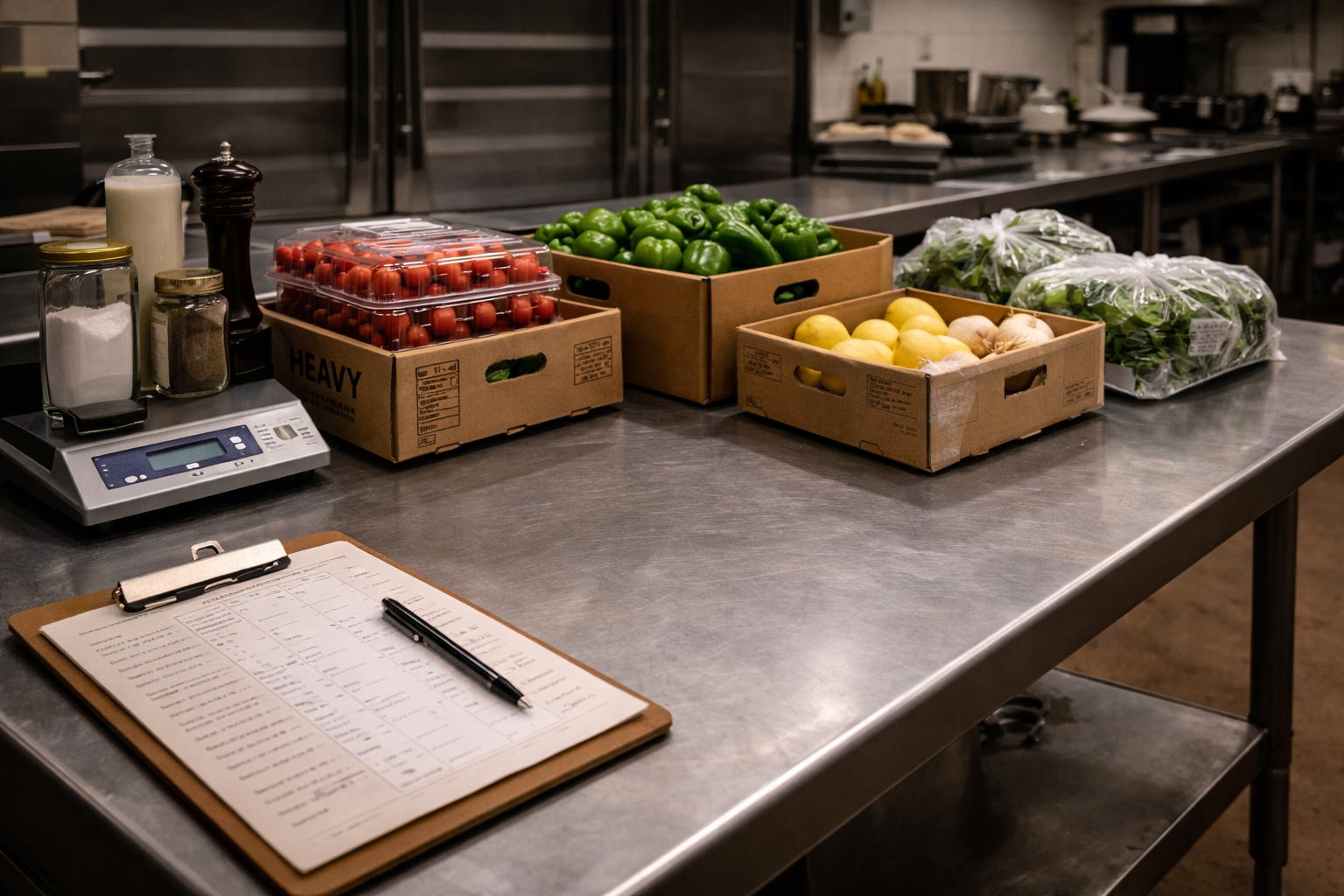
Part V — Precision Without Panic
Running lean requires more than cutting cost. This essay defines the system needed to align purchasing, labor, and service in real time.
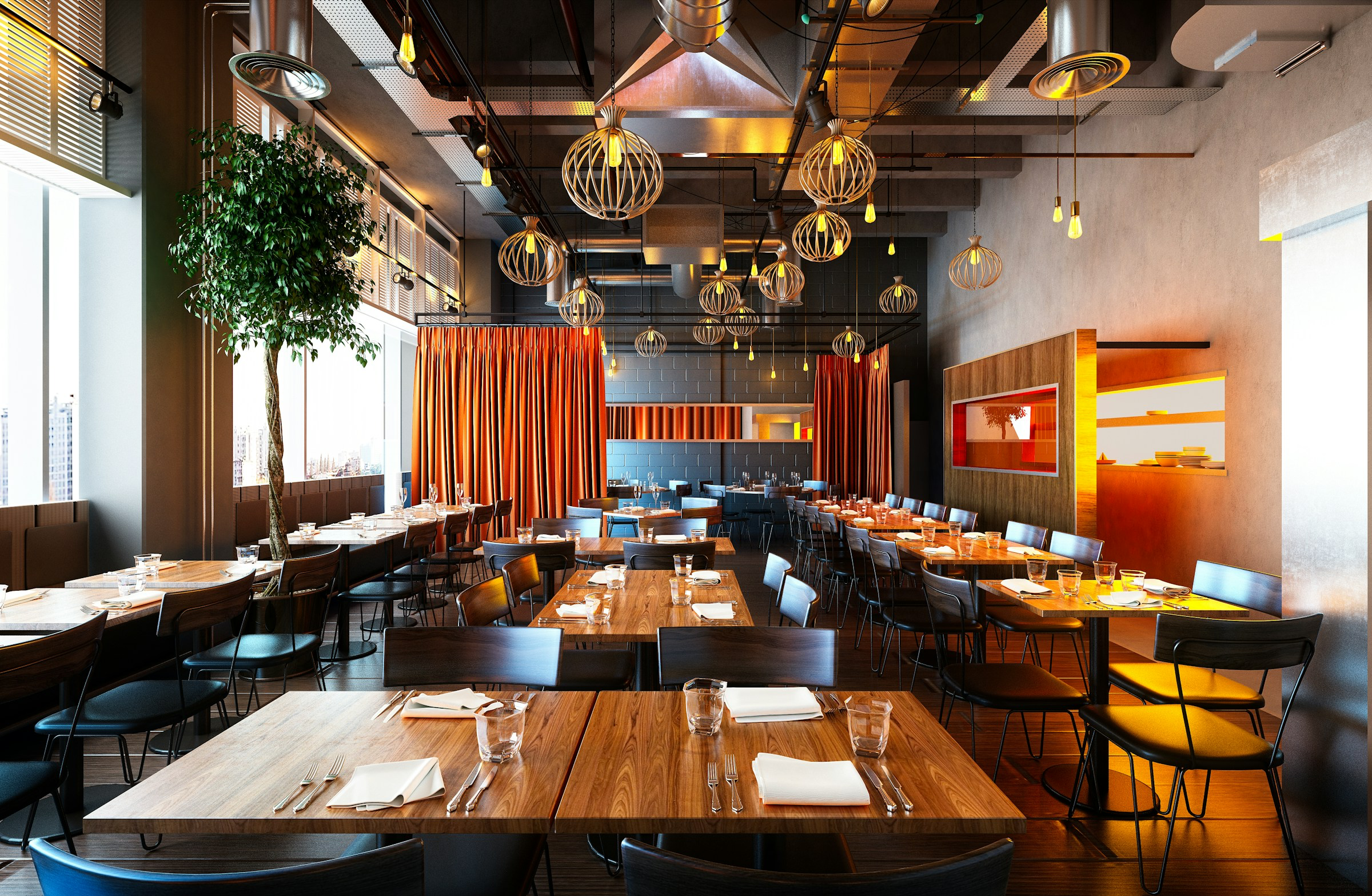
What Color Does to a Room Before the Guest Decides Anything
Color shapes appetite by influencing mood, time perception, and behavior. Warm tones stimulate urgency, while cool tones slow the dining experience.
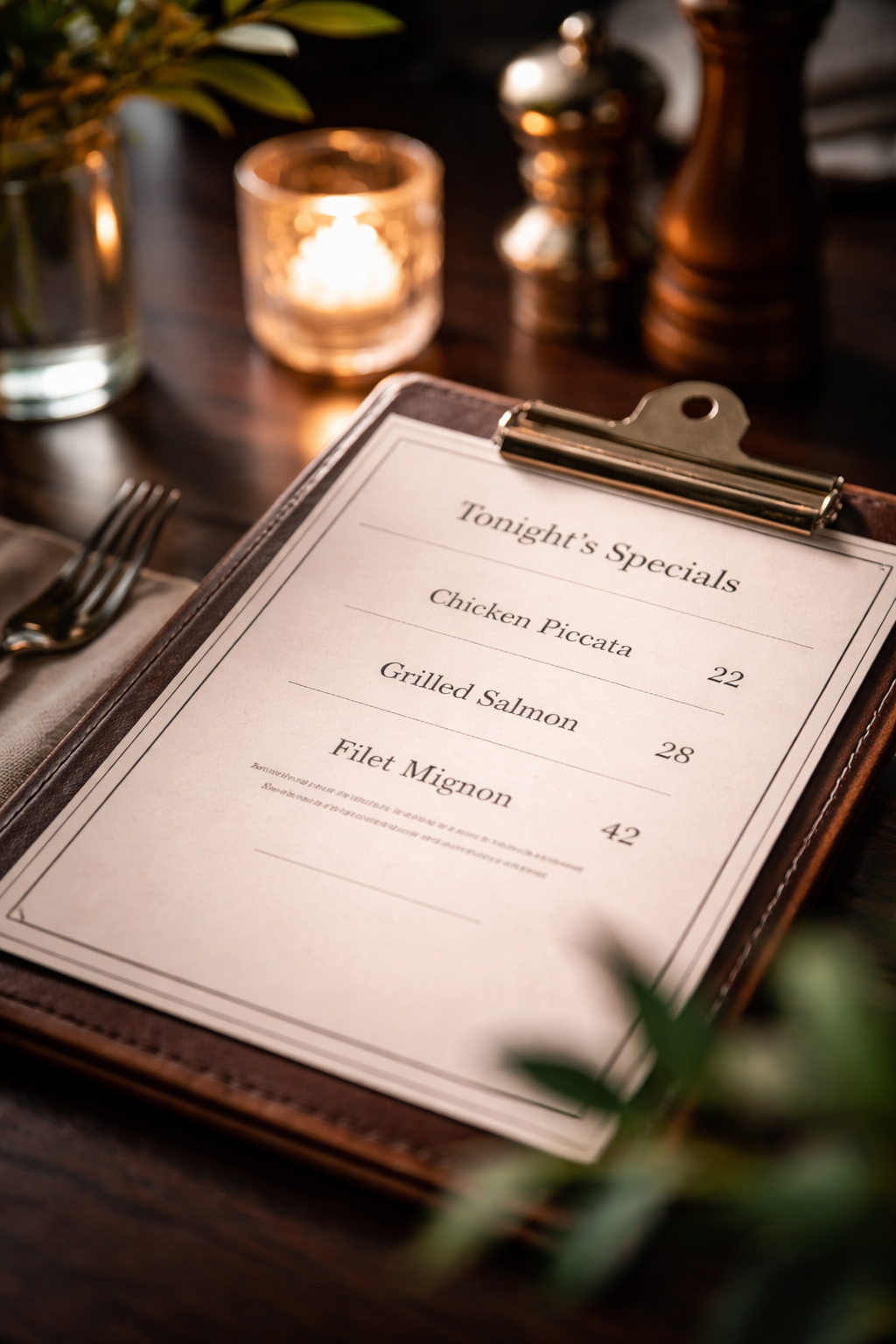
How Does Menu Pricing Influence What We Order?
Menu pricing is not just about cost—it frames value. From anchoring to price endings and design, perception shapes what guests choose before they decide.
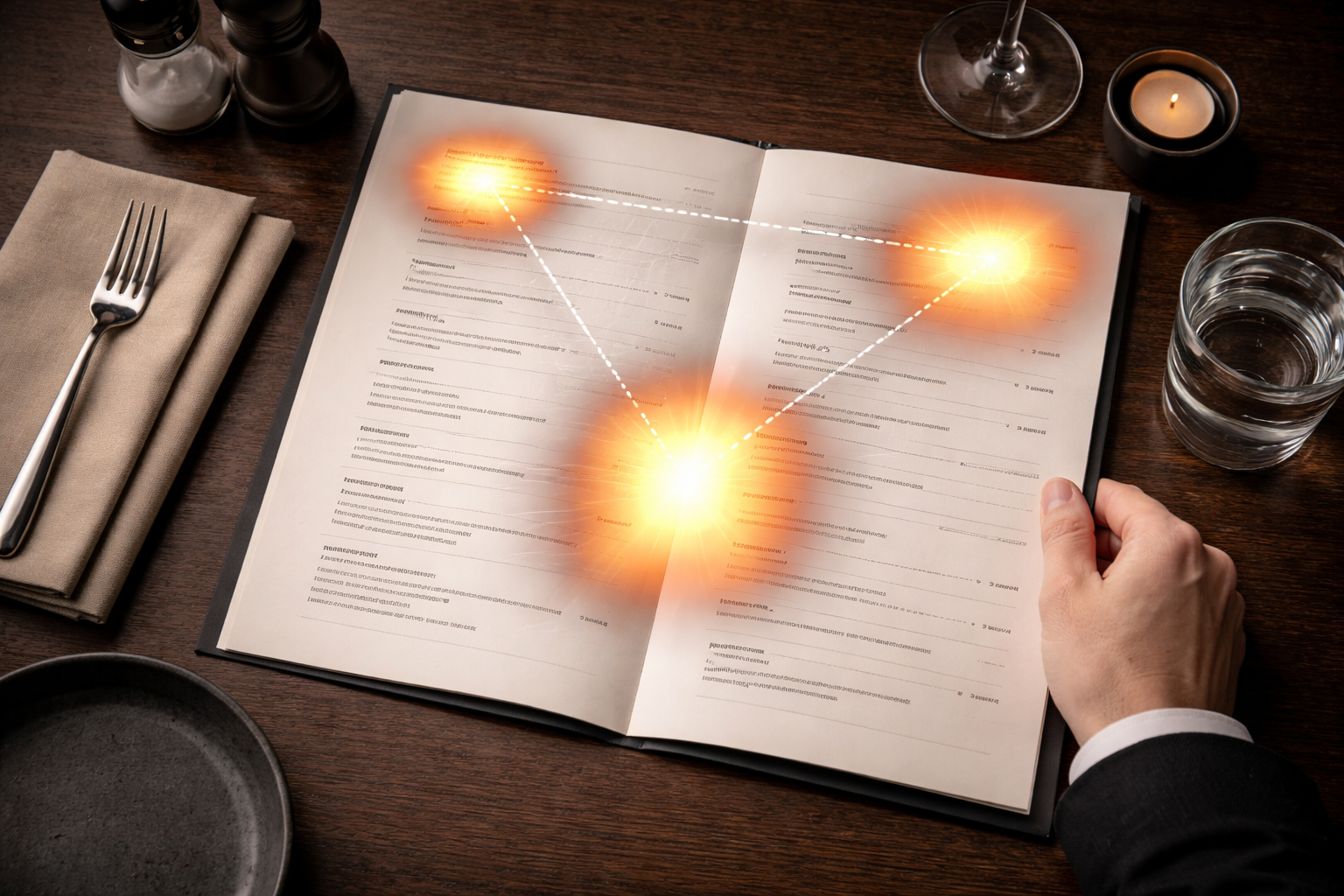
How Do People Read Menus?
People do not read menus in a straight line. They scan for visual hierarchy, and design choices such as layout, spacing, boxes, and page structure influence what they notice first and what they are most likely to order.
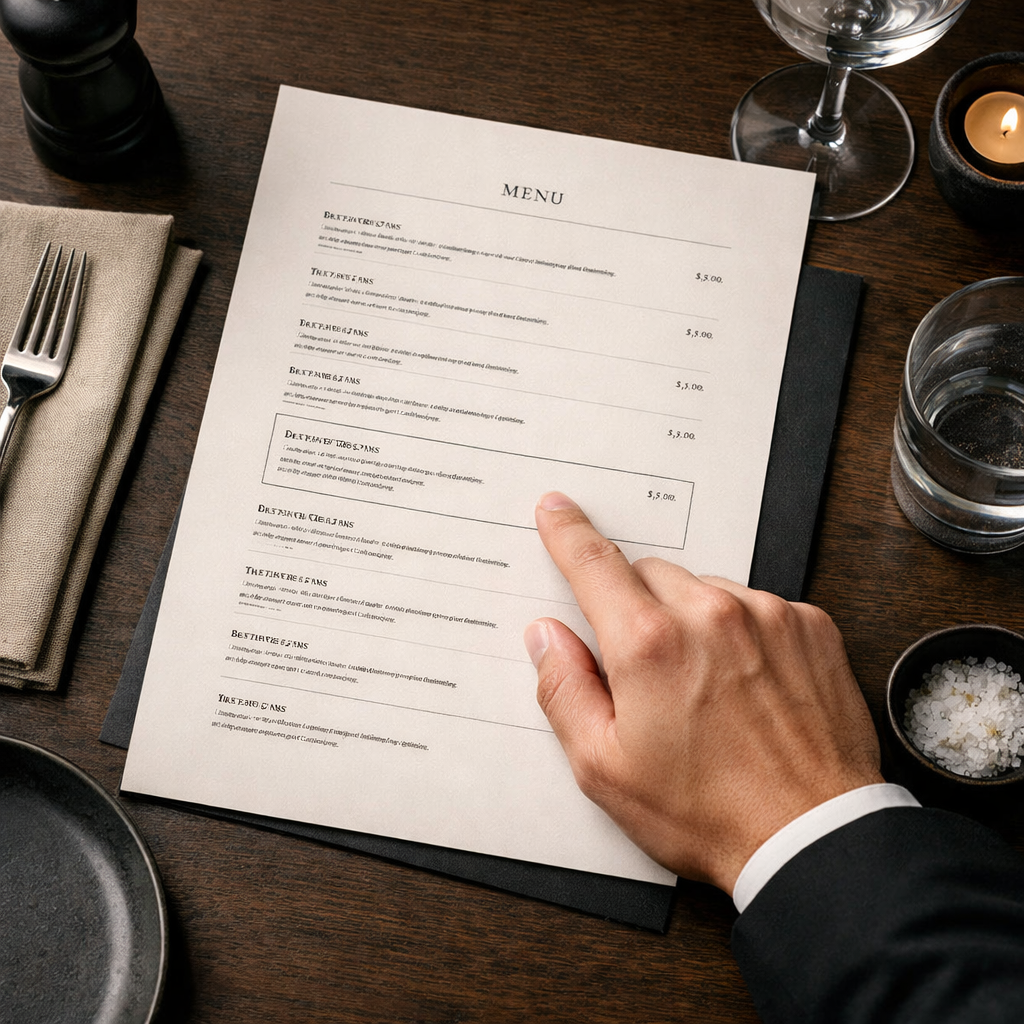
How Does Menu Design Influence What We Order?
Menu design shapes how guests see, process, and choose dishes. Layout, placement, and pricing subtly guide decisions before the first order is placed.
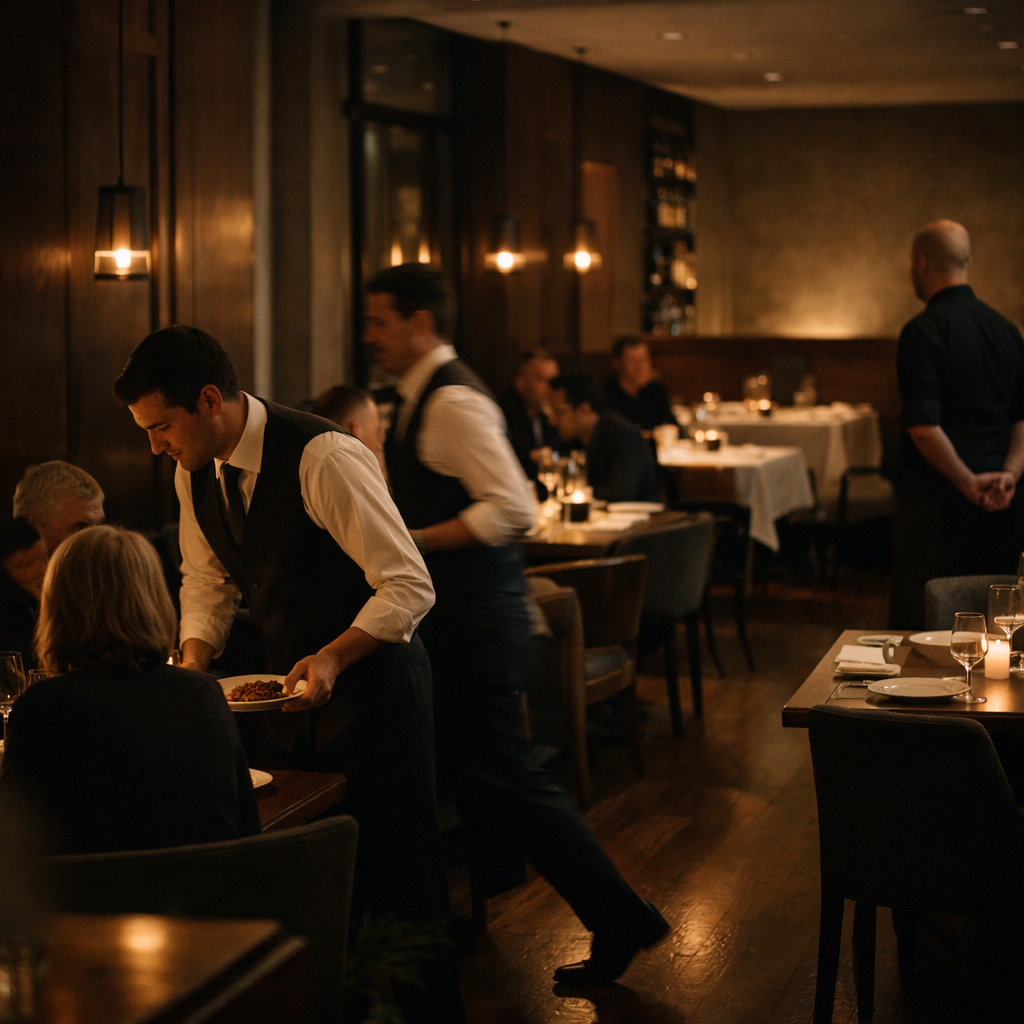
What Tip Pooling Changes—and What It Costs
Tip pooling doesn’t just change how money is distributed—it changes how the dining room works. From individual performance to shared responsibility, each system produces a different kind of service, and a different kind of experience.
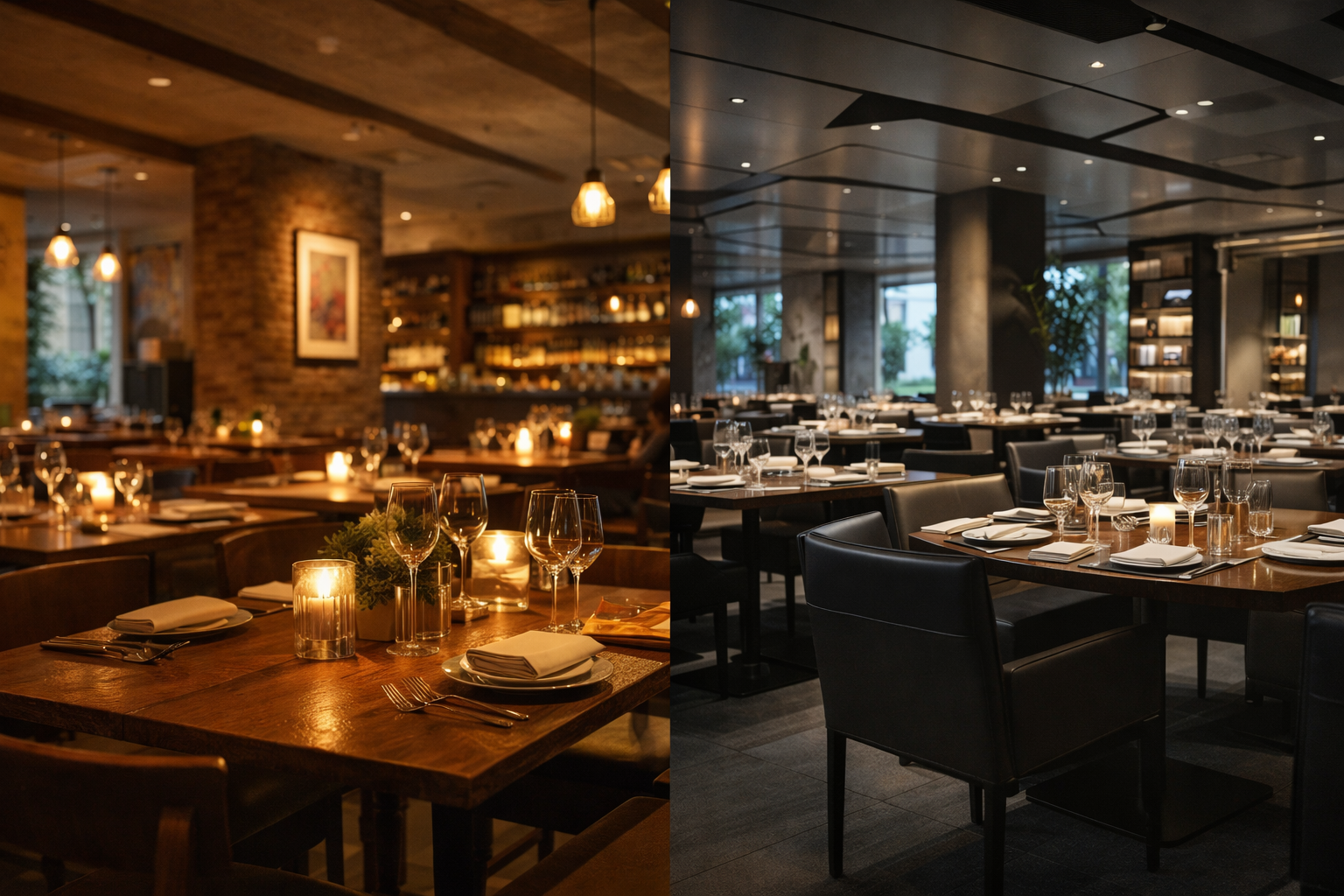
Restaurants That Last: Independent vs. Corporate
A thoughtful comparison of independent and corporate restaurants—how each approaches risk, culture, and decision-making, and what truly determines which ones endure.
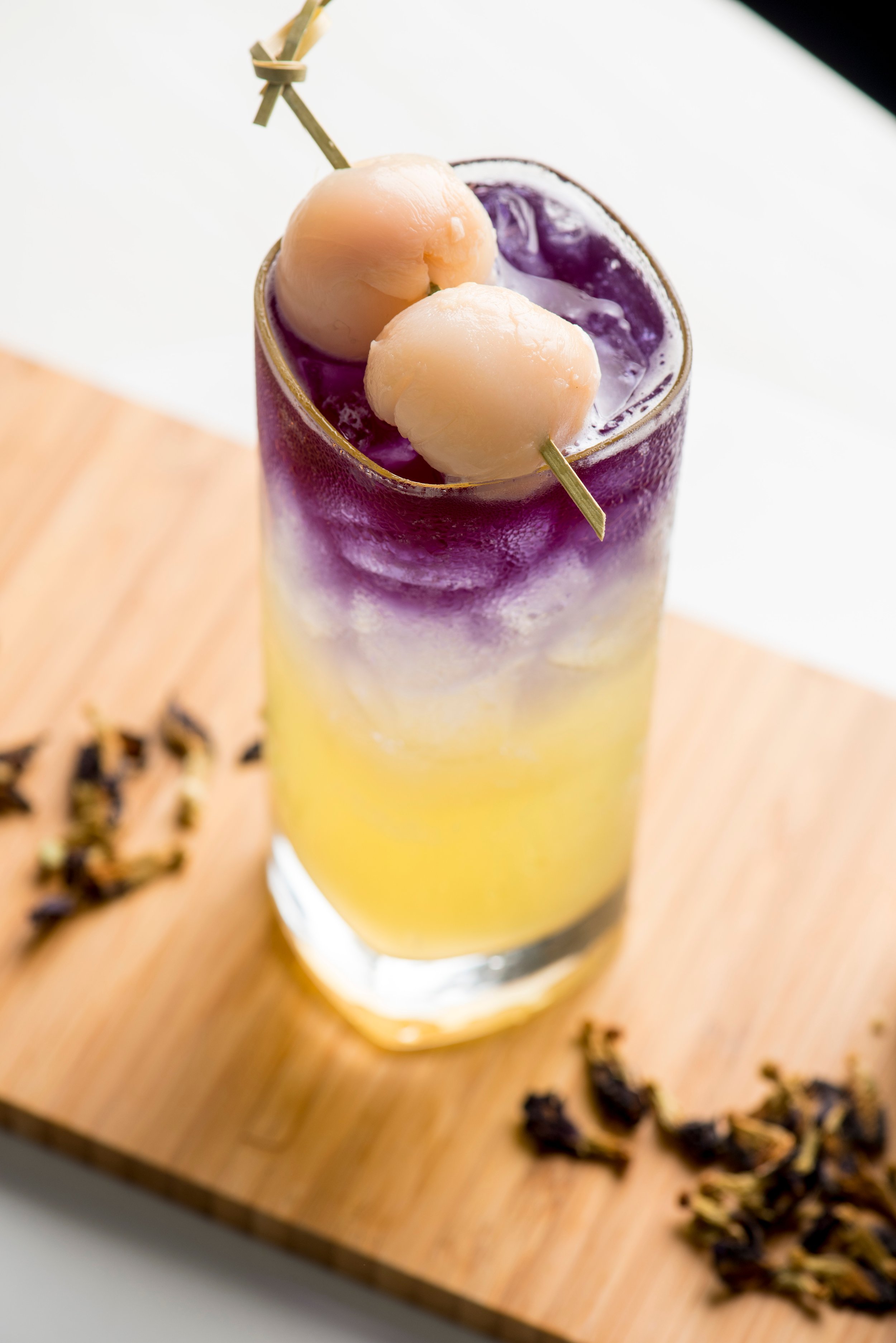
The Quiet Rise of the Mocktail
A Foodie deep dive into the rise of mocktails—exploring their history, evolution, garnishes, and recipes that treat zero-proof drinks with intention.
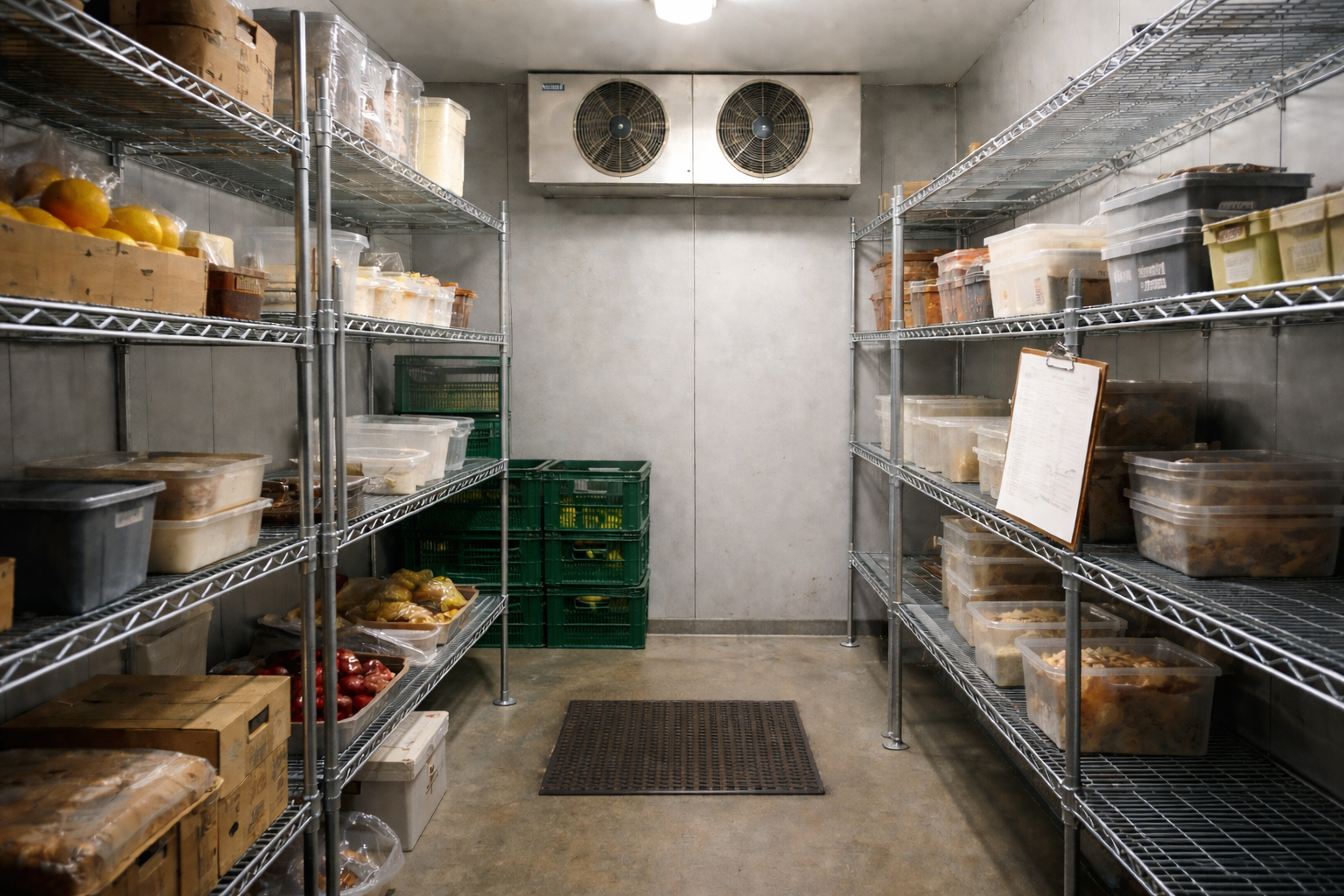
86, 88, and the Fear of Running Out
In restaurants, the fear of running out shapes purchasing decisions long before service begins. Why running out at the right moment isn't failure — and why ordering out of fear is the far greater cost.
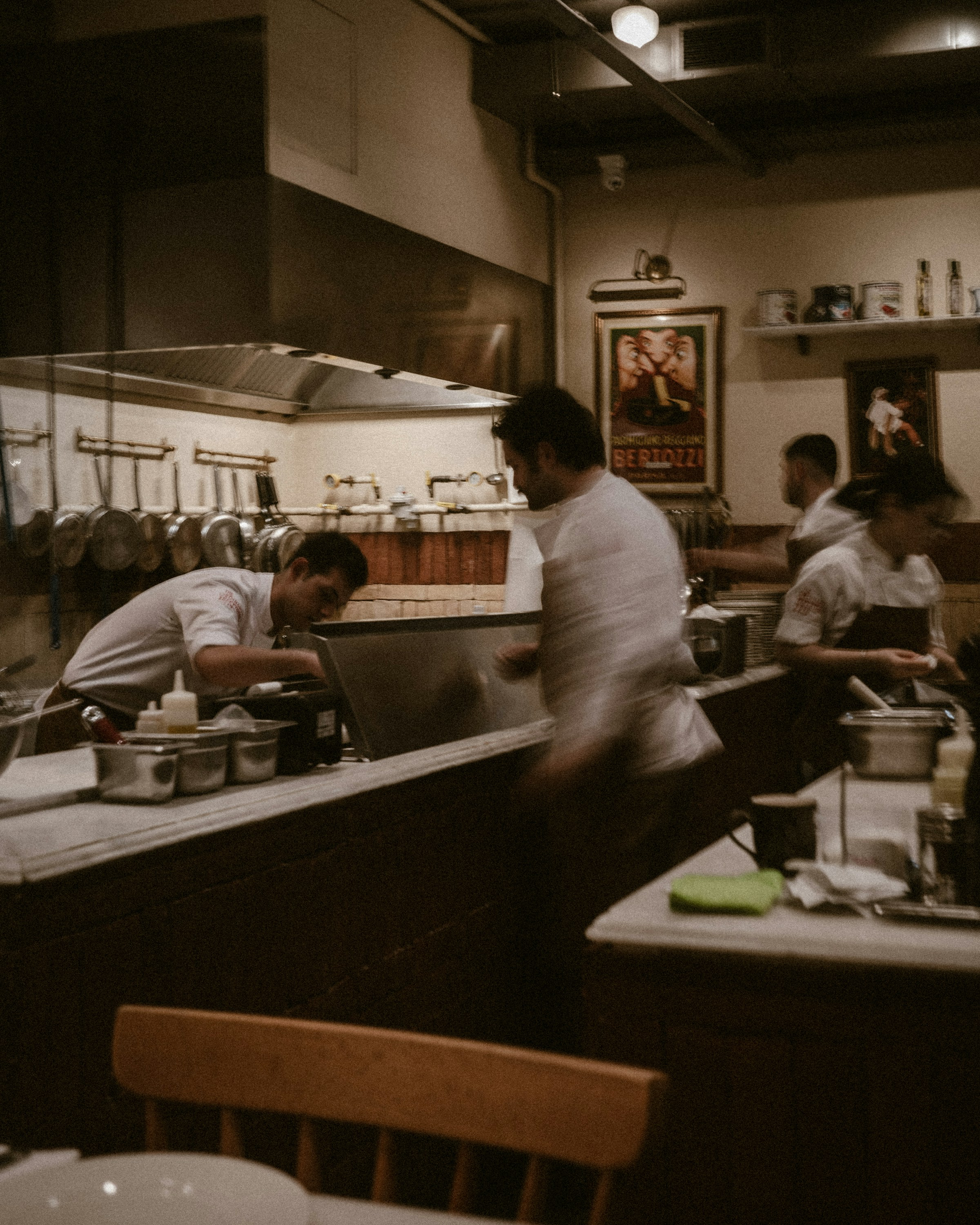
Changing a Culture Without Burning the Place Down
Culture doesn’t change because the walls change. It changes because behavior changes. A seasoned operator’s roadmap for raising standards, reducing noise, and leaving a restaurant better than it was found.
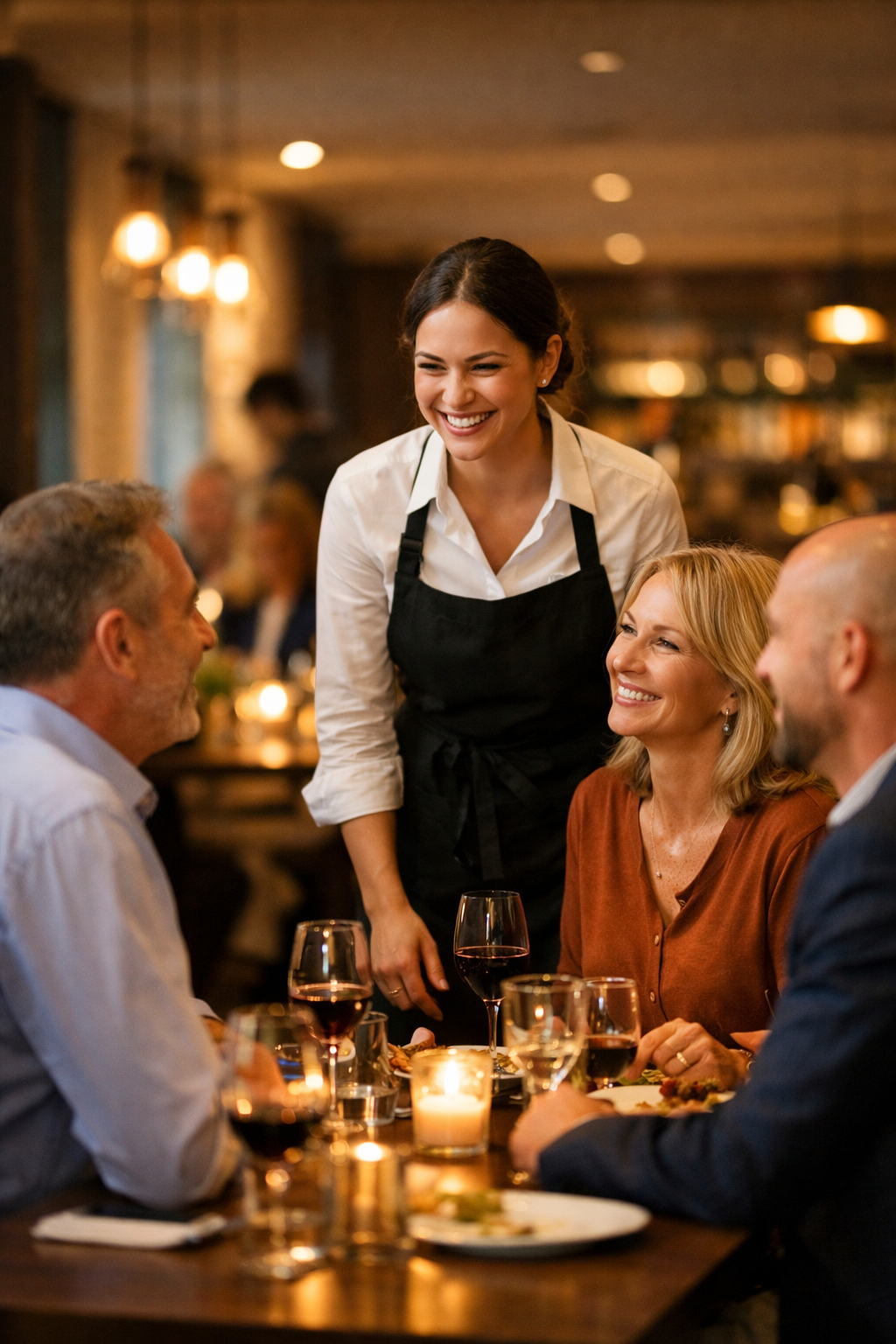
Restaurants That Last: Customers vs. Guests
An exploration of transactional versus relational hospitality—and why restaurants that last treat diners as guests, not numbers, earning loyalty through feeling rather than efficiency.