
Share
An unfolding archive of food, culture, and craft.
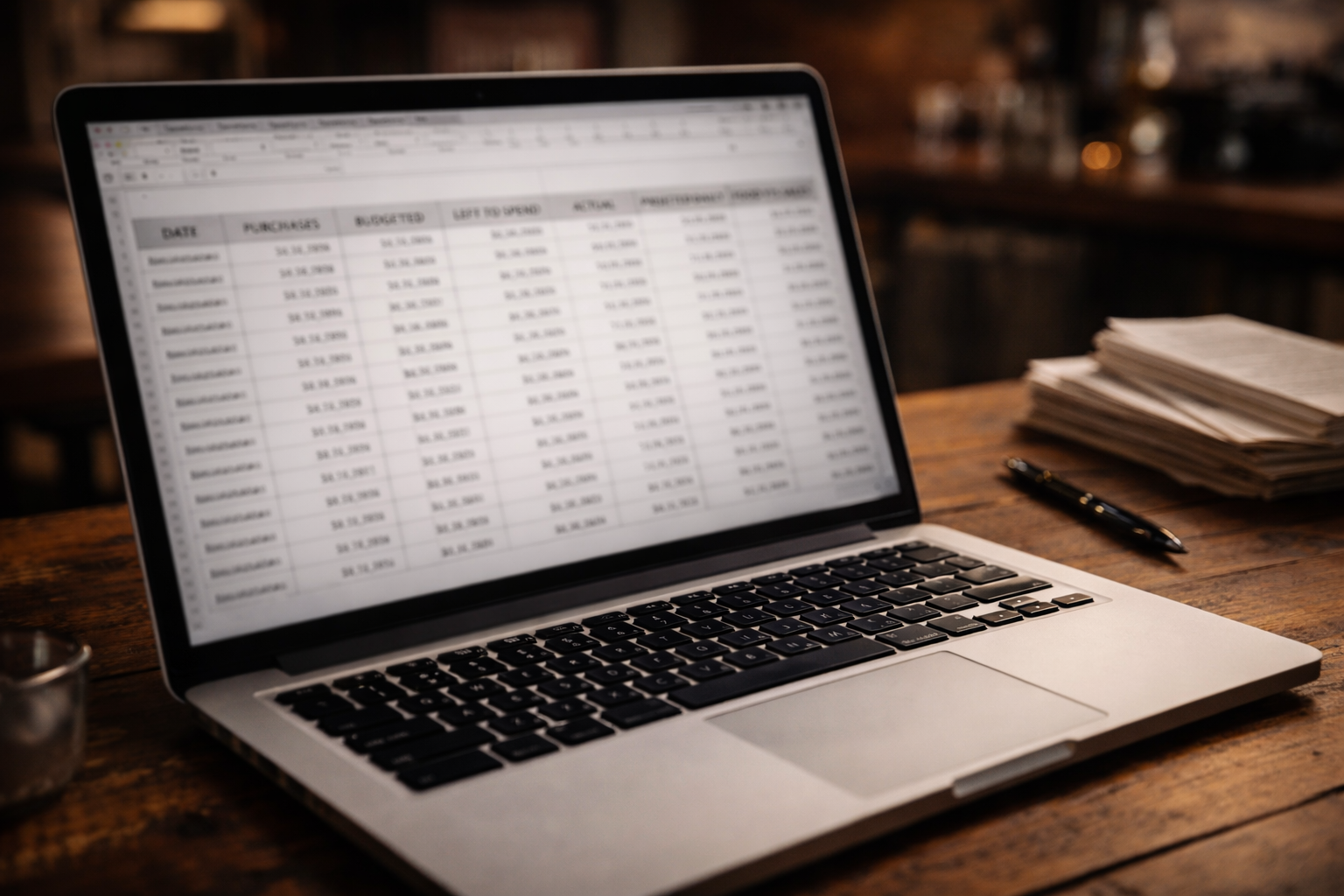
Using a Declining Budget as a Tool for Restaurant Profitability
A declining budget does not just reduce spending power—it forces a restaurant to align purchasing and labor with actual demand. This essay introduces how constraint improves operational control.
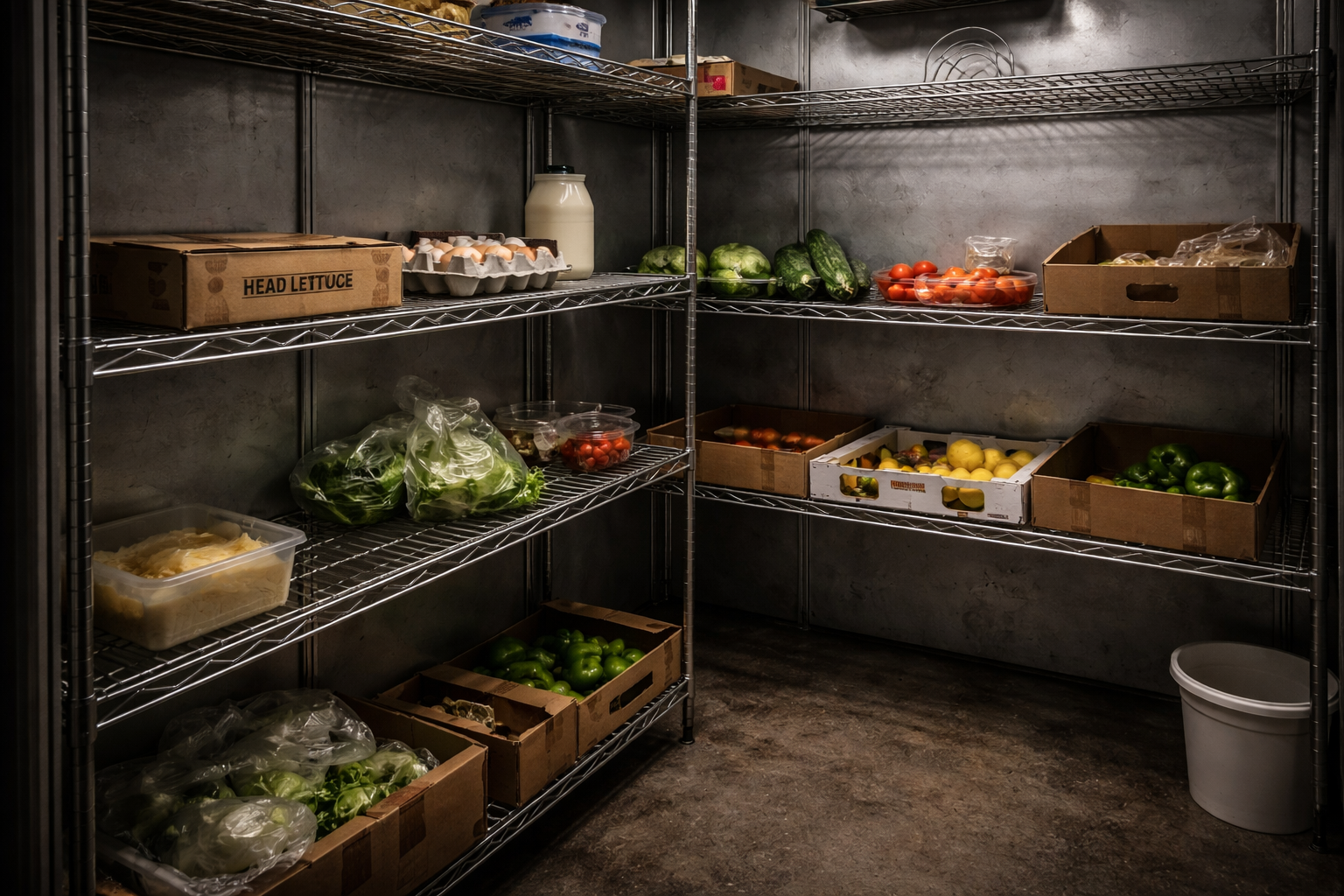
Part II — When the Walk-In Gets Smaller
When purchasing tightens, the walk-in changes immediately. This essay explores how reduced inventory reshapes prep, ordering, and kitchen discipline.
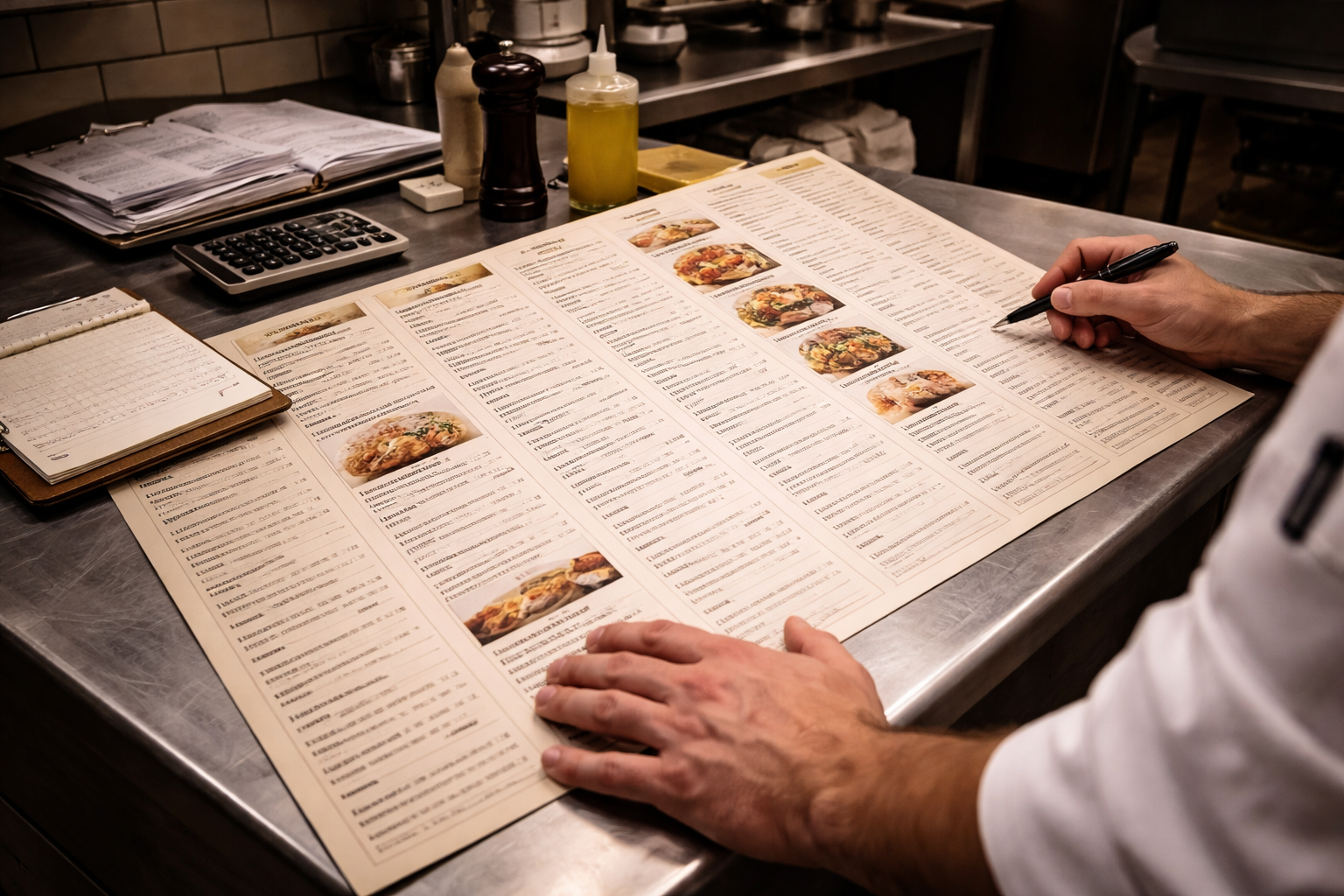
Part III — The Menu Burden
The menu determines what must be purchased, stored, and prepared. This essay examines how menu complexity creates operational burden—and how to correct it.
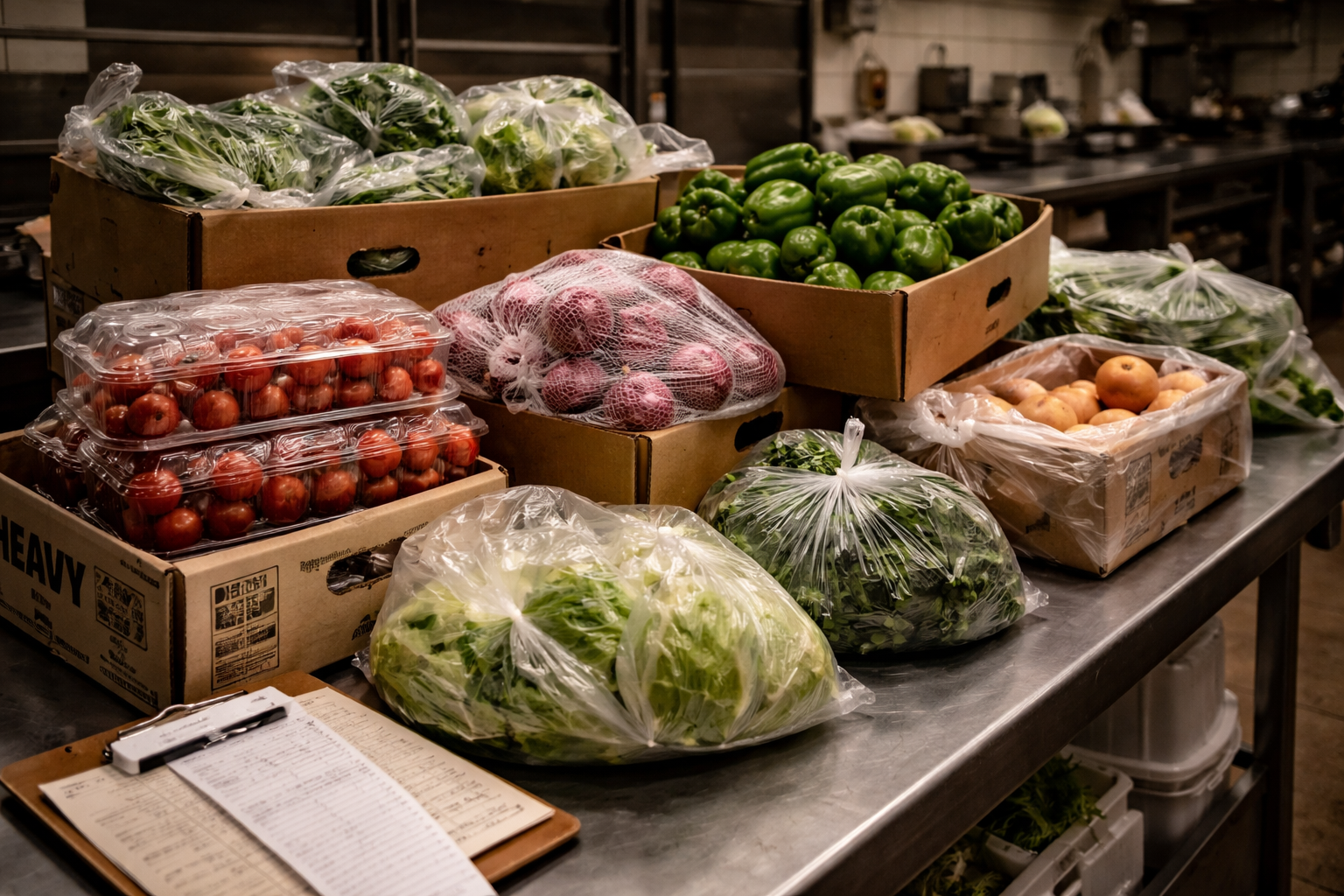
Part IV — Buying Against Fear
Most over-ordering is driven by fear, not demand. This essay explores why restaurants carry excess inventory—and how to shift toward disciplined purchasing.
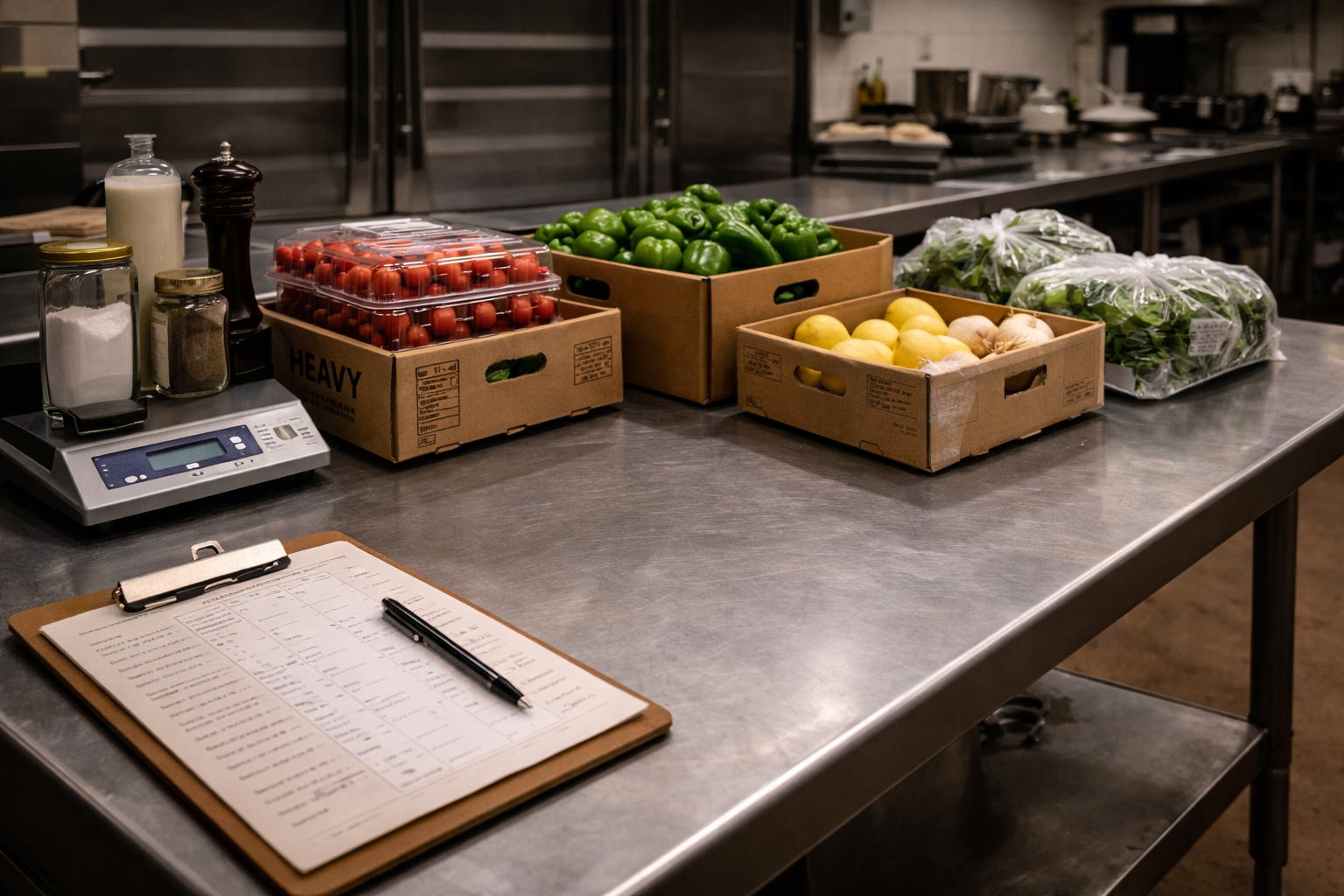
Part V — Precision Without Panic
Running lean requires more than cutting cost. This essay defines the system needed to align purchasing, labor, and service in real time.
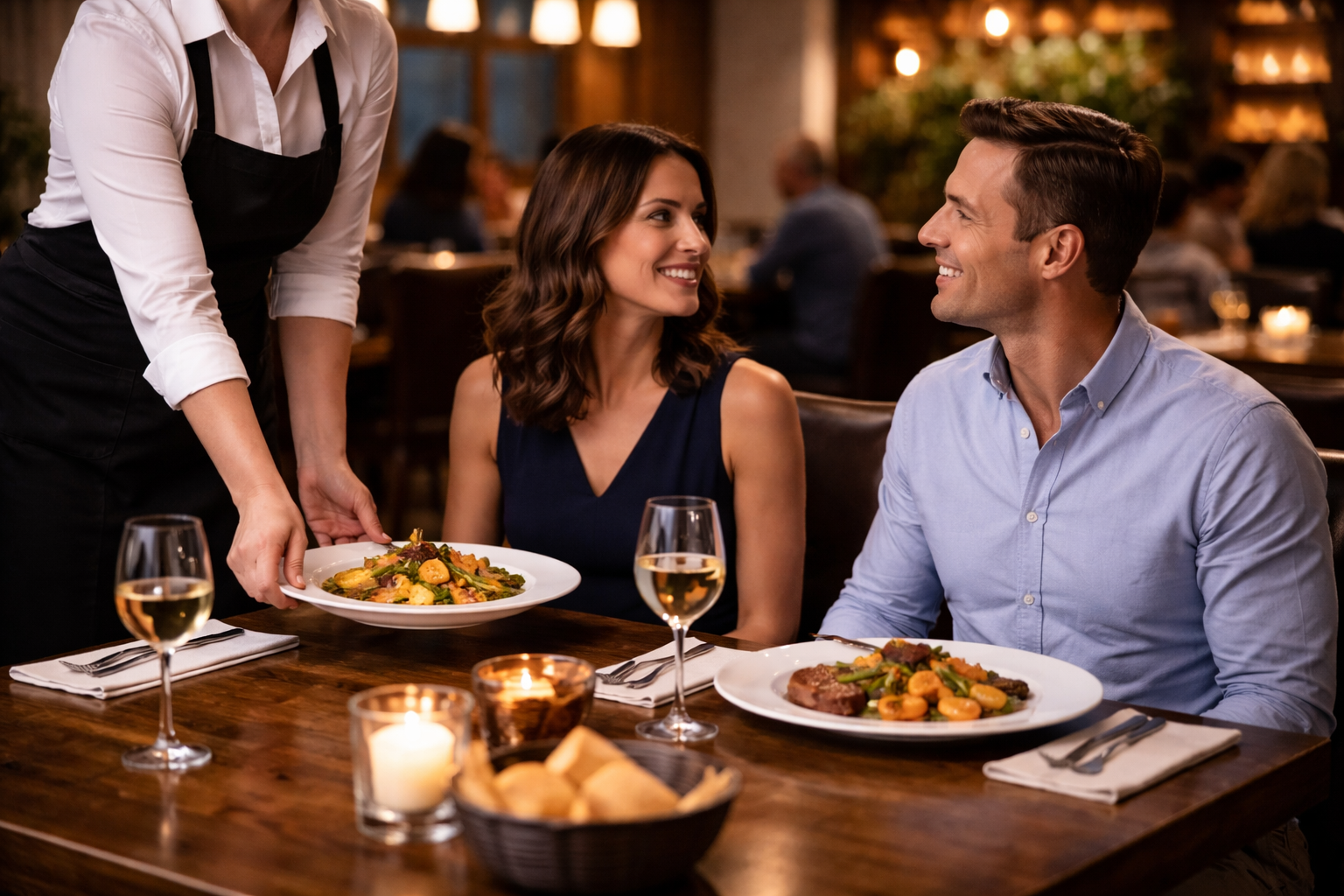
Part VI — The Guest Must Never Feel It
Guests should never feel operational pressure. This essay explains how strong restaurants absorb cost constraints while maintaining consistent service.
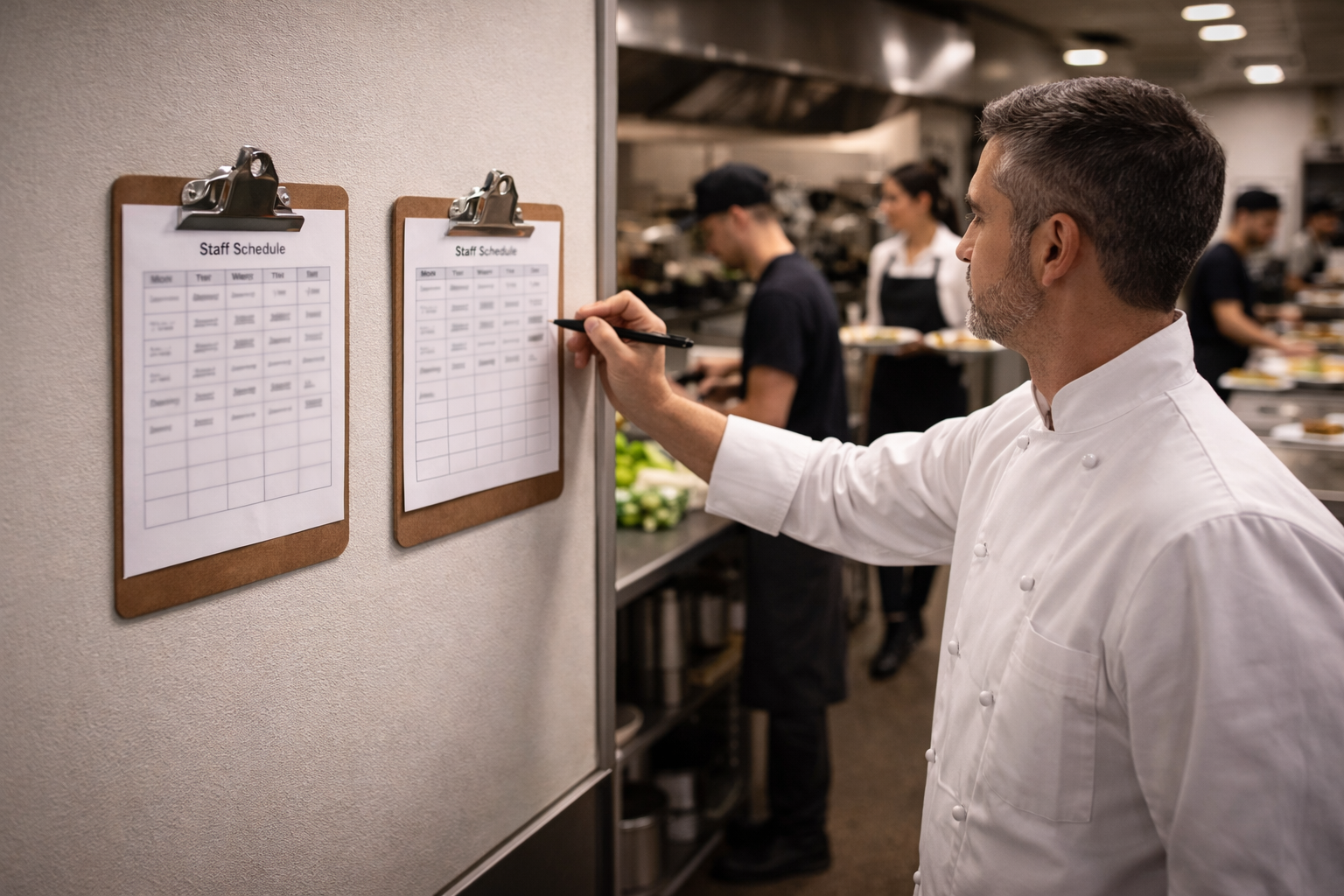
Part VII — Labor Must Follow Demand
Labor must follow demand just like inventory. This essay examines how scheduling, forecasting, and real-time adjustments improve control.