
Share
An unfolding archive of food, culture, and craft.
The Next Bite
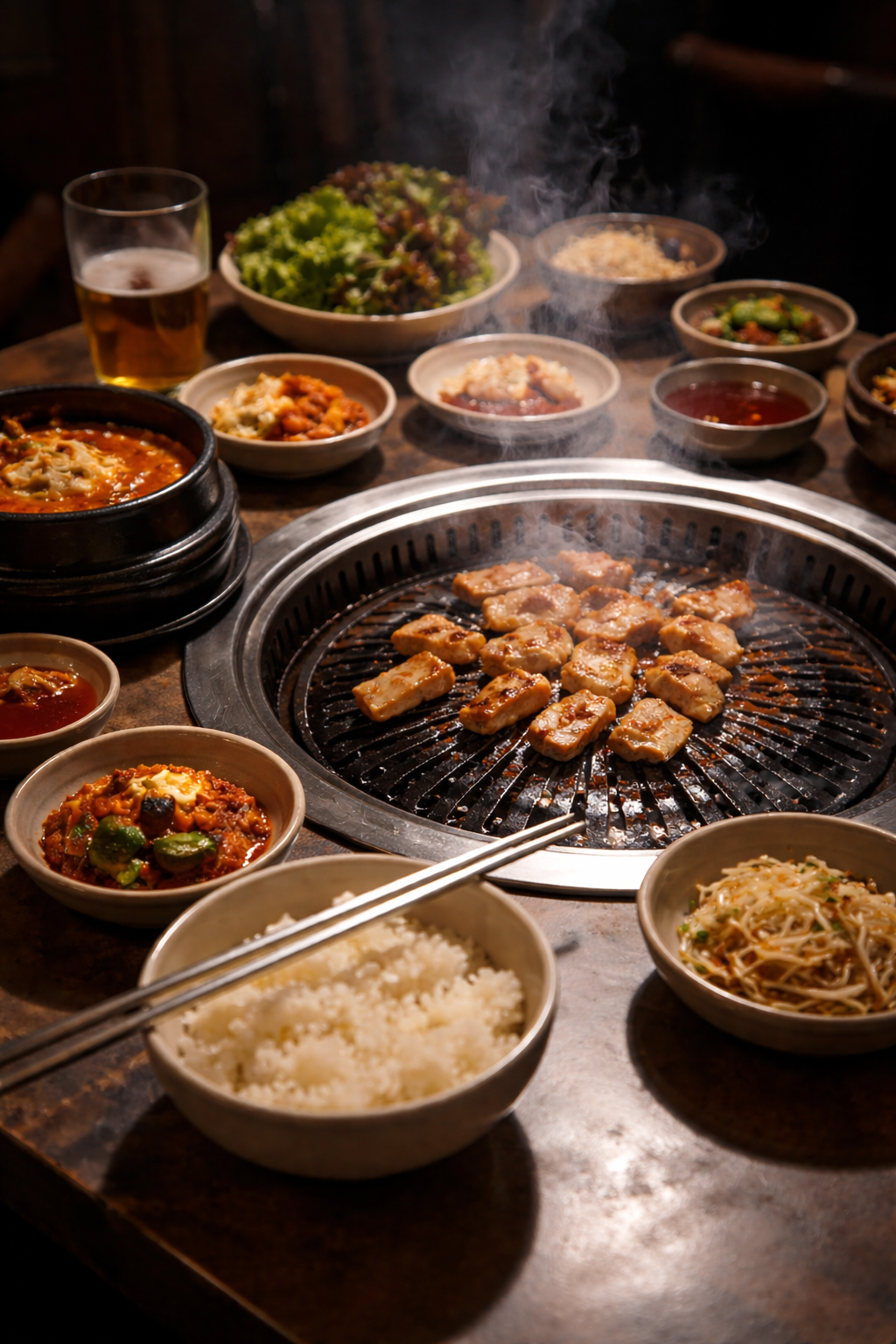
Korean food is not meant to bring the meal to a close. It is meant to keep it moving. From soup to grill to rice to banchan, each bite clears space for the next — allowing appetite to scale without fatigue. This is cuisine built for repetition, timing, and pleasure that holds.
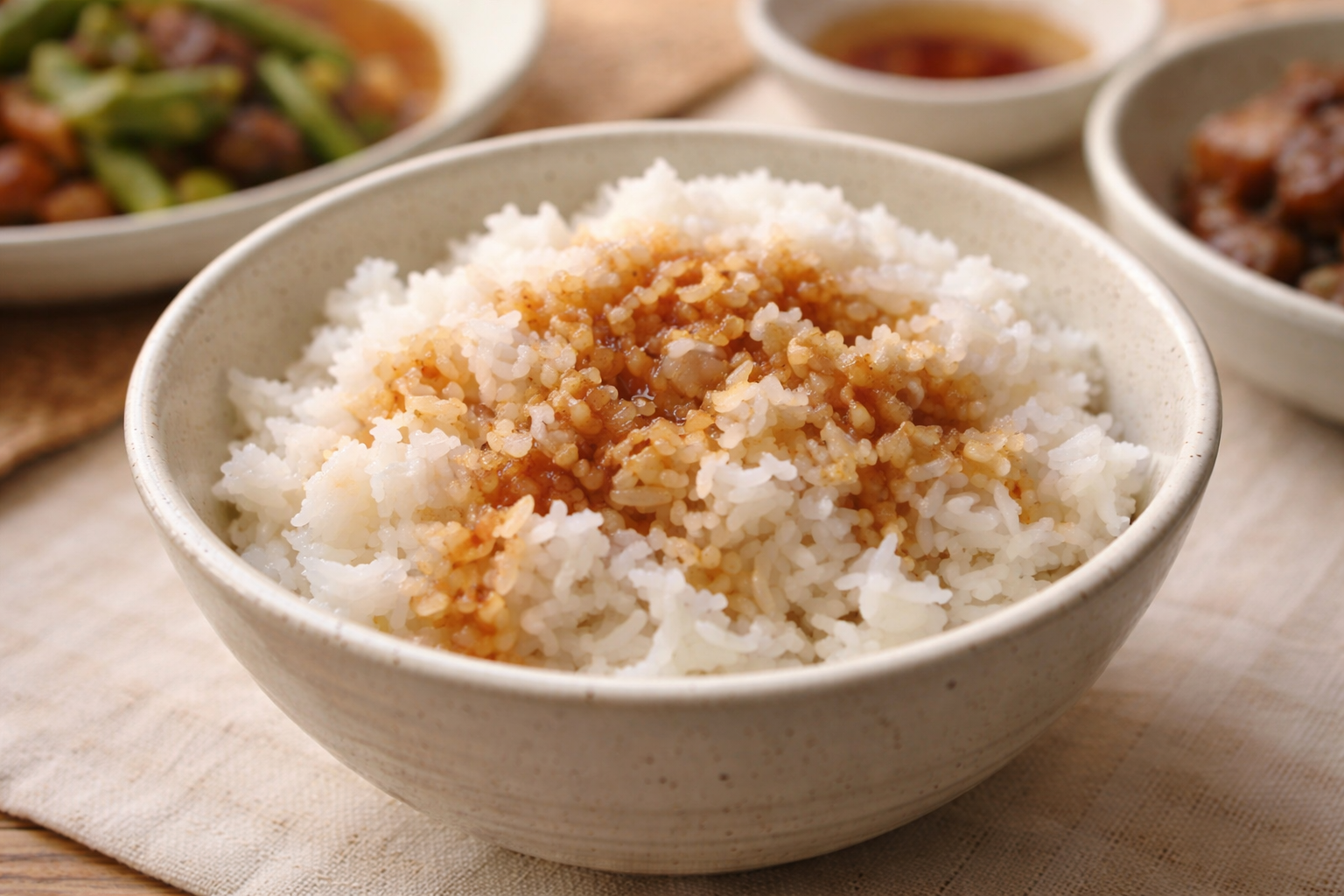
Enjoyed Again, Naturally
Filipino food is not built to impress at the first bite. It reveals its balance through reheating, rest, and repetition. This is the food you’ll enjoy again and again.
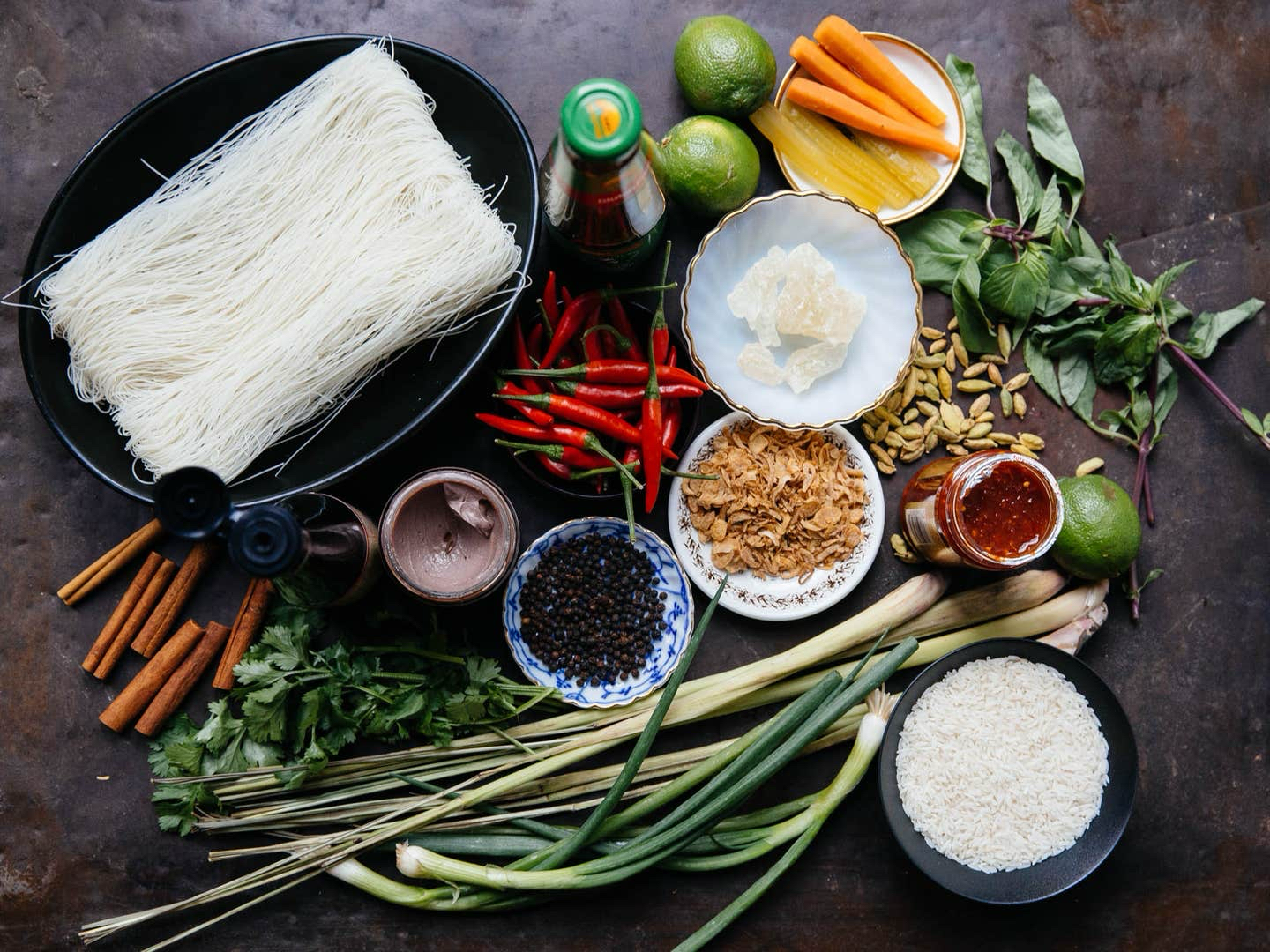
A Lesson in Balance
Vietnamese balance is not subtle—it is precise. Crisp gives way to tender, broth clears rather than coats, herbs reset the palate, and nothing lingers longer than it should.
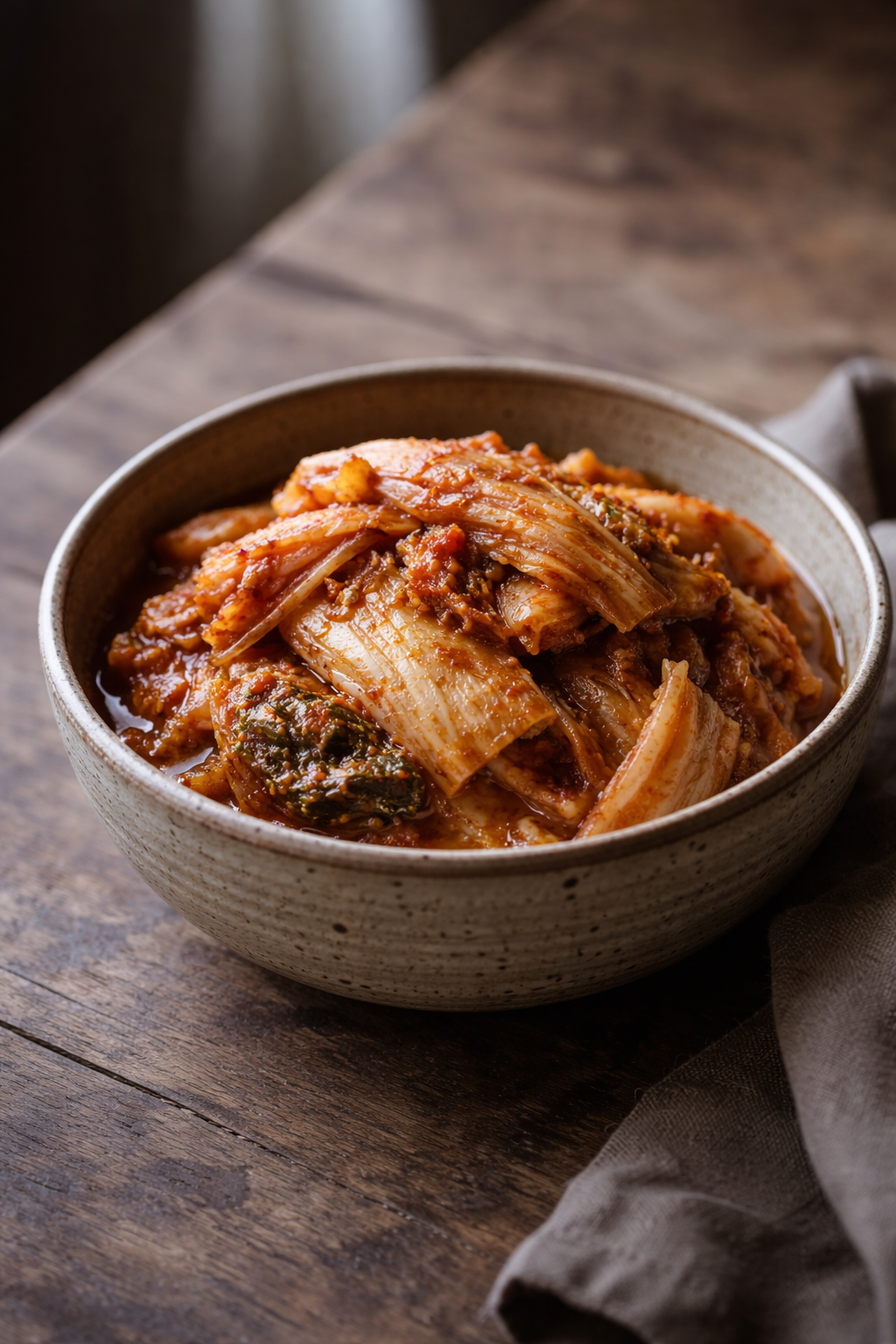
The Taste of Time
Time has a flavor. It arrives first in texture, then in balance, and finally in memory. This essay explores how fermentation tastes when it is allowed to finish speaking.

After the Applause
The Judgment of Paris changed wine history, but its truth lives in the glass. Tasting the flagship wines of Chateau Montelena and Stag’s Leap Wine Cellars today reveals how restraint, stewardship, and decision-making shape texture, structure, and pleasure—long after the applause fades.
The Pleasure of Enough
Pleasure does not peak at fullness. It arrives just before. Drawing from Japanese philosophy, Chinese banquets, Korean banchan, and Old World traditions, this essay reflects on why balance, pacing, and restraint have always defined the most satisfying meals.
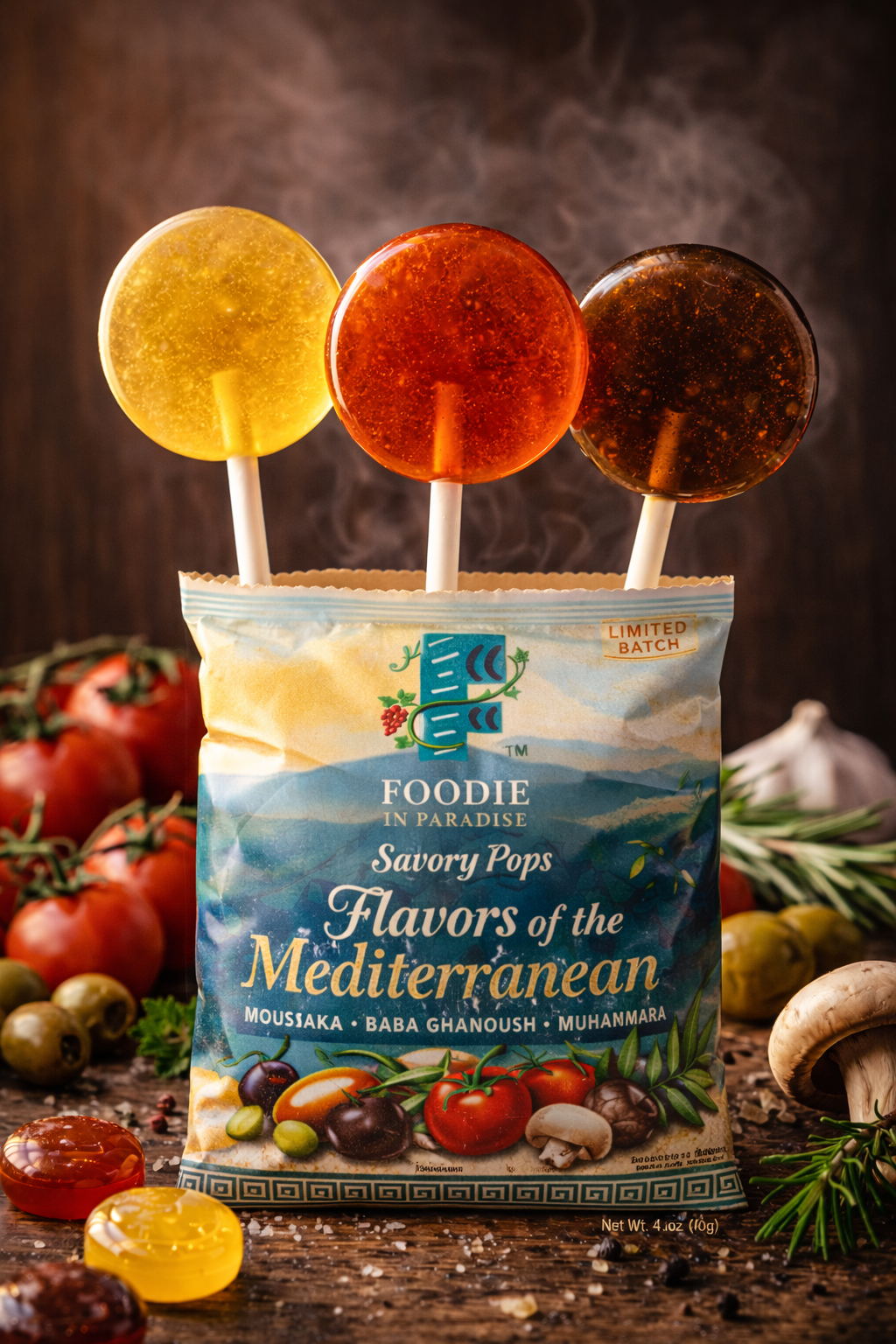
Savory Pops and the Post-Sugar Palate
Sugar once defined indulgence. Today, curiosity does. From soup-flavored candy to umami-forward comfort snacks, savory pops reveal how the post-sugar palate is reshaping pleasure, nostalgia, and what we crave next.
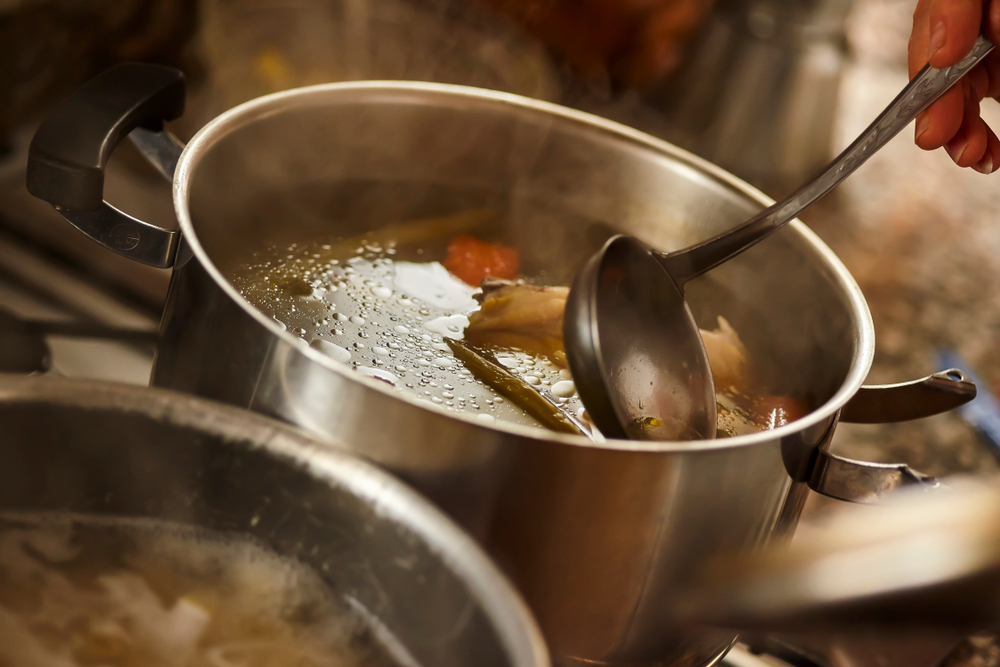
What Is the Difference Between Stock and Broth?
Stock and broth are often used interchangeably, but they serve different purposes in the kitchen. The difference comes down to collagen, gelatin, and how chefs use each liquid to build flavor and structure.
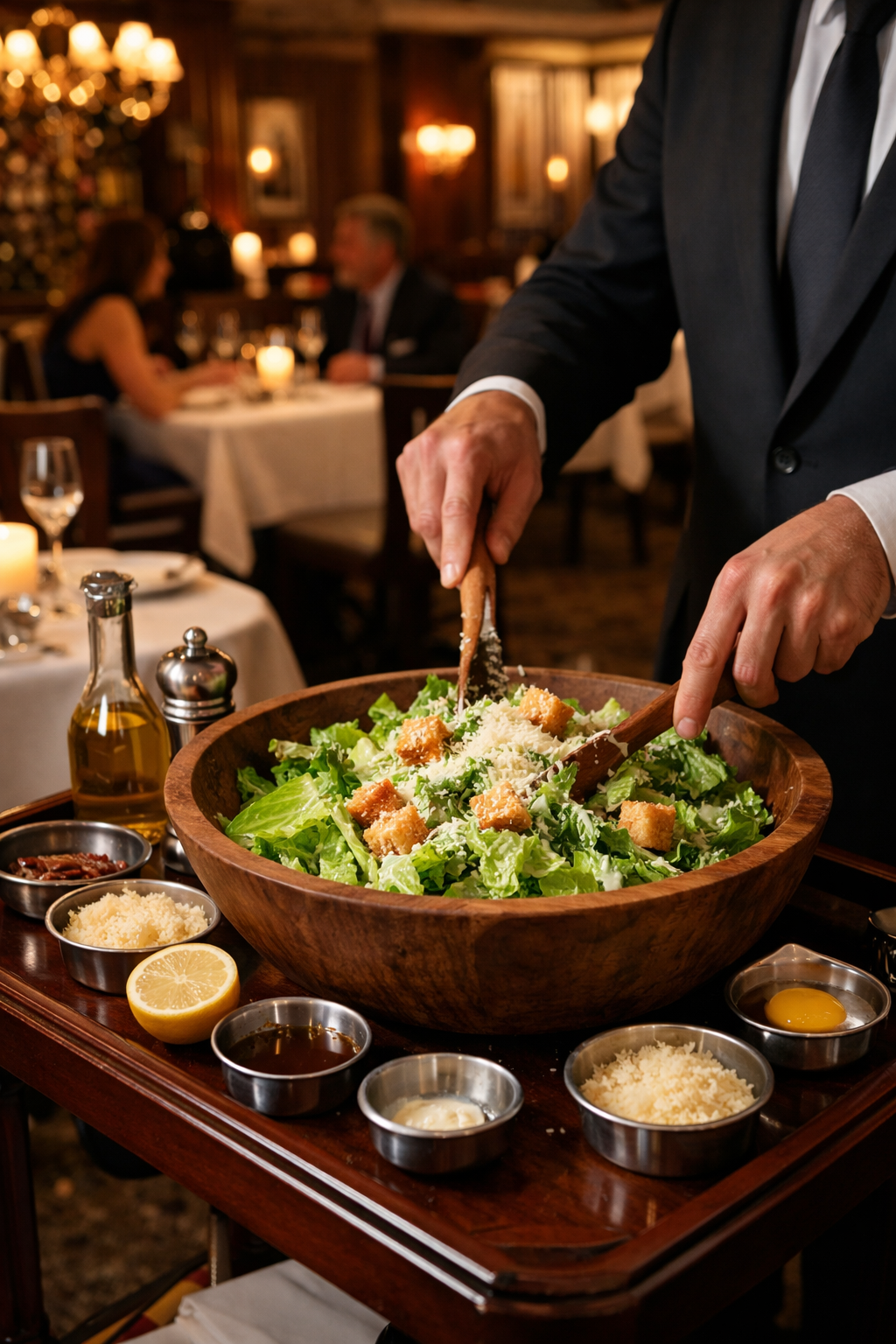
The Caesar Salad
A Foodie deep dive into the Caesar salad—its origins, tableside tradition, and why restraint and technique still define a truly great version.
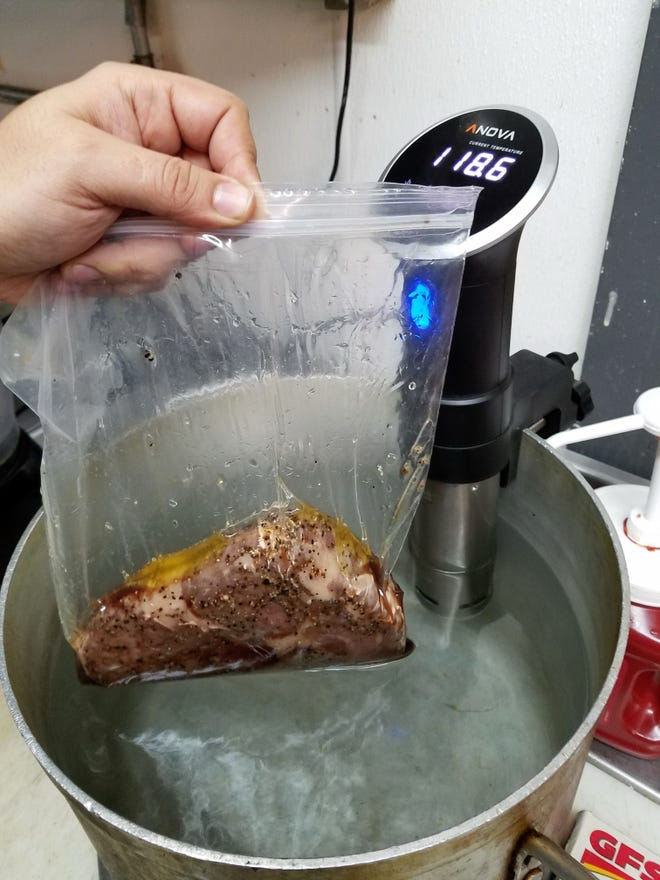
What is Sous Vide Cooking?
Sous vide cooking uses a temperature-controlled water bath to cook food evenly and precisely. By sealing food and cooking it at a consistent temperature, chefs achieve consistent doneness and texture.
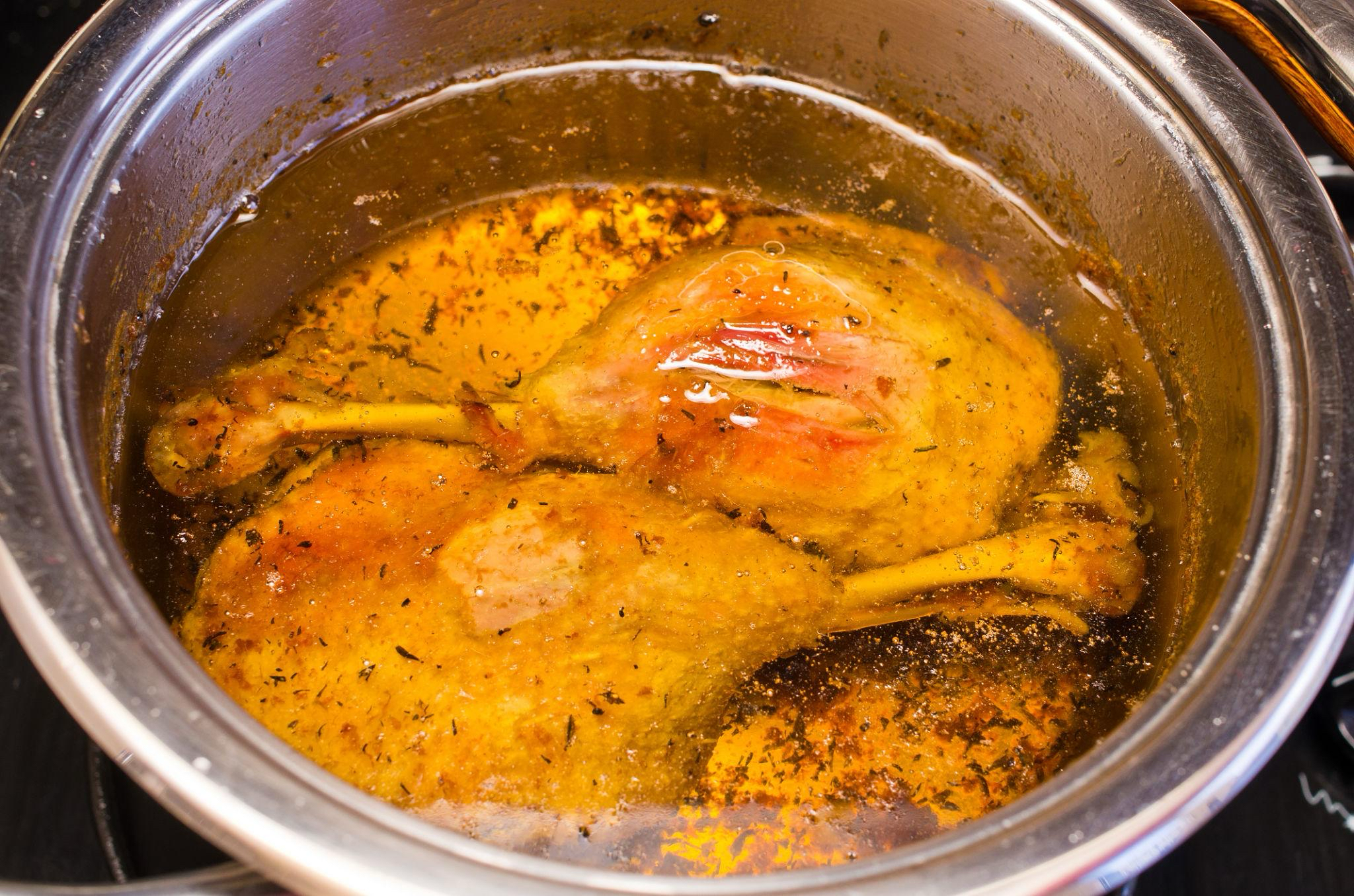
What Is Confit?
Confit is a method of slow cooking food in fat at low temperatures, traditionally used for preservation. Today, it’s valued for producing tender textures and deeply developed flavor.
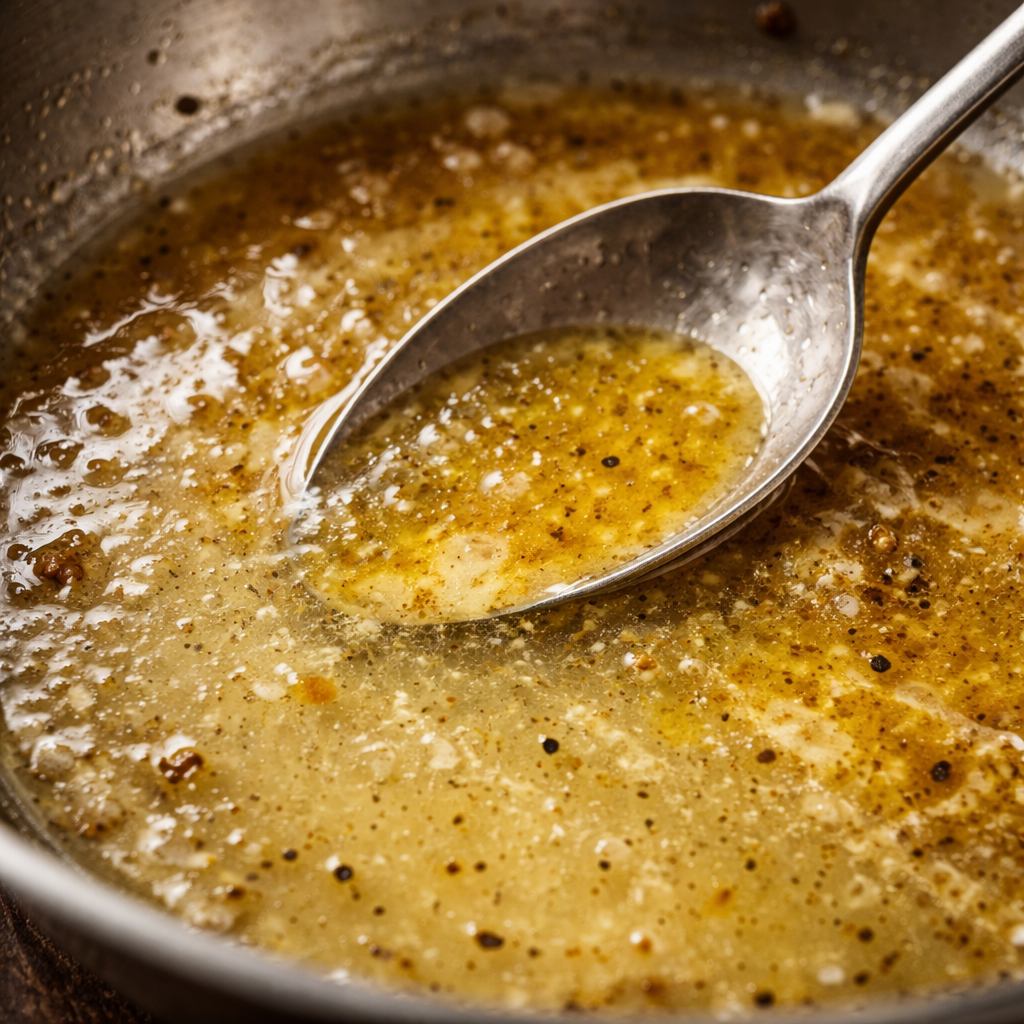
Why Do Sauces Break?
Sauces break when the emulsion holding fat and liquid together collapses. This can happen from too much heat, improper ratios, or loss of control during cooking, causing separation and loss of texture.
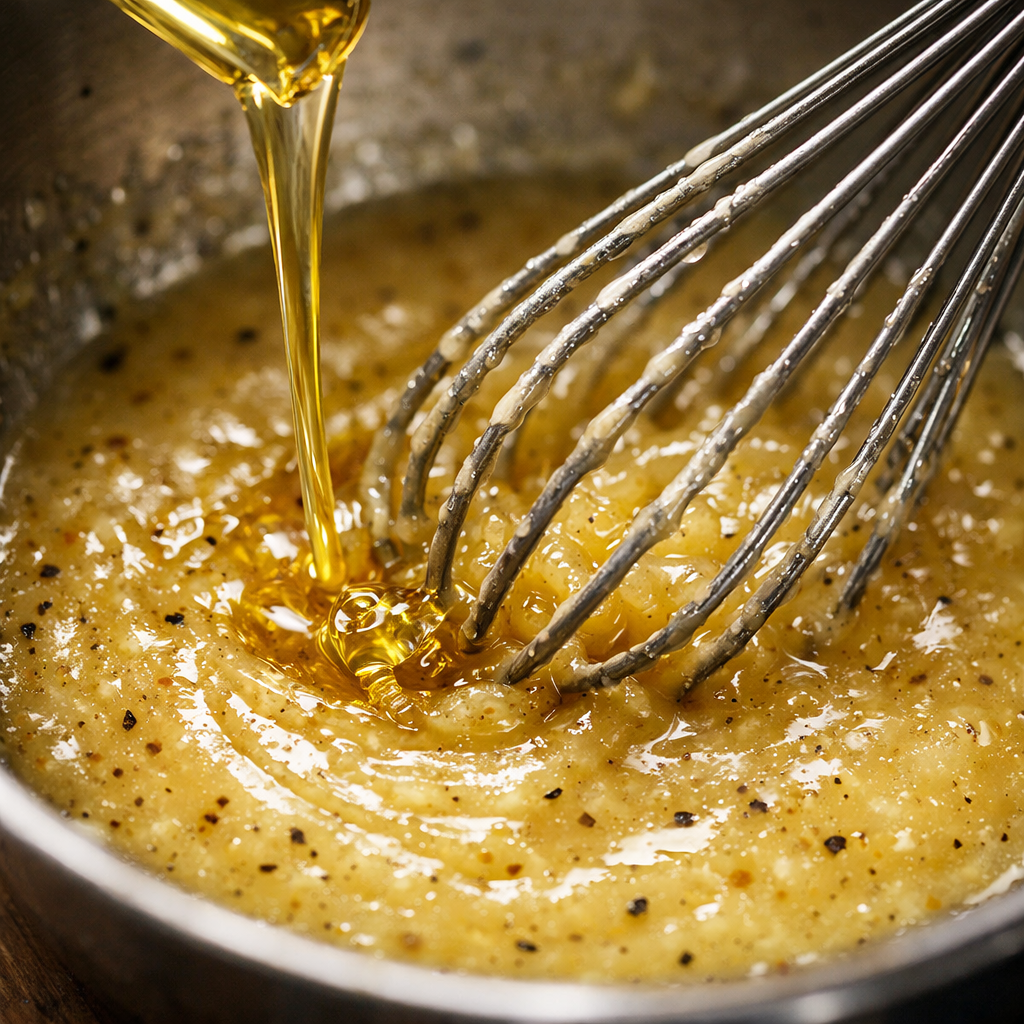
What Is Emulsification?
Emulsification is the process of combining fat and water into a stable mixture by dispersing tiny droplets of one into the other. It’s the technique behind smooth sauces like vinaigrettes, mayonnaise, and pan sauces.
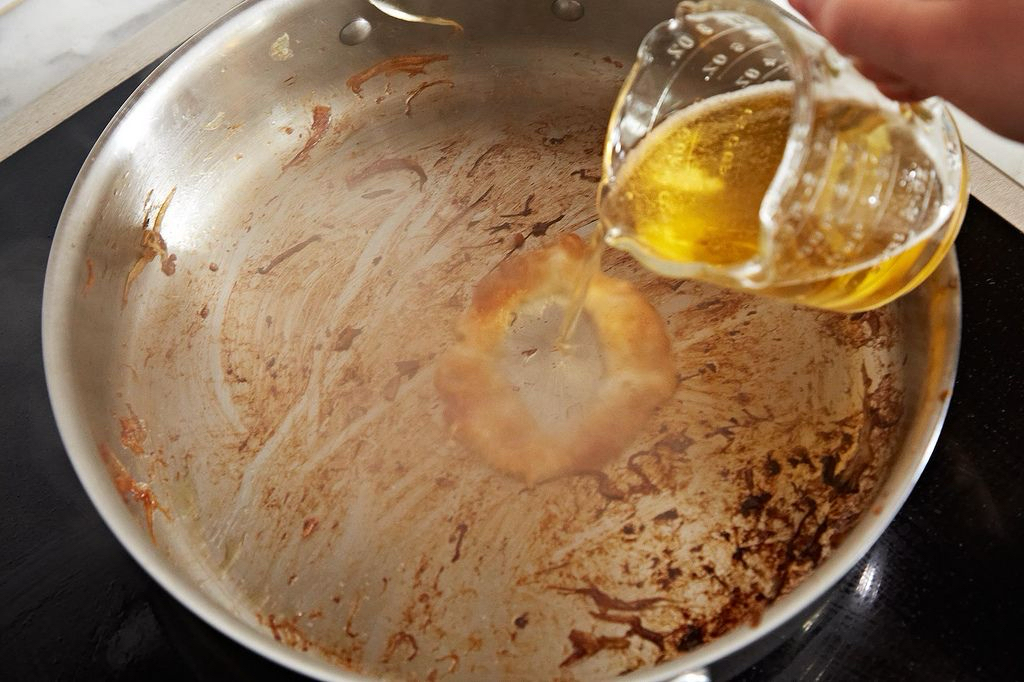
What is Deglazing?
Deglazing is the process of adding liquid to a hot pan to dissolve the browned bits left after searing. Those bits—called fond—carry concentrated flavor and form the foundation of many sauces in professional kitchens.
America, Smoked — The Table and the Truth
America, Smoked — Part IV
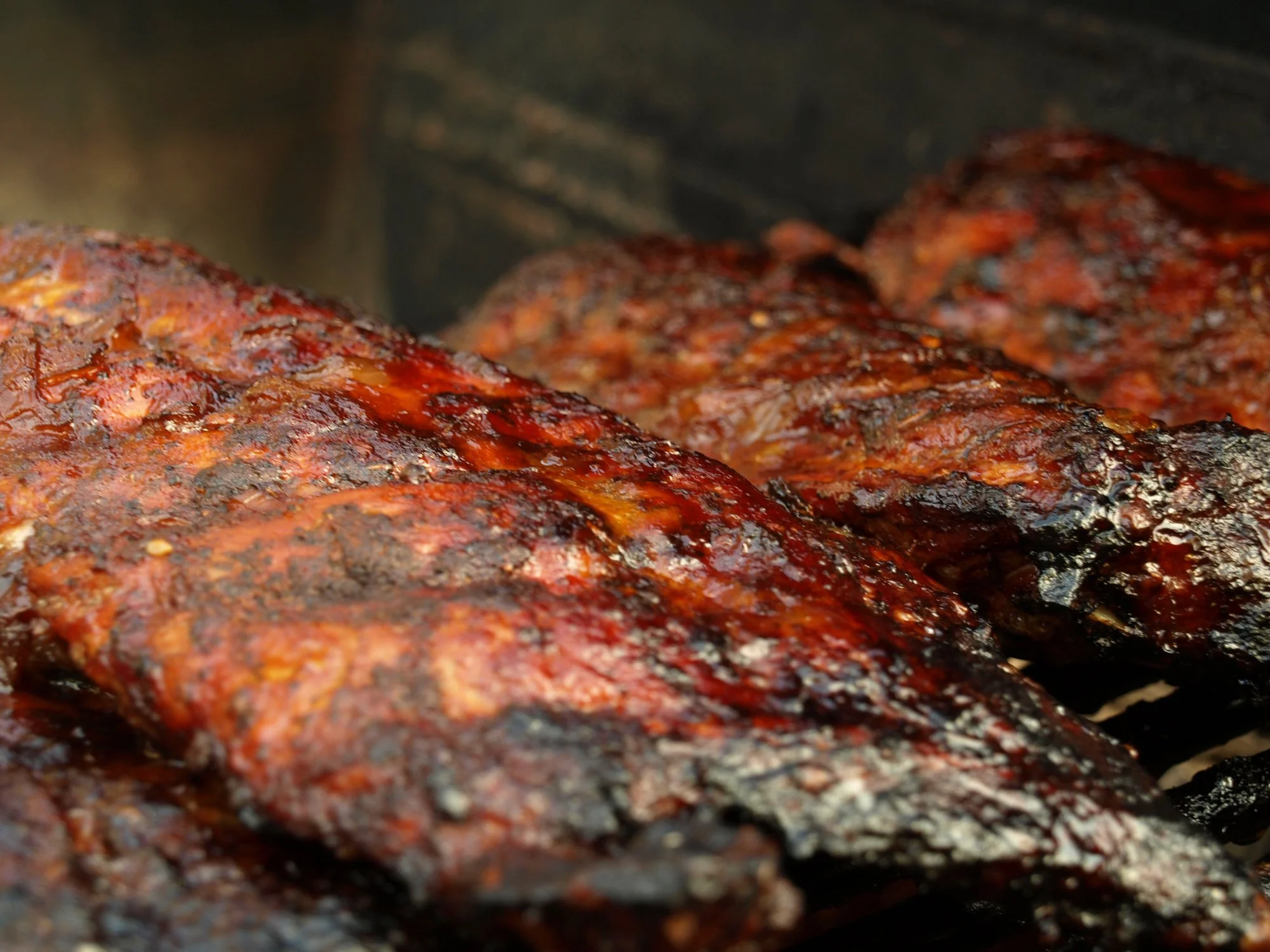
The Table and the Truth concludes our four-part journey through the people, places, and flavors that define American barbecue. From the pit to the pour, it’s a reminder that food is never just food — it’s how we find our way back to one another.
The fire fades, the glasses rise, and the stories linger. The final chapter of America, Smoked reminds us what barbecue was always about — the people.
America, Smoked — Sauce and Sanctuary
America, Smoked — Part III
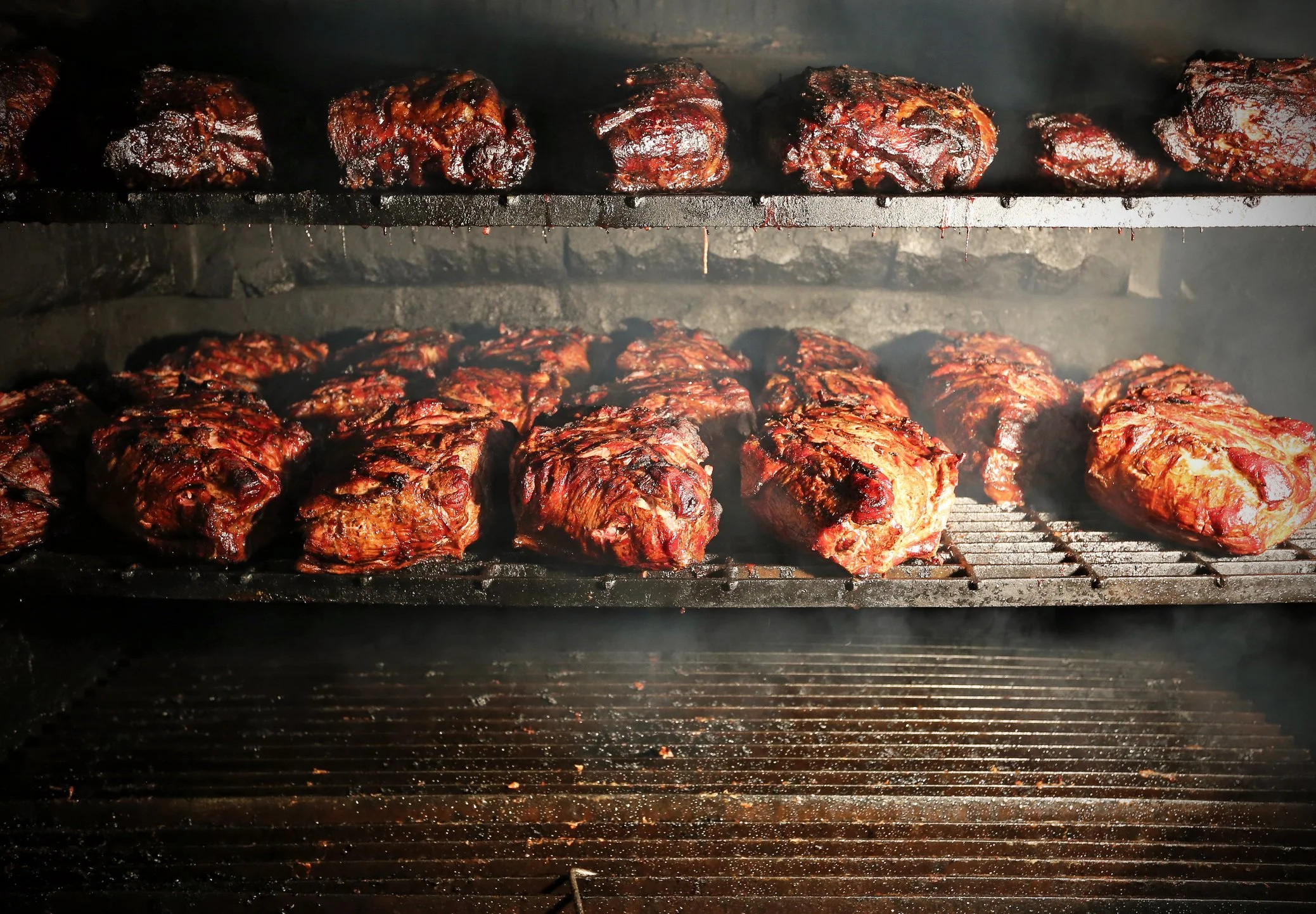
Sauce and Sanctuary continues our four-part journey through the flavors, fires, and faith behind American barbecue. From the pit to the plate, each chapter explores how smoke, sauce, and soul connect us more deeply to place — and to one another.
Sauce, smoke, and wood — the holy trinity of barbecue. Sometimes the secret isn’t in the recipe at all… it’s in knowing when to stop talking and grab another cold one.
How Does Lime Juice Cook Fish in Ceviche?
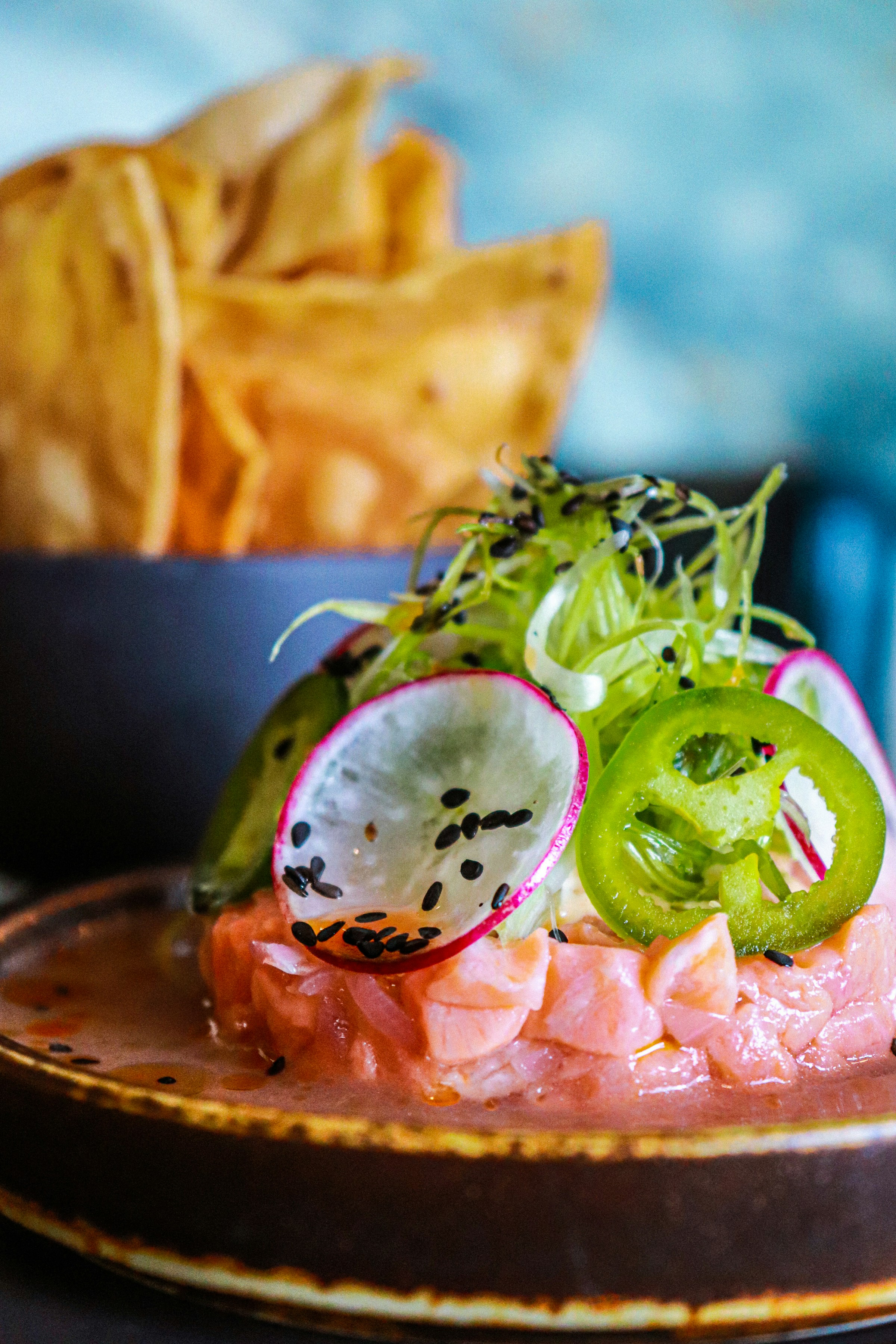
Ceviche seems like culinary magic: raw fish placed in citrus quickly becomes firm and opaque. The explanation lies in how acid reshapes seafood proteins.
America, Smoked — Smoke and Soul
America, Smoked — Part II
Smoke & Soul
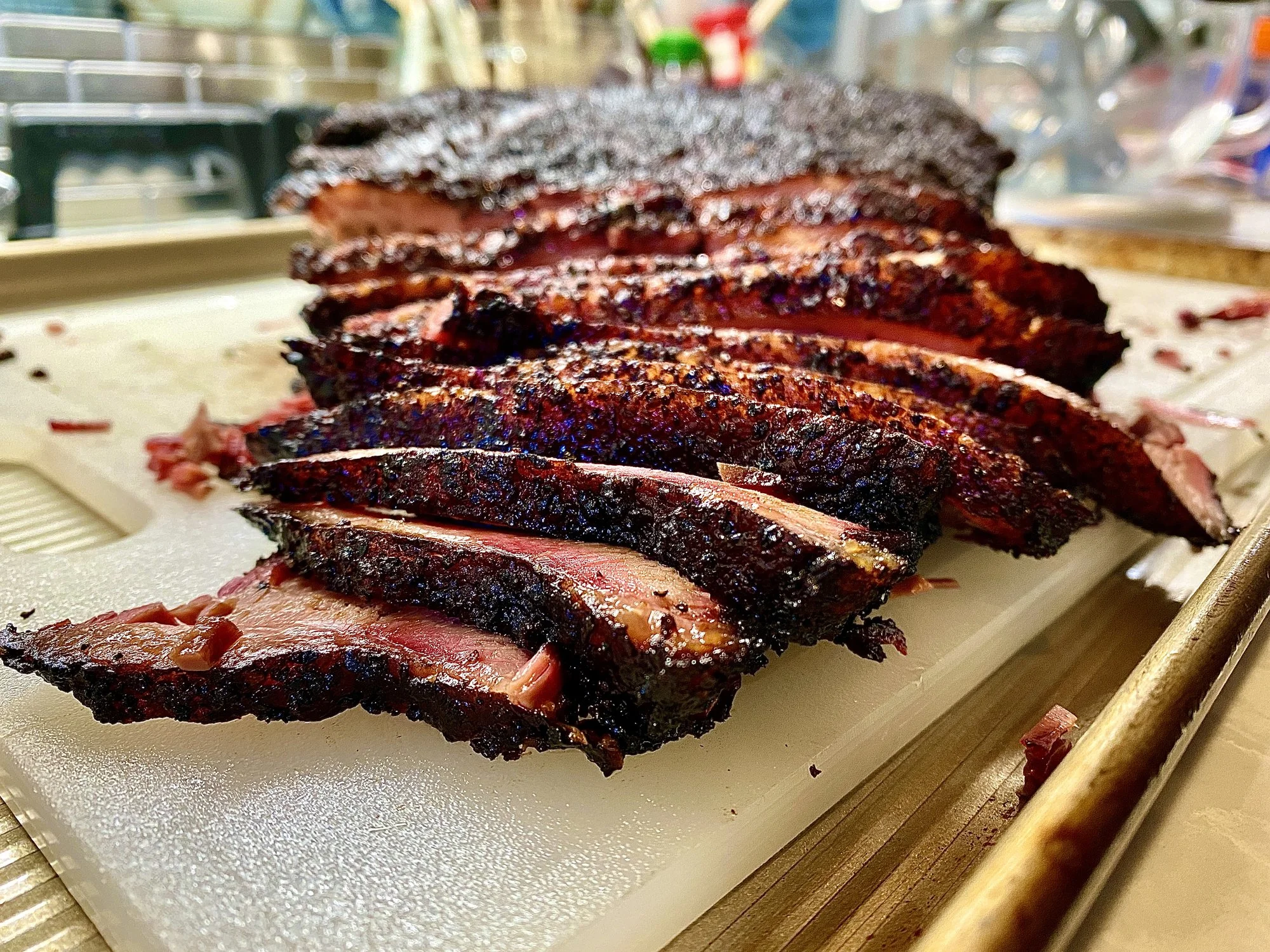
We explore the craft behind the flame — how wood, time, and technique transform meat into meaning.
You don’t just watch smoke — you listen to it.
Part II dives into the science and soul of barbecue, from oak and fire to buttermilk and memory.
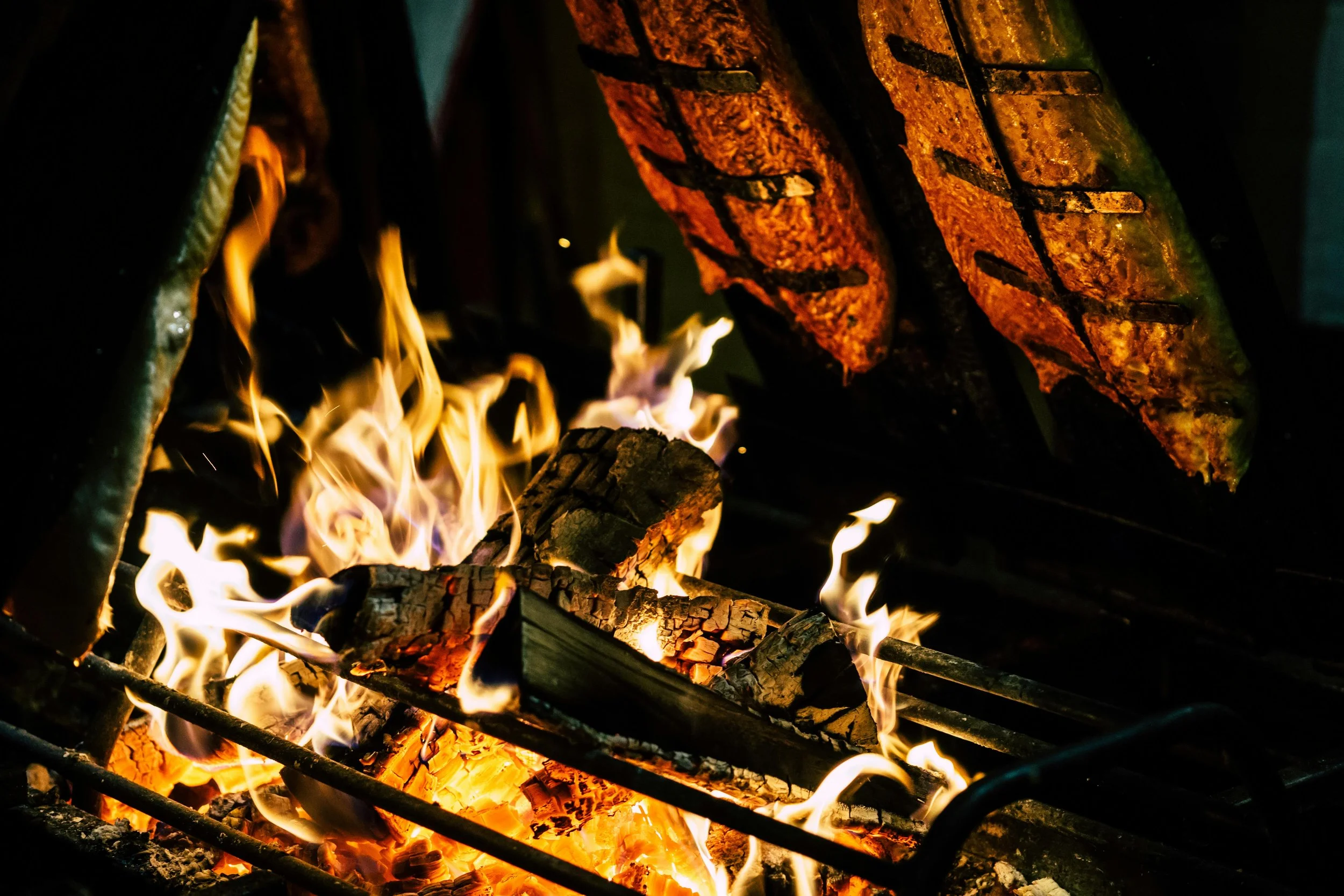
America, Smoked: Fire and Faith
America, Smoked — Part I
Fire & Faith
We explore the region’s rituals, craft, and soul that define American barbecue — and the patience that turns smoke into art.
There’s a sound a fire makes before it’s even born — a whisper between wood and flame.
This is where barbecue begins: not in heat, but in faith.
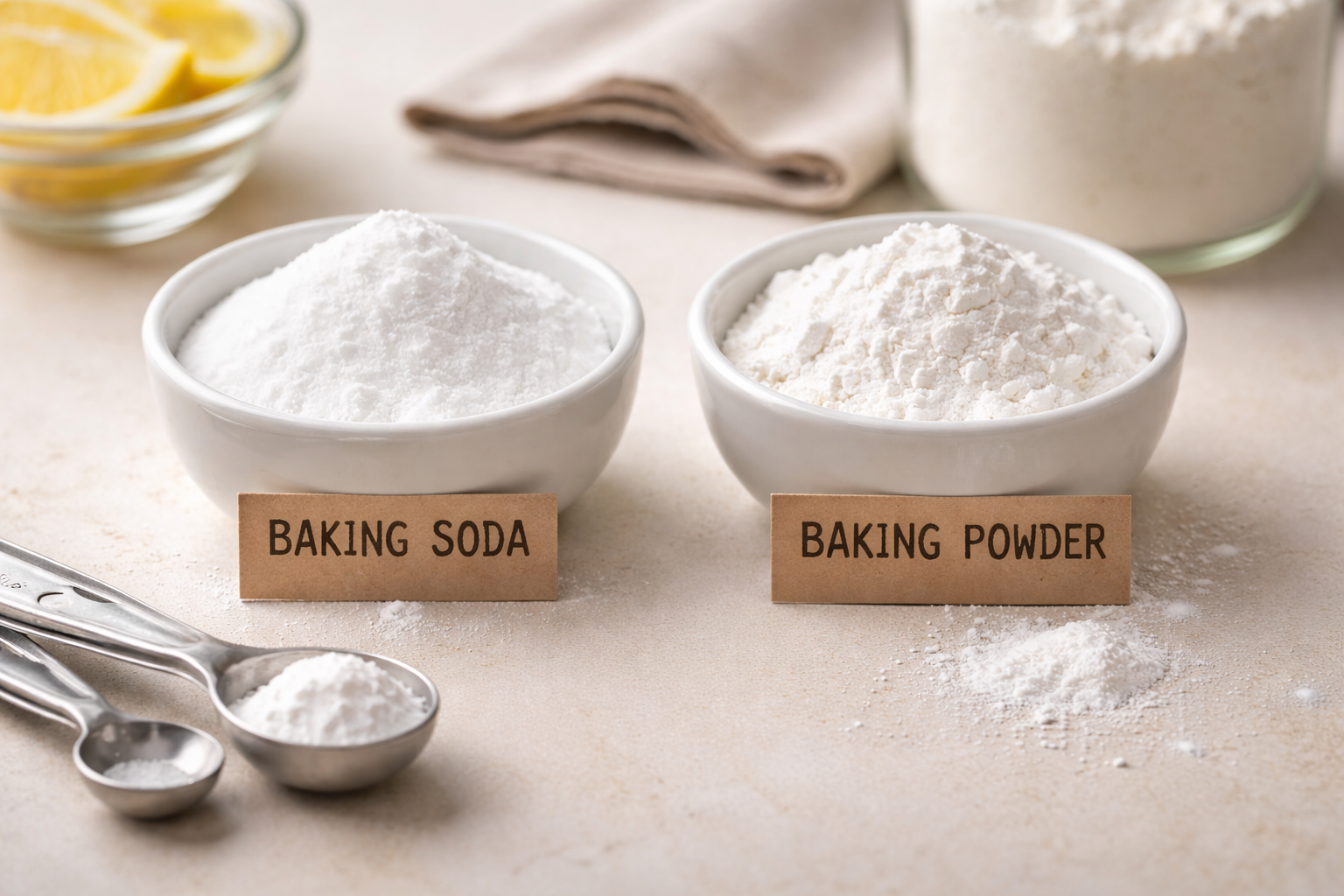
What Is the Difference Between Baking Soda and Baking Powder?
Baking soda and baking powder both create lift in baked goods, but they rely on different chemical reactions. Understanding how each works explains why recipes call for one or the other.